Search results
Search for "DMF" in Full Text gives 1101 result(s) in Beilstein Journal of Organic Chemistry. Showing first 200.
Synthesis of the 3’-O-sulfated TF antigen with a TEG-N3 linker for glycodendrimersomes preparation to study lectin binding
Beilstein J. Org. Chem. 2024, 20, 173–180, doi:10.3762/bjoc.20.17
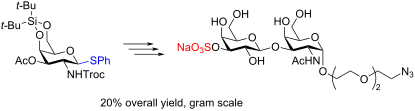
- glycosylation reactions. The 3’-sulfate was finally introduced through tin activation in benzene/DMF followed by treatment with a sulfur trioxide–trimethylamine complex in a 66% yield. Keywords: regioselective sulfation; thioglycoside donors; Thomsen–Friedenreich antigen; Introduction In a collaboration
- refluxing MeOH, followed by stirring with SO3·NMe3 in 1,4-dioxane to afford the 3’-O-sulfate in 65% yield [1]. Here, however, this choice of solvent in the sulfation step led to the material being insoluble and no reaction was observable by TLC. Changing the solvent of the sulfation reaction to DMF resulted
- observable sulfation taking place, the tin-activation step was suspected to be the root of the problem. To rectify this, similar to Malleron et al., 1 was refluxed, in a Dean–Stark set-up, with Bu2SnO in benzene/DMF (5:1, v/v) [32]. The solvent in the receiver was drained after 24 hours and the benzene was


Perspectives on push–pull chromophores derived from click-type [2 + 2] cycloaddition–retroelectrocyclization reactions of electron-rich alkynes and electron-deficient alkenes
Beilstein J. Org. Chem. 2024, 20, 125–154, doi:10.3762/bjoc.20.13
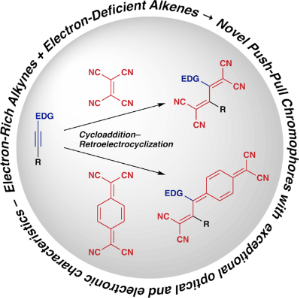
- conditions, particularly the solvent employed. For instance, when toluene is used as the reaction solvent, a reaction at 100 °C for 15 h affords an E/Z mixture of 7 (E/Z ≈ 1:1) with 90% yield, 8 with 10% yield, and 9 with 0% yield. In contrast, a reaction at 25 °C for 15 h in N,N-dimethylformamide (DMF


Synthesis of N-acyl carbazoles, phenoxazines and acridines from cyclic diaryliodonium salts
Beilstein J. Org. Chem. 2024, 20, 12–16, doi:10.3762/bjoc.20.2
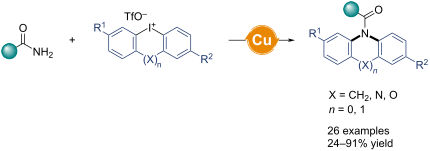
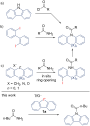
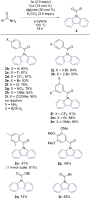
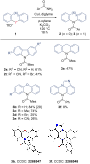
- turnover of the desired reaction [35]. To mitigate this, using silver salts as iodide scavengers in the reaction was attempted but yielded none of the desired product (Table 1, entry 2). DMF as a solvent lowered the yield to 16% (Table 1, entry 3). Switching the catalyst system to Cu(OTf)2/glyme gave a

Biphenylene-containing polycyclic conjugated compounds
Beilstein J. Org. Chem. 2023, 19, 1895–1911, doi:10.3762/bjoc.19.141
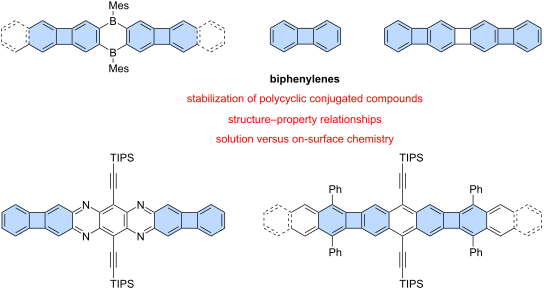
- (19) in the presence of activated zinc dust in THF (Scheme 4) [35]. By making minor adjustments to the reaction conditions, such as employing DMF as the solvent and raising the temperature to 100 °C, along with utilizing compound 20 as the starting material, Barton and his team achieved the synthesis

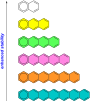


Aromatic systems with two and three pyridine-2,6-dicarbazolyl-3,5-dicarbonitrile fragments as electron-transporting organic semiconductors exhibiting long-lived emissions
Beilstein J. Org. Chem. 2023, 19, 1867–1880, doi:10.3762/bjoc.19.139
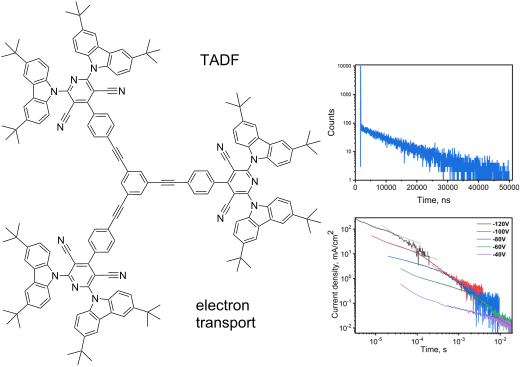
- )-4-(4-bromophenyl)pyridine-3,5-carbonitrile (4) was obtained by the interaction of 3,6-di-tert-butyl-9H-carbazole with compound 3 in THF/DMF solution. The ethynylphenyl-substituted pyridine 5 was synthesized by Sonogashira coupling of 4 with ethynyltrimethylsilane in the presence of PdCl2(PPh3)2 and
- copper(I) iodide in DMF/DIPEA solution at 55 °C with subsequent desilylation with potassium carbonate. Finally, butadiyne 6 was prepared by a homocoupling reaction of 5 with 80% yield. Derivatives containing two dicyanopyridyl moieties, 7 and 8, were prepared starting with a Sonogashira coupling of
- mmol, 3 equiv) was added at 0 °C, the suspension was stirred for 30 min and then, a DMF (5 mL) solution of compound 3 (0.74 g, 1.67 mmol, 1 equiv) was added. The mixture was stirred at rt for 3 h (TLC) before it was poured into ice-water. The suspension was extracted with chloroform (5 × 30 mL) and


Thienothiophene-based organic light-emitting diode: synthesis, photophysical properties and application
Beilstein J. Org. Chem. 2023, 19, 1849–1857, doi:10.3762/bjoc.19.137
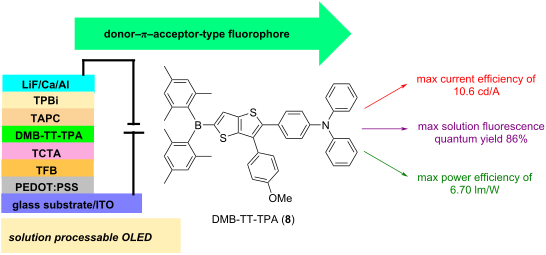
- polyphosphoric acid (PPA) in refluxing chlorobenzene to give 3 (TT) in 86% yield. The brominated TT 4 was obtained through selective monobromination of compound 3 using NBS at −10 °C in DMF in 88% yield. The boronated triphenylamine 6 was constructed in a one-pot two-step reaction in 77% yield, by lithiation of


A novel recyclable organocatalyst for the gram-scale enantioselective synthesis of (S)-baclofen
Beilstein J. Org. Chem. 2023, 19, 1811–1824, doi:10.3762/bjoc.19.133
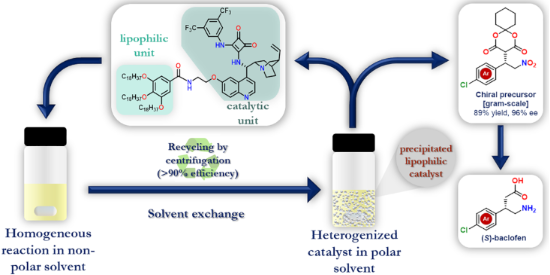
- 6 (732 mg, 1.19 mmol) was dissolved in DMF (15 mL), and caesium carbonate (1.75 g, 5.37 mmol, 4.5 equiv) was added to the solution at 0 °C. The reaction mixture was stirred for 20 min at this temperature. Then, the DMF (10 mL) solution of tosylated N-Boc-protected ethanolamine (955 mg, 3.03 mmol
- -tris(octadecyloxy)benzoate (9) Methyl gallate (8, 15 g, 0.082 mol) was dissolved in DMF (150 mL), and 1-bromooctadecane (87.3 g, 0.262 mol) and potassium carbonate (67.5 g, 0.489 mol) were added. To the resulting reaction mixture, further DMF (150 mL) was added. After stirring for 16 hours at 80 °C


Selectivity control towards CO versus H2 for photo-driven CO2 reduction with a novel Co(II) catalyst
Beilstein J. Org. Chem. 2023, 19, 1766–1775, doi:10.3762/bjoc.19.129
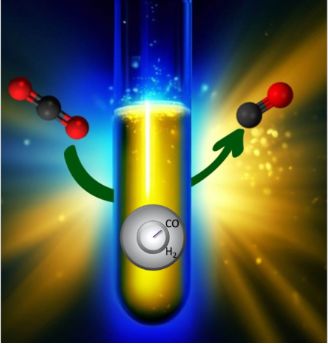
- -dimethylacetamide (DMA) as the major component. Although this solvent has very similar properties as the mostly used N,N-dimethylformamide (DMF), it is highly stable and does not produce formate upon hydrolysis [49]. In the solvent system DMA/TEOA 3:1 (v/v), we could observe that carbon monoxide was formed, however


Unprecedented synthesis of a 14-membered hexaazamacrocycle
Beilstein J. Org. Chem. 2023, 19, 1728–1740, doi:10.3762/bjoc.19.126
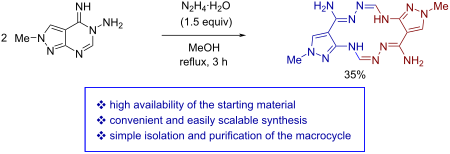
- with a noticeable increase in the macrocycle yield up to 41% (Table 1, entries 20 and 21). The extremely poor solubility of product 5 in most organic solvents allowed to purify it from all admixtures, including byproduct 6, by a single crystallization from boiling DMF. Thus, pure product 5 was prepared
- noteworthy that triazole 10 was the major product in dioxane (10/5/6 = 86.5:13:0.5, Table 1, entry 23). Again, macrocycle 5 was separated from this mixture by crystallization from DMF, and pyrazolyl-1,2,4-triazole 10 was isolated from the mother liquor. The structure of compound 10 was established based on
- , 3 h) followed by crystallization of the crude product from DMF. The use of compound 8 as a starting material affords the target product 5 with higher purity and yield compared with the use of imidate 4. Moreover, pyrazolopyrimidine 8 itself is much more stable than imidate 4, and its intermediate


Lewis acid-promoted direct synthesis of isoxazole derivatives
Beilstein J. Org. Chem. 2023, 19, 1562–1567, doi:10.3762/bjoc.19.113

- compared with DMSO and DMF (Table 1, entries 8 and 9). The reaction yield was decreased to 21% when increasing the temperature to 140 °C under standard conditions (Table 1, entry 10). Finally, the nitrogen atmosphere was essential since the yield substantially decreased under air atmosphere (Table 1, entry


Morpholine-mediated defluorinative cycloaddition of gem-difluoroalkenes and organic azides
Beilstein J. Org. Chem. 2023, 19, 1545–1554, doi:10.3762/bjoc.19.111
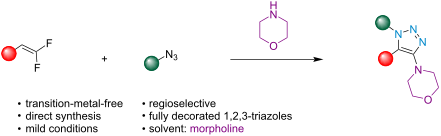
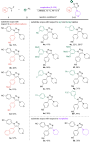
- in DMF at 100 °C for 5 h [30]. We hypothesized that electron-withdrawing p-cyanophenyl azide 2b, would be better suited for optimizing the reaction conditions compared to the unsubstituted phenyl azide 2a. Taking a clue from the literature, we looked at transition metals that facilitate




N-Sulfenylsuccinimide/phthalimide: an alternative sulfenylating reagent in organic transformations
Beilstein J. Org. Chem. 2023, 19, 1471–1502, doi:10.3762/bjoc.19.106
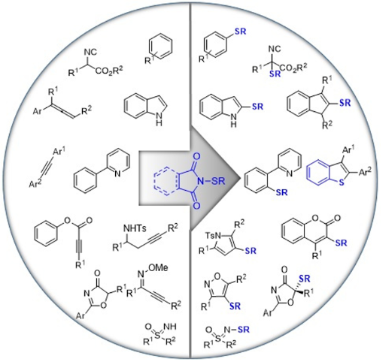
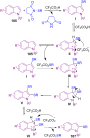
- PhSO2· radical to obtain intermediate III. Radical II underwent oxidation with PhSO2· to form alkenyl cation IV and PhSO2−. At last, H-abstraction from DMF delivered product 71 and the Ni(0) species to continue the catalytic cycle. In 2022, Gao and co-workers introduced a new protocol for the




One-pot nucleophilic substitution–double click reactions of biazides leading to functionalized bis(1,2,3-triazole) derivatives
Beilstein J. Org. Chem. 2023, 19, 1399–1407, doi:10.3762/bjoc.19.101
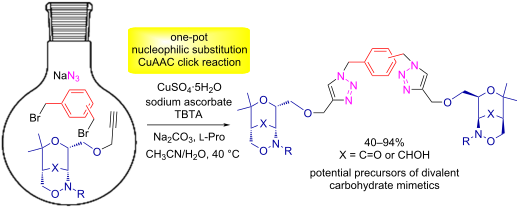
- presence of sodium ascorbate as reducing agent and sodium carbonate as base as well as ʟ-proline as ligand in a DMF/water mixture at 60 °C provided this promising result. These conditions applied are similar to those described by Fokin et al. [24], which had also been employed by other groups [37][38]. The



Visible-light-induced nickel-catalyzed α-hydroxytrifluoroethylation of alkyl carboxylic acids: Access to trifluoromethyl alkyl acyloins
Beilstein J. Org. Chem. 2023, 19, 1372–1378, doi:10.3762/bjoc.19.98
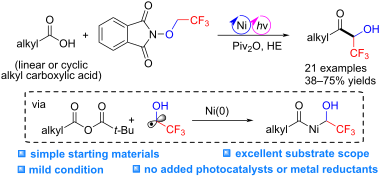
- ), NiBr2(bpy), NiBr2(phen) or other nickel salts led to comparable or dramatically decreased yields (Table 1, entries 8–12). Other polar non-protonic solvents such as NMP and DMF led to diminished yields (Table 1, entries 13 and 14). Having identified the optimal reaction conditions, we sought to evaluate


Synthesis of ether lipids: natural compounds and analogues
Beilstein J. Org. Chem. 2023, 19, 1299–1369, doi:10.3762/bjoc.19.96
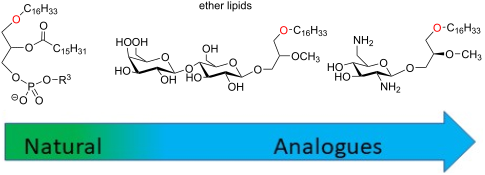
- from racemic solketal which is deprotonated with potassium [74], NaH [75], NaNH2 [76] or KH and by using different solvents including benzene [74], toluene [76][77], THF [78], or DMF [75][79] and then alkylated with bromoalkyl [75][76] or mesylate lipid alcohol [74]. The same protocols (NaH, toluene or
- NaH, DMF) were applied to prepare enantiopure (R)-6.1 or (S)-6.1 from commercially available enantiopure solketal [75][76][78]. For the protected secondary alcohol of the glycerol derivative 6.6a (Figure 6B), a stereoselective synthesis, starting from either ᴅ- or ʟ-tartaric acids, produced first the
- deprotonation of solketal in DMF followed by the addition of oleyl alcohol tosylate. 9.3 was isolated after the hydrolysis in acidic conditions of the acetal protecting group. The protection of the primary alcohol required a protecting group that can be deprotected without affecting the C=C double bond of the






Organic thermally activated delayed fluorescence material with strained benzoguanidine donor
Beilstein J. Org. Chem. 2023, 19, 1289–1298, doi:10.3762/bjoc.19.95
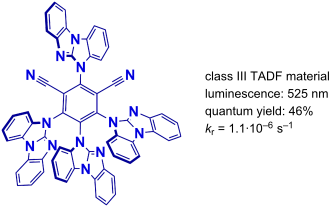
- mmol) in anhydrous DMF (40 mL) at 0 °C under a stream of N2. The reaction mixture was stirred for 1 h at room temperature. 2,4,5,6-Tetrafluoroisophthalonitrile (135 mg, 676 μmol) was added to the reaction mixture under N2. The reaction mixture was heated to 140 °C and left to stir overnight. The
- reaction mixture was dried under vacuum to remove DMF. The crude product was extracted with DCM and washed with water. The organic phase was collected and dried with MgSO4, filtered and concentrated under vacuo. The product was further purified by column chromatography (ethyl acetate/hexane 1:4) to give


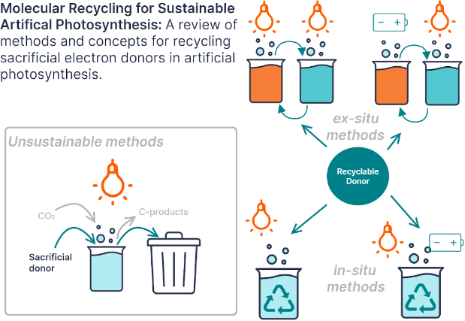
Enabling artificial photosynthesis systems with molecular recycling: A review of photo- and electrochemical methods for regenerating organic sacrificial electron donors
Beilstein J. Org. Chem. 2023, 19, 1198–1215, doi:10.3762/bjoc.19.88
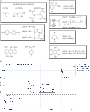
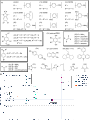
- be discussed. The oxidation potentials of these compounds in non-aqueous media vs Fc/Fc+ are shown in Figure 5. The excited-state reduction potential of Ir(ppy)3 in DMF (V vs Fc/Fc+) has been added to the plot for comparison [70], as well as the redox potentials for Ru(bpy)3 in acetonitrile [20]. Ir


Photoredox catalysis harvesting multiple photon or electrochemical energies
Beilstein J. Org. Chem. 2023, 19, 1055–1145, doi:10.3762/bjoc.19.81
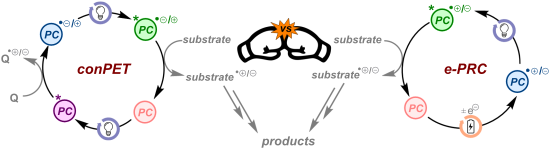
- halides and the coupling products were obtained in good yields (52–74%) (Figure 4B). To suppress the rapid HAT with solvent DMF that yields the dehalogenated product, DMSO was chosen as solvent for the C–H arylation. When applying the catalytic protocol to 2-allyloxy-1,3,5-tribromobenzene, the 5-exo-trig

























Clauson–Kaas pyrrole synthesis using diverse catalysts: a transition from conventional to greener approach
Beilstein J. Org. Chem. 2023, 19, 928–955, doi:10.3762/bjoc.19.71
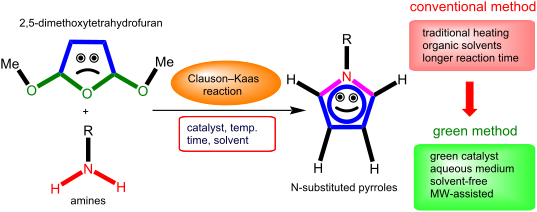
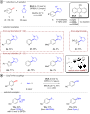
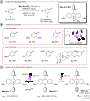
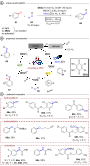
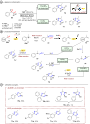
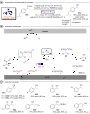
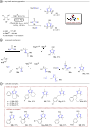
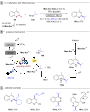
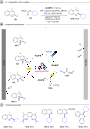
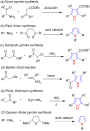
- -free and greener synthesis of various N-substituted pyrroles 43 under solvent-free conditions (Scheme 20a). For the optimizations of the reaction conditions, various catalysts (Ca(NO3)2∙4H2O, UO2(NO3)2∙6H2O, Bi(NO3)2∙5H2O) and solvents (H2O, CH3CN, EtOH, DMSO, DMF, MeOH, CH2Cl2, no solvent) were
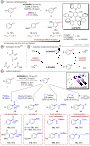
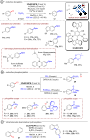
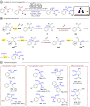
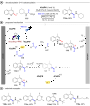
- compounds are insoluble in water and provides poor yields of the product in solvent-free conditions. Gullapelli et al. [92] described the Clauson–Kaas synthesis of N-arylpyrroles 79 under microwave irradiation using oxone (2KHSO5∙KHSO4∙K2SO4) as a catalyst (Scheme 38a). Many solvents (EtOH, CH3CN, THF, DMF




Photoredox catalysis enabling decarboxylative radical cyclization of γ,γ-dimethylallyltryptophan (DMAT) derivatives: formal synthesis of 6,7-secoagroclavine
Beilstein J. Org. Chem. 2023, 19, 918–927, doi:10.3762/bjoc.19.70
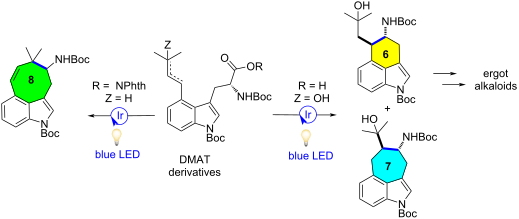
- , according to the Baldwin rules [92]. We began our investigation of the proposed decarboxylative cyclization by exposing the N-Boc derivative 8, Ir catalyst, and K2HPO4 in DMF to a 34 W blue LED lamp at room temperature (Table 1) [93][94][95][96][97]. To our delight, cyclization was observed under these
- deliver the desired product 11 and the undesired product 12), or an hydrogen-atom-transfer (HAT) process (which would not place a formal negative charge onto the molecule), where the hydrogen atom required for this possible final HAT step originates from the solvent (DMF) itself [107]. Therefore, we
- tested the reaction in N,N-dimethylformamide-d7 (DMF-d7), which showed almost quantitative deuterium incorporation. While this result was surprising, further studies into this complex mechanism are ongoing and will be reported in due course. The synthetic potential and utility of this method was further


Pyridine C(sp2)–H bond functionalization under transition-metal and rare earth metal catalysis
Beilstein J. Org. Chem. 2023, 19, 820–863, doi:10.3762/bjoc.19.62
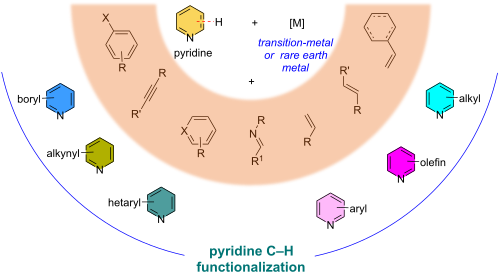
- styrenes (Scheme 14). Their preliminary investigation provided both C2 and C3-olefinated products, with the C2-selective product 69 as the major product (Scheme 14a). With the optimized conditions of Pd(OAc)2 (10 mol %), AgOAc (3 equiv), PivOH (2.5 equiv) in DMF, the method showed wide substrate scope and










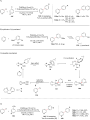


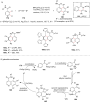
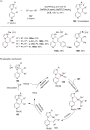


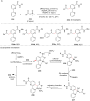


Eschenmoser coupling reactions starting from primary thioamides. When do they work and when not?
Beilstein J. Org. Chem. 2023, 19, 808–819, doi:10.3762/bjoc.19.61
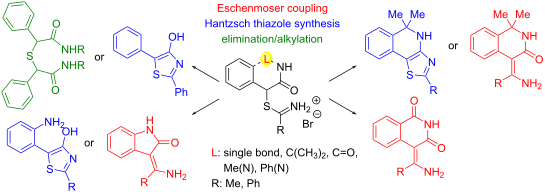
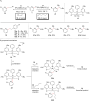
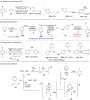
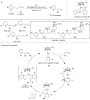
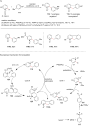
- proceedes smoothly in a polar aprotic solvent (DMF or MeCN) and mostly without any base or thiophilic agent (Scheme 1). Such an arrangement is not typical, since at least the presence of a base is traditionally necessary for the successful performance of the ECR. Moreover, α-halolactams (as, e.g., 3
- Y: alkyl, aryl). This reaction pathway represents the well-known Hantzsch thiazole synthesis [13][14][15][16][17][18][19][20][21]. If the imidothioate IV is further deprotonated [10][11][12] at nitrogen using a strong base (e.g., NaOH/H2O or EtONa/DMF are strong enough), then another intramolecular
- 70–95%). The presence of a base and the type of solvent seems to be an important factor for the reaction course. In toluene, ionic liquid or in refluxing ethanol without a base [16][19][20] or in the presence of weakly basic pyridine [17][18][21] (pKa = 5.23 in water, 3.4 in DMSO, 3.3 in DMF, and


Synthesis of substituted 8H-benzo[h]pyrano[2,3-f]quinazolin-8-ones via photochemical 6π-electrocyclization of pyrimidines containing an allomaltol fragment
Beilstein J. Org. Chem. 2023, 19, 778–788, doi:10.3762/bjoc.19.58
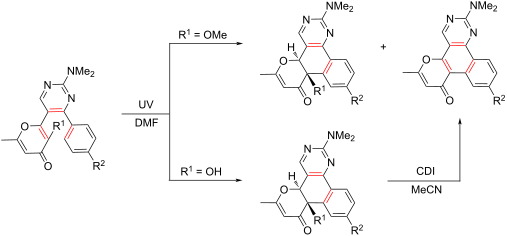
- results, we started the photochemistry study of the considered pyrimidines from the corresponding methylated derivatives of 9. The products 10 were obtained by alkylation of compounds 9 with methyl iodide in DMF in the presence of K2CO3 (Scheme 4). At first, the photochemical behavior was investigated for
- compound 10a to the aforementioned mixture was observed after 48 h (Figure 1C). It should be noted that further irradiation of the test sample does not change the ratio of the formed products. In order to obtain the compounds in pure form we repeated the reaction in DMF irradiating at 365 nm for 48 h. As a
- that an alternative option for blocking ESIPT-induced processes for allomaltol derivatives is the use of DMF as a solvent [24]. Based on this fact, we assumed that the photoreaction in DMF would also allow the conversion of the starting pyrimidines 9 into the corresponding polycycles 12. However, the


Synthesis of imidazo[1,2-a]pyridine-containing peptidomimetics by tandem of Groebke–Blackburn–Bienaymé and Ugi reactions
Beilstein J. Org. Chem. 2023, 19, 727–735, doi:10.3762/bjoc.19.53
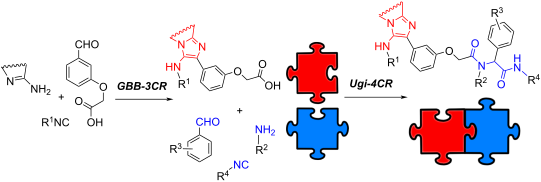
- 24 hours at room temperature in DMF with catalytic amounts of HClO4. The yield of compound 4a in this case was 76%. Then new heterocyclic acids were used as reagents for the Ugi four-component reaction. Due to the rather low solubility of the acids in methanol, it was necessary to increase the
- -chlorobenzaldehyde (5b), 4-methoxyaniline (6a) and tert-butyl isocyanide (3a). It should be especially noted that the solubility of compound 8a is very low (soluble in DMSO and N-methyl-2-pyrrolidone (NMP), slightly soluble in methanol, 1- and 2-propanol, acetone, DMF and insoluble in water, ethanol, acetonitrile
- use DMSO, DMF and NMP as solvents for this Ugi treatment. However, we found that the application of the solvent systems based on DMF and DMSO described in the literature [35][36] did not lead to the target compound 9a (Scheme 5, Table 2). Stirring at elevated temperatures or reaction in NMP also


CuAAC-inspired synthesis of 1,2,3-triazole-bridged porphyrin conjugates: an overview
Beilstein J. Org. Chem. 2023, 19, 349–379, doi:10.3762/bjoc.19.29
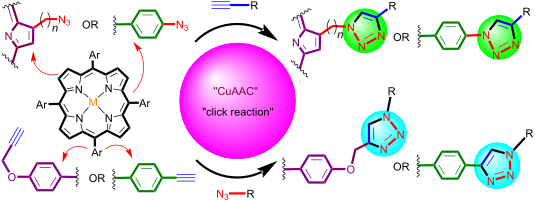
- ] exploited the concept of “click chemistry” for the construction of β-substituted-triazoloporphyrins 3a–c in 65–95% yield by the reaction of β-azidotetraphenylporphyrins 1 with various arylalkynes 2a–c via copper(I)-catalyzed Huisgen 1,3-dipolar cycloaddition reaction in DMF at 50 °C in the presence of CuSO4
- 6–10 in the presence of CuSO4·5H2O and ascorbic acid in DMF at 80 °C (Scheme 2). Further, the corresponding free-base porphyrins 11b–20b were obtained in good yields after demetallation of copper and zinc porphyrins under acidic conditions. Also, their zinc analogues 11c–15c were obtained by the
- yields. Firstly, Zn(II) meso-phenyltriazole-linked porphyrin-coumarin conjugates 44a–48a were synthesized by using the “click reaction” between zinc(II) 5-(4-azidophenyl)-10,15,20-triphenylporphyrin (39a) and diverse alkyne-substituted coumarins 6–10 in DMF containing CuSO4·5H2O and ascorbic acid at 80