Search results
Search for "antimicrobial" in Full Text gives 325 result(s) in Beilstein Journal of Organic Chemistry. Showing first 200.
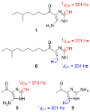
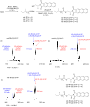
Nocarimidazoles C and D, antimicrobial alkanoylimidazoles from a coral-derived actinomycete Kocuria sp.: application of 1JC,H coupling constants for the unequivocal determination of substituted imidazoles and stereochemical diversity of anteisoalkyl chains in microbial metabolites
Beilstein J. Org. Chem. 2020, 16, 2719–2727, doi:10.3762/bjoc.16.222
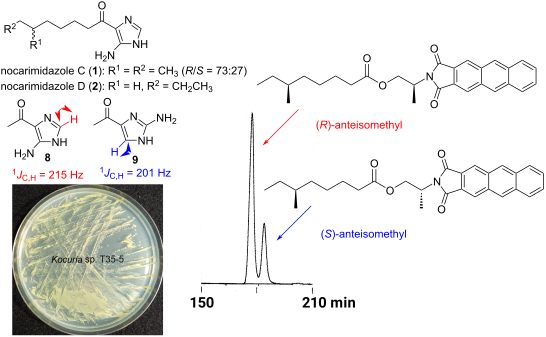
- -enantiomers with a ratio of 73:27, 4 is the pure (S)-enantiomer, and 5 is the (S)-enantiomer with 98% ee. The present study illustrates the diversity in the stereochemistry of anteiso branching in bacterial metabolites. Compounds 1−4 were moderately antimicrobial against Gram-positive bacteria and fungi, with
- the same as those for 1 (Table 1). The antimicrobial activity of 1–4 was tested against Gram-positive bacteria Kocuria rhizophila and Staphylococcus aureus, Gram-negative bacteria Escherichia coli and Rhizobium radiobacter, a yeast Candida albicans, and two fungi Glomerella cingulata and Trichophyton
- 13.5 min), nocarimidazole B (4, 8.0 mg, tR 17.3 min) from fraction 4, and bulbimidazole A (5, 3.2 mg, tR 11.2 min) from fraction 5. Bioassays The antimicrobial activity was evaluated in a similar manner as previously reported [22]. The cytotoxicity against P388 murine leukemia cells was examined



Synthesis of 1,4-benzothiazinones from acylpyruvic acids or furan-2,3-diones and o-aminothiophenol
Beilstein J. Org. Chem. 2020, 16, 2322–2331, doi:10.3762/bjoc.16.193
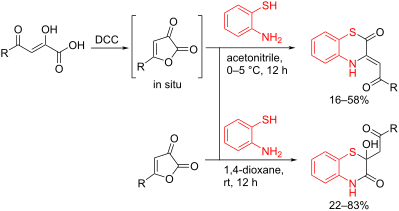
- )-ones. A selective synthetic approach to 2-hydroxy-2H-1,4-benzothiazin-3(4H)-ones was developed via the solvent-switchable reaction of furan-2,3-diones with o-aminothiophenol. Preliminary biological assays (antimicrobial, acute toxicity) of the new compounds were carried out. Keywords: acylpyruvic acid
- use. Particularly, some enaminones I and II were found to show antioxidant [3], antimycotic [7][8], antimycobacterial [9][10], anti-Alzheimer’s disease (JNK3 inhibitors) [11], platelet aggregation inhibitory [12], antimicrobial [7] and analgesic [13] activities. Enaminones II were reported as
- , inducing its attack on the carbonyl group bearing a higher partially positive charge (for partial charges comparison, see Supporting Information File 1). As we were most interested in the biological activity of BTAs 3, preliminary antimicrobial and toxicity assays of these compounds were carried out


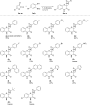

Styryl-based new organic chromophores bearing free amino and azomethine groups: synthesis, photophysical, NLO, and thermal properties
Beilstein J. Org. Chem. 2020, 16, 2282–2296, doi:10.3762/bjoc.16.189

- azomethine group are one of the most widely used organic dyes because of their easy and cheap synthetic accessibility through various methodologies and suitable photophysical properties. In addition, they exhibit a broad range of biological activities such as antimicrobial, antifungal, antiviral, and


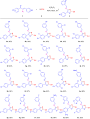
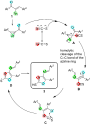
Access to highly substituted oxazoles by the reaction of α-azidochalcone with potassium thiocyanate
Beilstein J. Org. Chem. 2020, 16, 2108–2118, doi:10.3762/bjoc.16.178
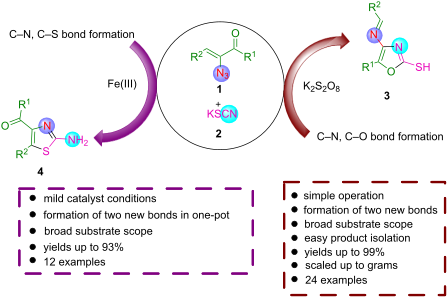
- , anti-inflammatory, antimicrobial, anitubercular, psychotropic and anticancer [54][55][56][57][58][59][60]. The marketed cancer drug dasatinib [61] continues to prove its worth. In this work, it is shown that highly substituted oxazoles and aminothiazoles could be accessed directly from the reaction of






Muyocopronones A and B: azaphilones from the endophytic fungus Muyocopron laterale
Beilstein J. Org. Chem. 2020, 16, 2100–2107, doi:10.3762/bjoc.16.177
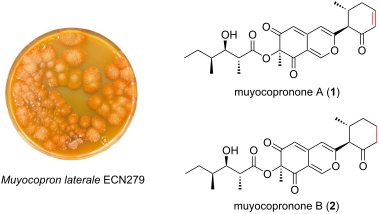
- ], tau aggression [3], and heat shock protein 90 [4], in addition to their antimicrobial, cytotoxic, anticancer, and anti-inflammatory effects [5]. To date, over 400 azaphilones have been reported from various fungal strains, the majority of which have been produced by ascomycetes belonging to the
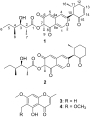
- elucidation, and antimicrobial activity evaluation are described. Results and Discussion Muyocopron laterale ECN279 was isolated from a healthy leaf of Canavalia lineata and identified by sequencing the D1/D2 26S rRNA gene and the internal transcript spacers (ITS) of ribosomal DNA [16]. In a similar manner as
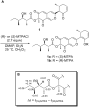
- ,10R,11R) stereoisomer. Finally, since a number of azaphilones have been reported to exhibit antimicrobial activity [5][23], muyocopronones A (1) and B (2) were screened for their antibacterial activity against five strains of Gram-positive bacteria, namely Staphylococcus aureus (PAGU 273T




Synthesis of 3(2)-phosphonylated thiazolo[3,2-a]oxopyrimidines
Beilstein J. Org. Chem. 2020, 16, 1947–1954, doi:10.3762/bjoc.16.161

- Thiazolopyrimidines, whose molecules includes both thiazole and pyrimidine rings, have a structural analogy with the antipsychotic drugs ritanserin and setoperone (Figure 1) [1][2][3]. To date, a wide spectrum of biological activity of thiazolopyrimidines has been determined: anticancer [4][5], antimicrobial [6][7


Microwave-assisted efficient one-pot synthesis of N2-(tetrazol-5-yl)-6-aryl/heteroaryl-5,6-dihydro-1,3,5-triazine-2,4-diamines
Beilstein J. Org. Chem. 2020, 16, 1706–1712, doi:10.3762/bjoc.16.142
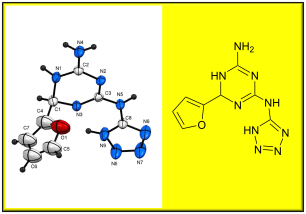
- [2], antitumor [3], anti-HIV [4], inhibitor of Trypanosoma brucei [5], angiogenesis inhibitor [6], antiplasmodial antifolates [7], and antimicrobial [8]. Moreover, and in particular N2,6-disubstituted-1,3,5-triazine-2,4-diamines possess a wide range of chemotherapeutic activities [8][9][10][11


Synthesis of Streptococcus pneumoniae serotype 9V oligosaccharide antigens
Beilstein J. Org. Chem. 2020, 16, 1693–1699, doi:10.3762/bjoc.16.140
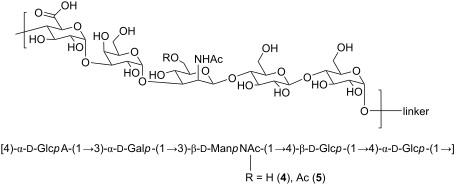
- developing countries [3]. With increasing antimicrobial resistance to antibiotics, vaccines are becoming even more important to control these pathogens. Despite the availability of multivalent polysaccharide and glycoconjugate vaccines such as Pneumovax, Prevnar® 13, and Synflorix, pneumonococcal diseases


Synthesis of new dihydroberberine and tetrahydroberberine analogues and evaluation of their antiproliferative activity on NCI-H1975 cells
Beilstein J. Org. Chem. 2020, 16, 1606–1616, doi:10.3762/bjoc.16.133
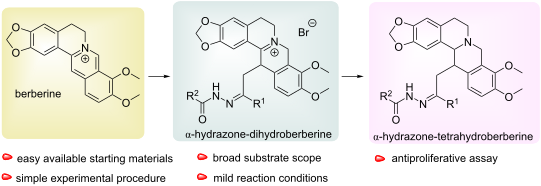
- , or induce the manifestation of new features. The choice to insert an hydrazonic function on the DHBER skeleton was suggested by its wide range of interesting biological activities like antimicrobial [43], antioxidant [44], analgesic [45], anti-inflammatory [45], antiplatelet [45], anticonvulsant [46




Antibacterial scalarane from Doriprismatica stellata nudibranchs (Gastropoda, Nudibranchia), egg ribbons, and their dietary sponge Spongia cf. agaricina (Demospongiae, Dictyoceratida)
Beilstein J. Org. Chem. 2020, 16, 1596–1605, doi:10.3762/bjoc.16.132
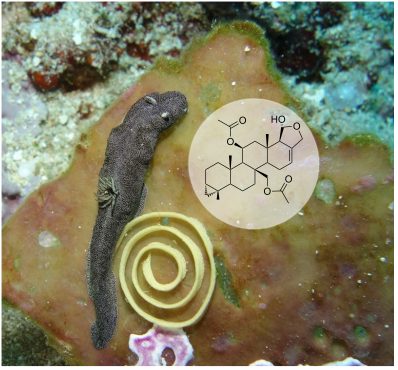
- sponge prey availability [41]. The isolated metabolites showed various biological activities, such as cytotoxicity, antimicrobial, antiviral and antitumor activities, inhibition of transactivation for the farnesoid X receptor, inhibition of mammalian phospholipase A2, and ichthyotoxicity against the
- -diacetoxy-3,4-methylenedeoxoscalarin. Acknowledgements We thank Dr. Henrik Harms for conducting the antimicrobial assays (grant No 9.818, DZIF, Innovative microbial resources for new anti-infectives). Furthermore, we thank Adrian Galitz for support in the laboratory and Rob W. M. van Soest, Nicole J. de



4-Hydroxy-3-methyl-2(1H)-quinolone, originally discovered from a Brassicaceae plant, produced by a soil bacterium of the genus Burkholderia sp.: determination of a preferred tautomer and antioxidant activity
Beilstein J. Org. Chem. 2020, 16, 1489–1494, doi:10.3762/bjoc.16.124
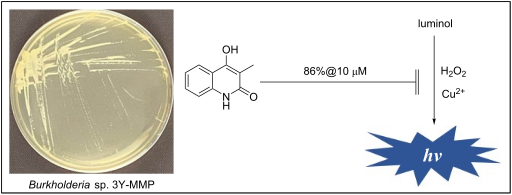
- caused biphasic separation of the mixture. Antimicrobial assay The antimicrobial activity was evaluated by the method described previously [16]. Antioxidant assay The antioxidant activity was evaluated by the method described in [41]. Briefly, luminol (10 μM), H2O2 (1000 μM), and vehicle solvent with or


Photocatalyzed syntheses of phenanthrenes and their aza-analogues. A review
Beilstein J. Org. Chem. 2020, 16, 1476–1488, doi:10.3762/bjoc.16.123
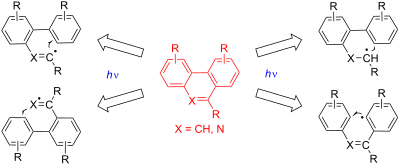
- corresponding α-amidoalkyl radicals for the synthesis of a set of 6-amidophenanthridines (e.g., 9.3b) with significant antitumor and antimicrobial activities (Scheme 9, path b) [71]. Despite their extensive use, 2-isocyanobiphenyls or related isonitriles were not the only available substrates for the


One-pot synthesis of 1,3,5-triazine-2,4-dithione derivatives via three-component reactions
Beilstein J. Org. Chem. 2020, 16, 1447–1455, doi:10.3762/bjoc.16.120
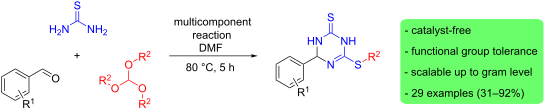
- anticancer [10][11], antimicrobial [12], antiviral agents [13][14], and eosinophilia inhibitors [15]. Therefore, it is highly desirable to develop efficient and practical synthetic methods for triazinethione architectures and to expand the structure diversity of this class of compounds for medicinal




A cyclopeptide and three oligomycin-class polyketides produced by an underexplored actinomycete of the genus Pseudosporangium
Beilstein J. Org. Chem. 2020, 16, 1100–1110, doi:10.3762/bjoc.16.97
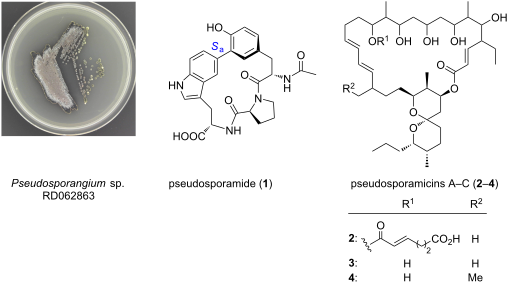
- chain of the spiroacetal rings, which showed clear contrast to other oligomycin congeners and related polyketides with ring-truncation or expansion. The new macrolides 2–4 displayed potent antimicrobial activity against the Gram-positive bacterium Kocuria rhizohpila and the plant pathogenic fungus
- examined in antimicrobial and cytotoxicity assays (Table 3). Pseudosporamide (1) was not active against all microorganisms tested in this study. Pseudosporamicin 2–4 were selectively active against the Gram-positive bacterium Kocuria rhizophila and the filamentous fungus Glomerella cingulate, but were
- inactive against Staphylococcus aureus, Escherichia coli, Rhizobium radiobacter, and Candida albicans. The antimicrobial potency of 2 and 3 were similar, implying that the acyl side chain at C13 of compound 2 had no influence on the activity. In addition, compounds 1–4 showed moderate cytotoxicity against


Fabclavine diversity in Xenorhabdus bacteria
Beilstein J. Org. Chem. 2020, 16, 956–965, doi:10.3762/bjoc.16.84
- ), such as daptomycin, vancomycin, or erythromycin, have already been shown to be potent antibiotics [2][3][4]. Consequently, research in the field of novel SMs with antimicrobial activity is vital to provide new avenues to new antiinfective drugs or lead compounds. Beside traditional sources such as


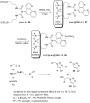
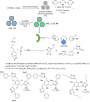
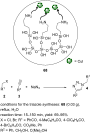
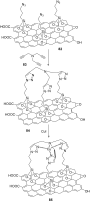
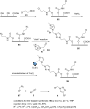
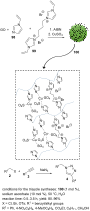
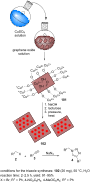
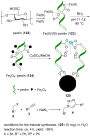
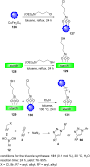
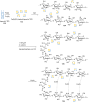
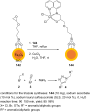
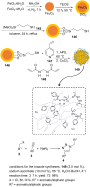
A systematic review on silica-, carbon-, and magnetic materials-supported copper species as efficient heterogeneous nanocatalysts in “click” reactions
Beilstein J. Org. Chem. 2020, 16, 551–586, doi:10.3762/bjoc.16.52
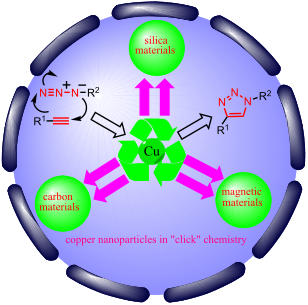
- catalysts; Sharpless–Meldal C–N bond-forming reaction; silica/carbon/magnetic materials; Introduction Heterocycles are a class of organic compounds with significant biological activities [1][2][3][4][5][6][7][8][9][10], including antimicrobial [2], antibacterial [3], anti-HIV [4], antiviral [5
- ], antiparkinsonian [6], and anticancer [10] properties. Particularly, triazoles illustrate distinguished moieties well distributed in natural products with biological properties [2][3][4][9][10], including antimicrobial [2], antibacterial [3], antifungal [3], anti-HIV [4], and anticancer [10] activities. One of the
















Regio- and stereoselective synthesis of new ensembles of diversely functionalized 1,3-thiaselenol-2-ylmethyl selenides by a double rearrangement reaction
Beilstein J. Org. Chem. 2020, 16, 515–523, doi:10.3762/bjoc.16.47
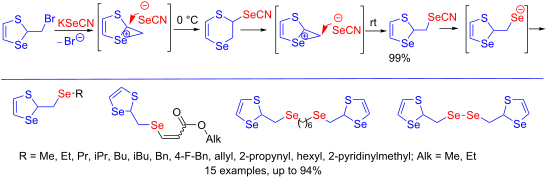
- activity based on affordable and environmentally friendly materials is another important trend in organoselenium chemistry [17]. Reviews on the biological activity of organoselenium compounds reported examples exhibiting high antitumor, antiviral, antimicrobial, and neuroprotective activities [12][18][19


Two antibacterial and PPARα/γ-agonistic unsaturated keto fatty acids from a coral-associated actinomycete of the genus Micrococcus
Beilstein J. Org. Chem. 2020, 16, 297–304, doi:10.3762/bjoc.16.29
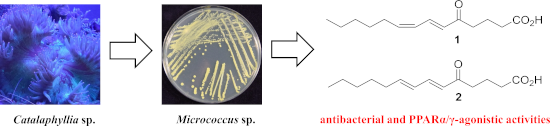
- antimicrobial metabolites from an actinomycete [36] and a basidiomycete fungus [37]. In addition, long-chain saturated fatty acids possessing a keto group were detected in the solvent extract of Legionella by GC–MS analysis [38]. Fatty acid components in fresh water-derived Micrococcus species were
- interesting contrast. No appreciable antimicrobial activity was observed for both compounds against bacterial strains of Micrococcus luteus ATCC9341, Staphylococcus aureus FDA209P JC-1, and Escherichia coli NIHJ JC-2 and yeast strains of Candida albicans NBRC0197 and Saccharomyces cerevisiae S100, nor
- system simulations were performed using the freeware nmrpeak.exe [19]. Antimicrobial assay Antimicrobial assays were carried out in a similar manner as described in [18]. The antimicrobial activity was evaluated by the liquid microculture method using round-bottomed 96-well microtiter plates against five


Copper-catalyzed enantioselective conjugate addition of organometallic reagents to challenging Michael acceptors
Beilstein J. Org. Chem. 2020, 16, 212–232, doi:10.3762/bjoc.16.24
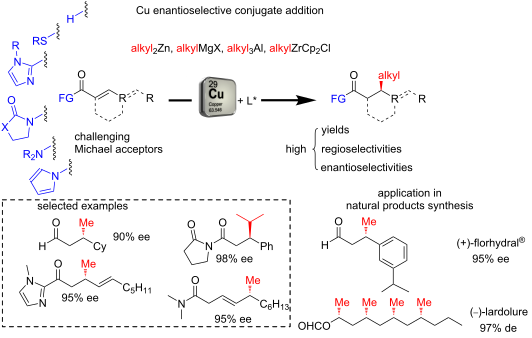
- ratios were obtained (51:49 to 97:3). Of note, chiral phosphines were also screened, but without any improvement of selectivity. Furthermore, this methodology was then efficiently applied to the total synthesis of several bisabolane sesquiterpenes, which exhibited anticancer and antimicrobial activities




The reaction of arylmethyl isocyanides and arylmethylamines with xanthate esters: a facile and unexpected synthesis of carbamothioates
Beilstein J. Org. Chem. 2020, 16, 159–167, doi:10.3762/bjoc.16.18
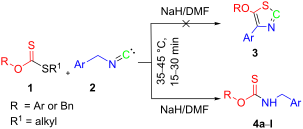
- ) have been reported to have antimicrobial [1], antifungal (e.g., tolnaftate and tolciclate) [2], antimycobacterial [3], human leucocyte elastase inhibitory [4], TRPV1 antagonistic [5], and PPARα1γ dual antagonistic [6] properties, and also act as intermediates in the syntheses of HIV-1 integrase ligands


The interaction between cucurbit[8]uril and baicalein and the effect on baicalein properties
Beilstein J. Org. Chem. 2020, 16, 71–77, doi:10.3762/bjoc.16.9
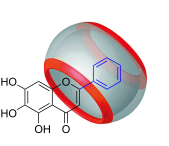
- ; inclusion complex; properties; Introduction Baicalein (5,6,7-trihydroxyflavonoid) has a molecular formula of C15H10O5 (BALE, Figure 1) and is a natural flavonoid found in the roots of Scutellaria baicalensis Georgi [1]. The compound displays pharmacological activity such as antimicrobial, anti-inflammatory


Light-controllable dithienylethene-modified cyclic peptides: photoswitching the in vivo toxicity in zebrafish embryos
Beilstein J. Org. Chem. 2020, 16, 39–49, doi:10.3762/bjoc.16.6
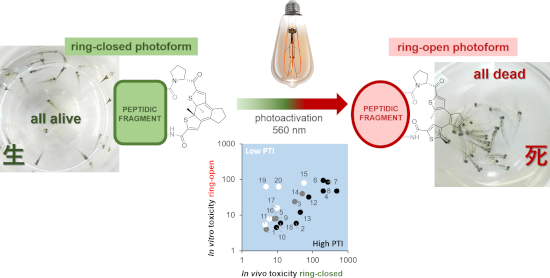
- photoswitch into the backbone of gramicidin S (1, GS), which is an intrinsically biostable cyclic peptide, as exemplified by one of our first prototypes compound 2 (Figure 1C). This natural antimicrobial agent has an amphipathic structure, whose functional mechanism is attributed to the permeabilization of


Synthesis of C-glycosyl phosphonate derivatives of 4-amino-4-deoxy-α-ʟ-arabinose
Beilstein J. Org. Chem. 2020, 16, 9–14, doi:10.3762/bjoc.16.2
- identified as a major mechanism contributing to antimicrobial resistance of Gram-negative pathogenic bacteria. Inhibition of the corresponding enzymatic steps, specifically the transfer of 4-amino-4-deoxy-ʟ-arabinose, would thus restore the activity of cationic antimicrobial peptides and several
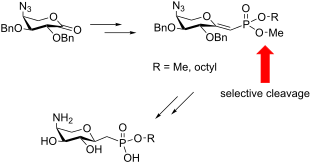
- antimicrobial drugs. C-glycosidically-linked phospholipid derivatives of 4-amino-4-deoxy-ʟ-arabinose have been prepared as hydrolytically stable and chain-shortened analogues of the native undecaprenyl donor. The C-phosphonate unit was installed via a Wittig reaction of benzyl-protected 1,5-arabinonic acid
- cationic antimicrobial peptides with the negatively charged phosphate and carboxylate groups in LPS domains. Suitable inhibitors intercepting the attachment of Ara4N units to the lipid A and inner core region might restore sensitivity towards the cationic antimicrobial drugs as a novel approach to combat


Pigmentosins from Gibellula sp. as antibiofilm agents and a new glycosylated asperfuran from Cordyceps javanica
Beilstein J. Org. Chem. 2019, 15, 2968–2981, doi:10.3762/bjoc.15.293
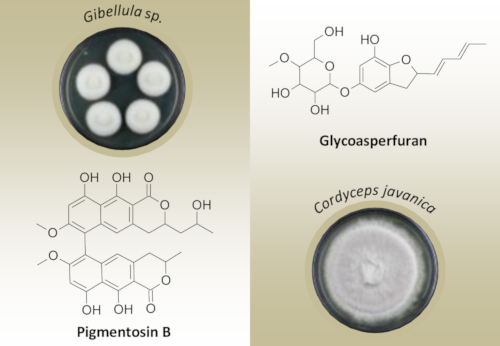
- formation of Staphylococcus aureus DSM1104. The lack of toxicity toward the studied microorganism and cell lines of pigmentosin B (2), as well as the antimicrobial effect of pigmentosin A (1), made them good candidates for further development for use in combination therapy of infections involving biofilm
- possess nonselective activities in biological systems and exhibit antimicrobial [28], cytotoxic [29], antimycobacterial [30], and antimalarial [31] effects. Pigmentosin A (1) and its new derivative pigmentosin B (2) exhibited weak activity against B. subtilis, with MIC values of 12.5 and 100 μg/mL
- than 250 μg/mL. Based on the evidence that the cells of S. aureus could still grow by more than 80% of the growth control at the lowest concentration where the biofilm formation was interrupted, both pigmentosins 1 and 2 showed antibiofilm effects independently from their antimicrobial activity


Chemical synthesis of tripeptide thioesters for the biotechnological incorporation into the myxobacterial secondary metabolite argyrin via mutasynthesis
Beilstein J. Org. Chem. 2019, 15, 2922–2929, doi:10.3762/bjoc.15.286
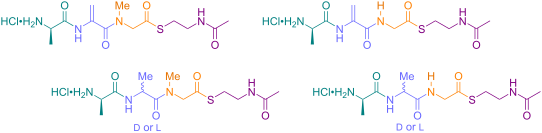
- ; mutasynthesis; NRPS; peptide synthesis; Introduction Resistance to antibiotics is currently a major threat to public health. Especially Gram-negative bacterial pathogens are of concern, due to their widespread development of resistance mechanisms. To address this general antimicrobial resistance problem, new