


Search results
Search for "phosphorus" in Full Text gives 269 result(s) in Beilstein Journal of Organic Chemistry. Showing first 200.
Vinylphosphonium and 2-aminovinylphosphonium salts – preparation and applications in organic synthesis
- Anna Kuźnik,
- Roman Mazurkiewicz and
- Beata Fryczkowska
Beilstein J. Org. Chem. 2017, 13, 2710–2738, doi:10.3762/bjoc.13.269

- attention is paid to the use of these compounds as building blocks for the synthesis of carbo- and heterocyclic systems after their prior transformation into the corresponding phosphorus ylides, followed by the intramolecular Wittig reaction with various types of nucleophiles containing a carbonyl function
- in their structures. Keywords: 2-aminovinylphosphonium salts; nucleophilic addition; phosphorus ylides; vinylphosphonium salts; Wittig reaction; Introduction Vinylphosphonium salts have been known for a long time, although significant interest in these compounds dates back to 1964, when Schweizer
- found that they can be converted to phosphorus ylides by the addition of a nucleophile to the carbon atom at the β-position of the vinyl group (Scheme 1) [1]. Particularly widely used in organic synthesis are reactions involving the addition of a nucleophile containing a carbonyl group in its molecule

Graphical Abstract

Scheme 1: Generation of phosphorus ylides from vinylphosphonium salts.

Scheme 2: Intramolecular Wittig reaction with the use of vinylphosphonium salts.

Scheme 3: Alkylation of diphenylvinylphosphine with methyl or benzyl iodide.

Scheme 4: Methylation of isopropenyldiphenylphosphine with methyl iodide.

Scheme 5: Alkylation of phosphines with allyl halide derivatives and subsequent isomerization of intermediate...

Scheme 6: Alkylation of triphenylphosphine with vinyl triflates in the presence of (Ph3P)4Pd.

Scheme 7: Mechanism of alkylation of triphenylphosphine with vinyl triflates in the presence of (Ph3P)4Pd as ...

Scheme 8: β-Elimination of phenol from β-phenoxyethyltriphenylphosphonium bromide.

Scheme 9: β-Elimination of phenol from β-phenoxyethylphosphonium salts in an alkaline environment.

Scheme 10: Synthesis and subsequent dehydrohalogenation of α-bromoethylphosphonium bromide.

Scheme 11: Synthesis of tributylvinylphosphonium iodides via Peterson-type olefination of α-trimethylsilylphos...

Scheme 12: Synthesis of 1-cycloalkenetriphenylphosphonium salts by electrochemical oxidation of triphenylphosp...

Scheme 13: Suggested mechanism for the electrochemical synthesis of 1-cycloalkenetriphenylphosphonium salts.

Scheme 14: Generation of α,β-(dialkoxycarbonyl)vinylphosphonium salts by addition of triphenylphosphine to ace...

Scheme 15: Synthesis of 2-(N-acylamino)vinylphosphonium halides by imidoylation of β-carbonyl ylides with imid...

Scheme 16: Imidoylation of β-carbonyl ylides with imidoyl halides generated in situ.

Scheme 17: Synthesis of 2-benzoyloxyvinylphosphonium bromide from 2-propynyltriphenylphosphonium bromide.

Scheme 18: Synthesis of 2-aminovinylphosphonium salts via nucleophilic addition of amines to 2-propynyltriphen...

Scheme 19: Deacylation of 2-(N-acylamino)vinylphosphonium chlorides to 2-aminovinylphosphonium salts.

Scheme 20: Resonance structures of 2-aminovinylphosphonium salts and tautomeric equilibrium between aminovinyl...

Scheme 21: Synthesis of 2-aminovinylphosphonium salts by reaction of (formylmethyl)triphenylphosphonium chlori...

Scheme 22: Generation of ylides by reaction of vinyltriphenylphosphonium bromide with nucleophiles and their s...

Scheme 23: Intermolecular Wittig reaction with the use of vinylphosphonium bromide and organocopper compounds ...

Scheme 24: Intermolecular Wittig reaction with the use of ylides generated from vinylphosphonium bromides and ...

Scheme 25: Direct transformation of vinylphosphonium salts into ylides in the presence of potassium tert-butox...

Scheme 26: A general method for synthesis of carbo- and heterocyclic systems by the intramolecular Wittig reac...

Scheme 27: Synthesis of 2H-chromene by reaction of vinyltriphenylphosphonium bromide with sodium 2-formylpheno...

Scheme 28: Synthesis of 2,5-dihydro-2,3-dimethylfuran by reaction of vinylphosphonium bromide with 3-hydroxy-2...

Scheme 29: Synthesis of 2H-chromene and 2,5-dihydrofuran derivatives in the intramolecular Wittig reaction wit...

Scheme 30: Enantioselective synthesis of 3,6-dihydropyran derivatives from vinylphosphonium bromide and enanti...

Scheme 31: Synthesis of 2,5-dihydrothiophene derivatives in the intramolecular Wittig reaction from vinylphosp...

Scheme 32: Synthesis of bicyclic pyrrole derivatives in the reaction of vinylphosphonium halides and 2-pyrrolo...

Scheme 33: Stereoselective synthesis of bicyclic 2-pyrrolidinone derivatives in the reaction of vinylphosphoni...

Scheme 34: Stereoselective synthesis of 3-pyrroline derivatives in the intramolecular Wittig reaction from vin...

Scheme 35: Synthesis of cyclic alkenes in the intramolecular Wittig reaction from vinylphosphonium bromide and...

Scheme 36: Synthesis of 1,3-cyclohexadienes by reaction of 1,3-butadienyltriphenylphosphonium bromide with eno...

Scheme 37: Synthesis of bicyclo[3.3.0]octenes by reaction of vinylphosphonium salts with cyclic diketoester.

Scheme 38: Synthesis of quinoline derivatives in the intramolecular Wittig reaction from 2-(2-acylphenylamino)...

Scheme 39: Stereoselective synthesis of γ-aminobutyric acid in the intermolecular Wittig reaction from chiral ...

Scheme 40: Synthesis of allylamines in the intermolecular Wittig reaction from 2-aminovinylphosphonium bromide...

Scheme 41: A general route towards α,β-di(alkoxycarbonyl)vinylphosphonium salts and their subsequent possible ...

Scheme 42: Generation of resonance-stabilized phosphorus ylides via the reaction of triphenylphosphine with di...

Scheme 43: Synthesis of resonance-stabilized phosphorus ylides in the reaction of triphenylphosphine, dialkyl ...

Scheme 44: Synthesis of resonance-stabilized phosphorus ylides via the reaction of triphenylphosphine with dia...

Scheme 45: Generation of resonance-stabilized phosphorus ylides in the reaction of acetylenedicarboxylate, tri...

Scheme 46: Synthesis of resonance-stabilized phosphorus ylides via the reaction of dialkyl acetylenedicarboxyl...

Scheme 47: Synthesis of resonance-stabilized ylides derived from semicarbazones, aromatic amides, and 3-(aryls...

Scheme 48: Synthesis of resonance-stabilized ylides via the reaction of triphenylphosphine with dialkyl acetyl...

Scheme 49: Synthesis of resonance-stabilized ylides in the reaction of triphenylphosphine, dialkyl acetylenedi...

Scheme 50: Synthesis of N-acylated α,β-unsaturated γ-lactams via resonance-stabilized phosphorus ylides derive...

Scheme 51: Synthesis of resonance-stabilized phosphorus ylides derived from 6-amino-N,N'-dimethyluracil and th...

Scheme 52: Generation of resonance-stabilized phosphorus ylides in the reaction of triphenylphosphine, dialkyl...

Scheme 53: Synthesis of resonance-stabilized phosphorus ylides via the reaction of triphenylphosphine with dia...

Scheme 54: Synthesis of 1,3-dienes via intramolecular Wittig reaction with the use of resonance-stabilized yli...

Scheme 55: Synthesis of 1,3-dienes in the intramolecular Wittig reaction from ylides generated from dimethyl a...

Scheme 56: Synthesis of 4-(2-quinolyl)cyclobutene-1,2,3-tricarboxylic acid triesters and isomeric cyclopenteno...

Scheme 57: Synthesis of 4-arylquinolines via resonance-stabilized ylides in the intramolecular Wittig reaction....

Scheme 58: Synthesis of furan derivatives via resonance-stabilized ylides in the intramolecular Wittig reactio...

Scheme 59: Synthesis of 1,3-indanedione derivatives via resonance-stabilized ylides in the intermolecular Witt...

Scheme 60: Synthesis of coumarin derivatives via nucleophilic displacement of the triphenylphosphonium group i...

Scheme 61: Synthesis of 6-formylcoumarin derivatives and their application in the synthesis of dyads.

Scheme 62: Synthesis of di- and tricyclic coumarin derivatives in the reaction of pyrocatechol with two vinylp...

Scheme 63: Synthesis of mono-, di-, and tricyclic derivatives in the reaction of pyrogallol with one or two vi...

Scheme 64: Synthesis of 1,4-benzoxazine derivative by nucleophilic displacement of the triphenylphosphonium gr...

Scheme 65: Synthesis of 7-oxo-7H-pyrido[1,2,3-cd]perimidine derivative via nucleophilic displacement of the tr...

Scheme 66: Application of vinylphosphonium salts in the Diels–Alder reaction with dienes.

Scheme 67: Synthesis of pyrroline derivatives from vinylphosphonium bromide and 5-(4H)-oxazolones.

Scheme 68: Synthesis of pyrrole derivatives in the reactions of vinyltriphenylphosphonium bromide with protona...

Scheme 69: Synthesis of dialkyl 2-(alkylamino)-5-aryl-3,4-furanedicarboxylates via intermediate α,β-di(alkoxyc...

Scheme 70: Synthesis of 1,4-benzoxazine derivatives from acetylenedicarboxylates, phosphines, and 1-nitroso-2-...
A novel synthetic approach to hydroimidazo[1,5-b]pyridazines by the recyclization of itaconimides and HPLC–HRMS monitoring of the reaction pathway
- Dmitry Yu. Vandyshev,
- Khidmet S. Shikhaliev,
- Andrey Yu. Potapov,
- Michael Yu. Krysin,
- Fedor I. Zubkov and
- Lyudmila V. Sapronova
Beilstein J. Org. Chem. 2017, 13, 2561–2568, doi:10.3762/bjoc.13.252
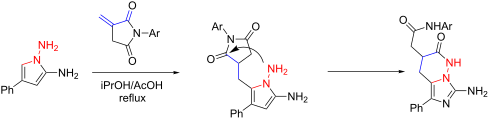
- 1-aminoimidazoles to build the pyridazine core (route B, Scheme 2 and Scheme 3). Following route A (Scheme 1), the aminomethylpyridazine derivatives are either pre-acylated and subsequently cyclized with phosphorus oxychloride [12][13][19][23], or the formation of imidazo[1,5-b]pyridazines occurs as

Graphical Abstract

Scheme 1: Intramolecular cyclization of 3-(aminomethyl)pyridazines and related compounds (route A). Condition...

Scheme 2: Heterocyclization of 1-aminoimidazoles with 1,3-dicarbonyl or α,β-unsaturated carbonyl compounds (r...

Scheme 3: Heterocyclization of 1-aminoimidazoles with structural transformation of dielectrophilic reagents (...

Scheme 4: Recyclization of N-arylitaconimides 1 with 1,2-diaminobenzimidazole (2).

Scheme 5: Possible synthetic routes of the interaction of itaconimides 1 with diaminoimidazole 4.

Scheme 6: 1H,13C-HMBC correlations: the most significant correlations for imidazopyridazine 9d and possible f...
Syntheses, structures, and stabilities of aliphatic and aromatic fluorous iodine(I) and iodine(III) compounds: the role of iodine Lewis basicity
- Tathagata Mukherjee,
- Soumik Biswas,
- Andreas Ehnbom,
- Subrata K. Ghosh,
- Ibrahim El-Zoghbi,
- Nattamai Bhuvanesh,
- Hassan S. Bazzi and
- John A. Gladysz
Beilstein J. Org. Chem. 2017, 13, 2486–2501, doi:10.3762/bjoc.13.246
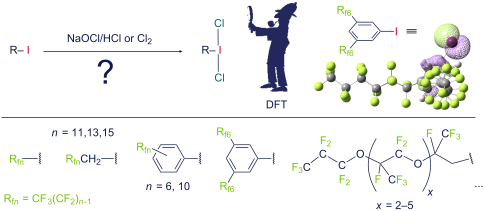
- ) species [11][20][21][22]. Recently, our attention has been directed at two potential applications of iodine containing fluorous compounds. One involves new approaches to phosphorus–carbon bond formation using fluorous alkyl and aryl iodides [23][24]. The other involves the use of fluorous iodine(III
- this study was to bridge several strategic gaps regarding highly fluorophilic building blocks for the formation of (1) phosphorus–carbon bonded species, and (2) iodine(III) dichloride reagents. For example, aliphatic species of the formula RfnCH2CH2ICl2 are unstable [17]. However, analogs with one less

Graphical Abstract

Scheme 1: Some previously reported iodine(III) dichlorides relevant to this work.

Scheme 2: Syntheses of fluorous compounds of the formula RfnCH2X.

Scheme 3: Syntheses of fluorous compounds of the formula CF3CF2CF2O(CF(CF3)CF2O)xCF(CF3)CH2X'.

Scheme 4: Attempted syntheses of aliphatic fluorous iodine(III) dichlorides RfnICl2.

Scheme 5: Syntheses of aromatic fluorous compounds with one perfluoroalkyl group.

Scheme 6: Syntheses of aromatic fluorous compounds with two perfluoroalkyl groups.

Figure 1: Partial 1H NMR spectra (sp2 CH, 500 MHz, CDCl3) relating to the reaction of 1,3,5-(Rf6)2C6H3I and Cl...

Figure 2: Two views of the molecular structure of 1,3,5-(Rf6)2C6H3I with thermal ellipsoids at the 50% probab...
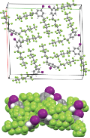
Figure 3: Ball-and-stick and space filling representations of the unit cell of 1,3,5-(Rf6)2C6H3I.
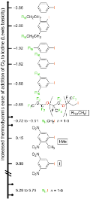
Figure 4: Free energies of chlorination of relevant aryl and alkyl iodides to the corresponding iodine(III) d...
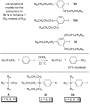
Scheme 7: Other relevant fluorous compounds and reactions.

Figure 5: Views of the helical motif of the perfluorohexyl segments in crystalline 1,3,5-(Rf6)2C6H3I (left) a...
Electron-deficient pyridinium salts/thiourea cooperative catalyzed O-glycosylation via activation of O-glycosyl trichloroacetimidate donors
- Mukta Shaw,
- Yogesh Kumar,
- Rima Thakur and
- Amit Kumar
Beilstein J. Org. Chem. 2017, 13, 2385–2395, doi:10.3762/bjoc.13.236

- with phosphorus acids) for stereoselective O-glycoside bond formation [30]. Similarly, Galan et al. reported a method for the preparation of 2-deoxyglycosides from glycals under the influence of cooperative catalysis (chiral phosphoric acids/thiourea derivatives) [31]. Encouraged by these reports and

Graphical Abstract

Scheme 1: Mechanistic hypothesis for work.

Figure 1: 1H NMR (a) glycosyl donor 1α and (b) a mixture of 1α and 10 mol % 3a in CD2Cl2 at room temperature.

Figure 2: 1H NMR (a) glycosyl acceptor 2a, (b) pyridinium salt 3a (in DMSO-d6) and (c) a mixture of 2a and 3a...

Figure 3: 1H NMR (a) glycosyl acceptor 2a, (b) pyridinium salt 3a (in DMSO-d6), (c) aryl thiourea and (d) a m...

Scheme 2: Synergistic electron-deficient pyridinium salt/aryl thiourea-catalyzed regioselective O-glycosylati...

Figure 4: Plausible reaction mechanism.
Is the tungsten(IV) complex (NEt4)2[WO(mnt)2] a functional analogue of acetylene hydratase?
- Matthias Schreyer and
- Lukas Hintermann
Beilstein J. Org. Chem. 2017, 13, 2332–2339, doi:10.3762/bjoc.13.230
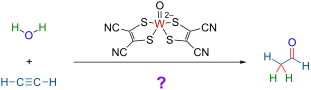
- ethyne to acetaldehdye [13]. A commercial acetylene pressure bottle (purity grade 2.6, i.e., 99.6%, containing ≤5 ppm sulfur or phosphorus compounds) was available for the experiment. Gas was first bubbled through a solution of 1 in acetonitrile–water (2:1) at 40 °C, then the vessel was closed and the

Graphical Abstract
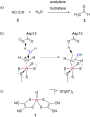
Scheme 1: a) Acetylene hydratase catalyzes the hydration of acetylene to ethanal. b) Currently favored key-st...
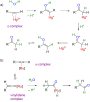
Scheme 2: a) π-Activation pathway in Markovnikov selective alkyne hydration, e.g., with mercury catalysts. b)...

Scheme 3: a) Synthesis of complex (NEt4)2[WO(mnt)2] (1) [29]. b) Attempted catalytic hydration reaction with a te...

Scheme 4: a) Unexpected isolation of acetone 2,4-dinitrophenylhydrazone (10) from an attempted catalytic hydr...

Figure 1: Frequency of reported melting points for acetaldehyde 2,4-dinitrophenylhydrazone (9) from the Reaxy...

Figure 2: Experimental setup for the study of catalytic acetylene hydration. Red arrows indicate the directio...

Figure 3: Identification of ethyne (2) in the reaction solution by coupling pattern analysis of 13C-satellite...
Synthesis and photophysical properties of novel benzophospholo[3,2-b]indole derivatives
- Mio Matsumura,
- Mizuki Yamada,
- Atsuya Muranaka,
- Misae Kanai,
- Naoki Kakusawa,
- Daisuke Hashizume,
- Masanobu Uchiyama and
- Shuji Yasuike
Beilstein J. Org. Chem. 2017, 13, 2304–2309, doi:10.3762/bjoc.13.226
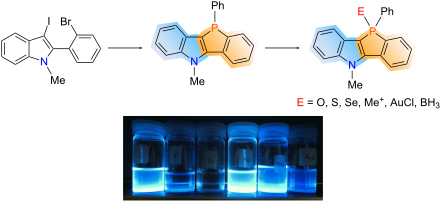
- -dimethylaniline. Using the obtained benzophosphole-fused indole as a common starting material, simple modifications were carried out at the phosphorus center of the phosphole, synthesizing various functionalized analogs. The X-ray structure analysis of trivalent phosphole and phosphine oxide showed that the fused
- ; photophysical property; Introduction The chemistry of phospholes, fully unsaturated five-membered heterocyclic rings containing a phosphorus element, has drawn much attention in terms of the development of synthetic methods and elucidation of its spectroscopic properties for applications in organic field
- -effect transistors (OFETs) and luminescent materials [1][2][3][4][5][6][7][8][9]. The phosphorous atom of trivalent phosphorus compounds has a high chemical reactivity. Therefore, several reactions on the phosphorus atom such as oxidation, alkylation, and coordination to a Lewis acid can produce the

Graphical Abstract

Figure 1: Phosphole-based tetracyclic heteroacenes.

Scheme 1: Synthesis of benzophospholo[3,2-b]indole 3.

Scheme 2: Chemical modifications of the phosphorus atom of 3.

Figure 2: ORTEP drawing of compound 3 (left) and 4 (right) with 50% probability. All hydrogen atoms are omitt...

Figure 3: UV–vis absorption (left) and normalized fluorescence emission (right, excitation at 335 nm) spectra...

Figure 4: The spatial plots of the HOMO and LUMO of compounds 3, 4, 7 and 9. The calculations were performed ...
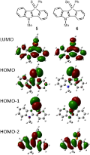
Figure 5: The spatial plots of the selected molecular orbitals of compounds 5 and 6. The calculations were pe...
Phosphonic acid: preparation and applications
- Charlotte M. Sevrain,
- Mathieu Berchel,
- Hélène Couthon and
- Paul-Alain Jaffrès
Beilstein J. Org. Chem. 2017, 13, 2186–2213, doi:10.3762/bjoc.13.219
- Charlotte M. Sevrain Mathieu Berchel Helene Couthon Paul-Alain Jaffres CEMCA UMR CNRS 6521, Université de Brest, IBSAM. 6 Avenue Victor Le Gorgeu, 29238 Brest, France 10.3762/bjoc.13.219 Abstract The phosphonic acid functional group, which is characterized by a phosphorus atom bonded to three
- phosphorus-containing functional groups [2], on specific applications (hybrid materials [3], surface modification [4], oil industry [5]) or dedicated to a family of compounds (e.g., aminophosphonic acids [6], organometallic phosphonic acids [7]). However, no recent review was focused on the different methods
- methylphosphonic acid, Figure 2, the P=O bond length is 1.4993(11) Å, the two other P–O bond lengths are 1.5441(11) Å and 1.5443(12) Å and the P–C bond is 1.7586(17) Å). The bond angles at the phosphorus atom are ranging from 103.46(8)° to 112.86(7)° for methylphosphonic acid, indicating a distorted tetrahedral

Graphical Abstract

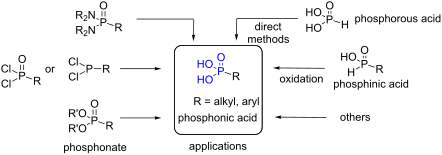
Figure 1: Summary of the synthetic routes to prepare phosphonic acids detailed in this review. The numbers in...

Figure 2: Chemical structure of dialkyl phosphonate, phosphonic acid and illustration of the simplest phospho...

Figure 3: Illustration of some phosphonic acid exhibiting bioactive properties. A) Phosphonic acids for biome...

Figure 4: Illustration of the use of phosphonic acids for their coordination properties and their ability to ...

Figure 5: Hydrolysis of dialkyl phosphonate to phosphonic acid under acidic conditions.

Figure 6: Examples of phosphonic acids prepared by hydrolysis of dialkylphosphonate with HCl 35% at reflux (16...

Figure 7: A) and B) Observation of P–C bond breaking during the hydrolysis of phosphonate with concentrated H...

Figure 8: Mechanism of the hydrolysis of dialkyl phosphonate with HCl in water.

Figure 9: Hydrolysis of bis-tert-butyl phosphonate 28 into phosphonic acid 29 [137].

Figure 10: A) Hydrolysis of diphenyl phosphonate into phosphonic acid in acidic media. B) Examples of phosphon...

Figure 11: Suggested mechanism occurring for the first step of the hydrolysis of diphenyl phosphonate into pho...

Figure 12: A) Hydrogenolysis of dibenzyl phosphonate to phosphonic acid. B) Compounds 33, 34 and 35 were prepa...

Figure 13: A) Preparation of phosphonic acid from diphenyl phosphonate with the Adam’s catalyst. B) Compounds ...

Figure 14: Suggested mechanism for the preparation of phosphonic acid from dialkyl phosphonate using bromotrim...

Figure 15: A) Reaction of the phosphonate-thiophosphonate 37 with iodotrimethylsilane followed by methanolysis...

Figure 16: Synthesis of hydroxymethylenebisphosphonic acid by reaction of tris(trimethylsilyl) phosphite with ...

Figure 17: Synthesis of the phosphonic acid disodium salt 48 by reaction of mono-hydrolysed phosphonate 47 wit...

Figure 18: Phosphonic acid synthesized by the sequence 1) bromotrimethylsilane 2) methanolysis or hydrolysis. ...

Figure 19: Polyphosphonic acids and macromolecular compounds prepared by the hydrolysis of dialkyl phosphonate...

Figure 20: Examples of organometallic complexes functionalized with phosphonic acids that were prepared by the...

Figure 21: Side reaction observed during the hydrolysis of methacrylate monomer functionalized with phosphonic...

Figure 22: Influence of the reaction time during the hydrolysis of compound 76.

Figure 23: Dealkylation of dialkyl phosphonates with boron tribromide.

Figure 24: Dealkylation of diethylphosphonate 81 with TMS-OTf.

Figure 25: Synthesis of substituted phenylphosphonic acid 85 from the phenyldichlorophosphine 83.

Figure 26: Hydrolysis of substituted phenyldichlorophosphine oxide 86 under basic conditions.

Figure 27: A) Illustration of the synthesis of chiral phosphonic acids from phosphonodiamides. B) Examples of ...

Figure 28: A) Illustration of the synthesis of the phosphonic acid 98 from phosphonodiamide 97. B) Use of cycl...

Figure 29: Synthesis of tris(phosphonophenyl)phosphine 109.

Figure 30: Moedritzer–Irani reaction starting from A) primary amine or B) secondary amine. C) Examples of phos...

Figure 31: Phosphonic acid-functionalized polymers prepared by Moedritzer–Irani reaction.

Figure 32: Reaction of phosphorous acid with imine in the absence of solvent.

Figure 33: A) Reaction of phosphorous acid with nitrile and examples of aminomethylene bis-phosphonic acids. B...

Figure 34: Reaction of carboxylic acid with phosphorous acid and examples of compounds prepared by this way.

Figure 35: Synthesis of phosphonic acid by oxidation of phosphinic acid (also identified as phosphonous acid).

Figure 36: Selection of reaction conditions to prepare phosphonic acids from phosphinic acids.

Figure 37: Synthesis of phosphonic acid from carboxylic acid and white phosphorus.

Figure 38: Synthesis of benzylphosphonic acid 136 from benzaldehyde and red phosphorus.

Figure 39: Synthesis of graphene phosphonic acid 137 from graphite and red phosphorus.
Mechanochemical synthesis of small organic molecules
- Tapas Kumar Achar,
- Anima Bose and
- Prasenjit Mal
Beilstein J. Org. Chem. 2017, 13, 1907–1931, doi:10.3762/bjoc.13.186
- Reaction Pecharsky and co-workers reported the solvent-free mechanochemical synthesis of phosphonium salts [54] and phosphorus ylides [55] in the presence of the weak base K2CO3. Mechanochemically prepared phosphorous ylide from triphenylphosphine in presence of K2CO3 was utilized for a one-pot solvent
- ), high yielding, room temperature conditions, etc. Previously reported solvent-based synthesis required reflux for 3 days to get 30–40% yield [169]. Miscellaneous bond formation reaction Carbon–phosphorus bond synthesis Recently, Wang and co-workers reported the first carbon–phosphorous (C–P) bond

Graphical Abstract

Scheme 1: Mechanochemical aldol condensation reactions [48].

Scheme 2: Enantioselective organocatalyzed aldol reactions under mechanomilling. a) Based on binam-(S)-prolin...

Scheme 3: Mechanochemical Michael reaction [51].

Scheme 4: Mechanochemical organocatalytic asymmetric Michael reaction [52].

Scheme 5: Mechanochemical Morita–Baylis–Hillman (MBH) reaction [53].

Scheme 6: Mechanochemical Wittig reactions [55].

Scheme 7: Mechanochemical Suzuki reaction [56].

Scheme 8: Mechanochemical Suzuki–Miyaura coupling by LAG [57].

Scheme 9: Mechanochemical Heck reaction [59].

Scheme 10: a) Sonogashira coupling under milling conditions. b) The representative example of a double Sonogas...

Scheme 11: Copper-catalyzed CDC reaction under mechanomilling [67].

Scheme 12: Asymmetric alkynylation of prochiral sp3 C–H bonds via CDC [68].

Scheme 13: Fe(III)-catalyzed CDC coupling of 3-benzylindoles [69].

Scheme 14: Mechanochemical synthesis of 3-vinylindoles and β,β-diindolylpropionates [70].

Scheme 15: Mechanochemical C–N bond construction using anilines and arylboronic acids [78].

Scheme 16: Mechanochemical amidation reaction from aromatic aldehydes and N-chloramine [79].

Scheme 17: Mechanochemical CDC between benzaldehydes and benzyl amines [81].

Scheme 18: Mechanochemical protection of -NH2 and -COOH group of amino acids [85].

Scheme 19: Mechanochemical Ritter reaction [87].

Scheme 20: Mechanochemical synthesis of dialkyl carbonates [90].

Scheme 21: Mechanochemical transesterification reaction using basic Al2O3 [91].

Scheme 22: Mechanochemical carbamate synthesis [92].

Scheme 23: Mechanochemical bromination reaction using NaBr and oxone [96].

Scheme 24: Mechanochemical aryl halogenation reactions using NaX and oxone [97].

Scheme 25: Mechanochemical halogenation reaction of electron-rich arenes [88,98].

Scheme 26: Mechanochemical aryl halogenation reaction using trihaloisocyanuric acids [100].

Scheme 27: Mechanochemical fluorination reaction by LAG method [102].

Scheme 28: Mechanochemical Ugi reaction [116].

Scheme 29: Mechanochemical Passerine reaction [116].

Scheme 30: Mechanochemical synthesis of α-aminonitriles [120].

Scheme 31: Mechanochemical Hantzsch pyrrole synthesis [121].

Scheme 32: Mechanochemical Biginelli reaction by subcomponent synthesis approach [133].

Scheme 33: Mechanochemical asymmetric multicomponent reaction[134].

Scheme 34: Mechanochemical Paal–Knorr pyrrole synthesis [142].

Scheme 35: Mechanochemical synthesis of benzothiazole using ZnO nano particles [146].

Scheme 36: Mechanochemical synthesis of 1,2-di-substituted benzimidazoles [149].

Scheme 37: Mechanochemical click reaction using an alumina-supported Cu-catalyst [152].

Scheme 38: Mechanochemical click reaction using copper vial [155].

Scheme 39: Mechanochemical indole synthesis [157].

Scheme 40: Mechanochemical synthesis of chromene [158].

Scheme 41: Mechanochemical synthesis of azacenes [169].

Scheme 42: Mechanochemical oxidative C-P bond formation [170].

Scheme 43: Mechanochemical C–chalcogen bond formation [171].

Scheme 44: Solvent-free synthesis of an organometallic complex.
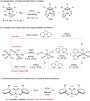
Scheme 45: Selective examples of mechano-synthesis of organometallic complexes. a) Halogenation reaction of Re...

Scheme 46: Mechanochemical activation of C–H bond of unsymmetrical azobenzene [178].

Scheme 47: Mechanochemical synthesis of organometallic pincer complex [179].

Scheme 48: Mechanochemical synthesis of tris(allyl)aluminum complex [180].

Scheme 49: Mechanochemical Ru-catalyzed olefin metathesis reaction [181].

Scheme 50: Rhodium(III)-catalyzed C–H bond functionalization under mechanochemical conditions [182].

Scheme 51: Mechanochemical Csp2–H bond amidation using Ir(III) catalyst [183].

Scheme 52: Mechanochemical Rh-catalyzed Csp2–X bond formation [184].

Scheme 53: Mechanochemical Pd-catalyzed C–H activation [185].

Scheme 54: Mechanochemical Csp2–H bond amidation using Rh catalyst.

Scheme 55: Mechanochemical synthesis of indoles using Rh catalyst [187].

Scheme 56: Mizoroki–Heck reaction of aminoacrylates with aryl halide in a ball-mill [58].

Scheme 57: IBX under mechanomilling conditions [8].

Scheme 58: Thiocarbamoylation of anilines; trapping of reactive aryl-N-thiocarbamoylbenzotriazole intermediate...
Pd(OAc)2/Ph3P-catalyzed dimerization of isoprene and synthesis of monoterpenic heterocycles
- Dominik Kellner,
- Maximilian Weger,
- Andrea Gini and
- Olga García Mancheño
Beilstein J. Org. Chem. 2017, 13, 1807–1815, doi:10.3762/bjoc.13.175
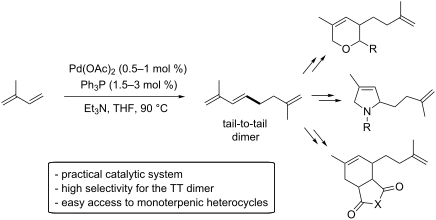
- Beller and co-workers (Scheme 1, reaction 2) [33]. The use of NHCs proved to be the key, since the more accessible monodentated phosphorus ligands such as triphenyl (Ph3P) or tricyclohexyl (Cy3P) phosphines showed a significant lower efficiency and different selectivity with the same palladium source Pd

Graphical Abstract

Figure 1: Isoprene as chemical building block in nature and organic synthesis.

Scheme 1: Pd-catalyzed dimerization of isoprene.

Scheme 2: Putative mechanism for the Pd(OAc)2-catalyzed dimerization of isoprene.

Scheme 3: Functionalization of the isoprene-dimer 2-TT to substituted O- and N-heterocycles.
A novel approach to oxoisoaporphine alkaloids via regioselective metalation of alkoxy isoquinolines
- Benedikt C. Melzer and
- Franz Bracher
Beilstein J. Org. Chem. 2017, 13, 1564–1571, doi:10.3762/bjoc.13.156

- reaction conditions. As an alternative reagent for the acylation of arenes with esters Eaton’s reagent (phosphorus pentoxide, 7.7 wt % in methanesulfonic acid) has been described in the literature [28][29]. Eaton’s reagent has advantages over polyphosphoric acid as it is an easy to handle, non-viscous and

Graphical Abstract
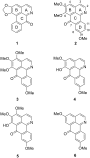
Figure 1: Prominent oxoaporphine and oxoisoaporphine alkaloids: liriodenine (1), menisporphine (2), dauriporp...

Scheme 1: Previously reported [7,17] and new approach to oxoisoaporphine alkaloids.

Scheme 2: Synthesis of iodinated isoquinolines 8a–c from alkoxy-substituted isoquinolines 7a–c.

Scheme 3: Synthesis of methyl 2-(isoquinolin-1-yl)benzoates 10a–c from 1-iodoisoquinolines 8a–c.

Scheme 4: Synthesis of the alkaloids 6-O-demethylmenisporphine (4), dauriporphinoline (5), and bianfugecine (6...

Scheme 5: Attempted synthesis of bianfugecine (6) via directed remote metalation and subsequent trapping of t...

Scheme 6: Outcome of a D2O quenching experiment after metalation of amide 12.

Scheme 7: Synthesis of 1-arylnaphthalene analogues 15 and 16.

Scheme 8: Outcome of a D2O quenching experiment after metalation of amide 16 with LDA.

Scheme 9: Synthesis of the alkaloids menisporphine (2) and dauriporphine (3) by O-methylation of the alkaloid...
Chemical systems, chemical contiguity and the emergence of life
- Terrence P. Kee and
- Pierre-Alain Monnard
Beilstein J. Org. Chem. 2017, 13, 1551–1563, doi:10.3762/bjoc.13.155
- phosphorus (P) in +5 oxidation state, is puzzling to some extent as this element is today a limiting nutrient for life [42]. But the prebiotic availability of P is now being far better understood [43][44][45]. In addition, the reactivity of phosphate and polyphosphate is low in aqueous media in the absence

Graphical Abstract

Figure 1: (A) Possible approaches to the historical reconstruction. Two complementary approaches exist: top-d...

Figure 2: The bottom-up approach research strategies. (A) Each protocell component (vide infra) can be invest...
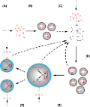
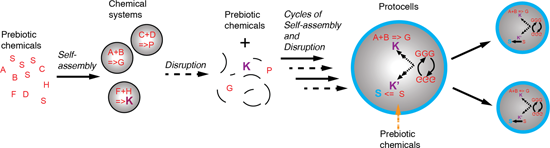
Figure 3: A putative scenario for the evolution of chemical systems towards protocells. (A) Prebiotic chemist...
Synthesis of oligonucleotides on a soluble support
- Harri Lönnberg
Beilstein J. Org. Chem. 2017, 13, 1368–1387, doi:10.3762/bjoc.13.134
- strategy may be utilized, but the stepwise linear approach proceeding from the 3´- to the 5´-terminus of ON is nowadays almost exclusively exploited [1][2]. The coupling reaction may take place either at oxidation level III or V of phosphorus. Owing to higher reactivity of P(III) centers, appropriately
- derivatives 2-ethyl- and 2-benzylthiotetrazole [8] or 4,5-dicyanoimidazole [9]. The activator has a dual role donating a proton to the departing dialkylamino group and attacking as an anionic species on phosphorus [10]. Nucleoside H-phosphonates are, in turn, converted in situ to reactive mixed anhydrides

Graphical Abstract

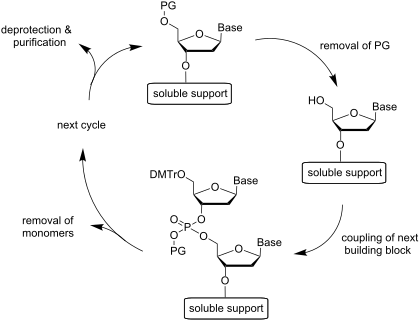
Figure 1: General principle of oligonucleotide synthesis.
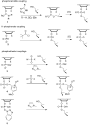
Scheme 1: Alternative coupling methods used in the synthesis of oligonucleotides.

Scheme 2: Synthesis of ODNs on a precipitative PEG-support by phosphotriester chemistry using MSNT/NMI activa...

Scheme 3: Synthesis of ODNs on a precipitative tetrapodal support by phosphotriester chemistry using 1-hydrox...

Scheme 4: Synthesis of ODNs on a precipitative PEG-support by conventional phosphoramidite chemistry [51].

Scheme 5: Synthesis of ODNs on a precipitative tetrapodal support by conventional phosphoramidite chemistry [43].

Scheme 6: Synthesis of ODNs by an extractive strategy on an adamant-1-ylacetyl support [57].

Scheme 7: Synthesis of ODNs by a combination of extractive and precipitative strategy [58].

Scheme 8: Synthesis of ODNs by phosphoramidite chemistry on a N1,N3,N5-tris(2-aminoethyl)benzene-1,3,5-tricar...
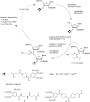
Scheme 9: Synthesis of ORNs by phosphoramidite chemistry on a hydrophobic support [61].

Scheme 10: Synthesis of ORNs by the phosphoramidite chemistry on a precipitative tetrapodal support using 2´-O...

Scheme 11: Synthesis of ORNs by phosphoramidite chemistry on a precipitative tetrapodal support from commercia...

Scheme 12: Synthesis of ODNs on a precipitative PEG-support by H-phosphonate chemistry [65].

Scheme 13: Synthesis of 2´-O-methyl ORN phosphorothioates by phosphoramidite chemistry by making use of nanofi...
Phosphorus pentasulfide mediated conversion of organic thiocyanates to thiols
- Chandra Kant Maurya,
- Avik Mazumder and
- Pradeep Kumar Gupta
Beilstein J. Org. Chem. 2017, 13, 1184–1188, doi:10.3762/bjoc.13.117

- /bjoc.13.117 Abstract In this paper we report an efficient and mild procedure for the conversion of organic thiocyanates to thiols in the presence of phosphorus pentasulfide (P2S5) in refluxing toluene. The method avoids the use of expensive and hazardous transition metals and harsh reducing agents, as
- required by reported methods, and provides an attractive alternative to the existing methods for the conversion of organic thiocyanates to thiols. Keywords: dithiocarbamate; phosphorus pentasulfide; thiocyanate; thiol; toluene; Introduction Thiols constitute an important group of sulfur-containing
- -reductive conditions (Scheme 1). Phosphorus pentasulfide (P2S5), a commercially available reagent, has widely been employed in organic synthesis for numerous applications [18]. The synthetic protocol described in this paper makes use of this reagent to provide an efficient and single step procedure for the

Graphical Abstract

Scheme 1: Conversion of organic thiocyanates to thiols.

Scheme 2: Hypothetical mechanism for conversion of thiocyanates to thiols mediated by phosphorus pentasulfide....
Synthesis of 1-indanones with a broad range of biological activity
- Marika Turek,
- Dorota Szczęsna,
- Marek Koprowski and
- Piotr Bałczewski
Beilstein J. Org. Chem. 2017, 13, 451–494, doi:10.3762/bjoc.13.48
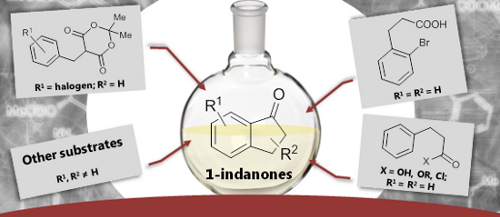
- diesters: In 1951, Gilmore has demonstrated that use of esters, rather than free arylpropionic acids in phosphoric acid, in the presence of phosphorus pentoxide also led to 1-indanones in equally good or even better yields [32]. Transition metal complexes have been used by Negishi et al. as catalysts in

Graphical Abstract

Figure 1: Biologically active 1-indanones and their structural analogues.

Figure 2: Number of papers about (a) 1-indanones, (b) synthesis of 1-indanones.

Scheme 1: Synthesis of 1-indanone (2) from hydrocinnamic acid (1).

Scheme 2: Synthesis of 1-indanone (2) from 3-(2-bromophenyl)propionic acid (3).

Scheme 3: Synthesis of 1-indanones 5 from 3-arylpropionic acids 4.

Scheme 4: Synthesis of kinamycin (9a) and methylkinamycin C (9b).

Scheme 5: Synthesis of trifluoromethyl-substituted arylpropionic acids 12, 1-indanones 13 and dihydrocoumarin...

Scheme 6: Synthesis of 1-indanones 16 from benzoic acids 15.

Scheme 7: Synthesis of 1-indanones 18 from arylpropionic and 3-arylacrylic acids 17.

Scheme 8: The NbCl5-induced one-step synthesis of 1-indanones 22.

Scheme 9: Synthesis of biologically active 1-indanone derivatives 26.

Scheme 10: Synthesis of enantiomerically pure indatraline ((−)-29).

Scheme 11: Synthesis of 1-indanone (2) from the acyl chloride 30.

Scheme 12: Synthesis of the mechanism-based inhibitors 33 of coelenterazine.

Scheme 13: Synthesis of the indane 2-imidazole derivative 37.

Scheme 14: Synthesis of fluorinated PAHs 41.

Scheme 15: Synthesis of 1-indanones 43 via transition metal complexes-catalyzed carbonylative cyclization of m...

Scheme 16: Synthesis of 6-methyl-1-indanone (46).

Scheme 17: Synthesis of 1-indanone (2) from ester 48.

Scheme 18: Synthesis of benzopyronaphthoquinone 51 from the spiro-1-indanone 50.

Scheme 19: Synthesis of the selective endothelin A receptor antagonist 55.

Scheme 20: Synthesis of 1-indanones 60 from methyl vinyl ketone (57).

Scheme 21: Synthesis of 1-indanones 64 from diethyl phthalate 61.

Scheme 22: Synthesis of 1-indanone derivatives 66 from various Meldrum’s acids 65.

Scheme 23: Synthesis of halo 1-indanones 69.

Scheme 24: Synthesis of substituted 1-indanones 71.

Scheme 25: Synthesis of spiro- and fused 1-indanones 73 and 74.

Scheme 26: Synthesis of spiro-1,3-indanodiones 77.

Scheme 27: Mechanistic pathway for the NHC-catalyzed Stetter–Aldol–Michael reaction.

Scheme 28: Synthesis of 2-benzylidene-1-indanone derivatives 88a–d.

Scheme 29: Synthesis of 1-indanone derivatives 90a–i.

Scheme 30: Synthesis of 1-indanones 96 from o-bromobenzaldehydes 93 and alkynes 94.

Scheme 31: Synthesis of 3-hydroxy-1-indanones 99.

Scheme 32: Photochemical preparation of 1-indanones 103 from ketones 100.

Scheme 33: Synthesis of chiral 3-aryl-1-indanones 107.

Scheme 34: Photochemical isomerization of 2-methylbenzil 108.

Scheme 35: Synthesis of 2-hydroxy-1-indanones 111a–c.

Scheme 36: Synthesis of 1-indanone derivatives 113 and 114 from η6-1,2-dioxobenzocyclobutene complex 112.

Scheme 37: Synthesis of nakiterpiosin (117).

Scheme 38: Synthesis of 2-alkyl-1-indanones 120.

Scheme 39: Synthesis of fluorine-containing 1-indanone derivatives 123.

Scheme 40: Synthesis of 2-benzylidene and 2-benzyl-1-indanones 126, 127 from the chalcone 124.

Scheme 41: Synthesis of 2-bromo-6-methoxy-3-phenyl-1-indanone (130).

Scheme 42: Synthesis of combretastatin A-4-like indanones 132a–s.

Figure 3: Chemical structures of investigated dienones 133 and synthesized cyclic products 134–137.

Figure 4: Chemical structures of 1-indanones and their heteroatom analogues 138–142.

Scheme 43: Synthesis of 2-phosphorylated and 2-non-phosphorylated 1-indanones 147 and 148 from β-ketophosphona...

Scheme 44: Photochemical synthesis of 1-indanone derivatives 150, 153a, 153b.

Scheme 45: Synthesis of polysubstituted-1-indanones 155, 157.

Scheme 46: Synthesis of 1-indanones 159a–g from α-arylpropargyl alcohols 158 using RhCl(PPh3)3 as a catalyst.

Scheme 47: Synthesis of optically active 1-indanones 162 via the asymmetric Rh-catalyzed isomerization of race...

Scheme 48: Mechanism of the Rh-catalyzed isomerization of α-arylpropargyl alcohols 161 to 1-indanones 162.

Figure 5: Chemical structure of abicoviromycin (168) and its new benzo derivative 169.

Scheme 49: Synthesis of racemic benzoabicoviromycin 172.

Scheme 50: Synthesis of [14C]indene 176.

Scheme 51: Synthesis of indanone derivatives 178–180.

Scheme 52: Synthesis of racemic pterosin A 186.

Scheme 53: Synthesis of trans-2,3-disubstituted 1-indanones 189.

Scheme 54: Synthesis of 3-aryl-1-indanone derivatives 192.

Scheme 55: Synthesis of 1-indanone derivatives 194 from 3-(2-iodoaryl)propanonitriles 193.

Scheme 56: Synthesis of 1-indanones 200–204 by cyclization of aromatic nitriles.

Scheme 57: Synthesis of 1,1’-spirobi[indan-3,3’-dione] derivative 208.

Scheme 58: Total synthesis of atipamezole analogues 211.

Scheme 59: Synthesis of 3-[4-(1-piperidinoethoxy)phenyl]spiro[indene-1,1’-indan]-5,5’-diol hydrochloride 216.

Scheme 60: Synthesis of 3-arylindan-1-ones 219.

Scheme 61: Synthesis of 2-hydroxy-1-indanones 222.

Scheme 62: Synthesis of the 1-indanone 224 from the THP/MOM protected chalcone epoxide 223.

Scheme 63: Synthesis of 1-indanones 227 from γ,δ-epoxy ketones 226.

Scheme 64: Synthesis of 2-hydroxy-2-methylindanone (230).

Scheme 65: Synthesis of 1-indanone derivatives 234 from cyclopropanol derivatives 233.

Scheme 66: Synthesis of substituted 1-indanone derivatives 237.

Scheme 67: Synthesis of 7-methyl substituted 1-indanone 241 from 1,3-pentadiene (238) and 2-cyclopentenone (239...

Scheme 68: Synthesis of disubstituted 1-indanone 246 from the siloxydiene 244 and 2-cyclopentenone 239.

Scheme 69: Synthesis of 5-hydroxy-1-indanone (250) via the Diels–Alder reaction of 1,3-diene 248 with sulfoxid...

Scheme 70: Synthesis of halogenated 1-indanones 253a and 253b.

Scheme 71: Synthesis of 1-indanones 257 and 258 from 2-bromocyclopentenones 254.

Scheme 72: Synthesis of 1-indanone 261 from 2-bromo-4-acetoxy-2-cyclopenten-1-one (260) and 1,2-dihydro-4-viny...

Scheme 73: Synthesis of 1-indanone 265 from 1,2-dihydro-7-methoxy-4-vinylnaphthalene (262) and bromo-substitut...

Scheme 74: Synthesis of 1-indanone 268 from dihydro-3-vinylphenanthrene 266 and 4-acetoxy-2-cyclopenten-1-one (...

Scheme 75: Synthesis of 1-indanone 271 from phenylselenyl-substituted cyclopentenone 268.

Scheme 76: Synthesis of 1-indanone 272 from the trienone 270.

Scheme 77: Synthesis of the 1-indanone 276 from the aldehyde 273.

Scheme 78: Synthesis of 1-indanones 278 and 279.

Scheme 79: Synthesis of 1-indanone 285 from octa-1,7-diyne (282) and cyclopentenone 239.

Scheme 80: Synthesis of benz[f]indan-1-one (287) from cyclopentenone 239 and o-bis(dibromomethyl)benzene (286)....

Scheme 81: Synthesis of 3-methyl-substituted benz[f]indan-1-one 291 from o-bis(dibromomethyl)benzene (286) and...

Scheme 82: Synthesis of benz[f]indan-1-one (295) from the anthracene epidioxide 292.

Scheme 83: Synthesis of 1-indanone 299 from homophthalic anhydride 298 and cyclopentynone 297.

Scheme 84: Synthesis of cyano-substituted 1-indanone derivative 301 from 2-cyanomethylbenzaldehyde (300) and c...

Scheme 85: Synthesis of 1-indanone derivatives 303–305 from ketene dithioacetals 302.

Scheme 86: Synthesis of 1-indanones 309–316.

Scheme 87: Mechanism of the hexadehydro-Diels–Alder (HDDA) reaction.

Scheme 88: Synthesis of 1-indenone 318 and 1-indanones 320 and 321 from tetraynes 317 and 319.

Scheme 89: Synthesis of 1-indanone 320 from the triyn 319.

Scheme 90: Synthesis 1-indanone 328 from 2-methylfuran 324.

Scheme 91: Synthesis of 1-indanones 330 and 331 from furans 329.

Scheme 92: Synthesis of 1-indanone 333 from the cycloadduct 332.

Scheme 93: Synthesis of (S)-3-arylindan-1-ones 335.

Scheme 94: Synthesis of (R)-2-acetoxy-1-indanone 338.

Figure 6: Chemical structures of obtained cyclopenta[α]phenanthrenes 339.

Scheme 95: Synthesis of the benzoindanone 343 from arylacetaldehyde 340 with 1-trimethylsilyloxycyclopentene (...
Structure–efficiency relationships of cyclodextrin scavengers in the hydrolytic degradation of organophosphorus compounds
- Sophie Letort,
- Michaël Bosco,
- Benedetta Cornelio,
- Frédérique Brégier,
- Sébastien Daulon,
- Géraldine Gouhier and
- François Estour
Beilstein J. Org. Chem. 2017, 13, 417–427, doi:10.3762/bjoc.13.45
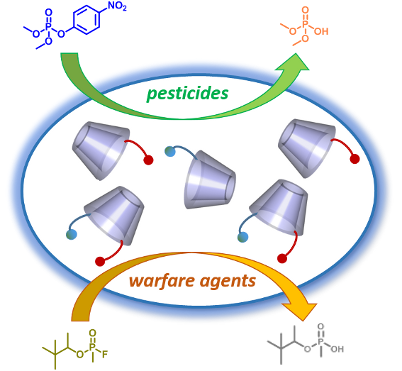
- organophosphorus compound into p-nitrophenol compared to IBA alone. Compound 2 was the most effective, while the slowest pesticide hydrolysis was observed in the presence of derivative 3. These results provided evidence that the relative position of the reactive group towards the phosphorus atom and the vicinity
- paraoxon while IBA alone displayed a generally lower and similar efficiency towards these three pesticides. This suggests that the electrophilic character of the phosphorus atom plays a role in the detoxification process (methyl parathion versus methyl paraoxon). Moreover, the strength and depth of the
- vicinity of the imidazole substituent to the active group confirmed its benefit to accelerate the soman degradation [33]. However, many parameters are involved in the detoxification process. It is known that an aromatic group attached to a phosphorus atom can interact with the cyclodextrin cavity wherefore

Graphical Abstract

Figure 1: Structures of G agents.

Figure 2: Scavenger based on a heterodifunctionalized β-cyclodextrin derivative.
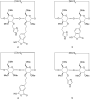
Figure 3: Structures of β-cyclodextrin derivatives 2–5.

Figure 4: Structures of pesticides tested.

Scheme 1: Synthetic pathway to derivatives 2 and 3 (Tr = trityl).

Scheme 2: Synthesis of compound 4.

Scheme 3: Synthesis of compound 5 (Tr = trityl).

Figure 5: Hydrolysis of methyl paraoxon (0.5 mM) in the presence of compounds 1, 2, 3 or 2-iodosobenzoic acid...

Figure 6: Hydrolysis of methyl paraoxon (0.5 mM) in the presence of compounds 1, 2, 3 or 2-iodosobenzoic acid...

Figure 7: Hydrolysis of methyl paraoxon (0.5 mM) in the presence of compounds 2, 4, 5 or 2-iodosobenzoic acid...

Figure 8: Hydrolysis of methyl paraoxon (0.5 mM) in the presence of mixtures of compounds 4, 5 with IBA or im...

Figure 9: Influence of the pesticide structure on the hydrolytic efficiency of compound 2 (0.25 mM). Kinetic ...

Figure 10: Influence of TRIMEB, IBA and imidazole on the hydrolysis of methyl parathion (0.5 mM). The final co...

Figure 11: Ability of compounds 1–4 in preventing the inhibition of acetylcholinesterase by soman (GD).
Synthesis and optical properties of new 5'-aryl-substituted 2,5-bis(3-decyl-2,2'-bithiophen-5-yl)-1,3,4-oxadiazoles
- Anastasia S. Kostyuchenko,
- Tatyana Yu. Zheleznova,
- Anton J. Stasyuk,
- Aleksandra Kurowska,
- Wojciech Domagala,
- Adam Pron and
- Alexander S. Fisyuk
Beilstein J. Org. Chem. 2017, 13, 313–322, doi:10.3762/bjoc.13.34
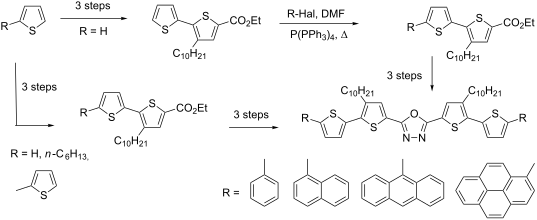
- the obtained diacylated hydrazines 14b–g were in the range of 58–74% (Scheme 3). Finally, heating the diacyl hydrazines 14b–g in phosphorus oxychloride led to the formation of the desired 1,3,4-oxadiazoles 15b–g. The product yields were between 65–94% after purification by column chromatography

Graphical Abstract

Figure 1: D–A compounds 1–3.

Scheme 1: Synthesis of 3-decyl-2,2'-bithiophene-5-carboxylic acid ethyl esters 7a–c.

Scheme 2: Synthesis of ethyl esters of 5'-aryl-3-decyl-2,2'-bithiophene-5-carboxylic acids 7d–g.

Scheme 3: Synthesis of diacyl hydrazines 14b–g.

Scheme 4: Synthesis of 5'-aryl-substituted 2,5-bis(3-decyl-2,2'-bithiophen-5-yl)-1,3,4-oxadiazoles 15b–g.

Figure 2: 5'-Aryl-substituted 2,5-bis(3-decyl-2,2'-bithiophen-5-yl)-1,3,4-oxadiazoles 15b–g: a) absorption sp...

Figure 3: General structure of 5'-aryl-substituted 2,5-bis(3-decyl-2,2'-bithiophen-5-yl)-1,3,4-oxadiazoles.

Figure 4: Frontier molecular orbitals (HOMO−1, HOMO, LUMO and LUMO+1) and values for HOMO–LUMO band gaps of t...
A novel method for heterocyclic amide–thioamide transformations
- Walid Fathalla,
- Ibrahim A. I. Ali and
- Pavel Pazdera
Beilstein J. Org. Chem. 2017, 13, 174–181, doi:10.3762/bjoc.13.20

- ; for instance, Lawesson's reagent (2,4-bis(4-methoxyphenyl)-1,3-dithia-2,4-diphosphetane 2,4-disulfide) [1][2][3], Berzelius reagent [4][5][6] (P4S10), and phosphorus pentasulfide [7] in dry toluene, xylene or pyridine under reflux conditions. A two-step approach for the purpose of thiation of

Graphical Abstract

Scheme 1: Synthesis of N-cyclohexyl dithiocarbamate cyclohexylammonium salt (2).

Scheme 2: The two-step thiation of quinazolin-4-one A1–6 and phthalazin-1-ones A7 and A8.

Scheme 3: Thiation of quinoline A9 and quinoxalinone A10–13.

Scheme 4: Rational mechanism of the reaction of 4-chloro-2-phenylquinazoline (B2) to 2-phenylquinazolin-4(3H)...
First DMAP-mediated direct conversion of Morita–Baylis–Hillman alcohols into γ-ketoallylphosphonates: Synthesis of γ-aminoallylphosphonates
- Marwa Ayadi,
- Haitham Elleuch,
- Emmanuel Vrancken and
- Farhat Rezgui
Beilstein J. Org. Chem. 2016, 12, 2906–2915, doi:10.3762/bjoc.12.290

- has been reported through a palladium-catalyzed hydrogenation of α-fluorovinylphosphonates [43]. In continuation of our interest [21] in the construction of carbon–phosphorus bonds using both cyclic and acyclic MBH adducts, we report herein, for the first time, a direct and facile access to γ

Graphical Abstract

Scheme 1: Synthesis of allylphosphonates from acyclic MBH adducts.

Scheme 2: Synthesis of γ-ketoallylphosphonates from cyclic MBH adducts.

Scheme 3: Proposed mechanism for DMAP-mediated direct nucleophilic α-substitution of MBH alcohol 1a.

Scheme 4: Direct conversion of acyclic MBH alcohols 3a–c into γ-ketoallylphosphonates 4a–f.

Scheme 5: I2-Catalyzed direct synthesis of γ-tosylaminophosphonates 6 from alcohol 5.

Scheme 6: Proposed mechanism for I2-catalyzed direct nucleophilic substitution of γ-hydroxyallylphosphonate 5...

Scheme 7: Ce(III)-mediated conversion of acetate 7 into γ-aminophosphonates 8a–d.
New syntheses of (±)-tashiromine and (±)-epitashiromine via enaminone intermediates
- Darren L. Riley,
- Joseph P. Michael and
- Charles B. de Koning
Beilstein J. Org. Chem. 2016, 12, 2609–2613, doi:10.3762/bjoc.12.256

- Carius tube at 250 °C, affording alcohol 5 in 81% yield. The subsequent protection of the primary alcohol as acetate 6 (87% yield), followed by thionation with phosphorus pentasulfide using the Brillon procedure [29] afforded thiolactam 3 in 90% yield. The succeeding Eschenmoser reaction with α

Graphical Abstract

Figure 1: Structures of (±)-tashiromine (1) and (±)-epitashiromine (2) showing the systematic numbering of th...

Scheme 1: Reagents and conditions: (i) NH2(CH2)3OH, 250 °C (sealed tube), 18 h, 81%; (ii) Ac2O, pyridine, 0 °...

Scheme 2: Reagents and conditions: (i) Imidazole, PPh3, I2, CH3CN–PhCH3, reflux, 1 h; (ii) p-TsCl, NEt3, DMAP...

Scheme 3: Reagents and conditions: (i) LiAlH4, Et2O, 3 h, 87%.
Rearrangements of organic peroxides and related processes
- Ivan A. Yaremenko,
- Vera A. Vil’,
- Dmitry V. Demchuk and
- Alexander O. Terent’ev
Beilstein J. Org. Chem. 2016, 12, 1647–1748, doi:10.3762/bjoc.12.162
- -butoxide anion and acetophenone (227). These steps occur presumably in a concerted manner. Finally, the protonation of the tert-butoxide anion results in the formation of tert-butanol (228). As alternative bases Et3N [338][339], phosphorus ylides [340] and LiOH [341][342] can be used and the Kornblum

Graphical Abstract
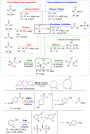
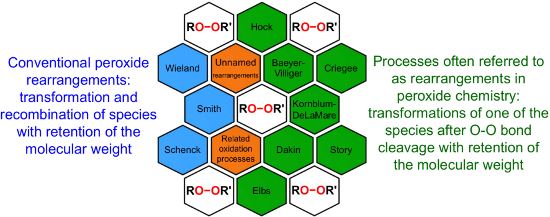
Figure 1: The named transformations considered in this review.

Scheme 1: The Baeyer–Villiger oxidation.

Scheme 2: The general mechanism of the peracid-promoted Baeyer–Villiger oxidation.

Scheme 3: General mechanism of the Lewis acid-catalyzed Baeyer–Villiger rearrangement.

Scheme 4: The theoretically studied mechanism of the BV oxidation reaction promoted by H2O2 and the Lewis aci...

Scheme 5: Proton movements in the transition states of the Baeyer–Villiger oxidation.

Scheme 6: The dependence of the course of the Baeyer–Villiger oxidation on the type of O–O-bond cleavage in t...
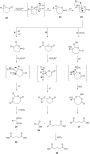
Scheme 7: The acid-catalyzed Baeyer–Villiger oxidation of cyclic epoxy ketones 22.

Scheme 8: Oxidation of isophorone oxide 29.

Scheme 9: Synthesis of acyl phosphate 32 from acyl phosphonate 31.

Scheme 10: Synthesis of aflatoxin B2 (36).

Scheme 11: The Baeyer–Villiger rearrangement of ketones 37 to lactones 38.

Scheme 12: Synthesis of 3,4-dimethoxybenzoic acid (40) via Baeyer–Villiger oxidation.

Scheme 13: Oxone transforms α,β-unsaturated ketones 43 into vinyl acetates 44.

Scheme 14: The Baeyer–Villiger oxidation of ketones 45 using diaryl diselenide and hydrogen peroxide.

Scheme 15: Baeyer–Villiger oxidation of (E)-2-methylenecyclobutanones.

Scheme 16: Oxidation of β-ionone (56) by H2O2/(BnSe)2 with formation of (E)-2-(2,6,6-trimethylcyclohex-1-en-1-...

Scheme 17: The mechanism of oxidation of ketones 58a–f by hydrogen peroxide in the presence of arsonated polys...

Scheme 18: Oxidation of ketone (58b) by H2O2 to 6-methylcaprolactone (59b) catalyzed by Pt complex 66·BF4.

Scheme 19: Oxidation of ketones 67 with H2O2 in the presence of [(dppb}Pt(µ-OH)]22+.

Scheme 20: The mechanism of oxidation of ketones 67 in the presence of [(dppb}Pt(µ-OH)]22+ and H2O2.

Scheme 21: Oxidation of benzaldehydes 69 in the presence of the H2O2/MeReO3 system.

Scheme 22: Oxidation of acetophenones 72 in the presence of the H2O2/MeReO3 system.

Scheme 23: Baeyer–Villiger oxidation of 2-adamantanone (45c) in the presence of Sn-containing mesoporous silic...

Scheme 24: Aerobic Baeyer–Villiger oxidation of ketones 76 using metal-free carbon.

Scheme 25: A regioselective Baeyer-Villiger oxidation of functionalized cyclohexenones 78 into a dihydrooxepin...

Scheme 26: The oxidation of aldehydes and ketones 80 by H2O2 catalyzed by Co4HP2Mo15V3O62.

Scheme 27: The cleavage of ketones 82 with hydrogen peroxide in alkaline solution.

Scheme 28: Oxidation of ketones 85 to esters 86 with H2O2–urea in the presence of KHCO3.

Scheme 29: Mechanism of the asymmetric oxidation of cyclopentane-1,2-dione 87a with the Ti(OiPr)4/(+)DET/t-BuO...

Scheme 30: The oxidation of cis-4-tert-butyl-2-fluorocyclohexanone (93) with m-chloroperbenzoic acid.

Scheme 31: The mechanism of the asymmetric oxidation of 3-substituted cyclobutanone 96a in the presence of chi...

Scheme 32: Enantioselective Baeyer–Villiger oxidation of cyclic ketones 98.

Scheme 33: Regio- and enantioselective Baeyer–Villiger oxidation of cyclic ketones 101.

Scheme 34: The proposed mechanism of the Baeyer–Villiger oxidation of acetal 105f.

Scheme 35: Synthesis of hydroxy-10H-acridin-9-one 117 from tetramethoxyanthracene 114.

Scheme 36: The Baeyer–Villiger oxidation of the fully substituted pyrrole 120.

Scheme 37: The Criegee rearrangement.

Scheme 38: The mechanism of the Criegee reaction of a peracid with a tertiary alcohol 122.

Scheme 39: Criegee rearrangement of decaline ethylperoxoate 127 into ketal 128.

Scheme 40: The ionic cleavage of 2-methoxy-2-propyl perester 129.

Scheme 41: The Criegee rearrangement of α-methoxy hydroperoxide 136.
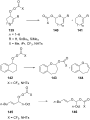
Scheme 42: Synthesis of enol esters and acetals via the Criegee rearrangement.

Scheme 43: Proposed mechanism of the transformation of 1-hydroperoxy-2-oxabicycloalkanones 147a–d.

Scheme 44: Transformation of 3-hydroxy-1,2-dioxolanes 151 into diketone derivatives 152.

Scheme 45: Criegee rearrangement of peroxide 153 with the mono-, di-, and tri-O-insertion.

Scheme 46: The sequential Criegee rearrangements of adamantanes 157a,b.

Scheme 47: Synthesis of diaryl carbonates 160a–d from triarylmethanols 159a–d through successive oxygen insert...

Scheme 48: The synthesis of sesquiterpenes 162 from ketone 161 with a Criegee rearrangement as one key step.

Scheme 49: Synthesis of trans-hydrindan derivatives 164, 165.

Scheme 50: The Hock rearrangement.

Scheme 51: The general scheme of the cumene process.

Scheme 52: The Hock rearrangement of aliphatic hydroperoxides.
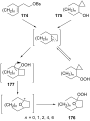
Scheme 53: The mechanism of solvolysis of brosylates 174a–c and spiro cyclopropyl carbinols 175a–c in THF/H2O2....

Scheme 54: The fragmentation mechanism of hydroperoxy acetals 178 to esters 179.

Scheme 55: The acid-catalyzed rearrangement of phenylcyclopentyl hydroperoxide 181.

Scheme 56: The peroxidation of tertiary alcohols in the presence of a catalytic amount of acid.

Scheme 57: The acid-catalyzed reaction of bicyclic secondary alcohols 192 with hydrogen peroxide.

Scheme 58: The photooxidation of 5,6-disubstituted 3,4-dihydro-2H-pyrans 196.

Scheme 59: The oxidation of tertiary alcohols 200a–g, 203a,b, and 206.

Scheme 60: Transformation of functional peroxide 209 leading to 2,3-disubstitued furans 210 in one step.

Scheme 61: The synthesis of carbazoles 213 via peroxide rearrangement.

Scheme 62: The construction of C–N bonds using the Hock rearrangement.

Scheme 63: The synthesis of moiety 218 from 217 which is a structural motif in the antitumor–antibiotic of CC-...

Scheme 64: The in vivo oxidation steps of cholesterol (219) by singlet oxygen.

Scheme 65: The proposed mechanism of the rearrangement of cholesterol-5α-OOH 220.

Scheme 66: Photochemical route to artemisinin via Hock rearrangement of 223.

Scheme 67: The Kornblum–DeLaMare rearrangement.

Scheme 68: Kornblum–DeLaMare transformation of 1-phenylethyl tert-butyl peroxide (225).

Scheme 69: The synthesis 4-hydroxyenones 230 from peroxide 229.

Scheme 70: The Kornblum–DeLaMare rearrangement of peroxide 232.

Scheme 71: The reduction of peroxide 234.

Scheme 72: The Kornblum–DeLaMare rearrangement of endoperoxide 236.

Scheme 73: The rearrangement of peroxide 238 under Kornblum–DeLaMare conditions.

Scheme 74: The proposed mechanism of rearrangement of peroxide 238.

Scheme 75: The Kornblum–DeLaMare rearrangement of peroxides 242a,b.

Scheme 76: The base-catalyzed rearrangements of bicyclic endoperoxides having electron-withdrawing substituent...

Scheme 77: The base-catalyzed rearrangements of bicyclic endoperoxides 249a,b having electron-donating substit...

Scheme 78: The base-catalyzed rearrangements of bridge-head substituted bicyclic endoperoxides 251a,b.

Scheme 79: The Kornblum–DeLaMare rearrangement of hydroperoxide 253.

Scheme 80: Synthesis of β-hydroxy hydroperoxide 254 from endoperoxide 253.

Scheme 81: The amine-catalyzed rearrangement of bicyclic endoperoxide 263.

Scheme 82: The base-catalyzed rearrangement of meso-endoperoxide 268 into 269.

Scheme 83: The photooxidation of 271 and subsequent Kornblum–DeLaMare reaction.

Scheme 84: The Kornblum–DeLaMare rearrangement as one step in the oxidation reaction of enamines.

Scheme 85: The Kornblum–DeLaMare rearrangement of 3,5-dihydro-1,2-dioxenes 284, 1,2-dioxanes 286, and tert-but...

Scheme 86: The Kornblum–DeLaMare rearrangement of epoxy dioxanes 290a–d.

Scheme 87: Rearrangement of prostaglandin H2 292.

Scheme 88: The synthesis of epicoccin G (297).

Scheme 89: The Kornblum–DeLaMare rearrangement used in the synthesis of phomactin A.

Scheme 90: The Kornblum–DeLaMare rearrangement in the synthesis of 3H-quinazolin-4-one 303.

Scheme 91: The Kornblum–DeLaMare rearrangement in the synthesis of dolabriferol (308).

Scheme 92: Sequential transformation of 3-substituted 2-pyridones 309 into 3-hydroxypyridine-2,6-diones 311 in...

Scheme 93: The Kornblum–DeLaMare rearrangement of peroxide 312 into hydroxy enone 313.

Scheme 94: The Kornblum–DeLaMare rearrangement in the synthesis of polyfunctionalized carbonyl compounds 317.

Scheme 95: The Kornblum–DeLaMare rearrangement in the synthesis of (Z)-β-perfluoroalkylenaminones 320.

Scheme 96: The Kornblum–DeLaMare rearrangement in the synthesis of γ-ketoester 322.

Scheme 97: The Kornblum–DeLaMare rearrangement in the synthesis of diterpenoids 326 and 328.

Scheme 98: The synthesis of natural products hainanolidol (331) and harringtonolide (332) from peroxide 329.

Scheme 99: The synthesis of trans-fused butyrolactones 339 and 340.

Scheme 100: The synthesis of leucosceptroid C (343) and leucosceptroid P (344) via the Kornblum–DeLaMare rearra...

Scheme 101: The Dakin oxidation of arylaldehydes or acetophenones.

Scheme 102: The mechanism of the Dakin oxidation.

Scheme 103: A solvent-free Dakin reaction of aromatic aldehydes 356.

Scheme 104: The organocatalytic Dakin oxidation of electron-rich arylaldehydes 358.

Scheme 105: The Dakin oxidation of electron-rich arylaldehydes 361.

Scheme 106: The Dakin oxidation of arylaldehydes 358 in water extract of banana (WEB).

Scheme 107: A one-pot approach towards indolo[2,1-b]quinazolines 364 from indole-3-carbaldehydes 363 through th...

Scheme 108: The synthesis of phenols 367a–c from benzaldehydes 366a-c via acid-catalyzed Dakin oxidation.

Scheme 109: Possible transformation paths of the highly polarized boric acid coordinated H2O2–aldehyde adduct 3...

Scheme 110: The Elbs oxidation of phenols 375 to hydroquinones.

Scheme 111: The mechanism of the Elbs persulfate oxidation of phenols 375 affording p-hydroquinones 376.

Scheme 112: Oxidation of 2-pyridones 380 under Elbs persulfate oxidation conditions.

Scheme 113: Synthesis of 3-hydroxy-4-pyridone (384) via an Elbs oxidation of 4-pyridone (382).

Scheme 114: The Schenck rearrangement.

Scheme 115: The Smith rearrangement.

Scheme 116: Three main pathways of the Schenck rearrangement.

Scheme 117: The isomerization of hydroperoxides 388 and 389.

Scheme 118: Trapping of dioxacyclopentyl radical 392 by oxygen.

Scheme 119: The hypothetical mechanism of the Schenck rearrangement of peroxide 394.

Scheme 120: The autoxidation of oleic acid (397) with the use of labeled isotope 18O2.

Scheme 121: The rearrangement of 18O-labeled hydroperoxide 400 under an atmosphere of 16O2.

Scheme 122: The rearrangement of the oleate-derived allylic hydroperoxides (S)-421 and (R)-425.

Scheme 123: Mechanisms of Schenck and Smith rearrangements.

Scheme 124: The rearrangement and cyclization of 433.

Scheme 125: The Wieland rearrangement.

Scheme 126: The rearrangement of bis(triphenylsilyl) 439 or bis(triphenylgermyl) 441 peroxides.

Scheme 127: The oxidative transformation of cyclic ketones.

Scheme 128: The hydroxylation of cyclohexene (447) in the presence of tungstic acid.

Scheme 129: The oxidation of cyclohexene (447) under the action of hydrogen peroxide.

Scheme 130: The reaction of butenylacetylacetone 455 with hydrogen peroxide.

Scheme 131: The oxidation of bridged 1,2,4,5-tetraoxanes.

Scheme 132: The proposed mechanism for the oxidation of bridged 1,2,4,5-tetraoxanes.

Scheme 133: The rearrangement of ozonides.

Scheme 134: The acid-catalyzed oxidative rearrangement of malondialdehydes 462 under the action of H2O2.
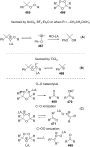
Scheme 135: Pathways of the Lewis acid-catalyzed cleavage of dialkyl peroxides 465 and ozonides 466.

Scheme 136: The mechanism of the transformation of (tert-butyldioxy)cyclohexanedienones 472.

Scheme 137: The synthesis of Vitamin K3 from 472a.

Scheme 138: Proposed mechanism for the transformation of 478d into silylated endoperoxide 479d.

Scheme 139: The rearrangement of hydroperoxide 485 to form diketone 486.

Scheme 140: The base-catalyzed rearrangement of cyclic peroxides 488a–g.

Scheme 141: Synthesis of chiral epoxides and aldols from peroxy hemiketals 491.

Scheme 142: The multistep transformation of (R)-carvone (494) to endoperoxides 496a–e.

Scheme 143: The decomposition of anthracene endoperoxide 499.

Scheme 144: Synthesis of esters 503 from aldehydes 501 via rearrangement of peroxides 502.

Scheme 145: Two possible paths for the base-promoted decomposition of α-azidoperoxides 502.

Scheme 146: The Story decomposition of cyclic diperoxide 506a.

Scheme 147: The Story decomposition of cyclic triperoxide 506b.

Scheme 148: The thermal rearrangement of endoperoxides A into diepoxides B.

Scheme 149: The transformation of peroxide 510 in the synthesis of stemolide (511).

Scheme 150: The possible mechanism of the rearrangement of endoperoxide 261g.

Scheme 151: The photooxidation of indene 517.

Scheme 152: The isomerization of ascaridole (523).

Scheme 153: The isomerization of peroxide 525.

Scheme 154: The thermal transformation of endoperoxide 355.

Scheme 155: The photooxidation of cyclopentadiene (529) at a temperature higher than 0 °C.

Scheme 156: The thermal rearrangement of endoperoxides 538a,b.

Scheme 157: The transformation of peroxides 541.

Scheme 158: The thermal rearrangements of strained cyclic peroxides.

Scheme 159: The thermal rearrangement of diacyl peroxide 551 in the synthesis of C4-epi-lomaiviticin B core 553....

Scheme 160: The 1O2 oxidation of tryptophan (554) and rearrangement of dioxetane intermediate 555.

Scheme 161: The Fe(II)-promoted cleavage of aryl-substituted bicyclic peroxides.

Scheme 162: The proposed mechanism of the Fe(II)-promoted rearrangement of 557a–c.

Scheme 163: The reaction of dioxolane 563 with Fe(II) sulfate.

Scheme 164: Fe(II)-promoted rearrangement of 1,2-dioxane 565.

Scheme 165: Fe(II) cysteinate-promoted rearrangement of 1,2-dioxolane 568.

Scheme 166: The transformation of 1,2-dioxanes 572a–c under the action of FeCl2.

Scheme 167: Fe(II) cysteinate-promoted transformation of tetraoxane 574.

Scheme 168: The CoTPP-catalyzed transformation of bicyclic endoperoxides 600a–d.

Scheme 169: The CoTPP-catalyzed transformation of epoxy-1,2-dioxanes.

Scheme 170: The Ru(II)-catalyzed reactions of 1,4-endoperoxide 261g.

Scheme 171: The Ru(II)-catalyzed transformation as a key step in the synthesis of elyiapyrone A (610) from 1,4-...

Scheme 172: Peroxides with antimalarial activity.

Scheme 173: The interaction of iron ions with artemisinin (616).

Scheme 174: The interaction of FeCl2 with 1,2-dioxanes 623, 624.

Scheme 175: The mechanism of reaction 623 and 624 with Fe(II)Cl2.

Scheme 176: The reaction of bicyclic natural endoperoxides G3-factors 631–633 with FeSO4.

Scheme 177: The transformation of terpene cardamom peroxide 639.
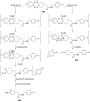
Scheme 178: The different ways of the cleavage of tetraoxane 643.

Scheme 179: The LC–MS analysis of interaction of tetraoxane 646 with iron(II)heme 647.

Scheme 180: The rearrangement of 3,6-epidioxy-1,10-bisaboladiene (EDBD, 649).

Scheme 181: Easily oxidized substrates.

Scheme 182: Biopathway of synthesis of prostaglandins.

Scheme 183: The reduction and rearrangements of isoprostanes.

Scheme 184: The partial mechanism for linoleate 658 oxidation.

Scheme 185: The transformation of lipid hydroperoxide.

Scheme 186: The acid-catalyzed cleavage of the product from free-radical oxidation of cholesterol (667).

Scheme 187: Two pathways of catechols oxidation.

Scheme 188: Criegee-like or Hock-like rearrangement of the intermediate hydroperoxide 675 in dioxygenase enzyme...

Scheme 189: Carotinoides 679 cleavage by carotenoid cleavage dioxygenases.
Rh-Catalyzed reductive Mannich-type reaction and its application towards the synthesis of (±)-ezetimibe
- Motoyuki Isoda,
- Kazuyuki Sato,
- Yurika Kunugi,
- Satsuki Tokonishi,
- Atsushi Tarui,
- Masaaki Omote,
- Hideki Minami and
- Akira Ando
Beilstein J. Org. Chem. 2016, 12, 1608–1615, doi:10.3762/bjoc.12.157
- phosphorus pentoxide directly before use, respectively. All imines were prepared from corresponding aldehydes and amines. Methyl acrylate was distilled directly before use. Other commercially available reagents were used without further purification. All experiments were carried out under an argon atmosphere

Graphical Abstract

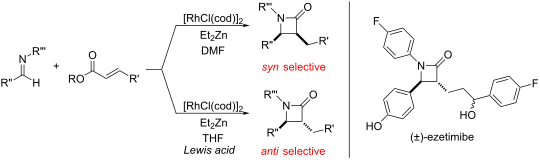
Scheme 1: The synthesis of syn-β-lactams using a reductive Mannich-type reaction.

Scheme 2: Previous results using β-substituted α,β-unsaturated esters.

Scheme 3: A new synthetic route for ezetimibe.

Figure 1: Plausible mechanism for the Rh-catalyzed reductive Mannich-type reaction.

Scheme 4: Effect of the Lewis acid addition.

Figure 2: Reaction of 2k and 1A and the configuration of Int A.

Scheme 5: Transition-state model without Lewis acid.

Scheme 6: Transition-state model with Lewis acid.
Dinuclear thiazolylidene copper complex as highly active catalyst for azid–alkyne cycloadditions
- Anne L. Schöffler,
- Ata Makarem,
- Frank Rominger and
- Bernd F. Straub
Beilstein J. Org. Chem. 2016, 12, 1566–1572, doi:10.3762/bjoc.12.151
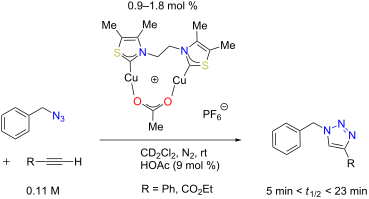
- structure of hexafluorophosphate salt 1b (CCDC 1472789). Color code: black carbon, grey hydrogen, yellow sulfur, blue nitrogen, magenta phosphorus, green fluorine. Time-conversion-diagram of the CuAAC reaction of benzyl azide with either phenylacetylene or ethyl propiolate in the presence of copper complex

Graphical Abstract

Scheme 1: Disfavored mononuclear pathway and favored dinuclear pathway in the CuAAC click reaction, according...

Figure 1: Ball-and-stick model [42,43] of a single crystal X-ray structure of hexafluorophosphate salt 1b (CCDC 1472...

Scheme 2: Synthesis of dinuclear copper complex 2.

Figure 2: Time-conversion-diagram of the CuAAC reaction of benzyl azide with either phenylacetylene or ethyl ...
Enantioselective addition of diphenyl phosphonate to ketimines derived from isatins catalyzed by binaphthyl-modified organocatalysts
- Hee Seung Jang,
- Yubin Kim and
- Dae Young Kim
Beilstein J. Org. Chem. 2016, 12, 1551–1556, doi:10.3762/bjoc.12.149
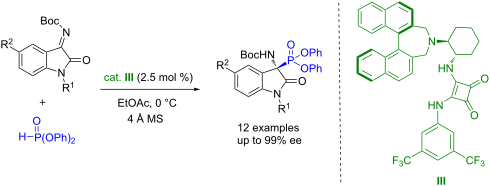
- properties [5], enzyme inhibition [6], peptide mimetic function [7], and herbicidal properties [8]. Since the biological activity of α-aminophosphonate derivatives is dependent upon the chirality of the α-position to the phosphorus atom, asymmetric synthesis of α-aminophosphonates has received considerable

Graphical Abstract

Figure 1: Structure of chiral bifunctional organocatalysts.

Figure 2: Proposed stereochemical model.

Scheme 1: Gram scale addition of ketimine 1a and diphenyl phosphonate (2).
Microwave-assisted synthesis of (aminomethylene)bisphosphine oxides and (aminomethylene)bisphosphonates by a three-component condensation
- Erika Bálint,
- Ádám Tajti,
- Anna Dzielak,
- Gerhard Hägele and
- György Keglevich
Beilstein J. Org. Chem. 2016, 12, 1493–1502, doi:10.3762/bjoc.12.146
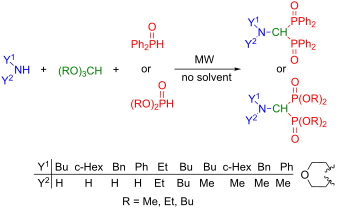
- ]. (Aminomethylene)bisphosphonates can also be obtained starting from amides, triethyl phosphite and phosphorus oxychloride (Scheme 3a) [37], or in the reaction of amines with diazophosphonate in the presence of a rhodium catalyst (Scheme 3b) [38]. (Aminomethylene)bisphosphine oxides are analogous to (aminomethylene

Graphical Abstract
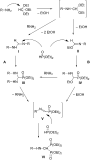
Scheme 1: Proposed routes for the three-component condensation [7].

Scheme 2: Synthetic methods for (aminomethylene)bisphosphonates I.

Scheme 3: Synthetic methods for (aminomethylene)bisphosphonates II.

Scheme 4: Synthetic methods for (aminomethylene)bisphosphine oxides.

Scheme 5: Synthesis of alkylamino- and (phenylaminomethylene)bisphosphine oxides.

Scheme 6: Synthesis of (dialkylaminomethylene)bisphosphine oxides.

Scheme 7: Synthesis of tetramethyl (phenylaminomethylene)bisphosphonate.

Scheme 8: Synthesis of (dialkylaminomethylene)bisphosphonates.

Figure 1: Effect of the quantity of dimethyl phosphite (DMP) on the product composition (from Table 6, entries 1–5.)

Figure 2: GC–MS chromatogram for the condensation of aniline, triethyl orthoformate and 2 equivalents of dime...

Figure 3: 31P NMR spectrum for the condensation of aniline, triethyl orthoformate and 2 equivalents of dibuty...
Beta-hydroxyphosphonate ribonucleoside analogues derived from 4-substituted-1,2,3-triazoles as IMP/GMP mimics: synthesis and biological evaluation
- Tai Nguyen Van,
- Audrey Hospital,
- Corinne Lionne,
- Lars P. Jordheim,
- Charles Dumontet,
- Christian Périgaud,
- Laurent Chaloin and
- Suzanne Peyrottes
Beilstein J. Org. Chem. 2016, 12, 1476–1486, doi:10.3762/bjoc.12.144
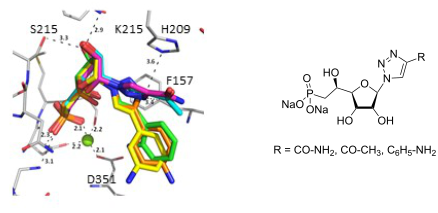
- similar binding poses with respect to the positions of the oxygens linked to the phosphorus atom (strong ionic interactions with the magnesium ion), the ribose moiety (formation of hydrogen bonds between the hydroxy groups and Lys215) and the triazole ring oriented towards the hydrophobic residues Phe157

Graphical Abstract

Figure 1: Previous (UA1776, UA2201 and UA2209 [7,8]) and new 1a–q phosphonate derivatives designed as potential cN...

Scheme 1: Synthesis of (1-azido-2,5-di-O-acetyl-3-O-benzoyl-6-deoxy-6-diethylphosphono)-β-ribo-(5S)-hexofuran...

Scheme 2: General synthetic pathway for the 1,2,3-triazolo-β-hydroxyphosphonate derivatives.

Figure 2: Black arrow indicates 1H,1H-COSY correlations for compound 2. Green (C1’ and H5) and blue (H1’ and ...

Figure 3: Arrows indicate 1H,1H-NOESY (blue) and 1H,13C-HMBC (green) correlations for compound 3h.

Figure 4: Arrows indicate 1H,1H-NOESY (blue) and 1H,13C-HMBC (green) correlations for compound 3i.

Figure 5: Inhibition of the nucleotidase activity in presence of representative triazole-based derivatives.

Figure 6: Comparison of the docking poses obtained for two active derivatives in the substrate binding site o...

Figure 7: Superimposition of the docking poses obtained for IMP (pink sticks), derivatives 1n (cyan sticks) a...

Figure 8: Comparison of the docking poses obtained for three active derivatives in the substrate binding site...



