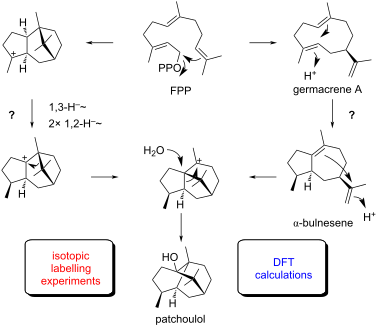
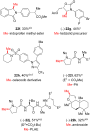
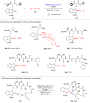
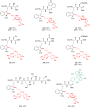
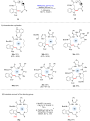
Search for "DFT calculations" in Full Text gives 449 result(s) in Beilstein Journal of Organic Chemistry. Showing first 200.
Beilstein J. Org. Chem. 2021, 17, 2450–2461, doi:10.3762/bjoc.17.162
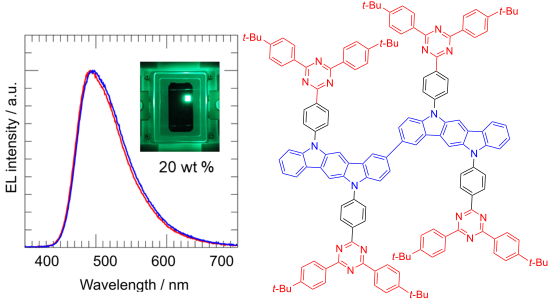
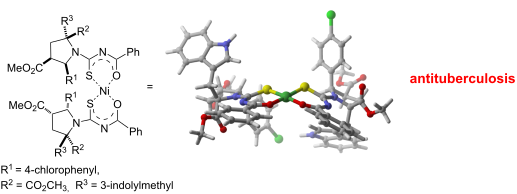
Graphical Abstract
Figure 1: Some important tetrahydroacridines used as drugs.
Scheme 1: Synthesis of 2.
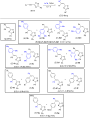
Scheme 2: Synthesis of compounds 4a–g.
Figure 2: UV–vis absorption spectra of 4a–d at room temperature in dilute dichloromethane solutions (c = 1 × ...
Figure 3: Fluorescence spectra of 4a–d at room temperature in dilute dichloromethane solutions (c = 1 × 10⁻⁵ ...
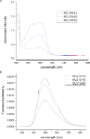
Figure 4: A) Absorbance and B) emission spectra for the standard quinine sulfate (SQ).
Figure 5: A) Absorbance and B) fluorescence spectra for 4b.
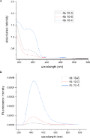
Figure 6: A) Plot of fluorescence intensities against their absorbances for quinine sulfate (SQ) and B) plot ...
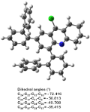
Figure 7: Selected dihedral angles (°) for compounds 4a–d.
Figure 8: Selected dihedral angles (°) for compound 4f.
Figure 9: Calculated energy levels for compounds 4a–d and their spatial distribution of the HOMO–LUMO frontie...
Figure 10: Visualization of MEP for compounds 4a–d calculated by B3LYP method with 6-31G(d) basis set.
Figure 11: Cyclic voltammogram for 4c in 0.1 M (n-Bu)4NBF4/acetonitrile at a scan rate of 50 mV/s.
Beilstein J. Org. Chem. 2021, 17, 2417–2424, doi:10.3762/bjoc.17.158
Graphical Abstract
Scheme 1: Synthesis of 5–arylethynyl-3-aryl-1,2,4-oxadiazoles 3a–e.
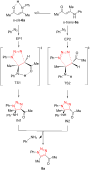
Scheme 2: Plausible reaction mechanism for transformations of 5-acetylenyl-1,2,4-oxadiazoles 3 in Brønsted su...
Scheme 3: Quantitative formation of E/Z-vinyl triflates 4a–c from 5-acetylenyl-1,2,4-oxadiazoles 3a–c in TfOH....
Scheme 4: Formation of compound 4d from 5-acetylenyl-1,2,4-oxadiazole 3a in H2SO4.
Scheme 5: Hydroarylation of 5-acetylenyl-1,2,4-oxadiazole 3a–d by arenes in TfOH leading to compounds E/Z-5a–g...
Beilstein J. Org. Chem. 2021, 17, 2270–2286, doi:10.3762/bjoc.17.145
Graphical Abstract
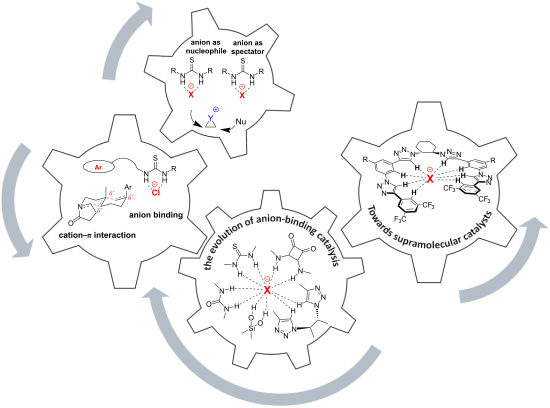
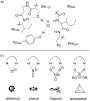
Figure 1: a) Binding interactions in the chloride channel of E. coli. and b) examples of chloride, cyanide, n...
Figure 2: a) H-bond vs anion-binding catalysis and b) activation modes in anion-binding catalysis.
Scheme 1: First proposed anion-binding mechanism in the thiourea-catalyzed acetalization of benzaldehyde.
Scheme 2: a) Thiourea-catalyzed enantioselective acyl-Pictet–Spengler reaction of tryptamine-derived imines 4...
Scheme 3: Proposed mechanism of the thiourea-catalyzed enantioselective Pictet–Spengler reaction of hydroxyla...
Scheme 4: a) Thiourea-catalyzed intramolecular Pictet–Spengler-type cyclization of hydroxylactam-derived N-ac...
Scheme 5: Enantioselective Reissert-type reactions of a) (iso)quinolines with silyl ketene acetals, and b) vi...
Figure 3: Role of the counter-anion: a) Anion acting as a spectator and b) anion participating directly as th...
Scheme 6: Enantioselective selenocyclization catalyzed by squaramide 28.
Scheme 7: Desymmetrization of meso-aziridines catalyzed by bifunctional thiourea catalyst 31.
Scheme 8: Anion-binding-catalyzed desymmetrization of a) meso-aziridines catalyzed by chiral triazolium catal...
Scheme 9: Bis-urea-catalyzed enantioselective fluorination of a) β-bromosulfides and b) β-haloamines by Gouve...
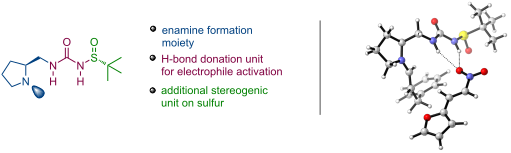
Scheme 10: a) Bifunctional thiourea anion-binding – basic/nucleophilic catalysts. Selected applications in b) ...
Scheme 11: Thiourea-catalyzed enantioselective polycyclization reaction of hydroxylactams 51 through cation–π ...
Scheme 12: Enantioselective aza-Sakurai cyclization of hydroxylactams 56 implicating additional cation–π and L...
Scheme 13: Enantioselective tail-to-head cyclization of neryl chloride derivatives.
Scheme 14: Cation–π interactions in anion binding-catalyzed asymmetric addition reactions: a) addition of indo...
Scheme 15: Bisthiourea catalyzed oxa-Pictet–Spengler reaction of indole-based alcohols and aromatic aldehydes ...
Scheme 16: Anion-binding catalyst development in the enantioselective addition of silyl ketene acetals to 1-ch...
Scheme 17: a) Macrocyclic bis-thiourea catalyst in a diastereoselective glycosylation reaction. b) Competing SN...
Scheme 18: a) Folding mechanism of oligotriazoles upon anion recognition. b) Representative tetratriazole 82 c...
Scheme 19: Switchable chiral tetratriazole catalyst 86 in the enantioselective addition of silyl ketene acetal...
Beilstein J. Org. Chem. 2021, 17, 1733–1751, doi:10.3762/bjoc.17.122

Graphical Abstract
Scheme 1: Mn-catalyzed late-stage fluorination of sclareolide (1) and complex steroid 3.
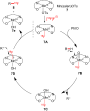
Figure 1: Proposed reaction mechanism of C–H fluorination by a manganese porphyrin catalyst.
Scheme 2: Late-stage radiofluorination of biologically active complex molecules.
Figure 2: Proposed mechanism of C–H radiofluorination.
Scheme 3: Late-stage C–H azidation of bioactive molecules. a1.5 mol % of Mn(TMP)Cl (5) was used. bMethyl acet...
Figure 3: Proposed reaction mechanism of manganese-catalyzed C–H azidation.
Scheme 4: Mn-catalyzed late-stage C–H azidation of bioactive molecules via electrophotocatalysis. a2.5 mol % ...
Figure 4: Proposed reaction mechanism of electrophotocatalytic azidation.
Scheme 5: Manganaelectro-catalyzed late-stage azidation of bioactive molecules.
Figure 5: Proposed reaction pathway of manganaelectro-catalyzed late-stage C–H azidation.
Scheme 6: Mn-catalyzed late-stage amination of bioactive molecules. a3 Å MS were used. Protonation with HBF4⋅...
Figure 6: Proposed mechanism of manganese-catalyzed C–H amination.
Scheme 7: Mn-catalyzed C–H methylation of heterocyclic scaffolds commonly found in small-molecule drugs. aDAS...
Scheme 8: Examples of late-stage C–H methylation of bioactive molecules. aDAST activation. bFor insoluble sub...
Scheme 9: A) Mn-catalyzed late-stage C–H alkynylation of peptides. B) Intramolecular late-stage alkynylative ...
Figure 7: Proposed reaction mechanism of Mn(I)-catalyzed C–H alkynylation.
Scheme 10: Late-stage Mn-catalyzed C–H allylation of peptides and bioactive motifs.
Scheme 11: Intramolecular C–H allylative cyclic peptide formation.
Scheme 12: Late-stage C–H glycosylation of tryptophan analogues.
Scheme 13: Late-stage C–H glycosylation of tryptophan-containing peptides.
Scheme 14: Late-stage C–H alkenylation of tryptophan-containing peptides.
Scheme 15: A) Late-stage C–H macrocyclization of tryptophan-containing peptides and B) traceless removal of py...
Beilstein J. Org. Chem. 2021, 17, 1689–1697, doi:10.3762/bjoc.17.117
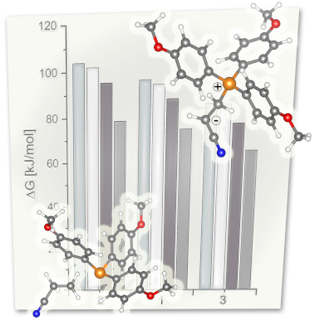
Graphical Abstract
Scheme 1: Mechanism for the phosphine-initiated oxa-Michael addition.
Figure 1: Above: Michael acceptors, Michael donors and catalysts used in this study; pKa (respectively pKa of...
Figure 2: Left: double-bond conversion of the polymerization of 4 initiated by 5 mol % TPP, MMTPP or TMTPP af...
Figure 3: Left: Oxidation stability of the phosphines. Phosphine oxide content in % as determined by 31P NMR ...
Beilstein J. Org. Chem. 2021, 17, 1600–1628, doi:10.3762/bjoc.17.114
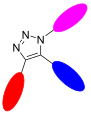
Graphical Abstract
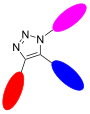
Figure 1: Some significant triazole derivatives [8,23-27].
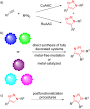
Scheme 1: A general comparison between synthetic routes for disubstituted 1,2,3-triazole derivatives and full...
Scheme 2: Synthesis of formyltriazoles 3 from the treatment of α-bromoacroleins 1 with azides 2.
Scheme 3: A probable mechanism for the synthesis of formyltriazoles 5 from the treatment of α-bromoacroleins 1...
Scheme 4: Synthesis of 1,4,5-trisubstituted 1,2,3-triazoles 8 from the reaction of aryl azides 7 with enamino...
Scheme 5: Proposed mechanism for the synthesis of 1,4,5-trisubstituted 1,2,3-triazoles from the reaction of a...
Scheme 6: Synthesis of 1,4,5-trisubstituted 1,2,3-triazoles 11 from the reaction of primary amines 10 with 1,...
Scheme 7: The proposed mechanism for the synthesis of 1,4,5-trisubstituted 1,2,3-triazoles 11 from the reacti...
Scheme 8: Synthesis of fully decorated 1,2,3-triazoles 19 containing a sulfur-based side chain.
Scheme 9: Mechanism for the formation of fully decorated 1,2,3-triazoles 19 containing a sulfur-based side ch...
Scheme 10: Synthesis of fully decorated 1,2,3-triazole compounds 25 through the regioselective addition and cy...
Scheme 11: A reasonable mechanism for the synthesis of fully decorated 1,2,3-triazole compounds 25 through the...
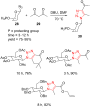
Scheme 12: Synthesis of 1,4,5-trisubstituted glycosyl-containing 1,2,3-triazole derivatives 30 from the reacti...
Scheme 13: Synthesis of 1,4,5-trisubstituted 1,2,3-triazoles 34 via intramolecular cyclization reaction of ket...
Scheme 14: Synthesis of fully decorated 1,2,3-triazoles 38 from the reaction of aldehydes 35, amines 36, and α...
Scheme 15: A reasonable mechanism for the synthesis of fully decorated 1,2,3-triazoles 38 from the reaction of...
Scheme 16: Synthesis of functionally rich double C- and N-vinylated 1,2,3-triazoles 45 and 47.
Scheme 17: Synthesis of disubstituted 4-chloro-, 4-bromo-, and 4-iodo-1,2,3-triazoles 50.
Scheme 18: a) A general route for SPAAC in polymer chemistry and b) synthesis of a novel pH-sensitive polymeri...
Scheme 19: Synthesis of 5-allenyl-1,2,3-triazoles 60 by the treatment of alkynes 57, azides 58, and propargyli...
Scheme 20: A reasonable mechanism for the synthesis of 5-allenyl-1,2,3-triazoles 60 by the treatment of alkyne...
Scheme 21: Synthesis of 5‐alkynyl-1,2,3-triazoles 69.
Scheme 22: A reasonable mechanism for the synthesis of 5‐alkynyl-1,2,3-triazoles 69.
Scheme 23: Synthesis of sulfur-cycle-fused 1,2,3-triazoles 75 and 77.
Scheme 24: A reasonable mechanism for the synthesis of sulfur-cycle-fused 1,2,3‐triazoles 75 and 77.
Scheme 25: Synthesis of 5-selanyltriazoles 85 from the reaction of ethynylstibanes 82, organic azides 83, and ...
Scheme 26: A mechanism for the synthesis of 5-selanyltriazoles 85 from the reaction of ethynylstibanes 82, org...
Scheme 27: Synthesis of trisubstituted triazoles containing an Sb substituent at position C5 in 93 and 5-unsub...
Scheme 28: Synthesis of asymmetric triazole disulfides 98 from disulfide-containing tert-butyltosyl disulfide 97...
Scheme 29: A mechanism for the synthesis of asymmetric triazole disulfides 98 from disulfide-containing tert-bu...
Scheme 30: Synthesis of triazole-fused sultams 104.
Scheme 31: Synthesis of 1,2,3-triazole-fused tricyclic heterocycles 106.
Scheme 32: A reasonable mechanism for the synthesis of 1,2,3-triazole-fused tricyclic heterocycles 106.
Scheme 33: Synthesis of 5-aryl-substituted 1,2,3-triazole derivatives 112.
Scheme 34: A reasonable mechanism for the synthesis of 5-aryl-substituted 1,2,3-triazole derivatives 112.
Scheme 35: Synthesis of 1,4,5-trisubstituted 1,2,3-triazole-5-carboxamides 119.
Scheme 36: A probable mechanism for the synthesis of 1,4,5-trisubstituted 1,2,3-triazole-5-carboxamides 119.
Scheme 37: Synthesis of fully decorated triazoles 125 via the Pd/C-catalyzed arylation of disubstituted triazo...
Scheme 38: Synthesis of triazolo[1,5-a]indolones 131.
Scheme 39: Synthesis of unsymmetrically substituted triazole-fused enediyne systems 135 and 5-aryl-4-ethynyltr...
Scheme 40: Synthesis of Pd/Cu-BNP 139 and application of 139 in the synthesis of polycyclic triazoles 142.
Scheme 41: A probable mechanism for the synthesis of polycyclic triazoles 142.
Scheme 42: Synthesis of highly functionalized 1,2,3-triazole-fused 5-, 6-, and 7-membered rings 152–154.
Scheme 43: A probable mechanism for the synthesis of highly functionalized 1,2,3-triazole-fused 5-, 6-, and 7-...
Scheme 44: Synthesis of fully functionalized 1,2,3-triazolo-fused chromenes 162, 164, and 166 via the intramol...
Scheme 45: Ru-catalyzed synthesis of fully decorated triazoles 172.
Scheme 46: Synthesis of 4-cyano-1,2,3-triazoles 175.
Scheme 47: Synthesis of functionalized triazoles from the reaction of 1-alkyltriazenes 176 and azides 177 and ...
Scheme 48: Mechanism for the synthesis of functionalized triazoles from the reaction of 1-alkyltriazenes 176 a...
Beilstein J. Org. Chem. 2021, 17, 1392–1439, doi:10.3762/bjoc.17.98
Graphical Abstract
Figure 1: Double-headed nucleosides. B1 and B2 = nucleobases or heterocyclic/carbocyclic moieties; L = linker....
Scheme 1: Synthesis of 2′-(pyrimidin-1-yl)methyl- or 2′-(purin-9-yl)methyl-substituted double-headed nucleosi...
Scheme 2: Synthesis of double-headed nucleoside 7 having two cytosine moieties.
Scheme 3: Synthesis of double-headed nucleoside 2′-deoxy-2′-C-(2-(thymine-1-yl)ethyl)-uridine (11).
Scheme 4: Double-headed nucleosides 14 and 15 obtained by click reaction.
Scheme 5: Synthesis of the double-headed nucleoside 19.
Scheme 6: Synthesis of the double-headed nucleosides 24 and 25.
Scheme 7: Synthesis of double-headed nucleosides 28 and 29.
Scheme 8: Synthesis of double-headed nucleoside 33.
Scheme 9: Synthesis of double-headed nucleoside 37.
Scheme 10: Synthesis of the double-headed nucleoside 1-(5′-O-(4,4′-dimethoxytrityl)-2′-C-((4-(pyren-1-yl)-1,2,...
Scheme 11: Synthesis of triazole-containing double-headed ribonucleosides 46a–c and 50a–e.
Scheme 12: Synthesis of double-headed nucleosides 54a–g.
Scheme 13: Synthesis of double-headed nucleosides 59 and 60.
Scheme 14: Synthesis of the double-headed nucleosides 63 and 64.
Scheme 15: Synthesis of double-headed nucleosides 66a–c.
Scheme 16: Synthesis of benzoxazole-containing double-headed nucleosides 69 and 71 from 5′-amino-5′-deoxynucle...
Scheme 17: Synthesis of 4′-C-((N6-benzoyladenin-9-yl)methyl)thymidine (75) and 4′-C-((thymin-1-yl)methyl)thymi...
Scheme 18: Synthesis of double-headed nucleosides 5′-(adenine-9-yl)-5′-deoxythymidine (79) and 5′-(adenine-9-y...
Scheme 19: Synthesis of double-headed nucleosides 85–87 via reversed nucleosides methodology.
Scheme 20: Double-headed nucleosides 91 and 92 derived from ω-terminal-acetylenic sugar derivatives 90a,b.
Scheme 21: Synthesis of double-headed nucleosides 96a–g.
Scheme 22: Synthesis of double-headed nucleosides 100 and 103.
Scheme 23: Double-headed nucleosides 104 and 105 with a triazole motif.
Scheme 24: Synthesis of the double-headed nucleosides 107 and 108.
Scheme 25: Synthesis of double-headed nucleoside 110 with additional nucleobase in 5′-(S)-C-position joined th...
Scheme 26: Synthesis of double-headed nucleosides 111–113 with additional nucleobases in the 5′-(S)-C-position...
Scheme 27: Synthesis of double-headed nucleoside 114 by click reaction.
Scheme 28: Synthesis of double-headed nucleosides 118 with an additional nucleobase at the 5′-(S)-C-position.
Scheme 29: Synthesis of bicyclic double-headed nucleoside 122.
Scheme 30: Synthesis of double-headed nucleosides 125a–c derived from 2′-amino-LNA.
Scheme 31: Double-headed nucleoside 127 obtained by click reaction.
Scheme 32: Synthesis of double-headed nucleoside 130.
Scheme 33: Double-headed nucleosides 132a–d and 134a–d synthesized by Sonogashira cross coupling reaction.
Scheme 34: Synthesis of double-headed nucleosides 137 and 138 via Suzuki coupling.
Scheme 35: Synthesis of double-headed nucleosides 140 and 141 via Sonogashira cross coupling reaction.
Scheme 36: Synthesis of double-headed nucleoside 143.
Scheme 37: Synthesis of the double-headed nucleoside 146.
Scheme 38: Synthesis of 5-C-alkynyl-functionalized double-headed nucleosides 151a–d.
Scheme 39: Synthesis of 5-C-triazolyl-functionalized double-headed nucleosides 154a, b.
Scheme 40: Synthesis of double-headed nucleosides 157a–c.
Scheme 41: Synthesis of double-headed nucleoside 159, phosphoramidite 160 and the corresponding nucleotide mon...
Scheme 42: Synthesis of double-headed nucleoside 163, phosphoramidite 164 and the corresponding nucleotide mon...
Scheme 43: Synthesis of double-headed nucleoside 167, phosphoramidite 168, and the corresponding nucleotide mo...
Scheme 44: Synthesis of double-headed nucleoside 171, phosphoramidite 172, and the corresponding nucleotide mo...
Scheme 45: Synthesis of double-headed nucleoside 175, phosphoramidite 176, and the corresponding nucleotide mo...
Scheme 46: Synthesis of double-headed nucleoside 178.
Scheme 47: Synthesis of the double-headed nucleosides 181 and 183.
Scheme 48: Alternative synthesis of the double-headed nucleoside 183.
Scheme 49: Synthesis of double-headed nucleoside 188 through thermal [2 + 3] sydnone–alkyne cycloaddition reac...
Scheme 50: Synthesis of the double-headed nucleosides 190 and 191.
Scheme 51: Synthesis of 1-((5S)-2,3,4-tri-O-acetyl-5-(2,6-dichloropurin-9-yl)-β-ᴅ-xylopyranosyl)uracil (195).
Scheme 52: Synthesis of hexopyranosyl double-headed pyrimidine homonucleosides 200a–c.
Figure 2: 3′-C-Ethynyl-β-ᴅ-allopyranonucleoside derivatives 201a–f.
Scheme 53: Synthesis of 3′-C-(1,4-disubstituted-1,2,3-triazolyl)-double-headed pyranonucleosides 203–207.
Scheme 54: Synthesis of 3′-C-(1,4-disubstituted-1,2,3-triazolyl)-double-headed pyranonucleosides 208 and 209.
Scheme 55: Synthesis of 3′-C-(1,4-disubstituted-1,2,3-triazolyl)-double-headed pyranonucleoside 210.
Scheme 56: Synthesis of double-headed acyclic nucleosides (2S,3R)-1,4-bis(thymine-1-yl)butane-2,3-diol (213a) ...
Scheme 57: Synthesis of double-headed acyclic nucleosides (2R,3S)-1,4-bis(thymine-1-yl)butane-2,3-diol (213c) ...
Scheme 58: Synthesis of double-headed acetylated 1,3,4-oxadiazino[6,5-b]indolium-substituted C-nucleosides 218b...
Scheme 59: Synthesis of double-headed acyclic nucleoside 222.
Scheme 60: Synthesis of functionalized 1,2-bis(1,2,4-triazol-3-yl)ethane-1,2-diols 223a–f.
Scheme 61: Synthesis of acyclic double-headed 1,2,4-triazino[5,6-b]indole C-nucleosides 226–231.
Scheme 62: Synthesis of double-headed 1,3,4-thiadiazoline, 1,3,4-oxadiazoline, and 1,2,4-triazoline acyclo C-n...
Scheme 63: Synthesis of double-headed acyclo C-nucleosides 240–242.
Scheme 64: Synthesis of double-headed acyclo C-nucleoside 246.
Scheme 65: Synthesis of acyclo double-headed nucleoside 250.
Scheme 66: Synthesis of acyclo double-headed nucleoside 253.
Scheme 67: Synthesis of acyclo double-headed nucleosides 259a–d.
Scheme 68: Synthesis of acyclo double-headed nucleoside 261.
Beilstein J. Org. Chem. 2021, 17, 1352–1359, doi:10.3762/bjoc.17.94
Graphical Abstract
Scheme 1: Synthesis of alkynes from carbonyl compounds through one-carbon homologation.
Scheme 2: Reactions of magnesium alkylidene carbenoids 3, generated from sulfoxides 2 and iPrMgCl.
Scheme 3: Synthesis of sulfoxides 2 and 5–8 from carbonyl compounds 1.
Scheme 4: Reaction of sulfoxides 5 and 6 with isopropylmagnesium chloride.
Scheme 5: Reaction of sulfoxide 2c with isopropylmagnesium chloride.
Scheme 6: Reaction of 13C-labeled sulfoxides [13C]-(E)-2e and [13C]-(Z)-2e with iPrMgCl.
Scheme 7: A plausible reaction mechanism for the formation of alkynes 4. a) 1,2-Rearrangement readily takes p...
Figure 1: Optimized geometries of reactant (E)-3e, transition state (E)-3e‡, and product 4e·MgCl2 for the FBW...
Beilstein J. Org. Chem. 2021, 17, 1149–1170, doi:10.3762/bjoc.17.88
Graphical Abstract
Figure 1: 5-Halo-substituted porphyrins.
Figure 2: Expanded view (thermal ellipsoid) of compound 1 in the crystal showing (A) stacking, (B) tilted edg...
Figure 3: Expanded view (ball and stick) of compound 2 in the crystal showing (A) stacking, (B) bromine atoms...
Figure 4: Expanded view (ball and stick) of compound 3 in the crystal showing (A) stacking and (B) edge-on in...
Figure 5: Hirshfeld surfaces of compounds 1–3.
Figure 6: Contact percentages of compounds 1–3.
Figure 7: NSD charts for compounds 1–3.
Figure 8: Expanded view (thermal ellipsoid plot) of compound 2A showing (A) the edge-on and stacking interact...
Figure 9: 5-Halo-15-phenyl-substituted porphyrins.
Figure 10: Expanded view (thermal ellipsoid plot) of compound 4 showing (A) tilted alignment of porphyrin ring...
Figure 11: Expanded view (thermal ellipsoid plot) of compound 5 showing (A) porphyrin stacking and (B) Br···H ...
Figure 12: Expanded view (thermal ellipsoid plot) of compounds 6 (A and C) and 7 (B and D) showing (A) Br···H ...
Figure 13: 5,15-Di-halo-substituted porphyrins.
Figure 14: Expanded view (thermal ellipsoid plot) of compound 9 showing the Br···H interactions with (A) pyrro...
Figure 15: Expanded view (thermal ellipsoid plot) of compound 10 showing the (A) Br···H interactions with toly...
Figure 16: Expanded view (thermal ellipsoid plot) of compound 11 showing the (A) edge-on interactions, (B) edg...
Figure 17: Expanded view (thermal ellipsoid plot) of compound 13 showing (A) Br···H interactions with pyrrole ...
Figure 18: Expanded view (ball and stick) of compound 13A showing (A) Br···H interactions with pyrrole units a...
Figure 19: 5,10-Di-halo-substituted porphyrins.
Figure 20: Expanded view (ball and stick) of compound 16 showing (A) stacking, (B) head-to-tail alignment, (C)...
Figure 21: Honorable mentions of halogen-substituted porphyrins taken from the CSD database.
Figure 22: Series 1 – 5,15-di-halo-substituted porphyrins.
Figure 23: Series 2 – increasing number of halogen substituents.
Figure 24: Series 3 – 5,10-di-halo-substituted porphyrins.
Beilstein J. Org. Chem. 2021, 17, 1096–1140, doi:10.3762/bjoc.17.86
Graphical Abstract
Scheme 1: General strategy for the enantioselective synthesis of N-containing heterocycles from N-tert-butane...
Scheme 2: Methodologies for condensation of aldehydes and ketones with tert-butanesulfinamides (1).
Scheme 3: Transition models for cis-aziridines and trans-aziridines.
Scheme 4: Mechanism for the reduction of N-tert-butanesulfinyl imines.
Scheme 5: Transition models for the addition of organomagnesium and organolithium compounds to N-tert-butanes...
Scheme 6: Synthesis of 2,2-dibromoaziridines 15 from aldimines 14 and bromoform, and proposed non-chelation-c...
Scheme 7: Diastereoselective synthesis of aziridines from tert-butanesulfinyl imines.
Scheme 8: Synthesis of vinylaziridines 22 from aldimines 14 and 1,3-dibromopropene 23, and proposed chelation...
Scheme 9: Synthesis of vinylaziridines 27 from aldimines 14 and α-bromoesters 26, and proposed transition sta...
Scheme 10: Synthesis of 2-chloroaziridines 28 from aldimines 14 and dichloromethane, and proposed transition s...
Scheme 11: Synthesis of cis-vinylaziridines 30 and 31 from aldimines 14 and bromomethylbutenolide 29.
Scheme 12: Synthesis of 2-chloro-2-aroylaziridines 36 and 32 from aldimines 14, arylnitriles 34, and silyldich...
Scheme 13: Synthesis of trifluoromethylaziridines 39 and proposed transition state of the aziridination.
Scheme 14: Synthesis of aziridines 42 and proposed state transition.
Scheme 15: Synthesis of 1-substituted 2-azaspiro[3.3]heptanes, 1-phenyl-2-azaspiro[3.4]octane and 1-phenyl-2-a...
Scheme 16: Synthesis of 1-substituted 2,6-diazaspiro[3.3]heptanes 48 from chiral imines 14 and 1-Boc-azetidine...
Scheme 17: Synthesis of β-lactams 52 from chiral imines 14 and dimethyl malonate (49).
Scheme 18: Synthesis of spiro-β-lactam 57 from chiral (RS)-N-tert-butanesulfinyl isatin ketimine 53 and ethyl ...
Scheme 19: Synthesis of β-lactam 60, a precursor of (−)-batzelladine D (61) and (−)-13-epi-batzelladine D (62)...
Scheme 20: Rhodium-catalyzed asymmetric synthesis of 3-substituted pyrrolidines 66 from chiral imine (RS)-63 a...
Scheme 21: Asymmetric synthesis of 1,3-disubstituted isoindolines 69 and 70 from chiral imine 67.
Scheme 22: Asymmetric synthesis of cis-2,5-disubstituted pyrrolidines 73 from chiral imine (RS)-71.
Scheme 23: Asymmetric synthesis of 3-hydroxy-5-substituted pyrrolidin-2-ones 77 from chiral imine (RS)-74.
Scheme 24: Asymmetric synthesis of 4-hydroxy-5-substituted pyrrolidin-2-ones 80 from chiral imines 79.
Scheme 25: Asymmetric synthesis of 3-pyrrolines 82 from chiral imines 14 and ethyl 4-bromocrotonate (81).
Scheme 26: Asymmetric synthesis of γ-amino esters 84, and tetramic acid derivative 86 from chiral imines (RS)-...
Scheme 27: Asymmetric synthesis of α-methylene-γ-butyrolactams 90 from chiral imines (Z,SS)-87 and ethyl 2-bro...
Scheme 28: Asymmetric synthesis of methylenepyrrolidines 92 from chiral imines (RS)-14 and 2-(trimethysilylmet...
Scheme 29: Synthesis of dibenzoazaspirodecanes from cyclic N-tert-butanesulfinyl imines.
Scheme 30: Stereoselective synthesis of cyclopenta[c]proline derivatives 103 from β,γ-unsaturated α-amino acid...
Scheme 31: Stereoselective synthesis of alkaloids (−)-angustureine (107) and (−)-cuspareine (108).
Scheme 32: Stereoselective synthesis of alkaloids (−)-pelletierine (112) and (+)-coniine (117).
Scheme 33: Synthesis of piperidine alkaloids (+)-dihydropinidine (122a), (+)-isosolenopsin (122b) and (+)-isos...
Scheme 34: Stereoselective synthesis of the alkaloids(+)-sedamine (125) from chiral imine (SS)-119.
Scheme 35: Stereoselective synthesis of trans-5-hydroxy-6-substituted-2-piperidinones 127 and 129 from chiral ...
Scheme 36: Stereoselective synthesis of trans-5-hydroxy-6-substituted ethanone-2-piperidinones 132 from chiral...
Scheme 37: Stereoselective synthesis of trans-3-benzyl-5-hydroxy-6-substituted-2-piperidinones 136 from chiral...
Scheme 38: Stereoselective synthesis of trans-5-hydroxy-6-substituted 2-piperidinones 139 from chiral imine 138...
Scheme 39: Stereoselective synthesis of ʟ-hydroxypipecolic acid 145 from chiral imine 144.
Scheme 40: Synthesis of 1-substituted isoquinolones 147, 149 and 151.
Scheme 41: Stereoselective synthesis of 3-substituted dihydrobenzo[de]isoquinolinones 154.
Scheme 42: Enantioselective synthesis of alkaloids (S)-1-benzyl-6,7-dimethoxy-1,2,3,4-tetrahydroisoquinoline (...
Scheme 43: Enantioselective synthesis of alkaloids (−)-cermizine B (171) and (+)-serratezomine E (172) develop...
Scheme 44: Stereoselective synthesis of (+)-isosolepnosin (177) and (+)-solepnosin (178) from homoallylamine d...
Scheme 45: Stereoselective synthesis of tetrahydroquinoline derivatives 184, 185 and 187 from chiral imines (RS...
Scheme 46: Stereoselective synthesis of pyridobenzofuran and pyridoindole derivatives 193 from homopropargylam...
Scheme 47: Stereoselective synthesis of 2-substituted 1,2,5,6-tetrahydropyridines 196 from chiral imines (RS)-...
Scheme 48: Stereoselective synthesis of 2-substituted trans-2,6-disubstituted piperidine 199 from chiral imine...
Scheme 49: Stereoselective synthesis of cis-2,6-disubstituted piperidines 200, and alkaloid (+)-241D, from chi...
Scheme 50: Stereoselective synthesis of 6-substituted piperidines-2,5-diones 206 and 1,7-diazaspiro[4.5]decane...
Scheme 51: Stereoselective synthesis of spirocyclic oxindoles 210 from chiral imines (RS)-53.
Scheme 52: Stereoselective synthesis of azaspiro compound 213 from chiral imine 211.
Scheme 53: Stereoselective synthesis of tetrahydroisoquinoline derivatives from chiral imines (RS)-214.
Scheme 54: Stereoselective synthesis of (−)-crispine A 223 from chiral imine (RS)-214.
Scheme 55: Synthesis of (−)-harmicine (228) using tert-butanesulfinamide through haloamide cyclization.
Scheme 56: Stereoselective synthesis of tetraponerines T1–T8.
Scheme 57: Stereoselective synthesis of phenanthroindolizidines 246a and (−)-tylophorine (246b), and phenanthr...
Scheme 58: Stereoselective synthesis of indoline, tetrahydroquinoline and tetrahydrobenzazepine derivatives 253...
Scheme 59: Stereoselective synthesis of (+)-epohelmin A (258) and (+)-epohelmin B (260) from aldimine (RS)-79.
Scheme 60: Stereoselective synthesis of (−)-epiquinamide (266) from chiral aldimine (SS)-261.
Scheme 61: Synthesis synthesis of (–)-hippodamine (273) and (+)-epi-hippodamine (272) using chiral sulfinyl am...
Scheme 62: Stereoselective synthesis of (+)-grandisine D (279) and (+)-amabiline (283).
Scheme 63: Stereoselective synthesis of (−)-epiquinamide (266) and (+)-swaisonine (291) from aldimine (SS)-126....
Scheme 64: Stereoselective synthesis of (+)-C(9a)-epi-epiquinamide (294).
Scheme 65: Stereoselective synthesis of (+)-lasubine II (298) from chiral aldimine (SS)-109.
Scheme 66: Stereoselective synthesis of (−)-epimyrtine (300a) and (−)-lasubine II (ent-302) from β-amino keton...
Scheme 67: Stereoselective synthesis of (−)-tabersonine (310), (−)-vincadifformine (311), and (−)-aspidospermi...
Scheme 68: Stereoselective synthesis of (+)-epohelmin A (258) and (+)-epohelmin B (260) from aldehyde 313 and ...
Scheme 69: Total synthesis of (+)-lysergic acid (323) from N-tert-butanesulfinamide (RS)-1.
Beilstein J. Org. Chem. 2021, 17, 1048–1085, doi:10.3762/bjoc.17.84
Graphical Abstract
Scheme 1: Synthesis of optically pure 4-phenylchroman-2-one [34].
Scheme 2: Synthesis of (R)-tolterodine [3].
Scheme 3: Catalytic cycle of the Pd(II)-catalysed 1,4-addition of organoboron reagents to enones [3,26,35].
Scheme 4: Enantioselective β-arylation of cyclohexanone [38].
Scheme 5: Application of L2/Pd(OAc)2 in the total synthesis of terpenes [8].
Scheme 6: Plausible catalytic cycle for the addition of phenylboronic acid to 2-cyclohexenone catalysed by L3...
Scheme 7: Microwave-assisted addition of phenylboronic acid to 2-cyclohexenone catalysed by L4/Pd2(dba)3·CHCl3...
Scheme 8: Plausible catalytic cycle of the addition of phenylboronic acid to 2-cyclohexenone catalysed by pal...
Scheme 9: Proposed catalytic cycle for the addition of phenylboronic acids to 2-cyclohexenone catalysed by Pd...
Scheme 10: Usage of addition reactions of boronic acids to various chromones in the syntheses of potentially a...
Scheme 11: Multigram-scale synthesis of ABBV-2222 [6].
Scheme 12: Application of the asymmetric addition of phenylboronic acid to a chromone derivative for the total...
Scheme 13: Plausible catalytic cycle for the addition of phenylboronic acid to 3-methyl-2-cyclohexenone cataly...
Scheme 14: Total syntheses of naturally occurring terpenoids [10,11].
Scheme 15: Use of the L9/Pd(TFA)2 catalytic system for the synthesis of intermediates of biologically active c...
Scheme 16: Usage of a Michael addition catalysed by L9/Pd(TFA)2 in the total synthesis of (–)-ar-tenuifolene [12].
Scheme 17: Synthesis of terpenoids by Michael addition to 3-methyl-2-cyclopentenone [13].
Scheme 18: Rh-catalysed isomerisation of 3-alkyl-3-arylcyclopentanones to 1-tetralones [53].
Scheme 19: Addition reaction of phenylboronic acid to 3-methyl-2-cyclohexenone catalysed by L9/Pd(TFA)2 in wat...
Scheme 20: Micellar nanoreactor PdL10c for the synthesis of flavanones [58].
Scheme 21: Plausible catalytic cycle for the desymmetrisation of polycyclic cyclohexenediones by the addition ...
Scheme 22: Attempt to use the catalytic system L2/Pd(TFA)2 for the addition of phenylboronic acid to 3-methyl-...
Scheme 23: Ring opening of an enantioenriched tetrahydropyran-2-one derivative as alternative strategy to line...
Scheme 24: Synthesis of biologically active compounds from addition products [14-16].
Scheme 25: Chiral 1,10-phenantroline derivative L15 as ligand for the Pd-catalysed addition reactions of pheny...
Scheme 26: The Rh-catalysed addition reaction of phenylboronic acid to a 3-substituted enone [20].
Scheme 27: Underdeveloped methodologies [14,15,65-67].
Scheme 28: Flowchart for the selection of the proper catalytic system.
Beilstein J. Org. Chem. 2021, 17, 964–976, doi:10.3762/bjoc.17.78
Graphical Abstract
Scheme 1: Scope of glycosyl acceptors for glycosylation with pivaloyl-protected mannosyl fluoride α-1a in liq...
Scheme 2: Glycosylation of binucleophiles 7a,b in liquid SO2.
Scheme 3: Pivaloyl-protected glucosyl fluoride β-9 as a glycosyl donor in liquid SO2.
Scheme 4: Benzyl protected manno- and glucopyranosyl fluorides α-15 and 16 as glycosyl donors in liquid SO2. ...
Scheme 5: 2-Deoxy glycosyl fluoride α-19 as a glycosyl donor in liquid SO2.
Figure 1: Detection of the FSO2− species by 19F NMR (471 MHz, D2O).
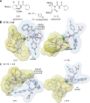
Figure 2: Computational study of reaction mechanism α-11 + MeOH → α-13c in the presence of and in absence of ...
Beilstein J. Org. Chem. 2021, 17, 932–963, doi:10.3762/bjoc.17.77
Graphical Abstract
Scheme 1: General strategy for the synthesis of THPs.
Scheme 2: Developments towards the Prins cyclization.
Scheme 3: General stereochemical outcome of the Prins cyclization.
Scheme 4: Regioselectivity in the Prins cyclization.
Scheme 5: Mechanism of the oxonia-Cope reaction in the Prins cyclization.
Scheme 6: Cyclization of electron-deficient enantioenriched alcohol 27.
Scheme 7: Partial racemization through 2-oxonia-Cope allyl transfer.
Scheme 8: Partial racemization by reversible 2-oxonia-Cope rearrangement.
Scheme 9: Rychnovsky modification of the Prins cyclization.
Scheme 10: Synthesis of (−)-centrolobine and the C22–C26 unit of phorboxazole A.
Scheme 11: Axially selective Prins cyclization by Rychnovsky et al.
Scheme 12: Mechanism for the axially selectivity Prins cyclization.
Scheme 13: Mukaiyama aldol–Prins cyclization reaction.
Scheme 14: Application of the aldol–Prins reaction.
Scheme 15: Hart and Bennet's acid-promoted Prins cyclization.
Scheme 16: Tetrahydropyran core of polycarvernoside A as well as (−)-clavoslide A and D.
Scheme 17: Scheidt and co-workers’ route to tetrahydropyran-4-one.
Scheme 18: Mechanism for the Lewis acid-catalyzed synthesis of tetrahydropyran-4-one.
Scheme 19: Hoveyda and co-workers’ strategy for 2,6-disubstituted 4-methylenetetrahydropyran.
Scheme 20: Funk and Cossey’s ene-carbamates strategy.
Scheme 21: Yadav and Kumar’s cyclopropane strategy for THP synthesis.
Scheme 22: 2-Arylcylopropylmethanolin in centrolobine synthesis.
Scheme 23: Yadav and co-workers’ strategy for the synthesis of THP.
Scheme 24: Yadav and co-workers’ Prins–Ritter reaction sequence for 4-amidotetrahydropyran.
Scheme 25: Yadav and co-workers’ strategy to prelactones B, C, and V.
Scheme 26: Yadav and co-workers’ strategy for the synthesis of (±)-centrolobine.
Scheme 27: Loh and co-workers’ strategy for the synthesis of zampanolide and dactylolide.
Scheme 28: Loh and Chan’s strategy for THP synthesis.
Scheme 29: Prins cyclization of cyclohexanecarboxaldehyde.
Scheme 30: Prins cyclization of methyl ricinoleate (127) and benzaldehyde (88).
Scheme 31: AlCl3-catalyzed cyclization of homoallylic alcohol 129 and aldehyde 130.
Scheme 32: Martín and co-workers’ stereoselective approach for the synthesis of highly substituted tetrahydrop...
Scheme 33: Ene-IMSC strategy by Marko and Leroy for the synthesis of tetrahydropyran.
Scheme 34: Marko and Leroy’s strategy for the synthesis of tetrahydropyrans 146.
Scheme 35: Sakurai dimerization/macrolactonization reaction for the synthesis of cyanolide A.
Scheme 36: Hoye and Hu’s synthesis of (−)-dactyloide by intramolecular Sakurai cyclization.
Scheme 37: Minehan and co-workers’ strategy for the synthesis of THPs 157.
Scheme 38: Yu and co-workers’ allylic transfer strategy for the construction of tetrahydropyran 161.
Scheme 39: Reactivity enhancement in intramolecular Prins cyclization.
Scheme 40: Floreancig and co-workers’ Prins cyclization strategy to (+)-dactyloide.
Scheme 41: Panek and Huang’s DHP synthesis from crotylsilanes: a general strategy.
Scheme 42: Panek and Huang’s DHP synthesis from syn-crotylsilanes.
Scheme 43: Panek and Huang’s DHP synthesis from anti-crotylsilanes.
Scheme 44: Roush and co-workers’ [4 + 2]-annulation strategy for DHP synthesis [82].
Scheme 45: TMSOTf-promoted annulation reaction.
Scheme 46: Dobb and co-workers’ synthesis of DHP.
Scheme 47: BiBr3-promoted tandem silyl-Prins reaction by Hinkle et al.
Scheme 48: Substrate scope of Hinkle and co-workers’ strategy.
Scheme 49: Cho and co-workers’ strategy for 2,6 disubstituted 3,4-dimethylene-THP.
Scheme 50: Furman and co-workers’ THP synthesis from propargylsilane.
Scheme 51: THP synthesis from silyl enol ethers.
Scheme 52: Rychnovsky and co-workers’ strategy for THP synthesis from hydroxy-substituted silyl enol ethers.
Scheme 53: Li and co-workers’ germinal bissilyl Prins cyclization strategy to (−)-exiguolide.
Scheme 54: Xu and co-workers’ hydroiodination strategy for THP.
Scheme 55: Wang and co-workers’ strategy for tetrahydropyran synthesis.
Scheme 56: FeCl3-catalyzed synthesis of DHP from alkynylsilane alcohol.
Scheme 57: Martín, Padrón, and co-workers’ proposed mechanism of alkynylsilane Prins cyclization for the synth...
Scheme 58: Marko and co-workers’ synthesis of 2,6-anti-configured tetrahydropyran.
Scheme 59: Loh and co-workers’ strategy for 2,6-syn-tetrahydropyrans.
Scheme 60: Loh and co-workers’ strategy for anti-THP synthesis.
Scheme 61: Cha and co-workers’ strategy for trans-2,6-tetrahydropyran.
Scheme 62: Mechanism proposed by Cha et al.
Scheme 63: TiCl4-mediated cyclization to trans-THP.
Scheme 64: Feng and co-workers’ FeCl3-catalyzed Prins cyclization strategy to 4-hydroxy-substituted THP.
Scheme 65: Selectivity profile of the Prins cyclization under participation of an iron ligand.
Scheme 66: Sequential reactions involving Prins cyclization.
Scheme 67: Banerjee and co-workers’ strategy of Prins cyclization from cyclopropane carbaldehydes and propargy...
Scheme 68: Mullen and Gagné's (R)-[(tolBINAP)Pt(NC6F5)2][SbF6]2-catalyzed asymmetric Prins cyclization strateg...
Scheme 69: Yu and co-workers’ DDQ-catalyzed asymmetric Prins cyclization strategy to trisubstituted THPs.
Scheme 70: Lalli and Weghe’s chiral-Brønsted-acid- and achiral-Lewis-acid-promoted asymmetric Prins cyclizatio...
Scheme 71: List and co-workers’ iIDP Brønsted acid-promoted asymmetric Prins cyclization strategy.
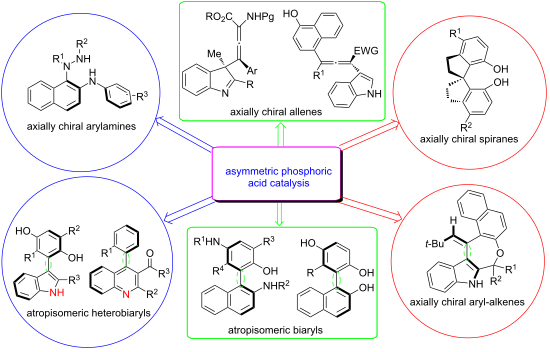
Scheme 72: Zhou and co-workers’ strategy for chiral phosphoric acid (CPA)-catalyzed cascade Prins cyclization.
Scheme 73: List and co-workers’ approach for asymmetric Prins cyclization using chiral imidodiphosphoric acid ...
Beilstein J. Org. Chem. 2021, 17, 671–677, doi:10.3762/bjoc.17.56
Graphical Abstract
Figure 1: Benzonaphthophosphindoles.
Scheme 1: Synthesis of benzo[f]naphtho[2,3-b]phosphoindoles.
Figure 2: Crystal structure of 2: different views.
Figure 3: a) Absorption spectra and b) normalized fluorescence spectra for selected compounds in CHCl3.
Figure 4: The spatial plots of the HOMO−3 to LUMO of compounds 3 and 4. The calculations were performed at th...
Beilstein J. Org. Chem. 2021, 17, 558–568, doi:10.3762/bjoc.17.50
Graphical Abstract
Figure 1: Structure of biologically active phthalazine derivatives.
Scheme 1: Synthetic route to aminophthalazinones 5 and 6.
Figure 2: Proposed catalytic cycles for the amination of 4-bromophthalazinones of type 3 (Phthal: phthalazino...
Scheme 2: Synthesis of 4-amino- and 4-polyaminophthalazinones 5 and 6 (the yields refer to the isolated compo...
Figure 3: The phthalazinone derivatives that were used to test the complexation of Cu(II) ions.
Scheme 3: The proposal of the fragmentation pathway of the Cu(II) complex with compound 7.
Figure 4: Structure of complex 17.
Figure 5: Molecular structure of complex 17 with atom numbering scheme. The anisotropic displacement paramete...
Figure 6: Determination of relative cell viability (% of control) in different cell lines (HT-29; PC-3 and L-...
Figure 7: Cytotoxic properties of the phthalazinone derivatives expressed as IC50 after 72 h of cell treatmen...
Beilstein J. Org. Chem. 2021, 17, 385–395, doi:10.3762/bjoc.17.34
Graphical Abstract
Figure 1: 5-Aminotetrazole derivatives.
Scheme 1: Synthesis of tetrazolium-5-aminides.
Scheme 2: N-Functionalizations of 1,3-disubstituted tetrazolium-5-aminides 8a,b.
Figure 2: Molecules of compounds 8a, 10, 11a, and the bistetrazolium cation 9, with displacement ellipsoids d...
Scheme 3: Possible Lewis structures for the molecule of 8a, with non-Lewis occupancies as % of the total elec...
Figure 3: Experimental (a) and TD-tHCTHhyb/6-311+G(2d,p) calculated (b) UV–vis spectra of compound 8a in diff...
Figure 4: Model structures of 8a used for the calculations of the UV–vis spectra: a) In n-hexane and THF, b) ...
Figure 5: NPA charges (left) and MESP contour map (right) for the molecule of 8a.
Figure 6: The calculated plots in n-hexane of a) HOMO, b) LUMO, c) electron density difference between the S1...
Figure 7: The calculated plots in water of a) HOMO, b) LUMO, c) electron density difference between the S1 an...
Beilstein J. Org. Chem. 2021, 17, 343–378, doi:10.3762/bjoc.17.32
Graphical Abstract
Figure 1: Stabilizing interaction in the CF3CH2+ carbenium ion (top) and structure of the first observable fl...
Scheme 1: Isodesmic equations accounting for the destabilizing effect of the CF3 group. ΔE in kcal⋅mol−1, cal...
Scheme 2: Stabilizing effect of fluorine atoms by resonance electron donation in carbenium ions (δ in ppm).
Scheme 3: Direct in situ NMR observation of α-(trifluoromethyl)carbenium ion or protonated alcohols. Δδ = δ19...
Scheme 4: Reported 13C NMR chemical shifts for the α-(trifluoromethyl)carbenium ion 10c (δ in ppm).
Scheme 5: Direct NMR observation of α-(trifluoromethyl)carbenium ions in situ (δ in ppm).
Scheme 6: Illustration of the ion pair solvolysis mechanism for sulfonate 13f. YOH = solvent.
Figure 2: Solvolysis rate for 13a–i and 17.
Figure 3: Structures of allyl triflates 18 and 19 and allyl brosylate 20. Bs = p-BrC6H4SO2.
Figure 4: Structure of tosylate derivatives 21.
Figure 5: a) Structure of triflate derivatives 22. b) Stereochemistry outcomes of the reaction starting from (...
Scheme 7: Solvolysis reaction of naphthalene and anthracenyl derivatives 26 and 29.
Figure 6: Structure of bisarylated derivatives 34.
Figure 7: Structure of bisarylated derivatives 36.
Scheme 8: Reactivity of 9c in the presence of a Brønsted acid.
Scheme 9: Cationic electrocyclization of 38a–c under strongly acidic conditions.
Scheme 10: Brønsted acid-catalyzed synthesis of indenes 42 and indanes 43.
Scheme 11: Reactivity of sulfurane 44 in triflic acid.
Scheme 12: Solvolysis of triflate 45f in alcoholic solvents.
Scheme 13: Synthesis of labeled 18O-52.
Scheme 14: Reactivity of sulfurane 53 in triflic acid.
Figure 8: Structure of tosylates 56 and 21f.
Scheme 15: Resonance forms in benzylic carbenium ions.
Figure 9: Structure of pyrrole derivatives 58 and 59.
Scheme 16: Resonance structure 60↔60’.
Scheme 17: Ga(OTf)3-catalyzed synthesis of 3,3’- and 3,6’-bis(indolyl)methane from trifluoromethylated 3-indol...
Scheme 18: Proposed reaction mechanism.
Scheme 19: Metal-free 1,2-phosphorylation of 3-indolylmethanols.
Scheme 20: Superacid-mediated arylation of thiophene derivatives.
Scheme 21: In situ mechanistic NMR investigations.
Scheme 22: Proposed mechanisms for the prenyltransferase-catalyzed condensation.
Scheme 23: Influence of a CF3 group on the allylic SN1- and SN2-mechanism-based reactions.
Scheme 24: Influence of the CF3 group on the condensation reaction.
Scheme 25: Solvolysis of 90 in TFE.
Scheme 26: Solvolysis of allyl triflates 94 and 97 and isomerization attempt of 96.
Scheme 27: Proposed mechanism for the formation of 95.
Scheme 28: Formation of α-(trifluoromethyl)allylcarbenium ion 100 in a superacid.
Scheme 29: Lewis acid activation of CF3-substituted allylic alcohols.
Scheme 30: Bimetallic-cluster-stabilized α-(trifluoromethyl)carbenium ions.
Scheme 31: Reactivity of cluster-stabilized α-(trifluoromethyl)carbenium ions.
Scheme 32: α-(Trifluoromethyl)propargylium ion 122↔122’ generated from silyl ether 120 in a superacid.
Scheme 33: Formation of α-(trifluoromethyl)propargylium ions from CF3-substituted propargyl alcohols.
Scheme 34: Direct NMR observation of the protonation of some trifluoromethyl ketones in situ and the correspon...
Scheme 35: Selected resonance forms in protonated fluoroketone derivatives.
Scheme 36: Acid-catalyzed Friedel–Crafts reactions of trifluoromethyl ketones 143a,b and 147a–c.
Scheme 37: Enantioselective hydroarylation of CF3-substituted ketones.
Scheme 38: Acid-catalyzed arylation of ketones 152a–c.
Scheme 39: Reactivity of 156 in a superacid.
Scheme 40: Reactivity of α-CF3-substituted heteroaromatic ketones and alcohols as well as 1,3-diketones.
Scheme 41: Reactivity of 168 with benzene in the presence of a Lewis or Brønsted acid.
Scheme 42: Acid-catalyzed three-component asymmetric reaction.
Scheme 43: Anodic oxidation of amines 178a–c and proposed mechanism.
Scheme 44: Reactivity of 179b in the presence of a strong Lewis acid.
Scheme 45: Trifluoromethylated derivatives as precursors of trifluoromethylated iminium ions.
Scheme 46: Mannich reaction with trifluoromethylated hemiaminal 189.
Scheme 47: Suitable nucleophiles reacting with 192 after Lewis acid activation.
Scheme 48: Strecker reaction involving the trifluoromethylated iminium ion 187.
Scheme 49: Reactivity of 199 toward nucleophiles.
Scheme 50: Reactivity of 204a with benzene in the presence of a Lewis acid.
Scheme 51: Reactivity of α-(trifluoromethyl)-α-chloro sulfides in the presence of strong Lewis acids.
Scheme 52: Anodic oxidation of sulfides 213a–h and Pummerer rearrangement.
Scheme 53: Mechanism for the electrochemical oxidation of the sulfide 213a.
Scheme 54: Reactivity of (trifluoromethyl)diazomethane (217a) in HSO3F.
Figure 10: a) Structure of diazoalkanes 217a–c and b) rate-limiting steps of their decomposition.
Scheme 55: Deamination reaction of racemic 221 and enantioenriched (S)-221.
Scheme 56: Deamination reaction of labeled 221-d2. Elimination products were formed in this reaction, the yiel...
Scheme 57: Deamination reaction of 225-d2. Elimination products were also formed in this reaction in undetermi...
Scheme 58: Formation of 229 from 228 via 1,2-H-shift.
Scheme 59: Deamination reaction of 230. Elimination products were formed in this reaction, the yield of which ...
Scheme 60: Deamination of several diazonium ions. Elimination products were formed in these reactions, the yie...
Scheme 61: Solvolysis reaction mechanism of alkyl tosylates.
Scheme 62: Solvolysis outcome for the tosylates 248 and 249 in HSO3FSbF5.
Figure 11: Solvolysis rate of 248, 249, 252, and 253 in 91% H2SO4.
Scheme 63: Illustration of the reaction pathways. TsCl, pyridine, −5 °C (A); 98% H2SO4, 30 °C (B); 98% H2SO4, ...
Scheme 64: Proposed solvolysis mechanism for the aliphatic tosylate 248.
Scheme 65: Solvolysis of the derivatives 259 and 260.
Scheme 66: Solvolysis of triflate 261. SOH = solvent.
Scheme 67: Intramolecular Friedel–Crafts alkylations upon the solvolysis of triflates 264 and 267.
Scheme 68: α-CF3-enhanced γ-silyl elimination of cyclobutyltosylates 270a,b.
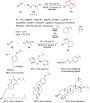
Scheme 69: γ-Silyl elimination in the synthesis of a large variety of CF3-substituted cyclopropanes. Pf = pent...
Scheme 70: Synthetic pathways to 281. aNMR yields.
Scheme 71: The cyclopropyl-substituted homoallylcyclobutylcarbenium ion manifold.
Scheme 72: Reactivity of CF3-substituted cyclopropylcarbinyl derivatives 287a–c. LG = leaving group.
Scheme 73: Reactivity of CF3-substituted cyclopropylcarbinyl derivatives 291a–c.
Scheme 74: Superacid-promoted dimerization or TFP.
Scheme 75: Reactivity of TFP in a superacid.
Scheme 76: gem-Difluorination of α-fluoroalkyl styrenes via the formation of a “hidden” α-RF-substituted carbe...
Scheme 77: Solvolysis of CF3-substituted pentyne 307.
Scheme 78: Photochemical rearrangement of 313.
Figure 12: Structure of 2-norbornylcarbenium ion 318 and argued model for the stabilization of this cation.
Figure 13: Structures and solvolysis rate (TFE, 25 °C) of the sulfonates 319–321. Mos = p-MeOC6H4SO2.
Scheme 79: Mechanism for the solvolysis of 323. SOH = solvent.
Scheme 80: Products formed by the hydrolysis of 328.
Scheme 81: Proposed carbenium ion intermediates in an equilibrium during the solvolysis of tosylates 328, 333,...
Beilstein J. Org. Chem. 2021, 17, 283–292, doi:10.3762/bjoc.17.27
Graphical Abstract
Scheme 1: Scope of the nitrostyrenes 1 in the Diels–Alder reaction with CPD (dr = exo:endo).
Figure 1: The structure assignment of norbornenes 2 by 1H (a) and NOE (b) NMR spectroscopy.
Figure 2: 13C NMR spectrum of the mixture of exo- and endo-isomers of norbornene 2l.
Figure 3: The predicted reaction pathway for the Diels–Alder reaction of nitrostyrene 1h with CPD is displaye...
Scheme 2: The Diels–Alder reaction of nitrostyrene 1h with spiro[2.4]hepta-4,6-diene.
Scheme 3: Diels–Alder reaction of nitrostyrenes 1 with CHD (dr = exo:endo). (а) Reaction under microwave acti...
Scheme 4: Kinetic study of reactions of 1h with CPD and CHD.
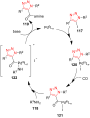
Figure 4: Kinetic curves for the reactions of nitrostyrene 1h with CPD (50–130 °C) and CHD at 110 °C.
Scheme 5: The Diels–Alder reaction of the nitrostyrene 1h with 1-methoxy-1,3-cyclohexadiene.
Scheme 6: Selected chemical transformations of norbornenes 2 (dr = exo:endo).
Beilstein J. Org. Chem. 2021, 17, 210–223, doi:10.3762/bjoc.17.21
Graphical Abstract
Figure 1: Molecular structures of emitters discussed in this work.
Figure 2: a) Calculated HOMO, LUMO, S1 and T1 energies, as well as HOMO and LUMO topologies of PhCF3, PhOCF3, ...
Figure 3: Calculated HOMO, LUMO, S1 and T1 energies, as well as HOMO and LUMO topologies of 2CzCF3, 2CzOCF3, ...
Figure 4: Calculated HOMO, LUMO, S1 and T1 energies, as well as HOMO and LUMO topologies of 2CzBN, 2CzTRZ, an...
Figure 5: HOMO and LUMO distribution, HONTO and LUNTO of lowest singlet (S1) and triplet excited (T1) states ...
Figure 6: HOMO and LUMO distribution, HONTO and LUNTO of lowest singlet (S1) and triplet excited (T1) states ...
Figure 7: Calculated HOMO, LUMO, S1 and T1 energies, as well as HOMO and LUMO topologies of 5CzCF3, 5CzOCF3, ...
Figure 8: Calculated HOMO, LUMO, S1 and T1 energies, as well as HOMO and LUMO topologies of 5CzBN, 5CzTRZ, an...
Figure 9: HOMO and LUMO distribution, HONTO and LUNTO of lowest singlet (S1) and triplet excited (T1) states ...
Figure 10: HOMO and LUMO distribution, HONTO and LUNTO of lowest singlet (S1) and triplet excited (T1) states ...
Figure 11: HONTOs and LUNTOs of 2CzCF3 in higher excited states (isovalue = 0.02).
Figure 12: HONTOs and LUNTOs of 5CzCF3 in higher excited states (isovalue = 0.02).
Beilstein J. Org. Chem. 2021, 17, 115–123, doi:10.3762/bjoc.17.12
Graphical Abstract
Scheme 1: Our previous efforts in the field of functionalization of sugar-derived lactams.
Figure 1: Key concepts behind the goal of this work [34].
Scheme 2: Preliminary experiment in search of a procedure for the synthesis of 2-(1H-tetrazol-5-yl)-iminosuga...
Scheme 3: Synthesis of a new class of alkaloid scaffold using the presented methodology.
Scheme 4: Synthesis of a new, chiral 2-(tetrazol-5-yl)-iminosugar based potential organocatalyst.
Scheme 5: Principle behind Woerpel’s model for prediction of the direction of nucleophile addition to oxocarb...
Scheme 6: Difference in conformational stability of glucose- and galactose-derived iminium cations and the maj...
Figure 2: ORTEP structures of compounds 3a and 3e obtained by X-ray analysis. Hydrogen atoms and benzyl group...
Figure 3: Proposed structures of compounds 5a and 2-epi-5a with 1H-1H couplings and NOE effects shown.
Scheme 7: Proposed reaction mechanism for the described Ugi–azide reaction variant.
Scheme 8: Possible pathway for spontaneous imine formation. Values reported are in kcal·mol−1.
Scheme 9: A possible path for tetrazole formation in the described conditions. Values reported are in kcal·mol...
Beilstein J. Org. Chem. 2020, 16, 3059–3068, doi:10.3762/bjoc.16.255
Graphical Abstract
Figure 1: Tandem acetate rearrangement/Nazarov cyclization of different substrates.
Figure 2: DFT-computed energy profile of the tandem Au(I)-catalyzed [3,3]-rearrangement/Nazarov reaction of 3...
Figure 3: DFT-computed energy profile of the tandem Au(I)-catalyzed [3,3]-rearrangement/Nazarov reaction of 2...
Figure 4: Computed comparison of the NBO charges of 2- and 3-substituted substrates.
Figure 5: Single-step transformation of IV to IX.
Figure 6: Triflate-promoted hydrogen abstraction and protodeauration with HOTf.
Figure 7: Triflate-mediated abstraction of the hydrogen atom Ha and protodeauration.
Scheme 1: Synthesis of the enynyl acetate starting material 14.
Scheme 2: Synthesis and cyclization of enynyl acetate 20.
Beilstein J. Org. Chem. 2020, 16, 2960–2970, doi:10.3762/bjoc.16.246
Graphical Abstract
Scheme 1: A) Structures of the six investigated 2,3-disubstituted-6,7-diphenylnaphthalene derivatives with va...
Scheme 2: Synthesis of p-phenyl-6,7-disubstituted naphthalene-2,3-dicarbonitrile.
Figure 1: Molecular structure in the crystal of Me as obtained by X-ray diffractometric analysis. Thermal dis...
Figure 2: A) Intermolecular CH…π interactions for compound Me. B) Weak intermolecular π–π stacking interactio...
Figure 3: Normalized absorption spectra of the evaluated compounds in fluid THF at rt. All solutions were opt...
Figure 4: Normalized emission spectra of the evaluated compounds in fluid THF at rt (left) and in a frozen gl...
Figure 5: A) Photographs of H at different THF/H2O ratios under UV excitation (λ = 365 nm). B) Photoluminesce...
Beilstein J. Org. Chem. 2020, 16, 2911–2919, doi:10.3762/bjoc.16.240
Graphical Abstract
Figure 1: UV–vis absorption spectra of GCP ethyl amide [9] (in grey) and GCI ethyl amide (in green) at 200 µM co...
Figure 2: UVRR spectra of a 1 mM solution of toluene in acetonitrile acquired with 240, 258, and 266 nm laser...
Figure 3: The UVRR spectra of a 200 µM solution of GCP ethyl amide in 6 mM BisTris buffer solution at pH 6 ac...
Figure 4: The UVRR spectra of GCI ethyl amide at a 200 µM concentration in 6 mM BisTris buffer solution at pH...
Figure 5: The computed Raman spectrum of GCI ethyl amide in the fingerprint region 800–1800 cm−1, calculated ...
Figure 6: The DFT computed eigenvectors of GCI ethyl amide of selected normal modes (cf. Figure 5) at (a) 1035 cm−1, ...
Figure 7: The UVRR spectra obtained with 244 nm laser excitation: GCI and a 1:1 mixture of ‘GCI and BA’ (bott...
Figure 8: The UVRR spectra obtained with 244 nm laser excitation: GCI and a 1:1 mixture of ‘GCI and RGD’ (bot...
Beilstein J. Org. Chem. 2020, 16, 2880–2887, doi:10.3762/bjoc.16.237
Graphical Abstract
Figure 1: Previously described synthesis of 2,3,4-trifluorinated analogues of galactose 6, glucose 7, mannose ...
Figure 2: Typical 19F NMR spectrum (470 MHz, CDCl3) of the crude reaction mixture using Et3N·3HF/Et3N (entry ...
Figure 3: Fluorination at C4 of 1,6-anhydro-2,3-difluorohexopyranose analogues. a) Reactions on triflates 13, ...
Scheme 1: Synthesis of polyfluorinated alditols from levoglucosan 1: a) difluoroglucitol analogue 22; b) trif...
Beilstein J. Org. Chem. 2020, 16, 2757–2768, doi:10.3762/bjoc.16.226
Graphical Abstract
Scheme 1: RCEYM with Ru and Mo catalysts.
Scheme 2: Beneficial effect of ethene atmosphere.
Scheme 3: Enantioselective dienyne metathesis [21].
Scheme 4: Diastereoselective endiyne metathesis [31].
Figure 1: Oxaenediynes considered for the study of desymmetrizing RCEYM.
Scheme 5: Synthesis of hepta-1,6-diyn-4-ol (4a).
Scheme 6: Protection of hepta-1,6-diyn-4-ol (4a).
Scheme 7: Alkylation of the protected diynols 7a and 8a.
Scheme 8: Deprotection of protected diynols 7b, 7c and 8b–d.
Scheme 9: Synthesis of the oxaenediynes 2 and 9 bearing an allyl or a methallyl group.
Scheme 10: Synthesis of oxaenediynes 2e and 2f bearing ester or silyl groups.
Scheme 11: Synthesis of alkadiynyl acrylates 10 and methacrylates 11.
Figure 2: The ruthenium precatalysts employed.
Scheme 12: RCEYM of oxaenediynes 2.
Figure 3: Examples of side products of CM with ethene.
Scheme 13: Attempted RCEYM of oxaenediynes 9, alkadiynyl acrylates 10 and methacrylates 11.
Scheme 14: Diels–Alder reaction of dihydropyran 12b with N-phenylmaleimide (13).
Figure 4: The four possible diastereoisomers of hexahydropyranoisoindole 14.
Figure 5: Conformations of dihydropyran 12b.
Figure 6: The two most stable s-trans (left) and s-cis (right) conformations of dihydropyran 12b.
Figure 7: The two most stable transition states endo-trans 15B and exo-cis 15C (hydrogens are omitted for cla...
Figure 8: PES of the Diels–Alder reaction of dihydropyran 12b and maleimide 13.