


Search results
Search for "antibiotics" in Full Text gives 227 result(s) in Beilstein Journal of Organic Chemistry. Showing first 200.
Three new trixane glycosides obtained from the leaves of Jungia sellowii Less. using centrifugal partition chromatography
Beilstein J. Org. Chem. 2016, 12, 674–683, doi:10.3762/bjoc.12.68

- ) were cultured in RPMI 1640 (RPMI) medium, respectively, supplemented with 10% heat-inactivated fetal bovine serum, 10 mM HEPES and antibiotics (penicillin/streptomycin) as previously described at 26 C [43]. The inhibitory activity of compounds was determined with the use of an MTT-based assay, the


Unconventional application of the Mitsunobu reaction: Selective flavonolignan dehydration yielding hydnocarpins
Beilstein J. Org. Chem. 2016, 12, 662–669, doi:10.3762/bjoc.12.66

- (kernels) of H. wightiana, contains besides hydnocarpin mainly cyclopentenoic fatty acids [16], which show pronounced antibiotic activity and inhibit multiplication of mycobacteria [17]. Combination of these antibiotics together with hydnocarpin (MDR inhibitor) helped to treat such a persistent disease


Correction: Effective in silico prediction of new oxazolidinone antibiotics: force field simulations of the antibiotic–ribosome complex supervised by experiment and electronic structure methods
Beilstein J. Org. Chem. 2016, 12, 608–610, doi:10.3762/bjoc.12.59
Antibiotics from predatory bacteria
Beilstein J. Org. Chem. 2016, 12, 594–607, doi:10.3762/bjoc.12.58
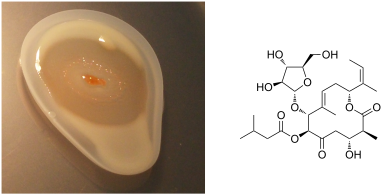
- as solitary hunters, others band together in large consortia before they attack their prey. Anecdotal reports suggest that bacteria practicing such a wolfpack strategy utilize antibiotics as predatory weapons. Consistent with this hypothesis, genome sequencing revealed that these micropredators
- : antibiotics; genome mining; Herpetosiphon; myxobacteria; predation; Introduction Microorganisms are major contributors to primary biomass production and nutrient cycling in nature. The composition of a microbial community shapes an ecosystem, but is also responsive to biotic and environmental cues. Predation
- closely related antibiotics featuring a distinctive 28-membered macrolide ring. First discovered by Rosenberg et al. in M. xanthus TA [74], the myxovirescins were later also reported from other myxobacterial isolates, including strain DK1622 [75][76][77][78][79]. Myxovirescins are excreted during late




Biosynthesis of α-pyrones
Beilstein J. Org. Chem. 2016, 12, 571–588, doi:10.3762/bjoc.12.56
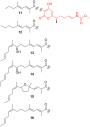
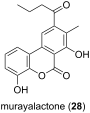
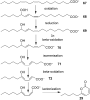
- (2), tetraacetic acid lactone (3), and 6-pentyl-2-pyrone (29) also more complex systems, e.g., bufalin (31) [38], fusapyrones (32,33) [39], or the α-pyrone antibiotics corallopyronins (34,35) [40] and myxopyronins (36,37) [41], exist in the group of monocyclic α-pyrones (Figure 7). The bufadienolides
- A was also tested successfully using an in vivo mouse model for the treatment of infections with filarial nematodes [44]. Such antibiotics produced by heterotroph bacteria, e.g., marine and terrestrial myxobacteria which can feed on other bacteria, are suggested as predatory weapons to paralyze and
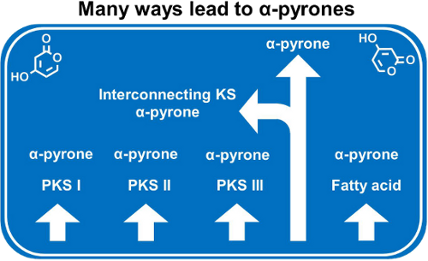
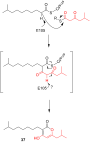
- paragraph the chain interconnecting mechanism will be described. For α-pyrone antibiotics, the corallopyronin and myxopyronin derivatives, free-standing KSs encoded in the respective cluster, i.e., CorB and MxnB, were suggested as the chain-interconnecting enzymes [84][87]. These enzymes have now been






Effective in silico prediction of new oxazolidinone antibiotics: force field simulations of the antibiotic–ribosome complex supervised by experiment and electronic structure methods
Beilstein J. Org. Chem. 2016, 12, 415–428, doi:10.3762/bjoc.12.45

- resistance phenomena as early as 1940 [4], in the 1970s the problem of bacterial infection seemed to be solved, because a wide range of potent antibiotics were available. During the last two decades the situation nevertheless changed dramatically: the logarithmic rise in the prevalence of penicillin
- injuries can kill, is a very real possibility for the 21st century” [6]. The need for a fast but effective, structure-based strategy for the development of new antibiotics is therefore more than evident [7]. From an experimental point of view, during the last years the amount of structural data describing
- (PRSP) [16]. Nevertheless, though oxazolidinones represent one of the few new chemical classes of antibiotics disclosed in the past 40 years, cases of oxazolidinone-resistant strains have been already reported [17][18][19], underscoring again the urgent demand for new linezolid analogues to overcome the


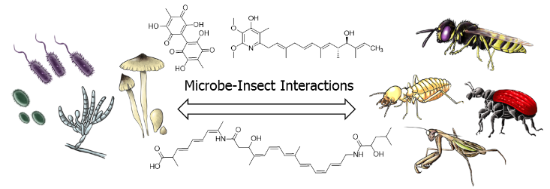
Natural products from microbes associated with insects
Beilstein J. Org. Chem. 2016, 12, 314–327, doi:10.3762/bjoc.12.34
- synthetic compound libraries to counteract a declining number of new antibiotic entities in the drug development pipeline has largely failed [3], and the current poor repertoire represents a ”ticking time bomb”. Societies face, as a consequence of the rapid globalization and intensive use of antibiotics, an
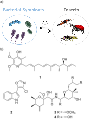
- identified as piericidin derivatives (e.g., piericidin A1 (1), Figure 3) and the chlorinated indole derivative streptochlorin (2). Imaging analysis based on a combination of laser desorption/ionization (LDI)–time of flight (TOF) mass spectrometry imaging visualized the spatial distribution of the antibiotics
- on the outer cocoon surface. Subsequent gas chromatography–mass spectrometry (GC–MS) analyses and expression studies revealed that the production of both antibiotics peaked within the first two weeks after cocoon spinning [45]. Although expression levels decreased shortly afterwards, the antibiotic





Synthesis of cyclic N1-pentylinosine phosphate, a new structurally reduced cADPR analogue with calcium-mobilizing activity on PC12 cells
Beilstein J. Org. Chem. 2015, 11, 2689–2695, doi:10.3762/bjoc.11.289

- synthetic building blocks towards the synthesis of biologically relevant compounds such as antiviral and antineoplastic drugs [3][4][5][6][7][8], antibiotics and antifungal agents [9][10][11]. Furthermore, several NNs act as potent second messengers involved in the regulation of key metabolic pathways [12


Recent highlights in biosynthesis research using stable isotopes
Beilstein J. Org. Chem. 2015, 11, 2493–2508, doi:10.3762/bjoc.11.271
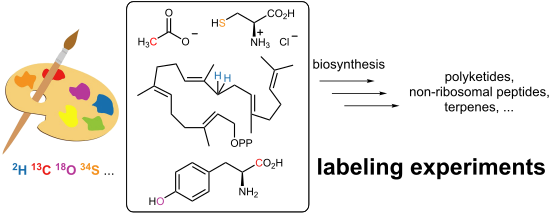
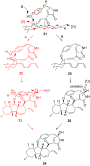
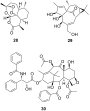
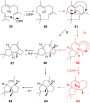
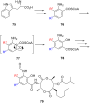
- are widely used as antibiotics in fish farming industry. All compounds from this class feature a nine-membered dilactone core and a 3-formamidosalicylic acid moiety [84]. The latter provides an interesting biosynthetic rearrangement starting from tryptophan, which was investigated both by isotopic









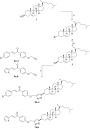
Synthesis, antimicrobial and cytotoxicity evaluation of new cholesterol congeners
Beilstein J. Org. Chem. 2015, 11, 1922–1932, doi:10.3762/bjoc.11.208

- incorporates it into its cytoplasmic membrane. In this way it boosts resistance to host immune defense and antibiotics as well [5][7]. In another case, eukaryotic cell membranes are supported by a membrane-associated cholesterol efflux regulatory protein (CERP). This protein, also known as ABCA1, is a major




Dicarboxylic esters: Useful tools for the biocatalyzed synthesis of hybrid compounds and polymers
Beilstein J. Org. Chem. 2015, 11, 1583–1595, doi:10.3762/bjoc.11.174

- in the esterification of the antineoplastic antibiotics mithramycin (5) catalyzed by Candida antarctica lipase A (CAL-A) and chromomycin A3 (6) catalyzed by Candida antarctica lipase B (CAL-B) [24]. In another report a series of mono-substituted troxerutin esters (7a) were synthesized by action of


Structure and conformational analysis of spiroketals from 6-O-methyl-9(E)-hydroxyiminoerythronolide A
Beilstein J. Org. Chem. 2015, 11, 1447–1457, doi:10.3762/bjoc.11.157
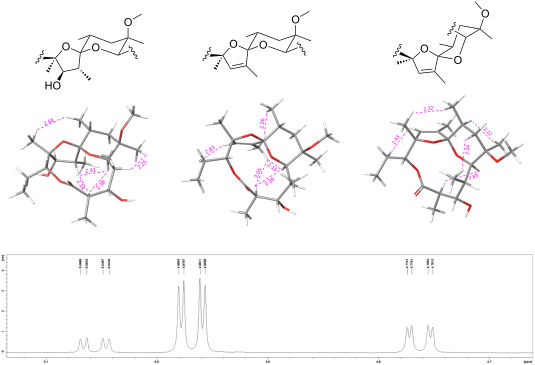
- ; spiroketal; Introduction Macrolide antibiotics are natural or semi-synthetic products of polyketide origin, containing one or more desoxy sugars attached to a macrocyclic lactone aglycon. This large and structurally diverse category of compounds has traditionally been divided into classes based on the
- increasing its antibacterial spectrum, acid stability, masking the foul taste, improving the pharmacodynamic properties and reducing the associated side effects. The two most successful semisynthetic macrolide antibiotics derived from erythromycin A are azithromycin [2][3] and clarithromycin [4]. Recent




A novel and widespread class of ketosynthase is responsible for the head-to-head condensation of two acyl moieties in bacterial pyrone biosynthesis
Beilstein J. Org. Chem. 2015, 11, 1412–1417, doi:10.3762/bjoc.11.152
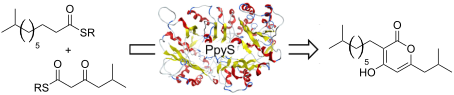
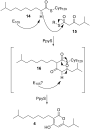
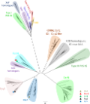
- including a novel derivative. Moreover this novel class of ketosynthases is only distantly related to other pyrone-forming enzymes identified in the biosynthesis of the potent antibiotics myxopyronin and corallopyronin. Keywords: cell–cell communication; ketosynthase; photopyrones; pseudopyronines; quorum
- products have been shown to be potent antibiotics targeting the newly identified switch region of the bacterial RNA polymerase [24]. Furthermore the promiscuity of MxnB regarding its substrate specificity has been used in mutasynthesis experiments to produce novel myxopyronin derivatives [25]. Recently the
- pyrone biosynthesis we analyzed the KS from Pseudomonas sp. GM30, as we knew that α-pyrone antibiotics pseudopyronine A (9) and B (10) have been isolated in two Pseudomonas strains but neither their biosynthesis nor the involved KS had been reported yet [28]. Both compounds have been described to show an



Diastereoselective and enantioselective conjugate addition reactions utilizing α,β-unsaturated amides and lactams
Beilstein J. Org. Chem. 2015, 11, 530–562, doi:10.3762/bjoc.11.60

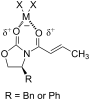
- reactions proceeded in good yields (71–84%) and high diastereoselectivities. This work has been useful because the syn-1,3-diol moiety is commonly observed in many natural products, most notably in polyol macrolide antibiotics [72][73][74]. Performing CA reactions on chiral lactams has been a common method




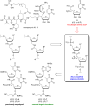
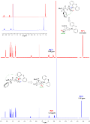
NAA-modified DNA oligonucleotides with zwitterionic backbones: stereoselective synthesis of A–T phosphoramidite building blocks
Beilstein J. Org. Chem. 2015, 11, 50–60, doi:10.3762/bjoc.11.8
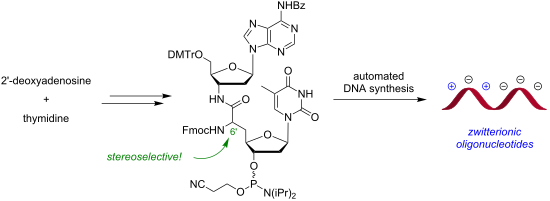
- muraymycin antibiotics (e.g., muraymycin A1 (1)) [39][40][41][42][43][44][45][46] have led to our previously reported synthesis of 'nucleosyl amino acid' structures 2 [47][48] as simplified 5'-defunctionalized analogues of the muraymycin core motif. Formally merging the nucleosyl amino acid (NAA) structure



First chemoenzymatic stereodivergent synthesis of both enantiomers of promethazine and ethopropazine
Beilstein J. Org. Chem. 2014, 10, 3038–3055, doi:10.3762/bjoc.10.322

- been reported. Only enantioselective analytical methods towards enantioresolution of promethazine employing various chiral selectors including proteins, cyclodextrines, modified crown ethers or macrocyclic antibiotics have been proposed [52][53][54][55][56]. Other two reports [57][58] containing




Recent advances in the electrochemical construction of heterocycles
Beilstein J. Org. Chem. 2014, 10, 2858–2873, doi:10.3762/bjoc.10.303
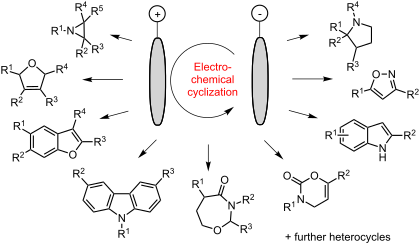
- . The large interest in this field is attributable to the occurrence of heterocyclic units in numerous natural products and biologically active compounds such as hormones, antibiotics and vitamins [1]. Considering the fact that more than 70% of all active ingredients in pharmaceutical and agrochemical




Encapsulation of biocides by cyclodextrins: toward synergistic effects against pathogens
Beilstein J. Org. Chem. 2014, 10, 2603–2622, doi:10.3762/bjoc.10.273
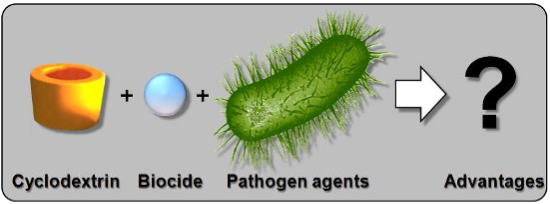
- (Scheme 1) [16]. The emergence of resistance strains to biocides which, in some cases, can contribute to resistance to antibiotics becomes a major problem. Microorganisms are considered resistant to antibiotics or biocides when a strain is not killed or inhibited by: i) the biocidal concentration


Indium-mediated allylation in carbohydrate synthesis: A short and efficient approach towards higher 2-acetamido-2-deoxy sugars
Beilstein J. Org. Chem. 2014, 10, 2230–2234, doi:10.3762/bjoc.10.231
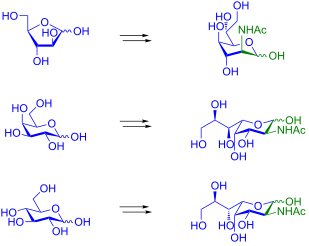
- interested in developing a general route towards the synthesis of these higher aminosugars. Since the preparation of new potent aminoglycoside antibiotics remains an important topic in medicinal chemistry [22], our precursors used should be flexible in terms of stereochemical variety, thus potentially


De novo macrolide–glycolipid macrolactone hybrids: Synthesis, structure and antibiotic activity of carbohydrate-fused macrocycles
Beilstein J. Org. Chem. 2014, 10, 2215–2221, doi:10.3762/bjoc.10.229
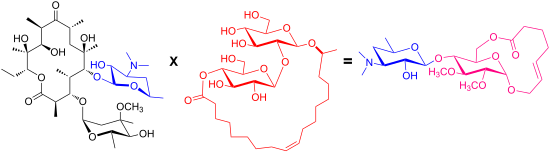
- antibacterial activity [7][8]. Over time, antibiotic use has created a selection pressure that has led to bacterial resistance and a subsequent need for continuous development of new antibiotics. Despite cumbersome syntheses, erythromycin analogs continue to be used as front line antibiotics while the clinical


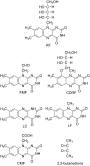
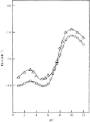
Photo, thermal and chemical degradation of riboflavin
Beilstein J. Org. Chem. 2014, 10, 1999–2012, doi:10.3762/bjoc.10.208

- such as vehicles (ethanol, propylene glycol), buffers (phosphate and citrate) and tonicity modifiers (NaCl, MgCl2) [118]. RF is also known to form complexes with dendrimers [103][119], certain drugs including antibiotics like cloxacillin sodium [102] and doxorubicin [120], dopamine [121], agents like N




Expeditive synthesis of trithiotriazine-cored glycoclusters and inhibition of Pseudomonas aeruginosa biofilm formation
Beilstein J. Org. Chem. 2014, 10, 1981–1990, doi:10.3762/bjoc.10.206
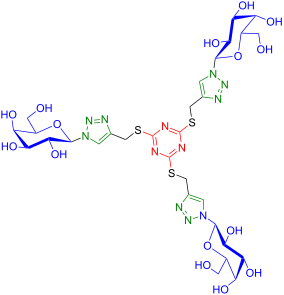
- ) is an opportunistic human pathogen known to cause a variety of hospital-borne infections. It poses a severe threat to immunocompromised patients, as well as to those suffering from cystic fibrosis or cancer [1][2][3]. Its virulence is largely associated with multi-resistance to antibiotics, in


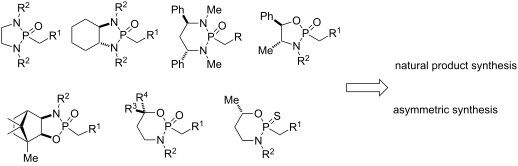
Application of cyclic phosphonamide reagents in the total synthesis of natural products and biologically active molecules
Beilstein J. Org. Chem. 2014, 10, 1848–1877, doi:10.3762/bjoc.10.195
- eight benzyl protecting groups was accomplished using Pearlman’s catalyst under mild acidic conditions to give fumonisin B2 (20) [45][46][47][84]. Tricylic β-lactams (1997) β-Lactam antibiotics are the most prescribed and successful class of antibiotics developed and used in clinical practice. This
- broad class of antibiotics shares a highly reactive four-membered β-lactam ring and includes penicillin derivatives, cephalosporins, monobactams, carbapenems, and other related compounds [85][86][87]. Approved drugs such as imipenem (111) and meropenem (112) (Figure 6) belong to the subclass of
- carbapenems, which are powerful antibiotics with a broad spectrum of activity against Gram-positive and Gram-negative bacteria and are often used as antibiotics for many hard-to-treat bacterial infections, such as Escherichia coli and Klebsiella pneumoniae [88][89]. Resistance of bacterial strains to












Synthesis and bioactivity of analogues of the marine antibiotic tropodithietic acid
Beilstein J. Org. Chem. 2014, 10, 1796–1801, doi:10.3762/bjoc.10.188
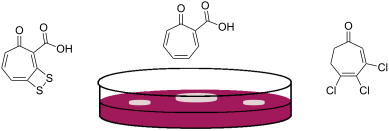
- the bioactivity of the natural product. The synthesis of this compound and of several analogues is presented and the bioactivity of the synthetic compounds is discussed. Keywords: antibiotics; natural products; Roseobacter; SAR study; tropodithietic acid; tropone; Introduction Tropodithietic acid


Multicomponent reactions in nucleoside chemistry
Beilstein J. Org. Chem. 2014, 10, 1706–1732, doi:10.3762/bjoc.10.179
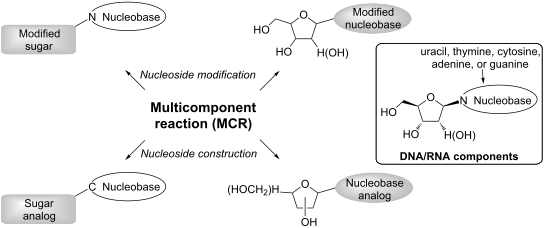
- . Biochemical properties of the novel nucleoside analogs are also presented (if provided by the authors). Keywords: multicomponent reaction; nucleoside analog; nucleoside antibiotics; nucleoside construction; nucleoside modification; Introduction Chemical modifications of natural ribose or 2'-deoxyribose
- diseases [1]. Moreover, several novel nucleoside analogs (including those embedded in versatile conjugate or pronucleotide scaffolds) are under clinical or preclinical trials [1]. Recent studies have also revealed a potential of nucleoside analogs as radiopharmaceuticals [2][3][4][5][6], antibiotics [7][8
- and 1H NMR analysis). Members of this library were claimed to show promising biological activity, however details were not given. Muraymycins (MRYs) are a class of naturally occurring nucleoside-lipopeptide antibiotics with excellent antibacterial activity. Matsuda and coworkers envisaged that MRYs





