Search results
Search for "bacteria" in Full Text gives 370 result(s) in Beilstein Journal of Organic Chemistry. Showing first 200.
Pigmentosins from Gibellula sp. as antibiofilm agents and a new glycosylated asperfuran from Cordyceps javanica
Beilstein J. Org. Chem. 2019, 15, 2968–2981, doi:10.3762/bjoc.15.293
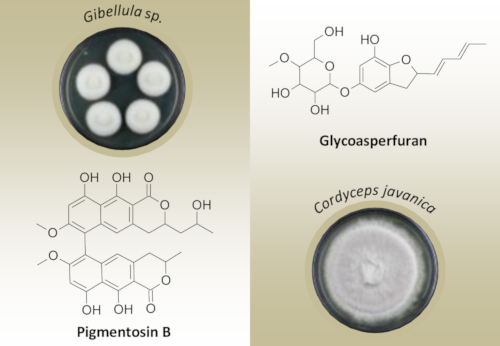
- , in particular orthopedic implant-related infections, since implants coated with proteins facilitate bacterial attachment and biofilm development [1]. In general, bacteria are known to employ different strategies to cope with the presence of antibiotics, of which a biofilm, an aggregate of
- microorganisms held together within a self-produced matrix of extracellular polymeric substances, plays an important role as a main virulence determinant in staph infections [1][2]. Within a biofilm, bacteria become tolerant toward antibiotics and host immune responses greater than their planktonic (free


Two new aromatic polyketides from a sponge-derived Fusarium
Beilstein J. Org. Chem. 2019, 15, 2941–2947, doi:10.3762/bjoc.15.289
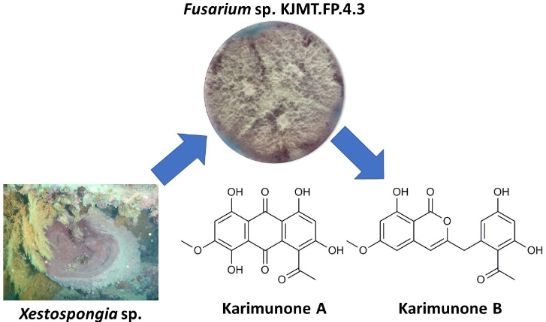
- sponges in massive amounts leads to environmental disturbance since marine sponges play a key role in building coral reefs [3][4]. As a filter feeder, sponges host an enormous amount of microorganisms including algae, bacteria, actinomycetes, and fungi [5][6][7]. Many of these microorganisms produce


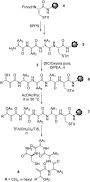
Chemical synthesis of tripeptide thioesters for the biotechnological incorporation into the myxobacterial secondary metabolite argyrin via mutasynthesis
Beilstein J. Org. Chem. 2019, 15, 2922–2929, doi:10.3762/bjoc.15.286
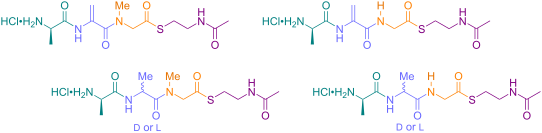
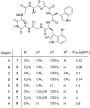
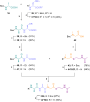
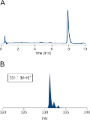
- has been observed in many cases that exogenous substrates can be incorporated by bacteria into biosynthesis cascades of natural products. The use of substrates which lead to nonnatural derivatives of the natural product coined the field of mutasynthesis, e.g., siderophore analogue biosynthesis by P



Bacterial terpene biosynthesis: challenges and opportunities for pathway engineering
Beilstein J. Org. Chem. 2019, 15, 2889–2906, doi:10.3762/bjoc.15.283
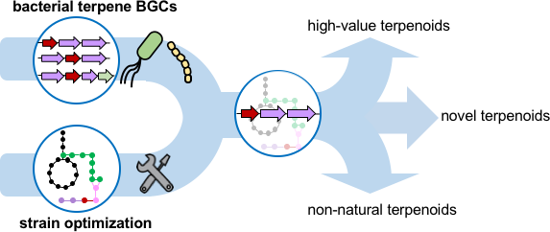
- knowledge of how they are biosynthesized is limited, particularly when compared to the well-studied thiotemplate assembly lines. Bacteria have only recently been recognized as having the genetic potential to biosynthesize a large number of complex terpenoids, but our current ability to associate genetic
- placed on terpene pathways from bacteria, as their biosynthetic pathways usually have the genes encoding the terpene cyclase and modifying enzyme in close proximity, which simplifies both analysis and pathway engineering. The review will begin with a brief description of terpene families with a special
- reported [40]. In fact, different pathways have evolved in plants, fungi, and bacteria for this fascinating compound family in an extreme case of convergent evolution [41][42]. While the plant and fungal biosynthetic pathways are well studied [42], the bacterial pathway was studied to a lesser degree until




Emission and biosynthesis of volatile terpenoids from the plasmodial slime mold Physarum polycephalum
Beilstein J. Org. Chem. 2019, 15, 2872–2880, doi:10.3762/bjoc.15.281
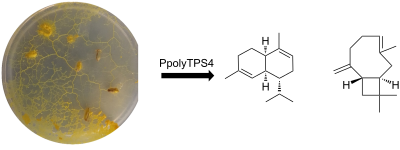
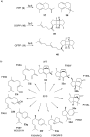
- communication [1][2]. Rapid progress has been made in our understanding of the VOC world of microbes, especially bacteria [3][4] and fungi [5][6]. Not only the chemical diversity of microbial VOCs is continuingly to be discovered, our understanding of their biosynthesis is also growing rapidly [7][8]. Among the
- ]. The MVA pathway is found in eukaryotes, archaea, and a few bacteria, and the MEP pathway is present in several photosynthetic eukaryotes and bacteria [11]. Isoprenyl diphosphate synthases (IDSs) catalyze the formation of prenyl diphosphates of various chain length [12]. After that, terpene synthases
- and gene expression patterns, the products of most DdTPSs were released as volatiles from D. discoideum at the multicellular developmental stage [14][15]. TPS genes previously were known to exist only in bacteria, fungi, and plants [13][17][18]. The identification of TPS genes in dictyostelid social



Skeletocutins M–Q: biologically active compounds from the fruiting bodies of the basidiomycete Skeletocutis sp. collected in Africa
Beilstein J. Org. Chem. 2019, 15, 2782–2789, doi:10.3762/bjoc.15.270

- antimicrobial, cytotoxic, and nematicidal activities, as described in the Experimental section. However, compounds 1–5 were devoid of activity in these assays, whereas tyromycin A (6) and skeletocutin A–L had been reported before to be active against several Gram-positive bacteria [4], namely Bacillus subtilis
- determined in serial dilution assays using several microorganisms, as described previously [8][9]. Herein, Gram-positive bacteria used were B. subtilis DSM10, MRSA DSM11822, S. aureus DSM346, M. luteus DSM20030, and Mycobacterium smegmatis (M. smegmatis) ATCC700084, Gram-negative bacteria were Escherichia
- albicans (C. albicans) DSM1665 were applied. The assays were conducted in 96-well plates and Mueller–Hinton Broth (MHB) for bacteria, or yeast, malt, and gluocse (YMG) medium for filamentous fungus and yeasts. Cytotoxicity assay In vitro cytotoxicity, using IC50 values as a measure, was evaluated against


Nanangenines: drimane sesquiterpenoids as the dominant metabolite cohort of a novel Australian fungus, Aspergillus nanangensis
Beilstein J. Org. Chem. 2019, 15, 2631–2643, doi:10.3762/bjoc.15.256
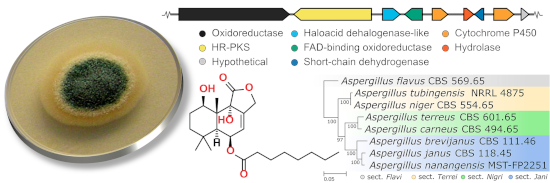
- bacteria, fungi, mammalian cells and plants. Bioinformatics analysis, including comparative analysis with other acyl drimenol-producing Aspergilli, led to the identification of a putative nanangenine biosynthetic gene cluster that corresponds to the proposed biosynthetic pathway for nanangenines. Keywords
- cell lines, two bacteria, one fungus and one plant (Table 4). Compound 1 was inactive up to 100 μg mL−1 in all of the assays performed, suggesting acylation at 6-OH is important for biological activity. Compounds 4, 5 and 7 showed moderate antibacterial activity against B. subtilis, with weaker


Chemical synthesis of the pentasaccharide repeating unit of the O-specific polysaccharide from Escherichia coli O132 in the form of its 2-aminoethyl glycoside
Beilstein J. Org. Chem. 2019, 15, 2563–2568, doi:10.3762/bjoc.15.249
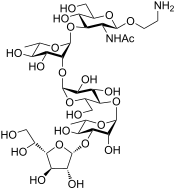
- play a key role in determining and regulating the biology of these organisms [1] and act as the elicitor of the innate immune response [2]. As these polysaccharides can protect the bacteria concerned by killing the serum complements of the host system and can stop phagocytosis, they are extremely
- bacteria present in the guts of human and other warm-blooded animals. It is usually harmless and beneficial to the host’s body, however, there are other variants of E. coli having virulence factors and causing diseases like diarrhea, urinary tract infection, septicaemia etc. E. coli O132 is reported to be




Synthesis of novel sulfide-based cyclic peptidomimetic analogues to solonamides
Beilstein J. Org. Chem. 2019, 15, 2544–2551, doi:10.3762/bjoc.15.247

- reported for solonamides. Keywords: antivirulence drug; bacteria; macrocyclization; pathoblocker; quorum quenching; Introduction The cyclodepsipeptides called solonamides A and B are natural molecules extracted from the marine bacterium Photobacterium halotolerans [1][2] (Figure 1). They are able to




Current understanding and biotechnological application of the bacterial diterpene synthase CotB2
Beilstein J. Org. Chem. 2019, 15, 2355–2368, doi:10.3762/bjoc.15.228
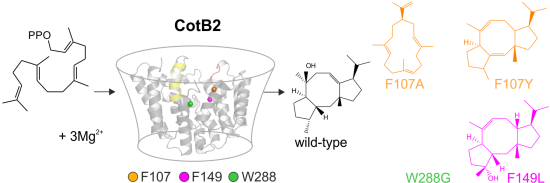
- an α-helical bundle fold [18] and are structurally related to the isoprenyl diphosphate synthases such as the farnesyl (C15) or geranylgeranyl (C20) diphosphate synthase, which generate the substrates of sesqui- and diterpene synthases, respectively. In bacteria, diterpene synthases almost
- description of the bacterial TPS CotB2, we will therefore refer to the NSE motif only. Using host microorganisms, such as bacteria or baker’s yeast for the heterologous synthesis of terpenes increases the sustainability of bioactive terpene production by saving resources, as the production host can be fed
- enzymes that is widely distributed among plants, fungi and bacteria. CotB2 has evolved to convert the acyclic, achiral substrate GGDP to the 5–8–5 ring motif of cyclooctat-9-en-7-ol that contains six chiral stereocenters. Hence, CotB2 has been fine tuned to perform a highly specific regio- and


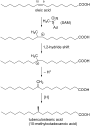
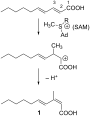
Isolation and biosynthesis of an unsaturated fatty acid with unusual methylation pattern from a coral-associated bacterium Microbulbifer sp.
Beilstein J. Org. Chem. 2019, 15, 2327–2332, doi:10.3762/bjoc.15.225
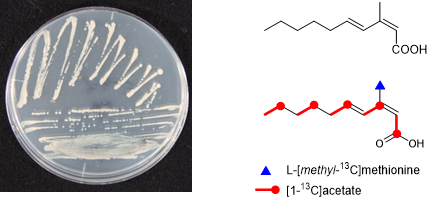
- . Compound 1 showed weak growth inhibition against Saccharomyces cerevisiae. Keywords: biosynthesis; fatty acid; marine bacteria; methylation; Microbulbifer; Introduction Marine microbial symbionts are currently recognized as a reservoir of new bioactive compounds [1]. The most well-studied host animal is
- the sponge from which a vast array of natural products has been isolated and symbiotic bacteria are suggested to be responsible for the biosynthesis of such natural products [2]. Although it is well established that corals are associated with diverse microbes, coral-associated bacteria and their
- secondary metabolites have received lesser attention [3]. To date, a couple of new compounds were discovered from soft coral-associated bacteria such as pseudoalteromones from Pseudoalteromonas isolated from the cultured octocoral Lobophytum crassum [4][5] and macrolactin V from Bacillus amyloliquefaciens


Isolation of fungi using the diffusion chamber device FIND technology
Beilstein J. Org. Chem. 2019, 15, 2191–2203, doi:10.3762/bjoc.15.216
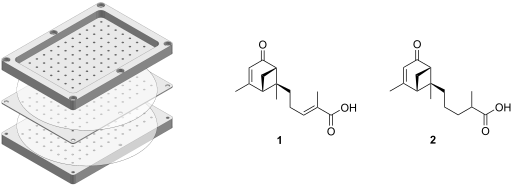
- play a prominent role as lead structures in drug discovery [1]. Apart from bacteria, fungi are an impressive group of microorganisms in this respect, due to the high structural diversity of their rich secondary metabolism. Fungi are known as producers of many therapeutically important drugs, such as
- For the isolation of fungal strains from terrestrial and marine environments a device was constructed, i.e., FIND that is similar to the one described by Epstein et al. for “unculturable” bacteria [4]. For the FIND we adjusted the isolation procedure and technical features, e.g., the dimensions of the
- volume of a sample is experimentally hard to determine. We thus counted bacterial cells, and applied the ratio of bacteria-to-fungi, which is described in the literature for most environments, to estimate suitable dilution or concentration steps in our experiments. Scheme 2 illustrates each individual


A heteroditopic macrocycle as organocatalytic nanoreactor for pyrroloacridinone synthesis in water
Beilstein J. Org. Chem. 2019, 15, 1505–1514, doi:10.3762/bjoc.15.152
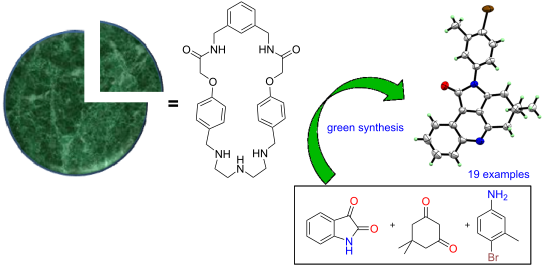
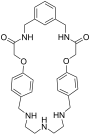
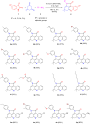
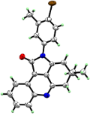
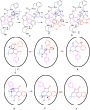
- apoptotic cells, the investigation of the morphology of nuclei, the direct counting of cultivable bacteria, DNA intercalators, etc. [1][2][3][4]. Pyrrole, another biologically active heterocyclic compound, when fused with acridines affords promising bioactive pyrroloacridinone moieties demonstrating






Synthesis and biological evaluation of truncated derivatives of abyssomicin C as antibacterial agents
Beilstein J. Org. Chem. 2019, 15, 1468–1474, doi:10.3762/bjoc.15.147
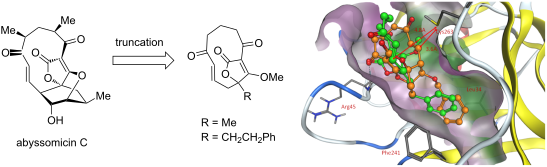
- physicochemical properties that NPs typically show [3]. Abyssomicin C (AbC) is an NP with antibacterial activity that was isolated from the marine actinomycete strain Verrucosispora AB-18-032 in 2004 [4][5]. It shows antibacterial activity against Gram-positive bacteria, including resistant pathogens such as
- covalent inhibitor of 4-amino-4-deoxychorismate (ADC) synthase, which is the enzyme that catalyzes the conversion of chorismate and glutamine into ADC and glutamate, the first step in the biosynthesis of p-aminobenzoic acid (PABA) in bacteria [6]. Specifically, AbC binds via a Michael addition between a
- cysteine residue in the immediate proximity to the active site and the enone moiety of AbC. The PABA pathway is essential in bacteria but absent in humans, making AbC a promising compound for further development towards an antibiotic drug candidate. Because of its intriguing structure and antibacterial


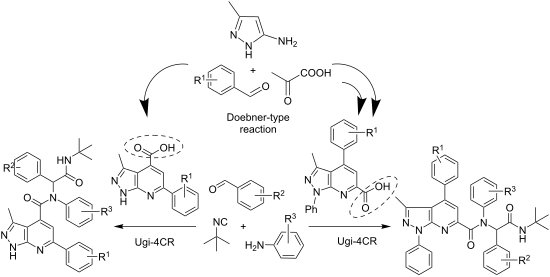
Doebner-type pyrazolopyridine carboxylic acids in an Ugi four-component reaction
Beilstein J. Org. Chem. 2019, 15, 1281–1288, doi:10.3762/bjoc.15.126
- substances inhibited the growth of the test microorganisms demonstrating weak antimicrobial effect (Table 2). The growth of gram-positive bacteria (strains of S. aureus and B. subtilis) was inhibited in a more effective way. Particularly, compound 11b inhibited the growth of B. subtilis at a concentration of


Phylogenomic analyses and distribution of terpene synthases among Streptomyces
Beilstein J. Org. Chem. 2019, 15, 1181–1193, doi:10.3762/bjoc.15.115
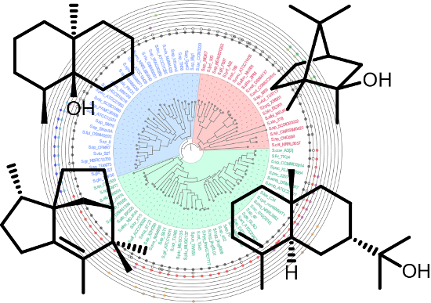
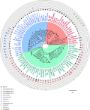
- analysis of this genus is discussed. Keywords: biosynthesis; evolution; geosmin; Streptomyces; terpenes; Introduction Streptomyces are soil bacteria that belong to the order of actinomycetales and are a rich source of natural products with broad biotechnological interest. Species of this genus have a
- revealed that terpenoids can be produced by all kingdoms of life including bacteria, fungi and protists [6][7][8][9][10]. The ability of an organism to produce terpenoids relies on whether the organism contains terpene synthase genes. Biosynthetically, the production of the different types of terpenes
- 3 [30]. These enzymes are the most widespread sesquiterpene synthases in bacteria, and their coding genes are present in the genomes of more than 100 of the sequenced Streptomyces species [13]. Interestingly, epi-isozizaene synthases are only present in members of one clade (indicated as the green



Multicomponent reactions (MCRs): a useful access to the synthesis of benzo-fused γ-lactams
Beilstein J. Org. Chem. 2019, 15, 1065–1085, doi:10.3762/bjoc.15.104
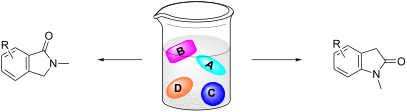
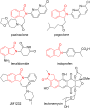
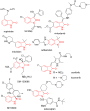
- ]. Besides, several hybrid molecules containing, inter alia the oxindole moiety, have been discovered and they demonstrated diverse therapeutic activities, for example, against breast [46] and colon cancer cells [47] and drug-resistant bacteria [48]. Among the many excellent recent reviews on the preparation


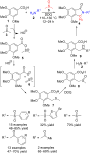


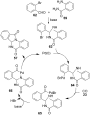


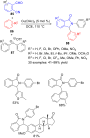
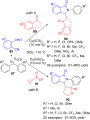


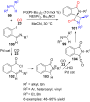


New terpenoids from the fermentation broth of the edible mushroom Cyclocybe aegerita
Beilstein J. Org. Chem. 2019, 15, 1000–1007, doi:10.3762/bjoc.15.98
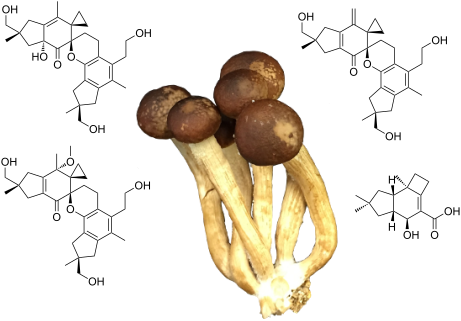
- /mL, for KB3.1 = 7 µg/mL), but was inactive against all test organisms in our standard test panel, comprising selected Gram-positive and Gram-negative bacteria as well as fungi [8]. Compound 4 was inactive in all assays of our test panel, and 3 could not be tested due to the insufficient amount


Towards the preparation of synthetic outer membrane vesicle models with micromolar affinity to wheat germ agglutinin using a dialkyl thioglycoside
Beilstein J. Org. Chem. 2019, 15, 937–946, doi:10.3762/bjoc.15.90
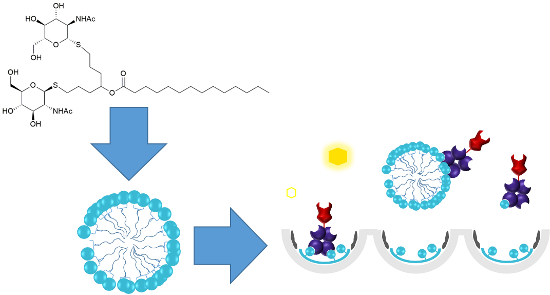
- membrane of Gram-negative bacteria, are considered today as attractive candidates for vaccine delivery. However, they have some disadvantages, they are not easy to produce and are difficult to characterize [2][3]. Moreover, toxic lipopolysaccharides (LPS) present in the outer membrane of most of Gram
- -negative bacteria prevent the medical use of OMV from natural sources [4]. Licensed vaccines based on crude OMV are currently available to contribute to the prevention and to control at least twenty-five infections including pulmonary ones [5]. Developing synthetic vaccines against cancer [6][7] or Gram
- -negative bacteria [7] are challenges for the current research in the field. Artificial OMV, composed of synthetic and non-toxic, non-immunogenic phospholipids and glycolipids are good candidates for drug or vaccine delivery. One of the most common reactions used to prepare monoalkyl glycosides is the


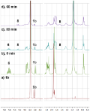


![[Graphic 2]](/bjoc/content/inline/1860-5397-15-90-i4.svg?max-width=637&scale=0.472728) ) and (○) ...
) and (○) ...
Synthesis and SAR of the antistaphylococcal natural product nematophin from Xenorhabdus nematophila
Beilstein J. Org. Chem. 2019, 15, 535–541, doi:10.3762/bjoc.15.47
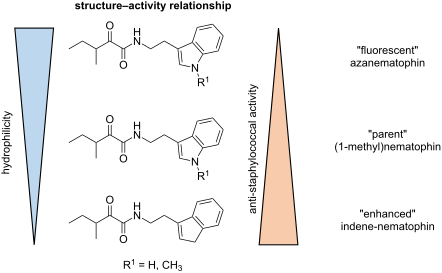
- Frankfurt, Max-von-Laue-Str. 15, D-60438 Frankfurt am Main, Germany 10.3762/bjoc.15.47 Abstract The repeated and improper use of antibiotics had led to an increased number of multiresistant bacteria. Therefore, new lead structures are needed. Here, the synthesis and an expanded structure–activity
- ; nematophin; Staphylococcus aureus; Introduction Microorganisms present a rich source of bioactive natural products of pharmacological importance against an emerging number of multiresistant bacteria [1]. Such examples are Xenorhabdus sp., Gram-negative entomopathogenic bacteria which live in symbiosis with
- soil-living nematodes of the genera Steinernema [2][3]. During a complex life cycle the nematode–bacteria pair infects and kills insect larvae, whereby Xenorhabdus produce a broad range of natural products with antimicrobial properties [4][5][6][7][8]. As the Steinernema–Xenorhabdus complex is not


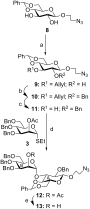
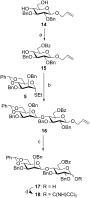
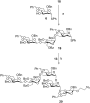
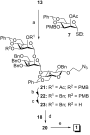
Convergent synthesis of the pentasaccharide repeating unit of the biofilms produced by Klebsiella pneumoniae
Beilstein J. Org. Chem. 2019, 15, 431–436, doi:10.3762/bjoc.15.37
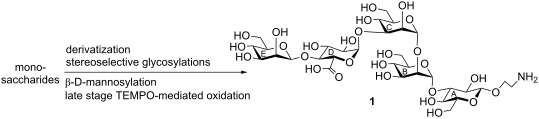
- -negative pathogenic organism causing pneumonia, urinary tract infections (UTI), intra-abdominal infections, meningitis, and pyrogenic liver abscesses in humans [1][2][3]. The bacteria have capsules in the outermost layers of the cells, which are composed of a variety of complex polysaccharides known as K
- based on the glycoconjugate derivatives of these polysaccharides. Isolation of polysaccharides by fermentation of bacterial strains suffer from a number of limitations, which include (a) handling of live strains of bacteria; (b) difficulties in separating biological impurities such as proteins or


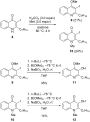
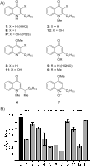
Study on the regioselectivity of the N-ethylation reaction of N-benzyl-4-oxo-1,4-dihydroquinoline-3-carboxamide
Beilstein J. Org. Chem. 2019, 15, 388–400, doi:10.3762/bjoc.15.35

- collaborators described the synthesis and investigation of the bacteria urease inhibitory activity for ciprofloxacin derivatives, including the amide 2, which presented a remarkable IC50 value for urease inhibition and was capable of inhibiting Proteus mirabilis growth [14]. As another example, in a previous


Synthesis and biological activity of methylated derivatives of the Pseudomonas metabolites HHQ, HQNO and PQS
Beilstein J. Org. Chem. 2019, 15, 187–193, doi:10.3762/bjoc.15.18
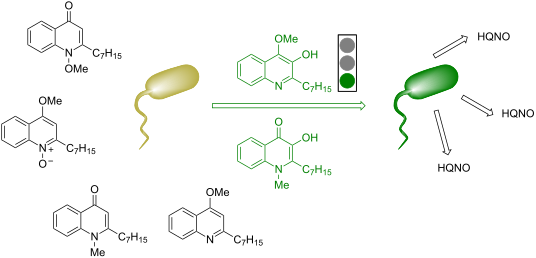
- . aeruginosa and Staphylococcus aureus, which model interactions relevant to patients with cystic fibrosis, HQNO is a major factor for killing of S. aureus [15]. While HQNO seems to be generally toxic to Gram-positive bacteria, we could show that some bacteria are able to transform HQNO into less toxic




Lectins of Mycobacterium tuberculosis – rarely studied proteins
Beilstein J. Org. Chem. 2019, 15, 1–15, doi:10.3762/bjoc.15.1
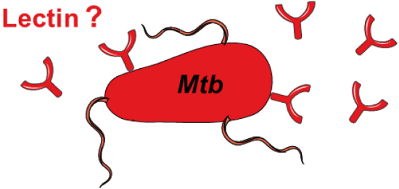
- Abstract The importance of bacterial lectins for adhesion, pathogenicity, and biofilm formation is well established for many Gram-positive and Gram-negative bacteria. However, there is very little information available about lectins of the tuberculosis-causing bacterium, Mycobacterium tuberculosis (Mtb
- biology and identify new drug targets and anti-Mtb strategies. Mtb bacteria are mainly transmitted by inhalation of aerosolized droplets released from infected patients by coughing. The infection process is initiated by contact between inhaled bacteria and host cells within the alveolar airspace. The main
- target cells of Mtb bacteria are primarily alveolar macrophages, which internalize the pathogen through phagocytosis [6]. These innate immune cells initiate a number of responses to limit bacterial replication and spread with the ultimate goal of eradicating the pathogen. However, Mtb has evolved


Repurposing the anticancer drug cisplatin with the aim of developing novel Pseudomonas aeruginosa infection control agents
Beilstein J. Org. Chem. 2018, 14, 3059–3069, doi:10.3762/bjoc.14.284
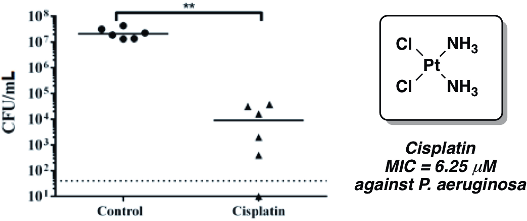
- bacteria in the biofilm mode including virulence mechanisms that cripple immune defenses, may offer novel antimicrobial therapies against a variety of otherwise persistent P. aeruginosa infections. Here, we screened our in-house collection of FDA-approved drugs and found that cisplatin was the most potent
- 16–18 h. MIC was taken as the lowest concentration where no visual growth (based on OD600) of bacteria was detected. The experiments were performed in triplicate and representative results were shown. RNA preparation Bacterial cells were collected using the method described previously [17] with some
- modifications. Generally, PAO1 cells were cultivated either with (1.5 μM) or without cisplatin. The cells were harvested at the early-stationary phase (after approximately 8 h cultivation). Total RNA was extracted with an RNeasy Protect Bacteria Mini Kit with on-column DNase digestion (Qiagen). A Turbo DNA-free