Search results
Search for "acetylation" in Full Text gives 255 result(s) in Beilstein Journal of Organic Chemistry. Showing first 200.
A complete series of 6-deoxy-monosubstituted tetraalkylammonium derivatives of α-, β-, and γ-cyclodextrin with 1, 2, and 3 permanent positive charges
Beilstein J. Org. Chem. 2014, 10, 1390–1396, doi:10.3762/bjoc.10.142

- ], acetylation [11] or hydroxypropylation [12] and perfacial substitution of all primary 6-OH hydroxy groups by iodine [13]. The products of these reactions are easily accessible in high amounts and are used in the pharmaceutical industry [14] or as precursors for further derivatizations. Monosubstituted CDs


Tandem Cu-catalyzed ketenimine formation and intramolecular nucleophile capture: Synthesis of 1,2-dihydro-2-iminoquinolines from 1-(o-acetamidophenyl)propargyl alcohols
Beilstein J. Org. Chem. 2014, 10, 1255–1260, doi:10.3762/bjoc.10.125
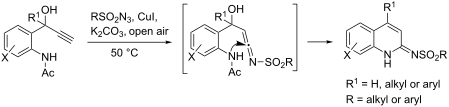
- another internal nucleophile in the same distance (6-membered) as a competitor. Results and Discussion Thus, we synthesized a substrate 3 (from 1 via 2a) through Grignard reaction followed by acetylation (Scheme 2). Substrate 3 contains two nucleophiles in the form of acetyl and acetamide groups at equal


Synthesis of zearalenone-16-β,D-glucoside and zearalenone-16-sulfate: A tale of protecting resorcylic acid lactones for regiocontrolled conjugation
Beilstein J. Org. Chem. 2014, 10, 1129–1134, doi:10.3762/bjoc.10.112

- phase transfer conditions led to complex product mixtures (Scheme 2C). Nevertheless, the procedure for selective acetylation of resorcylic acid esters and lactones was applied for the first synthesis of 14-O-acetylzearalenone (14) (Scheme 3). To avoid undesired cleavage of the acetyl group during
- ) and ZEN-16-sulfate (8). Sulfates shown as sodium salts. General strategy for the synthesis of RAL-2’-conjugation (Pg: protective group, pGlc: protected glucose moiety, pS: protected sulfate, Glc: β,D-glucoside). (A) Regioselective acetylation of resorcylic acid ester 9. (B) Lewis acid mediated
- glucosylation; no conversion of 10, partially rearrangement of 11 to glucosyl acetamide 12. (C) Königs–Knorr glucosylation; Ag(I): Ag2CO3 or Ag2O, CH2Cl2 or MeCN; PTG: phase transfer glucosylation, NaOH, tetrabutylammonium bromide, pH 10–11, CHCl3/H2O. Regioselective acetylation of ZEN (1) affording 14-O


cis–trans Isomerization of silybins A and B
Beilstein J. Org. Chem. 2014, 10, 1047–1063, doi:10.3762/bjoc.10.105
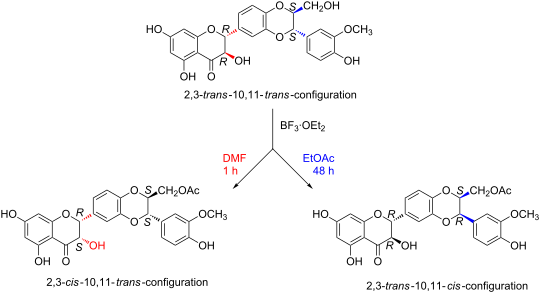
- decomposed, and in CHCl3 the reaction failed. In EtOAc, the reaction was accompanied by C-23 O-acetylation, which complicated the reaction mixture analysis. DMF at 50 °C was found to be the most suitable solvent for the isomerization and was used for further Lewis acid screening. Eventually, BF3·OEt2 proved
- the 10,11-cis-isomer with the 2R,3R configuration was not observed during/after the isomerization of 1a in EtOAc. All the reactions in EtOAc were accompanied by C-23 O-acetylation. Separation and purification of 2,3-cis-silybins The separation of 2,3-cis-silybin 7 from unreacted 2,3-trans-silybin 1a
- ], and at the preparatory scale by lipase-catalyzed discrimination [4][5]. However, chromatographic separation of 2,3-cis- and 2,3-trans-silybins is feasible after their C-23 O-acetylation, which can be accomplished with Novozym 435 in an acetone/vinyl acetate mixture, giving a nearly quantitative yield


Convergent synthesis of a tetrasaccharide repeating unit of the O-specific polysaccharide from the cell wall lipopolysaccharide of Azospirillum brasilense strain Sp7
Beilstein J. Org. Chem. 2014, 10, 293–299, doi:10.3762/bjoc.10.26
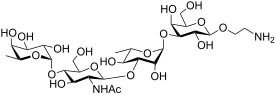
- reaction sequence consisting of 3,4-O-isopropylidenation with 2,2-dimethoxypropane in the presence of p-toluenesulfonic acid [37], conventional acetylation of the free hydroxy groups followed by acidic hydrolysis of the acetonide functionality. Selective acetylation of compound 7 by the formation of an


Synthesis of novel derivatives of 5-hydroxymethylcytosine and 5-formylcytosine as tools for epigenetics
Beilstein J. Org. Chem. 2014, 10, 7–11, doi:10.3762/bjoc.10.2
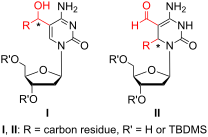
- -enzymes; Introduction Epigenetic modifications play a crucial role in cell differentiation and cell development [1]. They control gene expression through several mechanisms such as non-coding RNAs, histone modifications (acetylation, methylation, phosphorylation, etc.) [2], and DNA methylation [3][4][5


Synthesis and determination of the absolute configuration of (−)-(5R,6Z)-dendrolasin-5-acetate from the nudibranch Hypselodoris jacksoni
Beilstein J. Org. Chem. 2013, 9, 2925–2933, doi:10.3762/bjoc.9.329
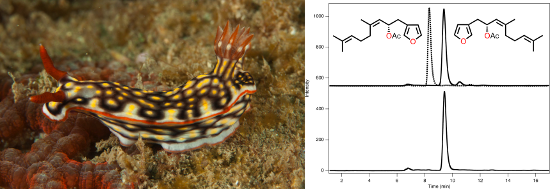
- (+)-pallescensone. A synthetic sample ([α]D −8.7) of the new metabolite was prepared by [1,2]-Wittig rearrangement of a geranylfuryl ether followed by acetylation of purified alcohol isomers. The absolute configuration at C-5 was established as R by the analysis of MPA ester derivatives of (Z)-5-hydroxydendrolasin
- characterization of 1, in particular the configuration at C-5. The synthesis, which was completed in five steps, involved preparation of 3-furylmethanol (4) and of geranyl bromide (5), etherification, [1,2]-Wittig rearrangement of geranyl 3-furylmethyl ether (6) to produce 7a/b, and acetylation to obtain target 1
- five-step synthesis involving [1,2]-Wittig rearrangement of geranyl furyl ether (6) followed by acetylation of the purified alcohol products. The absolute configuration in 1 was established as 5R by detailed comparison with MPA ester derivatives prepared from individual enantiomers of synthetic (6Z)-5


The myxocoumarins A and B from Stigmatella aurantiaca strain MYX-030
Beilstein J. Org. Chem. 2013, 9, 2579–2585, doi:10.3762/bjoc.9.293

- intermediate, putatively phloroglucinol (12) [36]. Nitrophenol 13 likely constitutes a direct biosynthetic precursor of the myxocoumarins. Upon O-acetylation of 13 with the long-chain β-keto acid building block 14, putatively recruited from fatty-acid biosynthesis, the intermediate ester 15 could undergo C–C


A protecting group-free synthesis of the Colorado potato beetle pheromone
Beilstein J. Org. Chem. 2013, 9, 2374–2377, doi:10.3762/bjoc.9.273
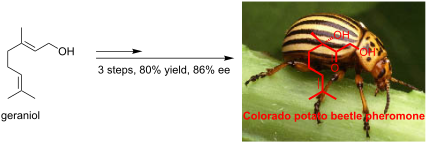
- the secondary alcohol at C-2. The synthesis by Faraldos runs via epoxidation of fluoronerol, subsequent acetylation of the alcohol and solvolysis. In 2010, Waymouth reported the chemoselective, catalytic oxidation of glycerol to dihydroxyacetone (Scheme 1) using catalytic [(neocuproine)PdOAc]2OTf2 (2


Cyclopamine analogs bearing exocyclic methylenes are highly potent and acid-stable inhibitors of hedgehog signaling
Beilstein J. Org. Chem. 2013, 9, 2328–2335, doi:10.3762/bjoc.9.267
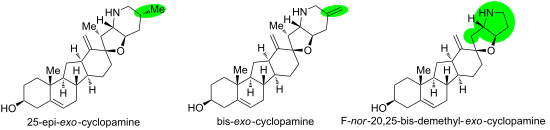
- modified F-ring was obtained starting again from azide 3 (see Scheme 1). Reduction of the lactone moiety to give a tetrahydrofuran was accomplished in three steps including (1) partial reduction to the lactol (DIBAl-H, THF, −78 °C to −60 °C, 95%), (2) acetylation (Ac2O, pyridine, cat. DMAP, quant.) and (3


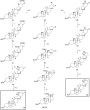

An overview of the synthetic routes to the best selling drugs containing 6-membered heterocycles
Beilstein J. Org. Chem. 2013, 9, 2265–2319, doi:10.3762/bjoc.9.265
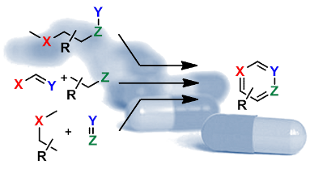
- between glyoxilic acid monohydrate (3.13) and 1,4-dithiane-2,5-diol (3.14) (Scheme 33) [87]. Subsequent acetylation of the hydroxy group followed by ester formation using (−)-L-menthol permits crystallisation separation of the two diastereoisomers. The use of bis-TBDMS-cytosine as a coupling partner in


Elucidation of the regio- and chemoselectivity of enzymatic allylic oxidations with Pleurotus sapidus – conversion of selected spirocyclic terpenoids and computational analysis
Beilstein J. Org. Chem. 2013, 9, 2233–2241, doi:10.3762/bjoc.9.262
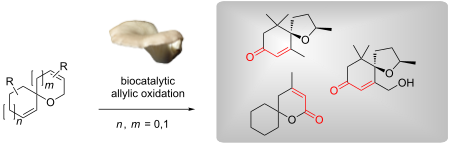
- been reported with POCl3 in pyridine. Again, this known protocol did not work satisfactory for us resulting in only minor amounts of the desired vitispirane (23). As a consequence, we decided to use an alternative method via acetylation and Pd-catalyzed elimination. This conversion gave vitispirane (23


The chemistry of isoindole natural products
Beilstein J. Org. Chem. 2013, 9, 2048–2078, doi:10.3762/bjoc.9.243
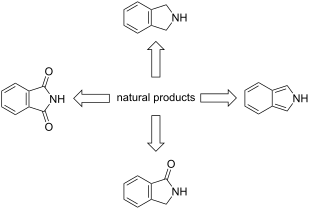
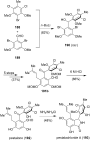
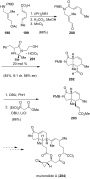
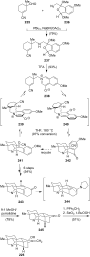
- reduction, acetylation and a magnesium sulfate induced rearrangement of the epoxide to the allylic alcohol. The synthesis of cytochalasin B 52 (15 steps from 73) proceeded in a similar fashion and was highlighted in detail by Hertweck [44]. The authors state that this approach is highly diversifiable and
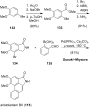
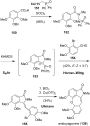
- ]. The synthesis commenced with the preparation of the isoindolinone building block 134. Friedel–Crafts acetylation of 132, followed by a Lieben haloform degradation gave the corresponding acid, which after methylation yielded 133. Bromination and lactam formation afforded isoindolinone 134. The


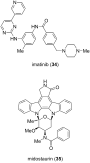


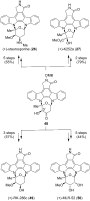


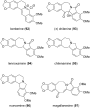

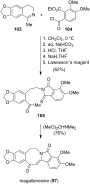









Synthesis of mucin-type O-glycan probes as aminopropyl glycosides
Beilstein J. Org. Chem. 2013, 9, 1867–1872, doi:10.3762/bjoc.9.218

- shown by TLC. Thus, the acetamido groups in the oligosaccharides were introduced by first removing the N-Troc protecting group using LiOH in THF at reflux, followed by complete acetylation in pyridine and acetic anhydride. It is important to highlight that the use of activated Zn dust in acetic acid to
- access disaccharide 20b, trichloroacetimidate glycoside donor 12 was reacted with 19 in the presence of catalytic TMSOTf to yield an inseparable mixture of disaccharide product 20a and unreacted starting material. Acetal cleavage with p-TsOH in MeOH under sonication followed by acetylation of the free OH
- cleavage of the 4,6-O-benzylidene acetals using p-TsOH in MeOH under sonication followed by removal of the N-Troc groups in the presence of LiOH and subsequent acetylation with pyridine and acetic anhydride formed the desired acetamido functionalities, removal of the ester groups under basic conditions was


Straightforward synthesis of a tetrasaccharide repeating unit corresponding to the O-antigen of Escherichia coli O16
Beilstein J. Org. Chem. 2013, 9, 1757–1762, doi:10.3762/bjoc.9.203

- separated by chromatography. Spectral analysis of compound 7 confirmed its formation (signals at δ 5.46 (d, J = 3.5 Hz, H-1A), 5.11 (d, J = 3.5 Hz, H-1C), 5.06 (br s, H-1B) and at δ 98.1 (C-1A), 98.0 (C-1B), 92.5 (C-1C) in the 1H and 13C NMR spectra, respectively). The de-O-acetylation of compound 7 by
- transfer hydrogenation with triethylsilane and 10% Pd/C [20]; (b) an acetylation using acetic anhydride and pyridine, and (c) a saponification reaction with sodium methoxide to furnish compound 1, which was purified over a Sephadex® LH-20 gel to give the pure compound 1 in 64% overall yield. The structure


New tridecapeptides of the theonellapeptolide family from the Indonesian sponge Theonella swinhoei
Beilstein J. Org. Chem. 2013, 9, 1643–1651, doi:10.3762/bjoc.9.188
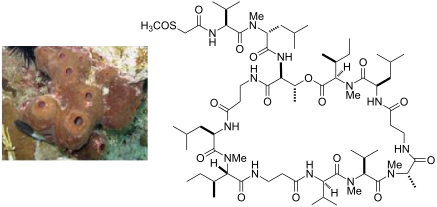
- 5.19) with the Me-Ile carbonyl group revealed the presence of an ester linkage. HMBC analysis also revealed that the amide carbonyl at δC 166.5 assigned to the methylsulfinylacetyl subunit was correlated to the Hα of Val-1 residue, thus establishing the acetylation of the N-terminus in 2. Methanolysis


Stability of SG1 nitroxide towards unprotected sugar and lithium salts: a preamble to cellulose modification by nitroxide-mediated graft polymerization
Beilstein J. Org. Chem. 2013, 9, 1589–1600, doi:10.3762/bjoc.9.181
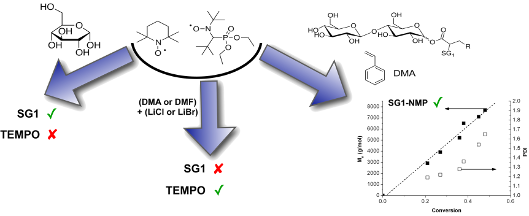
- di-tert-butyl nitroxide (DBN) as a control agent (Figure 1). The acetylation of VLA enabled the synthesis of well-defined glycopolymers with molar mass ranging from 2,000 to 40,000 g·mol−1 along with PDI values of about 1.1, whereas the NMP of VLA could not exceed Mn higher than 6,000, with PDI


Design and synthesis of tag-free photoprobes for the identification of the molecular target for CCG-1423, a novel inhibitor of the Rho/MKL1/SRF signaling pathway
Beilstein J. Org. Chem. 2013, 9, 966–973, doi:10.3762/bjoc.9.111
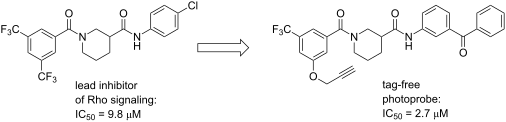
- began with the acetylation of 4-chloro-3-nitroaniline (9) followed by reduction of the nitro group using iron and hydrochloric acid to generate aniline 10. The azido group was introduced by diazotization/azidation to provide 11. Deacetylation with potassium hydroxide revealed aniline 12, which was then


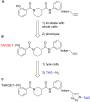


Recent progress in the discovery of small molecules for the treatment of amyotrophic lateral sclerosis (ALS)
Beilstein J. Org. Chem. 2013, 9, 717–732, doi:10.3762/bjoc.9.82
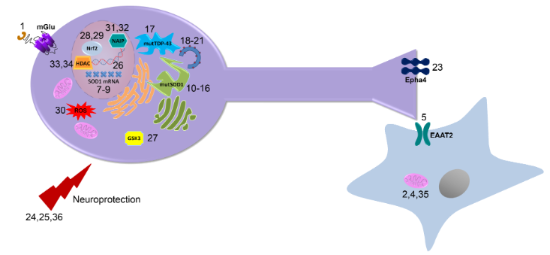
- gene analysis studies have discovered distinct gene expression profiles in ALS patients [69][70], indicating that transcriptional dysfunction may contribute to ALS pathology [71]. One mechanism of eliciting changes in gene expression is through the acetylation of histone proteins, which allows access
- of gene sequences to transcriptional complexes. SOD1 G93A mice have markedly reduced histone acetylation following disease onset as compared to control animals [71][72], supporting a role for aberrant transcriptional activity in disease progression. Consequently, histone deacetylase (HDAC) inhibitors
- neuromuscular junctions (NMJ) to be analyzed. Treatment with 34 increased histone acetylation in the spinal cord and skeletal muscle of SOD1 G93A mice, which corresponded with reduced motor neuron death and gliosis in the spinal cord of these animals [72]. Additionally, NMJ innervation was improved in mice


Short synthesis of the common trisaccharide core of kankanose and kankanoside isolated from Cistanche tubulosa
Beilstein J. Org. Chem. 2013, 9, 705–709, doi:10.3762/bjoc.9.80

- presence of molecular iodine [13] furnished compound 5 in 86% yield. Regioselective 3-O-glycosylation of compound 5 with L-rhamnose derived trichloroacetimidate derivative 3 [11] in the presence of NOBF4 [14] followed by acetylation in the same pot furnished disaccharide derivative 6 in 76% yield. In this
- case, NOBF4 acts as a promoter for the activation of the glycosyl trichloroacetimidate derivative as well as the acetylation of the sugar derivative with acetic anhydride. The formation of compound 6 was confirmed by its spectral analysis [signals at δ 5.44 (s, PhCH), 4.79 (br s, H-1B), 4.37 (d, J


Chemoenzymatic synthesis and biological evaluation of enantiomerically enriched 1-(β-hydroxypropyl)imidazolium- and triazolium-based ionic liquids
Beilstein J. Org. Chem. 2013, 9, 516–525, doi:10.3762/bjoc.9.56

- control the direction of an enzymatic reaction and its specificity in a nonaqueous environment has resulted in the development of so-called "solvent engineering". After testing several solvents for lipase-catalyzed acetylation of (±)-3a and (±)-3b with vinyl acetate, we determined the following order of
- turn, conversion exceeding 57% was beneficial for high optical purity of the remaining alcohol (+)-5a (Table 1, entries 6 and 7, >97% ee). In the lipase-catalyzed acetylation of alcohol (±)-3b the best results were achieved with native Pseudomonas fluorescens lipase (Amano AK) suspended in 2-methyl-2
- acetylation of (±)-3a, the highest reaction rates for (±)-3b were observed with Amano PS-IM in MTBE. As usual, the optical purities of the acetate, as well as of the remaining alcohol, were dependent on the enzyme used and the conversion rate. For example, with Amano AK the reaction reached 37% conversion


Efficient Cu-catalyzed base-free C–S coupling under conventional and microwave heating. A simple access to S-heterocycles and sulfides
Beilstein J. Org. Chem. 2013, 9, 467–475, doi:10.3762/bjoc.9.50

- and 2i (Table 3, entries 3 and 9). The reaction between 4-iodoaniline and 1 under CuI/1,10-phenanthroline catalysis afforded quantitatively the corresponding 4-iodoacetanilide as the only product. The acetylation of the amino group competes effectively with the cross-coupling reaction. A similar
- acetylation reaction was also observed with 2-iodophenol. In consequence, protected amino and hydroxy groups were required for the copper-mediated C–S bond formation to proceed properly (Table 3, entries 3, 4 and 9). This copper-catalyzed coupling reaction was also applied to heteroaromatic and other


Thermotropic and lyotropic behaviour of new liquid-crystalline materials with different hydrophilic groups: synthesis and mesomorphic properties
Beilstein J. Org. Chem. 2013, 9, 425–436, doi:10.3762/bjoc.9.45

- acid, ethanol was evaporated, and the aqueous mixture was left to stand in the refrigerator overnight. The crude substance was separated on fritted glass and crystallized from ethanol. Purification of crude phenol 2 was performed after its acetylation: 3 hours boiling with acetanhydride followed by


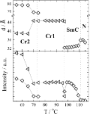


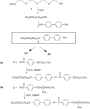


De novo synthesis of D- and L-fucosamine containing disaccharides
Beilstein J. Org. Chem. 2013, 9, 332–341, doi:10.3762/bjoc.9.38
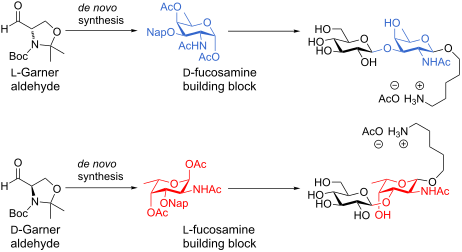
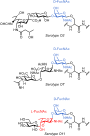
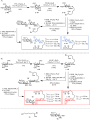
- strategic N-protecting group was evaluated. Direct glycosylation by using the building block D-8a was not possible. Hence, a direct N-Boc deprotection/N-acetylation sequence afforded D-10 in 84% yield (Scheme 6A). Direct glycosylation of D-10 by using glycosylating agent 11 [67] and BF3·Et2O as the



Synthesis and testing of the first azobenzene mannobioside as photoswitchable ligand for the bacterial lectin FimH
Beilstein J. Org. Chem. 2013, 9, 223–233, doi:10.3762/bjoc.9.26
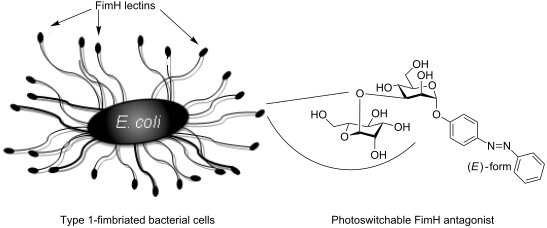
- , acetylation of the 4- and 6-hydroxy groups, and then acid-mediated regioselective ring opening of the 2,3-orthoester in the same pot to yield the free 3-OH azobenzene mannoside 10 in an overall yield of 43%. Thus, the required protecting group pattern was obtained in a highly efficient way, based on the
- regioselective opening of orthoacetates to yield a vicinal arrangement of equatorial OH and axial O-acetyl groups [21][22]. The acetylation pattern was clearly confirmed by 1H NMR spectroscopy showing the expected downfield shift for the H-3 signal resonating at 4.32 ppm (H-2: 5.30 ppm, H-4: 5.17 ppm). Next
- ). The crude orthoester-protected mannoside 9 (594 mg) was dissolved in pyridine (2.5 mL), and acetic anhydride (1.26 mL) was added for O-acetylation. The reaction mixture was stirred at rt for 3 h. Then, pyridine was removed under reduced pressure, and the residue was dissolved in ethyl acetate (20 mL