Search results
Search for "pyrrole" in Full Text gives 310 result(s) in Beilstein Journal of Organic Chemistry. Showing first 200.
An overview of recent advances in duplex DNA recognition by small molecules
Beilstein J. Org. Chem. 2018, 14, 1051–1086, doi:10.3762/bjoc.14.93
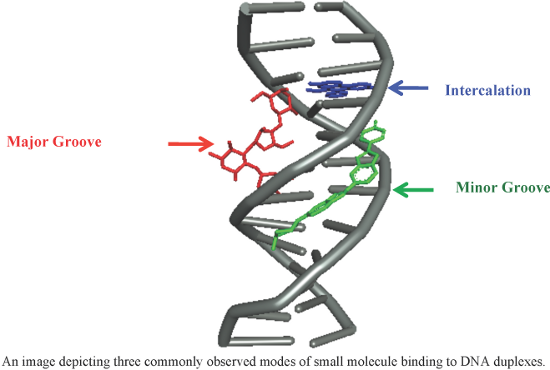
- significant antibacterial activity against Gram-positive bacterial strains [50]. Several other distamycin analogs were synthesized by replacing one or more pyrrole rings with other heterocycles such as pyrazoles [51], benzofurans [52], thiazoles, thiophenes, imidazole and oxazoles [53] in order to establish a
- structure–activity relationship. It has been observed that the number and position of pyrrole rings are crucial for antileukemic activity. The presence of pyrrole rings close to the alkylating BAM moiety is responsible for better cytotoxic activity both in vitro and in vivo, whereas a pyrazole ring in close
- lipophilicity [53]. These structural analogs comprise of branched N-alkyl- and N-cycloalkylpyrroles to test the conformational flexibility towards DNA binding. Hydrophobic N-terminal amides and substituted thiazole replacing pyrrole were installed in order to impart more lipophilicity. All these compounds were






An efficient and facile access to highly functionalized pyrrole derivatives
Beilstein J. Org. Chem. 2018, 14, 884–890, doi:10.3762/bjoc.14.75
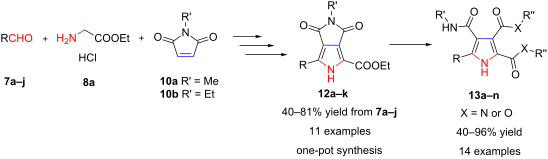
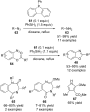
- Chinese Academy of Medical Sciences, 1 Xian Nong Tan Street, Beijing 100050, China 10.3762/bjoc.14.75 Abstract A straightforward and one-pot synthesis of pyrrolo[3,4-c]pyrrole-1,3-diones via Ag(I)-catalyzed 1,3-dipolar cycloaddition of azomethine ylides with N-alkyl maleimide, followed by readily
- substrates. It is conceivable that this efficient construction method for privileged pyrrole scaffolds could deliver more active compounds for medicinal chemistry research. Keywords: azomethine ylides; 1,3-dipolar cycloaddition; one-pot synthesis; polysubstituted pyrroles; pyrrolo[3,4-c]pyrrole-1,3-diones
- ; Introduction Pyrroles are an important class of five-membered nitrogen containing heterocycles which are widely used in numerous medically relevant fields. Pyrrolo[3,4-c]pyrrole-1,3-diones and highly substituted pyrroles with amide groups are important frameworks of pyrrole compounds that play important roles



Methyl isocyanide as a convertible functional group for the synthesis of spirocyclic oxindole γ-lactams via post-Ugi-4CR/transamidation/cyclization in a one-pot, three-step sequence
Beilstein J. Org. Chem. 2018, 14, 875–883, doi:10.3762/bjoc.14.74

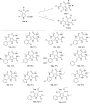
- Amarendar Reddy Maddirala Peter R. Andreana Department of Chemistry and Biochemistry and School of Green Chemistry and Engineering, University of Toledo, 2801 W. Bancroft Street, Toledo, OH 43606, USA 10.3762/bjoc.14.74 Abstract The synthesis of spiro[indoline-3,2'-pyrrole]-2,5'(1'H)-diones and
- synthetic method for these molecules that allows for structural diversity is also important but not necessarily trivial. For these and other reasons, we became interested in synthesizing spiro[indoline-3,2'-pyrrole]-2,5'(1'H)-dione and spiro[indoline-3,2'-pyrrolidine]-2,5'-dione scaffolds (a class of
- spirocyclic oxindole γ-lactams). There have been other groups in the past, including our own research group, who have reported on post-modified Ugi-four-component synthetic strategies (Scheme 1) towards the synthesis of 2-oxindoles and spiro[indoline-3,2'-pyrrole]-2,5'(1'H)-diones and spiro[indoline-3,2


Diels–Alder cycloadditions of N-arylpyrroles via aryne intermediates using diaryliodonium salts
Beilstein J. Org. Chem. 2018, 14, 354–363, doi:10.3762/bjoc.14.23
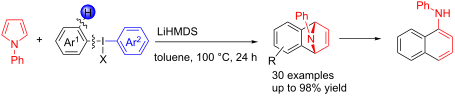
- photosensitive dyes. Keywords: benzyne; cycloaddition; diaryliodonium salts; N-phenylamine; pyrrole; Introduction Pyrrole is a very useful heterocyclic substrate to produce structural attributes of valuable chemicals, functional materials and pharmaceuticals [1][2][3][4][5]. Recently, arylation of pyrrole
- derivatives with diaryliodonium salts for pyrrole–aryl coupling products is generating tremendous academic interest in organic synthesis. In 2012, the Zhang and Yu group reported that sodium hydroxide promoted direct arylation of unprotected pyrroles with diaryliodonium salts at the temperature of 80 °C, the
- coupling products were obtained in moderate to good yields (Scheme 1a) [6]. Later in 2013, Xue and Xiao et al. developed a method of photoredox catalysis in the presence of [Ru(bpy)3]2+ with visible light for the coupling reaction of arenes with unprotected or N-substituted pyrroles, pyrrole substrates


Transition-metal-free [3 + 3] annulation of indol-2-ylmethyl carbanions to nitroarenes. A novel synthesis of indolo[3,2-b]quinolines (quindolines)
Beilstein J. Org. Chem. 2018, 14, 194–202, doi:10.3762/bjoc.14.14
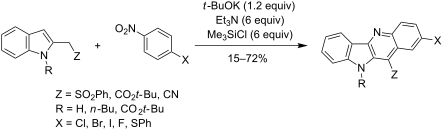
- ]. Several methods use prerequisite quinoline derivatives for the construction of the pyrrole ring of quindoline. 2-(2-Aminophenyl)-3-bromoquinoline cyclized to quindoline by reacting with pyridinium hydrochloride (d) [14]. Insertion of nitrene generated from 2-(2-nitrophenyl)quinoline by triethylphosphite


Progress in copper-catalyzed trifluoromethylation
Beilstein J. Org. Chem. 2018, 14, 155–181, doi:10.3762/bjoc.14.11
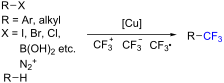
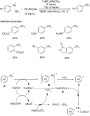
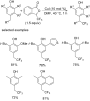
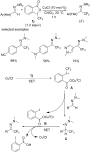
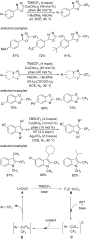
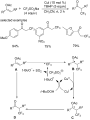
- conditions and Cu(OH)2 and Ag2CO3 were the best catalyst and oxidant, respectively. The electron density of the pyrrole ring had impact on the efficiency. N-Tosylindole and indole bearing the CO2Me group on C3 position were nearly unreactive. A plausible mechanism was proposed based on preliminary


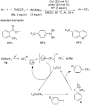


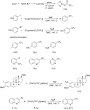









Reactivity of bromoselenophenes in palladium-catalyzed direct arylations
Beilstein J. Org. Chem. 2017, 13, 2862–2868, doi:10.3762/bjoc.13.278

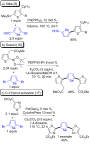
- allowed the coupling of several heteroaromatics such as thiazole, pyrrole, furan or imidazole derivatives with aryl bromides [36]. 2-Bromoselenophene, which was easily prepared by reaction of selenophene with N-bromosuccinimide [37], and 2-ethyl-4-methylthiazole were employed as model substrates for our
- . Gorelsky calculated that the Gibbs free energies of activation for the cleavage of C–H bonds at C5-position of thiophene or pyrrole derivatives, for reaction which proceed via concerted metallation–deprotonation [38][39][40], are higher than that of thiazoles (see bottom of Scheme 2) [42]. We assume that
- , due to these higher energies of activation for reactions with thiophene or pyrrole, larger amounts of selenophene oligomers were formed in the presence of these less reactive heteroarenes. Then, the reactivity of imidazo[1,2-a]pyridine, which contains a very reactive C–H bond at C3-position was



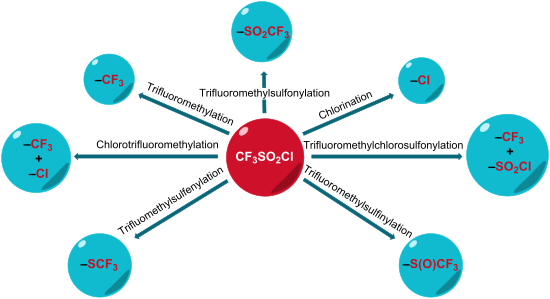
CF3SO2X (X = Na, Cl) as reagents for trifluoromethylation, trifluoromethylsulfenyl-, -sulfinyl- and -sulfonylation and chlorination. Part 2: Use of CF3SO2Cl
Beilstein J. Org. Chem. 2017, 13, 2800–2818, doi:10.3762/bjoc.13.273
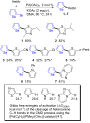
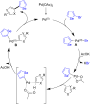
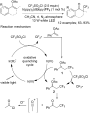
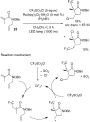
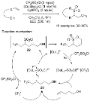
- -trifluoromethylsulfenylation did not occur with 3-substituted substrates. Other azaarenes, such as pyrrole derivatives, as well as enamines or silyl enol ethers were also compatible with these conditions, and furnished the corresponding products in moderate to good yields. The key step of the reaction comprises the formation
- trifluoromethylsulfenylated analogue (Scheme 33). Yi and co-workers reported that the reaction could also be performed in acetonitrile at 90 °C, with diethyl phosphite as the reducing agent (Scheme 34) [43]. These modifications allowed to get improved yields for the trifluoromethylsulfenylation of indole and pyrrole
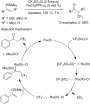
- of CF3SO2Cl and tricyclohexylphosphine, the trifluoromethylsulfinylation of various indole and pyrrole derivatives featuring diverse functional groups, as well as other azaarenes could be achieved in low to excellent yields (Scheme 38a). Generally, indole derivatives provided better results than








Vinylphosphonium and 2-aminovinylphosphonium salts – preparation and applications in organic synthesis
Beilstein J. Org. Chem. 2017, 13, 2710–2738, doi:10.3762/bjoc.13.269

- the nucleophilic agents used in these reactions were usually prepared by reaction of sodium hydride or sodium ethoxide with a proper nucleophile, such as diethylamine, piperidine, pyrrole, ethanol, p-toluenesulfonamide, thiophenol and others. Depending on the reactants used, Z- or E-stereoisomers of
- intramolecular Wittig reaction. The yields of the product ranged between 6 and 95% [13]. 2.2.3. Reactions with nitrogen nucleophiles: The reaction of vinylphosphonium salt with 2-pyrrolocarbaldehyde in the presence of sodium hydride as described by Schweizer et al. provided bicyclic pyrrole derivatives 47 in 25
- reaction that eventually led to pyrroline derivatives 118 (Scheme 67) [79]. Gelmi et al. also conducted a number of syntheses of pyrrole derivatives 120 from vinylphosphonium bromide 8 and protonated 5-(4H)-oxazolones 119 (Scheme 68, R3 = H) as well as the so-called münchnones 119 (Scheme 68, R3 = Me). The


Structure–property relationships and third-order nonlinearities in diketopyrrolopyrrole based D–π–A–π–D molecules
Beilstein J. Org. Chem. 2017, 13, 2374–2384, doi:10.3762/bjoc.13.235

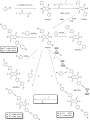
- , diketopyrrolopyrroles (DPP) represent an unique class of organic molecules based on central, fused, and conjugated bicyclic lactams of 2,5-dihydropyrrolo[3,4-c]pyrrole-1,4-dione. After its serendipitous discovery by Farnum et al. in 1974 [1] and subsequent first applications as organic, insoluble, and high-performance
- report herein the systematic modification of the 3,6-dithienyl-2,5-dihydropyrrolo[3,4-c]pyrrole-1,4-dione central acceptor with N,N-dimethylanilino (DMA), methoxyphenyl, thiophene, methoxythiophene, and ferrocene peripheral electron donors (Figure 1). Fundamental properties of D–π–A–π–D chromophores 1–5




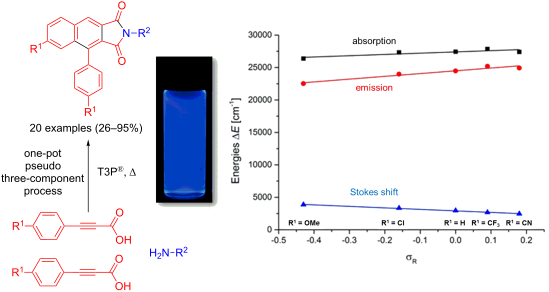
One-pot syntheses of blue-luminescent 4-aryl-1H-benzo[f]isoindole-1,3(2H)-diones by T3P® activation of 3-arylpropiolic acids
Beilstein J. Org. Chem. 2017, 13, 2340–2351, doi:10.3762/bjoc.13.231
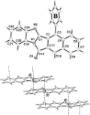
- structure determination of compound 4b (Figure 1). The twist angle of the phenyl substituent (ring A) and the 1H-pyrrole-2,5-dionyl moiety is 51.37(7)°, whereas the p-anisyl substituent (ring B) is considerably twisted against the adjacent six-membered ring by 70.95(7)° (Figure 1) [50]. Upon slightly




Synthesis and application of trifluoroethoxy-substituted phthalocyanines and subphthalocyanines
Beilstein J. Org. Chem. 2017, 13, 2273–2296, doi:10.3762/bjoc.13.224
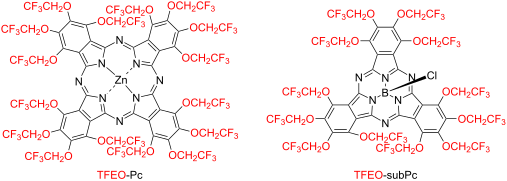
- strong, and the Stokes shift is small, about 10 nm. On the other hand, metal-free trifluoroethoxy-substituted phthalocyanine (TFEO-H2Pc) shows a split in the Q band due to its low symmetry [47]. In metal-free phthalocyanine, the four pyrrole units in the center of the macrocycle have two protons
- sensors [51]. Due to the strong electronegativity of fluorine, the acidity of these pyrrole rings is increased in TFEO-H2Pc. For this reason, it is susceptible to deprotonation, whereas protonation hardly occurs. Trifluoroethoxy-substituted nickel phthalocyanine (TFEO-NiPc) and trifluoroethoxy-substituted








Structural diversity in the host–guest complexes of the antifolate pemetrexed with native cyclodextrins: gas phase, solution and solid state studies
Beilstein J. Org. Chem. 2017, 13, 2252–2263, doi:10.3762/bjoc.13.222

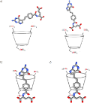
- spectrum of β-CD/PTX complex (Figure 4) displays clear cross-peaks between accordingly phenyl (H7 and H8, region A), pyrrole (H4, region B), and aliphatic linker (H5-H6, region C) protons of the PTX guest with the C–H ring protons of the β-CD host (H2, H3, H4 and H5). Protons H3 and H5 of β-CD which are




Conjugated nitrosoalkenes as Michael acceptors in carbon–carbon bond forming reactions: a review and perspective
Beilstein J. Org. Chem. 2017, 13, 2214–2234, doi:10.3762/bjoc.13.220
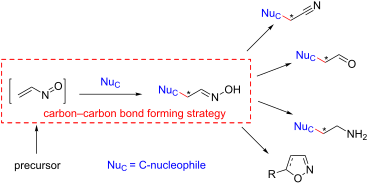
- . Gilchrist [70] employed oximinoalkylation of pyrrole as the initial stage in the synthesis of 1,2-dihydropyrrolizinone antibiotic 82 [71][72][73] (Scheme 29). The addition of ethyl 2-nitrosoacrylate (generated from ethyl bromopyruvate oxime) to pyrrole under basic conditions afforded product 67a in 61
- % yield. Subsequent reduction/protection of oxime and selective trifluoroacetylation provided 2,5-disubstituted pyrrole 83, which was cyclized to target dihydropyrrolizin-3-one 82. Kozikowski [74][75] used the advantage of selective oximinoalkylation of indoles to construct the core structure of
- NSA14 to electron-rich arenes. Addition of nitrosoalkenes NSA14 to pyrroles and indoles. Reaction of phosphinyl nitrosoalkenes NSA15 with indole. Reaction of pyrrole with α,α’-dihalooximes 70. Synthesis of indole-derived psammaplin A analogue 72. Synthesis of tryptophanes by reduction of


Regiodivergent condensation of 5-alkoxycarbonyl-1H-pyrrol-2,3-diones with cyclic ketazinones en route to spirocyclic scaffolds
Beilstein J. Org. Chem. 2017, 13, 2179–2185, doi:10.3762/bjoc.13.218
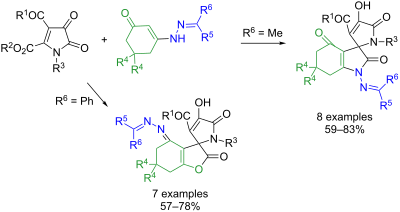
- demonstrated, the development of new efficient and highly selective synthetic tools is always desired. From this prospective, we have become greatly interested in the chemistry of 1H-pyrrole-2,3-diones, polyfunctional building blocks that have great potential for the synthesis of heterocyclic structures
- in the target-oriented synthesis of pyrrole-based natural alkaloids [34][35][36][37][38]. Herein we wish to report a new synthetic route towards spirocyclic scaffolds possessing partially hydrogenated indole or benzofuran cores. The featured approach is based on the highly efficient regiodivergent
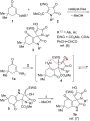
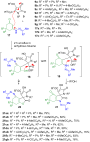
- spirocondensation of 5-alkoxycarbonyl-1H-pyrrole-2,3-diones (serving as 1,2-bis-electrophiles) with cyclic ketazinones (serving as either 1,3-C,N- or 1,3-C,O-bis-nucleophiles). Results and Discussion Previously, we demonstrated a convenient approach towards spiro[indole-3,2’-pyrroles] 3 based on catalyst-free





High-speed vibration-milling-promoted synthesis of symmetrical frameworks containing two or three pyrrole units
Beilstein J. Org. Chem. 2017, 13, 1957–1962, doi:10.3762/bjoc.13.190
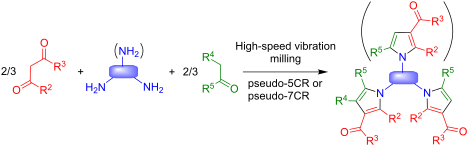
- -iodoketones (2 molecules), prepared in situ from aryl ketones, was performed efficiently under mechanochemical conditions involving high-speed vibration milling with a single zirconium oxide ball. This reaction afforded symmetrical frameworks containing two pyrrole or fused pyrrole units joined by a spacer
- , which are of interest in the exploration of chemical space for drug discovery purposes. The method was also extended to the synthesis of one compound containing three identical pyrrole fragments via a pseudo-seven-component reaction. Access to compounds having a double bond in their spacer chain was
- approaches to organic and inorganic synthesis [4][5][6][7][8][9][10][11][12][13]. Indeed, the protocol reported here can be viewed as a generalization of our previously published pyrrole synthesis based on the reaction between primary amines, β-dicarbonyl compounds and ketones, promoted by high-speed



Mechanochemical synthesis of small organic molecules
Beilstein J. Org. Chem. 2017, 13, 1907–1931, doi:10.3762/bjoc.13.186
- Hantzsch pyrrole synthesis is well known for the construction of poly substituted pyrroles [121][122]. In 1998, Jung and co-workers reported polymer supported solid phase synthesis of N-substituted pyrroles [123]. In 2013, Menendez and co-workers reported a ceric ammonium nitrate (CAN) and silver-nitrate
- -promoted three-component Hantzsch pyrrole synthesis under ball-milling conditions [121]. A ketone in presence of N-iodosuccinimide (NIS) and p-toluenesulfonic acid led to α-iodoketone in 1 h. Subsequent addition of the primary amine, β-dicarbonyl compound, 5 mol % CAN and 1 equiv silver nitrate led to the
- mechanochemical Paal–Knorr pyrrole synthesis using a solid bio-sourced acid like citric acid. Using substituted aniline, benzyl or aliphatic amine and 1,4-diketo compounds in presence of 1 mol % citric acid under ball-milling afforded the desired N-substituted pyrrole with quantitative yield (Scheme 34) [142


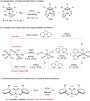


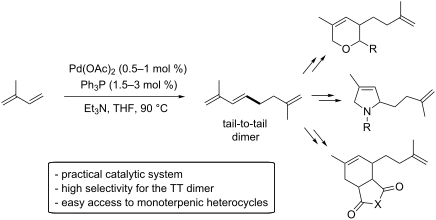
Pd(OAc)2/Ph3P-catalyzed dimerization of isoprene and synthesis of monoterpenic heterocycles
Beilstein J. Org. Chem. 2017, 13, 1807–1815, doi:10.3762/bjoc.13.175
- ), pyrrole derivative 7 was obtained as a colorless solid (162 mg, 0.53 mmol, 71%). 4-Methyl-2-(3-methylbut-3-en-1-yl)-1-tosyl-2,5-dihydro-1H-pyrrole (7) 1H NMR (400 MHz, CDCl3) δ 7.69 (d, J = 8.3 Hz, 2H, H-13), 7.28 (d, J = 8.3 Hz, 2H, H-14), 5.19 (dt, J = 3.3, 1.6 Hz, 1H, H-3), 4.72–4.65 (m, 2H, H-10


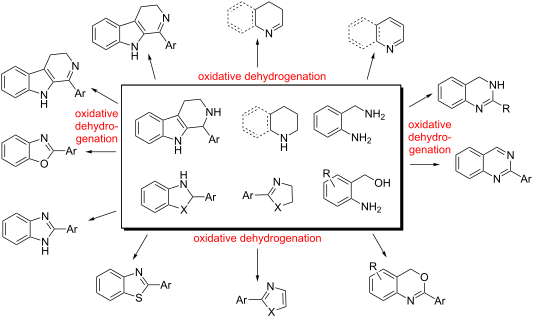
Oxidative dehydrogenation of C–C and C–N bonds: A convenient approach to access diverse (dihydro)heteroaromatic compounds
Beilstein J. Org. Chem. 2017, 13, 1670–1692, doi:10.3762/bjoc.13.162
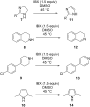
- ]. Encouraged by these results a variety of functionalized N-heterocycles were oxidatively dehydrogenated with IBX, to afford their aromatic counterpart. For example imidazoles 11, dihydroisoquinoline 12, pyridine 13, and pyrrole 14 were obtained from their corresponding heterocyclic precursors 7–10 in




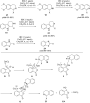


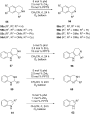


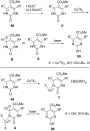


New electroactive asymmetrical chalcones and therefrom derived 2-amino- / 2-(1H-pyrrol-1-yl)pyrimidines, containing an N-[ω-(4-methoxyphenoxy)alkyl]carbazole fragment: synthesis, optical and electrochemical properties
Beilstein J. Org. Chem. 2017, 13, 1583–1595, doi:10.3762/bjoc.13.158

- found to lie in an interval of 60–80%. Electrochemical oxidation of the synthesized chromophores has resulted in the formation of colored thin oligomeric films that became possible due to the presence of carbazole or pyrrole fragments with free electron-rich positions. Keywords: carbazole; chalcone


Synthesis of oligonucleotides on a soluble support
Beilstein J. Org. Chem. 2017, 13, 1368–1387, doi:10.3762/bjoc.13.134
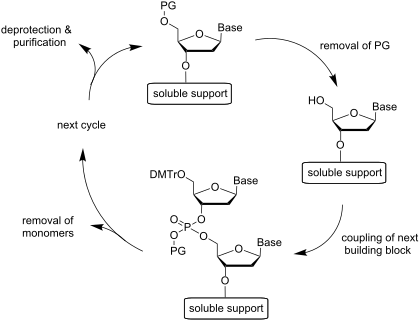
- of the reaction mixture was kept unchanged during the filtration by continuous addition of pure solvent. After changing the solvent to DCM, detritylation with dichloroacetic acid was performed using pyrrole as a scavenger for the DMTr cation [73]. It turned out, however, that the DMTr-pyrrole formed






Nucleophilic and electrophilic cyclization of N-alkyne-substituted pyrrole derivatives: Synthesis of pyrrolopyrazinone, pyrrolotriazinone, and pyrrolooxazinone moieties
Beilstein J. Org. Chem. 2017, 13, 825–834, doi:10.3762/bjoc.13.83
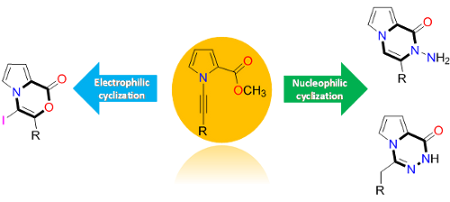
- pyrrole esters is described. Efficient routes towards the synthesis of pyrrolopyrazinone, pyrrolotriazinone and pyrrolooxazinone have been developed. First, N-alkyne-substituted pyrrole ester derivatives were synthesized. Introduction of various substituents into the alkyne functionality was accomplished
- by a copper-catalyzed cross-coupling reaction. Nucleophilic cyclization of N-alkyne-substituted methyl 1H-pyrrole-2-carboxylates with hydrazine afforded the 6-exo-dig/6-endo-dig cyclization products depending on the electronic nature of the substituents attached to the alkyne. On the other hand
- , cyclization of N-alkyne-substituted methyl 1H-pyrrole-2-carboxylates with iodine only resulted in the formation of the 6-endo-dig cyclization product regardless of the substitution of the alkyne functionality. Keywords: alkyne cyclization; pyrrole; pyrrolooxazinone; pyrrolopyrazinone; pyrrolotriazinone




N-Propargylamines: versatile building blocks in the construction of thiazole cores
Beilstein J. Org. Chem. 2017, 13, 625–638, doi:10.3762/bjoc.13.61
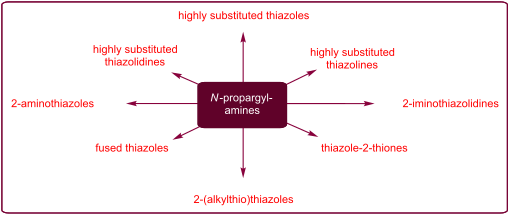
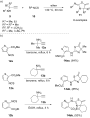
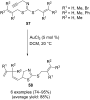
- patterns. It is well known that they can undergo a number of cyclization reactions to produce various N-heterocycles and complex natural products. In this context we recently reviewed their role in the syntheses of pyrrole [65], pyridine [66], quinoline [67], pyrazine [68], 1,4-oxazepane, and 1,4-diazepane




A versatile route to polythiophenes with functional pendant groups using alkyne chemistry
Beilstein J. Org. Chem. 2016, 12, 2682–2688, doi:10.3762/bjoc.12.265

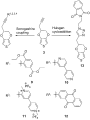
- cross-coupling reactions, cycloaddition reactions, radical reactions and reductive addition reactions. A terminal alkyne can also react as nucleophile or serve as synthon for pyrrole rings [24][25]. Thus we here fuse the rich alkyne chemistry to the EDOT backbone, resulting in a novel EDOT derivative


Catalytic Wittig and aza-Wittig reactions
Beilstein J. Org. Chem. 2016, 12, 2577–2587, doi:10.3762/bjoc.12.253
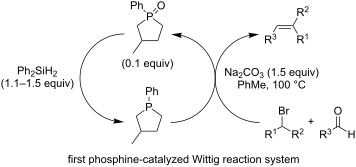
- by Marsden (Scheme 14). In their report they also described the synthesis of various other classes of heterocyclic compounds such as 3H-1,4-benzodiazepin-2(1H)-ones 65, 3H-1,4-benzodiazepin-5(4H)-ones 66, and pyrrole 67 from the corresponding starting materials using similar reaction conditions. In