Search results
Search for "water soluble" in Full Text gives 254 result(s) in Beilstein Journal of Organic Chemistry. Showing first 200.
Encapsulation of biocides by cyclodextrins: toward synergistic effects against pathogens
Beilstein J. Org. Chem. 2014, 10, 2603–2622, doi:10.3762/bjoc.10.273
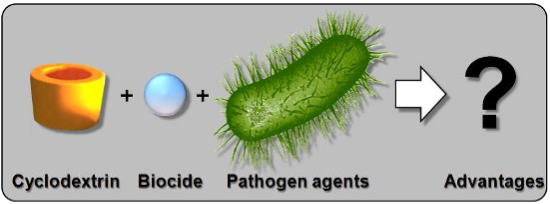
- hosts are probably the cyclodextrins (CDs). CDs can form water-soluble complexes with numerous hydrophobic compounds. They have been widespread used in medicine, drug delivery and are of interest for the biocides encapsulation. Indeed, this enables the development of more or less complex systems that
- -hydroxybenzoate, benzyl alcohol, 2-phenoxyethanol) [45]. The authors established a clear relationship between the binding constants and the antimicrobial activity of the preservatives on various strains: Staphylococcus aureus, Pseudomonas aeruginosa, Escherichia coli and C. albicans. Indeed, highly water-soluble
- some explanations for the cells lysis. Due to their structures, these amphiphilic biocides are more water-soluble than organic preservatives. Therefore, their encapsulation by CDs is generally not used to enhance their water-solubility. i) Antagonistic effect In 1992, Simpson reported that the


Synthesis and characterization of a hyper-branched water-soluble β-cyclodextrin polymer
Beilstein J. Org. Chem. 2014, 10, 2586–2593, doi:10.3762/bjoc.10.271
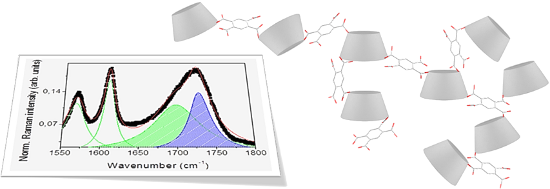
- hyper-branched water-soluble polymer was synthesized by reacting β-cyclodextrin with pyromellitic dianhydride beyond the critical conditions that allow the phenomenon of gelation to occur. The molar ratio between the monomers is a crucial parameter that rules the gelation process. Nevertheless, the
- polymer were assessed by solubility tests, ultrafiltration experiments, size exclusion chromatography and Raman or FTIR spectroscopy. The new water soluble hyper-branched polymer shows complexing properties towards organic molecules and inorganic cations. Results and Discussion Synthesis and chemical
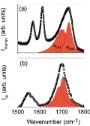
- cross-linker/β-CD molar ratio suggest that these water-soluble polymers are more likely composed of hyper-branched structures, rather than linear chains. This is consistent with the infrared and Raman analysis discussed below. In Figure 4a,b the Raman and FTIR–ATR spectra of the branched β-CD-based




Host–guest-driven color change in water: influence of cyclodextrin on the structure of a copper complex of poly((4-hydroxy-3-(pyridin-3-yldiazenyl)phenethyl)methacrylamide-co-dimethylacrylamide)
Beilstein J. Org. Chem. 2014, 10, 2480–2483, doi:10.3762/bjoc.10.259
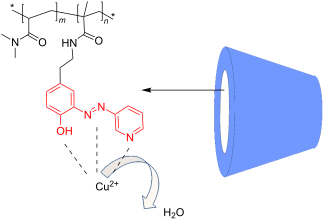
- of CD–dye hydrogels by addition of metal ions, as well as the sensing of copper ions using cyclodextrin–dye rotaxane [10][11]. Herewith we thus wish to describe our recent results about the synthesis of a water-soluble polymer bearing a novel azo dye and the presumed formation of complexes with Cu
- -(4-hydroxy-3-(pyridin-3-yldiazenyl)phenethyl) methacrylamide (5) and preparation of its water-soluble copolymer 7. Supporting Information Supporting Information File 434: Experimental.


Towards the sequence-specific multivalent molecular recognition of cyclodextrin oligomers
Beilstein J. Org. Chem. 2014, 10, 2428–2440, doi:10.3762/bjoc.10.253
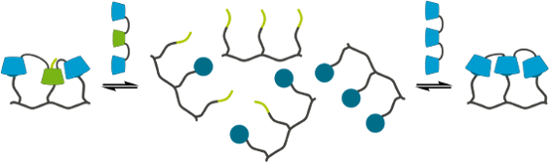
- Supporting Information File 1). The di- and trivalent guest strands 8–14 (Figure 1C, D) were synthesized by solid phase peptide synthesis using a standard Fmoc-protocol (Figure 3). Therefore the serine derivatives 15 and 16 (Figure 1E) and a water-soluble linker molecule were used. The purity of the guest


A versatile δ-aminolevulinic acid (ΑLA)-cyclodextrin bimodal conjugate-prodrug for PDT applications with the help of intracellular chemistry
Beilstein J. Org. Chem. 2014, 10, 2414–2420, doi:10.3762/bjoc.10.251
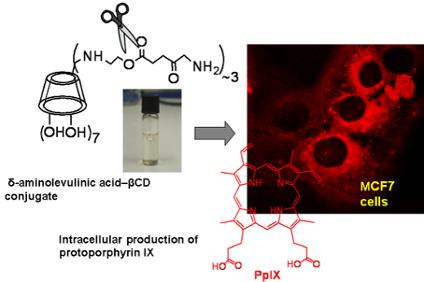
- , Aghia Paraskevi Attikis, 15310 Greece. Tel. +30210 6503796, Fax: +30 210 6511766 10.3762/bjoc.10.251 Abstract Grafting of δ-aminolevulinic acid (1) moieties on the narrow periphery of a β-cyclodextrin (β-CD) derivative through hydrolysable bonds was implemented, in order to generate a water-soluble
- , molecular/drug carrier with the capacity to undergo intracellular transformation into protoporphyrin IX (PpIX), an endogenous powerful photosensitizer for photodynamic therapy (PDT). The water-soluble derivative 2 was prepared by esterifying δ-azidolevulinic acid with heptakis(6-hydroxyethylamino-6-deoxy)-β
- -cyclodextrin, with an average degree of substitution, DS = 3. Delivery of water-soluble, colorless 2 to cells resulted in intense red fluorescence registered by confocal microscopy, evidently due to the engagement of the intracellular machinery towards formation of PpIX. Conjugate 2 was further complexed with


Oligomerization of optically active N-(4-hydroxyphenyl)mandelamide in the presence of β-cyclodextrin and the minor role of chirality
Beilstein J. Org. Chem. 2014, 10, 2361–2366, doi:10.3762/bjoc.10.246

- -cyclodextrin (CD) allows the oxidative coupling of poor water soluble phenol derivatives via complexation without using of organic solvents [6][7][8]. However, to the best of our knowledge, there were no studies published dealing with the potential enantioselective control of enzyme catalyzed oligomerization
- of both enantiomers of N-(4-hydroxyphenyl)mandelamide (1) were obtained though oxidative coupling with peroxidase and laccase and also via oligomerization with iron(II)-salen and hydrogen peroxide as a catalyzing system. In the presence of RAMEB-CD it was possible to oligomerize the poorly water
- soluble enantiomers of 1 without using organic solvents. In the case of oligomerization with laccase the monomeric residual keeps racemic. In contrast to this, with peroxidase the (S)-enantiomer of 1 slightly enriches the monomeric residual. RAMEB-CD promotes the (S)-enantiomer of 1 which was more readily


Molecular ordering at electrified interfaces: Template and potential effects
Beilstein J. Org. Chem. 2014, 10, 2243–2254, doi:10.3762/bjoc.10.233
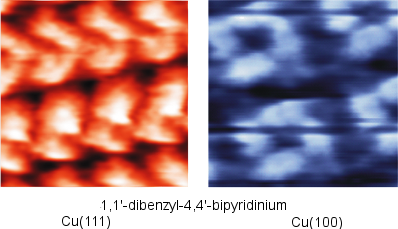
- also more economic than operating a vacuum evaporation system, in particular if the organic building blocks come in water-soluble form. In principle, the self-organization process of molecular adsorbates is driven by the interplay between adsorbate–adsorbate and adsorbate–substrate interactions. While




Photo, thermal and chemical degradation of riboflavin
Beilstein J. Org. Chem. 2014, 10, 1999–2012, doi:10.3762/bjoc.10.208

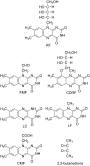
- , belongs to the class of water-soluble vitamins and is widely present in a variety of food products. It is sensitive to light and high temperature, and therefore, needs a consideration of these factors for its stability in food products and pharmaceutical preparations. A number of other factors have also
- photodegradation of RF has also been studied in various alcohols and alcohol/water mixtures alone [83] or with a water-soluble analog of vitamin E, namely trolox [84]. A photolysis study on four derivatives of RF performed in methanolic solutions identified a more efficient photodegradation in anaerobic




Sacrolide A, a new antimicrobial and cytotoxic oxylipin macrolide from the edible cyanobacterium Aphanothece sacrum
Beilstein J. Org. Chem. 2014, 10, 1808–1816, doi:10.3762/bjoc.10.190
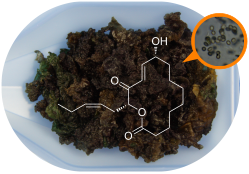
- fractionation resulted in the discovery of a new macrolactonic oxylipin, sacrolide A (1, Figure 1). Results and Discussion A. sacrum (500 g) was extracted with EtOH, and the combined extract was fractionated by solvent partitioning into n-hexane-, 10% aqueous MeOH-, 1-BuOH-, and water-soluble fractions


Multivalent scaffolds induce galectin-3 aggregation into nanoparticles
Beilstein J. Org. Chem. 2014, 10, 1570–1577, doi:10.3762/bjoc.10.162
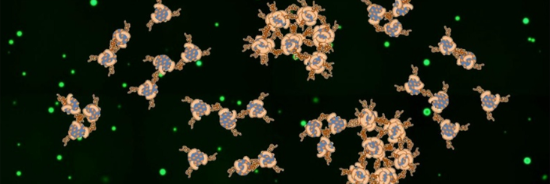
- . Results and Discussion Synthesis and characterization of glycodendrimers Poly(amidoamine) (PAMAM) dendrimers are well-defined, water-soluble, symmetric scaffolds that contain a controlled and tuneable number of end groups. The number of end groups is specified by the dendrimer generation and approximately


A promising cellulose-based polyzwitterion with pH-sensitive charges
Beilstein J. Org. Chem. 2014, 10, 1549–1556, doi:10.3762/bjoc.10.159
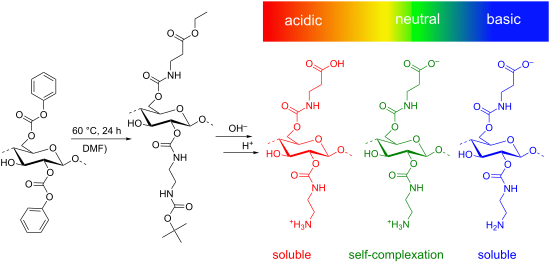
- example proteins, nucleotides, and polysaccharides like alginates. Synthetic ionic polymers are widely used in the field of water treatment [2], protein separation, desalination, binding of metal ions, in the oil industry [3] and nanotechnology [4]. In general, these polymers may be divided into water
- -soluble polyelectrolytes, containing anionic or cationic groups, and polyzwitterions that include both charges. While the addition of low molecular weight electrolyte cause the polyelectrolyte effect, i.e., the shrinking and precipitation of the polyelectrolyte, polyzwitterions show chain expansion and


An economical and safe procedure to synthesize 2-hydroxy-4-pentynoic acid: A precursor towards ‘clickable’ biodegradable polylactide
Beilstein J. Org. Chem. 2014, 10, 1365–1371, doi:10.3762/bjoc.10.139

- family of water-soluble and temperature responsive biodegradable PLA material with tunable lower critical solution temperature (LCST) in a range from 25 to 65 °C was obtained after ‘click’ grafting with a mixture of alkyl and PEG azides. Starting from the same precursor 1 [18], Yu and coworkers have


Molecular recognition of surface-immobilized carbohydrates by a synthetic lectin
Beilstein J. Org. Chem. 2014, 10, 1354–1364, doi:10.3762/bjoc.10.138
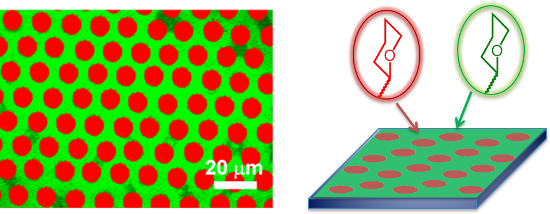
- introduction of this water soluble spacer should ensure the unhindered formation of the cyclic synthetic lectin FITC-HisHis from the FITC-labeled Cys-His-Cys by air oxidation. The spectroscopic and analytical data obtained for FITC-HisHis are fully consistent with the molecular structure (see Supporting
- ), respectively. In order to flexibly attach the carbohydrates on the substrate and to ensure unhindered carbohydrate–lectin interactions, oligo(ethylene glycol) spacers were introduced. Oligo(ethylene glycol) chains are flexible, water-soluble and do not interact with lectins [46]. A nucleophilic primary amine


Glycosystems in nanotechnology: Gold glyconanoparticles as carrier for anti-HIV prodrugs
Beilstein J. Org. Chem. 2014, 10, 1339–1346, doi:10.3762/bjoc.10.136
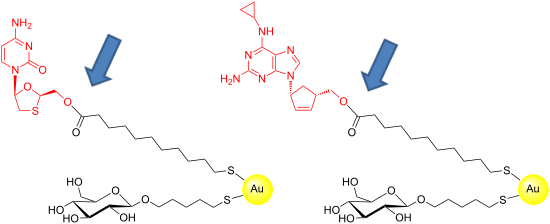
- the presence of multiple antiretroviral molecules on carbohydrate-coated gold nanoparticles could lead to a drug-delivery system and/or microbicides able to inhibit viral replication or to prevent sexual infection. We have previously demonstrated that glucose-coated gold nanoparticles are water
- -soluble and non-cytotoxic to different cell lines at the tested concentrations [22]. Glucose-coated nanomaterials have been proposed as good intracellular delivery tool and the internalization and uptake of glucose-coated nanoparticles have been described on different cell lines [23][24][25][26]. In


Magnesium bis(monoperoxyphthalate) hexahydrate as mild and efficient oxidant for the synthesis of selenones
Beilstein J. Org. Chem. 2014, 10, 1267–1271, doi:10.3762/bjoc.10.127

- corresponding selenone in 68% yield. It is noteworthy that the reaction byproduct magnesium phthalate is water soluble and easy to separate during work-up; acidification of the water phase and extraction with dichloromethane allows to recover the pure phthalic acid in excellent yield. This protocol was then
- handling and easier to use. Furthermore, the water soluble reaction byproducts magnesium phthalate and benzeneseleninate anion are generally easy to separate during work-up; the former could be recovered without additional purification as phthalic acid up to 85%, and the latter as diphenyl diselenide [21


Molecular architecture with carbohydrate functionalized β-peptides adopting 314-helical conformation
Beilstein J. Org. Chem. 2014, 10, 948–955, doi:10.3762/bjoc.10.93

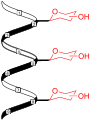
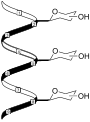
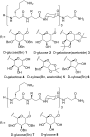
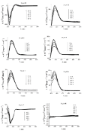
- -helix. The sugar hydroxy groups permit additional interactions of the water-soluble peptides. Further, uniform orientation and defined distances of side-chain sugar residues offer the opportunity to use sugar functionalized peptide scaffolds to study multivalency in carbohydrate recognition. The glucose


End-group-functionalized poly(N,N-diethylacrylamide) via free-radical chain transfer polymerization: Influence of sulfur oxidation and cyclodextrin on self-organization and cloud points in water
Beilstein J. Org. Chem. 2014, 10, 680–691, doi:10.3762/bjoc.10.61
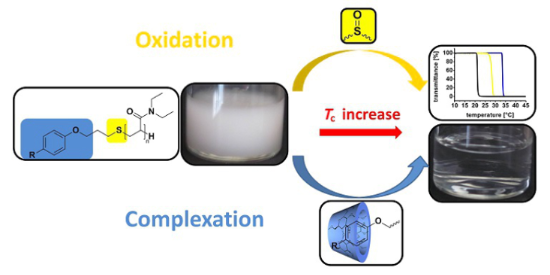
- temperature are widely investigated [13]. Within this group of materials, thermosensitive water-soluble polymers, possessing a lower critical solution temperature (LCST), have attracted much attention in several studies within the last decades [13][14][15][16][17]. The nature of the end-group of a short chain


Total synthesis and cytotoxicity of the marine natural product malevamide D and a photoreactive analog
Beilstein J. Org. Chem. 2014, 10, 316–322, doi:10.3762/bjoc.10.29
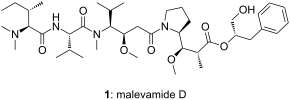
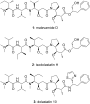
- 200 times less active than the natural product 1. Lower cytotoxicity may be associated with solubility problems. We will now search for more water-soluble, photoactivatable analogs of 1. Nunes and coworkers had synthesized a benzophenone-labelled derivative of the analog HTI-286, which competes with 3




Carbenoid-mediated nucleophilic “hydrolysis” of 2-(dichloromethylidene)-1,1,3,3-tetramethylindane with DMSO participation, affording access to one-sidedly overcrowded ketone and bromoalkene descendants§
Beilstein J. Org. Chem. 2014, 10, 307–315, doi:10.3762/bjoc.10.28

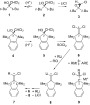
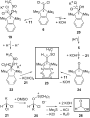
- , equally intense methyl singlet signals, as expected for 10, appeared after seven hours at 100 °C. However, the usual (Et2O/water) work-up procedure did not afford any (acidic or nonacidic) organic product, which suggests that 6 or 10 were converted to water-soluble, unserviceable arenesulfonic acids that
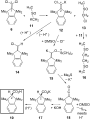
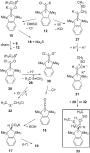
- (ca. 0.001 M [21]) of KOH in DMSO. Granting preference to the chlorine transfer from 6 to 11, the byproduct 13 of 12 would hardly be traceable: even if 13 reacted with 11, for example, the resultant water-soluble [28] bis(sulfoxide) 16 might get lost in the usual procedure of aqueous work-up. As an


Synthesis and biological activity of N-substituted-tetrahydro-γ-carbolines containing peptide residues
Beilstein J. Org. Chem. 2014, 10, 155–162, doi:10.3762/bjoc.10.13
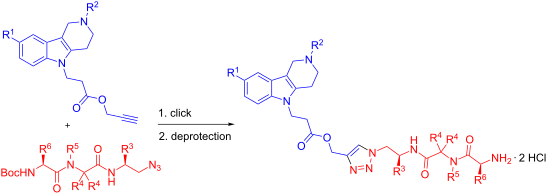
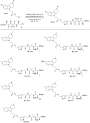
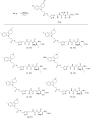
- cases affording the desired conjugates 6a–g in good yields. Next, we turned our attention to the deprotection of the amine function in the peptide residues, in order to obtain water-soluble conjugates. Thus, N-Boc protecting groups were removed from compounds 6a–g with 2 M HCl in methanol to give the


Synthesis of nucleotide–amino acid conjugates designed for photo-CIDNP experiments by a phosphotriester approach
Beilstein J. Org. Chem. 2013, 9, 2898–2909, doi:10.3762/bjoc.9.326

- experiments, has a disadvantage of a relatively low absorbance at a wavelength of 308 nm at physiological pH. As an alternative, in our investigations water soluble carboxylic derivatives of benzophenone (namely, 4-carboxy-, 3-carboxy- and 3,3’,4,4’-tetracarboxybenzophenone) were used as efficient


Oligomeric epoxide–amine adducts based on 2-amino-N-isopropylacetamide and α-amino-ε-caprolactam: Solubility in presence of cyclodextrin and curing properties
Beilstein J. Org. Chem. 2013, 9, 2803–2811, doi:10.3762/bjoc.9.315
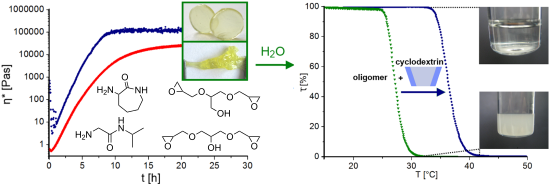
- [5]. The Tc can be influenced for example through copolymerization with hydrophobic or hydrophilic comonomers and further through supramolecular interactions of these comonomers with cyclodextrins (CD) [6][7][8][9][10]. Generally, CDs are water soluble and their ability of forming inclusion complexes
- resins exhibit poor solubility in water [15][16][17]. Accordingly, epoxide–amine polymers are not yet deeply investigated in respect to LCST behavior [18][19]. At present, most available bio-based and water soluble epoxy resins are expensive and use petroleum-based curing agents [20]. Thus, in the
- around 1–3 thousands. Interestingly, the calculated values due to Carothers’ equation (1.2-fold excess of the amine, complete conversion) gave an average molecular weight of 1760 g/mol for 9 and 1826 g/mol for 10, respectively. Conclusion Two novel water soluble and thermoresponsive glycerol diglycidyl




3-Pyridinols and 5-pyrimidinols: Tailor-made for use in synergistic radical-trapping co-antioxidant systems
Beilstein J. Org. Chem. 2013, 9, 2781–2792, doi:10.3762/bjoc.9.313
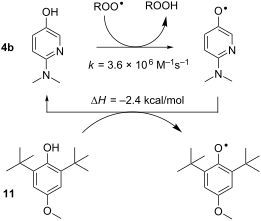
- water-soluble reducing equivalent into a lipid-soluble one [5][6][7]. In recent years, some of us have worked to understand the kinetic and thermodynamic basis for synergism among radical-trapping antioxidants in homogeneous solution, which is summarized in Scheme 3 [8][9]. When two (or more




Advancements in the mechanistic understanding of the copper-catalyzed azide–alkyne cycloaddition
Beilstein J. Org. Chem. 2013, 9, 2715–2750, doi:10.3762/bjoc.9.308
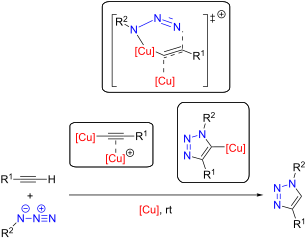
- agent, the water-soluble tris(2-carboxyethyl)phosphine (TCEP; often prepared and used as its hydrochloride salt TCEP·HCl) can be employed [45][46][47][48][49][50][51][52][53][54][55], which is especially suitable for applications in biological systems because it also protects cysteine residues in
- (1 mol %) and TBTA (1 mol %) under aerobic conditions [64]. Cyclic voltammetry measurements have supported the hypothesis of TBTA influencing the redox activity of copper(I), as the redox potential of the Cu(I)/Cu(II) pair was shown to rise by approximately 300 mV when the water-soluble derivative
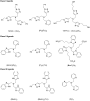
- CuAAC in the bioconjugation reaction with cowpea mosaic virus (Scheme 3) [45], water-soluble derivatives such as THPTA [70][71][72][73][74][75][76][77][78], BTTP [79], BTTAA [74], BTTES [68], and BTTPS [79] have been applied in CuAAC reactions (Figure 1). Closely related to tris(triazolylmethyl)amines




Garner’s aldehyde as a versatile intermediate in the synthesis of enantiopure natural products
Beilstein J. Org. Chem. 2013, 9, 2641–2659, doi:10.3762/bjoc.9.300
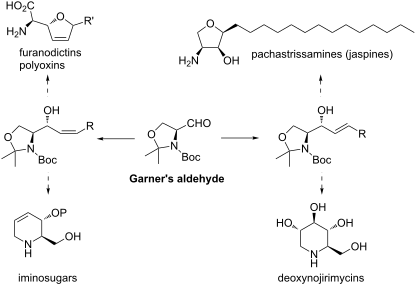
- –Emmons reaction (HWE). The HWE reaction has many advantages over the Wittig olefination. The phosphonate anions tend to be more nucleophilic (less basic) than the corresponding phosphorous ylides. The byproducts, dialkyl phosphates are water soluble and hence easier to remove from the product compared to