


Search results
Search for "iodide recognition" in Full Text gives 2 result(s) in Beilstein Journal of Organic Chemistry.
Conformational effects on iodide binding: a comparative study of flexible and rigid carbazole macrocyclic analogs
Beilstein J. Org. Chem. 2025, 21, 2369–2375, doi:10.3762/bjoc.21.181
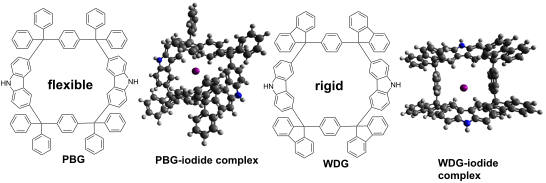
- efficient iodide recognition and suggests possible applications in environmental monitoring, particularly for detecting radioactive iodine species in nuclear waste streams. Additionally, the cavity size of the macrocycle can be precisely modulated by varying the number of bridging benzene substituents

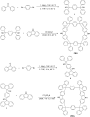


Fluorometric recognition of both dihydrogen phosphate and iodide by a new flexible anthracene linked benzimidazolium-based receptor
Beilstein J. Org. Chem. 2011, 7, 254–264, doi:10.3762/bjoc.7.34
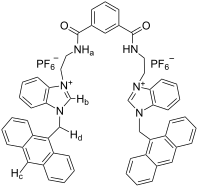
- ; dihydrogenphosphate recognition; iodide recognition; Introduction The selective recognition of anionic species by artificial abiotic receptors is a rapidly growing area in supramolecular chemistry [1][2][3][4][5][6]. Anion recognition has gained significant importance as it plays an important role in a wide range of
- such as neurological activity and thyroid function. The iodide content of urine and milk is often required to provide information for nutritional, metabolic, and epidemiological studies of thyroid disorder [40]. In relation to this, very few reports on iodide recognition are known in the literature [41


Other Beilstein-Institut Open Science Activities



