


Search results
Search for "squaramides" in Full Text gives 21 result(s) in Beilstein Journal of Organic Chemistry.
Screwing the helical chirality through terminal peri-functionalization
- Devesh Chandra,
- Sachin and
- Upendra Sharma
Beilstein J. Org. Chem. 2026, 22, 205–212, doi:10.3762/bjoc.22.14
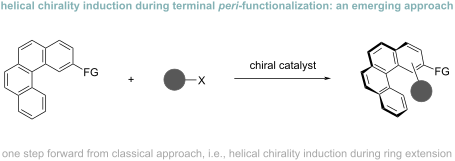
- through a catalytic kinetic resolution (KR) process was developed by Liu and co-workers [32]. The authors screened a range of organocatalysts, i.e., Takemoto’s thiourea catalyst, (S,S)-1,2-cyclohexanediamine-derived thioureas, cinchona alkaloid-derived thiourea, and squaramides to achieve the desired

Graphical Abstract

Figure 1: Representation of the general practices for the induction of helical chirality in organic scaffolds...

Scheme 1: Asymmetric synthesis of carbohelicenes via peri-C–H functionalization.

Figure 2: Stereomodel for peri-terminal functionalization of carbohelicene. (Figure 2 was reproduced from [32] (© 2024 X....

Scheme 2: Scale-up synthesis and post-synthetic application of chiral helical product 3.

Scheme 3: Asymmetric peri-C–H functionalization of nitro-substituted oxa[5]helicenes.

Scheme 4: Scale-up synthesis and post-synthetic application of chiral helical product 8g.

Scheme 5: Post-synthetic transformation of product 8g to chiral phosphine ligand 12 and its application in Pd...

Figure 3: Stereomodel for the asymmetric peri-C–H functionalization of oxa[5]helicene. (Figure 3 was reproduced from [33]...
Oxetanes: formation, reactivity and total syntheses of natural products
- Peter Gabko,
- Martin Kalník and
- Maroš Bella
Beilstein J. Org. Chem. 2025, 21, 1324–1373, doi:10.3762/bjoc.21.101
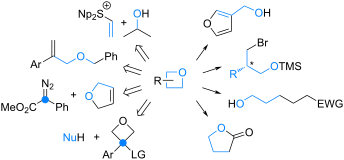

Graphical Abstract

Figure 1: Bond lengths and bond angles in oxetane at 140 K [2].

Figure 2: Analogy of 3-substituted oxetanes to carbonyl and gem-dimethyl groups [12].

Figure 3: Use of oxetanes in drug design – selected examples.

Figure 4: Examples of oxetane-containing natural products.

Scheme 1: Synthetic strategies towards construction of the oxetane ring.

Scheme 2: Overview of intramolecular Williamson etherification and competing Grob fragmentation.

Scheme 3: Synthesis of spiro-oxetanes via 1,4-C–H insertion and Williamson etherification.

Scheme 4: Use of phenyl vinyl selenone in the synthesis of spirooxindole oxetanes.

Scheme 5: Synthesis of bicyclic 3,5-anhydrofuranoses via double epoxide opening/etherification.

Scheme 6: Preparation of spirooxetanes by cycloisomerisation via MHAT/RPC.

Scheme 7: Oxetane synthesis via alcohol C–H functionalisation.

Scheme 8: Access to oxetanes 38 from α-acetyloxy iodides.

Scheme 9: The kilogram-scale synthesis of oxetane intermediate 41.

Scheme 10: Overview of the intramolecular opening of 3-membered rings.

Scheme 11: Synthesis of 4,7-dioxatricyclo[3.2.1.03,6]octane skeletons.

Scheme 12: Silicon-directed electrophilic cyclisation of homoallylic alcohols.

Scheme 13: Hydrosilylation–iodocyclisation of homopropargylic alcohols.

Scheme 14: Cu-catalysed intramolecular O-vinylation of γ-bromohomoallylic alcohols.

Scheme 15: Cu-catalysed intramolecular cross-coupling of hydroxyvinylstannanes.

Scheme 16: Isomerisation of oxiranyl ethers containing weakly carbanion-stabilising groups.

Scheme 17: Cyclisation of diethyl haloalkoxymalonates.

Scheme 18: Synthesis of oxetanes through a 1,5-HAT/radical recombination sequence.

Scheme 19: General approach to oxetanes via [2 + 2] cycloadditions.

Scheme 20: Synthesis of tricyclic 4:4:4 oxetanes through a photochemical triple cascade reaction.

Scheme 21: Iridium-catalysed Paternò–Büchi reaction between α-ketoesters and simple alkenes.

Scheme 22: Three-step synthesis of spirocyclic oxetanes 83 via Paternò–Büchi reaction, nucleophilic ring openi...

Scheme 23: Enantioselective Paternò–Büchi reaction catalysed by a chiral iridium photocatalyst.

Scheme 24: Synthesis of polysubstituted oxetanes 92 via Cu(II)-mediated formal [2 + 2] cycloadditions.
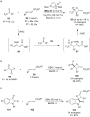
Scheme 25: Synthesis of alkylideneoxetanes via NHC- and DBU-mediated formal [2 + 2] cycloadditions.

Scheme 26: Use of sulphur-stabilised carbanions in ring expansions.

Scheme 27: Synthesis of α,α-difluoro(arylthio)methyl oxetanes.

Scheme 28: Ring expansion in an industrial synthesis of PF-06878031.

Scheme 29: Ring contraction of triflated 2-hydroxy-γ-lactones.

Scheme 30: Ring contraction in an industrial synthesis of PF-06878031.

Scheme 31: Photochemical ring contraction of 2,5-dihydrofurans by aryldiazoacetic acid esters.

Scheme 32: Synthesis of 3-oxetanones via O-H insertion of carbenes.

Scheme 33: Synthesis of phosphonate oxetanones via gold-mediated alkyne oxidation/O–H insertion.

Scheme 34: Syntheses and common derivatisations of 3-oxetanone.

Scheme 35: SN1 substitution of 3-aryloxetan-3-ols by thiols and alcohols.

Scheme 36: Fe–Ni dual-catalytic olefin hydroarylation towards 3-alkyl-3-(hetero)aryloxetanes.

Scheme 37: Synthesis of 3-aryloxetan-3-carboxylic acids.

Scheme 38: Decarboxylative alkylation of 3-aryloxetan-3-carboxylic acids.

Scheme 39: Synthesis of 3-amino-3-aryloxetanes via photoredox/nickel cross-coupling catalysis.
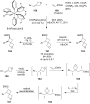
Scheme 40: Intermolecular cross-selective [2 + 2] photocycloaddition towards spirooxetanes.

Scheme 41: Synthesis of 3-aryl-3-aminooxetanes via defluorosulphonylative coupling.

Scheme 42: Two-step synthesis of amide bioisosteres via benzotriazolyl Mannich adducts 170.

Scheme 43: Functionalisation of oxetanyl trichloroacetimidates 172.

Scheme 44: Synthesis of oxetane-amino esters 176.

Scheme 45: Tandem Friedel–Crafts alkylation/intramolecular ring opening of 3-aryloxetan-3-ols.

Scheme 46: Synthesis of polysubstituted furans and pyrroles.

Scheme 47: Synthesis of oxazolines and bisoxazolines.

Scheme 48: Tandem, one-pot syntheses of various polycyclic heterocycles.

Scheme 49: Synthesis of 1,2-dihydroquinolines via skeletal reorganisation of oxetanes.

Scheme 50: Synthesis of benzoindolines and 2,3-dihydrobenzofurans and their derivatisations.

Scheme 51: Synthesis of polysubstituted 1,4-dioxanes.

Scheme 52: Preparation of various lactones via ring opening of oxetane-carboxylic acids 219.

Scheme 53: Tsuji-Trost allylation/ring opening of 3-aminooxetanes.

Scheme 54: Arylative skeletal rearrangement of 3-vinyloxetan-3-ols to 2,5-dihydrofurans.

Scheme 55: Reductive opening of oxetanes using catalytic Mg–H species.

Scheme 56: Opening of oxetanes by silyl ketene acetals.

Scheme 57: Rhodium-catalysed hydroacylation of oxetanes.

Scheme 58: Generation of radicals from oxetanes mediated by a vitamin B12-derived cobalt catalyst.

Scheme 59: Reductive opening of oxetanes by B–Si frustrated Lewis pairs.
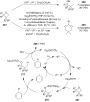
Scheme 60: Zirconocene-mediated reductive opening of oxetanes.

Scheme 61: Enantioselective syntheses of small and medium-size rings using chiral phosphoric acids.

Scheme 62: Asymmetric synthesis of 2,3-dihydrobenzo[b]oxepines catalysed by a chiral scandium complex.

Scheme 63: Enantioselective synthesis of 1,3-bromohydrins under a chiral squaramide catalysis.

Scheme 64: Enantioselective opening of 2-aryl-2-ethynyloxetanes by anilines.

Scheme 65: Ru-catalysed insertion of diazocarbonyls into oxetanes.

Scheme 66: Ring expansion of oxetanes by stabilised carbenes generated under blue light irradiation.

Scheme 67: Expansion of oxetanes via nickel-catalysed insertion of alkynyltrifluoroborates.

Scheme 68: Nickel-catalysed expansion of oxetanes into ε-caprolactones.

Scheme 69: Expansion of oxetanes via cobalt-catalysed carbonyl insertion.

Scheme 70: Gold-catalysed intramolecular 1,1-carboalkoxylation of oxetane-ynamides.

Scheme 71: Expansion of oxetanes by stabilised sulphoxonium ylides.

Scheme 72: Cu-catalysed ring expansion of 2-vinyloxetanes by diazoesters.

Scheme 73: Total synthesis of (+)-oxetin.

Scheme 74: Total synthesis of racemic oxetanocin A.

Scheme 75: Total synthesis of (−)-merrilactone A.
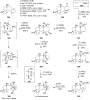
Scheme 76: Total synthesis of (+)-dictyoxetane.

Scheme 77: Total synthesis of ent-dichrocephone B.

Scheme 78: Total synthesis of (−)-mitrephorone A.
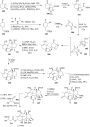
Scheme 79: Total synthesis of (−)-taxol.
Recent advances in organocatalytic atroposelective reactions
- Henrich Szabados and
- Radovan Šebesta
Beilstein J. Org. Chem. 2025, 21, 55–121, doi:10.3762/bjoc.21.6
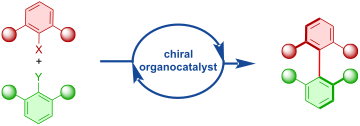

Graphical Abstract

Scheme 1: Formation of axially chiral styrenes 3 via iminium activation.

Scheme 2: Synthesis of axially chiral 2-arylquinolines 6.

Scheme 3: Atroposelective intramolecular (4 + 2) annulation leading to aryl-substituted indolines.

Scheme 4: Atroposelective formation of biaryl via twofold aldol condensation.

Scheme 5: Strategy towards diastereodivergent formation of axially chiral oligonaphthylenes.

Scheme 6: Atroposelective formation of chiral biaryls based on a Michael/Henry domino reaction.

Scheme 7: Organocatalytic Michael/aldol cascade followed by oxidative aromatization.

Scheme 8: Atroposelective formation of C(sp2)–C(sp3) axially chiral compounds.

Scheme 9: NHC-catalyzed synthesis of axially chiral styrenes 26.

Scheme 10: NHC-catalyzed synthesis of biaxial chiral pyranones.

Scheme 11: Formation of bridged biaryls with eight-membered lactones.

Scheme 12: The NHC-catalyzed (3 + 2) annulation of urazoles 37 and ynals 36.

Scheme 13: NHC-catalyzed synthesis of axially chiral 4‑aryl α‑carbolines 41.

Scheme 14: NHC-catalyzed construction of N–N-axially chiral pyrroles and indoles.

Scheme 15: NHC-catalyzed oxidative Michael–aldol cascade.

Scheme 16: NHC-catalyzed (4 + 2) annulation for the synthesis of benzothiophene-fused biaryls.
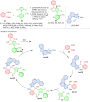
Scheme 17: NHC-catalyzed desymmetrization of N-aryl maleimides.

Scheme 18: NHC-catalyzed deracemization of biaryl hydroxy aldehydes 55a–k into axially chiral benzonitriles 56a...

Scheme 19: NHC-catalyzed desymmetrization of 2-aryloxyisophthalaldehydes.

Scheme 20: NHC-catalyzed DKR of 2-arylbenzaldehydes 62.

Scheme 21: Atroposelective biaryl amination.

Scheme 22: CPA-catalyzed atroposelective amination of 2-anilinonaphthalenes.

Scheme 23: Atroposelective DKR of naphthylindoles.

Scheme 24: CPA-catalyzed kinetic resolution of binaphthylamines.

Scheme 25: Atroposelective amination of aromatic amines with diazodicarboxylates.

Scheme 26: Atroposelective Friedländer heteroannulation.

Scheme 27: CPA-catalyzed formation of axially chiral 4-arylquinolines.

Scheme 28: CPA-catalyzed Friedländer reaction of arylketones with cyclohexanones.

Scheme 29: CPA-catalyzed atroposelective Povarov reaction.

Scheme 30: Atroposelective CPA-catalyzed Povarov reaction.

Scheme 31: Paal–Knorr formation of axially chiral N-pyrrolylindoles and N-pyrrolylpyrroles.

Scheme 32: Atroposelective Paal–Knorr reaction leading to N-pyrrolylpyrroles.

Scheme 33: Atroposelective Pictet–Spengler reaction of N-arylindoles with aldehydes.

Scheme 34: Atroposelective Pictet–Spengler reaction leading to tetrahydroisoquinolin-8-ylanilines.

Scheme 35: Atroposelective formation of arylindoles.

Scheme 36: CPA-catalyzed arylation of naphthoquinones with indolizines.

Scheme 37: Atroposelective reaction of o-naphthoquinones.

Scheme 38: CPA-catalyzed formation of axially chiral arylquinones.

Scheme 39: CPA-catalyzed axially chiral N-arylquinones.

Scheme 40: Atroposelective additions of bisindoles to isatin-based 3-indolylmethanols.

Scheme 41: CPA-catalyzed synthesis of axially chiral arylindolylindolinones.

Scheme 42: CPA-catalyzed reaction between bisindoles and ninhydrin-derived 3-indoylmethanols.

Scheme 43: Atroposelective reaction of bisindoles and isatin-derived imines.

Scheme 44: CPA-catalyzed formation of axially chiral bisindoles.

Scheme 45: Atroposelective reaction of 2-naphthols with alkynylhydroxyisoindolinones.

Scheme 46: CPA-catalyzed reaction of indolylnaphthols with propargylic alcohols.

Scheme 47: Atroposelective formation of indolylpyrroloindoles.

Scheme 48: Atroposelective reaction of indolylnaphthalenes with alkynylnaphthols.

Scheme 49: CPA-catalyzed addition of naphthols to alkynyl-2-naphthols and 2-naphthylamines.

Scheme 50: CPA-catalyzed formation of axially chiral aryl-alkene-indoles.

Scheme 51: CPA-catalyzed formation of axially chiral styrenes.

Scheme 52: Atroposelective formation of alkenylindoles.

Scheme 53: Atroposelective formation of axially chiral arylquinolines.

Scheme 54: Atroposelective (3 + 2) cycloaddition of alkynylindoles with azonaphthalenes.

Scheme 55: CPA-catalyzed formation of axially chiral 3-(1H-benzo[d]imidazol-2-yl)quinolines.

Scheme 56: Atroposelective cyclization of 3-(arylethynyl)-1H-indoles.

Scheme 57: Atroposelective three-component heteroannulation.

Scheme 58: CPA-catalyzed formation of arylbenzimidazols.

Scheme 59: CPA-catalyzed reaction of N-naphthylglycine esters with nitrosobenzenes.
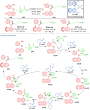
Scheme 60: CPA-catalyzed formation of axially chiral N-arylbenzimidazoles.

Scheme 61: CPA-catalyzed formation of axially chiral arylbenzoindoles.

Scheme 62: CPA-catalyzed formation of pyrrolylnaphthalenes.
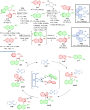
Scheme 63: CPA-catalyzed addition of naphthols and indoles to nitronaphthalenes.

Scheme 64: Atroposelective reaction of heterobiaryl aldehydes and aminobenzamides.

Scheme 65: Atroposelective cyclization forming N-arylquinolones.

Scheme 66: Atroposelective formation of 9H-carbazol-9-ylnaphthalenes and 1H-indol-1-ylnaphthalene.

Scheme 67: CPA-catalyzed formation of pyrazolylnaphthalenes.

Scheme 68: Atroposelective addition of diazodicarboxamides to azaborinephenols.

Scheme 69: Catalytic formation of axially chiral arylpyrroles.

Scheme 70: Atroposelective coupling of 1-azonaphthalenes with 2-naphthols.

Scheme 71: CPA-catalyzed formation of axially chiral oxindole-based styrenes.

Scheme 72: Atroposelective electrophilic bromination of aminonaphthoquinones.

Scheme 73: Atroposelective bromination of dienes.

Scheme 74: CPA-catalyzed formation of axially chiral 5-arylpyrimidines.

Scheme 75: Atroposelective hydrolysis of biaryloxazepines.

Scheme 76: Atroposelective opening of dinaphthosiloles.

Scheme 77: Atroposelective reduction of naphthylenals.

Scheme 78: Atroposelective allylic substitution with 2-naphthols.

Scheme 79: Atroposelective allylic alkylation with phosphinamides.

Scheme 80: Atroposelective allylic substitution with aminopyrroles.

Scheme 81: Atroposelective allylic substitution with aromatic sulfinamides.

Scheme 82: Atroposelective sulfonylation of naphthylynones.

Scheme 83: Squaramide-catalyzed reaction of alkynyl-2-naphthols with 5H-oxazolones.

Scheme 84: Formation of axially chiral styrenes via sulfonylative opening of cyclopropanols.

Scheme 85: Atroposelective organo-photocatalyzed sulfonylation of alkynyl-2-naphthols.

Scheme 86: Thiourea-catalyzed atroposelective cyclization of alkynylnaphthols.

Scheme 87: Squaramide-catalyzed formation of axially chiral naphthylisothiazoles.

Scheme 88: Atroposelective iodo-cyclization catalyzed by squaramide C69.

Scheme 89: Squaramide-catalyzed formation of axially chiral oligoarenes.

Scheme 90: Atroposelective ring-opening of cyclic N-sulfonylamides.

Scheme 91: Thiourea-catalyzed kinetic resolution of naphthylpyrroles.

Scheme 92: Atroposelective ring-opening of arylindole lactams.

Scheme 93: Atroposelective reaction of 1-naphthyl-2-tetralones and diarylphosphine oxides.

Scheme 94: Atroposelective reaction of iminoquinones with indoles.

Scheme 95: Kinetic resolution of binaphthylalcohols.

Scheme 96: DKR of hydroxynaphthylamides.

Scheme 97: Atroposelective N-alkylation with phase-transfer catalyst C75.
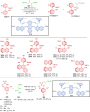
Scheme 98: Atroposelective allylic substitution via kinetic resolution of biarylsulfonamides.

Scheme 99: Atroposelective bromo-functionalization of alkynylarenes.
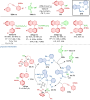
Scheme 100: Sulfenylation-induced atroposelective cyclization.

Scheme 101: Atroposelective O-sulfonylation of isochromenone-indoles.

Scheme 102: NHC-catalyzed atroposelective N-acylation of anilines.

Scheme 103: Peptide-catalyzed atroposelective ring-opening of lactones.

Scheme 104: Peptide-catalyzed coupling of 2-naphthols with quinones.

Scheme 105: Atroposelective nucleophilic aromatic substitution of fluoroarenes.
Non-covalent organocatalyzed enantioselective cyclization reactions of α,β-unsaturated imines
- Sergio Torres-Oya and
- Mercedes Zurro
Beilstein J. Org. Chem. 2024, 20, 3221–3255, doi:10.3762/bjoc.20.268
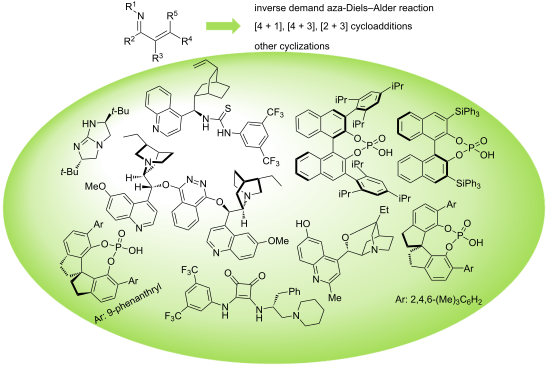
- -raising activation (amine-based catalysis and N-heterocyclic carbenes), and iii) LUMO-lowering and HOMO-raising activation (bifunctional thioureas and squaramides). Due to the ubiquitous nature of non-covalent interactions in organic systems, they can play a decisive role in asymmetric transformations [15
- covered in this review are hydrogen-bond donors such as thioureas and squaramides, Brønsted bases such as tertiary amines, and Brønsted acids such as chiral phosphoric acids. As depicted in Figure 4, a bifunctional squaramide is able to activate both an α,β-unsaturated imine through hydrogen bonding with
- reviews [17][18]. Review Hydrogen bond donors: bifunctional thioureas and squaramides The use of bifunctional catalysts is commonplace in organocatalyzed transformations [19][20][21][22][23]. These catalysts are able to activate an electrophile and a nucleophile simultaneously and in IEDADA reactions they

Graphical Abstract

Figure 1: Reactivity of α,β-unsaturated imines and variety of structures.

Figure 2: The hetero-Diels–Alder and inverse electron demand hetero-Diels–Alder reactions.

Figure 3: Different strategies to promote the activation of dienes and dienophiles in IEDADA reactions.

Figure 4: Examples of non-covalent interactions in organocatalysis.

Scheme 1: Enantioselective bifunctional thiourea-catalyzed inverse electron demand Diels–Alder reaction of N-...

Scheme 2: Cinchona-derived thiourea-catalyzed stereoselective (3 + 2) reaction of α,β-unsaturated imines and ...
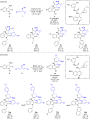
Scheme 3: Cinchona-derived thiourea-catalyzed stereoselective (3 + 2)/(4 + 2) cascade reaction of α,β-unsatur...
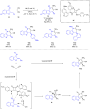
Scheme 4: Enantioselective bifunctional squaramide-catalyzed formal [4 + 2] cycloaddition of malononitrile wi...
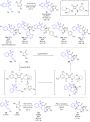
Scheme 5: Bifunctional squaramide-catalyzed IEDADA reaction of saccharin-derived 1-azadienes and azlactones.
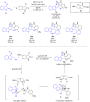
Scheme 6: Chiral guanidine-catalyzed enantioselective (4+1) cyclization of benzofuran-derived azadienes with ...
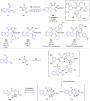
Scheme 7: Bifunctional squaramide-catalyzed [4 + 2] cyclization of benzofuran-derived azadienes and azlactone...
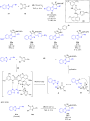
Scheme 8: Chiral bifunctional squaramide-catalyzed domino Mannich/formal [4 + 2] cyclization of 2-benzothiazo...
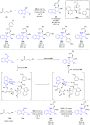
Scheme 9: Chiral bifunctional thiourea-catalyzed formal IEDADA reaction of β,γ-unsaturated ketones and benzof...
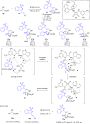
Scheme 10: Dihydroquinine-derived squaramide-catalyzed (3 + 2) cycloaddition reaction of isocyanoacetates and ...

Scheme 11: Enantioselective squaramide-catalyzed asymmetric IEDADA reaction of benzofuran-derived azadienes an...

Scheme 12: Scale up and derivatizations of benzofuran-fused 2-piperidinol derivatives.

Scheme 13: Dihydroquinine-derived squaramide-catalyzed Mannich-type reaction of isocyanoacetates with N-(2-ben...

Figure 5: Structure of a cinchona alkaloid and (DHQD)2PHAL.
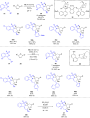
Scheme 14: Enantioselective modified cinchona alkaloid-catalyzed [4 + 2] annulation of γ-butenolides and sacch...
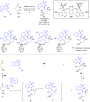
Scheme 15: Chiral tertiary amine-catalyzed [2 + 4] annulation of cyclic 1-azadiene with γ-nitro ketones.

Scheme 16: Inverse electron demand aza-Diels–Alder reaction (IEDADA) of 1-azadienes with enecarbamates catalyz...
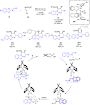
Scheme 17: Phosphoric acid-catalyzed enantioselective [4 + 2] cycloaddition of benzothiazolimines and enecarba...

Scheme 18: Phosphoric acid-catalyzed enantioselective inverse electron demand aza-Diels–Alder reaction of in s...

Scheme 19: Proposed reaction mechanism for the phosphoric acid-catalyzed enantioselective inverse electron dem...

Scheme 20: Enantioselective dearomatization of indoles by a (3 + 2) cyclization with azoalkenes catalyzed by a...

Scheme 21: Synthetic applicability of the pyrroloindoline derivatives.

Scheme 22: Chiral phosphoric acid-catalyzed (2 + 3) dearomative cycloaddition of 3-alkyl-2-vinylindoles with a...
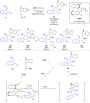
Scheme 23: Chiral phosphoric acid-catalyzed asymmetric [4 + 2] cycloaddition of aurone-derived 1-azadienes and...

Scheme 24: Phosphoric acid-catalyzed enantioselective formal [4 + 2] cycloaddition of dienecarbamates and 2-be...
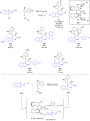
Scheme 25: Chiral phosphoric acid-catalyzed asymmetric inverse electron demand aza-Diels–Alder reaction of 1,3...

Scheme 26: Chiral phosphoric acid-catalyzed asymmetric Attanasi reaction between 1,3-dicarbonyl compounds and ...

Scheme 27: Synthetic applicability of the NPNOL derivatives.
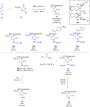
Scheme 28: Chiral phosphoric acid-catalyzed asymmetric intermolecular formal (3 + 2) cycloaddition of azoalken...
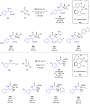
Scheme 29: Enantioselective [4 + 2] cyclization of α,β-unsaturated imines and azlactones.

Scheme 30: Catalytic cycle for the chiral phosphoric acid-catalyzed enantioselective [4 + 2] cyclization of α,...
Stereoselective mechanochemical synthesis of thiomalonate Michael adducts via iminium catalysis by chiral primary amines
- Michał Błauciak,
- Dominika Andrzejczyk,
- Błażej Dziuk and
- Rafał Kowalczyk
Beilstein J. Org. Chem. 2024, 20, 2313–2322, doi:10.3762/bjoc.20.198
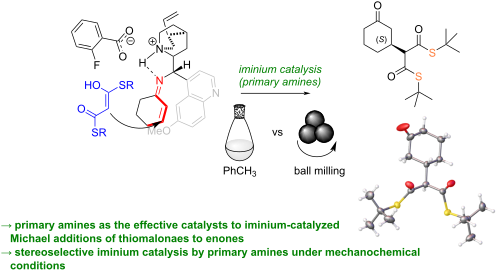
- Discussion Based on our previous experiences with low-reactive Michael acceptors [29], initial attempts were carried out using bifunctional squaramides, derivatives of cinchona. However, up to 45% yield of the desired product was obtained with poor enantioselectivity (14%, Scheme 2). Considering the

Graphical Abstract

Scheme 1: Two examples of base-catalyzed addition of thiomalonates to enones and the scope of the work.

Scheme 2: Tested reactions of cyclohexanone with dibenzyl thiomalonate 1.

Scheme 3: Impact of the bisthiomalonate on the yield and the stereoselectivity of the products.

Scheme 4: Plausible stereochemical model of the addition to cyclohexenone.

Scheme 5: Addition of bisthiomalonates 1–3 to cyclopentenone.

Scheme 6: Acyclic enone in reactions with thiomalonates 1–4.

Scheme 7: Reaction of β-ketothioesters with acceptor E1.
Factors influencing the performance of organocatalysts immobilised on solid supports: A review
- Zsuzsanna Fehér,
- Dóra Richter,
- Gyula Dargó and
- József Kupai
Beilstein J. Org. Chem. 2024, 20, 2129–2142, doi:10.3762/bjoc.20.183
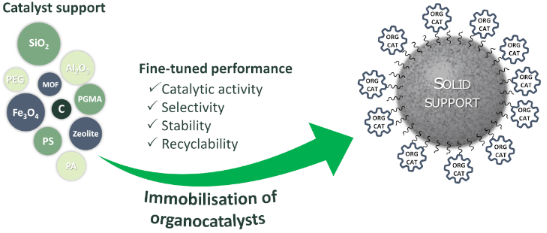
- . α-Amination of ethyl 2-oxocyclopentanecarboxylate catalysed by PS-THU which could be recycled over 9 reaction cycles. Preparation of supported catalysts C29–C31 from cinchona squaramides 29–31 modified with a primary amino group. Application of PGMA-supported organocatalysts C29–C31 in the

Graphical Abstract

Scheme 1: Esterification of oleic acid (1) with propylsulfonic acid (Pr-SO3H)-functionalised mesoporous silic...

Scheme 2: Using confinement of organocatalytic units for improving the enantioselectivity of silica-supported...

Scheme 3: Michael addition catalysed by cinchona thiourea immobilised on magnetic nanoparticles (13).

Scheme 4: Michael addition catalysed by cinchona thiourea in the presence of magnetic nanoparticles.

Scheme 5: Benzoin condensation catalysed by N-benzylthiazolium salt attached to mesoporous material.

Scheme 6: Photoinduced RAFT polymerisation of n-butyl acrylate (19) catalysed by silica nanoparticle-supporte...

Scheme 7: Pressure and temperature dependence of the 1,4-addition of propanal to trans-β-nitrostyrene under c...

Scheme 8: α-Amination of ethyl 2-oxocyclopentanecarboxylate catalysed by PS-THU which could be recycled over ...

Scheme 9: Preparation of supported catalysts C29–C31 from cinchona squaramides 29–31 modified with a primary ...

Scheme 10: Application of PGMA-supported organocatalysts C29–C31 in the asymmetric Michael addition of pentane...

Scheme 11: Alcoholytic desymmetrisation of a cyclic anhydride 34 catalysed by polyamide-supported cinchona sul...
Aromatic C–H bond functionalization through organocatalyzed asymmetric intermolecular aza-Friedel–Crafts reaction: a recent update
- Anup Biswas
Beilstein J. Org. Chem. 2023, 19, 956–981, doi:10.3762/bjoc.19.72

- ], amidines [11], isothioureas [12][13], whereas thioureas [14][15], ureas [16], phosphoric acids [17][18], and squaramides [19][20] fall into the second category. The Friedel–Crafts reaction, discovered by Charles Friedel and James Crafts in 1877 allows the aromatic C–H bond functionalization through the
- was shown by synthesizing 110, a key intermediate of (R)-bifonazole (Scheme 25b) [55]. Thioureas and squaramides In 2018, Yang, Deng and co-workers developed an aza-Friedel–Crafts aminoalkylation of 4- and 5-hydroxyindoles 111. As electron-demanding component, N-Boc pyrazolinone ketimines 100 were

Graphical Abstract

Scheme 1: First organocatalyzed asymmetric aza-Friedel–Crafts reaction.

Scheme 2: Aza-Friedel–Crafts reaction between indoles and cyclic ketimines.

Scheme 3: Aza-Friedel–Crafts reaction utilizing trifluoromethyldihydrobenzoazepinoindoles as electrophiles.

Scheme 4: Aza-Friedel–Crafts reaction utilizing cyclic N-sulfimines as electrophiles.

Scheme 5: Aza-Friedel–Crafts reaction involving N-unprotected imino ester as electrophile.

Scheme 6: Aza-Friedel–Crafts and lactonization cascade.

Scheme 7: One-pot oxidation and aza-Friedel–Crafts reaction.

Scheme 8: C1 and C2-symmetric phosphoric acids as catalysts.

Scheme 9: Aza-Friedel–Crafts reaction using Nps-iminophosphonates as electrophiles.

Scheme 10: Aza-Friedel–Crafts reaction between indole and α-iminophosphonate.

Scheme 11: [2.2]-Paracyclophane-derived chiral phosphoric acids as catalyst.

Scheme 12: Aza-Friedel–Crafts reaction through ring opening of sulfamidates.

Scheme 13: Isoquinoline-1,3(2H,4H)-dione scaffolds as electrophiles.

Scheme 14: Functionalization of the carbocyclic ring of substituted indoles.

Scheme 15: Aza-Friedel–Crafts reaction between unprotected imines and aza-heterocycles.

Scheme 16: Anilines and α-naphthols as potential nucleophiles.

Scheme 17: Solvent-controlled regioselective aza-Friedel–Crafts reaction.
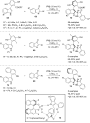
Scheme 18: Generating central and axial chirality via aza-Friedel–Crafts reaction.

Scheme 19: Reaction between indoles and racemic 2,3-dihydroisoxazol-3-ol derivatives.

Scheme 20: Exploiting 5-aminoisoxazoles as nucleophiles.

Scheme 21: Reaction between unsubstituted indoles and 3-alkynylated 3-hydroxy-1-oxoisoindolines.

Scheme 22: Synthesis of unnatural amino acids bearing an aza-quaternary stereocenter.

Scheme 23: Atroposelective aza-Friedel–Crafts reaction.

Scheme 24: Coupling of 5-aminopyrazole and 3H-indol-3-ones.

Scheme 25: Pyrophosphoric acid-catalyzed aza-Friedel–Crafts reaction on phenols.

Scheme 26: Squaramide-assisted aza-Friedel–Crafts reaction.

Scheme 27: Thiourea-catalyzed aza-Friedel–Crafts reaction.

Scheme 28: Squaramide-catalyzed reaction between β-naphthols and benzothiazolimines.

Scheme 29: Thiourea-catalyzed reaction between β-naphthol and isatin-derived ketamine.

Scheme 30: Quinine-derived molecule as catalyst.

Scheme 31: Cinchona alkaloid as catalyst.

Scheme 32: aza-Friedel–Crafts reaction by phase transfer catalyst.

Scheme 33: Disulfonamide-catalyzed reaction.

Scheme 34: Heterogenous thiourea-catalyzed aza-Friedel–Crafts reaction.

Scheme 35: Total synthesis of (+)-gracilamine.

Scheme 36: Total synthesis of (−)-fumimycin.
Catalytic aza-Nazarov cyclization reactions to access α-methylene-γ-lactam heterocycles
- Bilge Banu Yagci,
- Selin Ezgi Donmez,
- Onur Şahin and
- Yunus Emre Türkmen
Beilstein J. Org. Chem. 2023, 19, 66–77, doi:10.3762/bjoc.19.6

- -unsaturated acyl chlorides to afford substituted α-methylene-γ-lactam heterocycles. The reactions proceed effectively in the presence of catalytic (20 mol %) amounts of AgOTf as an anion exchange agent or hydrogen-bond donors such as squaramides and thioureas as anion-binding organocatalysts. The aza-Nazarov
- (Table 1, entry 11). With this promising result in hand, we next examined the use of squaramides, which were shown to be highly effective hydrogen-bonding catalysts in a broad range of transformations [61][62][63][64]. When achiral squaramide derivatives 11 [65] and 12 [66] were tested in stoichiometric

Graphical Abstract
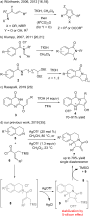
Scheme 1: Examples of aza-Nazarov reactions.

Scheme 2: Aza-Nazarov cyclization on gram scale.

Scheme 3: Scope of the aza-Nazarov cyclization with acyclic imines. aThe syntheses of aza-Nazarov products 19b...

Figure 1: X-ray crystal structure of compound 19l.

Scheme 4: Proposed mechanism for the formation of diastereomers 19 and 22.

Scheme 5: Preparation of acyl chloride 23.

Scheme 6: Aza-Nazarov reaction tested using β-TMS-substituted acyl chloride 23.

Scheme 7: Hydrolysis of N-acyliminium intermediates.

Scheme 8: (a) Two possible pathways for the formation of 7 and (b) investigation of the reaction between imin...

Scheme 9: (a) Preparation of acyl chlorides 6ba and 6bb in diastereomerically pure forms, (b) aza-Nazarov cyc...
Asymmetric organocatalytic Michael addition of cyclopentane-1,2-dione to alkylidene oxindole
- Estelle Silm,
- Ivar Järving and
- Tõnis Kanger
Beilstein J. Org. Chem. 2022, 18, 167–173, doi:10.3762/bjoc.18.18
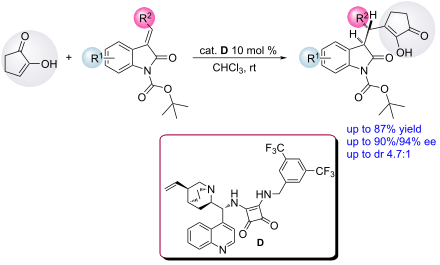
- malonates [25]. Herein, we report the results of an asymmetric organocatalytic Michael addition of CPD to alkylidene oxindoles. Results and Discussion Chiral multifunctional thioureas [26][27] and squaramides [28] are extensively used as catalysts in asymmetric Michael additions. We believed that a
- inseparable diastereoisomers in 53% yield but in low enantiomeric excess for both diastereomers (Table 1, entry 1). With the quinine-derived thiourea B, the reaction was slow and the yield was very low, 12% (Table 1, entry 2). For that reason, we focused on the screening of squaramides. Squaramides were found

Graphical Abstract

Figure 1: Model of the catalyst action.

Figure 2: Catalysts screened.

Scheme 1: Screening of different N-protecting groups. Reaction conditions: 0.2 M solution of 1 (1 equiv), 2 (...

Scheme 2: Scope of the reaction (the relative configuration of the major diastereoisomer is depicted). Reacti...
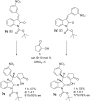
Scheme 3: Comparison reactions of E- and Z-isomers (the relative configurations of the major diastereoisomers...
N-Sulfinylpyrrolidine-containing ureas and thioureas as bifunctional organocatalysts
- Viera Poláčková,
- Dominika Krištofíková,
- Boglárka Némethová,
- Renata Górová,
- Mária Mečiarová and
- Radovan Šebesta
Beilstein J. Org. Chem. 2021, 17, 2629–2641, doi:10.3762/bjoc.17.176
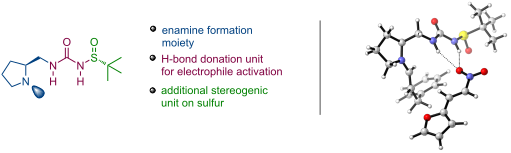
- syntheses, including total syntheses of natural compounds [15]. The pyrrolidine moiety has been successfully combined with thiourea [16][17][18] and the squaramide unit [19][20]. Thioureas and squaramides often feature the electron-withdrawing group attached to one of the nitrogen atoms to increase the

Graphical Abstract

Figure 1: Catalyst design principles.

Scheme 1: Synthesis of isothiocyanate 3a and isocyanate 3b.

Scheme 2: Synthesis of sulfinylthioureas C1 and ureas C2.

Scheme 3: Synthesis of adducts 8a,d,f in solution.

Figure 2: DFT-calculated (PBEh-3c/def2-SV(P)//M06-2X/def2-TZVP) structures of catalyst (S,R) and (S,S)-C2, en...

Figure 3: a) Arrangements of reactants in the transition states; b) DFT-calculated (PBEh-3c/def2-SV(P)//M06-2...

Figure 4: DFT-calculated (PBEh-3c/def2-SV(P)//M06-2X/def2-TZVP) reaction profile for the Michael addition of ...
Recent advances in organocatalytic asymmetric aza-Michael reactions of amines and amides
- Pratibha Sharma,
- Raakhi Gupta and
- Raj K. Bansal
Beilstein J. Org. Chem. 2021, 17, 2585–2610, doi:10.3762/bjoc.17.173
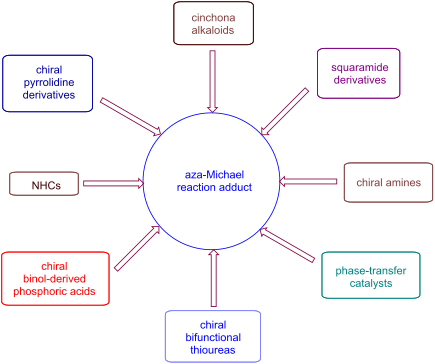
- asymmetric aza-MR. Thus, the review includes the examples wherein cinchona alkaloids, squaramides, chiral amines, phase-transfer catalysts and chiral bifunctional thioureas have been used, which activate the substrates through hydrogen bond formation. Most of these reactions are accompanied by high yields
- derivatives Squaramides are related to cinchona alkaloids but are much more effective organocatalysts than the latter due to the ability of dual hydrogen bonding besides a tertiary nitrogen atom of quinuclidine nucleus which may serve both as an H-bond acceptor and a base in asymmetric Michael addition
- -1,2,3-triazoles 35 in good yields (up to ≈72%) and excellent enantioselectivity (up to 99% ee) (Table 7) [41]. In an interesting study, Wu et al. screened a number of cinchona derivatives and squaramides for their relative catalytic efficacies for the enantioselective aza-Michael additions between

Graphical Abstract

Scheme 1: Asymmetric aza-Michael addition catalyzed by cinchona alkaloid derivatives.

Scheme 2: Intramolecular 6-exo-trig aza-Michael addition reaction.

Scheme 3: Asymmetric aza-Michael/Michael addition cascade reaction of 2-nitrobenzofurans and 2-nitrobenzothio...

Scheme 4: Asymmetric aza-Michael addition of para-dienone imide to benzylamine.

Scheme 5: Asymmetric synthesis of chiral N-functionalized heteroarenes.
Base-free enantioselective SN2 alkylation of 2-oxindoles via bifunctional phase-transfer catalysis
- Mili Litvajova,
- Emiliano Sorrentino,
- Brendan Twamley and
- Stephen J. Connon
Beilstein J. Org. Chem. 2021, 17, 2287–2294, doi:10.3762/bjoc.17.146
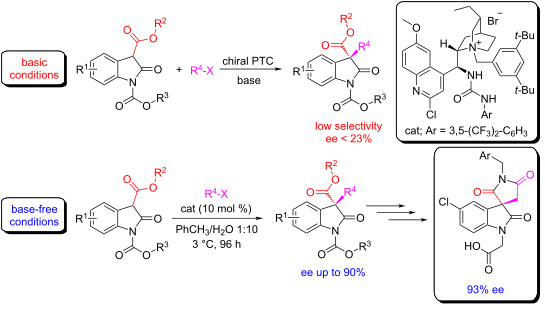
- to the ability of squaramides to bind anionic species more strongly than ureas. The moderate enantiocontrol observed thus far prompted us to posit that the nitrogen atom on the quinoline moiety of the catalyst could participate to the deprotonation of 5a, therefore, leading to less selective

Graphical Abstract
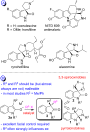
Figure 1: The importance of the 3,3-spirooxindole core and its access through enantioselective enolate alkyla...
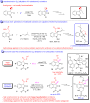
Scheme 1: A) SN2 alkylation of 3-subtituted-2-oxindoles not readily functionalisable; B) Previous work: enant...

Figure 2: Substrate scope. aIsolated yield. bDetermined by CSP-HPLC. cValue in brackets refers to reaction co...

Scheme 2: Enantioselective synthesis of a CRTH2 receptor antagonist.
Why do thioureas and squaramides slow down the Ireland–Claisen rearrangement?
- Dominika Krištofíková,
- Juraj Filo,
- Mária Mečiarová and
- Radovan Šebesta
Beilstein J. Org. Chem. 2019, 15, 2948–2957, doi:10.3762/bjoc.15.290

- organocatalysts, including chiral squaramides, thioureas, alkaloids and their derivatives, taddols, binol, chiral phosphoric acid, (S)-proline and its derivatives, amide of tryptophan (Figure 1). These catalysts feature varying steric properties from sterically encumbered, such as C1, C5, C8, or C10, to less
- Chiral hydrogen-bond-donating organocatalysts such as thioureas, squaramides, or alcohols failed to catalyze the Ireland–Claisen rearrangement of silyl ketene acetals. Comparison experiments showed that increasing catalyst loading gradually slowed-down the reaction. DFT calculations using long-range
- corrected hybrid density ωB97X-D functional showed that thioureas and squaramides stabilize the starting ground state more than the corresponding transitions states. This fact leads to a higher activation barrier and slower reactions in the presence of hydrogen-bond donating organocatalysts. On the other

Graphical Abstract

Scheme 1: Ireland–Claisen rearrangement of allyl esters 1a–c.

Scheme 2: Ireland–Claisen rearrangement of 1c mediated by tertiary amines.

Figure 1: Organocatalysts used in this study. Conditions: typical procedure: 1. Et3N (4.9 equiv), DCM, −60 °C...

Scheme 3: Solvent-free Ireland–Claisen rearrangement of cinnamyl esters.

Figure 2: ωB97X-D/6-31G* calculated uncatalyzed Ireland–Claisen rearrangement of 1c. Charges on allylic oxyge...

Figure 3: ωB97X-D/6-31G* calculated Schreiner thiourea (12)-catalyzed Ireland–Claisen rearrangement of 1c. Ch...

Figure 4: ωB97X-D/6-31G* calculated Ph-thiourea (top) and squaramide-catalyzed (bottom) Ireland–Claisen rearr...

Figure 5: a) Rate of product formation; b) reaction profile without catalyst determined by 1H NMR.
Silanediol versus chlorosilanol: hydrolyses and hydrogen-bonding catalyses with fenchole-based silanes
- Falco Fox,
- Jörg M. Neudörfl and
- Bernd Goldfuss
Beilstein J. Org. Chem. 2019, 15, 167–186, doi:10.3762/bjoc.15.17
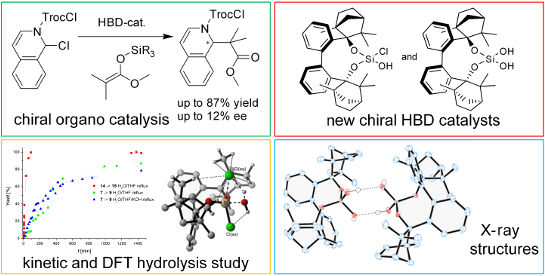
- ]) to the corresponding silanediols. While hydrolyses of dichlorosilanes have been studied extensively [23][24][25], hydrolyses of alkoxy dichlorosilanes are much less explored. Hydrogen bond donor (HBD) catalysis is an emerging field in organic synthesis [26][27][28], employing, e.g., squaramides [29

Graphical Abstract

Figure 1: Hydrogen-bonding silanediols, i.e., di(1-naphthyl)silanediol (1) [39], silanediols 2 [41-43], binaphthylsilane...

Scheme 1: Hydrogen-bond-catalyzed N-acyl Mannich reaction of in situ-generated isoquinolin derivative 10 with...

Scheme 2: Synthesis of BIFOXSiCl2, starting with BIFOL (5) [52,54] yielding dichlorosilane 7.
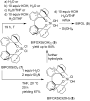
Scheme 3: Hydrolysis of BIFOXSiCl2 (7) yielding the corresponding silanediol 9 and controlled hydrolysis of B...

Scheme 4: Hydrolysis of dichlorosilanes 13 and 14 to their corresponding silanediols 1 and 15 [51,60].

Figure 2: Hydrolyses of dichlorosilane 7 and 14 to BIFOXSi(OH)2 (9, green circle) and bis(2,4,6-tri-tert-buty...

Figure 3: Hydrolyses of BIFOXSiCl2 (7) to BIFOXSi(OH)2 (9, green circle), bis(2,4,6-tri-tert-butylphenoxy)dic...

Scheme 5: Two investigated pathways for the hydrolysis of the dichlorosilanes. Front attack mechanism (front)...

Figure 4: Three transition structures each, for the hydrolysis of BIFOXSiCl2 (7) and BIFOXSiCl(OH) (8) consid...

Figure 5: Computed hydrolyses of BIFOXSiCl2 (7) to BIFOXSiCl(OH) 8ax and BIFOXSiCl(OH) 8eq and subsequent com...

Figure 6: Transition state leading to 8eq following front1 attack (Ea = 32.6 kcal mol−1, Figure 5, Table 3, entry 1). Breaki...

Figure 7: Transition state leading to 8ax following front2 attack (Ea = 33.2 kcal mol−1, Figure 5, Table 3, entry 2). Breaki...

Figure 8: Transition state leading to 8eq following side attack (Ea = 37.4 kcal mol−1, Figure 5, Table 3, entry 3). Breaking...

Figure 9: Transition state leading to 9 following side attack (Ea = 31.4 kcal mol−1, Figure 5, Table 3, entry 6). Breaking a...

Figure 10: Transition state leading to 9 following front1 attack (Ea = 33.4 kcal mol−1, Figure 5, Table 3, entry 4). Breaking...

Figure 11: Transition state leading to 9 following front2 attack (Ea = 40.2 kcal mol−1, Figure 5, Table 3, entry 5). Breaking...
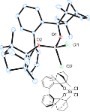
Figure 12: X-ray crystal structure of BIFOXSiCl2 (7). H atoms on the chiral backbone are omitted for clarity i...
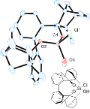
Figure 13: X-ray crystal structure of BIFOXSiCl(OH) (8). H atoms on the chiral backbone are omitted for clarit...

Figure 14: X-ray crystal structure ofrac-BIFOXSi(OH)2 (9) forming dimers. H atoms on the chiral backbone are o...

Figure 15: X-ray crystal structure of BIFOXSi(OH)2 (9) forming a tetramer. H atoms on the chiral backbone are ...

Figure 16: X-ray crystal structure of BIFOXSi(OH)2 (9) forming a dimeric structure with two bridged acetone mo...
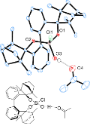
Figure 17: X-ray crystal structure of BIFOXSiCl(OH) (8), binding an acetone molecule. H atoms on the chiral ba...
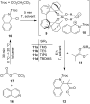
Scheme 6: Hydrogen-bond-catalyzed N-acyl Mannich reaction of in situ-generated 10 with different silyl ketene...

Scheme 7: Hydrogen-bond-catalyzed nucleophilic substitution of 18 with BIFOXSi(OH)2 (9) and nucleophile silyl...

Scheme 8: Nucleophilic substitution of 20 with BIFOXSi(OH)2 (9) and nucleophile silyl ketene acetals 11, 20 a...
Synthesis and supramolecular self-assembly of glutamic acid-based squaramides
- Juan V. Alegre-Requena,
- Marleen Häring,
- Isaac G. Sonsona,
- Alex Abramov,
- Eugenia Marqués-López,
- Raquel P. Herrera and
- David Díaz Díaz
Beilstein J. Org. Chem. 2018, 14, 2065–2073, doi:10.3762/bjoc.14.180
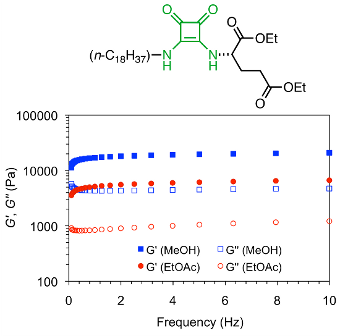
- derivative; organogel; self-assembly; squaramide; supramolecular gel; Introduction Since their discovery, squaramides have gained importance across different fields from chemistry to biomedicine due to their synthetic versatility and wide applicability [1]. These compounds, formed by two amine units
- asymmetric catalysis and molecular recognition [5][6]. Besides, squaramides present a dual ability to recognize anions and cations through hydrogen bonding interactions, acting as ion sensors and transmembrane anion transporters [7]. This property has been crucial for the development of new drugs [8][9
- properties of the gels obtained with these compounds. In general, compound 2 formed gels in more solvents, at lower concentration and faster than compound 1. In this work, and based on our previous experience with organogels based on squaramides [21], we decided to prepare and study an analogue of N-stearoyl

Graphical Abstract

Figure 1: Chemical structures of isosteric gelators 1 and 2 previously studied [33], and squaramide-based analogu...

Scheme 1: Synthesis of squaramide-based gelators 3 and 4.

Figure 2: Comparison of CGC, gelation time and Tgel values corresponding to six gels made using 3 and 2 [33] as g...

Figure 3: DFS measurements for model gels made of 3 in methanol (c = 47 g/L) and ethyl acetate (c = 36 g/L). ...

Figure 4: Representative FESEM images of selected xerogels prepared by freeze-drying the corresponding organo...
Recent applications of chiral calixarenes in asymmetric catalysis
- Mustafa Durmaz,
- Erkan Halay and
- Selahattin Bozkurt
Beilstein J. Org. Chem. 2018, 14, 1389–1412, doi:10.3762/bjoc.14.117
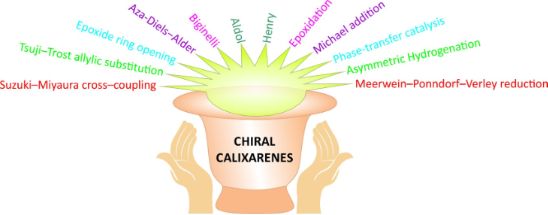
- to investigate the application of chiral calixarene-based squaramides in asymmetric catalysis. Recently, a novel chiral organocatalyst based on the calix[4]arene scaffold carrying squaramide and tertiary amine as catalytic functionalities has been readily developed in two steps from p-tert-butylcalix

Graphical Abstract

Figure 1: Inherently chiral calix[4]arene-based phase-transfer catalysts.

Scheme 1: Asymmetric alkylations of 3 catalyzed by (±)-1 and (±)-2 under phase-transfer conditions.

Scheme 2: Synthesis of chiral calix[4]arene-based phase-transfer catalyst 7 and structure of O’Donnell’s N-be...

Scheme 3: Asymmetric alkylation of glycine derivative 3 catalyzed by calixarene-based phase-transfer catalyst ...

Figure 2: Calix[4]arene-amides used as phase-transfer catalysts.

Scheme 4: Phase-transfer alkylation of 3 catalyzed by calixarene-triamide 12.

Scheme 5: Synthesis of inherently chiral calix[4]arenes 20a/20b substituted at the lower rim. Reaction condit...

Scheme 6: Asymmetric Henry reaction between 21 and 22 catalyzed by 20a/20b.

Figure 3: Proposed transition state model of asymmetric Henry reaction.

Scheme 7: Synthesis of enantiomerically pure phosphinoferrocenyl-substituted calixarene ligands 27–29.

Scheme 8: Asymmetric coupling reaction of aryl boronates and aryl halides in the presence of calixarene mono ...

Scheme 9: Asymmetric allylic alkylation in the presence of calix[4]arene ligand (S,S)-29.

Figure 4: Structure of inherently chiral oxazoline calix[4]arenes applied in the palladium-catalyzed Tsuji–Tr...

Scheme 10: Asymmetric Tsuji–Trost reaction in the presence of calix[4]arene ligands 36–39.

Figure 5: BINOL-derived calix[4]arene-diphosphite ligands.

Scheme 11: Asymmetric hydrogenation of 41a and 41b catalyzed by in situ-generated catalysts comprised of [Rh(C...

Figure 6: Inherently chiral calix[4]arene 43 containing a diarylmethanol structure.

Scheme 12: Asymmetric Michael addition reaction of 44 with 45 catalyzed by 43.

Figure 7: Calix[4]arene-based chiral primary amine–thiourea catalysts.

Scheme 13: Asymmetric Michael addition of 48 with 49 catalyzed by 47a and 47b.

Scheme 14: Enantioselective Michael addition of 51 to 52 catalyzed by calix[4]arene thioureas.

Scheme 15: Synthesis of calix[4]arene-based tertiary amine–thioureas 54–56.

Scheme 16: Asymmetric Michael addition of 34 and 57 to nitroalkenes 49 catalyzed by 54b.

Scheme 17: Synthesis of p-tert-butylcalix[4]arene bis-squaramide derivative 64.

Scheme 18: Asymmetric Michael addition catalyzed by 64.

Scheme 19: Synthesis of chiral p-tert-butylphenol analogue 68.

Figure 8: Novel prolinamide organocatalysts based on the calix[4]arene scaffold.

Scheme 20: Asymmetric aldol reactions of 72 with 70 and 71 catalyzed by 69b.

Scheme 21: Synthesis of p-tert-butylcalix[4]arene-based chiral organocatalysts 75 and 78 derived from L-prolin...

Scheme 22: Synthesis of upper rim-functionalized calix[4]arene-based L-proline derivative 83.

Scheme 23: Synthesis and proposed structure of Calix-Pro-MN (86).

Figure 9: Calix[4]arene-based L-proline catalysts containing ester, amide and acid units.

Scheme 24: Synthesis of calix[4]arene-based prolinamide 92.

Scheme 25: Calixarene-based catalysts for the aldol reaction of 21 with 70.

Scheme 26: Asymmetric aldol reactions of 72 with cyclic ketones catalyzed by calix[4]arene-based chiral organo...

Figure 10: A proposed structure for catalyst 92 in H2O.

Scheme 27: Synthetic route for organocatalyst 98.

Scheme 28: Asymmetric aldol reactions catalyzed by 99.

Figure 11: Proposed catalytic environment for catalyst 99 in the presence of water.

Scheme 29: Asymmetric aldol reactions between 94 and 72 catalyzed by 55a.

Scheme 30: Enantioselective Biginelli reactions catalyzed by 69f.

Scheme 31: Synthesis of calix[4]arene–(salen) complexes.

Scheme 32: Enantioselective epoxidation of 108 catalyzed by 107a/107b.

Scheme 33: Synthesis of inherently chiral calix[4]arene catalysts 111 and 112.

Scheme 34: Enantioselective MPV reduction.

Scheme 35: Synthesis of chiral calix[4]arene ligands 116a–c.

Scheme 36: Asymmetric MPV reduction with chiral calix[4]arene ligands.

Scheme 37: Chiral AlIII–calixarene complexes bearing distally positioned chiral substituents.

Scheme 38: Asymmetric MPV reduction in the presence of chiral calix[4]arene diphosphites.

Scheme 39: Synthesis of enantiomerically pure inherently chiral calix[4]arene phosphonic acid.

Scheme 40: Asymmetric aza-Diels–Alder reactions catalyzed by (cR,pR)-121.

Scheme 41: Asymmetric ring opening of epoxides catalyzed by (cR,pR)-121.
Synthesis of chiral 3-substituted 3-amino-2-oxindoles through enantioselective catalytic nucleophilic additions to isatin imines
- Hélène Pellissier
Beilstein J. Org. Chem. 2018, 14, 1349–1369, doi:10.3762/bjoc.14.114

- ligands and organocatalysts. For example, remarkable enantioselectivities of up to 94 to >99% ee have been reported in recent examples of Mannich reactions promoted by organocatalysts, as varied as cinchona-alkaloids, squaramides, phosphoric acids, simple primary amines and L-diphenylprolinol
- organocatalyzed by cinchona-alkaloids, and unprecedented Friedel–Crafts reactions of isatin imines with naphthols and hydroxyquinolines promoted by cinchona-alkaloid-derived thioureas and cinchona-alkaloid-derived squaramides. Slightly lower enantioselectivity levels of up to 94% ee were described in aza-Henry
- reactions performed with bifunctional guanidines. In addition, excellent results (97% ee) were reported in unprecedented domino reactions promoted by squaramides recently. Miscellaneous transformations, including additions of methanol, hydroperoxides and arylboronic acids, were also developed with high

Graphical Abstract

Scheme 1: Mannich reaction of N-Boc-isatin imines with ethyl nitroacetate (2) catalyzed by a cinchona alkaloi...

Scheme 2: Mannich reaction of N-Boc-isatin imines with 1,3-dicarbonyl compounds catalyzed by a cinchona alkal...
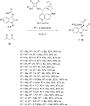
Scheme 3: Mannich reaction of N-alkoxycarbonylisatin imines with acetylacetone catalyzed by a cinchona alkalo...

Scheme 4: Mannich reaction of isatin-derived benzhydrylketimines with trimethylsiloxyfuran catalyzed by a pho...

Scheme 5: Mannich reaction of N-Boc-isatin imines with acetaldehyde catalyzed by a primary amine.

Scheme 6: Mannich reaction of N-Cbz-isatin imines with aldehydes catalyzed by L-diphenylprolinol trimethylsil...
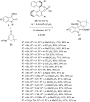
Scheme 7: Addition of dimedone-derived enaminones to N-Boc-isatin imines catalyzed by a phosphoric acid.

Scheme 8: Addition of hydroxyfuran-2-one-derived enaminones to N-Boc-isatin imines catalyzed by a phosphoric ...
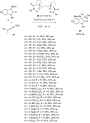
Scheme 9: Zinc-catalyzed Mannich reaction of N-Boc-isatin imines with silyl ketene imines.
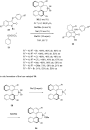
Scheme 10: Tin-catalyzed Mannich reaction of N-arylisatin imines with an alkenyl trichloroacetate.

Scheme 11: Aza-Morita–Baylis–Hillman reaction of N-Boc-isatin imines with acrolein catalyzed by β-isocupreidin...
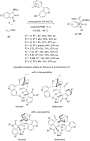
Scheme 12: Aza-Morita–Baylis–Hillman reaction of N-Boc-isatin imines with acrolein (35) catalyzed by α-isocupr...

Scheme 13: Aza-Morita–Baylis–Hillman reaction of N-Boc-isatin imines with maleimides catalyzed by β-isocupreid...

Scheme 14: Aza-Morita–Baylis–Hillman reaction of N-Boc-isatin imines with nitroolefins catalyzed by a cinchona...
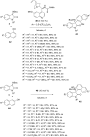
Scheme 15: Friedel–Crafts reactions of N-Boc-isatin imines with 1 and 2-naphthols catalyzed by a cinchona alka...
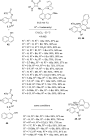
Scheme 16: Friedel–Crafts reactions of N-alkoxycarbonyl-isatin imines with 1 and 2-naphthols catalyzed by a ci...

Scheme 17: Friedel–Crafts reaction of N-Boc-isatin imines with 6-hydroxyquinolines catalyzed by a cinchona alk...

Scheme 18: Aza-Henry reaction of N-Boc-isatin imines with nitromethane catalyzed by a bifunctional guanidine.
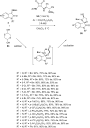
Scheme 19: Domino addition/cyclization reaction of N-Boc-isatin imines with 1,4-dithiane-2,5-diol (53) catalyz...

Scheme 20: Nickel-catalyzed additions of methanol and cumene hydroperoxide to N-Boc-isatin imines.
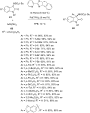
Scheme 21: Palladium-catalyzed addition of arylboronic acids to N-tert-butylsulfonylisatin imines.
Investigations towards the stereoselective organocatalyzed Michael addition of dimethyl malonate to a racemic nitroalkene: possible route to the 4-methylpregabalin core structure
- Denisa Vargová,
- Rastislav Baran and
- Radovan Šebesta
Beilstein J. Org. Chem. 2018, 14, 553–559, doi:10.3762/bjoc.14.42
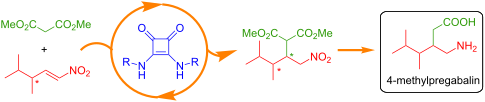
- and pregabalin [9][10]. Later, hydrogen-bonding activation proved to be more general for obtaining Michael adducts via the addition of 1,3-dicarbonyl compounds to nitroalkenes. Chiral thioureas and squaramides, particularly those with the bifunctional mode of action, served as excellent catalysts in
- numerous Michael additions, as well as other reactions [11][12][13][14]. In this way, chiral thioureas, and squaramides were used to synthesize various GABA derivatives [15][16][17][18][19]. Interestingly, hydrogen-bonding activation of this kind of Michael additions worked well also in aqueous media [20

Graphical Abstract

Figure 1: Structures of pregabalin and methylpregabalin.

Scheme 1: Synthesis of the nitroalkene 6.

Scheme 2: Catalyst screening in the Michael addition of dimethyl malonate to nitroalkene 6.

Scheme 3: Synthesis of catalysts (Sa,R,R)-C8 and (Sa,S,S)-C8.

Figure 2: Transition state models for the reaction of (R)-6 with dimethyl malonate using catalyst C7 (M06-2X/...

Scheme 4: Synthesis of 4-methylpregabalin (1).
The aminoindanol core as a key scaffold in bifunctional organocatalysts
- Isaac G. Sonsona,
- Eugenia Marqués-López and
- Raquel P. Herrera
Beilstein J. Org. Chem. 2016, 12, 505–523, doi:10.3762/bjoc.12.50
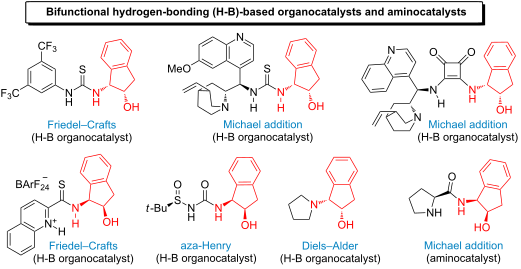
- organocatalysts ((thio)ureas, squaramides, quinolinium thioamide, etc.) in the literature containing this favored structural core. They have been successfully employed in reactions such as Friedel–Crafts alkylation, Michael addition, Diels–Alder and aza-Henry reactions. However, the 1,2-aminoindanol core

Graphical Abstract

Figure 1: Different configurations of 1,2-aminoindanol 1a–d.

Scheme 1: Asymmetric F–C alkylation catalyzed by thiourea 4.

Figure 2: Results for the F–C reaction carried out with catalyst 4 and the structurally modified analogues, 4'...

Figure 3: (a) Transition state TS1 originally proposed for the F–C reaction catalyzed by thiourea 4 [18]. (b) Tra...

Scheme 2: Asymmetric F–C alkylation catalyzed by thiourea ent-4 in the presence of D-mandelic acid as a Brøns...

Figure 4: Transition state TS2 proposed for the activation of the thiourea-based catalyst ent-4 by an externa...

Scheme 3: Friedel–Crafts alkylation of indoles catalyzed by the chiral thioamide 6.

Scheme 4: Scalable tandem C2/C3-annulation of indoles, catalyzed by the thioamide ent-6.

Scheme 5: Plausible tandem process mechanism for the sequential, double Friedel–Crafts alkylation, which invo...

Scheme 6: One-pot multisequence process that allows the synthesis of interesting compounds 14. The pharmacolo...

Scheme 7: Reaction pathway proposed for the preparation of the compounds 14.

Scheme 8: The enantioselective synthesis of cis-vicinal-substituted indane scaffolds 21, catalyzed by ent-6.

Scheme 9: Asymmetric domino procedure (Michael addition/Henry cyclization), catalyzed by the thioamide ent-6 ...

Scheme 10: The enantioselective addition of indoles 2 to α,β-unsaturated acyl phosphonates 24, a) screening of...

Figure 5: Proposed transition state TS7 for the Friedel–Crafts reaction of indole and α,β-unsaturated acyl ph...

Scheme 11: Study of aliphatic β,γ-unsaturated α-ketoesters 26 as substrates in the F–C alkylation of indoles c...

Figure 6: Possible transition states TS8 and TS9 in the asymmetric addition of indoles 2 to the β,γ-unsaturat...

Figure 7: Transition state TS10 proposed for the asymmetric addition of dialkylhydrazone 28 to the β,γ-unsatu...

Scheme 12: Different β-hydroxylamino-based catalysts tested in a Michael addition, and the transition state TS...

Scheme 13: Enantioselective addition of acetylacetone (36a) to nitroalkenes 3, catalyzed by 37 and the propose...

Scheme 14: Addition of 3-oxindoles 39 to 2-amino-1-nitroethenes 40, catalyzed by 41.

Scheme 15: Michael addition of 1,3-dicarbonyl compounds 36 to the nitroalkenes 3 catalyzed by the squaramide 43...

Scheme 16: Asymmetric aza-Henry reaction catalyzed by the aminoindanol-derived sulfinyl urea 50.

Figure 8: Results for the aza-Henry reaction carried out with the structurally modified catalysts 50–50''.

Scheme 17: Diels–Alder reaction catalyzed by the aminoindanol derivative ent-41.

Scheme 18: Asymmetric Michael addition of 3-pentanone (55a) to the nitroalkenes 3 through aminocatalysis.

Scheme 19: Substrate scope extension for the asymmetric Michael addition between the ketones 55 and the nitroa...

Scheme 20: A possible reaction pathway in the presence of the catalyst 56 and the plausible transition state T...
Organocatalytic and enantioselective Michael reaction between α-nitroesters and nitroalkenes. Syn/anti-selectivity control using catalysts with the same absolute backbone chirality
- Jose I. Martínez,
- Uxue Uria,
- Maria Muñiz,
- Efraím Reyes,
- Luisa Carrillo and
- Jose L. Vicario
Beilstein J. Org. Chem. 2015, 11, 2577–2583, doi:10.3762/bjoc.11.277
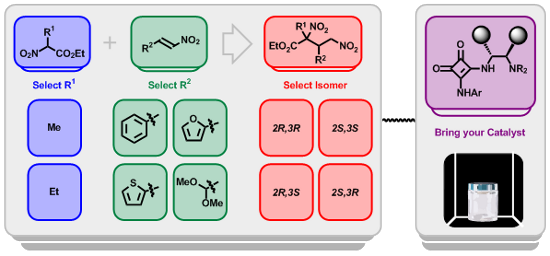
- all cases. Keywords: asymmetric diastereodivergent; enantioselective; Michael addition; nitroalkenes; nitroesters; organocatalysis; squaramides; Introduction The absolute stereochemistry of a molecule has a paramount influence on the properties that this compound will have when interacting with

Graphical Abstract

Scheme 1: Diastereodivergent cascade Michael/Michael reaction using catalysts with the same absolute chiralit...

Scheme 2: Diastereodivergent enantioselective Michael reaction using ethyl 2-nitropropanoate and β-nitrostyre...

Figure 1: ORTEP diagrams for anti-3a and syn-3o respectively.

Scheme 3: Proposed models to explain the stereochemical outcome of the reaction.
New hydrogen-bonding organocatalysts: Chiral cyclophosphazanes and phosphorus amides as catalysts for asymmetric Michael additions
- Helge Klare,
- Jörg M. Neudörfl and
- Bernd Goldfuss
Beilstein J. Org. Chem. 2014, 10, 224–236, doi:10.3762/bjoc.10.18
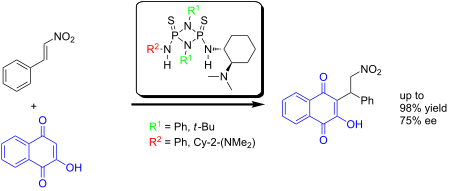
- ) catalysts represent an ever growing class [6][7][8]. The majority of non-specific hydrogen-bonding catalysts are based on the (thio)urea motif (I, Figure 1) [9][10]. More recently squaramides (II, Figure 1) have emerged as complementing motif in HB catalysis [11]. Other H-bonding motifs are less established
- characteristics and the increased steric bulk of “3-D”-PV compared to “2-D” urea or squaramides make phosphorus triamides excellent candidates for asymmetric (HB) organocatalysts. However, the tetrahedral structure of PV-amides also enables a higher degree of conformational freedom combined with a less rigid
- kcal/mol). The proposed ability of squaramides to form stronger hydrogen bonds than ureas is in agreement with the experimentally found higher acidity of squaramides [28]. The strength of hydrogen bonding is also thought to be dependent on the directionality of the hydrogen bonds, with an optimum of

Graphical Abstract

Figure 1: Thiourea, squaramide, P-triamide and cyclodiphosphazane with computed distances between H-atoms.

Figure 2: Urea, squaramide, P-triamide and cyclodiphosphazane coordinated to nitrobenzene, with the computed ...

Scheme 1: Chiral PV-amide catalysts based on BINOL and chinchona backbones.

Scheme 2: Exclusive formation of the mono- and trisubstituted product from thiophosphoryl chloride and anilin...

Figure 3: X-ray structure of 6-dimer. The hydrogen atoms are omitted for clarity, except at all nitrogens.

Figure 4: X-ray structure of 7a-dimer. The hydrogen atoms are omitted for clarity, except at all nitrogens.

Scheme 3: Synthesis of chiral cyclodiphosphazane catalysts 14a/b, 15 and 16.

Figure 5: X-ray structure of 14a. The hydrogen atoms are omitted for clarity, except at nitrogen.

Figure 6: 31P{1H} NMR spectrum in CDCl3 at rt showing C2 symmetry of 14a at rt.

Figure 7: X-ray structure of 15. The hydrogen atoms are omitted for clarity, except at nitrogen.

Figure 8: X-ray structure of 16. The hydrogen atoms are omitted for clarity, except at nitrogen.

Figure 9: Enantiodetermining transition states TS-14a/TS-14b arising from the addition of 2-hydroxynapthoquin...



