Search results
Search for "biomedical" in Full Text gives 395 result(s) in Beilstein Journal of Nanotechnology. Showing first 200.
Nanoglasses: a trail towards uncharted regions of vitreous materials and their properties?
Beilstein J. Nanotechnol. 2026, 17, 1047–1062, doi:10.3762/bjnano.17.72


Ultrasonic irradiation in the synthesis of nanohydroxyapatite: a chemically friendly technique for improving hemocompatibility and antibiofilm applications
Beilstein J. Nanotechnol. 2026, 17, 991–1015, doi:10.3762/bjnano.17.68
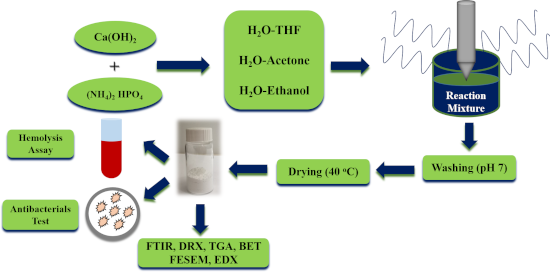
- ]. Nanohydroxyapatite is distinguished by its remarkable osteoinduction and osteoconduction capabilities, making it a bioceramic with great potential in biomedical engineering. Its low hemotoxicity [27][28] and antibacterial properties [29][30] further expand its applicability in the field of biomaterials. It is also
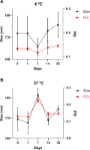
- beneficial for potential biomedical applications and leads to its consideration as a platelet-compatible biomaterial. This result is important because platelets undergo a biological activation in the presence of foreign agents in the body. This activation causes the platelets to change their shape, adhere to
- techniques, with biomedical and antibiofilm applications. However, it is worth noting that, while the antibiofilm assays provided valuable preliminary insight, they were conducted as a single independent experiment with technical replicates. Consequently, further research with multiple independent biological




Development of Protium heptaphyllum essential oil-loaded nanocapsules: experimental design and biological activity
Beilstein J. Nanotechnol. 2026, 17, 974–990, doi:10.3762/bjnano.17.67
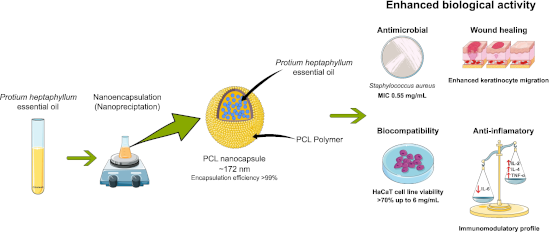
- . heptaphyllum oil while maintaining cell viability, supporting its potential as a candidate for biomedical and pharmaceutical applications. Migration The in vitro wound healing potential of NPNC, using a scratch wound model, is illustrated in Figure 6. The results showed that exposure of HaCaT cells to NPNC




Materials challenges in solid-state sensors for continuous monitoring of ions in water
Beilstein J. Nanotechnol. 2026, 17, 935–973, doi:10.3762/bjnano.17.66


Nanocarrier strategies to overcome P-glycoprotein-mediated drug resistance in cancer therapy
Beilstein J. Nanotechnol. 2026, 17, 882–921, doi:10.3762/bjnano.17.64


Restorative potential of laser-synthesized silver nanoparticles with Salvia officinalis for periodontal disease treatment: an in vitro study
Beilstein J. Nanotechnol. 2026, 17, 781–795, doi:10.3762/bjnano.17.55
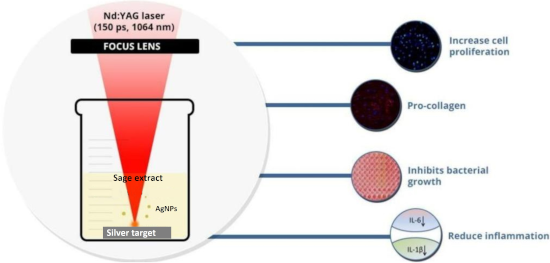
- ; silver nanoparticles (AgNPs); Introduction Synthesis of silver nanoparticles (AgNPs) is a promising nanotechnology with numerous biomedical applications, especially in the field of tissue restoration and regeneration [1]. The most commonly used methods in AgNP synthesis are (i) chemical methods, which
- AgNPs in biomedical applications. PLAL addresses the limitations of both biosynthesis and chemical synthesis by offering a reproducible, contaminant-free method with high reproducibility and size control. Combining laser ablation of a metal target with natural compounds is a unique concept that provides



Protein-based custom-designed molecular nanotraps for biomedical applications
Beilstein J. Nanotechnol. 2026, 17, 683–687, doi:10.3762/bjnano.17.47
- Devid Maniglio Alice Marinangeli Alessandra Maria Bossi BIOtech Center for Biomedical Technologies, Department of Industrial Engineering, University of Trento, Via delle Regole, Trento, Italy Department of Biotechnology, University of Verona, Strada Le Grazie 15, 37134 Verona, Italy 10.3762
- imprinted polymers; natural polymers silk fibroin; SilMA; Introduction Molecular recognition is a cornerstone in biomedical nanotechnology; it is pivotal to applications ranging from drug delivery to sequestering and to sensing. Where traditional affinity systems, such as antibodies, fall short for
- biocompatible and non-toxic, de facto meet all the essential requirements for any intended clinical or biomedical applications, while improving sustainability [7][8]. From the concept to the practical aspects, a key question is: How should the choice of the natural biopolymer building blocks for the synthesis

Cellulose as a photocatalyst support material: extraction, structural features, and environmental applications
Beilstein J. Nanotechnol. 2026, 17, 635–652, doi:10.3762/bjnano.17.44
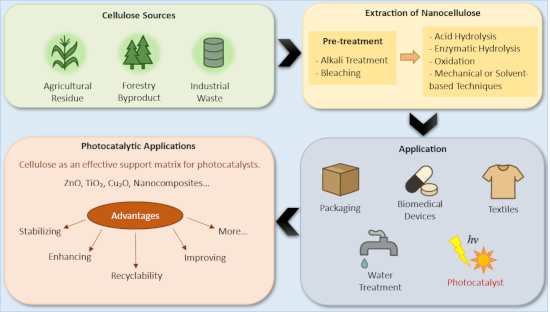
- polymers provide distinct advantages such as renewability, biodegradability, and biocompatibility, which make them particularly valuable for biomedical applications. Among polysaccharides, cellulose is the most abundant biodegradable polymer [1]. Many researchers have reported on the extraction of
- development of magnetic paper designed for anti-counterfeiting purposes [66]. Cellulose has a long history of use in the biomedical field. Today, several forms of medical-grade cellulose are widely available, including propellant cellulose, MCC, and its common derivatives such as carboxymethyl cellulose and
- chemical and mechanical strength, and relatively high heat resistance. These features make CA an essential material for diverse biomedical applications, including drug delivery systems, wound care products, and scaffolds for tissue engineering [70][71][72], reinforcing its position as a reliable and


Two-step laser synthesis of Ag@TiO2 nanomaterials for the photocatalytic degradation of rhodamine B
Beilstein J. Nanotechnol. 2026, 17, 622–634, doi:10.3762/bjnano.17.43
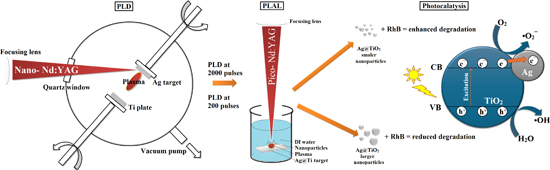
- [10][11][12][13][14][15][16][17]. Rhodamine B (RhB, Figure 1) is a synthetic fluorescent dye from the xanthene family, widely utilized across multiple industrial sectors such as textile manufacturing, papermaking, plastic processing, cosmetics, and biomedical applications, due to its vivid color


Advances in nanotechnology applied to natural products
Beilstein J. Nanotechnol. 2026, 17, 555–558, doi:10.3762/bjnano.17.36
- emerges as a promising strategy to overcome limitations of bioactive compounds, and improve their efficacy in various biomedical scenarios. Nanoformulations can protect unstable compounds, improve sensory acceptability, modulate the release of cargos, increase bioavailability, improve tissue penetration
- , hybrid, and inorganic platforms, reflecting the interdisciplinarity of the field, from nanosystem synthesis and physicochemical characterization to biomedical, pharmaceutical, cosmetic, and environmental applications. Among the nanostructures, lipid-based carriers, including nanoemulsions, microemulsions
- modifications (e.g., polymer or polysaccharide coatings) can be used to tailor stability and biological interactions [16]. These vesicles are attractive due to their biocompatibility and capacity to encapsulate both hydrophilic and lipophilic substances [17]. Liposomes have been explored in diverse biomedical
Polycatecholamine nanocoatings on stainless steel: the effect on attachment of human fibroblasts and platelets
Beilstein J. Nanotechnol. 2026, 17, 365–380, doi:10.3762/bjnano.17.25
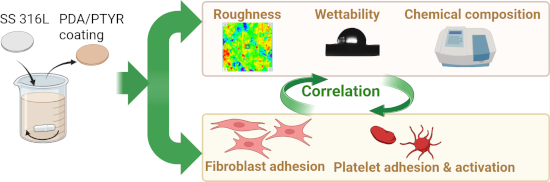
- attachment was primarily influenced by coating roughness, with a specific threshold beyond which adhesion did not increase or was negatively impacted. These findings highlight the potential of engineered PTYR nanocoatings for developing advanced hemocompatible surfaces for biomedical implants. Keywords
- potential to serve as a biomedical coating. In a previous study from our groups, coatings derived from ʟ-tyrosine, ʟ-phenylalanine, and 2-phenylethylamine were shown to substantially reduce water contact angles by 50–80%, indicating a pronounced increase in surface hydrophilicity [12]. Thus, we now focused
- methods and results. Acknowledgements The Graphical Abstract was created in BioRender. Trzaskowska, P. (2026) https://BioRender.com/e4r25zd This content is not subject to CC BY 4.0. Funding This study was funded by POB Biotechnology and Biomedical Engineering of Warsaw University of Technology within the




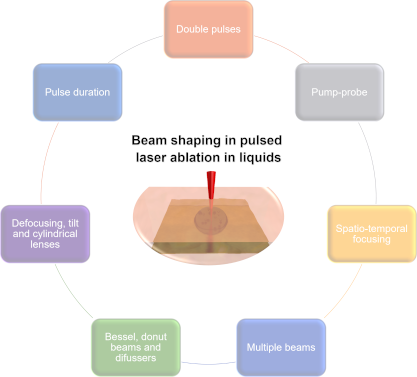
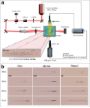
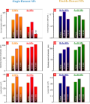
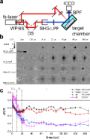
Beam shaping techniques for pulsed laser ablation in liquids: Unlocking tunable control of nanoparticle synthesis in liquids
Beilstein J. Nanotechnol. 2026, 17, 309–342, doi:10.3762/bjnano.17.22







Advancing nanolithography: a comprehensive review of materials for local anodic oxidation with AFM
Beilstein J. Nanotechnol. 2026, 17, 275–291, doi:10.3762/bjnano.17.19
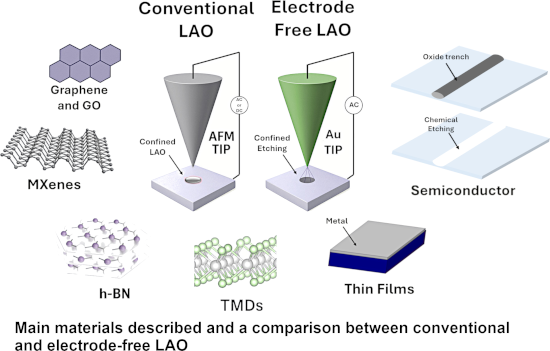
- potential for advancing protein patterning, tissue engineering, biomedical implants, and biosensor development. LAO offers a promising route for fabricating superconducting quantum devices by enabling direct, nanoscale patterning of Josephson junctions without conventional lithography. Using a biased AFM


Durable antimicrobial activity of fabrics functionalized with zeolite ion-exchanged nanomaterials against Staphylococcus aureus and Escherichia coli
Beilstein J. Nanotechnol. 2026, 17, 262–274, doi:10.3762/bjnano.17.18
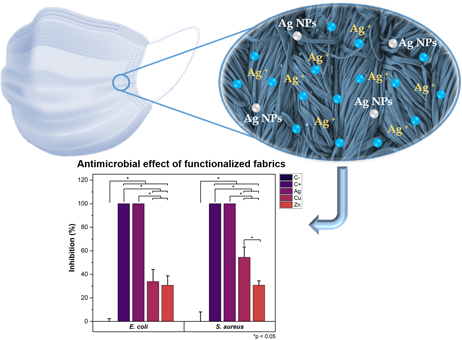
- are currently explored for various biomedical applications, including disease prevention, diagnosis, and the improvement of antiviral drug delivery systems [5][6]. In some cases, the antimicrobial properties of NPs lead to creation of new “nano-antimicrobial” materials [7]. The mechanism by which




Comparative study on 3D morphologies of delignified, single tracheids and fibers of five wood species
Beilstein J. Nanotechnol. 2026, 17, 239–250, doi:10.3762/bjnano.17.16
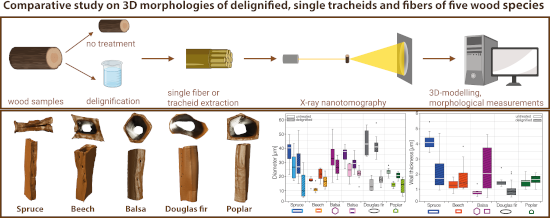
- biological approaches [11][15][16]. The applications of delignified wood are diverse and expanding; they include, for example, the production of high-quality paper or of nanocellulose with applications in electronics, biomedical devices, and advanced composites [11][14]. Recent research has focused on


Micro- and nanoscale effects in biological and bioinspired materials and surfaces
Beilstein J. Nanotechnol. 2026, 17, 214–217, doi:10.3762/bjnano.17.14
- to produce surface passivation materials that avoid clot formation in a biomedical context. Lastly, the issue includes reviews on applications of such bioinspired nanotechnologies for cultural heritage protection [24], medical therapeutic treatments [25][26], and vitamin B12 biosensing [27]. Lama et
Internal 3D temperature mapping in biological systems using ratiometric light-sheet imaging and lipid-coated upconversion nanothermometers
Beilstein J. Nanotechnol. 2025, 16, 2306–2316, doi:10.3762/bjnano.16.159
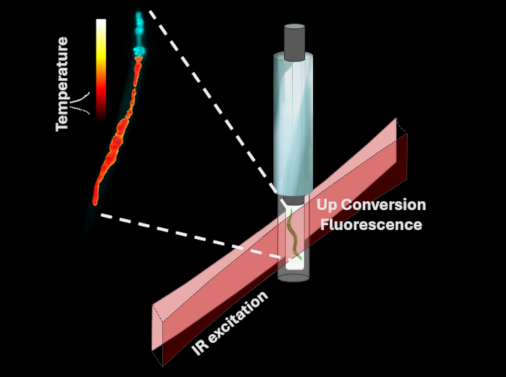
- (UC) fluorescence, enabling the conversion of low-energy excitation (longer wavelengths) into high-energy emission (shorter wavelengths). This is particularly advantageous for biomedical applications, as it eliminates the need for ultraviolet or visible excitation, which can cause photobleaching and
- extending this technique to other small model organisms, organoids, or individual mammalian cells. In summary, LSFM-enabled upconversion nanothermometry emerges as a powerful, non-invasive platform for probing spatiotemporal temperature dynamics across diverse biomedical applications, from cellular


Improving magnetic properties of Mn- and Zn-doped core–shell iron oxide nanoparticles by tuning their size
Beilstein J. Nanotechnol. 2025, 16, 2285–2295, doi:10.3762/bjnano.16.157
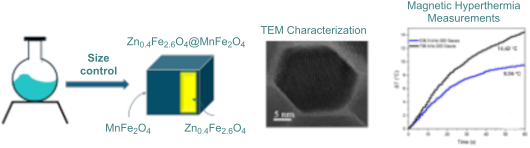
- unique magnetic properties, small size, and biocompatibility, which enable them to be used in a wide range of biomedical applications. These applications include magnetic resonance imaging, magnetic separation, targeted drug delivery, and hyperthermia [1][2]. Magnetic hyperthermia has been extensively
- the magnetic saturation and improve hyperthermia performance. However, the cytotoxicity of Co-based nanoparticles poses a significant challenge for biomedical applications. Studies have demonstrated that Co2+ ions released from these particles can enter the bloodstream and accumulate in organs, where
- microscopy (HRTEM) provides a comprehensive understanding of the material’s composition and properties. This work paves the way for the development of next-generation biocompatible magnetic nanoparticles for cancer therapy and other biomedical applications. Materials and Methods Materials Iron



Optical bio/chemical sensors for vitamin B12 analysis in food and pharmaceuticals: state of the art, challenges, and future outlooks
Beilstein J. Nanotechnol. 2025, 16, 2207–2244, doi:10.3762/bjnano.16.153
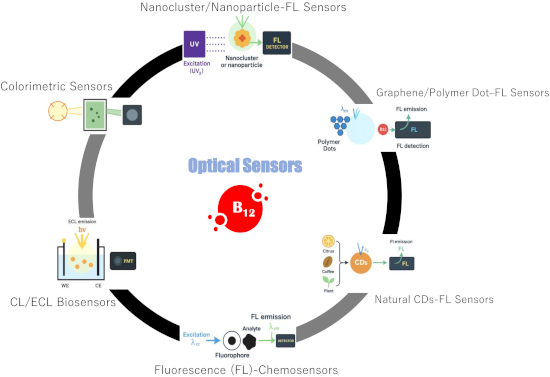
- biosensors into cellular bioimaging and the potential for non-invasive in vitro and in vivo analysis demonstrate their versatility and applicability across a broad spectrum of biomedical research, diagnostics, and nutrient analysis. Keywords: carbon dots; cobalamin; energy transfer; fluorescence sensor
- membranes had potential for biomedical and food applications for VB12 determination in pharmaceuticals, human serum, egg yolk, and fish tissue [113]. Selvakumar and Thakur utilized a dipstick-based immuno-CL biosensor to detect VB12 in two different energy drinks, where the antibody–antigen interaction


Ultrathin water layers on mannosylated gold nanoparticles
Beilstein J. Nanotechnol. 2025, 16, 2183–2198, doi:10.3762/bjnano.16.151
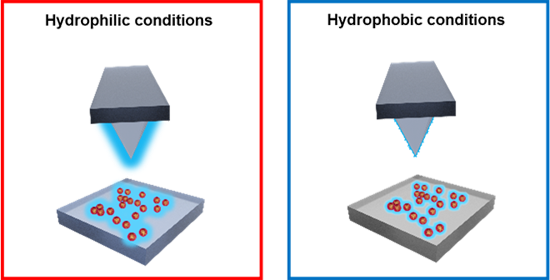
- transmission of airborne viruses, such as influenza. Keywords: AFM; humidity; hydrophilicity; hydrophobicity; nanoparticles; sum frequency generation spectroscopy; viruses; water; wetting; Introduction Gold nanoparticles (AuNPs) have been a staple in biomedical and biophysical research [1][2] for almost a
- selected surface [21][22][36][49]. However, these studies were performed on particle clusters in crowded environments, which induce collective phenomena [36][49] that are not in our scope. Conclusion Gold nanoparticles (AuNPs) have been widely investigated for biomedical applications like biochemical



Missing links in nanomaterials research impacting productivity and perceptions
Beilstein J. Nanotechnol. 2025, 16, 2168–2176, doi:10.3762/bjnano.16.149
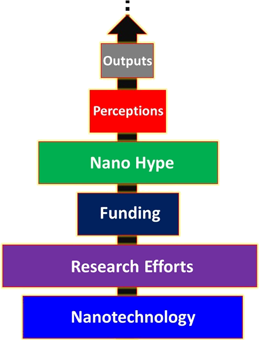
- working extensively in various aspects of nanotechnology, we find that the majority come from chemistry, physics, materials science, and metallurgy. Very few come from other fields such as mechanical, energy, electronics, biomedical engineering, and mathematics. The experts belonging to chemistry, physics
Rapid synthesis of highly monodisperse AgSbS2 nanocrystals: unveiling multifaceted activities in cancer therapy, antibacterial strategies, and antioxidant defense
Beilstein J. Nanotechnol. 2025, 16, 2105–2115, doi:10.3762/bjnano.16.145
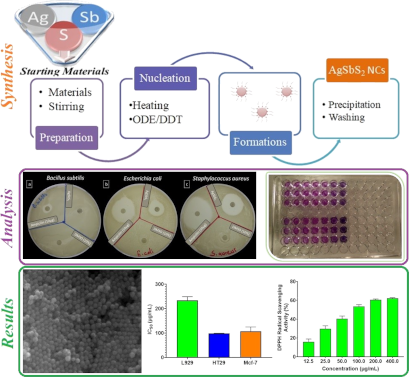
- effects by efficiently eliminating DPPH activity. This research highlights the potential of AgSbS2 NCs as versatile agents with applications in biomedical and environmental domains, including cancer therapy, antimicrobial strategies, and free radical neutralization. Keywords: AgSbS2 nanocrystals
- to prokaryotic cells including microorganisms such as bacteria, viruses, and fungi [13]. Therefore, silver-based nanoparticles have been the subject of many biomedical studies [14][15][16][17][18]. In a study conducted in this context; the effects of α-AgS nanoparticles produced using the fungus
- Humicola sp. in biomedical applications were investigated. Cancer experiments were carried out using breast cancer and Burkitt’s lymphoma cancer cells, while the biocompatibility tests of α-AgS nanoparticles were also conducted using human peripheral blood mononuclear cells (PBMCs) [18]. Additionally


Toward clinical translation of carbon nanomaterials in anticancer drug delivery: the need for standardisation
Beilstein J. Nanotechnol. 2025, 16, 2092–2104, doi:10.3762/bjnano.16.144
- nanotubes, and carbon dots, have attracted considerable interest as nanocarriers for drug delivery due to their unique physicochemical properties. Their high surface area, biocompatibility, and modifiable surface chemistry make them highly attractive for a range of biomedical applications. However, concerns
- delivery systems (DDSs); nanocarriers; quality control (QC); Introduction Nanomaterials Nanomaterials (NMs) have an extensive array of various properties and applications across many industries, including the biomedical, health care, food/agriculture, industrial, environmental, electronic, and renewable
- energy sectors (Figure 1). NMs have seen use as antimicrobial agents [1], catalysts [2], bioimaging agents [3][4][5][6], magnetic particle imaging agents [7], nanofluids [8], antiviral agents [9], photothermal convertors [10], and in environmental remediation [11]. Topically, the biomedical applications



Beyond the shell: exploring polymer–lipid interfaces in core–shell nanofibers to carry hyaluronic acid and β-caryophyllene
Beilstein J. Nanotechnol. 2025, 16, 2015–2033, doi:10.3762/bjnano.16.139
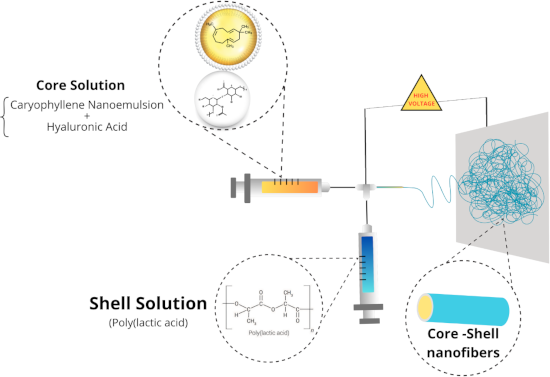
- /bjnano.16.139 Abstract Hyaluronic acid (HA) and β-caryophyllene (βCp) are two promising agents in biomedical research, each offering unique therapeutic benefits. The successful integration of these compounds into a single, functional nanofiber system presents a significant technical challenge, demanding
- encapsulated within a PLA shell, highlighting substantial potential for biomedical applications by overcoming key material integration hurdles. Keywords: co-axial nanofibers; electrospinning; hybrid nanosystem; nanofibers; nanoemulsion; poly(lactic acid); Introduction Driven by the significant potential of
- materials) [15]. However, achieving high-quality structures for biomedical use with tailored properties requires careful management of various processes, materials, and environmental parameters [16], necessitating thorough optimization of the electrospinning conditions. This includes precise control over




The cement of the tube-dwelling polychaete Sabellaria alveolata: a complex composite adhesive material
Beilstein J. Nanotechnol. 2025, 16, 1998–2014, doi:10.3762/bjnano.16.138
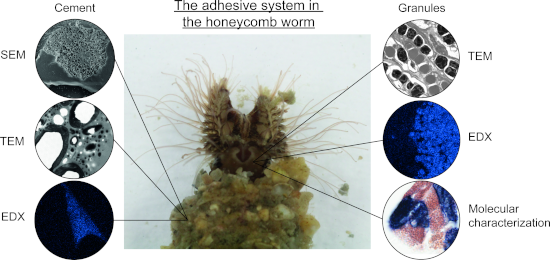
- underwater adhesive materials for various applications, particularly in the industrial and biomedical fields [3][4]. Polychaetes of the family Sabellariidae are one of the model organisms that have been studied extensively for their adhesion and have fascinated researchers since the 18th century [5]. Two