
Search results
Search for "electrochemical" in Full Text gives 518 result(s) in Beilstein Journal of Nanotechnology. Showing first 200.
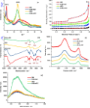
Synthesis of carbon dot-mediated gold nanostructures: experimental and quantum chemical insights into turn-on fluorescence sensing of N-acetylcysteine
Beilstein J. Nanotechnol. 2026, 17, 1103–1116, doi:10.3762/bjnano.17.75
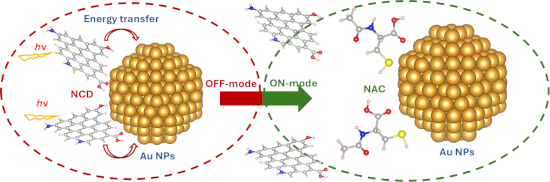
- chromatography [5][6] and spectroscopy [7][8][9]. Currently, electrochemical and optical sensors are gaining prominence in clinical analysis due to their simplicity, requirement for small sample volumes, cost-effectiveness, high specificity, and selectivity [10][11][12][13][14][15][16]. Carbon quantum dots (CQDs


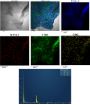
Electrochemical sensing of sildenafil in pharmaceutical formulations using an (S,N)-doped reduced graphene oxide-modified electrode
Beilstein J. Nanotechnol. 2026, 17, 1087–1102, doi:10.3762/bjnano.17.74
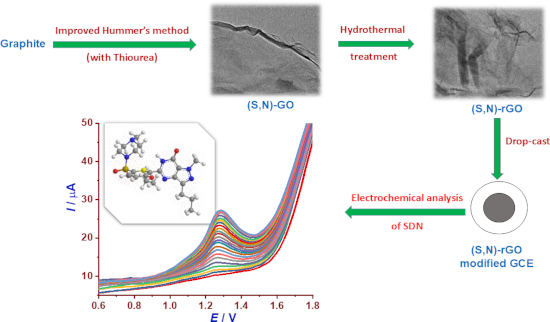
- , elemental mapping, photoluminescence, and Raman spectroscopy, confirming the successful incorporation of nitrogen and sulfur into the graphene framework. The obtained (S,N)-rGO was used to modify a glassy carbon electrode for the electrochemical determination of sildenafil (SDN). The modified electrode
- samples. The results were in good agreement with those from high-performance liquid chromatography, indicating that the proposed electrochemical method is reliable and suitable for practical analysis. Keywords: differential pulse voltammetry; electrode modifier; rGO; (S,N)-rGO; sildenafil; Introduction
- relatively long analysis time. In this context, electrochemical sensing has emerged as a promising alternative for SDN determination due to its inherent advantages, including operational simplicity, rapid response, low cost, and high sensitivity [12][13]. These features make electrochemical methods



Nanoglasses: a trail towards uncharted regions of vitreous materials and their properties?
Beilstein J. Nanotechnol. 2026, 17, 1047–1062, doi:10.3762/bjnano.17.72
- ), the potential structures can vary much more significantly than in any crystalline state. In fact, it is only through the consideration of processing routes beyond the conventional liquid quenching and subsequent relaxation methods, such as gas-phase condensation, sputtering, or electrochemical
- exploration of the full capabilities of nanoglasses. In recent years, new synthesis routes for a nanoglass state have been suggested that are based on electrochemical methods [46][47] or deposition from the gas phase onto a substrate [48][49][50][51]. While electrochemical methods yield larger amounts of
- material in shorter times at reduced cost, when compared to deposition from the gas phase, inherent limitations concerning composition selection and purity exist. Often, suitable electrolytes for co-depositing glass-forming alloy compositions are lacking and/or the electrochemical potentials for co


Materials challenges in solid-state sensors for continuous monitoring of ions in water
Beilstein J. Nanotechnol. 2026, 17, 935–973, doi:10.3762/bjnano.17.66
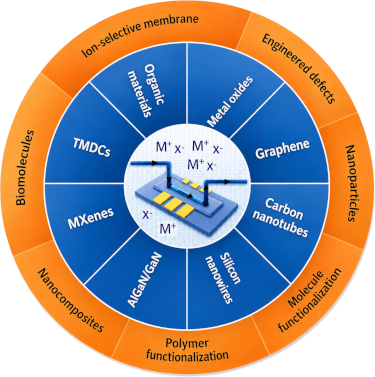
- active and sensing materials for designing electrochemical and electrical devices capable of reliable, real-time ion monitoring in water. Keywords: aqueous ion sensors; biosensors; chemical sensors; nanomaterials; water quality monitoring; Introduction Access to clean water is critical for public
- water systems from passive sampling regimes to active management systems [1]. Electronic ion-sensing platforms including electrochemical (ion-selective electrodes (ISEs) [6][7], amperometric and voltammetric sensors) and electrical (field-effect transistors (FETs) [8][9][10] and chemiresistors [11]) are
- are recent reviews highlighting rapid advances in all-solid-state ISEs [18], FET devices and electrochemical sensors for ion detection in water [19][20][21], and integrated systems that couple sensing with communications and analytics for field-deployable monitoring [22][23][24]. These are not going



Light-driven ammonia electrooxidation via carbon nitride–ruthenium molecular interfaces
Beilstein J. Nanotechnol. 2026, 17, 854–862, doi:10.3762/bjnano.17.61
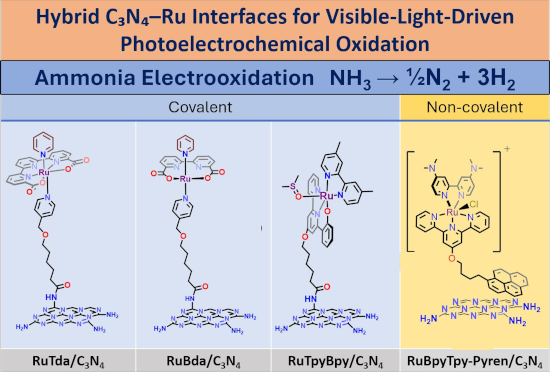
- optimizing charge carrier dynamics at the hybrid interface. Finally, photoelectrocatalysis is the enabling configuration: Simultaneous illumination and electrochemical bias reduce the thermodynamic penalty, suppress charge recombination, and provide independent control over product selectivity. Despite
- efficiency of 100% for electrochemical ammonia oxidation in propylene carbonate, producing N2 as the sole nitrogen-containing product, a benchmark result that established the molecular framework for AOC [26]. RuTda (Ru coordinated by 2,2′:6′,2″-terpyridine-6,6″-dicarboxylic acid), with its extended
- . Subsequently, a ruthenium precursor then coordinates to the pyridine nitrogen, completing the assembly. The resulting covalent connection is thermodynamically robust, surviving repeated electrochemical cycling and exposure to the reaction medium without significant catalyst leaching. A proof-of-concept, using


Sustainable fabrication of 2D-based devices through reuse of substrates with microfabricated electrodes
Beilstein J. Nanotechnol. 2026, 17, 818–827, doi:10.3762/bjnano.17.58
- example, Bhalla et al. investigated various cleaning and regeneration techniques for electrochemical sensor chips, comparing piranha solution, plasma, oxidative, and reductive electrochemical cleaning methods [19]. Similarly, Stan et al. showed different cleaning methods for screen-printed gold electrodes
- and identified optimal techniques that allow for their reuse in electrochemical applications, preserving electrode performance [20]. Furthermore, Fakhr et al. explored cleaning methods for gold electrodes on diverse substrates and found that chemical treatments such as KOH and H2O2 effectively restore
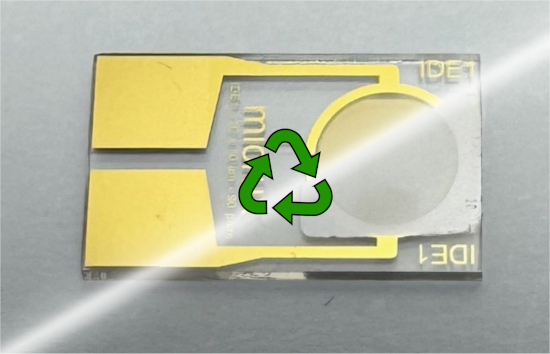
- have mainly focused on epitaxial growth or electrochemical sensing applications. In contrast, this work addresses the reuse of substrates for 2D material-based electronic devices. The cleaning process consists of an ultrasonic bath in N-methyl-2-pyrrolidone (NMP) [23][24] at 50 °C, followed by acetone


Glycerol photoelectrochemical oxidation reaction at carbon nitrides/BiVO4 materials
Beilstein J. Nanotechnol. 2026, 17, 806–817, doi:10.3762/bjnano.17.57
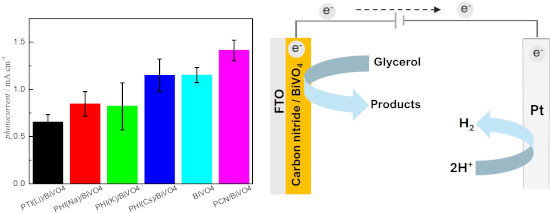
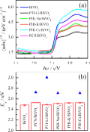
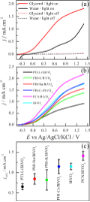
- )/BiVO4. The SEM-EDS analysis after electrochemical tests revealed that the presence of crystalline CNs induces the segregation of vanadium oxides, contributing to a decrease in activity. On the other hand, the superior performance of PCN/BiVO4 is attributed to a greater thermal stability of PCN during
- electrochemical cell (Supporting Information File 1, Figure S1). Linear sweep voltammetry (LSV) curves were acquired in the dark and under simulated solar exposure, ranging from −0.6 to 1.4 V vs Ag/AgCl/KClsat at 50 mV·s−1. Results and Discussion Physical characterization The CNs thermostability was evaluated by
- , as indicated by the blue triangles in Figure 5b, in agreement with the literature values [31]. Electrochemical characterization Photoelectrochemical activities were evaluated by LSV at a scan rate of 0.05 V·s−1 in a Na2SO4 solution (0.5 mol·L−1, pH 6.8). Initially, the activity of the BiVO4 film was




Oxidative atmosphere-driven formation of single-phase spinel CuRh2O4 nanofibers for alkaline water oxidation
Beilstein J. Nanotechnol. 2026, 17, 737–743, doi:10.3762/bjnano.17.50
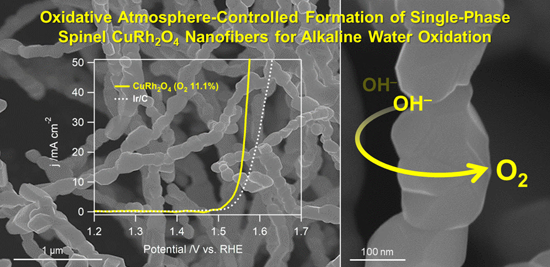
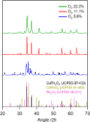
- analyzed by X-ray diffraction (MP-XRD; Malvern Panalytical X-ray diffractometer using Cu Kα radiation), Raman spectroscopy (HORIBA, LabRAM HR Evo 800), and angle-resolved X-ray photoelectron spectroscopy (AR-XPS; Thermo Fisher Scientific K-ALPHA XPS, Al Kα radiation at 12 kV). Electrochemical measurements
- electrochemical measurements were conducted using a standard three-electrode configuration, with the catalyst-loaded GC electrode as the working electrode, a saturated calomel electrode (SCE) as the reference electrode, and a coiled Pt wire as the counter electrode. The OER activity was evaluated by rotating disk
- electrode (RDE) voltammetry using an electrochemical analyzer (RDE-1 rotor/Epsilon electrochemical analyzer, BASi) in N2-saturated 1.0 M NaOH (aq) at a rotation rate of 1600 rpm. Current densities were calculated by normalizing the measured current to the geometric surface area (GSA) of the electrode. The




Environmental applications of silver nanoparticles: state-of-the-art review and emerging trends
Beilstein J. Nanotechnol. 2026, 17, 697–736, doi:10.3762/bjnano.17.49
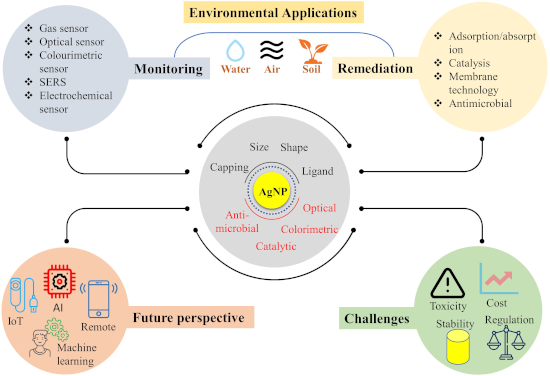
- five transduction modalities, including colourimetric/UV–vis LSPR, SERS, electrochemical, fluorometric, and gas sensing, covering a broad range of analytes considered as environmental pollutants. Key challenges, including nanoparticle aggregation, long-term colloidal instability, synthesis
- technique can detect environmental contaminants using AgNPs as the probe. The ICPMS (Inductively Coupled Plasma Mass Spectrometry) and AAS (Atomic Absorption Spectroscopy ) were used to measure unknown metal (Ag) content by plotting linear curves using the known Ag standard [49]. Electrochemical techniques


Electrochemical determination of ciprofloxacin using a MIL-101/reduced graphene oxide-modified electrode
Beilstein J. Nanotechnol. 2026, 17, 541–554, doi:10.3762/bjnano.17.35
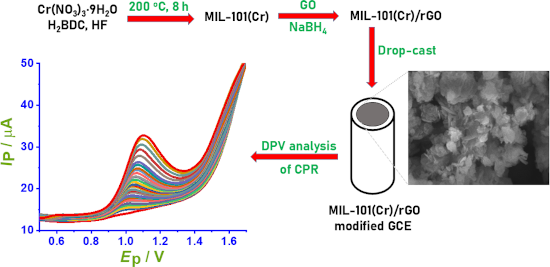
- Training, Hue City, 530000, Vietnam Institute of Materials Sciences, Vietnam Academy of Science and Technology, 18 Hoang Quoc Viet, Cau Giay, Hanoi City,100000, Vietnam University of Education, Hue University, 530000, Vietnam 10.3762/bjnano.17.35 Abstract An electrochemical sensor for the determination of
- enhanced the electrocatalytic activity toward CPR oxidation. The electrochemical behavior of CPR on the MIL-101/rGO-modified electrode was systematically investigated using cyclic voltammetry and differential pulse voltammetry. Under optimized experimental conditions, the proposed sensor exhibited a linear
- , yielding acceptable recoveries. These results indicate that the MIL-101/rGO-modified electrode provides a promising and efficient platform for the electrochemical sensing of CPR in pharmaceutical and environmental analysis. Keywords: ciprofloxacin; electrochemical analysis; MIL-101; reduced graphene oxide


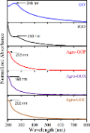
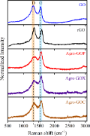
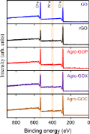
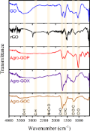
Upcycling agroindustrial waste into graphene oxide supports for gold nanoparticles: toward sustainable nanomaterials
Beilstein J. Nanotechnol. 2026, 17, 489–504, doi:10.3762/bjnano.17.32
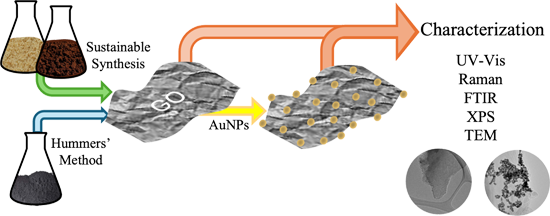
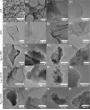
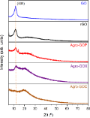
- scaled up for industrial applications. In this context, there is an urgent need to develop sustainable methods for producing GO-based materials. Alternative approaches such as electrochemical exfoliation, green oxidation processes, hydrothermal treatment, and pyrolysis have emerged as more eco-friendly
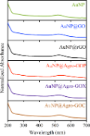
- platforms have shown promise in electrochemical and colorimetric sensing of environmental contaminants, allowing for sensitive and rapid detection of toxic species in water [60][61][62]. Beyond catalysis and sensing, the well-documented antibacterial activity of AuNPs, combined with the large surface area



Advancing nanolithography: a comprehensive review of materials for local anodic oxidation with AFM
Beilstein J. Nanotechnol. 2026, 17, 275–291, doi:10.3762/bjnano.17.19
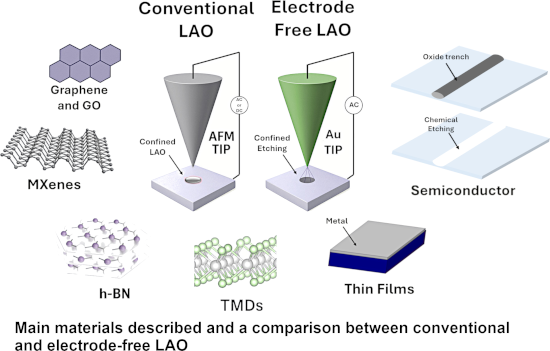
- ][11][12], which first demonstrated tip-induced electrochemical modification of semiconductor surfaces and even early device structures [13]. These STM works established the fundamental mechanism later adopted and expanded by AFM-based approaches. LAO utilizes an AFM to generate localized oxidation
- patterns through a biased conductive tip. The process relies on the formation of a nanoscale water meniscus [14] at the tip–sample interface, enabling electrochemical reactions that oxidize the substrate, creating protruding nanostructures mainly composed of oxide. Unlike other techniques requiring complex
- the application of a voltage bias between a conductive AFM tip and the sample surface, resulting in localized electrochemical reactions. This section delves into the fundamental principles governing LAO, including its mechanisms, controlling factors, fabrication metrics and advancements in the


Functional surface engineering for cultural heritage protection: the role of superhydrophobic and superoleophobic coatings – a comprehensive review
Beilstein J. Nanotechnol. 2026, 17, 63–96, doi:10.3762/bjnano.17.6

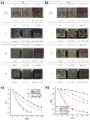
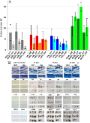
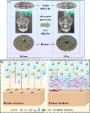
- importantly, electrochemical tests showed an impedance significantly higher than other coatings, and a corrosion current (icorr) value two orders of magnitude lower than that of control coatings, confirming excellent anticorrosion performance. In addition, in UV aging tests, the coating maintained stability




Reduced graphene oxide paper electrode for lithium-ion cells – towards optimized thermal reduction
Beilstein J. Nanotechnol. 2026, 17, 24–37, doi:10.3762/bjnano.17.3
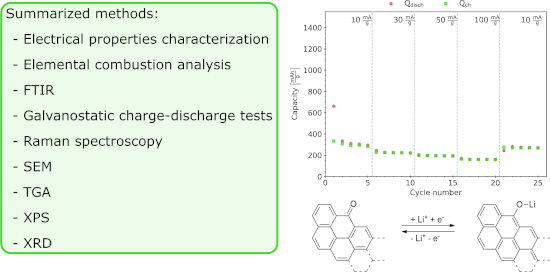
- and thickness were determined with scanning electron microscopy imaging. This paper also reveals electrical and electrochemical properties of the material. The conductivity of the material obtained at 800 °C reached ≈70 S/cm, and the discharge capacity reached ≈160 mAh/g at 100 mA/g current density
- parameter testing. Thermal reduction of rGO paper sheets poses a challenge in preventing the material from burning and losing its continuity. Removal of functional groups can be achieved by various methods, including chemical, thermal, electrochemical, or microwave processing [28]. Both chemical and
- [32]. This makes the production process longer and more expensive. In this work, we provide an insight into the chemical, structural, electric, and electrochemical properties of rGO paper influenced by various thermal reduction processes. The presented results contribute to optimizing the technology



Optical bio/chemical sensors for vitamin B12 analysis in food and pharmaceuticals: state of the art, challenges, and future outlooks
Beilstein J. Nanotechnol. 2025, 16, 2207–2244, doi:10.3762/bjnano.16.153
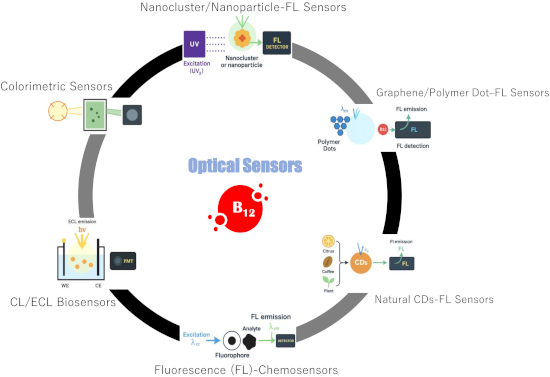
- electrophoresis [20], chemiluminescence [21][22][23][24], enzyme-linked immunosorbent assay (ELISA) [25][26], and electrochemical assays [2][27]. However, these methods involve complex procedures with long preparation times, poor selectivity, expensive equipment, and relatively costly or environmentally harmful
- , electrochemical and optical biosensing platforms are one of the best approaches to detect VB12. Various electrochemical methods have been employed for the effective detection of VB12, focusing on its electroactive nature and the redox chemistry of the cobalt atom, primarily utilizing the Co3+/Co2+ and Co2+/Co
- + redox reactions [2][27]. Although Antherjanam et al. reviewed different electrochemical sensing strategies for VB12 [27], to the best of our knowledge, the utilization of optical sensing platforms for detecting VB12 has not been yet reviewed. Optical sensing involves generating an optical signal as the


Microplastic pollution in Himalayan lakes: assessment, risks, and sustainable remediation strategies
Beilstein J. Nanotechnol. 2025, 16, 2144–2167, doi:10.3762/bjnano.16.148
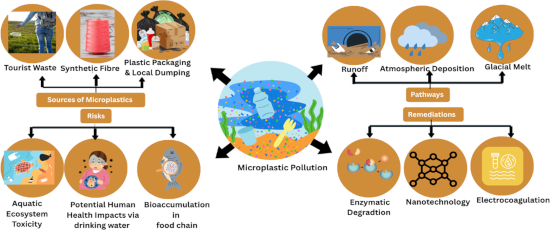
- them are new electrochemical technologies, membrane separation technologies, microbial technologies, and AOPs. The efficiency, mechanism, strengths, weaknesses, and applications of each technology are utilized to assess each technology. These technologies are indicative of the multidimensional
- strategies being pursued for MP remediation, which strike a balance between efficiency, operational feasibility, and environmental sustainability. While physical and chemical methods are dominant, the use of advanced technologies such as electrochemical systems, machine-learning-based sensing, and


Toward clinical translation of carbon nanomaterials in anticancer drug delivery: the need for standardisation
Beilstein J. Nanotechnol. 2025, 16, 2092–2104, doi:10.3762/bjnano.16.144
- , laser ablation, or electrochemical techniques, among others. These CNMs must then be thoroughly characterised to confirm their structural and physicochemical properties, including size, shape, charge, surface functionality, stability, and potential toxicity. Following characterisation, anticancer




Laser ablation in liquids for shape-tailored synthesis of nanomaterials: status and challenges
Beilstein J. Nanotechnol. 2025, 16, 1963–1997, doi:10.3762/bjnano.16.137





Piezoelectricity of layered double hydroxides: perspectives regarding piezocatalysis and nanogenerators
Beilstein J. Nanotechnol. 2025, 16, 1812–1817, doi:10.3762/bjnano.16.124
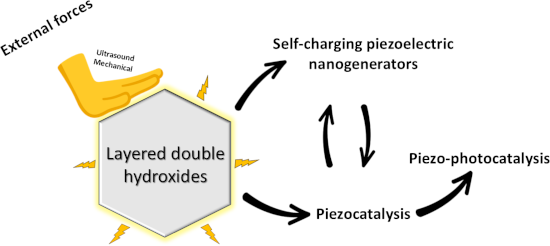
- emerging area of catalysis utilizes the ability of piezoelectric materials to convert mechanical energy into electrical energy for subsequent electrochemical reactions [13]. Liu et al. suggested that ultrathin Ni/Fe-LDH modified with polyethylene glycol (PEG) for better water solubility and
- instead arise from triboelectric, electrochemical, or mechanochemical contributions. (2) Confusion of mechanisms: Different studies attribute performance improvements either to symmetry breaking (ultrathin LDH, loss of inversion centers, piezoelectrical properties), to defects (oxygen vacancies and

Advances of aptamers in esophageal cancer diagnosis, treatment and drug delivery
Beilstein J. Nanotechnol. 2025, 16, 1734–1750, doi:10.3762/bjnano.16.121

- prognosis [51]. Therefore, the detection of EGFR biomarkers by developing simple and efficient methods may become an important strategy for early diagnosis of ESCC. Ilkhani et al. [52] designed an electrochemical sandwich immunosensor. The anti-EGFR aptamer was immobilized on magnetic beads, and the anti


Ambient pressure XPS at MAX IV
Beilstein J. Nanotechnol. 2025, 16, 1677–1694, doi:10.3762/bjnano.16.118

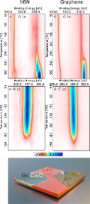
- representative studies at MAX IV, including investigations of single-atom catalysts, confined catalysis, time-resolved catalysis, atomic layer deposition, and electrochemical interfaces, showcasing the role of APXPS in advancing material and surface science. Keywords: 2D materials; atomic layer deposition
- new research fields with respect to traditional surface science, such as corrosion and battery research, with specifically designed electrochemical cells suitable for APXPS measurements [8]. The SPECIES & HIPPIE beamlines SPECIES is a soft X-ray beamline on the 1.5 GeV ring. It covers a wide photon
- electrochemical (EC) cell; a liquid microjet is also used to a smaller extent. In the EC setup, a three-electrode setup is immersed and retracted from a beaker of liquid electrolyte, forming a thin, electrochemically active meniscus on the working electrode that can be probed using APXPS or XAS, see Figure 1





Nanotechnology-based approaches for the removal of microplastics from wastewater: a comprehensive review
Beilstein J. Nanotechnol. 2025, 16, 1607–1632, doi:10.3762/bjnano.16.114
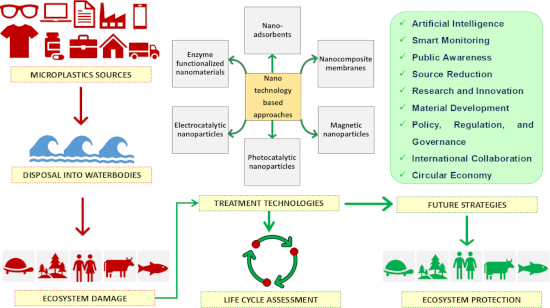
- generating highly reactive radicals through techniques such as Fenton and photo-Fenton reactions, UV/H2O2 systems, ozonation, TiO2, photocatalysis, and electrochemical oxidation [53]. These methods hold potential for breaking down MPs into smaller, less harmful by products, although optimization and
- oxidation mechanisms. These processes generate reactive oxygen species (ROS) through methods such as photocatalysis, ozonation, and electrochemical activation, which effectively break down the polymer chains of MPs, leading to their mineralization. The primary AOP techniques used for removing MPs from water
- include ultraviolet-induced oxidation, ozone-based oxidation, photocatalysis (activated by UV, solar, or visible light), electrochemical oxidation, and persulfate-activated oxidation [57]. In photocatalysis, photons excite the catalyst, generating electron–hole pairs that trigger redox reactions with the


Photocatalytic degradation of ofloxacin in water assisted by TiO2 nanowires on carbon cloth: contributions of H2O2 addition and substrate absorbability
Beilstein J. Nanotechnol. 2025, 16, 1567–1579, doi:10.3762/bjnano.16.111
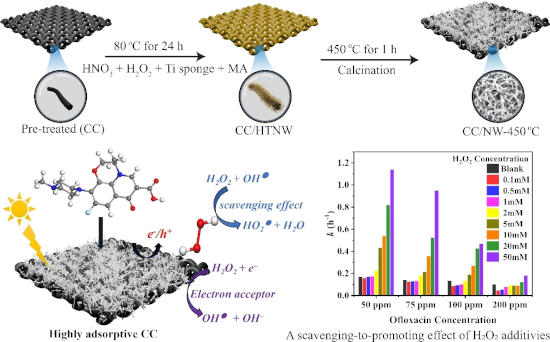
- deposition, electrophoretic deposition, and electrochemical deposition are extensively utilized for the synthesis of TiO2 nanowire arrays, owing to their advantageous physical properties and varied applications [14][15]. Our previous study accomplished the precipitation of TiO2 nanowire arrays, with
- % acetic acid in ultrapure water, with a flow rate set at 1.0 mL·min−1 and an injection volume of 10 μL. Every hour, 0.2 mL of OFL solution was sampled. The photocurrent was tested using a three-electrode system on an electrochemical workstation (CHI600E, Shanghai Chenhua), in which the carbon cloth (2 cm


Influence of laser beam profile on morphology and optical properties of silicon nanoparticles formed by laser ablation in liquid
Beilstein J. Nanotechnol. 2025, 16, 1533–1544, doi:10.3762/bjnano.16.108
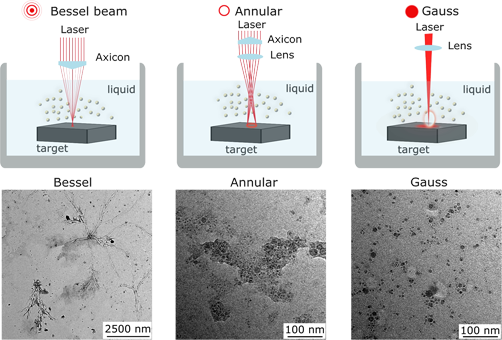
- of Si NPs. The presence of defects in the Si structure confirmed by Raman and PL studies is a prerequisite for enhanced performance of the developed nanostructures in electrochemical processes occurring in supercapacitors or batteries [14]. The intrinsic defects act as intercalation sites during
- laser ablation with the Bessel beam profile. Another application of the nanofilaments prepared using Bessel beams can be the electrode material of Li-ion batteries. Experiments on the preliminary evaluation of the electrochemical properties of the prepared nanomaterials for their potential application


Laser processing in liquids: insights into nanocolloid generation and thin film integration for energy, photonic, and sensing applications
Beilstein J. Nanotechnol. 2025, 16, 1428–1498, doi:10.3762/bjnano.16.104
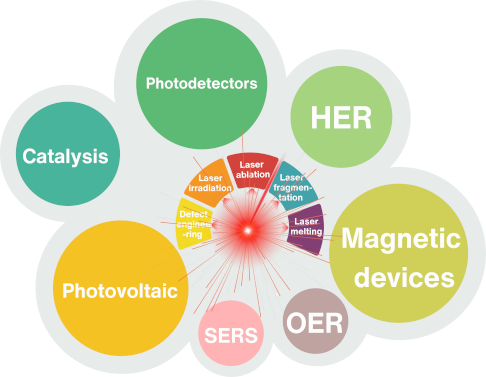
- , electrochemical/photoelectrochemical sensors, hydrogen/oxygen evolution, SERS sensors and other types of devices reported so far. The last section explains the challenges and further scope of these devices from laser-generated nanocolloids. Keywords: HER/OER/water splitting; laser synthesis of nanomaterials
- ][87]. For example, laser irradiation has been utilized to precisely and controllably introduce a variety of structural defects, such as vacancies and interstitials, within electrode materials for electrochemical energy storage and conversion applications [85][86][88]. By carefully tuning the laser
- parameters, researchers have been able to selectively create and stabilize the desired type and distribution of defects within the electrode materials, leading to improvements in energy density, power density, and cycling stability of electrochemical energy storage devices [88][89][90][91]. Furthermore, LDL