

Search results
Search for "immunogenicity" in Full Text gives 39 result(s) in Beilstein Journal of Nanotechnology.
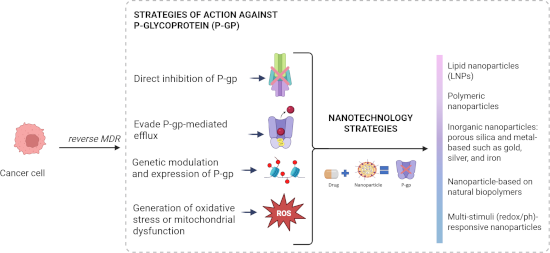
Nanocarrier strategies to overcome P-glycoprotein-mediated drug resistance in cancer therapy
Beilstein J. Nanotechnol. 2026, 17, 882–921, doi:10.3762/bjnano.17.64


Nanoparticle delivery systems for HIV pre-exposure prophylaxis (PrEP): advances and challenges
Beilstein J. Nanotechnol. 2026, 17, 839–853, doi:10.3762/bjnano.17.60
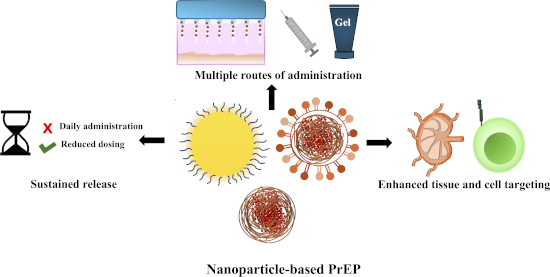
- , limited to short-term immunization studies in mice. Furthermore, the long-term safety and immunogenicity of silica nanoparticles require further investigation. Despite impressive development, inorganic nanoparticles face some inherent limitations for LA HIV PrEP. Compared to polymeric systems, solid MNPs


Protein-based custom-designed molecular nanotraps for biomedical applications
Beilstein J. Nanotechnol. 2026, 17, 683–687, doi:10.3762/bjnano.17.47
- immunogenicity due to the presence of short sequences capable of triggering immune responses. This constraint may significantly limit the range of suitable protein sources to prepare bioMIPs with the finality of clinical translation. Another aspect to consider is the occurrence of specific peptide motifs

Biomimetic nanoparticles in cancer photodynamic therapy: a review of targeted delivery systems and therapeutic outcomes
Beilstein J. Nanotechnol. 2026, 17, 396–422, doi:10.3762/bjnano.17.27
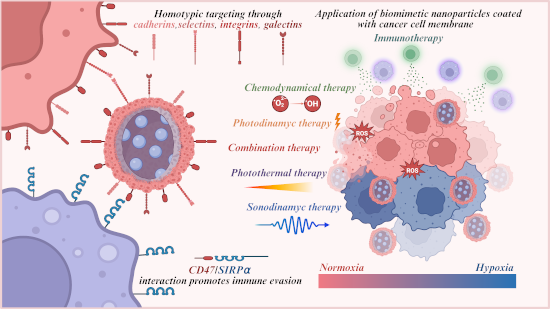
- communication confers low immunogenicity and high biocompatibility, facilitating evasion of immune clearance [117]. A key advantage is their ability to penetrate biological barriers, including the BBB [118], enabling access to challenging tumor sites like glioblastoma [119]. The surface-exposed proteins support
- of chemokine receptors (e.g., CXCR4) on the MSC membrane, which mediate specific adhesion to ligands (e.g., SDF-1α) prevalent on the endothelium within TME [143]. This property facilitates active migration towards tumor and metastatic sites. Additionally, MSC membranes confer low immunogenicity and


From shield to spear: Charge-reversible nanocarriers in overcoming cancer therapy barriers
Beilstein J. Nanotechnol. 2026, 17, 159–175, doi:10.3762/bjnano.17.10
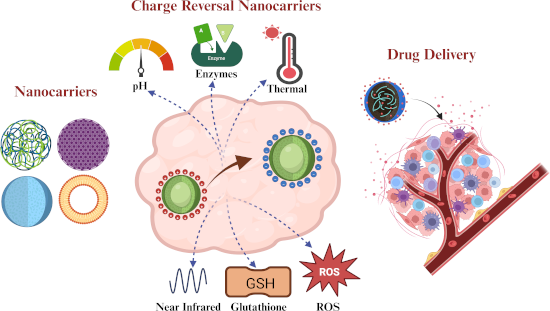
- the complex stimuli-responsive nature of CRNs, which can affect immunogenicity, cytotoxicity, and long-term biocompatibility [94]. Research showing low toxicity at high concentrations for specific nanocarriers emphasizes their advantages over inorganic substitutes, such as silica and gold


PEGylated lipids in lipid nanoparticle delivery dynamics and therapeutic innovation
Beilstein J. Nanotechnol. 2025, 16, 1914–1930, doi:10.3762/bjnano.16.133
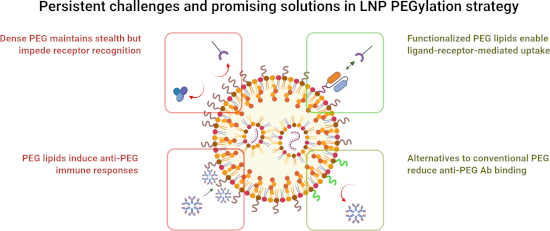
- address PEGylation associated immunogenicity. By conducting a critical analysis of the recent literature and identifying potent candidates for PEGylation strategies or PEG-free platforms, this review aims to provide insights and support the advancement of LNP mediated delivery. Keywords: functionalized
- PEG; immunogenicity; lipid nanoparticles; PEG alternatives; PEG lipids; therapeutic delivery; Review Introduction Lipid nanoparticles (LNPs) have become a promising platform in modern nanomedicine, especially for delivering genetic payloads such as mRNA and siRNA. These nanoscale particles can
- strategies in LNP-based drug delivery systems, approaches are being explored. These include integrating functional groups into PEG lipids for ligand conjugation and improved cell-specific targeting, as well as developing PEG alternatives to mitigate anti-PEG antibody associated immunogenicity [7][8]. This


Advances of aptamers in esophageal cancer diagnosis, treatment and drug delivery
Beilstein J. Nanotechnol. 2025, 16, 1734–1750, doi:10.3762/bjnano.16.121

- aptamers in terms of global market share. However, the large size of antibodies (150–180 kDa, 15 nm), limited tissue permeability, expensive, time-consuming and laborious in vivo screening, and high immunogenicity [26] make it imperative to develop safe, effective, and simple ApDCs. Aptamer-functionalized


Prospects of nanotechnology and natural products for cancer and immunotherapy
Beilstein J. Nanotechnol. 2025, 16, 1644–1667, doi:10.3762/bjnano.16.116
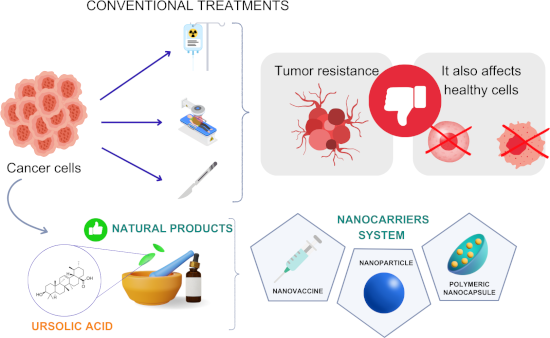
- biological environments, potential immunogenicity, scalability of manufacturing processes, and the need for comprehensive long-term toxicity studies [20][21]. Overcoming biological barriers, such as penetration through the dense tumor extracellular matrix, also remains a major hurdle [19]. Nevertheless
- benefits of this technology are reduced toxicity and immunogenicity, as well as less complexity, since they do not implement synthetic carriers in their composition. However, carrier-free self-assembly nanoparticles may have some limitations, such as the limitation of natural products used, since the



Ferroptosis induction by engineered liposomes for enhanced tumor therapy
Beilstein J. Nanotechnol. 2025, 16, 1325–1349, doi:10.3762/bjnano.16.97
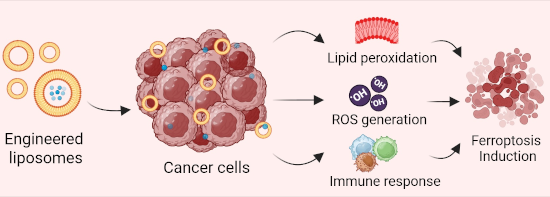
- ferroptosis-based therapy. Among them, engineered liposomes have received more attention due to their biocompatibility, low immunogenicity, and flexibility in chemical and structural modifications. The present review focuses on the mechanisms of ferroptosis and its induction by engineered liposomes to improve
- liposomes hold promise for drug delivery and ferroptosis induction, but their potential toxicity and immunogenicity require careful consideration. Although the phospholipid bilayer of liposomes has the advantage of resembling cells, one of the main causes of chemical instability is the possibility of
- designed to reduce systemic toxicity, some formulations, particularly cationic liposomes, can be cytotoxic to macrophages and disrupt immunomodulatory signaling. Liposomal immunogenicity depends on factors like surface charge, size, and PEGylation, with positively charged liposomes often triggering


Better together: biomimetic nanomedicines for high performance tumor therapy
Beilstein J. Nanotechnol. 2025, 16, 1246–1276, doi:10.3762/bjnano.16.92
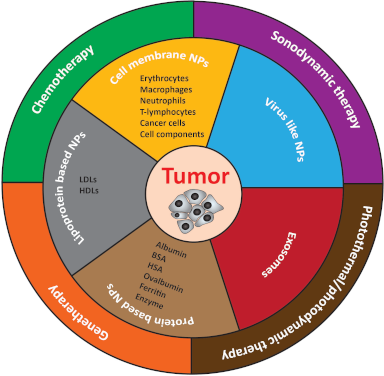
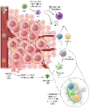
- inherent traits endow biomimetic nanoparticles with a suite of intelligent features, including biocompatibility, low immunogenicity, reduced toxicity, immune evasion, prolonged circulation, homotypic binding, enhanced tumor targeting, and the capability of precise delivery. By integrating biologically
- vaccines and improving their immunogenicity [112]. The presence of viral nucleic acids has been a key concern in medical applications, which limits the use of viruses in living organisms. Virus-like particles are multimeric nanoparticles consisting of viral proteins but lack viral genetic material. Thus







A calix[4]arene-based supramolecular nanoassembly targeting cancer cells and triggering the release of nitric oxide with green light
Beilstein J. Nanotechnol. 2025, 16, 1003–1013, doi:10.3762/bjnano.16.75
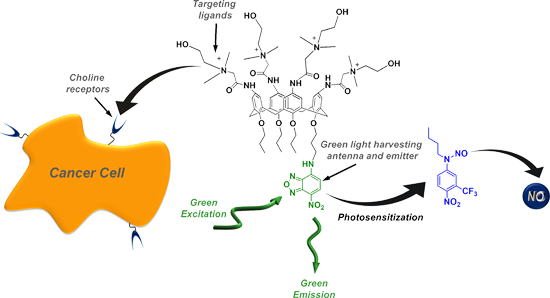
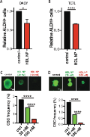
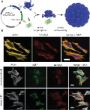
- immunogenicity and paving the way for a variety of applications in the biomedical field [1][6][7][8][9]. Due to their amphiphilic character, calix[n]arene derivatives can self-assemble in water medium, leading to nanoaggregates exhibiting much better hosting performances than the single monomers [10]. Aggregates


Nanomaterials in targeting amyloid-β oligomers: current advances and future directions for Alzheimer's disease diagnosis and therapy
Beilstein J. Nanotechnol. 2025, 16, 561–580, doi:10.3762/bjnano.16.44
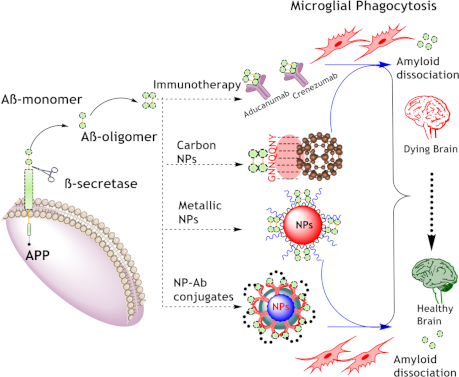
- NPs led to a higher permeability of RA and CUR across the BBB. This suggests that the antibody plays a crucial role in improving the uptake of NPs by cells and drug delivery to the brain [65]. Additionally, antibody conjugation can help to reduce the immunogenicity of NPs, enhancing their safety and


Synthetic-polymer-assisted antisense oligonucleotide delivery: targeted approaches for precision disease treatment
Beilstein J. Nanotechnol. 2025, 16, 435–463, doi:10.3762/bjnano.16.34
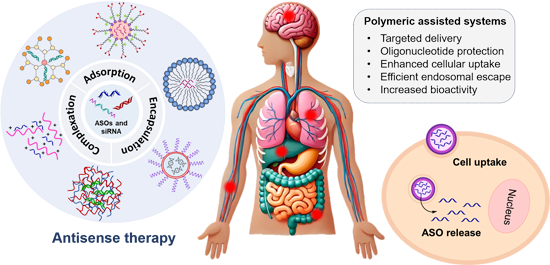
- past decade demonstrating how these polymers improve gene silencing efficiencies, particularly in cancer and neurodegenerative disease models. Despite the progress achieved, barriers such as immunogenicity, delivery limitations, and scalability still need to be overcome for broader clinical application
- further be reduced through PEGylation, which offers significant advantages by addressing common limitations of dendrimer-based systems such as drug leakage, immunogenicity, and poor ASO solubility [144]. Patil et al. demonstrated that PAMAM-b-PEG3000-b-PLL–siRNA triblock copolymers exhibited reduced


Radiosensitizing properties of dual-functionalized carbon nanostructures loaded with temozolomide
Beilstein J. Nanotechnol. 2025, 16, 229–251, doi:10.3762/bjnano.16.18
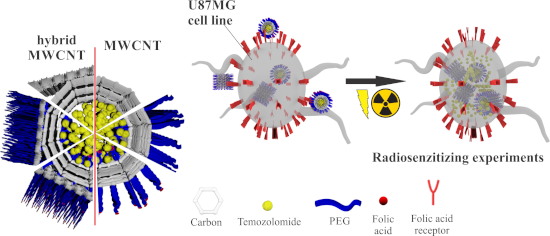
- (i.e., oxidation) of their surface, CNs with optimal hydrophobic/hydrophilic properties and increased dispersibility can be obtained as preconditions for biocompatibility and low immunogenicity. Also, improved electronic, mechanical, and thermal properties as preconditions for (photo)thermal and




Biomimetic nanocarriers: integrating natural functions for advanced therapeutic applications
Beilstein J. Nanotechnol. 2024, 15, 1619–1626, doi:10.3762/bjnano.15.127
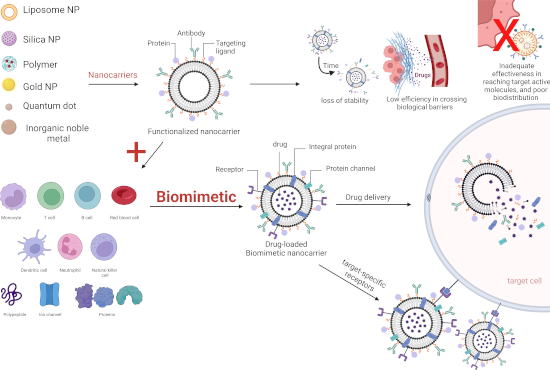
- , consequently, sustained and controlled release of potential associated drugs [21]. To overcome these limitations and enhance coating efficiency, the decoration of nanostructures with functional ligands increases their biological interactions. Decreasing nonspecific interactions and immunogenicity is one of the


Liver-targeting iron oxide nanoparticles and their complexes with plant extracts for biocompatibility
Beilstein J. Nanotechnol. 2024, 15, 1593–1602, doi:10.3762/bjnano.15.125
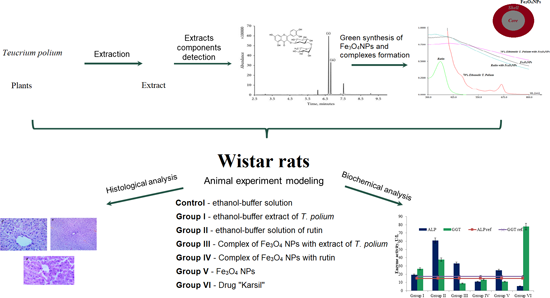
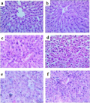
- adverse reactions. The toxicity of MNPs depends on various factors such as size, shape, structure, surface modification, concentration, dosage, biodistribution, bioavailability, solubility, immunogenicity, and pharmacokinetics [23][24]. Their use in some clinical applications is limited by low solubility


Polymer lipid hybrid nanoparticles for phytochemical delivery: challenges, progress, and future prospects
Beilstein J. Nanotechnol. 2024, 15, 1473–1497, doi:10.3762/bjnano.15.118
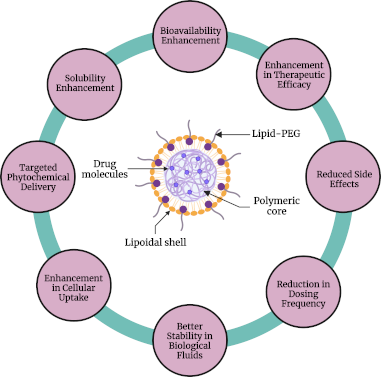
- . This leads to improved bioavailability and allows for sustained release of the encapsulated therapeutic agents [64][65][66]. The advantages of PEGylated PLHNPs include enhanced biocompatibility and reduced immunogenicity. The PEG layer creates a hydrophilic barrier around the nanoparticles, which


Radiofrequency enhances drug release from responsive nanoflowers for hepatocellular carcinoma therapy
Beilstein J. Nanotechnol. 2024, 15, 569–579, doi:10.3762/bjnano.15.49
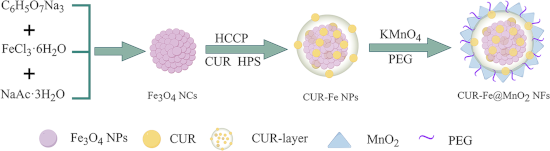
- immunogenicity, and their application is limited by high costs [6]. In addition to the aforementioned treatments, systemic chemotherapy drugs including sorafenib and lenvatinib have been shown to be effective at improving overall survival. Nonetheless, patients often discontinue these treatments due to


Recent progress in cancer cell membrane-based nanoparticles for biomedical applications
Beilstein J. Nanotechnol. 2023, 14, 262–279, doi:10.3762/bjnano.14.24

- microenvironment. Guo et al. used the major histocompatibility complex class I (MHC I)-deficient 4T1 breast cancer cell membrane to coat dexamethasone (DXM)-loaded biomimetic NPs, endowing them with lower immunogenicity, thus, preventing stimulation of the immune system [22]. The NPs enabled the targeted delivery


Nanotechnology – a robust tool for fighting the challenges of drug resistance in non-small cell lung cancer
Beilstein J. Nanotechnol. 2023, 14, 240–261, doi:10.3762/bjnano.14.23
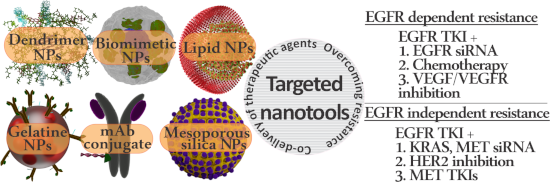
- such as cyclodextrin, inulin, and chitosan. These polymers are used alone or combined with amphiphilic polymers for core–shell nanoparticles such as the triblock polymer poly(ʟ-lactide)-poly(ethylene glycol)-poly(ʟ-lactide) (PLLA-PEG-PLLA) to increase the stability and decrease the immunogenicity of
- relationships of the LNPs are discovered by building and evaluating different LNP libraries [153]. Studies should also intensify in the area of nanoscale biointerface interactions and their influence on specific targeting and internalization, improved tolerability, and the reduction of immunogenicity and off


Bioselectivity of silk protein-based materials and their bio-inspired applications
Beilstein J. Nanotechnol. 2022, 13, 902–921, doi:10.3762/bjnano.13.81

- , slow biodegradation, low immunogenicity, and non-toxicity, making them ideally suited for tissue engineering and biomedical applications. Furthermore, recombinant production technologies allow for application-specific modification to develop adjustable, bioactive materials. The present review focusses
- by extraordinary properties including excellent biocompatibility, slow biodegradation, low immunogenicity, and non-toxicity, making them ideally suited for tissue engineering and biomedical applications [105][106][107]. This review focuses on achievements made with silk-based protein materials and
- care, shampoos, and lotions. Traditional utilization of silk fibres as sutures for wounds are known for centuries due to their strength, biocompatibility, and low immunogenicity [104], and silkworm silk surgical threads are commercially available [108]. Moreover, silk-based polymeric materials have


Recent advances in nanoarchitectures of monocrystalline coordination polymers through confined assembly
Beilstein J. Nanotechnol. 2022, 13, 763–777, doi:10.3762/bjnano.13.67

- assembled vaccine particles showed improved immunogenicity. Moreover, the activity of the encapsulated OVA and CpG was maintained under enzyme incubation, heating treatment (60 °C for 12 h), or long-term storage (longer than six months) at 25 °C. The efficiency of this strategy encourages large-scale


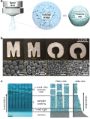


Design and selection of peptides to block the SARS-CoV-2 receptor binding domain by molecular docking
Beilstein J. Nanotechnol. 2022, 13, 699–711, doi:10.3762/bjnano.13.62

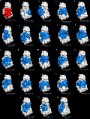
- (K417N, Y453F, E484K, and N501Y), according to the B1.1.7, B.1.351, P.1, and Y453F SARS-CoV-2 variants. Computing the radius of gyration The radius of gyration (Rg) for the selected peptides against SARS-CoV-2 was determined using the WinHydroPro V10 software [35]. Immunogenicity analysis Immunogenicity
- were increased. These results support the success of the chosen strategy for designing peptides based on the hydrogen bond interactions in an easy way. Immunogenicity The immune system can recognize external molecules introduced into our body, which, in many cases, leads to the production of antibodies
- , nucleic acids, and even drugs) do not reach their target since they are eliminated by cells of the immune system, which limits their activity. Therefore, proposed peptides with antiviral activity must be evaluated from the immunological point of view. In this context, an immunogenicity prediction of the




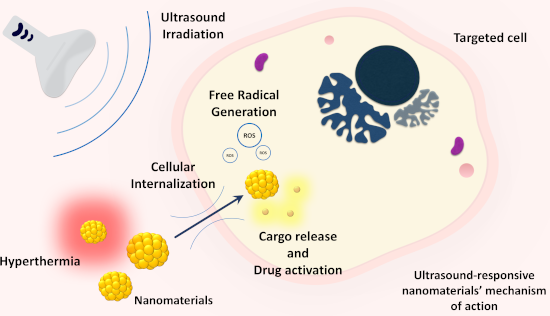
Comprehensive review on ultrasound-responsive theranostic nanomaterials: mechanisms, structures and medical applications
Beilstein J. Nanotechnol. 2021, 12, 808–862, doi:10.3762/bjnano.12.64


The impact of molecular tumor profiling on the design strategies for targeting myeloid leukemia and EGFR/CD44-positive solid tumors
Beilstein J. Nanotechnol. 2021, 12, 375–401, doi:10.3762/bjnano.12.31