


Search results
Search for "matrix" in Full Text gives 847 result(s) in Beilstein Journal of Nanotechnology. Showing first 200.
Cross-scale design of chemosensor arrays: from molecular self-assembly in water to paper-based devices for metal ion detection
Beilstein J. Nanotechnol. 2026, 17, 828–838, doi:10.3762/bjnano.17.59
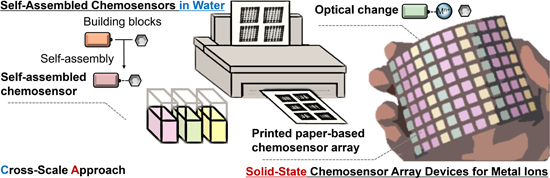
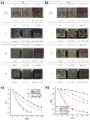
- recorded optical responses as spectral profiles and digital images are summarized into a data matrix, according to the categories of types of chemosensor elements, analytes, and their concentrations. To validate the reproducibility of the sensing performance, replicate measurements are carried out
- . Therefore, the data matrix contains multidimensional chemical information, which can be processed using chemometric methods to classify and predict chemical information and to visualize the results as two- and three-dimensional outputs [39]. Herein, the assays are categorized into three types, namely


Restorative potential of laser-synthesized silver nanoparticles with Salvia officinalis for periodontal disease treatment: an in vitro study
Beilstein J. Nanotechnol. 2026, 17, 781–795, doi:10.3762/bjnano.17.55
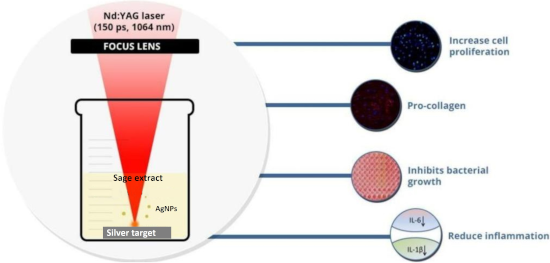
- , connective tissue damage occurs, beginning with fibroblast alteration and secretion of metalloproteinases, which degrade collagen and other components of the extracellular matrix [17][18]. Eventually, fibroblast apoptosis and inhibition of collagen production ensue, causing overall gingival atrophy and
- the extracellular matrix (ECM). However, consistent with cell viability results, higher concentration of 2 × MIC decreased cell proliferation, probably by excessive ROS production, which overcomes cellular defense mechanisms, outlining the concentration limit. Collagen production and remodeling are
- the anti-inflammatory effects of the silver nanoparticles [68]. It was previously demonstrated that high levels of IL-6 upregulate the expression of certain matrix metalloproteinases, enzymes involved in the degradation of the extracellular matrix, causing collagen degradation and disturbed tissue





Interface-engineered Caco-2 cell culture on a collagen-coated liquid–liquid interface in a microfluidic device
Beilstein J. Nanotechnol. 2026, 17, 760–768, doi:10.3762/bjnano.17.53
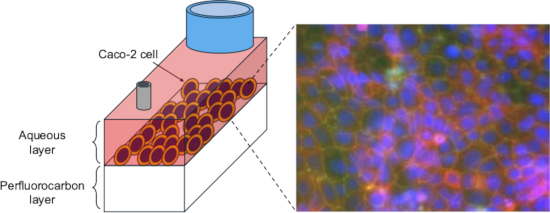
- investigation of epithelial barrier formation, transport functions, and mechanobiological responses that are otherwise difficult to isolate in conventional solid-supported systems. Moreover, when functionalized with extracellular matrix proteins, such interfaces can support uniform epithelial maturation and


Environmental applications of silver nanoparticles: state-of-the-art review and emerging trends
Beilstein J. Nanotechnol. 2026, 17, 697–736, doi:10.3762/bjnano.17.49
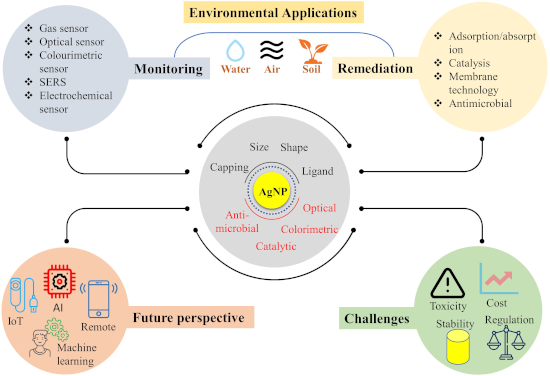
- pseudo-first-order reaction kinetics [25]. The addition of AgNPs to a matrix may improve their efficiency in removing various contaminants via adsorption mechanisms, which can be ionic or covalent, depending on the nanocomposite surface chemistry [26]. In a study, Ag-decorated reduced graphene oxide was


Decontamination from water pollutants and pathogens by electrospun nanofibers doped with heavy-atom-free borafluorene-BODIPY photosensitizers
Beilstein J. Nanotechnol. 2026, 17, 668–682, doi:10.3762/bjnano.17.46
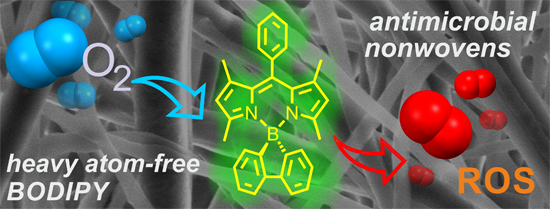
- . EDX, ToF-SIMS and XPS analyses confirmed the homogenous distribution of BODIPY within the polymeric matrix. Furthermore, the materials showed significant photoinactivation of Staphylococcus aureus under white light irradiation compared to the control experiment performed without irradiation. These
- findings highlight the potential of the electrospun PCL nanofibers as optimal matrix for the immobilization with singlet oxygen photosensitizers and subsequent application in the decontamination of water from pollutants and pathogens. Keywords: antimicrobial photodynamic therapy; BODIPY; electrospun
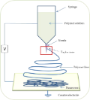
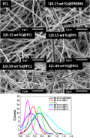
- ) supported by Tukey’s post hoc test. Results and Discussion Selection of the matrix material Samples of BODIPY 1 encapsulated in poly(methyl methacrylate) (PMMA), polystyrene (PS), and polycaprolactone (PCL) nanofibers were formed using electrospinning, following by SEM analysis of the morphology. To ensure



Cellulose as a photocatalyst support material: extraction, structural features, and environmental applications
Beilstein J. Nanotechnol. 2026, 17, 635–652, doi:10.3762/bjnano.17.44
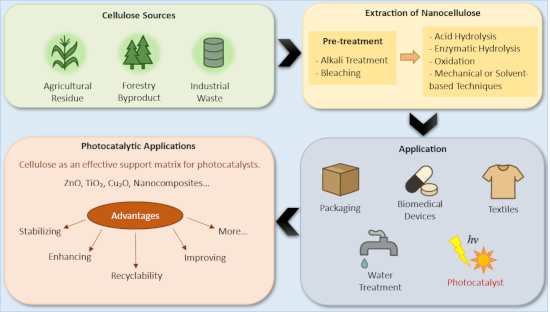
- of functional groups enable it to act as an effective support matrix for photocatalysts such as ZnO, TiO2, Cu2O, and various hybrid nanocomposites. Through stabilizing nanoparticles, preventing their aggregation and contributing to pollutant adsorption, cellulose enhances the overall efficiency of
- immobilizing photocatalysts on membrane surfaces to create a polymer photocatalytic membrane matrix, which has shown strong effectiveness in degrading water contaminants [14]. They also prevent biofouling, a major problem in membrane separation. Scientists are increasingly combining cellulose with different
- natural biopolymer composed of glucose units arranged as a water-insoluble polysaccharide with a high molecular weight, and it typically makes up 40–60% of plant cell walls. The remaining components of the cell wall include hemicellulose (15–30%) and lignin (2–35%), which form a cross-linked matrix around


Recent progress in enhancing built-in electric fields of perovskite solar cells via junction engineering
Beilstein J. Nanotechnol. 2026, 17, 602–621, doi:10.3762/bjnano.17.42
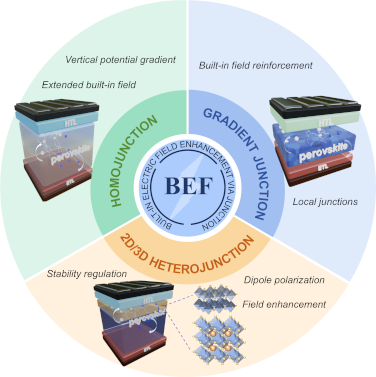
- thickness. These efforts open new avenues to further increase the magnitude of the BEF and to achieve finer spatial control. In 2D/3D heterojunctions, mismatches in conduction type or interfacial work function (ΔΦ) between the 2D layer and 3D matrix limit band bending and weaken the BEF, reducing the




Impacts of annealing on structural and photophysical properties of zinc phthalocyanine adsorbed on graphene
Beilstein J. Nanotechnol. 2026, 17, 576–585, doi:10.3762/bjnano.17.39
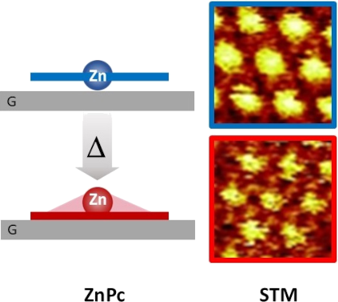
- -tunneling-microscopy and optical microspectroscopy of a 2D phase change experienced by a self-assembled zinc phthalocyanine (ZnPc) monolayer adsorbed on graphene. To probe the intrinsic properties of individual ZnPc molecules, they are spatially confined within the pores of a self-assembled 2D matrix. This
- experienced by ZnPc self-assembled monolayer on graphene or HOPG. Single ZnPc molecules are guest-isolated within the nanocavities of a self-assembled 2D host matrix, preventing intermolecular interactions and allowing for individual characterization. This phase change, induced by annealing, is discussed in
- the transferred CVD graphene [45]. We thus studied the effects of annealing on the structure of ZnPc trapped in a TSB35-C12 nanoporous matrix by STM on HOPG, as reported in Figure 3. The same behavior is expected on graphene, in line with our previously published results [40][45]. The annealing mainly


Synthesis of Cu–Mo/TiO2 and Co–Mo/TiO2 photocatalysts for the efficient degradation of organic pollutants in water
Beilstein J. Nanotechnol. 2026, 17, 559–570, doi:10.3762/bjnano.17.37
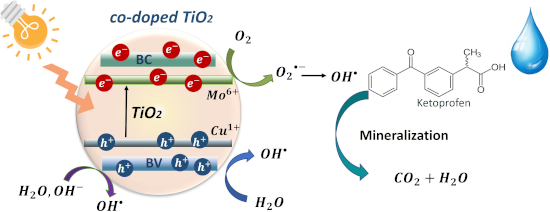
- into the semiconductor matrix. The incorporation of co-dopants results in the formation of heterostructures with different electronic structures compared to the TiO2 structure, which promotes charge separation and visible light absorption [6]. The incorporation of two types of cations into the TiO2



Electrochemical determination of ciprofloxacin using a MIL-101/reduced graphene oxide-modified electrode
Beilstein J. Nanotechnol. 2026, 17, 541–554, doi:10.3762/bjnano.17.35
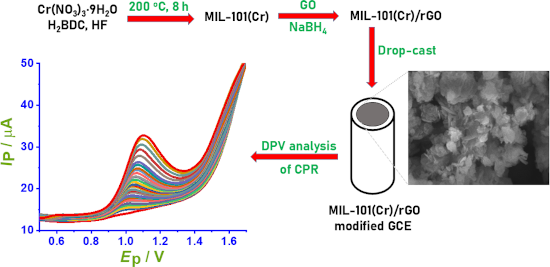
- %), which mainly originates from the rGO sheets and the organic linker of MIL-101, indicating the effective incorporation of rGO into the composite matrix. Oxygen (O) is the most abundant element with 48.87 wt % (51.03 atom %), consistent with the presence of metal–oxygen clusters in MIL-101 as well as


Fractional shot noise of an SU(N) Kondo system
Beilstein J. Nanotechnol. 2026, 17, 515–540, doi:10.3762/bjnano.17.34
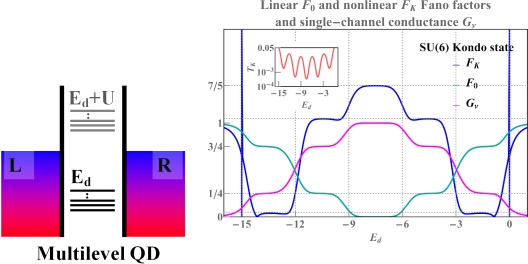
- of the SU(N) group, i = 1, ..., N2 − 1, and ν, ν′ range over N channels. The operators Ti span the full space of local physical observables. Ti = (1/2)Λi, where i is a generalized G-M matrix. The above choice of generators, called fundamental, is not the only one [42][44][98]; but to treat all


![[Graphic 127]](/bjnano/content/inline/2190-4286-17-34-i187.svg?max-width=637&scale=1.18182)

Probing internal continua and atomic ultrafast charge transfer within size-controlled nanoparticles by post-collision interaction in core-hole clock spectroscopy
Beilstein J. Nanotechnol. 2026, 17, 505–514, doi:10.3762/bjnano.17.33
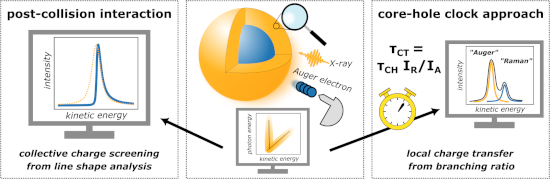
- materials [24][25][26], nanoparticles [27], and matrix-embedded polymers [28]. Results and Discussion Figure 1a shows S KL2,3L2,3 Auger electron spectra at different photon energies around the absorption edge of S 1s electrons as a color-coded map. The intensity ratio between the Raman and Auger channels is




Nanocarrier-integrated multilayer films produced by 3D printing for improved skin adhesion and curcumin photostability
Beilstein J. Nanotechnol. 2026, 17, 440–453, doi:10.3762/bjnano.17.30
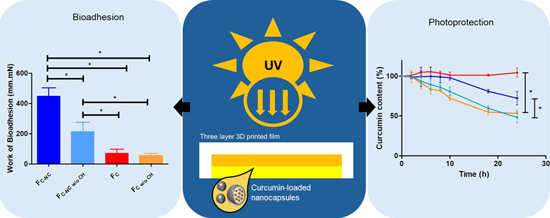
- significant reduction in curcumin content under UVC exposure, confirming the intrinsic photolability of curcumin in the polymeric matrix. In contrast, complete multilayer films incorporating the TiO2-containing top layer maintained significantly higher curcumin levels over 24 h, demonstrating the effective
- restricting molecular mobility and reducing direct light exposure within the matrix. However, the most pronounced protective effect was clearly associated with the presence of the TiO2-containing layer, indicating that spatial separation of functions enabled by multilayer 3D printing is critical for achieving
- previously demonstrated for SSE-based systems [27]. The incorporation of alginate contributes to biocompatibility and creates a hydrogel microenvironment resembling the extracellular matrix, which may favour tissue interaction [33]. The upper layer, composed of a CMC hydrogel containing titanium dioxide


First-principles study on elastic properties of Cu, (Cu1−x,Nix)3Sn and interfacial mechanical properties of (Cu1−x,Nix)3Sn/Cu in the lead-free solder joint
Beilstein J. Nanotechnol. 2026, 17, 428–439, doi:10.3762/bjnano.17.29
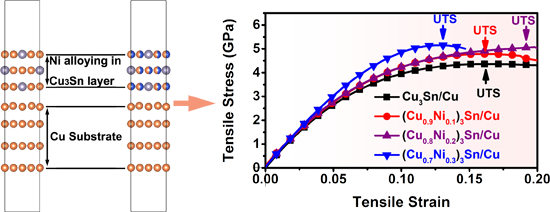
- s11, s22, s33, s12, s13, s23, s44, s55, and s66 are the elements of the elastic compliance matrix. The elastic compliance matrix is the inverse of the elastic constant matrix. l1, l2 and l3 are the direction cosines of the ⟨hkl⟩ axes. Using the elastic compliance matrix, the three-dimensional (3D



Nanoinformatics: spanning scales, systems and solutions
Beilstein J. Nanotechnol. 2026, 17, 423–427, doi:10.3762/bjnano.17.28
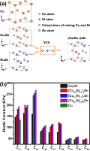
- classical molecular dynamics and ab initio calculations revealed that TA preferentially binds to the most reactive sites on GO surfaces via oxygen-containing groups or the carbon matrix. The binding energy was dominated by van der Waals interaction forces. A dose-dependent mitigating effect of TA on the

Biomimetic nanoparticles in cancer photodynamic therapy: a review of targeted delivery systems and therapeutic outcomes
Beilstein J. Nanotechnol. 2026, 17, 396–422, doi:10.3762/bjnano.17.27
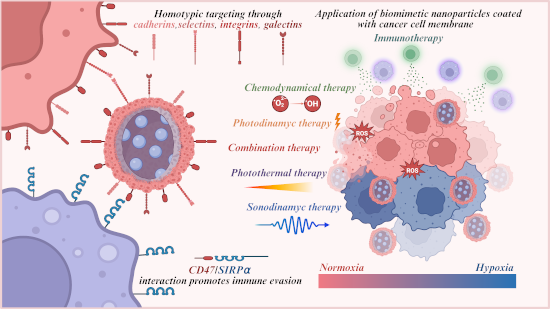
- integrins, selectins, cadherins, and members of the immunoglobulin superfamily (IgSF). Integrins typically interact with the extracellular matrix, whereas selectins, cadherins, and IgSF proteins are primarily responsible for cell–cell adhesion [89]. The cytoplasmic and extracellular domains of these
- of the most extensively studied integrins, αVβ3, is a transmembrane receptor for extracellular matrix proteins that binds cyclic RGD peptides with high affinity and interacts with SRC oncogene to promote lymph node metastasis. For example, RGD-coated BNPs enhanced doxorubicin (DOX) uptake by 1.4
- ) [175][176][177] or MOFs [165][178][179], and a stabilizing matrix often composed of polymers, lipids, or proteins like human serum albumin (HSA) [177]. Figure 6 schematically illustrates examples of these key strategies for mitigating hypoxia in tumor tissues using BNPs. Table 2 presents the main


Eco-efficient materials for agricultural crops based on a mineral rich in MOR- and HEU-type zeolites
Beilstein J. Nanotechnol. 2026, 17, 381–395, doi:10.3762/bjnano.17.26
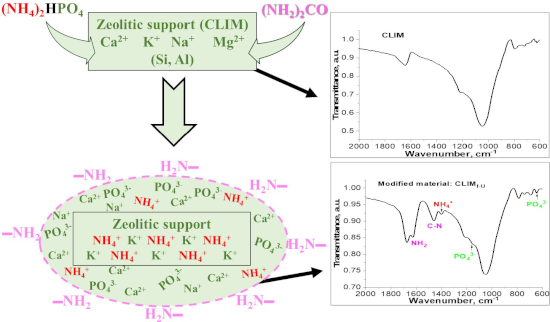
- affect the interaction of chemical species with the zeolitic matrix, altering the behaviour of the resulting materials. In this work, a mineral consisting mainly of a mixture of two zeolites, mordenite (MOR) and clinoptilolite-heulandite (HEU) with equivalent fractions, was used to develop materials
- carrying nutrients (N, P, and K) for agricultural crops. The mineral matrix provides important elements such as K and Si, while N and P were incorporated into the material by treatment with ammonium hydrogenphosphate and urea. The presence of superficially adsorbed PO43−, NH4+ exchanged in zeolites, and
- utilized by crop plants during their development. Furthermore, the silicon contained in its matrix is considered an important element due to its role in the physiology and biochemistry of agricultural crops [12]. The cation exchange and adsorption properties of zeolites form the basis for the modification




Ferroelectric nanodot reservoir for neuromorphic computing
Beilstein J. Nanotechnol. 2026, 17, 352–364, doi:10.3762/bjnano.17.24
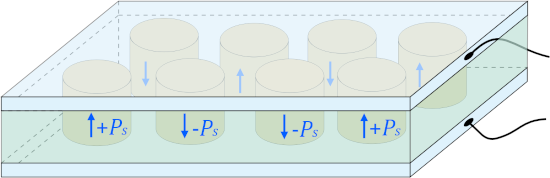
- output, where the array of ferroelectric nanodots serves as a pixel-wise data storage matrix. In the configuration shown in Figure 7a, optoelectronic techniques are employed. At the input stage, a pixel-resolved optical beam locally excites charges at the top electrode, inducing spatially resolved
- coupled system. Interaction matrix and local fields arise naturally from electrostatic coupling, while the discrete polarization states map to binary Ising variables. This analogy provides a physically grounded platform for implementing neuromorphic functionality. The system operates through charge


Gold nanoparticle-decorated reduced graphene oxide as a highly effective catalyst for the selective α,β-dehydrogenation of N-alkyl-4-piperidones
Beilstein J. Nanotechnol. 2026, 17, 218–238, doi:10.3762/bjnano.17.15
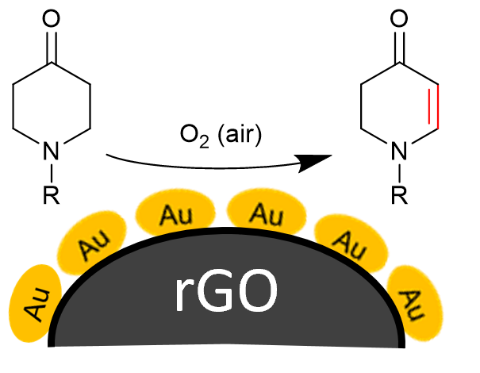
- the gold precursor from solution. Hence, DLS analysis of the AuNPs will neither be possible. Only TEM analysis can be used to characterize the gold nanoparticles within the carbon matrix. Upon examining the TEM images at 50 nm magnification of the Au@SiW9/rGO system synthesized via DP (Figure 8a), it
- reduces the active surface area. Moreover, AuNPs become partially embedded within the carbon matrix, reducing their access and availability for catalytic reactions [46]. Consequently, the composites prepared by RD typically exhibit superior catalytic performance compared to their DP-derived counterparts


Time of flight secondary ion mass spectrometry imaging of contaminant species in chemical vapour deposited graphene on copper
Beilstein J. Nanotechnol. 2026, 17, 200–213, doi:10.3762/bjnano.17.13
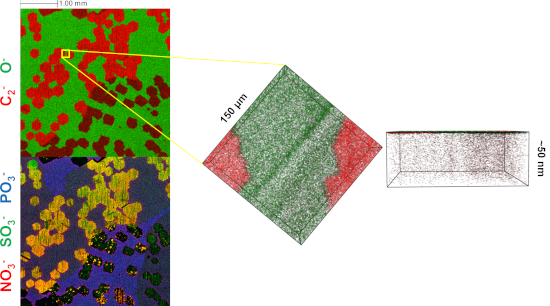
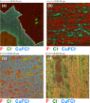
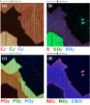
- CasaXPS (version 2.3.26PR1.0) with Shirley-type backgrounds for the high-resolution spectra, and elemental composition was calculated from the wide scans using the NPL transmission functions and average matrix relative sensitivity factors after removal of a Tougaard or linear background [45]. Results and






From shield to spear: Charge-reversible nanocarriers in overcoming cancer therapy barriers
Beilstein J. Nanotechnol. 2026, 17, 159–175, doi:10.3762/bjnano.17.10
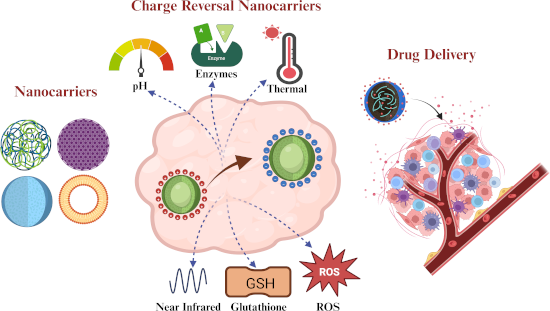
- function and various bodily processes. Certain enzymes, such as matrix metalloproteinases (MMPs), hyaluronidases (HAases), γ-glutamyltransferases (GGTs), aminopeptidases (APNs), esterases, and others, are found more regularly in cancer cells [32][47][48][49]. By encapsulating specific enzyme substrates in


Capabilities of the 3D-MLSI software tool in superconducting neuron design
Beilstein J. Nanotechnol. 2026, 17, 122–138, doi:10.3762/bjnano.17.8
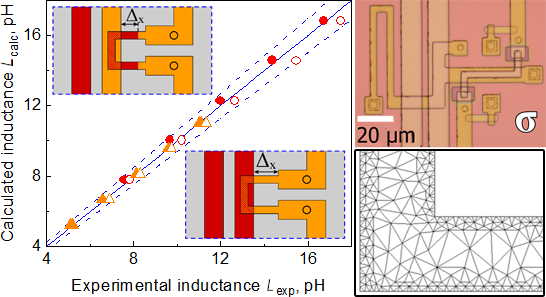
- matrix [33]. The Gauss neuron represents a two-junction interferometer that is also shunted symmetrically to generate the output signal. This type of circuit was considered for the first time in [34][35][36][37] and named the quantum flux parametron (QFP). In [38], it was demonstrated that the energy
- of the neuron’s receiving parts with respect to receiving the input signal. The corresponding component of the inductance matrix is quite small; however, it significantly affects the shape of the TF. Therefore, the designs proposed in [26][27] require further refinement. In this work, we study sigma
- on averaging the 3D current over the thin thickness of a superconductor film [49][50]. In contrast to InductEx and SuperVoxHenry, it leads to a set of 2D integro-differential equations instead of three-dimensional ones. As a result, 3D-MLSI can work without the large matrix procession techniques



Development and in vitro evaluation of liposomes and immunoliposomes containing 5-fluorouracil and R-phycoerythrin as a potential phototheranostic system for colorectal cancer
Beilstein J. Nanotechnol. 2026, 17, 97–121, doi:10.3762/bjnano.17.7
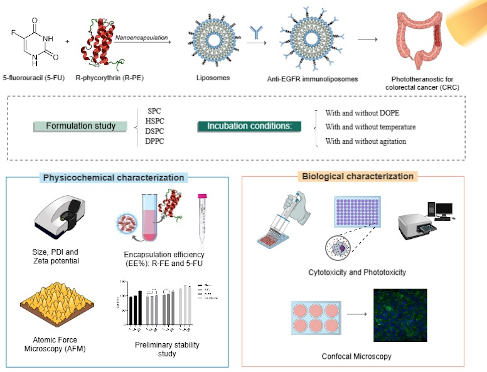
- , changes in relative intensity and slight shifts in the amide and carbonyl bands were noted, suggesting intermolecular interactions between R-PE, 5-FU, and the lipid matrix. These spectral shifts are indicative of hydrogen bonding and rearrangement of the molecular microenvironment, phenomena commonly




Functional surface engineering for cultural heritage protection: the role of superhydrophobic and superoleophobic coatings – a comprehensive review
Beilstein J. Nanotechnol. 2026, 17, 63–96, doi:10.3762/bjnano.17.6

- ) layer. Subsequently, the authors incorporated the PCA-coated VCMs into a polydimethylsiloxane (PDMS) matrix, significantly reducing the thermal conductivity of the coatings and improving their surface hydrophobicity. The coating provided robust protection for concrete, enhancing abrasion resistance and
- hydrocarbon chain length and halogen content, which influenced their interaction with the geopolymer matrix. Both materials showed increased hydrophobicity, particularly when using long-chain or halogenated alkoxysilanes, which helped chemical bonding between the hybrid coatings and the geopolymer structure
- labeled F-WPU@ZIF-8/ Ti3C2Tx. The two nanomaterials (the MOF ZIF-8 and the 2D MXene Ti3C2Tx), synthesized and dispersed uniformly before being incorporated into the WPU matrix and sprayed onto the bronze substrates, were aimed to fill microcracks and structural defects in the polymer matrix, improving





Microscopic study of the intermediate mixed state in intertype superconductors
Beilstein J. Nanotechnol. 2026, 17, 57–62, doi:10.3762/bjnano.17.5
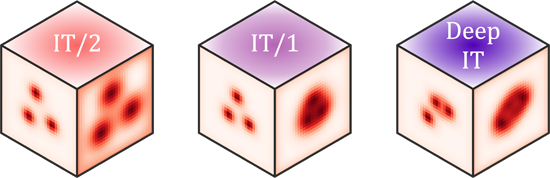
- -neighbor hopping amplitude, and g > 0 denotes the onsite attraction strength. An external magnetic field is incorporated via the Peierls substitution in the hopping matrix elements as where A(r) is the vector potential associated with the magnetic field B = ∇ × A. Within the mean-field approximation, the





