


Search results
Search for "microstructure" in Full Text gives 275 result(s) in Beilstein Journal of Nanotechnology. Showing first 200.
Nanoglasses: a trail towards uncharted regions of vitreous materials and their properties?
Beilstein J. Nanotechnol. 2026, 17, 1047–1062, doi:10.3762/bjnano.17.72
- at the nanometre-level and even at the atomic scale. Despite these widespread concepts of modification of materials, materials science has traditionally focused on crystalline materials, particularly in the context of microstructure and defect engineering, including the manipulation of defects such
- as internal interfaces and dislocations. In contrast, amorphous materials such as metallic glasses have largely been overlooked in the aspect of microstructure and defect engineering. Yet, glasses are ubiquitous in both our daily life and in nature, and they have accompanied humanity’s technological
- glasses with a given chemical composition undergo “microstructural” engineering beyond the well-known and limited changes in specific volume? Can we impose a tailored “microstructure” onto glasses to control their properties? This line of inquiry extends further, exploring the potential extent of


Synthesis and characterization of RF-sputtered ZnTe/Cu2−xTe thin films for solar cell applications
Beilstein J. Nanotechnol. 2026, 17, 1016–1027, doi:10.3762/bjnano.17.69
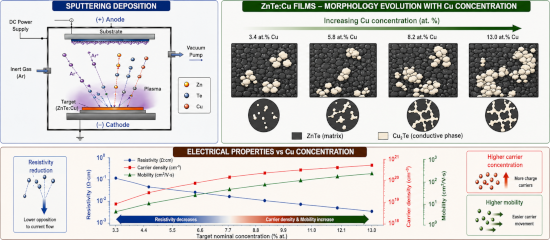
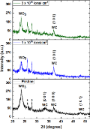
- target, including the combined effects of composition and substrate temperature on phase evolution, microstructure, and functional properties, remains limited. In particular, the relationship between Cu-induced phase segregation, structural evolution, and the resulting electrical transition has not been
- temperature and dopant concentration promotes enhanced crystallinity of ZnTe as well as the formation and growth of Cu2−xTe secondary phases. Raman spectroscopy and SEM images confirmed that the films exhibit a composite microstructure consisting of ZnTe and Cu2−xTe regions, in agreement with XRD and GIXRD



Ultrasonic irradiation in the synthesis of nanohydroxyapatite: a chemically friendly technique for improving hemocompatibility and antibiofilm applications
Beilstein J. Nanotechnol. 2026, 17, 991–1015, doi:10.3762/bjnano.17.68
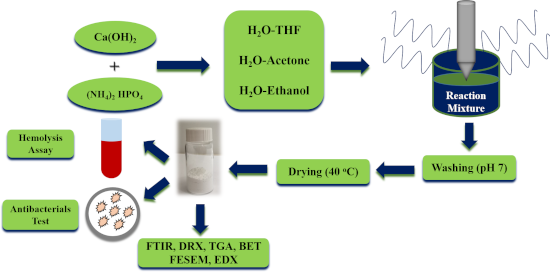
- , further diversifying its multiple applications [23]. Some studies have also shown that synthesis parameters such as the type of solvent, ultrasonic irradiation time, and the nature of the reactants used as nHA precursors, directly influence the microstructure of the resulting material [24]. Due to the




Materials challenges in solid-state sensors for continuous monitoring of ions in water
Beilstein J. Nanotechnol. 2026, 17, 935–973, doi:10.3762/bjnano.17.66
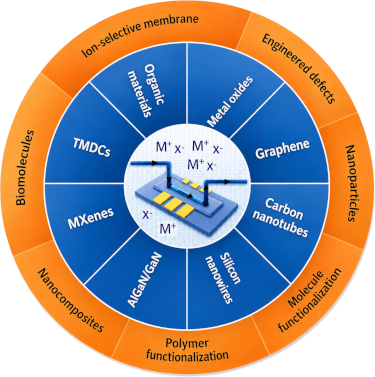
- microstructure. The specific surface area of sensing semiconducting metal oxides (SMOs) is in a range of 20–200 m2/g depending on their degree of porosity and nanostructuring [108][109]. As an example of an SMO-based device, a WG-FET based on a SnO2 thin-film channel was developed for the selective detection of



Enhanced erosion resistance and radiation stability of WC–WO3 nanocomposite films under 100 keV Kr+ ion irradiation
Beilstein J. Nanotechnol. 2026, 17, 922–934, doi:10.3762/bjnano.17.65
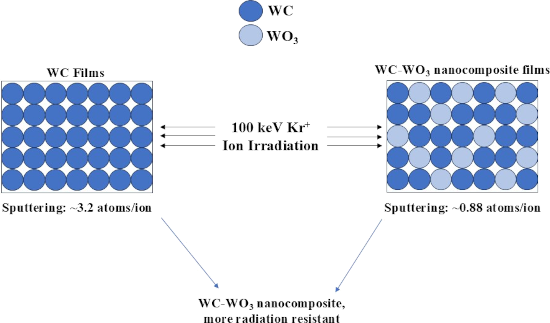
- -induced damage to the microstructure from fission up to 10 dpa (displacements per atom). The novelty of the present study lies in the fact that no other research group has explored the effects of ion irradiation on the WC–WO3 composite material to the best of our knowledge. Additionally, no one has



Tuning the electronic properties of defect-rich MoS2
Beilstein J. Nanotechnol. 2026, 17, 796–805, doi:10.3762/bjnano.17.56
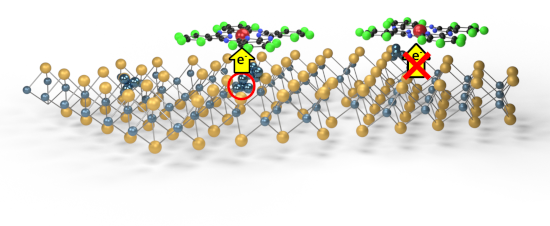
- observation of distinct defects in the microstructure already upon low ion dosing [21][32], as well as significant alterations of the Mo/S atomic ratio [19][20][21]. We ascribe the variations of the initial doping level in our samples to the presence of step edges and/or non-detectable traces of adsorbates


Tailoring Ag–Pt nanoalloys through solid-state dewetting: structural and optical insights
Beilstein J. Nanotechnol. 2026, 17, 748–759, doi:10.3762/bjnano.17.52

- temperature of 650 °C to induce the formation of nanostructures. Both deposition and annealing parameters were selected based on our prior research on metallic nanostructures [23][24][25][26][51][61][73]. The microstructure of as-deposited Ag–Pt bilayers was determined by means of AFM with the use of NT-MDT
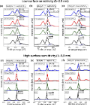
- temperature, with a pressure below 1.1 × 10⁻⁸ mbar. The results were calibrated to the C 1s line and analyzed using Shirley background subtraction and a Gaussian–Lorentzian curve as the fitting algorithm by the CasaXPS software. Additionally, detailed investigations of the microstructure and chemical




Electrochemical determination of ciprofloxacin using a MIL-101/reduced graphene oxide-modified electrode
Beilstein J. Nanotechnol. 2026, 17, 541–554, doi:10.3762/bjnano.17.35
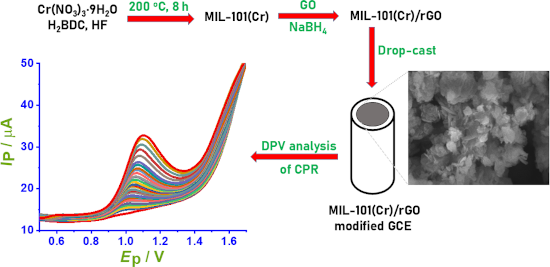
- -assisted method, displayed a favorable microstructure and strong interfacial interaction between MIL-101 and rGO, leading to an improved electrochemical response to ciprofloxacin oxidation. Electrochemical investigations showed that the modified electrode exhibited enhanced electrochemical performance and


Interconnection morphology effects on the radio frequency response of carbon nanotube sponges
Beilstein J. Nanotechnol. 2026, 17, 343–351, doi:10.3762/bjnano.17.23
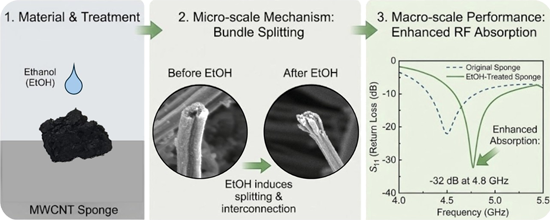
- findings point to a different interpretation related to the morphological effect of ethanol on the CNT mesh [27][29]. A scanning electron microscopy (SEM) study provided insights into the microstructure of the CNT film (Supporting Information File 1, Figure S1) and the sponges (Figure 3). The study




Micro- and nanoscale effects in biological and bioinspired materials and surfaces
Beilstein J. Nanotechnol. 2026, 17, 214–217, doi:10.3762/bjnano.17.14
- a follow-up with an extended scope to continue representation of nano- and microstructure effects in biological and bioinspired systems in the Beilstein Journal of Nanotechnology. The present thematic issue entitled “Micro- and Nanoscale Effects in Biological and Bioinspired Materials and Surfaces
Functional surface engineering for cultural heritage protection: the role of superhydrophobic and superoleophobic coatings – a comprehensive review
Beilstein J. Nanotechnol. 2026, 17, 63–96, doi:10.3762/bjnano.17.6
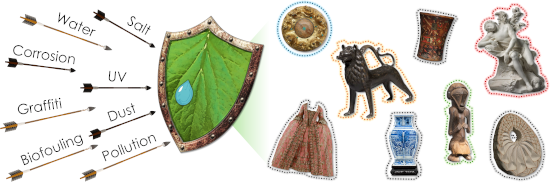
- vulnerability of the material through porosity and microstructure; and (iv) the chemical composition of the material itself, that is, stone, wood, metal, or ceramic. For this reason, it is necessary to fix a single factor and evaluate the variation of the others. Herein, we have chosen the substrate material to
- . However, since the bulk-modified samples exhibited a more compact microstructure, mechanical tests resulted in an increased compressive strength for these samples, suggesting stronger structural reinforcement, an improved heat resistance, and a reduction in open pores and surface area, contributing to




Subdigital integumentary microstructure in Cyrtodactylus (Squamata: Gekkota): do those lineages with incipiently expressed toepads exclusively exhibit adhesive setae?
Beilstein J. Nanotechnol. 2026, 17, 38–56, doi:10.3762/bjnano.17.4
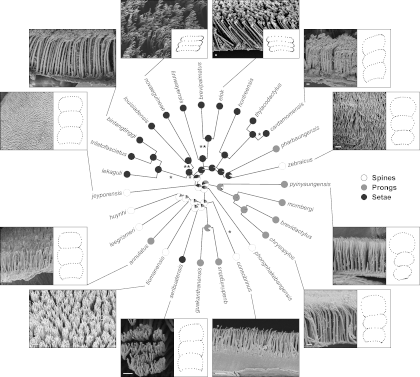
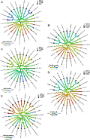
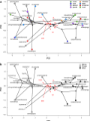
- hypothesis. Most transitions to incipient toepads occurred within this clade, consistent with hypothesis 1, and we reveal that the evolution of setae likely preceded that of broadened scales. Although microstructure types did not significantly correlate with ecotype, specific morphometric traits varied
- significantly among both microstructure types and ecotypes. Keywords: ecomorphology; evolution; habitat-specific adaptations; microfibrils; microornamentation; reptiles; toepad evolution; Introduction How a species’ habitat influences its mode of locomotion and how species adapt to effectively traverse and
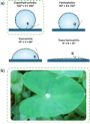
- , four types of subdigital integumentary microstructure have been distinguished, based upon the length of the filaments and the presence or absence of either tapered or spatulate tips, namely spinules, spines, prongs, and setae (see Figure 1A) [16]. Setae have been assumed to be essential for effecting


Visualizing nanostructures in supramolecular hydrogels: a correlative study using confocal and cryogenic scanning electron microscopy
Beilstein J. Nanotechnol. 2025, 16, 2274–2284, doi:10.3762/bjnano.16.156
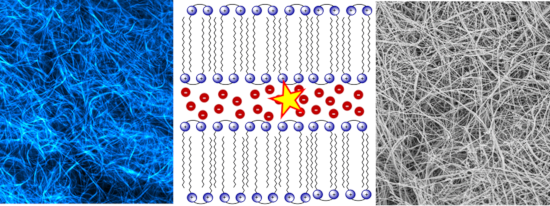
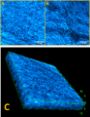
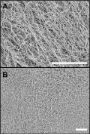
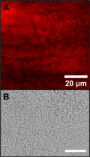
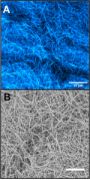
- PP3010. The gel sample underwent 5 min of etching via sublimation at −100 °C followed by sputtering in an argon environment using platinum for 60 s at a current of 10 mA. Once coated, the shuttle was transferred to the cryo-stage in the SEM chamber and maintained at −170 °C. Finally, the microstructure




The cement of the tube-dwelling polychaete Sabellaria alveolata: a complex composite adhesive material
Beilstein J. Nanotechnol. 2025, 16, 1998–2014, doi:10.3762/bjnano.16.138
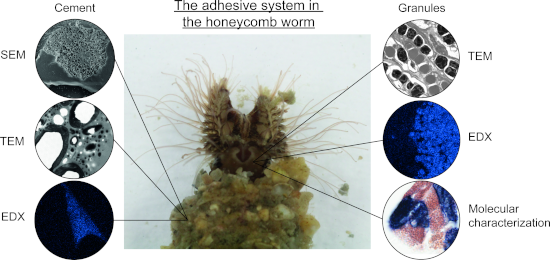
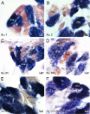
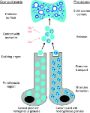
- species in particular have been the subject of numerous studies focused on the microstructure and composition of their adhesive secretion, namely, the North American species Phragmatopoma californica Krøyer in Mörch, 1863 and the European species Sabellaria alveolata (Linnaeus, 1767). Sabellariids are




Mechanical property measurements enabled by short-term Fourier-transform of atomic force microscopy thermal deflection analysis
Beilstein J. Nanotechnol. 2025, 16, 1952–1962, doi:10.3762/bjnano.16.136
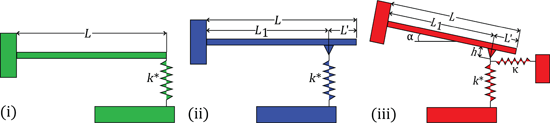
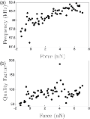
- viscoelastic modulus) of surfaces [5]. It is particularly useful for the measurement of heterogeneous surfaces, characteristic of composite and biological materials, where understanding the interplay between microstructure and mechanical properties of the constituent materials is critical for the performance




Electrical, photocatalytic, and sensory properties of graphene oxide and polyimide implanted with low- and medium-energy silver ions
Beilstein J. Nanotechnol. 2025, 16, 1794–1811, doi:10.3762/bjnano.16.123
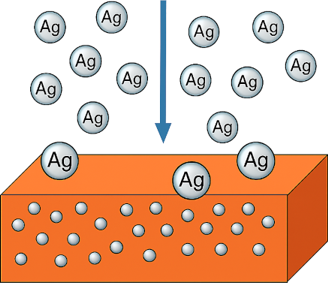
- conductivity, the implantation of silver ions can also significantly affect the interaction of the material with water molecules, thereby improving its sensing response to changes in air humidity [13]. By modifying the chemical composition and microstructure of the surface, the affinity of the material for air


Bioinspired polypropylene-based functionally graded materials and metamaterials modeling the mistletoe–host interface
Beilstein J. Nanotechnol. 2025, 16, 1592–1606, doi:10.3762/bjnano.16.113
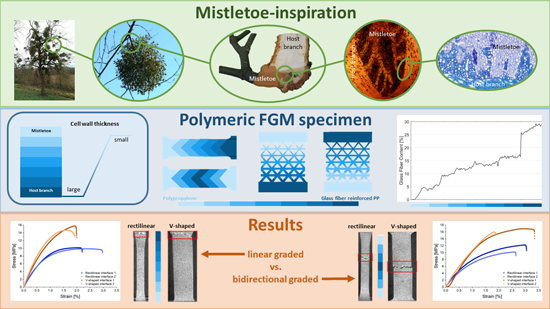
- , allows for thermal and mechanical stresses to be controlled locally, is known as functionally graded materials (FGMs). By means of a gradual composition and microstructure, FGMs can reduce interfacial stress, allowing for precise tailoring of mechanical properties such as stiffness, strength, and


Photocatalytic degradation of ofloxacin in water assisted by TiO2 nanowires on carbon cloth: contributions of H2O2 addition and substrate absorbability
Beilstein J. Nanotechnol. 2025, 16, 1567–1579, doi:10.3762/bjnano.16.111
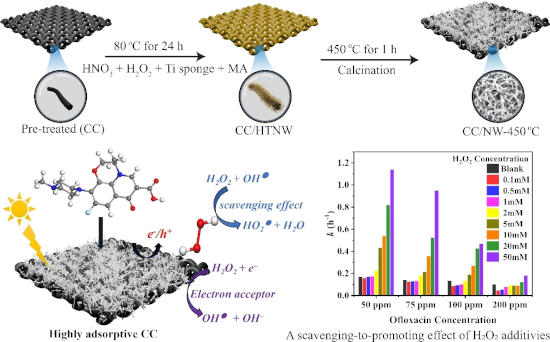
- Discussion Microstructure and morphology of photocatalysts Figure 1a shows schematically the synthesis of TiO2 nanowires on an activated carbon cloth substrate. When the carbon cloth is immersed in the Ti–H2O2 precursor solution maintained at 80 °C, first, the carbon cloth surface is activated, and, second


Wavelength-dependent correlation of LIPSS periodicity and laser penetration depth in stainless steel
Beilstein J. Nanotechnol. 2025, 16, 1302–1315, doi:10.3762/bjnano.16.95
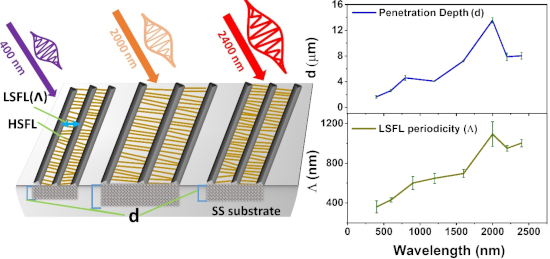
- voltage of 10 kV. In this procedure, a steel plate served as the cathode and was submerged in the oxalic acid solution, while the steel sample acted as the anode and was also immersed in the solution. Etching was carried out for 80 s to unveil the microstructure. Characterization and measurements High
- is the effective mass of the electron. Stainless steel has a more complex electron density than pure metals because it is composed of a mix of iron, chromium, nickel, and other elements. Stainless steel’s electron density varies depending on the composition and microstructure of the alloy, typically




Influence of ion beam current on the structural, optical, and mechanical properties of TiO2 coatings: ion beam-assisted vs conventional electron beam evaporation
Beilstein J. Nanotechnol. 2025, 16, 1097–1112, doi:10.3762/bjnano.16.81
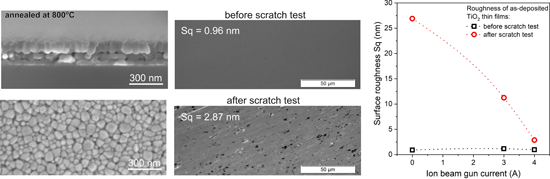
- -assisted deposition (IBAD), which is the bombardment of a thin film with a beam of energetic particles during deposition, is an excellent technique for modifying the microstructure and optical, mechanical, and tribological properties of thin film coatings [8][9][10][11]. This energetic process offers many
- structure, and the improvement of stability and homogeneity of the coatings. In addition, it is possible to modify the microstructure, resulting in dense, nearly stoichiometric films that are much more resistant to temperature and humidity changes than films deposited in the conventional EBE process [4][9
- changing the microstructure of the film. Figure 2 shows Raman spectra of the TiO2 films prepared by EBE and IBAD methods. The microstructure of the prepared thin films was not affected by the additional use of the ion beam gun since only the amorphous phase was observed for all coatings. The Raman results




Multifunctional properties of bio-poly(butylene succinate) reinforced with multiwalled carbon nanotubes
Beilstein J. Nanotechnol. 2025, 16, 1014–1024, doi:10.3762/bjnano.16.76
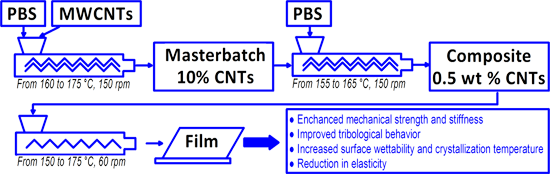
- nm and a length of up to 40 μm (Figure 1b). The microstructure of PBS/CNT_10 (Figure 1c) and PBS/CNT_0.5 (Figure 1d) samples is quite similar. In the SEM images of both samples, small white inclusions (nanotubes) ranging from 24 to 200 nm in size are evenly distributed over the surface. On the
- examine the microstructure of the samples and the distribution of the dispersed phase. The microstructure of original CNTs and pellets of PBS and PBS/CNTs nanocomposites was analyzed using the secondary electron (SE) detector at an accelerating voltage of 10 kV. Cross-sectional samples for SEM analysis



Focused ion beam-induced platinum deposition with a low-temperature cesium ion source
Beilstein J. Nanotechnol. 2025, 16, 910–920, doi:10.3762/bjnano.16.69
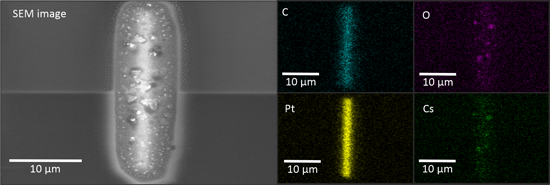
- local density is lower, which could result in a lower growth rate. In the future, further measurements could be done with finer variations of the ion beam current starting at 100 pA and 5 kV to verify this assumption. Composition and microstructure Compositional data of the Cs+ FIBID-Pt were calculated
- Figure 9a, this may lead to a higher electrical resistivity. The changes in resistivity are not immediately obvious from the chemical composition of the deposits. Speculation based on the microstructure provides a probable cause for this decreasing resistivity vs beam energy. Figure 7 shows that the
- effect of chemical composition and grain size. However, the acceleration voltage and the ion species seem to play a more dominant role than the ion current density for the electrical resistivity. Further studies are required to fully investigate the resistivity–microstructure dependency for FIBID-Pt. To


Synthesis and magnetic transitions of rare-earth-free Fe–Mn–Ni–Si-based compositionally complex alloys at bulk and nanoscale
Beilstein J. Nanotechnol. 2025, 16, 823–836, doi:10.3762/bjnano.16.62
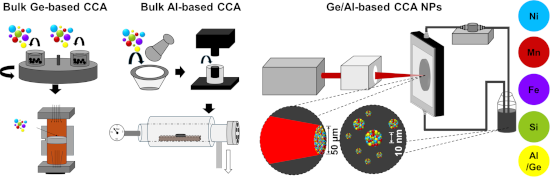
- diffractograms. EDX data was processed using AZtec software. Results and Discussion Microstructural characterization of bulk CCAs The SEM images and EDX elemental maps of the polished surface of the Ge-based CCA (Figure 2a) revealed a homogeneous microstructure, with no significant elemental segregation on the


Changes of structural, magnetic and spectroscopic properties of microencapsulated iron sucrose nanoparticles in saline
Beilstein J. Nanotechnol. 2025, 16, 762–784, doi:10.3762/bjnano.16.59
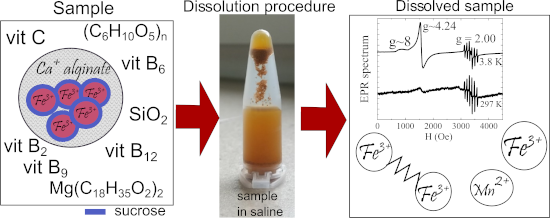
- information about the iron release process from such microcapsules based on changes in physical properties. In order to carry out this study, a multi-technique analysis of undissolved and dissolved compounds was performed, including microstructure studies using scanning electron microscopy (SEM) and
- analysis for undissolved and dissolved samples. In the “Conclusion” section, the most important conclusions are presented, and the “Experimental” section describes in detail the samples and measurement used. Results and Discussion Microstructure Based on the studies and information published in [2][7][8





High-temperature epitaxial growth of tantalum nitride thin films on MgO: structural evolution and potential for SQUID applications
Beilstein J. Nanotechnol. 2025, 16, 690–699, doi:10.3762/bjnano.16.53
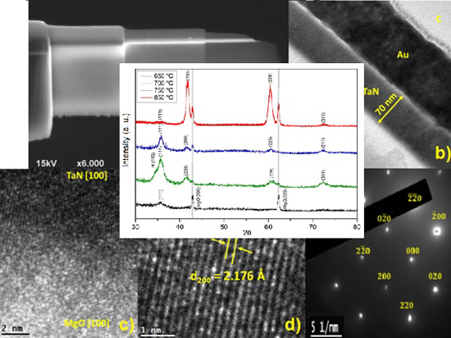
- intermediate stage of structural evolution, where the cubic δ-TaN phase begins to dominate the overall microstructure. At 750 °C, the XRD patterns show a further increase in the dominance of the cubic δ-TaN phase, indicating a structural transition towards a more stable phase at higher temperatures. The β-TaN





