
Search results
Search for "nanostructures" in Full Text gives 859 result(s) in Beilstein Journal of Nanotechnology. Showing first 200.
Room-temperature NO2 sensing performance of ZnO/Ti3C2Tx heterojunctions
Beilstein J. Nanotechnol. 2026, 17, 1159–1169, doi:10.3762/bjnano.17.79
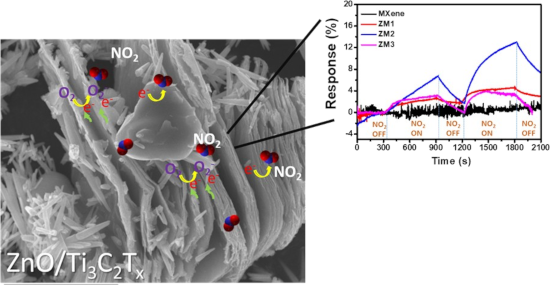
- TiO2/SnO2 under UV illumination, manifesting superior response/recovery kinetics compared to sensors based solely on TiO2 nanostructures [9]. In other words, the synergistic integration of Ti3C2Tx MXene with metal oxide semiconductors, alongside innovative strategies such as combination, Schottky
- nanostructures and Ti3C2Tx MXene. This simplified technique serves to mitigate the oxidation tendencies of MXene while promoting the formation of interactions with ZnO nanorods. The optimized heterostructures exhibit enhanced NO2 sensing activity at ambient temperatures, presenting a viable strategy for
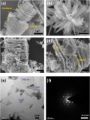
- the remaining reflections are also in good agreement with the standard ZnO pattern, confirming the crystallization of ZnO nanostructures [32][33][34]. Notably, the characteristic (002) peak of Ti3C2Tx shifts from 8.9° to 6.7° after ZnO loading and becomes broader. According to Bragg’s law, this shift






A redox-responsive viologen–cavitand nanocarrier for dual-function photodynamic therapy
Beilstein J. Nanotechnol. 2026, 17, 1142–1158, doi:10.3762/bjnano.17.78
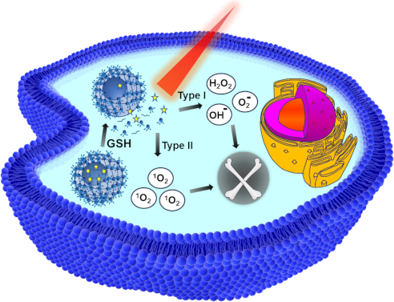
- a rigid, bowl-shaped platform for precise functional group display [26][27]. When decorated with methylviologen units, they acquire amphiphilic properties. They spontaneously self-assemble in water around hydrophobic guests forming stable core–shell nanostructures [28][29]. The viologen shell



Biosynthesis, characterization, and biofunctional assessment of niobium oxide nanostructures obtained using lactic acid bacteria-derived supernatants
Beilstein J. Nanotechnol. 2026, 17, 1128–1141, doi:10.3762/bjnano.17.77
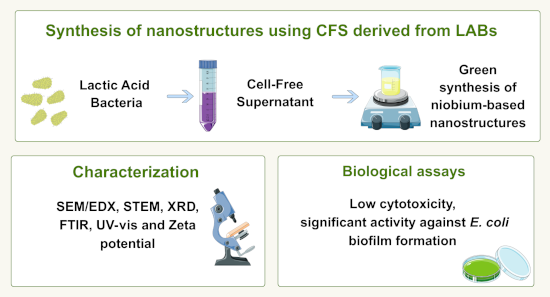
- fields. Among metallic and metal oxide nanostructures, niobium-based compounds have recently attracted attention due to their remarkable mechanical strength, corrosion resistance, thermal conductivity, and biocompatibility. In this study, niobium oxide nanostructures were synthesized through a green
- biologically active metabolites for bioreduction and stabilization. The synthesized nanostructures were characterized by scanning electron microscopy coupled with energy-dispersive X-ray spectroscopy (SEM/EDX), scanning-transmission electron microscopy (STEM), ultraviolet–visible spectroscopy (UV–vis), Fourier
- transform infrared spectroscopy (FTIR), and X-ray diffraction (XRD) and zeta potential analysis. In vitro assays using Vero-CCL81 cells demonstrated that the nanostructures exhibited low cytotoxicity, confirming their potential biocompatibility. Antibacterial and antibiofilm activities were evaluated


Facile synthesis of platinated DNA nanoparticles with radiosensitizing potential
Beilstein J. Nanotechnol. 2026, 17, 1117–1127, doi:10.3762/bjnano.17.76
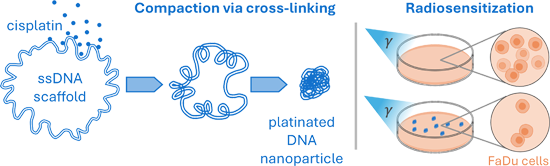
- Sciences, Kralovopolska 135, 612 65 Brno, Czech Republic Department of Analytical Chemistry, University of Chemistry and Technology, Technická 5, 166 28 Prague, Czech Republic 10.3762/bjnano.17.76 Abstract DNA nanostructures are promising drug delivery platforms but often suffer from limited structural
- stability and high production complexity. Cisplatin can cross-link DNA and act as a therapeutic agent, offering a simplified approach to stabilize DNA nanostructures while incorporating therapeutic functionality. Here, we explore cisplatin-mediated compaction of a single-stranded DNA scaffold to form stable
- . These platinated DNA nanoparticles represent a promising platform for further development of scalable DNA-based radiosensitizers with high drug loading, monodispersity, stability, and versatility for further functionalization. Keywords: AFM; cisplatin; DNA nanostructures; radiosensitization


Synthesis of carbon dot-mediated gold nanostructures: experimental and quantum chemical insights into turn-on fluorescence sensing of N-acetylcysteine
Beilstein J. Nanotechnol. 2026, 17, 1103–1116, doi:10.3762/bjnano.17.75
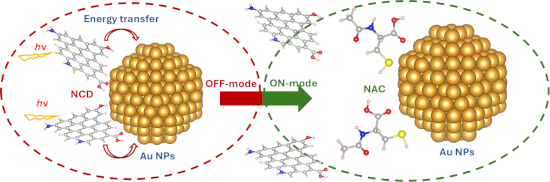
- dots and gold nanoparticles have been widely investigated for fluorescence sensing, the development of lime juice-synthesized carbon dot-mediated gold nanostructures with mechanistic insight into their fluorescence response toward NAC remains limited. In particular, the relationship between the
- structural and electronic properties of Au@NCD nanocomposites and their fluorescence sensing behavior has not been fully understood. Therefore, the novelty of this study lies not only in using a natural source for synthesis of Au@NCD nanostructures but also in the combination of experimental and theoretical
- fluorescence interference while Au@NCDs clearly shows the D band and the G band of carbon at 1360 and 1530 cm−1, respectively [17]. Fluorescence quenching of carbon dots by Au nanostructures is a well-documented phenomenon where the fluorescence intensity of CDs decreases upon the addition of Au3+. The


Ultrasonic irradiation in the synthesis of nanohydroxyapatite: a chemically friendly technique for improving hemocompatibility and antibiofilm applications
Beilstein J. Nanotechnol. 2026, 17, 991–1015, doi:10.3762/bjnano.17.68
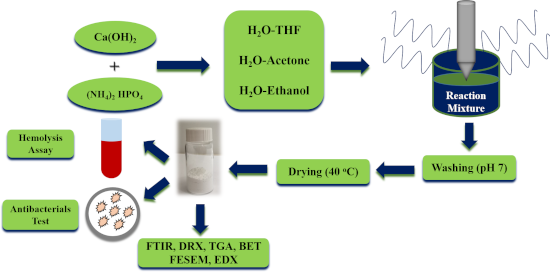
- previously, supports the highly promising and non-disruptive preliminary profile of the synthesized nanostructures. When assessing the hemotoxicity of a biomaterial, platelet aggregation must also be studied. This process is crucial for preventing many circulation-related diseases and pathologies, such as
- . Future research will focus on deepening hemolysis studies and evaluating the metabolic activity and proliferative capacity of bone precursor cells in contact with these nanostructures to confirm their long-term clinical viability in tissue engineering. Furthermore, more comprehensive studies are required




Materials challenges in solid-state sensors for continuous monitoring of ions in water
Beilstein J. Nanotechnol. 2026, 17, 935–973, doi:10.3762/bjnano.17.66
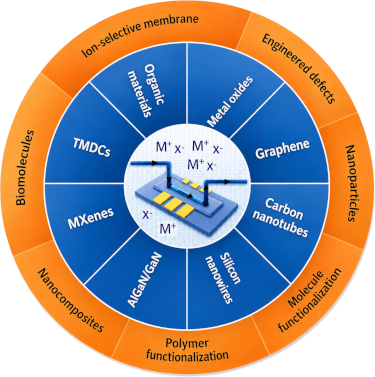
- ) are one-dimensional nanostructures composed of seamless cylinders of sp2-bonded carbon atoms formed by rolling up graphene sheets, with their material properties governed primarily by the number of walls, diameter, chirality, and defect structure. Single-walled carbon nanotubes (SWCNTs) consist of a



Nanocarrier strategies to overcome P-glycoprotein-mediated drug resistance in cancer therapy
Beilstein J. Nanotechnol. 2026, 17, 882–921, doi:10.3762/bjnano.17.64
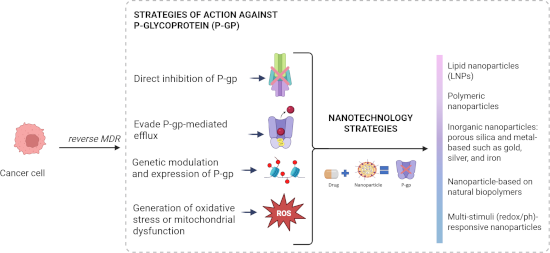
- nanostructures as modular platforms for reengineering traditional anticancer medicines and enhancing their therapeutic effectiveness against resistant malignancies. 3.2.2 Polymeric nanoparticles. Polymeric nanoparticles are nanoscale pharmaceutical systems primarily composed of biocompatible and biodegradable


Supramolecular one-dimensional conducting nanofibers from a C3-symmetric tetrathiafulvalene derivative
Beilstein J. Nanotechnol. 2026, 17, 872–881, doi:10.3762/bjnano.17.63
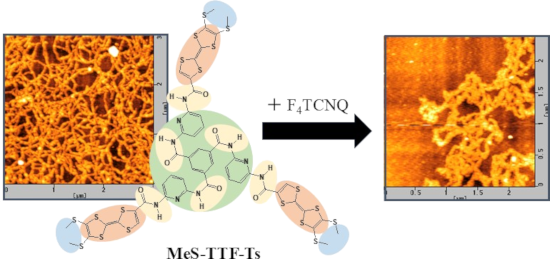
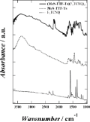
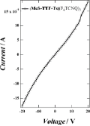
- Tokyo, 4-6-1 Komaba, Meguro-ku, Tokyo 153-8505, Japan 10.3762/bjnano.17.63 Abstract This study reports the design and synthesis of a C3-symmetric discotic tetrathiafulvalene (TTF) derivative, MeS-TTF-Ts, as a molecular platform for the self-assembly of one-dimensional conductive nanostructures. The
- S·cm−1. These findings demonstrate that rational molecular design combined with controlled supramolecular self-assembly provides an effective strategy for constructing one-dimensional conductive nanostructures based on organic charge-transfer systems. Keywords: charge-transfer complex; conducting
- nanofibers; one-dimensional nanostructures; supramolecular self-assembly; tetrathiafulvalene; Introduction Supramolecular gels have been developed as organized soft materials that form anisotropic nanostructures such as ribbons and fibers within their networks [1][2]. These materials have attracted


He+ FIBID-fabricated 3D AFM tip architectures: an exploratory study of hollow pillars, helices, and spirals
Beilstein J. Nanotechnol. 2026, 17, 863–871, doi:10.3762/bjnano.17.62
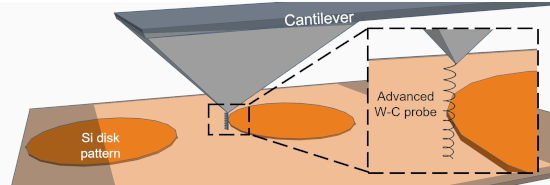
- the vacuum system. Such methods have enabled the direct fabrication of functional nanostructures on a range of substrates, including AFM cantilevers. FEBID and FIBID have already been used to fabricate AFM nanopillar-type tips, most commonly from carbon- [12], cobalt- [13], iron- [14], platinum- [15
- nanostructures, their implementation in AFM tips must balance improvements in material properties with the preservation of the original nanoscale geometry. For high-aspect-ratio AFM imaging, carbon nanotube (CNT) tips remain an important benchmark because of their small effective radii, flexibility, and long
- nanostructures because of the small beam diameter and the growth conditions that favour narrow, high-aspect-ratio deposits [18][21]. Previous studies have shown that He+ FIBID can produce W–C nanoarchitectures with relatively high metal content, crystalline character, and conductive behaviour, including hollow


Cross-scale design of chemosensor arrays: from molecular self-assembly in water to paper-based devices for metal ion detection
Beilstein J. Nanotechnol. 2026, 17, 828–838, doi:10.3762/bjnano.17.59
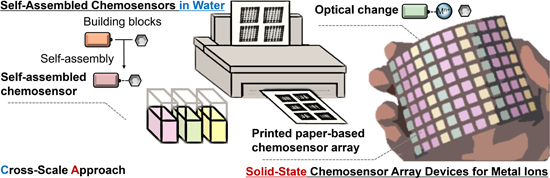
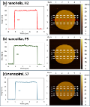
- devices, such fiber-like nanostructures contribute to the homogeneous dispersion of chemosensor molecules through office printing technologies [28][29]. The printed chemosensor arrays on a paper substrate exhibit optical changes upon analyte capture, which are detected using portable recording apparatuses


Tailoring Ag–Pt nanoalloys through solid-state dewetting: structural and optical insights
Beilstein J. Nanotechnol. 2026, 17, 748–759, doi:10.3762/bjnano.17.52

- -electron contribution of platinum, which suppresses plasmonic oscillations. The obtained results demonstrate that thermally activated dewetting enables the synthesis of homogeneous Ag–Pt nanoalloys at the nanoscale, both in volume and on the surface of nanostructures, overcoming miscibility limitations of
- the bulk Ag–Pt system, and provide insight into their structure–property relationships relevant for catalytic and plasmonic applications. Keywords: Ag–Pt alloy; dewetting; nanoalloys; plasmon resonance; thin films; Introduction Nanoalloys in the form of nanostructures exhibit novel and intriguing
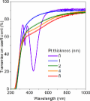
- disintegration can be used to fabricate single-metal nanostructures, nanoalloys, and nanocomposites on various substrates [23][24][25][26]. In this paper, we present a method for manufacturing Ag–Pt nanoalloys by thermal disintegration of thin metallic films. This nanoalloy system is particularly significant due




Superconducting artificial neural networks and quantum circuits
Beilstein J. Nanotechnol. 2026, 17, 744–747, doi:10.3762/bjnano.17.51
- superconducting neural networks, to develop advanced fabrication techniques for functional nanostructures, and to propose engineering solutions enabling the practical realisation of neuromorphic computing systems. This thematic issue presents contributions from leading experts – theoreticians, experimentalists
- Josephson diode introduced in this work enforces unidirectional pulse propagation, prevents backward influence between connected neurons, and enables compact circuit designs with increased integration density. The development of advanced technologies for the fabrication of layered functional nanostructures
- the RM project (G.A. No. O2.02.01) “Nanostructures and advanced materials for applications in spintronics, thermoelectricity and optoelectronics” is gratefully acknowledged. Anatolie S. Sidorenko Chisinau, February 2026
Environmental applications of silver nanoparticles: state-of-the-art review and emerging trends
Beilstein J. Nanotechnol. 2026, 17, 697–736, doi:10.3762/bjnano.17.49


Protein-based custom-designed molecular nanotraps for biomedical applications
Beilstein J. Nanotechnol. 2026, 17, 683–687, doi:10.3762/bjnano.17.47
- protein building blocks and employing the molecular imprinting technique to confer selectivity toward specific molecular targets. With a portfolio of protein-based units that includes cross-linkable silk fibroin and gelatin, the approach enables tailored nanostructures capable of efficient and selective
- -defined three-dimensional structures, with prominent examples including monoclonal antibodies that exert their therapeutic activity through specific binding to the target molecule [9]. Only recently, research has begun to explore proteins as components for the fabrication of nanostructures, such as
- molecularly selective meta-biomaterials. This innovative approach opens the way for developing next-generation biocompatible and biointegrable recognition materials, expanding towards nanodevices and nanostructures for targeted molecular recognition in nanomedicine and personalized therapy. The specific

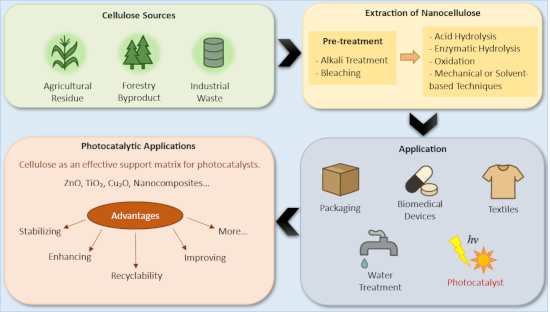
Cellulose as a photocatalyst support material: extraction, structural features, and environmental applications
Beilstein J. Nanotechnol. 2026, 17, 635–652, doi:10.3762/bjnano.17.44


Two-step laser synthesis of Ag@TiO2 nanomaterials for the photocatalytic degradation of rhodamine B
Beilstein J. Nanotechnol. 2026, 17, 622–634, doi:10.3762/bjnano.17.43
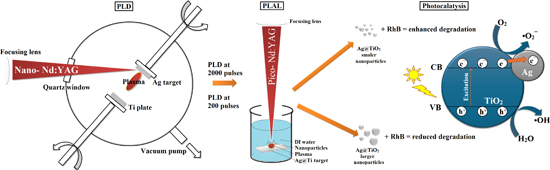
- suppression of electron–hole recombination, allowing for more effective utilization of the solar spectrum. Accordingly, Ag@TiO2 nanostructures, especially those obtained through controlled synthesis, represent highly promising candidates for photocatalytic environmental remediation processes induced by
- the morphology, composition, and crystallinity of the resulting nanostructures with high precision. The absence of organic contaminants or residual reagents maximizes the catalytic surface area, while the presence of silver can influence the optical response of TiO2 through plasmon-related effects
- higher concentration of this metal on Ag@TiO2 2000p affected the ablation rate of the Ti plate and induced a growth of titanium oxide nanostructures on the surface. Morphology and size of Ag@TiO2 (200p and 2000p) Morphology and structure of the obtained samples were analyzed using TEM, HRTEM, and SAED


Towards targeted drugs and next generation of nanomedicines
Beilstein J. Nanotechnol. 2026, 17, 598–601, doi:10.3762/bjnano.17.41
- Anna Salvati Silvia Giordani Wolfgang J. Parak University of Groningen, Groningen Research Institute of Pharmacy, Groningen, The Netherlands School of Chemical Sciences, Dublin City University, Glasnevin, Dublin, Ireland Center for Hybrid Nanostructures (CHyN), University of Hamburg, Hamburg
Laser–material interactions in liquids for the synthesis of nanomaterials: current status and perspectives
Beilstein J. Nanotechnol. 2026, 17, 571–575, doi:10.3762/bjnano.17.38
- ]. Alternatively, employing organic solvents instead of water provides opportunities to produce carbon-encapsulated core−shell nanostructures [49] and enables control over oxidation [50], surface chemistry [51], and transferability between solvents [52]. The versatility of LSPC in terms of materials, solvents, and
Advances in nanotechnology applied to natural products
Beilstein J. Nanotechnol. 2026, 17, 555–558, doi:10.3762/bjnano.17.36
- , hybrid, and inorganic platforms, reflecting the interdisciplinarity of the field, from nanosystem synthesis and physicochemical characterization to biomedical, pharmaceutical, cosmetic, and environmental applications. Among the nanostructures, lipid-based carriers, including nanoemulsions, microemulsions
Fractional shot noise of an SU(N) Kondo system
Beilstein J. Nanotechnol. 2026, 17, 515–540, doi:10.3762/bjnano.17.34
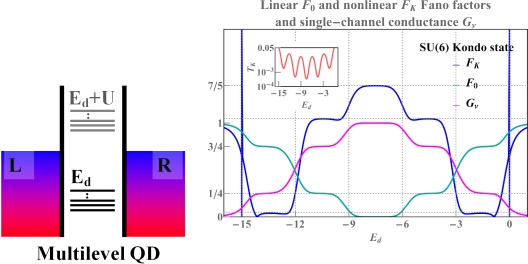
- Damian Krychowski Stanislaw Lipinski Department of Theory of Nanostructures and Quantum Materials, Institute of Molecular Physics, Polish Academy of Sciences, M. Smoluchowskiego 17, 60-179 Poznań, Poland 10.3762/bjnano.17.34 Abstract We consider transport through a multilevel interacting quantum
- -symmetry Kondo effects in nanostructures is the fact that Kondo temperatures dramatically increase with degeneracy and take on values that are experimentally accessible [15]. At the same time, the Kondo resonance peak remains narrower than Coulomb resonances. This makes SU(N) Kondo systems attractive for


![[Graphic 127]](/bjnano/content/inline/2190-4286-17-34-i187.svg?max-width=637&scale=1.18182)

Defects and defect-mediated engineering of two-dimensional materials: challenges and open questions
Beilstein J. Nanotechnol. 2026, 17, 454–488, doi:10.3762/bjnano.17.31





Biomimetic nanoparticles in cancer photodynamic therapy: a review of targeted delivery systems and therapeutic outcomes
Beilstein J. Nanotechnol. 2026, 17, 396–422, doi:10.3762/bjnano.17.27
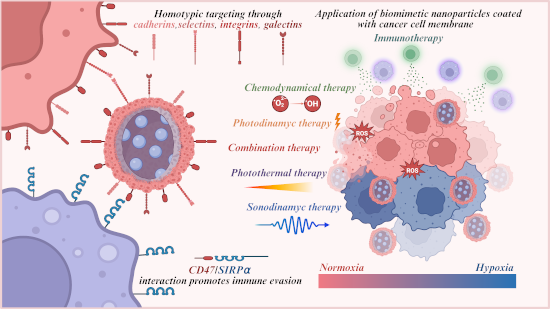
- . Beyond delivery, BNPs address hypoxia [5], a critical barrier to PDT efficacy, through oxygen-carrying systems like hemoglobin-based nanostructures, which retain the oxygen-binding capacity of hemoglobin and can effectively transport and release oxygen within the hypoxic tumor microenvironment (TME


Ferroelectric nanodot reservoir for neuromorphic computing
Beilstein J. Nanotechnol. 2026, 17, 352–364, doi:10.3762/bjnano.17.24
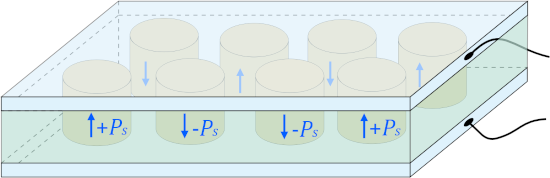
- . Harnessing the emergent behavior of ferroelectric interconnected nanostructures as physical reservoirs thus represents a largely underexplored yet potentially transformative direction for neuromorphic computing. In this work, we present a ferroelectric-based data reservoir concept grounded in the collective
- (Zr,Ti)O3 or BiFeO3 nanostructures [16][17]. In addition to their bistable switching behavior, ferroelectric nanodots can exhibit negative capacitance under specific conditions, particularly during polarization reversal processes. This regime, where an increase in voltage leads to a decrease in charge


Beam shaping techniques for pulsed laser ablation in liquids: Unlocking tunable control of nanoparticle synthesis in liquids
Beilstein J. Nanotechnol. 2026, 17, 309–342, doi:10.3762/bjnano.17.22
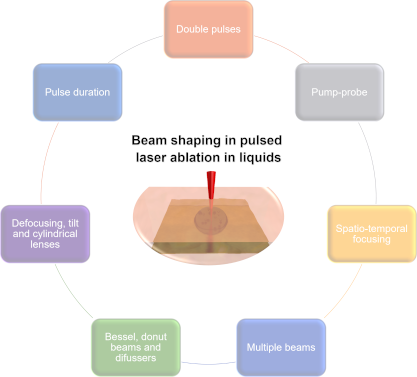
- , particularly when attempting to synthesise complex nanostructures at industrial volumes, as well as the reproducibility and precise control over NP properties such as shape. As discussed by Jendrzej et al. [14], when scaling up PLAL, the cost of the laser becomes a negligible factor compared to process
- elongated nanostructures observed under cylindrical focusing. The PLAL experiments with cylindrical lens were performed with a 2 ps laser and a cylindrical lens of 45 mm focal length, using pulse energies between sensing and filtration of 1.0 and 1.4 mJ at 800 nm wavelength [140]. It was observed that at
- vortex beams is shown in Figure 10a [151]. The material ablated with such a beam has been shown to form twisted nanostructures on metal surfaces with controlled chirality [151][152]. They are formed due to the involvement of ablated/molten material in a spiral motion of the vector vortex beam as