


Search results
Search for "oxidation" in Full Text gives 785 result(s) in Beilstein Journal of Nanotechnology. Showing first 200.
Room-temperature NO2 sensing performance of ZnO/Ti3C2Tx heterojunctions
Beilstein J. Nanotechnol. 2026, 17, 1159–1169, doi:10.3762/bjnano.17.79
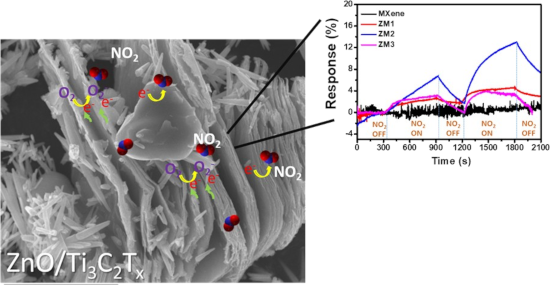
- composite utilizing an in situ oxidation technique and modulating oxidation parameters to regulate the formation of Schottky barriers; the composite exhibited superior NO2 responsiveness compared to pristine Ti3C2Tx MXene [22]. Ta et al. reported promising results with a heterostructure comprising Si and
- nanostructures and Ti3C2Tx MXene. This simplified technique serves to mitigate the oxidation tendencies of MXene while promoting the formation of interactions with ZnO nanorods. The optimized heterostructures exhibit enhanced NO2 sensing activity at ambient temperatures, presenting a viable strategy for
- species and the target gas, thereby modulating ionic conduction within the sensing material and ultimately reducing the gas response. As shown in Figure 6f, the sample exhibits a slight decrease in sensing performance after two months of storage. This degradation can be attributed to surface oxidation and





A redox-responsive viologen–cavitand nanocarrier for dual-function photodynamic therapy
Beilstein J. Nanotechnol. 2026, 17, 1142–1158, doi:10.3762/bjnano.17.78
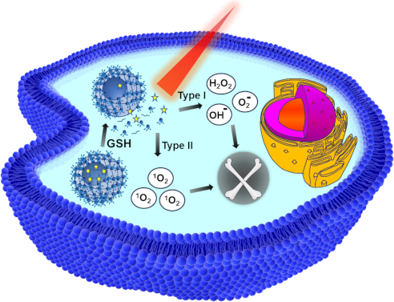
- oxidation (Figure 5A). The reaction followed pseudo-first-order kinetics with a rate constant of k = 0.0121 ± 0.0001 min−1 (Table 2). This is over 3.5-fold higher than the background degradation observed for DPBF alone under identical irradiation (k = 0.0035 min−1). The slow decay in the control likely
- of cell death, intracellular ROS generation was monitored in PC-3 cells using H2DCFDA, a cell-permeable probe that fluoresces upon oxidation by reactive oxygen species. As expected, untreated control cells showed negligible DCF fluorescence, confirming low basal ROS levels (Figure 10). Cells
- kDa, and zeta potential ζ = +17.6 , mV (Supporting Information File 1, Figure S1). Successful polymerization via the hydroxy group of MVCA-OH (Supporting Information File 1, Scheme S1) was confirmed by the disappearance of the butanolic oxidation peak in cyclic voltammetry (Supporting Information File


Electrochemical sensing of sildenafil in pharmaceutical formulations using an (S,N)-doped reduced graphene oxide-modified electrode
Beilstein J. Nanotechnol. 2026, 17, 1087–1102, doi:10.3762/bjnano.17.74
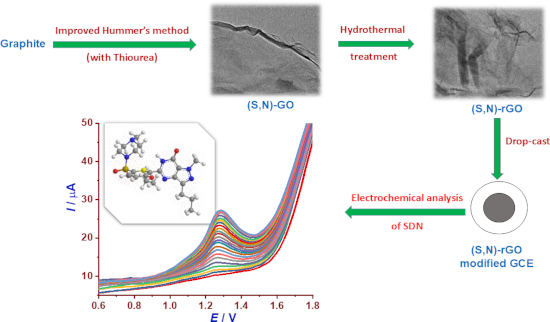
- exhibited enhanced electrocatalytic activity toward SDN oxidation, providing a well-defined current response. Under optimized conditions, the sensor showed a good linear relationship between peak current and SDN concentration in the range of 0.25–4.98 µM, with a low limit of detection of 0.24 µM and a limit
- particularly suitable for on-site monitoring and routine analysis [14][15]. Importantly, the electrochemical oxidation of SDN can be effectively enhanced by tailoring the electrode surface with functional nanomaterials, thereby improving both sensitivity and selectivity. Among various nanomaterials, graphene
- modify a glassy carbon electrode (GCE) for electrochemical detection. The fabricated (S,N)-rGO/GCE sensor exhibited significantly enhanced electrocatalytic activity toward the oxidation of SDN, resulting in improved sensitivity and selectivity compared with the bare electrode. The effects of key



Vibration-induced dynamic structural superlubricity on MoS2/Au(111) under ultrahigh vacuum
Beilstein J. Nanotechnol. 2026, 17, 1039–1046, doi:10.3762/bjnano.17.71

- expected to vanish at infinitely slow relative speeds due to thermal activation [3][7]. It works only within specific low-speed regimes, and elevated temperatures can lead to local material softening or accelerated degradation and oxidation of the sliding interface. By leveraging structural engineering
- dissipation and accelerate material oxidation and wear [19]. Alongside these approaches, mechanical excitation offers a distinct advantage as a universal method for friction regulation [20][21][22]. Unlike electrical approaches, mechanical actuation does not require conductive contacts and can be applied to a


Influence of an external electric field on the catalytic CO oxidation of nanoscaled CeO2 and its La3+ and Gd3+ congeners
Beilstein J. Nanotechnol. 2026, 17, 1028–1038, doi:10.3762/bjnano.17.70
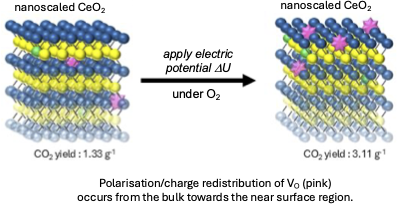
- external electrical field modulates the catalytic activity of nanoscale ceria (nCeO2) towards CO oxidation. Gd3+ and La3+ were doped into the nCeO2 lattice. Such doping influences the concentration and mobility of oxygen vacancies, which are promoting CO oxidation to CO2. When applying an electric
- potential, charge transport within nCeO2 is modulated. Our results show that both dopants Gd3+ and La3+ lead to an increasing VO concentration, whereas the impact of the applied potential on the oxidation behaviour varies with catalyst composition. The applied electric potential markedly improves the
- activity of undoped nCeO2 and 5% Gd3+-doped nCeO2; however, it causes no significant change in CO oxidation capability in 2.5% Gd3+-doped and La3+-doped samples. These findings can be understood considering the applied potential and its influence on the polaron mobility and VO arrangement, which are


Ultrasonic irradiation in the synthesis of nanohydroxyapatite: a chemically friendly technique for improving hemocompatibility and antibiofilm applications
Beilstein J. Nanotechnol. 2026, 17, 991–1015, doi:10.3762/bjnano.17.68
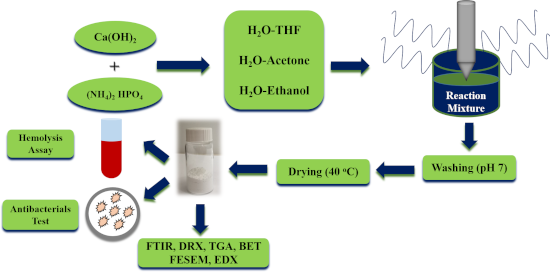
- conditions, sonochemical energy facilitates the pyrolysis and oxidation of ethanol molecules at the cavitation bubble interface; this provides an alternative source of inorganic carbon for the formation of carbonate groups, even under an inert atmosphere [60]. These extraordinary conditions provide the




Materials challenges in solid-state sensors for continuous monitoring of ions in water
Beilstein J. Nanotechnol. 2026, 17, 935–973, doi:10.3762/bjnano.17.66
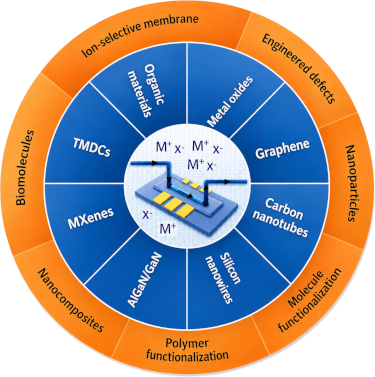
- guidelines, including fluoride (1.5 mg/L) and chloride (250 mg/L), while bromate, a carcinogenic disinfection by-product, has a stringent maximum of 10 µg/L, requiring sub-microgram-per-liter detection for early warning of ozone or advanced-oxidation-process upsets [2][5][49]. Continuous monitoring of
- higher oxidation states, notably chromium(VI) and manganese(VII), which form chromate (or dichromate) and permanganate [4][42][66][67]. Because toxicity, mobility, and regulatory relevance of many metals depend strongly on their oxidation state, it is essential to distinguish these species explicitly in
- mobile, and more weakly adsorbed, while As5+ is comparatively less toxic and more strongly retained by mineral surfaces. Iron and manganese also exhibit oxidation-state-dependent behavior: Fe2+ and Mn2+ are soluble under reducing conditions, whereas Fe3+ and Mn4+ readily precipitate as oxides



He+ FIBID-fabricated 3D AFM tip architectures: an exploratory study of hollow pillars, helices, and spirals
Beilstein J. Nanotechnol. 2026, 17, 863–871, doi:10.3762/bjnano.17.62
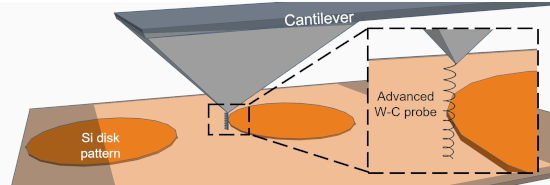
- exhibit high purity [22][23], making them suitable candidates for magnetic force microscopy (MFM) tips [13][14]. However, the magnetic performance of cobalt-based deposits may be affected by oxidation under ambient conditions, as the formation of cobalt oxide can reduce or suppress ferromagnetic behaviour



Light-driven ammonia electrooxidation via carbon nitride–ruthenium molecular interfaces
Beilstein J. Nanotechnol. 2026, 17, 854–862, doi:10.3762/bjnano.17.61
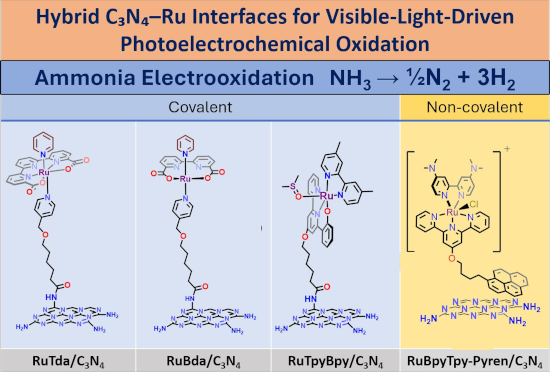
- ammonia oxidation, a reaction of growing importance as a sustainable hydrogen carrier. Inspired by natural photosynthesis, in which a light-harvesting antenna is spatially coupled to a multielectron catalytic centre, the proposed hybrid system assigns distinct and complementary roles to each component
- : C3N4 absorbs visible light, separates charge carriers, and provides a structurally tunable aromatic surface, while the metal complexes, e.g., RuBda, RuTda, or RuTpyBpy, accept photogenerated holes and drive the demanding six-electron oxidation of ammonia through well-defined coordination chemistry. Two
- available materials, precedent reactions, and compelling mechanistic rationale, no study to date has reported photoelectrocatalytic ammonia oxidation at a C3N4–Ru hybrid photoelectrode, this gap is the motivation and the central argument of this perspective. Keywords: ammonia oxidation; carbon nitride


Glycerol photoelectrochemical oxidation reaction at carbon nitrides/BiVO4 materials
Beilstein J. Nanotechnol. 2026, 17, 806–817, doi:10.3762/bjnano.17.57
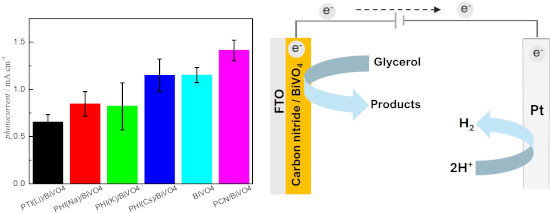
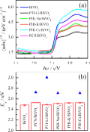
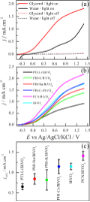
- added-value products through biomass oxidation. In this study, we investigate the photoelectrochemical oxidation of glycerol using visible-light-responsive carbon nitride /bismuth vanadate (CN/BiVO4) heterojunction photoelectrocatalysts. Different CN materials were explored, including polymeric carbon
- spectroscopy (SEM-EDS) revealed regions rich in Bi and V, and others rich in C and N, suggesting the formation of heterojunctions. Photoelectrochemical studies demonstrated that BiVO4 is active for both water and glycerol (1.0 mol·L−1) oxidation, with a fourfold increase in photocurrent at 1.23 V vs reversible
- hydrogen electrode (RHE) upon glycerol addition. Clearly, the type of nitride employed in the heterojunctions influences the activity of the material for glycerol oxidation, with the photocurrent at 1.23 V vs RHE following the order: PCN/BiVO4 > BiVO4 ≈ PHI-Cs/BiVO4 > PHI-K/BiVO4 ≈ PHI-Na/BiVO4 > PTI(Li





Tailoring Ag–Pt nanoalloys through solid-state dewetting: structural and optical insights
Beilstein J. Nanotechnol. 2026, 17, 748–759, doi:10.3762/bjnano.17.52

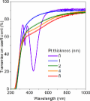
- additionally provides protection against oxidation of deposited bilayers. The composition of the nanostructures was adjusted by varying the thickness of the initial metallic films, according to the dependence shown in Figure 10b. This relationship was established based on theoretical stoichiometric




Oxidative atmosphere-driven formation of single-phase spinel CuRh2O4 nanofibers for alkaline water oxidation
Beilstein J. Nanotechnol. 2026, 17, 737–743, doi:10.3762/bjnano.17.50
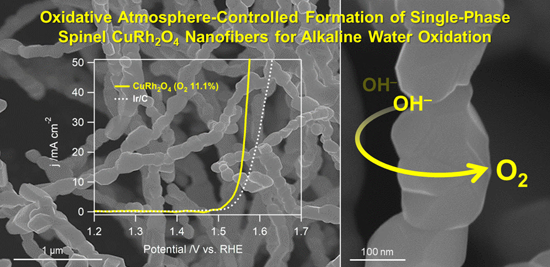
- particularly sensitive to the synthetic environment because Cu readily changes its oxidation state (Cu0/Cu+/Cu2+) depending on the oxidative atmosphere during annealing [9][10]. As a result, slight variations in oxygen partial pressure can significantly alter phase evolution and often lead to undesired
- water oxidation. Experimental Materials Copper(II) chloride hexahydrate (CuCl2·6H2O), rhodium(III) chloride hydrate (RhCl3·xH2O), poly(vinylpyrrolidone) (PVP, Mn ≈ 1,300,000), sodium hydroxide (NaOH), and Nafion solution (5 wt %) were purchased from Sigma-Aldrich (St. Louis, MO, USA). Ethanol was




Environmental applications of silver nanoparticles: state-of-the-art review and emerging trends
Beilstein J. Nanotechnol. 2026, 17, 697–736, doi:10.3762/bjnano.17.49
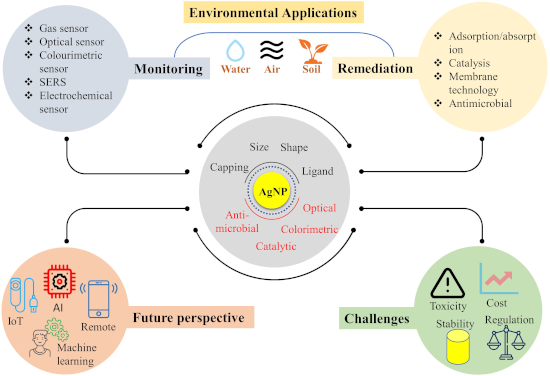
- spectroscopy (SERS) using AgNP nanocomposites could selectively detect polystyrene nanoparticles with a detection limit of 14 μg/mL [55]. X-ray photoelectron spectroscopy (XPS) provides information on the elemental composition, surface oxidation states, and electronic configuration of AgNPs [56]. This
- 50 W UV lamp, were used for efficient dye degradation [113]. Fenton-like oxidation of organic dyes using a nanocomposite based on AgNPs was employed to degrade MO, MB, and RhB. The dye-degradation efficiency of the nanocomposite exceeded 99% in both individual and mixed samples after 30 and 240 min
- mechanism includes strong light absorption, a lower bandgap energy, and the generation of UV-induced electron–hole pairs [118]. The role of persulfate-conjugated Ag+ in removing the carboxylic PFAS perfluorooctanoic acid was demonstrated through Fenton oxidation at 20 °C, where fluorine was released along


Decontamination from water pollutants and pathogens by electrospun nanofibers doped with heavy-atom-free borafluorene-BODIPY photosensitizers
Beilstein J. Nanotechnol. 2026, 17, 668–682, doi:10.3762/bjnano.17.46
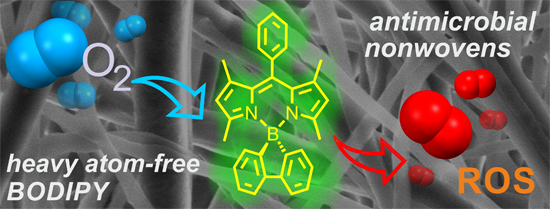
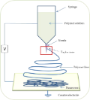
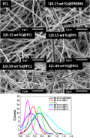
- photocatalyst for the degradation of the pharmaceutical agents ranitidine, propranolol, and cimetidine, selected as model water pollutants. The obtained nanofibers showed smooth and uniform morphology along with very high durability and resistance toward oxidation, remaining active even after 20 reaction cycles
- does not proceed for pure PCL material nor in the absence of light, underscoring the key role of the BODIPY complex in the photogeneration of ROS. The degradation of APIs with ROS is non-selective, involving multiple parallel pathways where intermediates may undergo further oxidation. Singlet oxygen is
- coworkers [64], cimetidine undergoes initial S-oxidation to the sulfoxide followed by C–S bond cleavage to yield (5-methyl-1H-imidazol-4-yl)methanol. A similar pathway is expected for ranitidine, which also incorporates a sulfur atom in the structure. Propranolol oxidation with ROS produces 4



Cellulose as a photocatalyst support material: extraction, structural features, and environmental applications
Beilstein J. Nanotechnol. 2026, 17, 635–652, doi:10.3762/bjnano.17.44
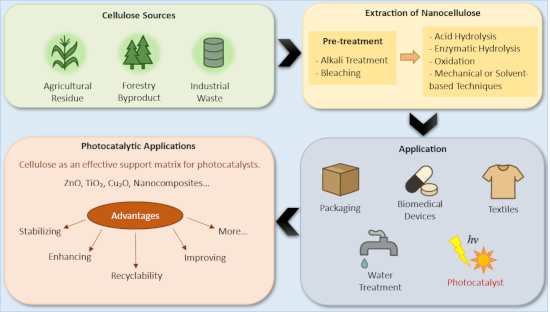
- for cellulose extraction were also explored such as acid hydrolysis, enzymatic hydrolysis, oxidation, and mechanical or solvent-based techniques. Besides that, this review highlights the role of cellulose in photocatalytic applications, where its high surface area, structural porosity, and abundance
- water treatment performance as shown in Figure 2 [14]. Photocatalytic degradation is an advanced oxidation process (AOP) in which a catalyst is used to accelerate the degradation or breakdown of organic pollutants in water or air using light energy. This AOP relies on the ability of the catalyst to
- have extracted and isolated CNCs using a variety of methods, including acid hydrolysis [3][24], enzymatic hydrolysis [8][40], TEMPO-mediated oxidation [41][42], ionic liquids [10][20], steam explosion [25], as well as combined approaches that integrate multiple techniques [24][25][41]. Each of these


Recent progress in enhancing built-in electric fields of perovskite solar cells via junction engineering
Beilstein J. Nanotechnol. 2026, 17, 602–621, doi:10.3762/bjnano.17.42
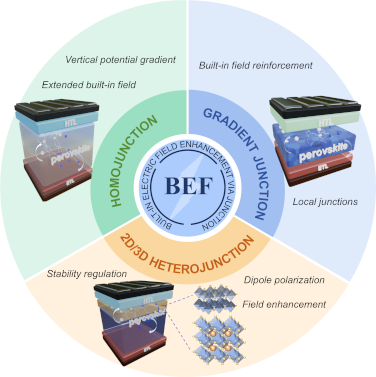
- mainly due to the electronic compensation effect of the vertical Ge2+ gradient on Sn vacancies, which prevents the oxidation of Sn2+ to Sn4+ and minimizes deep-level defects. Additionally, the GE-I framework prevents ion migration and strain accumulation, suppressing failure from Sn vacancy diffusion and
- oxidation-induced energy level collapse, leading to longer-term stability. In graded-junction strategies, evaporation of volatile salts combined with synergistic multi-ion interactions can both establish a potential gradient and passivate defects, thereby further enhancing the BEF. Tao et al. [42




Probing tribological evolution in atomically thin MoS2 at different scales
Beilstein J. Nanotechnol. 2026, 17, 586–597, doi:10.3762/bjnano.17.40
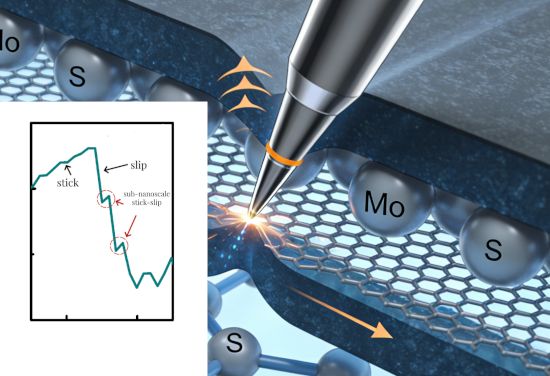
- tribology toward the sub-nanoscale. Experimental Sample preparation Single-layer and few-layer MoS2 were obtained from bulk MoS2 by mechanical exfoliation [19]. N-Doped Si covered with dry oxidation-generated 300 nm thick SiO2 was used as the substrate. Prior to exfoliation, substrates were cleaned


Laser–material interactions in liquids for the synthesis of nanomaterials: current status and perspectives
Beilstein J. Nanotechnol. 2026, 17, 571–575, doi:10.3762/bjnano.17.38
- productivity, as demonstrated, for example, in tuning the oxidation state of Cu nanoparticles generated by LAL [43]. Despite significant progress in understanding LSPC mechanisms, key challenges remain in controlling nanoparticle functionality. Although LSPC is valued for producing high-purity materials
- ]. Alternatively, employing organic solvents instead of water provides opportunities to produce carbon-encapsulated core−shell nanostructures [49] and enables control over oxidation [50], surface chemistry [51], and transferability between solvents [52]. The versatility of LSPC in terms of materials, solvents, and
Synthesis of Cu–Mo/TiO2 and Co–Mo/TiO2 photocatalysts for the efficient degradation of organic pollutants in water
Beilstein J. Nanotechnol. 2026, 17, 559–570, doi:10.3762/bjnano.17.37
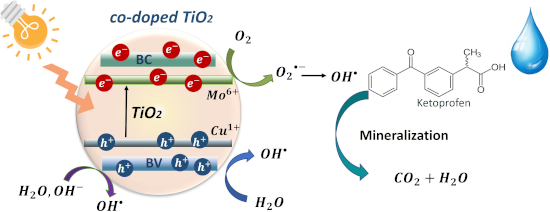
- the complete degradation of ketoprofen and 90% of mineralization. It was determined that HO· radicals play an important role in the oxidation reactions. Keywords: co-doping; photocatalysis; titanium dioxide; water remediation; Introduction Water is an essential part of every living entity
- organic contaminants. These products are frequently detected in aquatic bodies due to human use and include pharmaceuticals, pesticides, and industrial chemicals, which significantly degrade drinking water quality [1]. To achieve the efficient removal of emerging pollutants, advanced oxidation processes
- properties were determined. Finally, the photocatalytic behavior of the materials was studied in the photocatalytic oxidation of ketoprofen (KTP) under UV irradiation, with the aim of studying the charge-transfer improvement. Ketoprofen degradation, adsorption, kinetics, and reaction pathways have been



Electrochemical determination of ciprofloxacin using a MIL-101/reduced graphene oxide-modified electrode
Beilstein J. Nanotechnol. 2026, 17, 541–554, doi:10.3762/bjnano.17.35
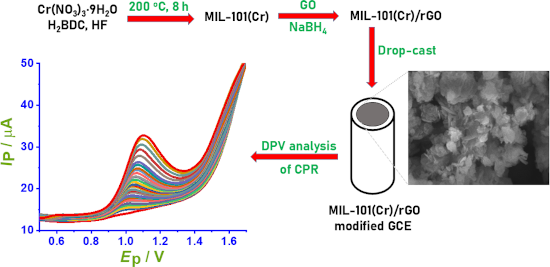
- enhanced the electrocatalytic activity toward CPR oxidation. The electrochemical behavior of CPR on the MIL-101/rGO-modified electrode was systematically investigated using cyclic voltammetry and differential pulse voltammetry. Under optimized experimental conditions, the proposed sensor exhibited a linear
- in the trivalent oxidation state. This indicates that the Cr environment in MIL-101 stays intact after integration with rGO. The C 1s spectrum (Figure 3c) can be decomposed into several components representing different carbon bonding environments. The primary peak at about 285.6 eV corresponds to C
- integration of MIL-101(Cr) and rGO, while preserving the Cr3+ oxidation state and the characteristic coordination environment of the MIL-101 framework. The SEM images of rGO, MIL-101, and the MIL-101/rGO composite are shown in Figure 4. The rGO sample (Figure 4a) displays a typical wrinkled, sheet-like


Upcycling agroindustrial waste into graphene oxide supports for gold nanoparticles: toward sustainable nanomaterials
Beilstein J. Nanotechnol. 2026, 17, 489–504, doi:10.3762/bjnano.17.32
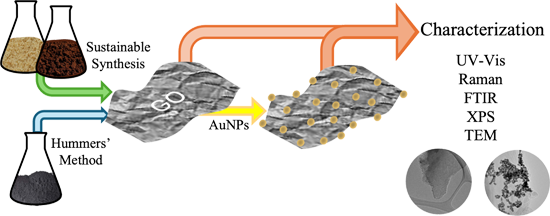
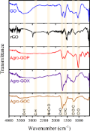
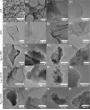
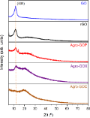
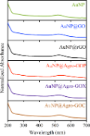
- synthesized from peanut shells and spent coffee grounds via a ferrocene-assisted green pyrolysis–oxidation approach. The resulting materials were compared with GO prepared via the Marcano-modified Hummers' method and its hydrazine-reduced counterpart (rGO). Comprehensive characterization was performed using
- -related applications. The results reveal that Agro-GO exhibits tunable oxidation levels, diverse surface functionalities, and morphologies comparable to those of conventional GO; these properties strongly depend on the type of agroindustrial waste precursor used. These findings demonstrate the feasibility
- conventionally synthesized through oxidation of graphite by chemical methods such as the Hummers' method or its modifications, which involve strong acids (e.g., H2SO4 or H3PO4), oxidants (e.g., KMnO4), and occasionally NaNO3 to facilitate exfoliation and oxidation of the graphite layers [6][7][8][9][10]. While



Defects and defect-mediated engineering of two-dimensional materials: challenges and open questions
Beilstein J. Nanotechnol. 2026, 17, 454–488, doi:10.3762/bjnano.17.31
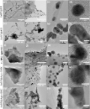
- to the interaction with the environment, for example, because of oxidation. The imperfections have a strong influence on the electronic, optical, thermal, and mechanical properties of 2D materials [2][3]. They normally deteriorate the characteristics; but they can also be beneficial, for example, in
- beyond a “trial and error” approach. What are the oxidation mechanisms and kinetics of defective surfaces in 2D materials? Substitutional oxygen defects are present in 2D materials synthesized via chemical vapor deposition (CVD) [51]. This can be a result of oxide precursors, which are frequently used
- . Despite the high reactivity of larger S vacancy clusters, several challenges remain in describing the oxidation kinetics. O2 is bound weakly to TMD surfaces with a binding energy of ≈0.14 eV [55][63][64][65]. Ab initio molecular dynamics (MD) simulations show that O2 is therefore mobile on the pristine





Polycatecholamine nanocoatings on stainless steel: the effect on attachment of human fibroblasts and platelets
Beilstein J. Nanotechnol. 2026, 17, 365–380, doi:10.3762/bjnano.17.25
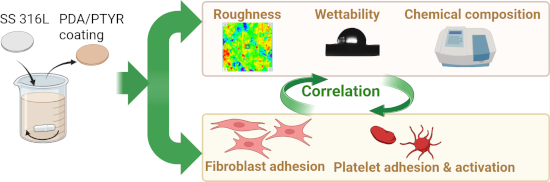
- layers on stainless steel 316L via a novel in situ oxidation process and evaluated their physicochemical properties and cellular interactions at the nano/microscale. Surface characterization revealed that the polymeric coatings formed a homogenous layer with distinct topographical features and thickness
- : cell–material interactions; Fenton oxidation; hemocompatibility; nanocoatings; polycatechols; Introduction Stainless steel 316L (SS 316L) is an iron-based alloy containing chromium and molybdenum, which promote passivation and corrosion resistance [1]. Owing to its mechanical robustness
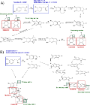
- polycatecholamines, as standalone coating systems [12][26]. Their results indicated that polycatecholamines may provide tunable surface properties distinct from those of conventional PDA films. Although PDA and PTYR originate from different amino acid precursors, both polymers are believed to undergo oxidation




Beam shaping techniques for pulsed laser ablation in liquids: Unlocking tunable control of nanoparticle synthesis in liquids
Beilstein J. Nanotechnol. 2026, 17, 309–342, doi:10.3762/bjnano.17.22







Advancing nanolithography: a comprehensive review of materials for local anodic oxidation with AFM
Beilstein J. Nanotechnol. 2026, 17, 275–291, doi:10.3762/bjnano.17.19
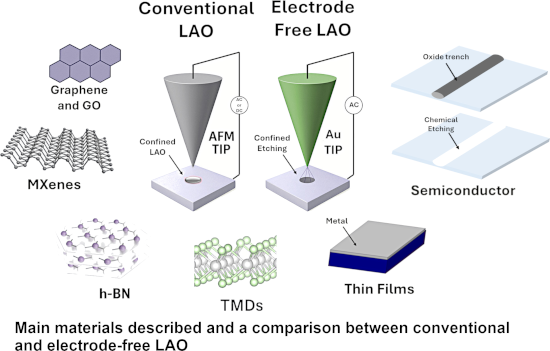
- Matteo Lorenzoni Materials Characterization Facility, Istituto Italiano di Tecnologia, via Morego 30, 16163 Genoa, Italy 10.3762/bjnano.17.19 Abstract Local anodic oxidation (LAO), also known as local oxidation nanolithography or oxidation scanning probe lithography has emerged as a versatile
- heterostructures. Semiconductors such as silicon and silicon carbide remain foundational due to their controllable oxidation kinetics, while metals like titanium and aluminum offer opportunities for plasmonic and optical applications. 2D materials, including graphene, graphene oxide, and transition metal
- dichalcogenides, demonstrate unique oxidation behaviors, enabling high-resolution applications in electronics and quantum devices. Recent advancements, such as electrode-free LAO, have expanded the range of applicable materials and improved the precision and scalability of the process. This paper also aims to





