


Search results
Search for "polymeric nanoparticles" in Full Text gives 52 result(s) in Beilstein Journal of Nanotechnology.
Nanocarrier strategies to overcome P-glycoprotein-mediated drug resistance in cancer therapy
Beilstein J. Nanotechnol. 2026, 17, 882–921, doi:10.3762/bjnano.17.64
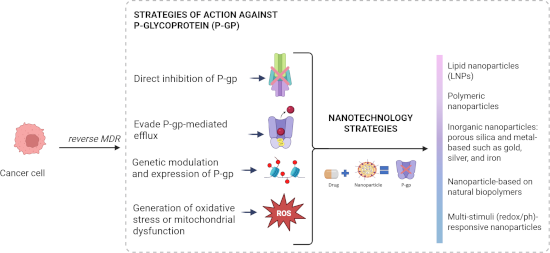
- nanostructures as modular platforms for reengineering traditional anticancer medicines and enhancing their therapeutic effectiveness against resistant malignancies. 3.2.2 Polymeric nanoparticles. Polymeric nanoparticles are nanoscale pharmaceutical systems primarily composed of biocompatible and biodegradable
- proteins and nucleic acids from premature degradation and rapid clearance by the body. Unlike other solid nanoparticles, such as metallic ones, polymeric nanoparticles can have empty or permeable internal structures that provide higher drug-loading capacity. Besides, their surface can be functionalized
- payload only under desired conditions [69]. These properties have made polymeric nanoparticles exceedingly promising for different applications, from delivery of anticancer drugs to the advancement of biosensors, as well as in the nutrition industry [70]. Whereas clinically approved formulations such as


Nanoparticle delivery systems for HIV pre-exposure prophylaxis (PrEP): advances and challenges
Beilstein J. Nanotechnol. 2026, 17, 839–853, doi:10.3762/bjnano.17.60
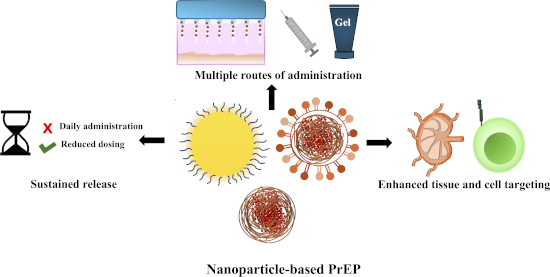
- classes of nanomaterials, namely, polymeric nanoparticles, lipid-based nanoparticles, inorganic nanoparticles, and hybrid nanoparticles. Nanoparticle design considerations and targeting strategies for the individual classes are examined, and the opportunities and challenges for the different nanomaterials
- nanoparticle-based HIV prophylaxis delivery strategies, we have broadly categorized existing platforms into four main categories based on their core material (Figure 1). (1) Polymeric nanoparticles: These nanoparticles are designed from biodegradable polymers such as poly(lactic-co-glycolic acid) (PLGA
- the prophylactic effect of ARV drugs. In the following, we will subdivide our discussion of targeted and non-targeted delivery approaches for each nanoparticle category 1–4 and highlight representative cases for both strategies. Polymeric nanoparticles Polymeric nanoparticles have emerged as a


Advances in nanotechnology applied to natural products
Beilstein J. Nanotechnol. 2026, 17, 555–558, doi:10.3762/bjnano.17.36
- nanoplatforms for the delivery of natural products, offering structural stability, tunable release profiles, and controllable surface properties [20]. Polymeric nanoparticles, in particular, can protect bioactive compounds, potentially reduce off-target toxicity, and enhance specific biological responses
Nanocarrier-integrated multilayer films produced by 3D printing for improved skin adhesion and curcumin photostability
Beilstein J. Nanotechnol. 2026, 17, 440–453, doi:10.3762/bjnano.17.30
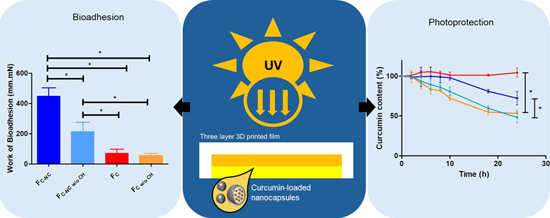
- enable the development of formulations with reduced particle sizes (typically between 100 and 500 nm) and tailored physicochemical properties [19][20]. In the pharmaceutical context, nanoparticles, including polymeric nanoparticles, have been extensively investigated as drug carriers. The use of


Biomimetic nanoparticles in cancer photodynamic therapy: a review of targeted delivery systems and therapeutic outcomes
Beilstein J. Nanotechnol. 2026, 17, 396–422, doi:10.3762/bjnano.17.27
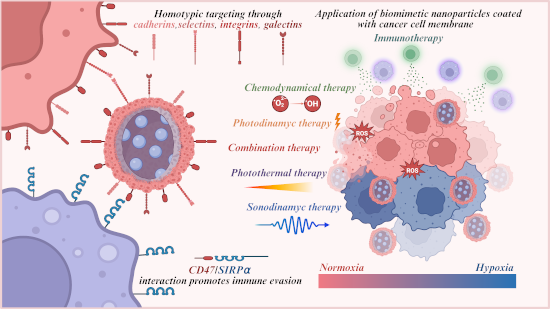
- , nanoencapsulation strategies for PSs are being actively developed [7][8]. Encapsulation of hydrophobic PSs in nanocarriers such as liposomes, polymeric nanoparticles, or micelles addresses solubility and stability, preventing aggregation [9]. Nanoparticles with sizes of 10–200 nm passively accumulate in tumor


From shield to spear: Charge-reversible nanocarriers in overcoming cancer therapy barriers
Beilstein J. Nanotechnol. 2026, 17, 159–175, doi:10.3762/bjnano.17.10
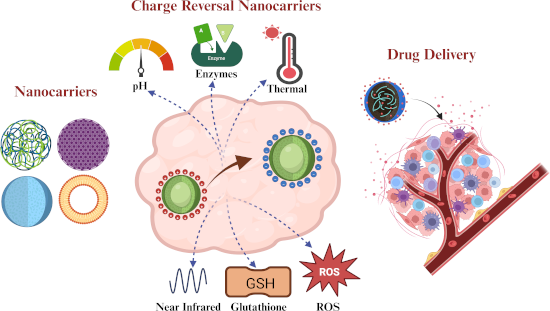
- , nanocarriers encompass diverse types including polymeric nanoparticles, liposomes, micelles, dendrimers, lipid-based carriers, carbon-based nanomaterials, and gold nanoparticles. They exhibit versatile structures (1–100 nm) with diverse morphologies (e.g., spherical, tubular, or conical shapes [14]). With


Development and in vitro evaluation of liposomes and immunoliposomes containing 5-fluorouracil and R-phycoerythrin as a potential phototheranostic system for colorectal cancer
Beilstein J. Nanotechnol. 2026, 17, 97–121, doi:10.3762/bjnano.17.7



PEGylated lipids in lipid nanoparticle delivery dynamics and therapeutic innovation
Beilstein J. Nanotechnol. 2025, 16, 1914–1930, doi:10.3762/bjnano.16.133
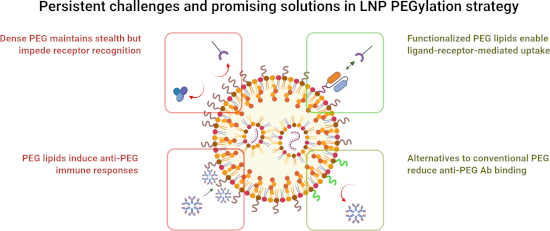
- LNPs remain limited, substantial insights can be drawn from studies on liposomes and polymeric nanoparticles. As shown in Figure 1, the PEG chain conformation is found to be fundamentally determined by the PEG grafting density on the nanoparticle surface, which can be quantitatively estimated by the


Exploring the potential of polymers: advancements in oral nanocarrier technology
Beilstein J. Nanotechnol. 2025, 16, 1751–1793, doi:10.3762/bjnano.16.122
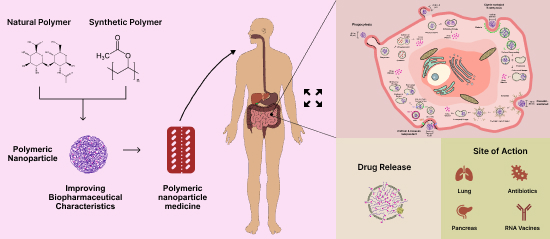
- , Brazil 10.3762/bjnano.16.122 Abstract Polymers play a pivotal role in various drug delivery systems due to their versatility, with polymeric nanoparticles showing significant potential to overcome physiological barriers associated with oral administration. This review examines the current advancements
- invasiveness and greater biocompatibility [11]. Polymeric nanoparticles (PNs) have been studied for their potential in the oral delivery of insoluble drugs and biological products [12]. Peptides, such as GLP-1 receptor agonists [13], nucleic acids such as RNA [14], insulin [15], and antigens [16] have been
- bioavailability enhancement are discussed. The objective of this study is to provide a comprehensive theoretical foundation for employing polymers as nanocarriers in oral drug delivery. 2 Polymeric nanoparticles: a viable option for oral administration The biocompatibility and biodegradability of polymers have


Prospects of nanotechnology and natural products for cancer and immunotherapy
Beilstein J. Nanotechnol. 2025, 16, 1644–1667, doi:10.3762/bjnano.16.116
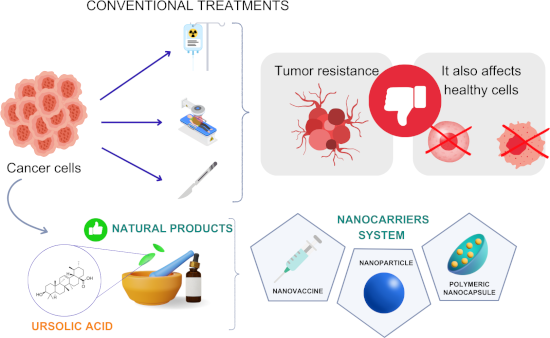
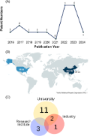
- polymeric nanoparticles, and the remaining inventions used carrier-free self-assembly nanoparticles. The greater number of inventions based on nanoparticles can be attributed to the longer period over which this carrier system has been studied and utilized. Indeed, the scientific literature contains reports
- , cellular absorption, and slow release of drugs [38]. Polymeric nanoparticles are colloidal polymer systems used as drug carriers for targeted therapies and diagnostics [39]. Gold nanoparticles have properties such as chemical reactivity, anti-inflammatory effects, and protein-binding abilities, while
- , nanoparticles can be subdivided into various structures, such as carrier-free self-assembly nanoparticles, polymeric nanoparticles, polysaccharide nanoparticles, gold nanoparticles, and quantum dot nanoparticles. Carrier-free self-assembly nanoparticles Carrier-free self-assembly nanoparticles are formed



Venom-loaded cationic-functionalized poly(lactic acid) nanoparticles for serum production against Tityus serrulatus scorpion
Beilstein J. Nanotechnol. 2025, 16, 1633–1643, doi:10.3762/bjnano.16.115
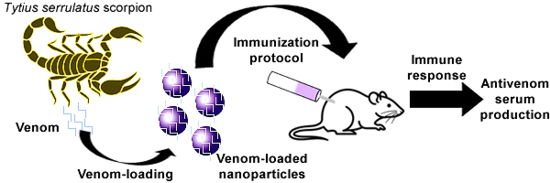
- aim to evaluate the effectiveness of biodegradable PLA polymeric nanoparticles functionalized with PEI as an adjuvant and potential candidate for vaccine delivery against T. serrulatus venom. Results Protein loading efficiency of the Tityus serrulatus scorpion venom The T. serrulatus venom protein
- hydroxide. Thus, all data demonstrate a good performance of the nanoprecipitation method to generate small-sized protein-loaded polymeric nanoparticles which can be used as a novel immunoadjuvant. Experimental Material Poly(D,L-lactic acid) (D,L-PLA) 50:50 (inherent viscosity 0.63 dL·g−1 at 30 °C) was



Nanomaterials for biomedical applications
Beilstein J. Nanotechnol. 2025, 16, 1499–1503, doi:10.3762/bjnano.16.105
- , Istanbul, Turkey 10.3762/bjnano.16.105 Keywords: biomedical applications; drug delivery; nanocarriers; nanomaterials; nanomedicine; nanoparticles; polymeric nanoparticles; tissue regeneration; Medicine has rapidly advanced over the last few decades, and nanotechnology has played a significant role in
- ]. Polymeric nanoparticles, dendrimers, and carbon-based structures such as carbon nanotubes are very promising when it comes to delivering drugs and genes to certain parts of the body [3]. Conversely, metallic nanoparticles such as gold and iron oxide, and fluorescent quantum dots have applications in
- [9]. Along with liposomes, polymeric nanoparticles have turned out to be an equally dynamic platform. Typically, these particles are composed of biodegradable materials, such as poly(lactic-co-glycolic acid) (PLGA) or chitosan. One of the main advantages of polymers is that they can be designed to
Enhancing the therapeutical potential of metalloantibiotics using nano-based delivery systems
Beilstein J. Nanotechnol. 2025, 16, 1350–1366, doi:10.3762/bjnano.16.98
- . These nanoparticles consist of a solid lipid core matrix stabilized by emulsifiers in an aqueous dispersion [70][71][72]. SLNs were developed as an alternative nanocarrier system to emulsions, liposomes, and polymeric nanoparticles, combining the advantages of traditional liposomal and polymeric systems
- , combining high biocompatibility, prolonged release properties, and the capacity to encapsulate a diverse range of therapeutic agents. Ongoing research efforts are focused on overcoming existing limitations to fully realize the clinical potential of SLNs [76]. Polymer nanoparticles. Polymeric nanoparticles
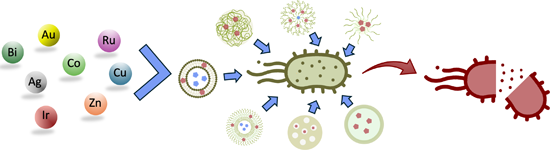
- clinical translation of metalloantibiotics remains hindered by key challenges, including systemic toxicity, poor stability, and a lack of targeted delivery. In this context, recent advances in nanotechnology-based drug delivery systems, such as liposomes, polymeric nanoparticles, and mesoporous silica


Biomimetic nanocarriers: integrating natural functions for advanced therapeutic applications
Beilstein J. Nanotechnol. 2024, 15, 1619–1626, doi:10.3762/bjnano.15.127
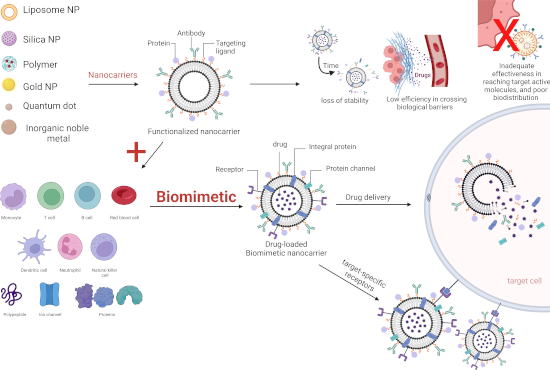
- nonpermissive characteristics at the barrier [69]. Polymeric nanoparticles, as well as those based on lipids and inorganic materials, are extensively studied for Alzheimer's disease treatment due to their tissue selectivity, potential circulation time, encapsulation capacity, and, importantly, their ability to
- antiviral treatments. Tan et al. (2021) employed lopinavir (LPV), an antiviral drug, in polymeric nanoparticles coated with macrophage membranes (PLGA-LPV@M). This biomimetic nanocarrier demonstrated the ability to inherit the antigenic profile of macrophages, enabling the absorption of pro-inflammatory


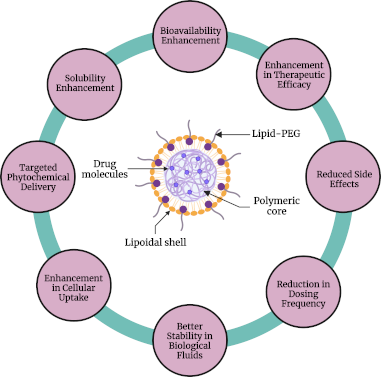
Polymer lipid hybrid nanoparticles for phytochemical delivery: challenges, progress, and future prospects
Beilstein J. Nanotechnol. 2024, 15, 1473–1497, doi:10.3762/bjnano.15.118


Nanotechnological approaches for efficient N2B delivery: from small-molecule drugs to biopharmaceuticals
Beilstein J. Nanotechnol. 2024, 15, 1400–1414, doi:10.3762/bjnano.15.113
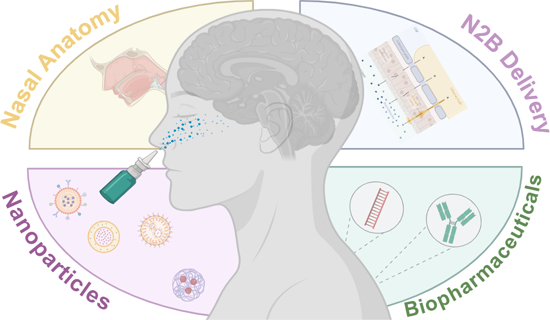
- conducted for polymeric nanoparticles to understand their role in N2B delivery. For instance, Gabold et al. reported the preparation of protein-loaded chitosan NPs decorated with transferrin as a proof-of-concept study to demonstrate a versatile surface functionalization that can also be suitable for N2B


Synthesis, characterization and anticancer effect of doxorubicin-loaded dual stimuli-responsive smart nanopolymers
Beilstein J. Nanotechnol. 2024, 15, 1189–1196, doi:10.3762/bjnano.15.96
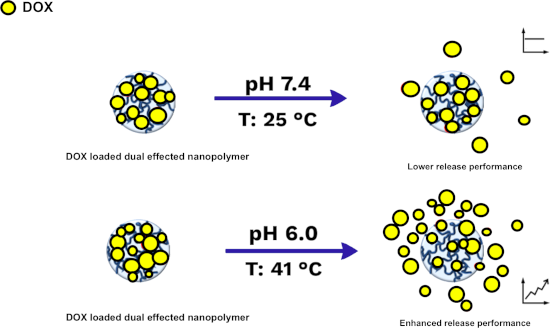
- , high stability, low toxicity, modifiable hydrophilicity/hydrophobicity, and the possibility of surface functionalization for targeted localization. Polymeric nanoparticles are a versatile approach to drug delivery (DD) with the potential to circumvent barriers associated with negative impacts on
- durations. While numerous biodegradable polymeric nanoparticles derived from proteins or polysaccharides have been studied for drug delivery and controlled drug release in the recent past, the emphasis of research has now turned towards synthetic polymers, resulting in significant advancements in this field


Unveiling the potential of alginate-based nanomaterials in sensing technology and smart delivery applications
Beilstein J. Nanotechnol. 2024, 15, 1077–1104, doi:10.3762/bjnano.15.88
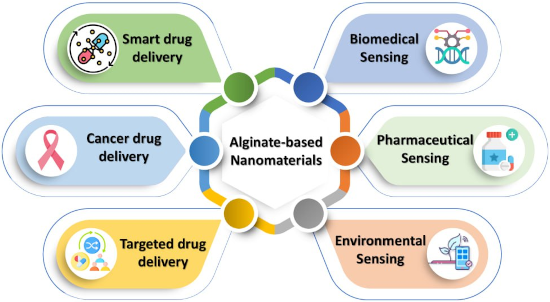
- wall [60]. Another important morphological feature of polymers is the surface of the polymers, and atomic force microscopy (AFM) can be utilized to detect surface features of polymeric nanoparticles. It is very useful tool that offers high-resolution images in three dimensions at the nanometer scale


When nanomedicines meet tropical diseases
Beilstein J. Nanotechnol. 2024, 15, 830–832, doi:10.3762/bjnano.15.69
- comprehensive review on the field. Herein, the authors have accessed different databases, finding inorganic and polymeric nanoparticles as the most investigated nanosystems towards schistosomiasis, an acute and chronic parasitic NTD caused by blood-feeding nematodes of the genus Schistosoma [6]. Another
Classification and application of metal-based nanoantioxidants in medicine and healthcare
Beilstein J. Nanotechnol. 2024, 15, 396–415, doi:10.3762/bjnano.15.36
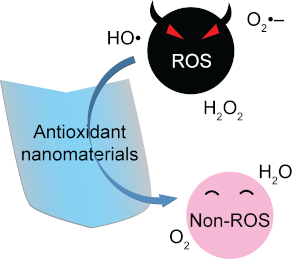
- ]. Pharmacokinetic analysis of curcumin-loaded polymeric nanoparticles after oral delivery in mice demonstrated a 20-fold decrease in dose requirement compared to natural curcumin [140]. Both experimental and molecular dynamics simulation studies suggested an optimal ferulic acid (an antioxidant in plants


Nanomedicines against Chagas disease: a critical review
Beilstein J. Nanotechnol. 2024, 15, 333–349, doi:10.3762/bjnano.15.30

- improve the bioavailability of the anti-hypercholesterolemic fenofibrate [88][89]. Polymeric nanoparticles and cell-derived vehicles such as exosomes have not entered the market yet because of issues regarding quality control, large-scale repeatable preparation, effectiveness, and safety [90]. The
- increase survival. Nonetheless, the efficacy of these few experiments is uncertain, since their effect on chronic and immunosuppressed models, as well as the potential toxicity, remain unknown. Non-approved drugs-based nanomedicines The in vivo activity of non-approved drugs loaded into lipid and polymeric
- nanoparticles orally and intravenously administered has also been tested (Table 3). For example, oral solid lipid nanoparticles loaded with a poorly bioavailable lipophilic cyclic compound derived from dithiocarbazate, effectively reduced parasitemia, diminished inflammation and lesions of the liver and heart

Curcumin-loaded nanostructured systems for treatment of leishmaniasis: a review
Beilstein J. Nanotechnol. 2024, 15, 37–50, doi:10.3762/bjnano.15.4

- these carriers with the macrophage membrane. As a result, the macrophages uptake the drug-loaded nanocarrier by phagocytosis, where they will directly act on the parasites [65][66][67]. Several types of nanosystems have been studied for carrying antileishmanial drugs, such as polymeric nanoparticles
- , lipid nanoparticles, nano- and microemulsions, liposomes, or metallic nanoparticles [68]. Costa-Lima and colleagues incorporated bisnaphthalimidopropyldiaaminooctane (BNIPDaoct) into PLGA polymeric nanoparticles and obtained particles with sizes around 150 nm, with encapsulation efficiency around 90
- delivered via these nanostructured systems. Polymeric nanoparticles Polymeric nanoparticles (PNPs) are colloidal systems made of natural or synthetic polymers [98]. These systems can encapsulate or adsorb active pharmaceutical ingredients (APIs) and macromolecules [99][100][101]. In addition, PNPs can


Nanotechnological approaches in the treatment of schistosomiasis: an overview
Beilstein J. Nanotechnol. 2024, 15, 13–25, doi:10.3762/bjnano.15.2

- established criteria were identified. Inorganic and polymeric nanoparticles were the most prevalent nanosystems used. Gold was the primary material used to produce inorganic nanoparticles, while poly(lactic-co-glycolic acid) and chitosan were commonly used to produce polymeric nanoparticles. None of these
- number of articles, unlike previous reviews. Below, we discuss the main findings of these studies. Nanosystems Polymeric nanoparticles are nanoparticles composed of polymeric materials which may be natural or synthetic [16]. They are generally produced by two strategies: the dispersion of preformed
- vitro that polymeric nanoparticles were able to confer a sustained biphasic release pattern in comparison with that of spironolactone alone. Moreover, they proved in mice that orally administered nanoformulation was efficient against S. mansoni infection and induced significant reduction in spleen


Polymer nanoparticles from low-energy nanoemulsions for biomedical applications
Beilstein J. Nanotechnol. 2023, 14, 339–350, doi:10.3762/bjnano.14.29
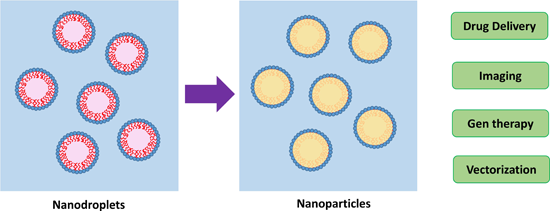
- the limitations exhibited by conventional therapies, placing drug-containing polymeric nanoparticles as promising therapeutics in the field of nanomedicine. Future challenges in the preparation of polymer nanoparticles from low-energy nanoemulsions include narrowing size distributions, increasing the




Overview of mechanism and consequences of endothelial leakiness caused by metal and polymeric nanoparticles
Beilstein J. Nanotechnol. 2023, 14, 329–338, doi:10.3762/bjnano.14.28





