
Search results
Search for "protein" in Full Text gives 399 result(s) in Beilstein Journal of Nanotechnology. Showing first 200.
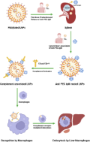
Nanoparticle delivery systems for HIV pre-exposure prophylaxis (PrEP): advances and challenges
Beilstein J. Nanotechnol. 2026, 17, 839–853, doi:10.3762/bjnano.17.60
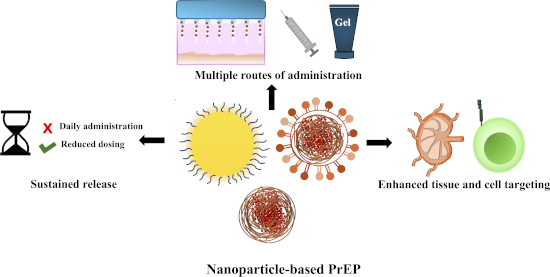
- -1 Env trimers on host cell surfaces so that the immune system could recognize the protein in its native-like form and generate neutralizing antibodies. In rabbits, this approach generated an autologous tier-2 neutralizing antibody response at levels comparable to those achieved using adjuvanted


Restorative potential of laser-synthesized silver nanoparticles with Salvia officinalis for periodontal disease treatment: an in vitro study
Beilstein J. Nanotechnol. 2026, 17, 781–795, doi:10.3762/bjnano.17.55
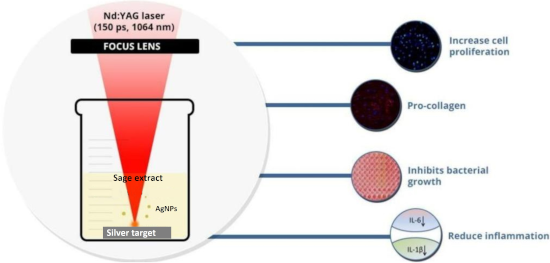
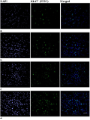
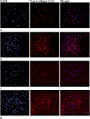
- Collagen Assay Kit (Abcam, Cambridge, United Kingdom) according to the manufacturer’s instructions. Briefly, after the treatments, cells were collected and lysed by freeze-thawing, and the protein concentration for each sample was determined as previously described [28]. Optical densities were detected by



Environmental applications of silver nanoparticles: state-of-the-art review and emerging trends
Beilstein J. Nanotechnol. 2026, 17, 697–736, doi:10.3762/bjnano.17.49
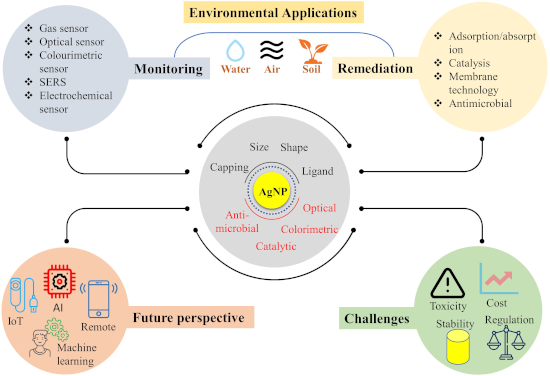
- disrupting their protein coats and interfering with their replication mechanisms [76]. Waterborne viral infections include adenovirus, astrovirus, hepatitis A and E viruses, rotavirus, and norovirus [77]. Additionally, human urine excretion can contain polyomaviruses and cytomegalovirus, which can
- against feline calicivirus, which shares a similar genetic makeup with human norovirus [79]. The study found that 10 nm AgNPs significantly reduced viral load (6.5 log10 viral titer) at concentrations of 50 and 100 μg/mL. The protein expression analysis confirmed that the capsid protein showed a reduction


Protein-based custom-designed molecular nanotraps for biomedical applications
Beilstein J. Nanotechnol. 2026, 17, 683–687, doi:10.3762/bjnano.17.47
- protein building blocks and employing the molecular imprinting technique to confer selectivity toward specific molecular targets. With a portfolio of protein-based units that includes cross-linkable silk fibroin and gelatin, the approach enables tailored nanostructures capable of efficient and selective
- , choosing the protein building block among those already in use in tissue engineering and regenerative medicine, such as gelatin and silk fibroin, ensures biocompatibility, biodegradability and non-toxicity. Despite these potentials, to date, the use of proteins as building blocks for the preparation of
- nanocages and nanoparticles [10][11]. However, the vast majority of these architectures are constructed through the ordered assembly of folded protein units. In such systems, nanoparticles and higher-order structures arise from the self-assembly of proteins; they combine modularity with a high degree of

Towards targeted drugs and next generation of nanomedicines
Beilstein J. Nanotechnol. 2026, 17, 598–601, doi:10.3762/bjnano.17.41
- that the first drug carriers that reached the clinics, such as liposomes and protein-based drug carriers (e.g., Doxil and Abraxane, respectively) have been investigated for drug delivery long before the term "nanomedicine" was coined, at the end of the last century, and became popular. The same is true
- protein binding in order to avoid immune cell recognition and clearance, hence prolonging nanomedicine circulation time, in some cases the adsorbed endogenous proteins may provide this endogenous targeting capacity [28][29]. First evidence of this type of targeting has been reported for Onpattro, the
Nanoinformatics: spanning scales, systems and solutions
Beilstein J. Nanotechnol. 2026, 17, 423–427, doi:10.3762/bjnano.17.28
- reactivity [3]. Amini et al. combined atomistic molecular dynamics, a coarse-grained model of protein adsorption, and kinetic Monte Carlo simulations to predict the protein corona composition formed on aluminium surfaces with different crystal faces, (i.e., (100), (110), and (111)) from a simplified model of

Biomimetic nanoparticles in cancer photodynamic therapy: a review of targeted delivery systems and therapeutic outcomes
Beilstein J. Nanotechnol. 2026, 17, 396–422, doi:10.3762/bjnano.17.27
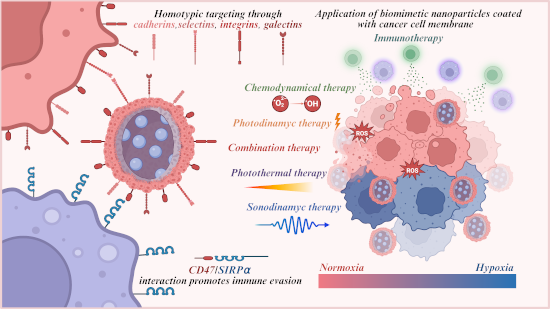
- rupture [53]. Lysis buffer selection (containing membrane disruptors and protease inhibitors) depends on cell type and target protein localization. For example, cancer cells and macrophages respond better to hypotonic protocols [57], and harsh homogenization suits cytomembrane protein extraction (above 30
- interaction with target cells [58]. Common techniques include (i) physical co-extrusion, where nanoparticles and membranes are forced through porous membranes to form uniform coatings; (ii) sonication, which uses ultrasonic energy to induce membrane fusion and often favors correct protein orientation; and
- (iii) electroporation, which creates temporary pores in membranes to facilitate coating while preserving protein integrity. Electroporation is simpler, more versatile, and scalable, especially when combined with microfluidic devices that allow for precise control over coating conditions, improving


Polycatecholamine nanocoatings on stainless steel: the effect on attachment of human fibroblasts and platelets
Beilstein J. Nanotechnol. 2026, 17, 365–380, doi:10.3762/bjnano.17.25
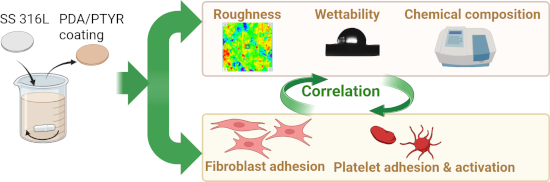
- modulate protein adsorption and cellular responses at the biointerface [24][25]. Despite this broad interest in catechol-based coatings, alternative polycatecholamines remain only minimally explored. To date, only two studies have specifically examined polytyrosine (PTYR), or structurally related
- the medium proteins to the surfaces and cells interact with surfaces through the protein layer [39]. Many previous reports demonstrated that grooves on the surface enhance fibroblast adhesion [28][40][41], but it has also been established that there is a roughness threshold for cell attachment that




Advancing nanolithography: a comprehensive review of materials for local anodic oxidation with AFM
Beilstein J. Nanotechnol. 2026, 17, 275–291, doi:10.3762/bjnano.17.19
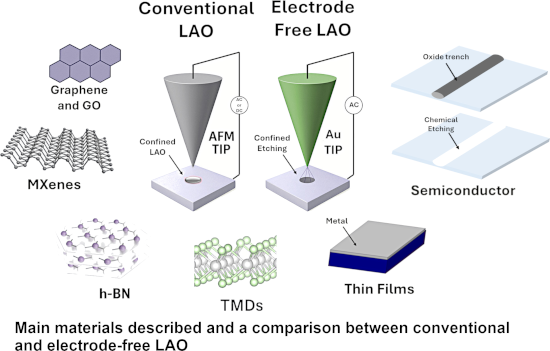
- poly-ʟ-lysine (PLL) thin films, a well-established material in biotechnology [117]. Following LAO patterning, protein-resistant polymers like polyethylene glycol can be selectively grafted onto the patterned areas, forming a copolymer with PLL that faithfully replicates the design. This approach has
- potential for advancing protein patterning, tissue engineering, biomedical implants, and biosensor development. LAO offers a promising route for fabricating superconducting quantum devices by enabling direct, nanoscale patterning of Josephson junctions without conventional lithography. Using a biased AFM


Micro- and nanoscale effects in biological and bioinspired materials and surfaces
Beilstein J. Nanotechnol. 2026, 17, 214–217, doi:10.3762/bjnano.17.14
- composition of the secreting cells and its cement product, providing a strong basis for further research on the assembly of biological and bioinspired adhesives. Sawant et al. [15] focused on the cement of a barnacle and experimentally investigated a specific key cement protein and its self-assembly under
Safe and sustainable by design with ML/AI: A transformative approach to advancing nanotechnology
Beilstein J. Nanotechnol. 2026, 17, 176–185, doi:10.3762/bjnano.17.11
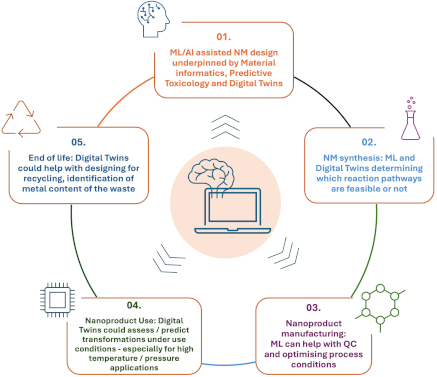
- and risks associated with specific ENMs [56]. One illustrative application involves modelling nanoparticle–protein interactions, a critical factor in drug delivery systems, where digital twins can accurately predict protein adsorption patterns on nanoparticle surfaces through read-across and
- interpolation from limited experimental datasets [57]. Given that protein corona formation [58] can drastically alter the biodistribution and immunological profile of a nanoparticle, digital twins help pinpoint safer design parameters – such as surface coatings or particle size modifications – which improve
- synthesis routes, and minimized toxicity. Moreover, digital twins contribute a real-time, iterative layer of validation and optimization, enabling researchers to virtually explore a variety of scenarios – from nanoparticle–protein interactions to environmental dispersion without ever having to synthesize


From shield to spear: Charge-reversible nanocarriers in overcoming cancer therapy barriers
Beilstein J. Nanotechnol. 2026, 17, 159–175, doi:10.3762/bjnano.17.10
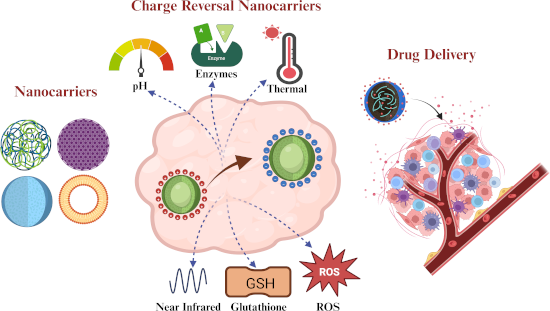
- also induce cytotoxicity and rapid clearance by the mononuclear phagocyte system [18]. Moreover, surface charge influences aggregation behaviour, colloidal stability, and protein corona formation, directly impacting the therapeutic efficacy of nanocarriers. Optimising surface charge is essential for
- groups for protonation-driven charge inversion, ensuring precise intracellular payload unloading [22]. Furthermore, the neutral charge state during systemic circulation helps to reduce cytotoxicity by minimising nonspecific protein adsorption and immune system activation. A study by Yuan et al. showed
- that zwitterionic and neutral nanoparticles possess highly hydrated, charge-balanced surfaces that minimize serum protein adsorption, complement activation, and cytokine release (IL-6, TNF-α). In murine models, these particles exhibited reduced systemic inflammation and enhanced circulation stability


Influence of surface characteristics on the in vitro stability and cell uptake of nanoliposomes for brain delivery
Beilstein J. Nanotechnol. 2026, 17, 139–158, doi:10.3762/bjnano.17.9
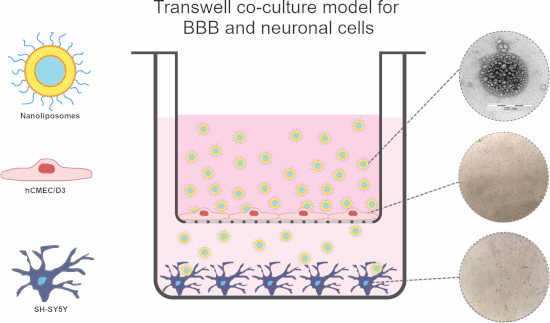
- NLs interact with biomolecules, thus forming a protein corona (PC), altering functional proteins, and engaging in redox reactions with reactive species [6]. These interactions can affect the functionality, biodistribution, targeting, and cell internalization of NLs. Serum components can disrupt the
- lipid structure of NLs, leading to AC leakage, while plasma protein adsorption may cause particle aggregation [7]. In this sense, the presence of proteins in the tissue environment can alter cellular uptake of both cationic and anionic carriers [8]. In short, our understanding of how nanodelivery
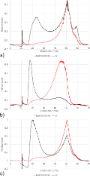
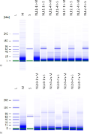
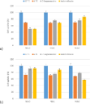
- nanoliposomal surface Protein electrophoresis was performed by a 2100 Bioanalyzer using High Sensitivity Protein 250 kit assays in reducing condition according to the instruction from the manufacturer. Briefly, samples were prepared as for the AF4 analysis. At the end of the incubation time, samples were




Development and in vitro evaluation of liposomes and immunoliposomes containing 5-fluorouracil and R-phycoerythrin as a potential phototheranostic system for colorectal cancer
Beilstein J. Nanotechnol. 2026, 17, 97–121, doi:10.3762/bjnano.17.7
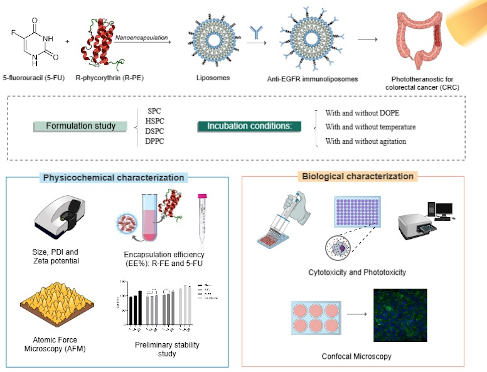
- lipophilic substances. Furthermore, liposomes can also act as a protein delivery system, reducing enzymatic degradation of proteins and enhancing their stability and their permeability through cell membranes [7]. Immunoliposomes provide many advantages by surface functionalization with targeting biomolecules
- for more effective, safer, and personalized theranostic treatment of colorectal cancer [11]. R-phycoerythrin (R-PE) is a phycobiliprotein isolated from red algae Solieria filiformis, which is cultivated on the Brazilian coast [12]. Several pre-clinical studies have shown that this protein has
- high level of protein encapsulation. These values are significantly higher than those reported in the literature, where the EE% for the β-subunit of R-PE typically remains around 50% [32]. The high EE% observed in this study may be attributed to the presence of carbohydrates, which are known to reduce



Functional surface engineering for cultural heritage protection: the role of superhydrophobic and superoleophobic coatings – a comprehensive review
Beilstein J. Nanotechnol. 2026, 17, 63–96, doi:10.3762/bjnano.17.6


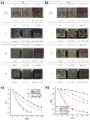
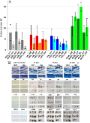
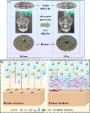
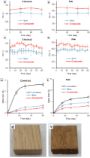


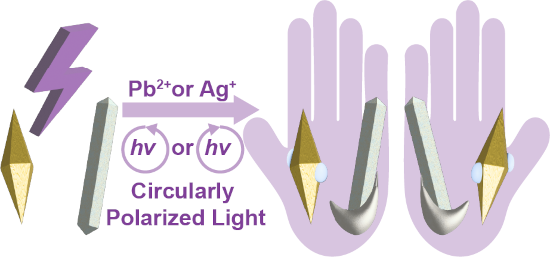
Chiral plasmonic nanostructures fabricated with circularly polarized light
Beilstein J. Nanotechnol. 2025, 16, 2245–2264, doi:10.3762/bjnano.16.154
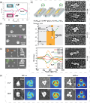
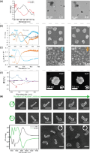
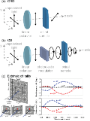
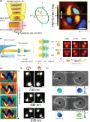
- generating detailed information on biomolecules, such as the hierarchy of protein structures [146][147][148]. The superchiral field of cPNSs has also been utilized to selectively modulate the excitation and spontaneous emission rate of valley excitons in transition metal dichalcogenide (TMDC) monolayers [156





Optical bio/chemical sensors for vitamin B12 analysis in food and pharmaceuticals: state of the art, challenges, and future outlooks
Beilstein J. Nanotechnol. 2025, 16, 2207–2244, doi:10.3762/bjnano.16.153
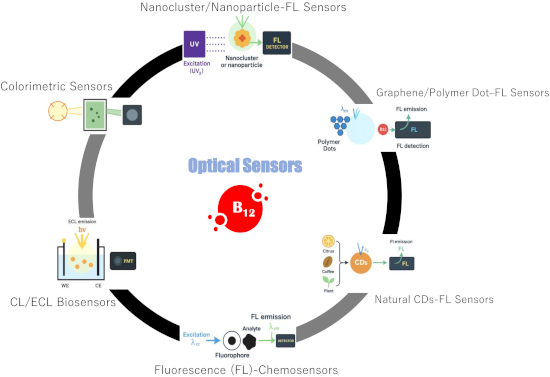
- (e.g., metformin) and bile acid sequestrants (e.g., cholestyramine), and patients with inherited disorders such as deficiency of the non-glycosylated protein of transcobalamin II (TC-II) [2][10][45][46][47][48]. Pathways of vitamin B12 absorption and metabolism Two principal mechanisms exist for the
- forms (AdoCbl and MeCbl), via a complicated intracellular process involving various chaperone proteins and transporters, regardless of its form when ingested [34][47][50][55]. Acting as the main chaperone, the methylmalonic aciduria and homocystinuria type-C protein (MMACHC) captures VB12 exiting the
- lysosomes in a distinct base-off conformation. In this process, the protein replaces the 5,6-dimethylbenzimidazole ligand of VB12 with one of its histidine residues. Furthermore, MMACHC plays a pivotal role in converting all variants of VB12 into the cob(II)alamin intermediate. This crucial step includes


Ultrathin water layers on mannosylated gold nanoparticles
Beilstein J. Nanotechnol. 2025, 16, 2183–2198, doi:10.3762/bjnano.16.151
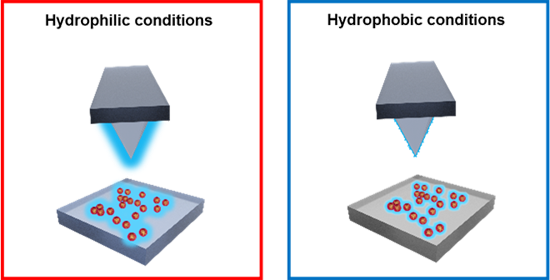
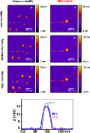
- glycosylated AuNP can provide a simplified model of a viral spike, whenever the virus is very densely coated, for example, influenza by hemagglutinin [18][19]. Hence, our idea is not to emulate complete virions; rather, one NP is emulating one single spike protein. Although the density of the NPs is not very



Toward clinical translation of carbon nanomaterials in anticancer drug delivery: the need for standardisation
Beilstein J. Nanotechnol. 2025, 16, 2092–2104, doi:10.3762/bjnano.16.144
- tend to evade renal filtration due to the formation of a protein corona that effectively increases their hydrodynamic size [38]. Beyond renal clearance, particle size also critically influences toxicity, metabolic fate, tumour targeting, protein interactions, and hepatic processing. Additional



The cement of the tube-dwelling polychaete Sabellaria alveolata: a complex composite adhesive material
Beilstein J. Nanotechnol. 2025, 16, 1998–2014, doi:10.3762/bjnano.16.138
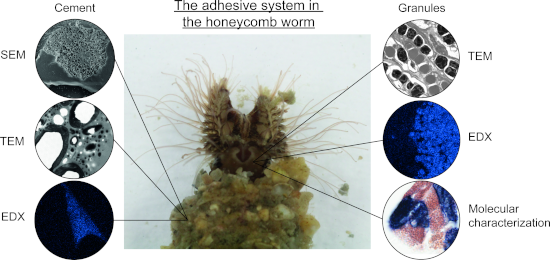
- and that of the cement suggests that the inclusions of the heterogeneous granules would inflate through a still unexplained process to form hollow spheroids dispersed in the cement matrix, leading to the formation of a complex composite material. Keywords: adhesive protein; Annelida; biological
- material; Polychaeta; protein phosphorylation; Introduction Many invertebrate marine organisms have adhesive mechanisms that allow them to firmly attach to various substrates in a wet and salty environment [1][2]. This remarkable ability has raised the interest of scientists in developing bio-inspired
- undergoing post-translational phosphorylation [15]. As a result, Pc-3 is an unusually acidic protein. Pc-4 and Pc-5 are histidine-rich basic proteins. In the adhesive secretion of S. alveolata, only three adhesive proteins have been identified [17], although a differential transcriptomic study suggested the



PEGylated lipids in lipid nanoparticle delivery dynamics and therapeutic innovation
Beilstein J. Nanotechnol. 2025, 16, 1914–1930, doi:10.3762/bjnano.16.133
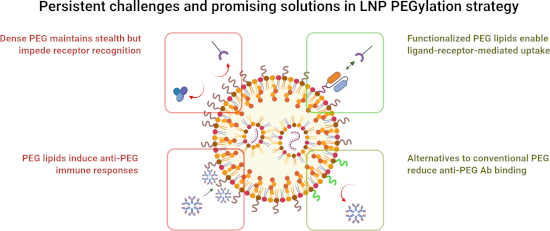
- chains arrange on the nanoparticle surface and the potential impacts on LNPs’ physicochemical properties by varying surface PEG density or PEG chemistry. Subsequently, PEG conformations are discussed in terms of their modulation of protein corona formation, cellular uptake, and immunogenic responses
- LNPs, PEG lipids are widely used to provide the nanoparticles with a unique outer layer. The “stealth” properties of PEG chains can prevent nanoparticle aggregation, reduce nonspecific protein adsorption, and delay immune recognition, thereby extending LNP circulation half-life in the bloodstream [2][4
- properties of LNPs including particle size, surface charge, and encapsulation efficiency. Subsequent sections explore the roles of PEG lipids in modulating protein corona formation and cellular uptake. The latter parts highlight the potential of functionalized PEG lipids for targeted delivery and the


Self-assembly and adhesive properties of Pollicipes pollicipes barnacle cement protein cp19k: influence of pH and ionic strength
Beilstein J. Nanotechnol. 2025, 16, 1863–1872, doi:10.3762/bjnano.16.129
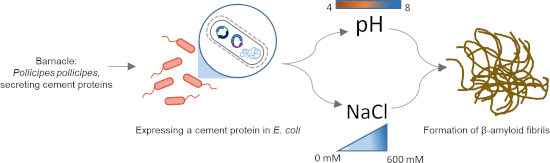
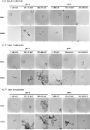
- study, we investigated the influence of environmental parameters on the self-assembly of recombinant cp19k, a key adhesive protein in Pollicipes pollicipes. Using TEM imaging, a low pH (4.0) and high salt concentration (600 mM NaCl) environment, mimicking P. pollicipes gland conditions, was identified
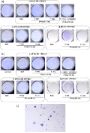
- to promote the formation of extended, needle-like fibrils by the cp19k protein. The β-amyloid nature of fibrils formed under these conditions and at high pH/low salt concentration was confirmed by Thioflavin T assay. Non-fibrillar cp19k adhered most effectively to hydrophilic and hydrophobic surfaces
- under low pH/low salt concentration conditions, while pre-formed fibrils retained their adhesion ability upon switching to a high pH/high salt concentration environment, which was designed to mimic the change in the protein environment upon secretion in vivo. These findings support the hypothesis that


Exploring the potential of polymers: advancements in oral nanocarrier technology
Beilstein J. Nanotechnol. 2025, 16, 1751–1793, doi:10.3762/bjnano.16.122
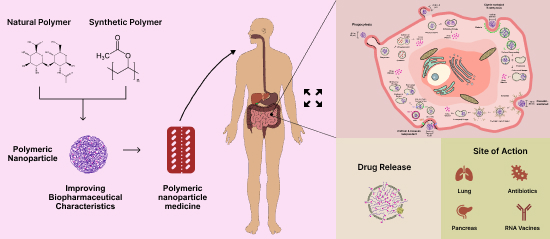
- walls. Since mucus is continuously secreted along the GIT, it is subsequently eliminated due to the cellular renewal process [5]. Mucus is a complex hydrogel comprising proteins, carbohydrates, lipids, salts, antibodies, bacteria, and cellular debris. Mucins are the primary protein component of mucus
- biological distribution of NPs. Increased hydrophilicity determines the degradation rate and their recognition by the reticuloendothelial system, preventing adsorption and nonspecific protein interactions. Furthermore, it enhances steric repulsion, reducing opsonization and activation of the complement
- CME, enabling targeted therapy [81]. The dimeric protein caveolin-1 is the primary agent in CvME, playing key roles in cell signaling, lipid regulation, and vesicular transport. It also defines the characteristic flask-like shape of vesicles and is located on the cytosolic side of the membrane


Advances of aptamers in esophageal cancer diagnosis, treatment and drug delivery
Beilstein J. Nanotechnol. 2025, 16, 1734–1750, doi:10.3762/bjnano.16.121

- -delivery of a P-glycoprotein (P-gp) inhibitor, specifically, small interfering RNA (siRNA) against the MDR1 gene, along with the chemotherapeutic agent doxorubicin (DOX). This system capitalizes on the high-affinity binding of the AS1411 aptamer to nucleolin, a protein overexpressed on the surface of
- , peptide aptamers exhibit target specificity predominantly limited to protein molecules, representing a relatively constrained target spectrum. Nucleic acid aptamers, which can bind to proteins, genes, small molecules, cells and other targets, are commonly used in laboratory and clinical practice and
- efficiency. However, only a small fraction of nucleotides of the full-length aptamers obtained by SELEX are critical for interacting with the target protein. Given the propensity of non-essential nucleotide regions to induce steric constraints and nonspecific binding, systematic bioinformatic analysis


Prospects of nanotechnology and natural products for cancer and immunotherapy
Beilstein J. Nanotechnol. 2025, 16, 1644–1667, doi:10.3762/bjnano.16.116
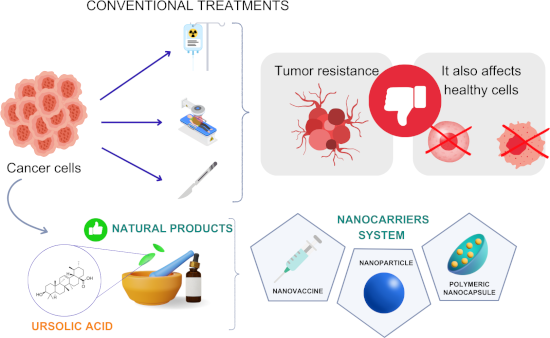
- T-lymphocyte associated protein 4), which inhibit T-cell activation, allowing cancer cells to escape immune-mediated destruction [8]. Immunotherapy shows promise as a cancer treatment approach, encompassing strategies such as monoclonal antibodies, immune checkpoint inhibitors, antitumor vaccines
- , cellular absorption, and slow release of drugs [38]. Polymeric nanoparticles are colloidal polymer systems used as drug carriers for targeted therapies and diagnostics [39]. Gold nanoparticles have properties such as chemical reactivity, anti-inflammatory effects, and protein-binding abilities, while
- scattering (DLS), and UV–visible (UV–vis) spectroscopy were used for characterization. The nanoparticles showed increased cellular uptake compared to free PD-L1, suppression of the NF-κB pathway as indicated by reduced PHO-P65 protein expression, and enhanced tumor inhibition due to immune activation and