


Search results
Search for "Co" in Full Text gives 1221 result(s) in Beilstein Journal of Nanotechnology. Showing first 200.
Nanocarrier-integrated multilayer films produced by 3D printing for improved skin adhesion and curcumin photostability
Beilstein J. Nanotechnol. 2026, 17, 440–453, doi:10.3762/bjnano.17.30
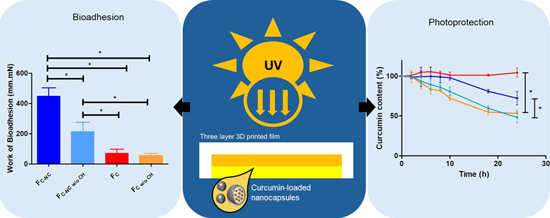
- solubilisation of curcumin in these formulations. Ethanol acts as a co-solvent and can significantly influence hydrogel rheology. Specifically, the reduction in the dielectric constant of the medium promotes intermolecular interactions between polymer chains, leading to a more compact and cohesive polymer


Nanoinformatics: spanning scales, systems and solutions
Beilstein J. Nanotechnol. 2026, 17, 423–427, doi:10.3762/bjnano.17.28
- carrier for other heavy metals such as Cd, Zn, Pb, Co or Ni into the cells – a so-called Trojan Horse mechanism. Using an ensemble learning approach that implements gradient boosting and bagging algorithms, four models were developed (i.e., a random forest, AdaBoost, Gradient Boost, and Extreme Gradient
- in previous studies, demonstrating the power of ML in conjunction with periodic table descriptors to predict co-exposure effects [7]. Further extending the concept of experiment-independent periodic table descriptors, Kar and Yang introduced 3rd-generation periodic table descriptors (i.e., atomic

Biomimetic nanoparticles in cancer photodynamic therapy: a review of targeted delivery systems and therapeutic outcomes
Beilstein J. Nanotechnol. 2026, 17, 396–422, doi:10.3762/bjnano.17.27
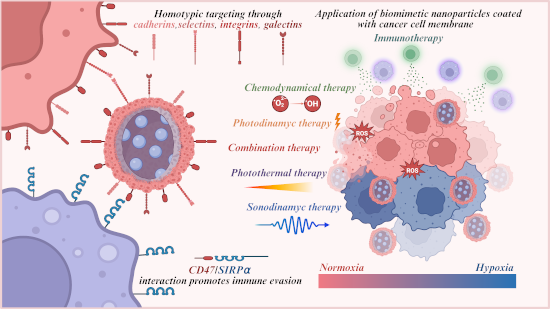
- ). Furthermore, biomimetic platforms can synergize PDT with immunomodulation by promoting immunogenic cell death (ICD) and checkpoint inhibitor co-delivery [14][15][16]. By leveraging biomimicry, these systems seek to overcome biological barriers, increase treatment efficacy, and reduce side effects. This review
- body’s immune response [48]. BNPs utilizing a cell membrane to coat a synthetic core were reported in 2011. These nanoparticles consisted of a poly(lactic-co-glycolic) acid (PLGA) core coated with an outer layer derived from red blood cell (RBC) membranes [49]. It was demonstrated that the presence of
- interaction with target cells [58]. Common techniques include (i) physical co-extrusion, where nanoparticles and membranes are forced through porous membranes to form uniform coatings; (ii) sonication, which uses ultrasonic energy to induce membrane fusion and often favors correct protein orientation; and


Eco-efficient materials for agricultural crops based on a mineral rich in MOR- and HEU-type zeolites
Beilstein J. Nanotechnol. 2026, 17, 381–395, doi:10.3762/bjnano.17.26
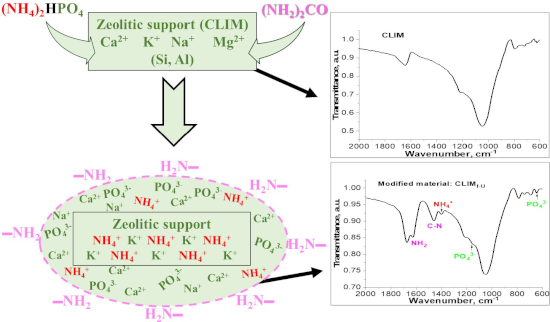
- negative charge of the structure. As a result, these materials have important intrinsic properties such as ion exchange and adsorption [5]. These qualities allow them to retain and carry chemical species of agricultural interest, such as PO43−, NH4+, NO3−, and molecular compounds (CO(NH2)2) minimizing




Interconnection morphology effects on the radio frequency response of carbon nanotube sponges
Beilstein J. Nanotechnol. 2026, 17, 343–351, doi:10.3762/bjnano.17.23
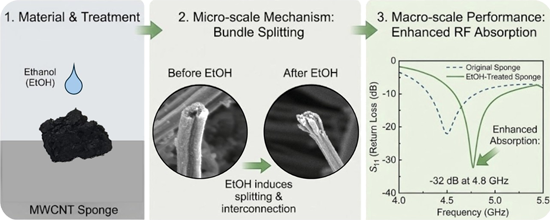
- with 5 μL of ethanol (97.7–98.5% v/v, purity > 99.9%, Sigma-Aldrich Co.) and then acquiring the response every 2 min. A field-emission scanning electron microscope Carl Zeiss Sigma 300 was used to collect images directly on the CNS samples and on the MWCNT films. Micro-Raman analysis was performed



Calculation of the dynamic stiffness of a cantilever under torsional oscillation
Beilstein J. Nanotechnol. 2026, 17, 303–308, doi:10.3762/bjnano.17.21
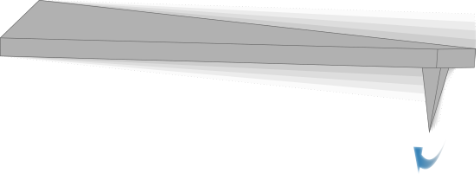
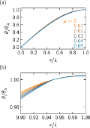
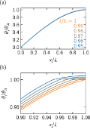
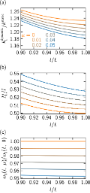
- as it can electrically detect energy dissipations [8]. Lateral force microscopy with quartz tuning fork AFM, using a CO-terminated tip, enabled the detection of energy dissipation over the chemical bonds of a PTCDA (3,4,9,10-perylenetetracarboxylic dianhydride) molecule, with a vertical decay length

Gold nanoparticle-decorated reduced graphene oxide as a highly effective catalyst for the selective α,β-dehydrogenation of N-alkyl-4-piperidones
Beilstein J. Nanotechnol. 2026, 17, 218–238, doi:10.3762/bjnano.17.15
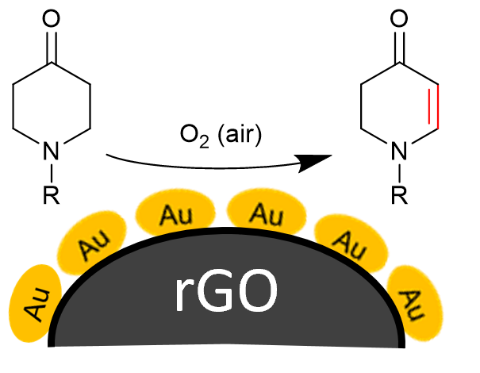
- environments, their tunable surface area and surface chemistry, and electrical conductivity [18][19]. To deposit metal NPs onto a carbon support, procedures such as adsorption or reduction–deposition (RD), co-precipitation, impregnation, and deposition precipitation (DP) are commonly employed [6][19]. Carbon
- -supported gold nanoparticles (Au/C) have been extensively studied for their remarkable selective catalytic performance in low-temperature oxidation reactions, including CO oxidation, alcohol oxidation, hydrocarbon oxidation, amino and thiol oxidation, and glucose oxidation [20]. However, despite their
- AC therefore also stems from the synergistic interfacial C–O–Au arrangements, which act as bifunctional active sites for both, electron transfer and oxygen activation. The oxygenated functional groups of rGO (–OH, C=O, –CO) (Supporting Information File 1, Figure S6) anchor and electronically couple


Time of flight secondary ion mass spectrometry imaging of contaminant species in chemical vapour deposited graphene on copper
Beilstein J. Nanotechnol. 2026, 17, 200–213, doi:10.3762/bjnano.17.13
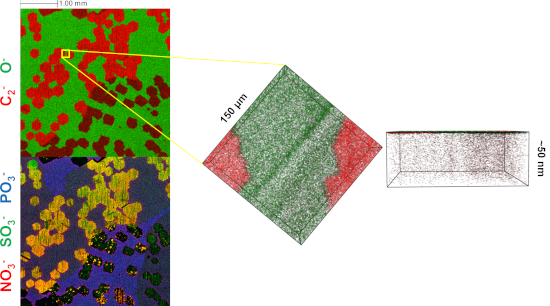
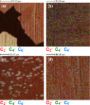
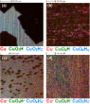
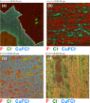
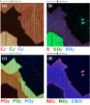
- proximity in the sample. In all cases, we see evidence of a fluorine signal co-located with the graphene-related signal from Figure 1. There is also a chlorine signal observed on all the samples, primarily in the region of the exposed substrate, evident in particular in Figure 5a,b for the BO and Ar:H2





From shield to spear: Charge-reversible nanocarriers in overcoming cancer therapy barriers
Beilstein J. Nanotechnol. 2026, 17, 159–175, doi:10.3762/bjnano.17.10
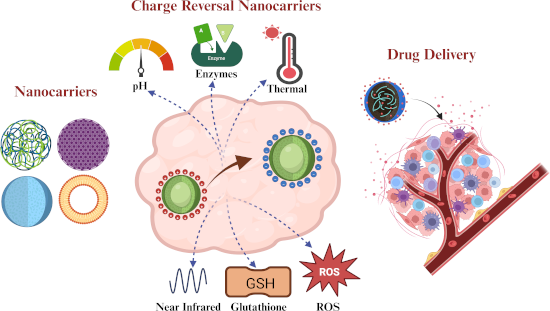
- drug release, and co-delivery strategies. Furthermore, their use in theranostics and promoting cellular uptake emphasises their potential in advancing personalised and more efficient cancer therapies. An overview of various CRNs employed in targeted cancer therapy is presented in Table 2, illustrating
- -functionalized GO complex was developed for targeted, controlled release of DOX, enabling selective drug release in acidic intracellular organelles for enhanced cancer treatment [78]. Wang et al. developed a pH-responsive, charge-reversible, and photo-cross-linkable polymer nanoparticle composed of [poly(VBMC-co
- -AA)] and a block of [poly(DMAEMA-co-St)] for controlled DOX release. This nanocarrier enabled pH and light-triggered release adjustments, showed effective tumour cell inhibition in vitro, and potential for precision-controlled drug delivery [79]. Zhang et al. synthesised a pH-responsive, charge


Influence of surface characteristics on the in vitro stability and cell uptake of nanoliposomes for brain delivery
Beilstein J. Nanotechnol. 2026, 17, 139–158, doi:10.3762/bjnano.17.9
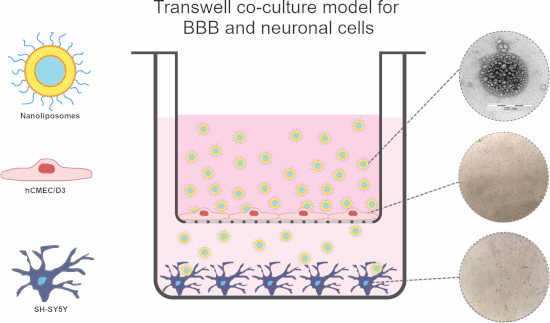
- showed a time- and concentration-dependent internalization pattern, with high impact of the surface characteristics of the different formulations. In addition, transport studies on hCMEC/D3/SH-SY5Y co-cultures confirmed the successful transport of NLs across the BBB cells and their subsequent uptake by
- neurons (ranging from 25.17% to 27.54%). Fluorescence and confocal microscopy micrographs revealed that, once internalized, NLs were concentrated in the perinuclear cell regions. Keywords: blood–brain barrier; cell co-culture; cell uptake; internalization; nanoliposomes; stability; surface
- -SY5Y cell lines to predict how formulation properties and the extracellular microenvironment affect the in vivo performance of NLs, and access transport mechanisms as well as internalization in brain tissues. Additionally, transport experiments on a co-culture system (hCMEC/D3/SH-SY5Y) were performed


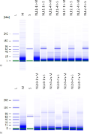


Development and in vitro evaluation of liposomes and immunoliposomes containing 5-fluorouracil and R-phycoerythrin as a potential phototheranostic system for colorectal cancer
Beilstein J. Nanotechnol. 2026, 17, 97–121, doi:10.3762/bjnano.17.7
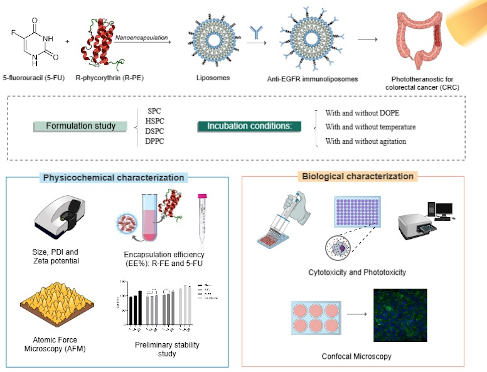
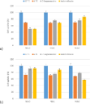
- stability hampers its clinical use. Thus, the present work aimed to develop co-encapsulated liposomes system for co-delivery of 5-FU and R-PE as theranostic nanosystems for CRC, as well as immunoliposomes targeted with the anti-EGFR monoclonal antibody, cetuximab, as a strategy for targeted delivery to EGFR
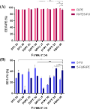
- -positive CRC. To the best of our knowledge, this is the first study to report the development and in vitro evaluation of liposomes and immunoliposomes co-encapsulating 5-FU and R-PE. Thus, liposomes containing 25 mg or 50 mg of soybean phosphatidylcholine (SPC), diesterolphosphatidylcholine (DSPC
- , the HSPC 50 formulation containing R-PE and 5-FU, functionalized with cetuximab, is a promising alternative for the development of co-encapsulation delivery systems as a phototheranostic nanocarriers. Keywords: colorectal cancer; immunoliposomes; photodynamic therapy; R-phycoerythrin; 5-fluorouracil

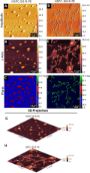
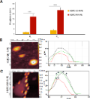


Functional surface engineering for cultural heritage protection: the role of superhydrophobic and superoleophobic coatings – a comprehensive review
Beilstein J. Nanotechnol. 2026, 17, 63–96, doi:10.3762/bjnano.17.6
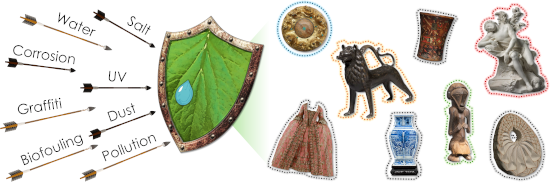
- copolymer (poly(vinylidene fluoride-co-hexafluoropropylene, PVDF-HFP), an aqueous emulsion of alkylpolysiloxane (PSW), a dispersion of functionalized silica nanoparticles (n-SiOR), and a nanostructured silica gel in hydroalcoholic solution (wnf-SiO2). Terracotta specimens chemically and physically matching


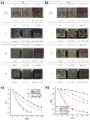
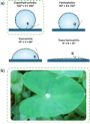


Internal 3D temperature mapping in biological systems using ratiometric light-sheet imaging and lipid-coated upconversion nanothermometers
Beilstein J. Nanotechnol. 2025, 16, 2306–2316, doi:10.3762/bjnano.16.159
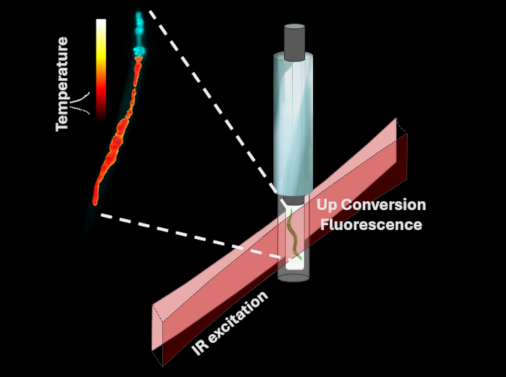
- mainly focused on using UC nanoparticles (UCNPs), which are inorganic crystalline structures, typically composed of sodium yttrium fluoride (NaYF4) co-doped with rare-earth (RE) ions like ytterbium (Yb3+), erbium (Er3+), and gadolinium (Gd3+). These RE ions act as sensitizers and emitters, allowing for
- photonic UC of multiple NIR photons into visible luminescence [38]. As an example, in the NaYF4:Er3+/Yb3+ composite (such as that used in this work), the NaYF4 crystal matrix is co-doped with Yb3+ acting as the sensitizer to enhance the NIR absorption cross section, whereas the Er3+ ion acts as the emitter
- obtained. For instance, Vetrone et al. [36] used UCNP@PEI as nanothermometers for two-dimensional (2D) temperature mapping inside Hella cells. Similarly, Piñol and co-workers [20] used the FIR of Ln3+ (Sm, Eu)-bearing polymeric micelles to achieve real-time 2D temperature maps of breast metastatic


Improving magnetic properties of Mn- and Zn-doped core–shell iron oxide nanoparticles by tuning their size
Beilstein J. Nanotechnol. 2025, 16, 2285–2295, doi:10.3762/bjnano.16.157
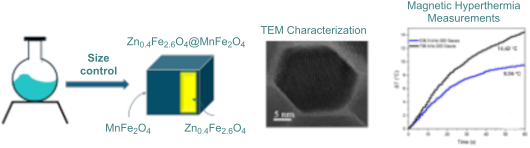
- . Consequently, efforts have been made to design new ferrite systems that offer improved performance. One promising strategy involves substituting iron with other divalent metal cations (M) in spinel ferrites (MFe2O4), such as cobalt (Co), manganese (Mn), zinc (Zn), and nickel (Ni), to modify the magnetic
- the magnetic saturation and improve hyperthermia performance. However, the cytotoxicity of Co-based nanoparticles poses a significant challenge for biomedical applications. Studies have demonstrated that Co2+ ions released from these particles can enter the bloodstream and accumulate in organs, where
- they induce oxidative stress, genotoxic effects, and inflammation [8][9]. This has raised concerns regarding their use in clinical applications, leading researchers to develop alternative, non-toxic substitutes for Co-based nanoparticles. In this context, manganese ferrite (MnFe2O4) has been identified



Optical bio/chemical sensors for vitamin B12 analysis in food and pharmaceuticals: state of the art, challenges, and future outlooks
Beilstein J. Nanotechnol. 2025, 16, 2207–2244, doi:10.3762/bjnano.16.153
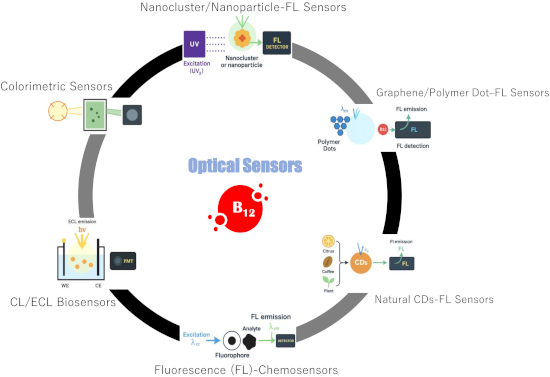
- , electrochemical and optical biosensing platforms are one of the best approaches to detect VB12. Various electrochemical methods have been employed for the effective detection of VB12, focusing on its electroactive nature and the redox chemistry of the cobalt atom, primarily utilizing the Co3+/Co2+ and Co2+/Co


Missing links in nanomaterials research impacting productivity and perceptions
Beilstein J. Nanotechnol. 2025, 16, 2168–2176, doi:10.3762/bjnano.16.149
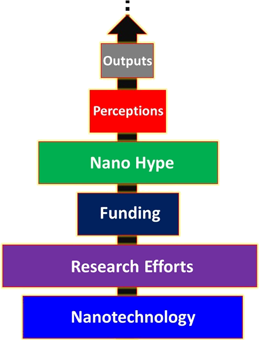
- acceleration after the discovery of fullerene by Kroto and co-workers in 1985 and witnessed an even more rapid surge following the discovery of graphene and the award of the Physics Nobel Prize in 2010 [6][7]. Graphene is often referred to as a “wonder material” due to its seemingly infinite potential in
- manufacturable products, supported by co-funded pilot projects and shared IP models. (3) Implement strategic and transparent funding models that prioritize translational potential, incorporating techno-economic analyses, reproducibility metrics, and scalability considerations to accelerate technology readiness
Microplastic pollution in Himalayan lakes: assessment, risks, and sustainable remediation strategies
Beilstein J. Nanotechnol. 2025, 16, 2144–2167, doi:10.3762/bjnano.16.148


Quality by design optimization of microemulsions for topical delivery of Passiflora setacea seed oil
Beilstein J. Nanotechnol. 2025, 16, 2116–2131, doi:10.3762/bjnano.16.146
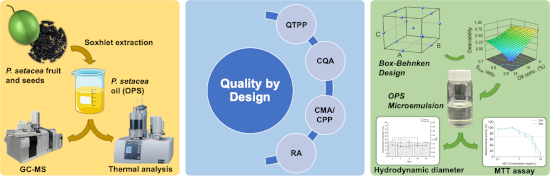
- address these challenges, nanotechnology-based delivery systems, particularly microemulsions (MEs), offer a promising solution. Microemulsions are thermodynamically stable, isotropic mixtures typically composed of oil, water, surfactants, and co-surfactants [6]. Their spontaneous formation, high
- surfactant and/or co-surfactant concentrations to sufficiently reduce interfacial tension and promote spontaneous formation of stable nanodroplets [6][28]. However, a previous study from our group (Dourado et al. (2022) [13]) successfully developed stable microemulsion regions using the same surfactant blend


Multifrequency AFM integrating PeakForce tapping and higher eigenmodes for heterogeneous surface characterization
Beilstein J. Nanotechnol. 2025, 16, 2077–2085, doi:10.3762/bjnano.16.142
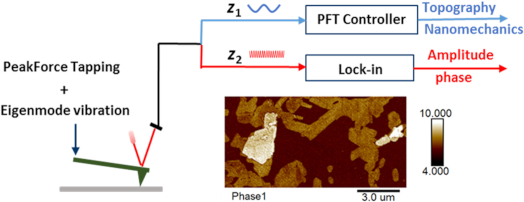
- include topographic step-like distortions and sudden phase-contrast inversions arising from bistable transitions between co-existing oscillation states, which complicate data interpretation [13][14][15][16][17]. Additionally, operational complexity escalates in liquid environments, where low-quality


Stereodiscrimination of guests in chiral organosilica aerogels studied by ESR spectroscopy
Beilstein J. Nanotechnol. 2025, 16, 2034–2054, doi:10.3762/bjnano.16.140
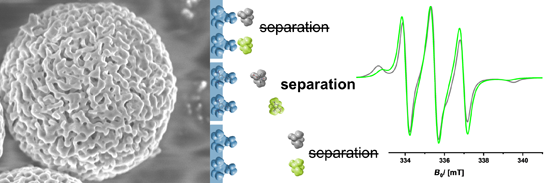
- physisorption measurements. NHxSIL was prepared by co-condensation of tetraalkyloxysilanes (e.g., Si(OMe)4) with a second sol–gel precursor such as aminopropyltriethoxysilane (APTMS, (MeO)3SiPrNH2). One can control the amine content, x, by adjusting the ratio of the two precursors in the precursor sol. A
- prepare chiral oSILs by co-condensation of Si(OiPr)4 with a sol–gel precursor that already contains the amino acid. An example is an Ala-modified 1,3-bis(triisopropoxysilyl)aniline [45][49] as shown in Scheme 1. The resulting material was characterized by scanning electron microscopy (SEM; Figure 2a); it
- in Supporting Information File 1, Figure S7. The alanine-modified precursor can also be used for co-condensation with the thiol precursor as shown in Scheme 2. The co-condensation of the latter precursor with the aforementioned Fmoc-protected, alanine-modified precursor delivers SH-FmocAlaNHzoSIL




Beyond the shell: exploring polymer–lipid interfaces in core–shell nanofibers to carry hyaluronic acid and β-caryophyllene
Beilstein J. Nanotechnol. 2025, 16, 2015–2033, doi:10.3762/bjnano.16.139
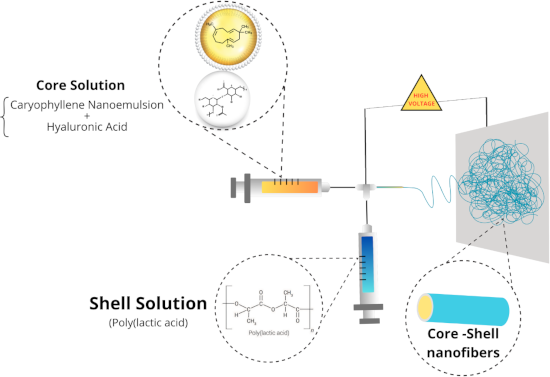
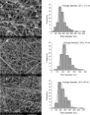
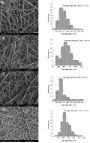
- encapsulated within a PLA shell, highlighting substantial potential for biomedical applications by overcoming key material integration hurdles. Keywords: co-axial nanofibers; electrospinning; hybrid nanosystem; nanofibers; nanoemulsion; poly(lactic acid); Introduction Driven by the significant potential of
- critical gap persists in thoroughly understanding the complex polymer–lipid interactions, particularly in systems designed for the simultaneous co-encapsulation of compounds with vastly different physicochemical properties, such as hydrophilic HA and lipophilic βCp. An in-depth understanding of these
- engineered for hyaluronic acid and βCp co-delivery. The insights gained from this investigation are crucial for bridging this specific knowledge gap and may guide the design of optimized hybrid therapeutic platforms. Results and Discussion This study aimed to develop and investigate PLA nanofibers




Laser ablation in liquids for shape-tailored synthesis of nanomaterials: status and challenges
Beilstein J. Nanotechnol. 2025, 16, 1963–1997, doi:10.3762/bjnano.16.137
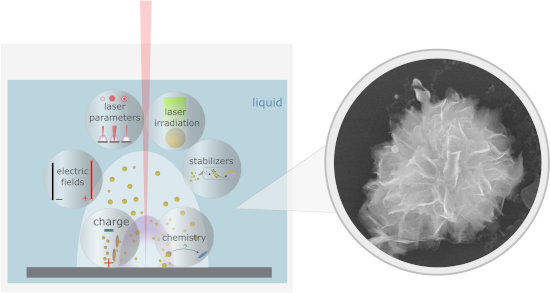
- ions (Ag+, Fe3+, Co+) and complexes (W(CO)6) [41]. These additives are known to promote growth of nonspherical shapes in colloidal chemical synthesis by preferential adsorption on specific crystalline planes. Another example of the influence of ligand concentration on nanoparticle shape is given in [42




Evaluating metal-organic precursors for focused ion beam-induced deposition through solid-layer decomposition analysis
Beilstein J. Nanotechnol. 2025, 16, 1942–1951, doi:10.3762/bjnano.16.135
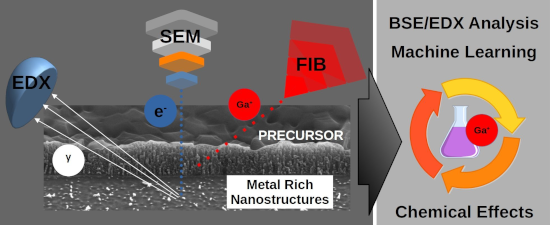
- decomposition mechanisms are proposed. Studies have been conducted on ion–molecule interactions in both solid and gas phases. Ultrahigh vacuum experiments on a few monolayers of FIBID precursors, such as [Ru(CO)4I2], [(η5-C5H5)Fe(CO)2Re(CO)5], and [Fe(CO)5], have been used to elucidate decomposition pathways
- . Gas-phase interactions between [Fe(CO)5] molecules and ions of helium, neon, argon, and krypton were carried out. However, the authors noted that these results may not accurately reflect the behavior of the precursor on the surface during actual FIBID processing since the conditions under which the
- . EIMS reveals how ligands respond to electron irradiation; simple molecules such as CO and CO2 detach cleanly, making them “favorable” in FEBID. In contrast, anionic or polyhapto ligands, such as cyclopentadienyl (Cp) or allyl fragments, readily fragment form CxHy matrices, leading to film contamination


Self-assembly and adhesive properties of Pollicipes pollicipes barnacle cement protein cp19k: influence of pH and ionic strength
Beilstein J. Nanotechnol. 2025, 16, 1863–1872, doi:10.3762/bjnano.16.129
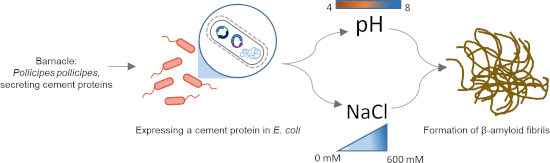
- conformation and adhesion in the protein. Results Protein expression and fibril formation Co-expression of rPolcp19k-his with E. coli GroEL-GroES chaperones to improve folding was performed as described previously [21]. Purified rPolcp19k-his protein yields of 1.8 to 2 mg per litre of E. coli culture were
- . coli BL21 (DE3) cells as previously described [21] and purified by two step purification, that is, immobilised metal affinity chromatography (IMAC) followed by ion exchange chromatography (IEC). For IMAC, the Co-IDA resin column was washed with 25 mM Tris-HCl buffer (pH 8.0) containing 150 mM NaCl and
- Galway (https://imaging.universityofgalway.ie/imaging/) and the scientific and technical assistance of Dr. Éadaoin Timmins in TEM imaging. Funding This publication was supported by Taighde Éireann – Research Ireland (Science Foundation Ireland) and co-funded under the European Regional Development Fund


Phytol-loaded soybean oil nanoemulsion as a promising alternative against Leishmania amazonensis
Beilstein J. Nanotechnol. 2025, 16, 1826–1836, doi:10.3762/bjnano.16.126
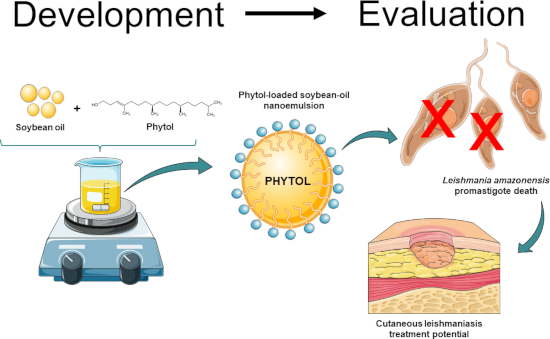
- agents such as surfactants and co-surfactants, forming a kinetically stable system. With droplet sizes ranging from 20 to 500 nm, NEs can significantly enhance drug permeability and bioavailability [24][25][26][27]. Therefore, the present study aimed to develop a nanoemulsion containing phytol, produced
- fully confirm the long-term stability and therapeutic reliability of the formulation. Additionally, the presence of glycerin as a co-solvent may have contributed to the reduction in interfacial tension and improved droplet uniformity, factors known to enhance long-term stability [41]. Importantly, the
- HS7) at a temperature of 25 ± 2 °C. Following the complete addition of the AP, the mixtures were stirred for an additional 30 min to ensure homogeneity. The AP consisted of purified water and poloxamer 407 (POL), as a stabilizing agent, while the OP was composed of soybean oil (SO), glycerin, as a co





