


Search results
Search for "X-ray" in Full Text gives 1076 result(s) in Beilstein Journal of Nanotechnology. Showing first 200.
The cement of the tube-dwelling polychaete Sabellaria alveolata: a complex composite adhesive material
Beilstein J. Nanotechnol. 2025, 16, 1998–2014, doi:10.3762/bjnano.16.138
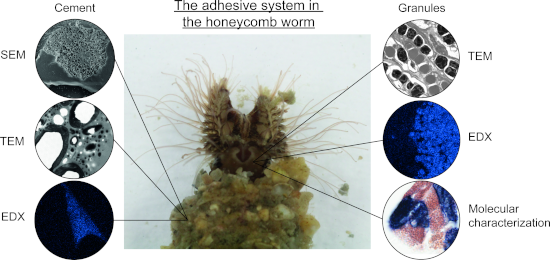
- resin (TEM samples) were used for the observation of cement gland secretory granules. All SEM images were acquired in low vacuum mode (50 Pa), with the backscattered electron detector. X-ray microanalysis and elemental mapping were performed using an Oxford X-MaxN energy-dispersive spectrometer (EDS
- composition of cement cell granules, we used energy-dispersive X-ray spectroscopy (EDS) coupled with scanning electron microscopy (SEM). Elemental composition was measured on four secretory granules of both types of cement cells in the parathoracic part of worms embedded in Spurr resin (TEM blocks). Using the




Evaluating metal-organic precursors for focused ion beam-induced deposition through solid-layer decomposition analysis
Beilstein J. Nanotechnol. 2025, 16, 1942–1951, doi:10.3762/bjnano.16.135
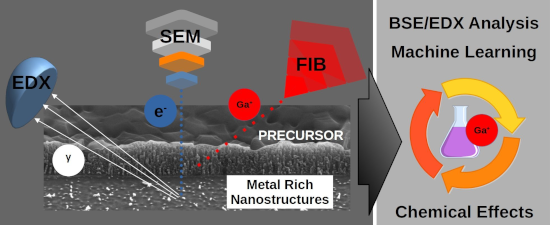
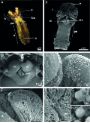
- new metal-organic precursors, in the form of supported thick layers, to the ion beam irradiation is studied through analysis of the chemical composition and morphology of the resulting structures. This is done using SEM backscattered electron/energy-dispersive X-ray spectroscopy along with machine
- -dispersive X-ray spectroscopy (EDX); focused ion beam (FIB); focused ion beam-induced deposition (FIBID); machine learning; scanning electron microscopy (SEM); Introduction A variety of nanomanufacturing techniques, such as optical and electron-beam lithography, nanoimprint lithography, atomic layer
- occurs throughout ion irradiation, this point marks the transition beyond which further irradiation leads primarily to material removal rather than the structure growth. The structures formed at “the optimal” ion fluence were examined by scanning electron microscopy energy-dispersive X-ray spectroscopy


On the road to sustainability – application of metallic nanoparticles obtained by green synthesis in dentistry: a scoping review
Beilstein J. Nanotechnol. 2025, 16, 1851–1862, doi:10.3762/bjnano.16.128
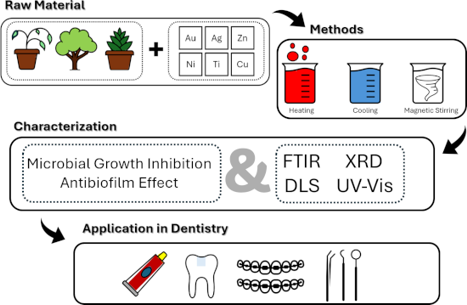
- = 36), ultraviolet–visible spectroscopy (UV–vis, 34.69%; n = 35), and X-ray diffraction (XRD, 25.48%; n = 27). They are among the most commonly used techniques for the characterization of metallic nanoparticles synthesized via green routes due to their complementary abilities to elucidate key


Current status of using adsorbent nanomaterials for removing microplastics from water supply systems: a mini review
Beilstein J. Nanotechnol. 2025, 16, 1837–1850, doi:10.3762/bjnano.16.127
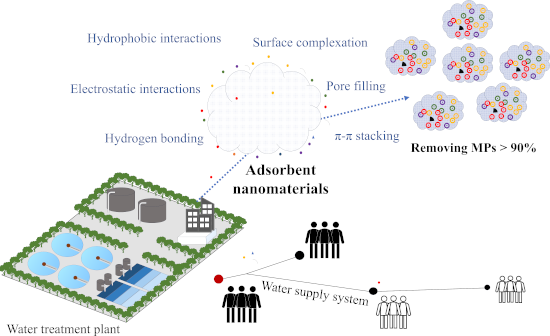
- . also confirmed that the reaction mechanisms of MPs and graphene oxide–chitosan sponges were electrostatic interactions, hydrogen bonding, and π–π interactions through Fourier-transform infrared spectroscopy and X-ray photoelectron spectroscopy measurements [69]. Integrating different types of


Electrical, photocatalytic, and sensory properties of graphene oxide and polyimide implanted with low- and medium-energy silver ions
Beilstein J. Nanotechnol. 2025, 16, 1794–1811, doi:10.3762/bjnano.16.123
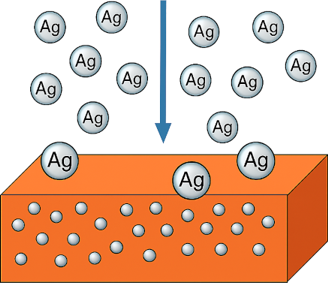
- of GO and PI. Elemental and structural changes induced by implantation were analyzed using Rutherford backscattering spectroscopy, elastic recoil detection analysis, Raman spectroscopy, Fourier-transform infrared spectroscopy, and X-ray photoelectron spectroscopy. Surface morphology was assessed via
- detection analysis (ERDA). The other analytical methods used were Raman spectroscopy, Fourier-transform infrared spectroscopy and X-ray photo-electron spectroscopy (XPS). The electrical properties were investigated by the two-point method. The photocatalytic properties were tested in a dark chamber by
- detected profile. Surface chemical analysis by XPS Chemical groups and the concentration of chemical elements on the surfaces of GO and PI before and after 20 keV and 1.5 MeV Ag ion implantation were analyzed by X-ray photoelectron spectroscopy (XPS). The XPS method specifically provides information from a


Ambient pressure XPS at MAX IV
Beilstein J. Nanotechnol. 2025, 16, 1677–1694, doi:10.3762/bjnano.16.118

- , Lund University, Box 118, SE-221 00, Lund, Sweden 10.3762/bjnano.16.118 Abstract Ambient pressure X-ray photoelectron spectroscopy (APXPS) has emerged as an important technique for investigating surface and interface chemistry under realistic conditions, overcoming the limitations of conventional XPS
- studies across a broad pressure range, enabling research in catalysis, corrosion, energy storage, and thin film growth. The high brilliance and small beam size of MAX IV’s synchrotron light are essential for pushing the time-resolution boundaries of APXPS, especially in the soft X-ray regime. We discuss
- heterogeneous catalysis, corrosion, and thin film growth. Given that surfaces are heavily influenced by their surroundings, it is essential to study them in situ, while exposed to realistic reaction conditions, or operando, when producing reaction products under realistic conditions. X-ray photoelectron





Prospects of nanotechnology and natural products for cancer and immunotherapy
Beilstein J. Nanotechnol. 2025, 16, 1644–1667, doi:10.3762/bjnano.16.116

- spectroscopy, TEM, DLS, X-ray diffraction (XRD), and Fourier-transform infrared (FTIR) spectroscopy, revealing a polygonal or oval morphology. To evaluate the antitumor effects, cytotoxicity assays, cellular uptake assays, apoptosis detection, ROS production, qRT-PCR, and Western blotting for gene and protein



Nanotechnology-based approaches for the removal of microplastics from wastewater: a comprehensive review
Beilstein J. Nanotechnol. 2025, 16, 1607–1632, doi:10.3762/bjnano.16.114
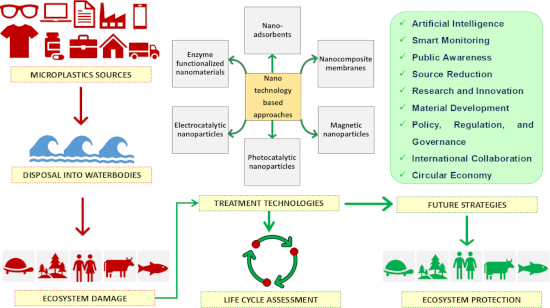
- electron microscopy combined with energy dispersive X-ray spectroscopy, and terahertz time domain spectroscopy. These modern approaches enhance both accuracy and efficiency of detection compared to conventional methods. Nonetheless, they often involve complex sample preparation steps, which may result in


Bioinspired polypropylene-based functionally graded materials and metamaterials modeling the mistletoe–host interface
Beilstein J. Nanotechnol. 2025, 16, 1592–1606, doi:10.3762/bjnano.16.113
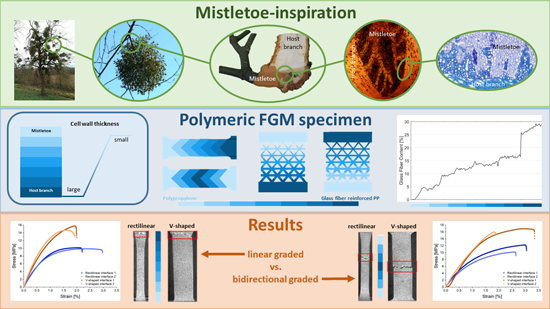
- ., inversely graded metamaterial, Figure 2I). Glass fiber content analysis X-ray microtomographic (μCT) scans were used to determine the glass fiber content along a linearly graded specimen with rectilinear interfaces and to estimate the heating effects of laser cutting at the specimen edges. Sections of about


Photocatalytic degradation of ofloxacin in water assisted by TiO2 nanowires on carbon cloth: contributions of H2O2 addition and substrate absorbability
Beilstein J. Nanotechnol. 2025, 16, 1567–1579, doi:10.3762/bjnano.16.111
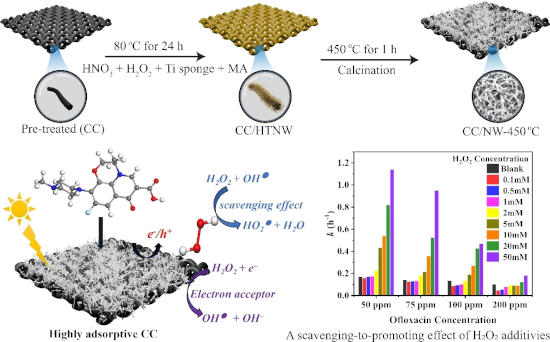
- (HRTEM) conducted with a JEM-2100 microscope (Jeol, Tokyo, Japan). Energy-dispersive X-ray (EDX) elemental mapping was performed using the FESEM system to examine the distribution of Ti and O on the carbon cloth substrate. X-ray diffraction (XRD) measurements were conducted using a SmartLab
- diffractometer (Rigaku Corporation) with Cu Kα radiation, operating at 40 kV and 35 mA. Raman spectra were obtained using an Alpha300R UV system (WITec, Germany) equipped with a TEM00 laser at a wavelength of 532 nm. X-ray photoelectron spectroscopy (XPS) characterizations were conducted using a Kratos AXIS


Influence of laser beam profile on morphology and optical properties of silicon nanoparticles formed by laser ablation in liquid
Beilstein J. Nanotechnol. 2025, 16, 1533–1544, doi:10.3762/bjnano.16.108
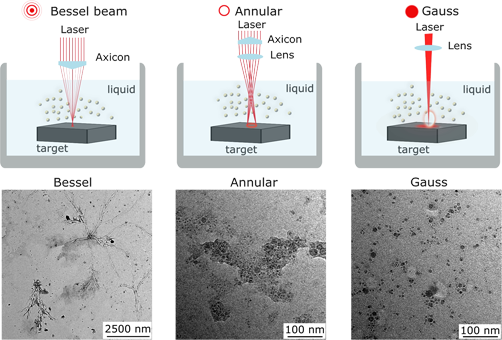
- structure of the formed NPs were analyzed by means of ultraviolet–visible (UV–vis) spectroscopy, high-resolution transmission electron microscopy (HRTEM), selected area electron diffraction (SAED), X-ray diffraction (XRD), and Raman and photoluminescence (PL) spectroscopies. Particle size and morphology


Dendrimer-modified carbon nanotubes for the removal and recovery of heavy metal ions from water
Beilstein J. Nanotechnol. 2025, 16, 1522–1532, doi:10.3762/bjnano.16.107
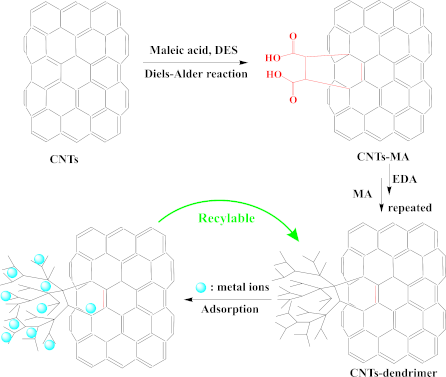
- patterns were recorded on a Shimadzu 6100 X-ray diffractometer in a 2θ range of 10–80°, providing insights into the crystalline structure and phase composition of the CNTs before and after modification. UV–vis spectroscopy was used to monitor adsorption of metal ions by the interaction of dendrimerized


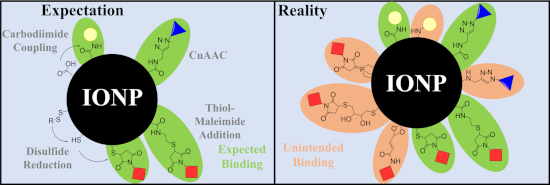
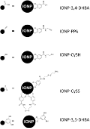
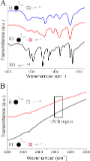
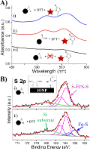
Cross-reactivities in conjugation reactions involving iron oxide nanoparticles
Beilstein J. Nanotechnol. 2025, 16, 1504–1521, doi:10.3762/bjnano.16.106







Laser processing in liquids: insights into nanocolloid generation and thin film integration for energy, photonic, and sensing applications
Beilstein J. Nanotechnol. 2025, 16, 1428–1498, doi:10.3762/bjnano.16.104
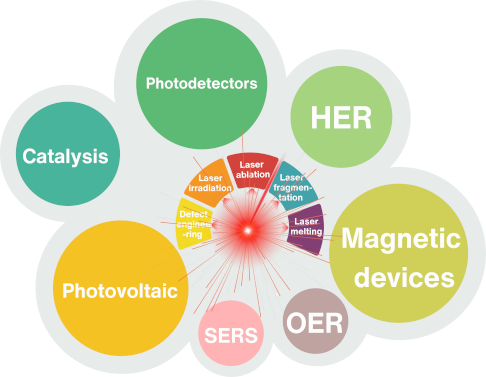
- mechanism of NPs in PLAL has been investigated extensively, primarily through the use of laser-induced fluorescence analysis and shadowgraph analysis [17][18][19][20][21]. Use of small-angle X-ray scattering, wide-angle X-ray scattering, and X-ray imaging techniques has enabled a more comprehensive
- homogeneity, granular nature, and adhered well to the substrate. With just 50 μL of the solution of each sample spin-coated onto the substrate and dried afterwards, a uniform coating was obtained and energy-dispersive X-ray spectroscopy (EDX) also revealed compositional uniformity of Au and Ag throughout the
- ]. Figure 10d shows the X-ray diffraction (XRD) measurements of CdS nanoropes. A comparison of spin coating and drop casting for film fabrication on graphene paper was made using Ni/NiO NPs synthesized by LAL. Rutherford backscattering spectrometry measurements revealed that the homogeneity of the NPs was






Photochemical synthesis of silver nanoprisms via green LED irradiation and evaluation of SERS activity
Beilstein J. Nanotechnol. 2025, 16, 1417–1427, doi:10.3762/bjnano.16.103
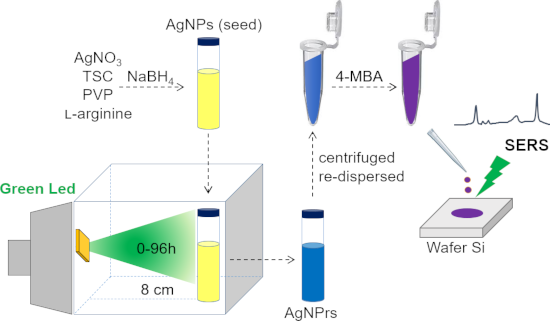
- ± 20 nm) for various periods of time up to 72 h. The growth mechanism was investigated through ultraviolet–visible spectroscopy, field-emission scanning electron microscopy, X-ray diffraction, and transmission electron microscopy analyses, confirming the gradual transformation of spherical seeds into
- performed at an accelerating voltage of 100 kV. The structure of the AgNPrs was analyzed by X-ray diffraction (XRD) using a Bruker D8 Advance instrument equipped with a Cu Kα radiation source (40 kV, 40 mA) at a scanning rate of 4°/min. SERS measurements The SERS properties of the AgNPs and AgNPrs were


Parylene-coated platinum nanowire electrodes for biomolecular sensing applications
Beilstein J. Nanotechnol. 2025, 16, 1392–1400, doi:10.3762/bjnano.16.101
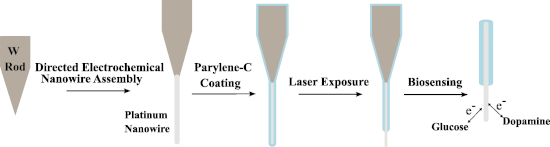
- complete as intended and these electrodes were discarded. A thin layer of copper deposition on the exposed platinum nanowire tip was further examined using SEM imaging and energy-dispersive X-ray spectroscopy (EDS) elemental composition analysis. Figure 2b presents an SEM image of the copper-coated


Synthesis and antibacterial properties of nanosilver-modified cellulose triacetate membranes for seawater desalination
Beilstein J. Nanotechnol. 2025, 16, 1380–1391, doi:10.3762/bjnano.16.100

- result cannot exclude the possibility of instrumental error. X-ray photoelectron spectroscopy (XPS) is utilized to analyze the surface chemical compositions of Ag@PCTA, PCTA, and CTA. Figure 3a shows the XPS wide scan spectrum of CTA, PCTA, and Ag@PCTA. The C 1s peak at a binding energy (BE) of 284.94 eV


Ferroptosis induction by engineered liposomes for enhanced tumor therapy
Beilstein J. Nanotechnol. 2025, 16, 1325–1349, doi:10.3762/bjnano.16.97
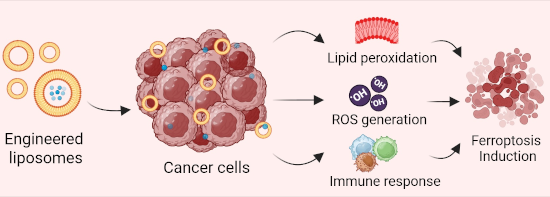
- and 31P NMR are used to evaluate the lamellarity of liposomes, which refers to the number of bilayers of lipids in the vesicles [122]. 31P NMR provides information on membrane fluidity and phase transitions, while cryo-TEM allows for direct observation of the number of lipid bilayers [110]. X-ray




Wavelength-dependent correlation of LIPSS periodicity and laser penetration depth in stainless steel
Beilstein J. Nanotechnol. 2025, 16, 1302–1315, doi:10.3762/bjnano.16.95
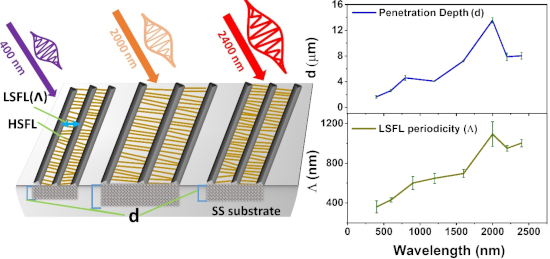
- investigate this, we conducted energy-dispersive X-ray spectroscopy (EDS) analysis on laser-treated stainless steel samples across different wavelengths alongside untreated stainless steel for comparison, as outlined in Table 3. Specifically, we examined the weight percentage of Cr, Fe, and Ni in three





Enhancing the photoelectrochemical performance of BiOI-derived BiVO4 films by controlled-intensity current electrodeposition
Beilstein J. Nanotechnol. 2025, 16, 1289–1301, doi:10.3762/bjnano.16.94
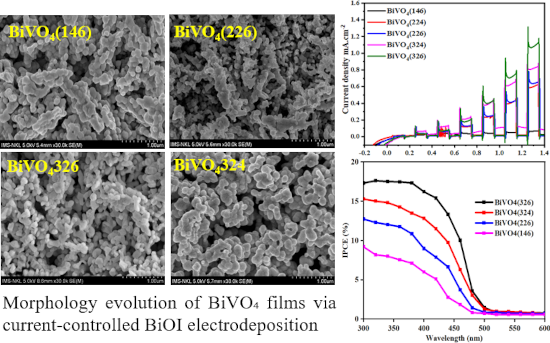
- . Characteristics of materials X-ray diffraction (XRD, Bruker D8 Advance) and Raman spectroscopy (LabRAM Odyssey Semiconductor) were used to analyze the crystal structures of photoanodes. UV–vis absorption spectra were obtained using a Cary 60 spectrophotometer. X-ray photoelectron spectroscopy (XPS, VG ESCALAB250
- analysis (XRD) X-ray diffraction (XRD) measurements were conducted to investigate the crystal structures of the BiVO4 photoanodes under various deposition conditions (BiVO4(146), BiVO4(224), BiVO4(226), BiVO4(324), and BiVO4(326)), as shown Figure 1. The diffraction peaks of all photoanodes matched those
- kinetics. The average crystallite size (grain size) of the BiVO4 films was estimated using the Scherrer equation based on the full width at half maximum (FWHM) of the (121) diffraction peak. The Scherrer equation to calculate average crystallite size (grain size) [24][25] is where λ is the X-ray wavelength



Better together: biomimetic nanomedicines for high performance tumor therapy
Beilstein J. Nanotechnol. 2025, 16, 1246–1276, doi:10.3762/bjnano.16.92
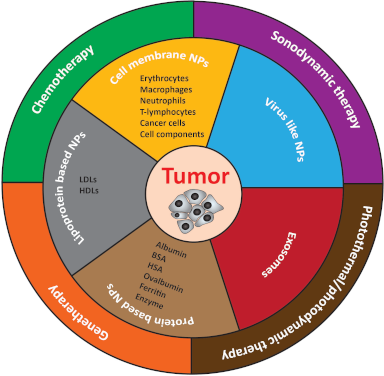
- cavity provided subcellular localization of payload in the nucleus subsequent to cellular internalization. The whole nanosystem demonstrated a significant anti-tumor activity. Shao et al. established X-ray-responsive CCM-covered mesoporous organosilica nanoparticles for the controlled release of DOX [135









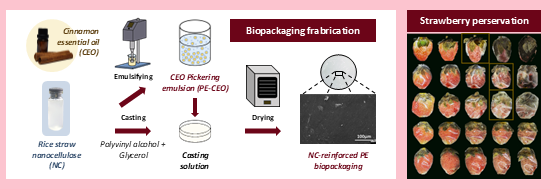
Functional bio-packaging enhanced with nanocellulose from rice straw and cinnamon essential oil Pickering emulsion for fruit preservation
Beilstein J. Nanotechnol. 2025, 16, 1234–1245, doi:10.3762/bjnano.16.91
- resolution of 4 cm−1. Thermal stability was determined using thermogravimetric analysis (TGA) and differential thermogravimetric analysis (DTG). Samples were heated from 25 to 500 °C at a rate of 10 K·min−1 under N2 atmosphere (50 mL·min−1) in a METTLER TOLEDO 3+ Large furnace (Switzerland). X-ray



Crystalline and amorphous structure selectivity of ignoble high-entropy alloy nanoparticles during laser ablation in organic liquids is set by pulse duration
Beilstein J. Nanotechnol. 2025, 16, 1141–1159, doi:10.3762/bjnano.16.84
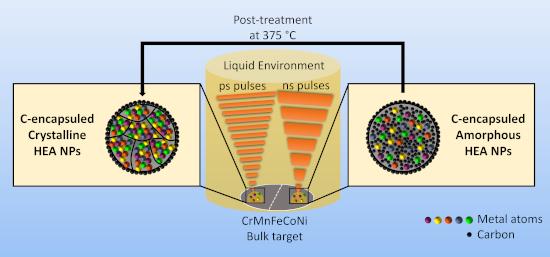
- in organic solvents (acetone, ethanol, acetonitrile). In a systematic experimental series using high-resolution transmission electron microscopy, scanning transmission electron microscopy with energy-dispersive X-ray spectroscopy, selected-area electron diffraction, X-ray diffraction, electron energy
- solution; EELS; electron energy loss spectroscopy; laser processing in liquids; multicomponent alloy; STEM-EDX; selected area electron diffraction; X-ray diffraction; Introduction High-entropy alloys (HEAs), also referred to as compositionally complex solid solutions (CCSS) [1], are of great interest in
- . Nanoparticle characterization is done by high-resolution transmission electron microscopy (HRTEM), energy-dispersive X-ray spectroscopy (STEM-EDX), selected-area electron diffraction (SAED), X-ray diffraction (XRD), and electron energy loss spectroscopy (EELS), complemented by tempering and laser post




Towards a quantitative theory for transmission X-ray microscopy
Beilstein J. Nanotechnol. 2025, 16, 1113–1128, doi:10.3762/bjnano.16.82
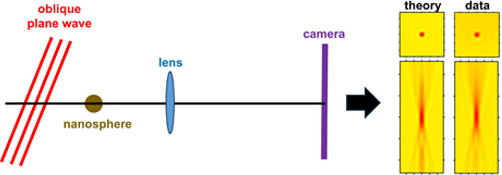
- Transmission X-ray microscopes (TXMs) are now increasingly used for quantitative analysis of samples, most notably in the spectral analysis of materials. Validating such measurements requires quantitatively accurate models for these microscopes, but current TXM models have only been tested qualitatively. Here
- ; transmission X-ray microscope; Introduction Transmission X-ray microscopes (TXMs) operating in the soft and tender X-ray energy range are valuable tools for structural analysis in both biomedical and materials science research [1][2][3][4]. These microscopes yield images at a lateral resolution approaching 25
- various 3D microscope models and their assumptions, we first describe the key features of the BESSY II soft TXM. The microscope’s X-ray source begins at the undulator, which produces largely incoherent light (<2% coherence for the BESSY II third generation synchrotron, p. 32 in [23]). This X-ray light is



Single-layer graphene oxide film grown on α-Al2O3(0001) for use as an adsorbent
Beilstein J. Nanotechnol. 2025, 16, 1082–1087, doi:10.3762/bjnano.16.79
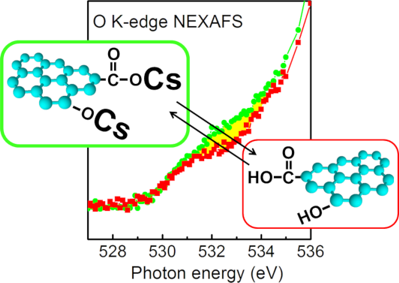
- deposition; electronic state analysis; graphene oxide; X-ray absorption fine structure; Introduction Graphene oxide (GO) is oxidized graphene and its surface and periphery are partially modified by epoxy, hydroxy, and carboxy functional groups [1][2]. GO can be thinned to a monolayer of one carbon atom and
- Figure 1 shows an atomic force microscopy (AFM) image of SLG and SLGO on α-Al2O3(0001) substrates. The as-grown SLG film has an atomically flat surface and wrinkles with its height less than 0.4 nm [18]. The single layer of graphene was confirmed through X-ray photoelectron spectroscopy (XPS) peak
- intensity analysis and profiles of normal-incidence X-ray standing wave (NIXSW) spectroscopy [18]. In the SLGO film, the wrinkles disappeared and the surface roughness increased. The root mean square surface roughness (RMS) of the SLGO film is estimated to be less than 0.13 nm. The changes of the local





