Search results
Search for "bacteria" in Full Text gives 182 result(s) in Beilstein Journal of Nanotechnology.
Functional bio-packaging enhanced with nanocellulose from rice straw and cinnamon essential oil Pickering emulsion for fruit preservation
Beilstein J. Nanotechnol. 2025, 16, 1234–1245, doi:10.3762/bjnano.16.91
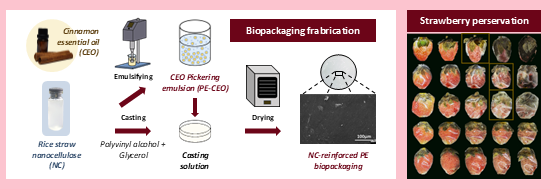
- against a range of Gram positive and Gram negative bacteria thanks to the cinnamic aldehyde and eugenol content in its composition [31][32][33]. The effectiveness of incorporating CEO in the preservation of fruits has been demonstrated. The preservation of mangoes was extended by 7 days [34] and the color
- %): This can be due to the presence of hydroxy groups in PVA, which can disrupt hydrogen bonds and dissolve the peptidoglycan membranes of the bacteria [51]. CBP showed a drastic time-kill effect of more than 90% for both types of bacteria, attributed to the potent antibacterial functional groups in CEO



Mechanical stability of individual bacterial cells under different osmotic pressure conditions: a nanoindentation study of Pseudomonas aeruginosa
Beilstein J. Nanotechnol. 2025, 16, 1171–1183, doi:10.3762/bjnano.16.86
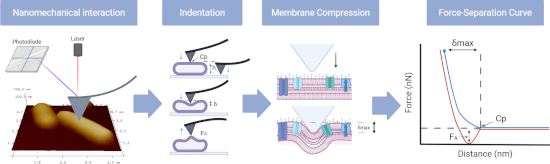
- (PBS), and hypertonic (0.5 M NaCl) solutions. Imaging and mechanical testing showed that bacteria are highly resilient to deformation and can withstand repetitive indentations in the range of 500 pN. Analysis of force spectra revealed that although there are differences in the mechanical response
- . Therefore, the type and density of these MS channels triggered at different threshold values of membrane tension determine the survival capacity of the bacteria under drastic changes in osmotic pressure [16][17][18][19][20]. PA is also known to use other channel proteins to overcome the attack by
- proposed [25][26][27][28][29][30][31][32]. Likewise, the application of silver and copper nanoparticles to block these molecular pores has been reported for PA and other bacteria as well [33][34][35][36][37]. In the latter cases, a direct consequence of this highly controlled membrane permeability is that


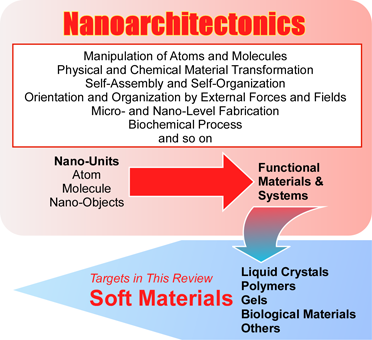
Soft materials nanoarchitectonics: liquid crystals, polymers, gels, biomaterials, and others
Beilstein J. Nanotechnol. 2025, 16, 1025–1067, doi:10.3762/bjnano.16.77






Supramolecular hydration structure of graphene-based hydrogels: density functional theory, green chemistry and interface application
Beilstein J. Nanotechnol. 2025, 16, 806–822, doi:10.3762/bjnano.16.61
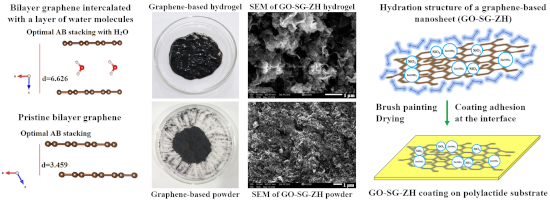
- the GO-SG-ZH hydrogel on PLA films produced an antibacterial coating on the substrate. Antibacterial tests of uncoated and coated PLA films are described in Figure 10, where the interfaces between PLA films and agar/E. coli plates are displayed. Before the incubation process, E. coli bacteria did not
- grow to biofilms (Figure 10a–c). After incubation at 37 °C for 24 h, stripy biofilms of E. coli bacteria were formed on the agar plates (Figure 10d–f). While stripy patterns were observed in the areas of blank PLA film (Figure 10d) and SG/PLA film (Figure 10e), the GO-SG-ZH/PLA film presented an
- and coated PLA films against the growth of E. coli biofilm. (a, b, c) Pictures of a PLA film (a), an SG/PLA film (b), and a GO-SG-ZH/PLA film (c) on agar plates inoculated with E. coli bacteria (before incubation). (d, e, f) Pictures of the PLA film (d), SG/PLA film (e), and GO-SG-ZH/PLA film (f) on


Efficiency of single-pulse laser fragmentation of organic nutraceutical dispersions in a circular jet flow-through reactor
Beilstein J. Nanotechnol. 2025, 16, 711–727, doi:10.3762/bjnano.16.55
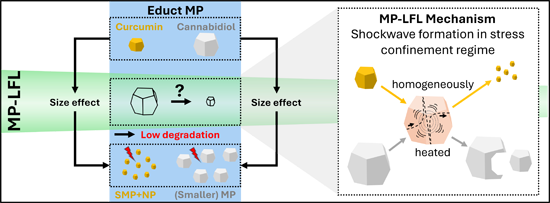
- greater intracellular uptake and increased cytotoxicity on rat C6 glioma cells [36]. Laser-generated nanoscale cinnamon was also synthesized and showed enhanced antibacterial activity against Gram-negative and Gram-positive bacteria after particle size reduction compared to the unirradiated educt [37


A formulation containing Cymbopogon flexuosus essential oil: improvement of biochemical parameters and oxidative stress in diabetic rats
Beilstein J. Nanotechnol. 2025, 16, 617–636, doi:10.3762/bjnano.16.48
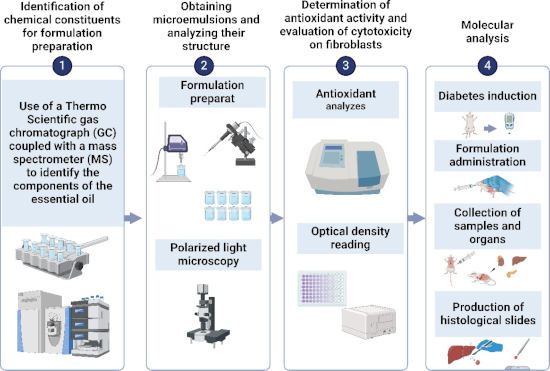
- study, room temperature was used, which may also explain why the antioxidant action was maintained. EOCF, on E. coli and S. Aureus bacteria, showed antioxidant activity and control in pathogenic species resistant to oxidative stress. The authors also emphasized that EOCF acted as a potent attenuator of




Polyurethane/silk fibroin-based electrospun membranes for wound healing and skin substitute applications
Beilstein J. Nanotechnol. 2025, 16, 591–612, doi:10.3762/bjnano.16.46
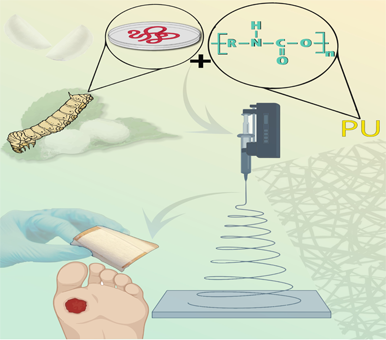
- several months to heal [27]. As soon as wounds occur, the body starts the healing process by rushing blood to the affected area, which helps to remove dirt and bacteria [28]. Wound healing refers to the complete process of tissue restoration, whereas skin regeneration focuses on the replacement of skin
- form of antimicrobial or anti-inflammatory drugs, heat up to a temperature that destroys bacteria, or actively stimulate tissue repair [168]. Treatments can be modulated by changing the type, intensity, and duration of light, and specific attention can be given to the wound with minimal interference
- the material responsive to NIR light for controlled heating and drug release to eliminate bacteria. Furthermore, the hydrogel is highly antibacterial, with tested efficacy against Staphylococcus aureus and Escherichia coli of more than 99.9%. It also enables cell proliferation, suppresses inflammation

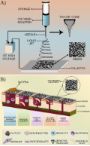


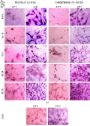
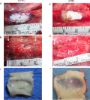
Fabrication and evaluation of BerNPs regarding the growth and development of Streptococcus mutans
Beilstein J. Nanotechnol. 2025, 16, 308–315, doi:10.3762/bjnano.16.23
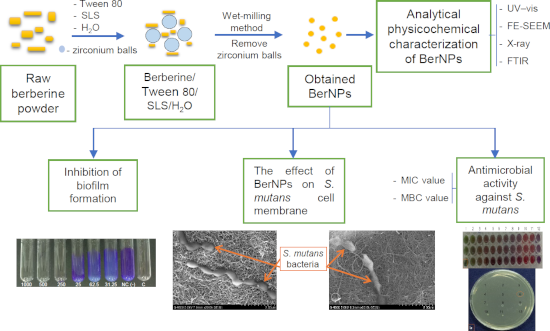
- population affected by dental disease, including 85% of children who do not fully recover [2]. Tooth decay is a chronic condition that can occur at any age, primarily caused by an improper diet and inadequate oral care, which promote the proliferation of pathogenic bacteria in the mouth [3]. Furthermore, the
- progression of tooth decay is directly related to the ability of bacteria to penetrate the tooth surface and form plaque. A combination of bacteria in dental plaque causes tooth decay. Among the more than 700 species of bacteria in dental plaque, most belong to the genus Streptococcus. Research on dental
- -resistant bacteria and the associated adverse effects, such as allergies, have increased the prevalence of using natural compounds to treat bacterial diseases. Among these, berberine, a plant-based alkaloid traditionally used in medicine, has been recognized for its antibacterial, antiviral, and anti




Enhancing mechanical properties of chitosan/PVA electrospun nanofibers: a comprehensive review
Beilstein J. Nanotechnol. 2025, 16, 286–307, doi:10.3762/bjnano.16.22
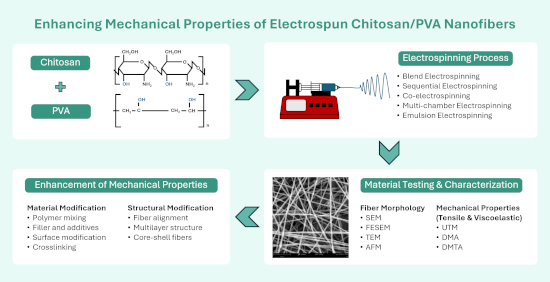
- improved the antimicrobial activity of the nanofibers against a wide range of bacteria [190]. In tissue engineering applications, aligned fibers are particularly effective as they better mimic the inductive environment, such as that of human tendon stem/progenitor cells, compared to random fibers [191


Emerging strategies in the sustainable removal of antibiotics using semiconductor-based photocatalysts
Beilstein J. Nanotechnol. 2025, 16, 264–285, doi:10.3762/bjnano.16.21
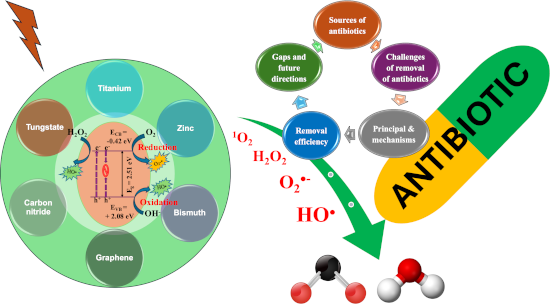
- continuous presence of antibiotics in natural environments can contribute to the development of antibiotic-resistant bacteria (ARBs) and their resistance genes (ARGs), hastening the spread of antibiotic resistance [9][10]. Several studies have reported that this situation poses significant risks to human



Recent advances in photothermal nanomaterials for ophthalmic applications
Beilstein J. Nanotechnol. 2025, 16, 195–215, doi:10.3762/bjnano.16.16
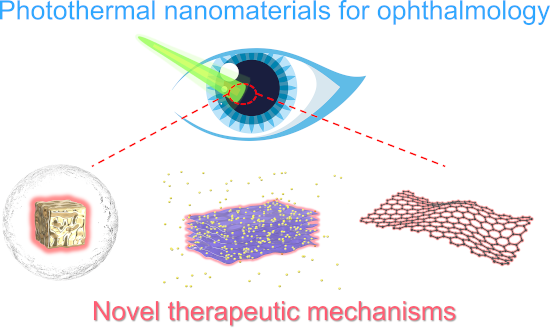
- thermally destroys conjunctival fibroblasts and invasive bacteria around conjunctival vesicles, while the 5-fluorouracil (5-Fu) inhibits fibrous responses in filter vesicles, thus achieving effective IOP reduction [145]. 3.5 Endophthalmitis Endophthalmitis, commonly resulting from pathogenic infections, is
- the AuAg core, work synergistically to eradicate multidrug-resistant bacteria. Additionally, the release of Cu+ ions from the Cu2O shell aids in accelerating endothelial cell angiogenesis and fibroblast migration, thereby enhancing the wound healing process. Clinical assessments, including ophthalmic


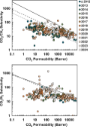
A review of metal-organic frameworks and polymers in mixed matrix membranes for CO2 capture
Beilstein J. Nanotechnol. 2025, 16, 155–186, doi:10.3762/bjnano.16.14




Clays enhanced with niobium: potential in wastewater treatment and reuse as pigment with antibacterial activity
Beilstein J. Nanotechnol. 2025, 16, 141–154, doi:10.3762/bjnano.16.13
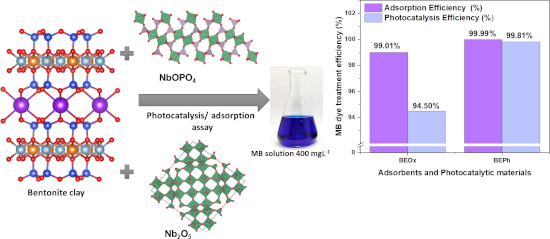
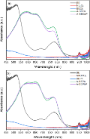
- evaluated by the CIEL*a*b* color space, and the ΔE parameters show values above 12, indicating a very strong color parameter difference. Subsequently, the efficacy of BEOx and BEPh as a hybrid pigment was assessed using the minimum inhibitory concentration (MIC) assay against two bacteria strains: Bacillus
- cereus (ATCC 10876) and Proteus mirabilis (ATCC 35649). The analysis revealed remarkable antibacterial activity against Proteus mirabilis, suggesting a preferential selectivity for Gram-negative bacteria. Keywords: adsorption; bentonite; hybrid pigment; niobium; photocatalysis; water remediation
- characterized through colorimetric analysis (CIEL*a*b*) and UV–vis spectroscopy. Antimicrobial activity test The antimicrobial properties of the BEPh, BEOx, A-BEPh, A-BEOx, A-BEPhP, and A-BEOxP samples were investigated against the bacteria Bacillus cereus (ATCC 10876) (Gram-positive) and Proteus mirabilis



Nanocarriers and macrophage interaction: from a potential hurdle to an alternative therapeutic strategy
Beilstein J. Nanotechnol. 2025, 16, 97–118, doi:10.3762/bjnano.16.10


Characterization of ZnO nanoparticles synthesized using probiotic Lactiplantibacillus plantarum GP258
Beilstein J. Nanotechnol. 2025, 16, 78–89, doi:10.3762/bjnano.16.8
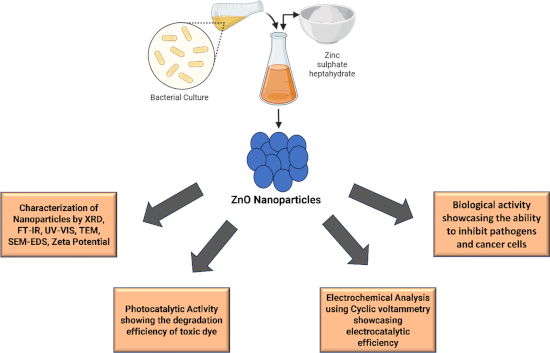
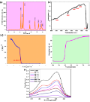
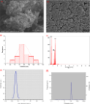
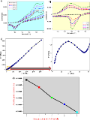
- nanoparticles (ZnO NPs), utilizing lactic acid bacteria isolated from curd as the key biological agent. Bacteria function as agents for both reduction and capping processes, which aids the synthesis of ZnO NPs. Various characterization techniques including XRD, FTIR, UV–vis, TEM, SEM-EDX, and zeta potential
- applications. Keywords: anticancer; green synthesis; lactic acid bacteria; nanoparticles; zinc oxide; Introduction Nanotechnology has revolutionized various fields through its remarkable development and the unique properties exhibited by nanoparticles (NPs) at the mesoscopic level. Dimension, form, surface
- concerns about environmental and biological compatibility. In contrast, green synthesis methods, which use biological agents, such as plants, algae, fungi, and bacteria, under milder, more sustainable conditions offer a more eco-friendly and biocompatible approach to NP production, especially for



Natural nanofibers embedded in the seed mucilage envelope: composite hydrogels with specific adhesive and frictional properties
Beilstein J. Nanotechnol. 2024, 15, 1603–1618, doi:10.3762/bjnano.15.126
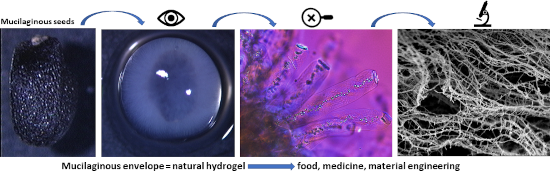
- of the mucilage – from pressed layers to a 3D network Substances with gel character (slime, mucus, and mucilage) are ubiquitous in nature and are produced by diverse organisms such as bacteria, plants representing diverse groups (algae, ferns, and higher plants), and animals (fishes, frogs, and


Green synthesis of silver nanoparticles derived from algae and their larvicidal properties to control Aedes aegypti
Beilstein J. Nanotechnol. 2024, 15, 1566–1575, doi:10.3762/bjnano.15.123
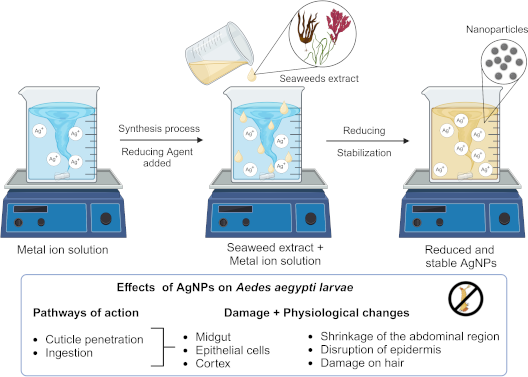
- of silver nanoparticles (yeasts, plants, fungi, algae, and bacteria), which are capable of reducing inorganic metal ions to metallic nanoparticles quickly [40][41]. Among these, algae have been highlighted because of their immense bioactive potential of compounds such as accessory pigments, proteins


Electrochemical nanostructured CuBTC/FeBTC MOF composite sensor for enrofloxacin detection
Beilstein J. Nanotechnol. 2024, 15, 1522–1535, doi:10.3762/bjnano.15.120
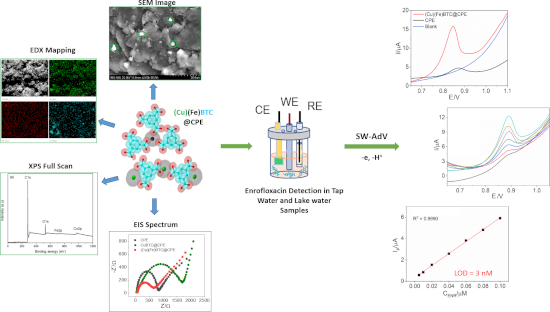
- extensively used in livestock and aquaculture as an antibacterial agent, showing high activity against both Gram-negative and Gram-positive bacteria [1][2]. ENR, like other fluoroquinolones, is used to treat susceptible bacteria responsible for infections of the skin and soft tissue. The overuse of ENR causes





Hymenoptera and biomimetic surfaces: insights and innovations
Beilstein J. Nanotechnol. 2024, 15, 1333–1352, doi:10.3762/bjnano.15.107
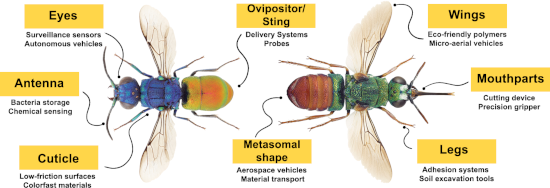
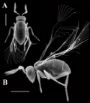
- hymenopterans may give some insight into microfilaments to grab small and delicate objects [99]. Female European beewolves (Philanthus triangulum) (Figure 1D) and other crabronids have developed a remarkable symbiotic relationship with bacteria of the genus Streptomyces, which they cultivate in specialized
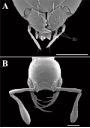
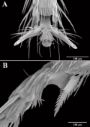
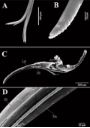
- antennal glands [100][101]. This association is unique in that the bacteria are grown in large reservoirs within the antennae, where they receive nutrients from the gland cells. When the beewolf constructs its subterranean brood cells, it secretes these bacteria into the cells, where they produce
- antibiotic substances that protect the developing larvae from fungal infections. The antennal glands are highly specialized, featuring complex morphology including a monolayered epithelium and numerous gland units that facilitate the cultivation and secretion of the symbiotic bacteria. This intricate system




Dual-functionalized architecture enables stable and tumor cell-specific SiO2NPs in complex biological fluids
Beilstein J. Nanotechnol. 2024, 15, 1238–1252, doi:10.3762/bjnano.15.100
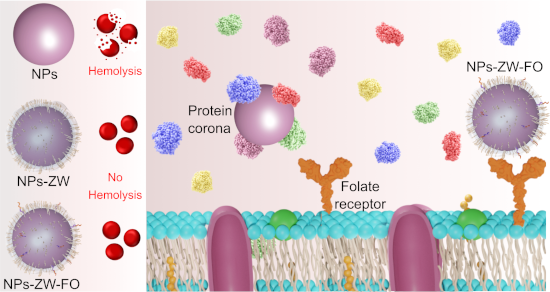
- active groups (amino, mercapto, or carboxylic functionalities) to interact with cells, viruses, and bacteria [17][18][20]. Pan et al. [24] developed mesoporous silica nanoparticles (SiO2NPs) covalently attached to (i) poly(oligo(ethylene glycol) monomethyl ether methacrylate) for improved stabilization

Interface properties of nanostructured carbon-coated biological implants: an overview
Beilstein J. Nanotechnol. 2024, 15, 1041–1053, doi:10.3762/bjnano.15.85
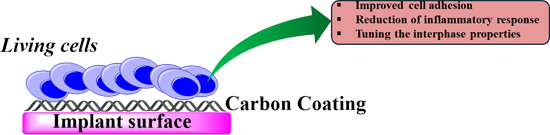
- environment is a dynamic and complex area, where several biological, physical, and chemical interactions can take place simultaneously, including immunological response [27], mechanical mismatch with the tissue [28], degradation [29], responses to stimuli [30], and proliferation of bacteria [31]. In the next
- key role of the CNT coating topology in the compatibility with living tissues. The formation of biofilms and the microbial proliferation on implants surfaces The interface between implants and tissues is a key vulnerable point for infection spreading because of the formation of bacteria biofilms [101
- ]. Generally, gram-positive bacteria are the most common culprits for implant infections, while aerobic gram-negative ones seldomly are [102][103]. Furthermore, the biofilm formation is strongly correlated with the implantation site, and the spreading time of infection mainly depends on the virulence of



Entry of nanoparticles into cells and tissues: status and challenges
Beilstein J. Nanotechnol. 2024, 15, 1017–1029, doi:10.3762/bjnano.15.83
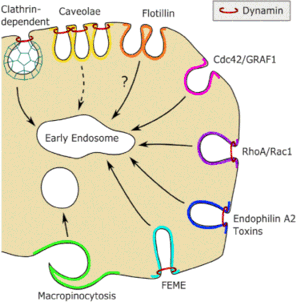
- are too large to fit into vesicles originating from most of the mechanisms shown in Figure 1. However, as described for the uptake of several types of bacteria, macropinocytosis seems to be involved in the uptake of NPs. When not binding to the cell surface, NPs can be taken up by macropinocytosis


Electrospun nanofibers: building blocks for the repair of bone tissue
Beilstein J. Nanotechnol. 2024, 15, 941–953, doi:10.3762/bjnano.15.77
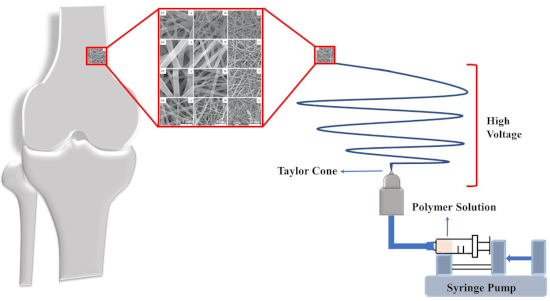
- to the healing process through their porous and flexible three-dimensional structure. They can increase the permeability of gases and liquids and reduce infection by bacteria because of their high filtration efficiency. Also, there is the great possibility of adding other functional moieties into the


When nanomedicines meet tropical diseases
Beilstein J. Nanotechnol. 2024, 15, 830–832, doi:10.3762/bjnano.15.69
- are inadequate in low- and middle-income countries of Africa, Asia, and Latin America. These pathologies affect over one billion people worldwide and are responsible for thousands of preventable deaths. Caused mostly by viruses, bacteria, parasites, fungi, and toxins, NTDs can blind, disable, and
Electrospun polysuccinimide scaffolds containing different salts as potential wound dressing material
Beilstein J. Nanotechnol. 2024, 15, 781–796, doi:10.3762/bjnano.15.65
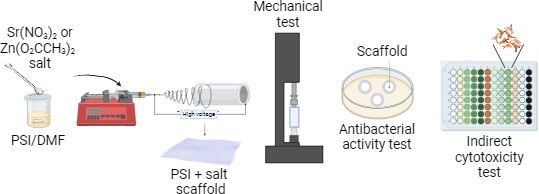
- scaffolds [18][19][20][21]. The antibacterial effectiveness of the fibrous structure is significantly influenced by incorporating salts or nanoparticles. When electrospun fibers are combined with inorganic nanoparticles [22], they can become resistant to bacteria. However, their ability to enhance
- the discs were incubated at 37 °C for 24 h, and then inhibition/diffuse zones were observed. The diameter of the inhibition zones is the area where bacteria do not appear at all. The diffuse zones defined in our paper are areas where the salt could diffuse out from the scaffold and start some clean-up
- zone in the agar (not a totally clean area from bacteria). These zones were measured by the ImageJ software, and with Equation 6, the specific antibacterial area was calculated [22]. The dzone means the diameter of the inhibition or diffuse zone and dscaffold means the diameter of the scaffolds after