Search results
Search for "chemistry" in Full Text gives 1181 result(s) in Beilstein Journal of Nanotechnology. Showing first 200.
Nanoinformatics: spanning scales, systems and solutions
Beilstein J. Nanotechnol. 2026, 17, 423–427, doi:10.3762/bjnano.17.28
- : artificial intelligence; in silico approaches; machine learning; nanoinformatics; nanomaterials functionality; nanotoxicity; sustainability; Nanoinformatics (as an offshoot of chemoinformatics) refers to the combination of physical chemistry and materials theory with in silico approaches to address key

Polycatecholamine nanocoatings on stainless steel: the effect on attachment of human fibroblasts and platelets
Beilstein J. Nanotechnol. 2026, 17, 365–380, doi:10.3762/bjnano.17.25
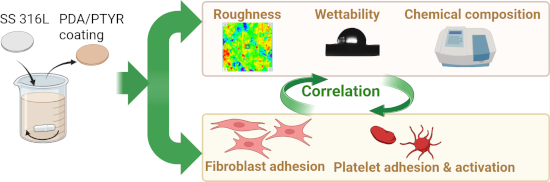
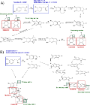
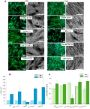
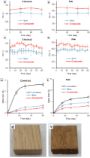
- less explored PTYR under identical conditions, we aim to elucidate how the differences in polycatecholamine chemistry and nanostructure translate into cell–surface interactions on stainless steel implants. Results Wettability of the coatings Polished SS 316L discs were coated with PDA (reaction times
- nanoparticulate morphology, improved nanostructural stability, and were more repellent for platelets. This is an important finding in terms of searching for robust and versatile hemocompatible coatings, as platelet–surface interactions are strongly influenced by nanoscale chemistry and topography. PTYR




Beam shaping techniques for pulsed laser ablation in liquids: Unlocking tunable control of nanoparticle synthesis in liquids
Beilstein J. Nanotechnol. 2026, 17, 309–342, doi:10.3762/bjnano.17.22
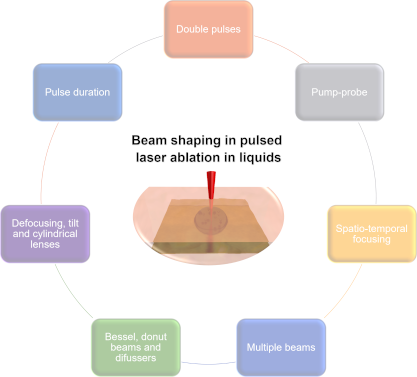
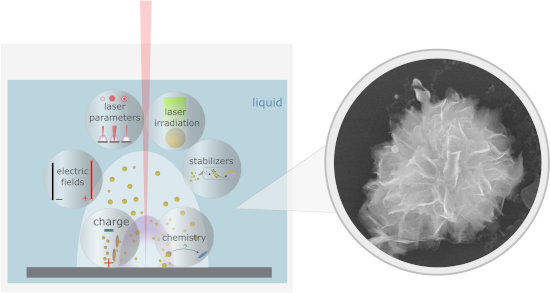
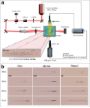
- gas aggregation are highly scalable and productive, though they typically require high temperatures or vacuum systems and may offer limited control over surface chemistry. Compared with these approaches, PLAL provides high-purity colloids with reduced impurities and byproducts, even allowing for







Advancing nanolithography: a comprehensive review of materials for local anodic oxidation with AFM
Beilstein J. Nanotechnol. 2026, 17, 275–291, doi:10.3762/bjnano.17.19
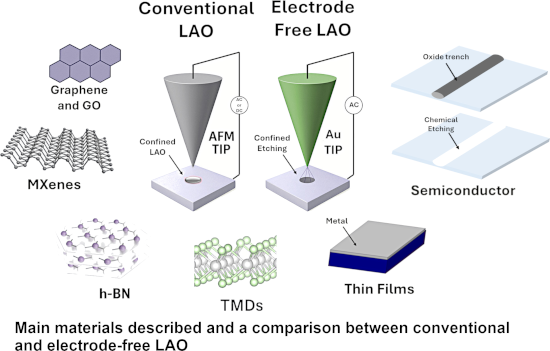
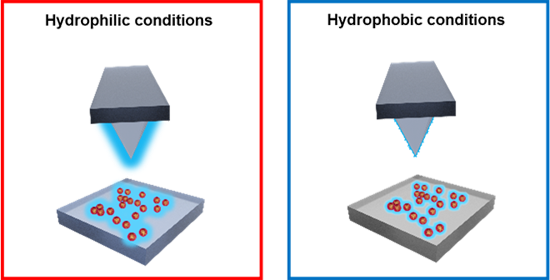
- the meniscus and broadens oxide lines. Conversely, lower humidity reduces meniscus volume and enables narrower, better-defined features. Although RH of 35–55% is widely used for Si and other common substrates, the optimal range can shift depending on the substrate surface chemistry, hydrophilicity


Durable antimicrobial activity of fabrics functionalized with zeolite ion-exchanged nanomaterials against Staphylococcus aureus and Escherichia coli
Beilstein J. Nanotechnol. 2026, 17, 262–274, doi:10.3762/bjnano.17.18
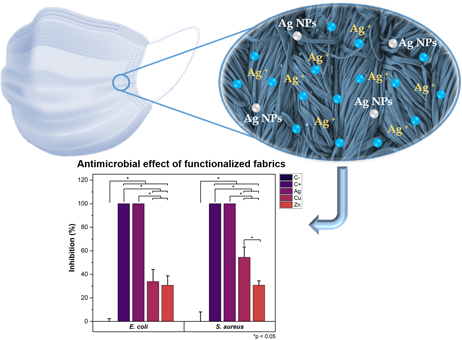
- nanotechnology has expanded into different areas of science, including physics, chemistry, biology, and medicine, over the past few decades [1][2]. Recently, nanoparticles (NPs), nanomaterials, and nanocomposites have been applied in various fields, including medicine and biotechnology, to reduce the recurrence




Gold nanoparticle-decorated reduced graphene oxide as a highly effective catalyst for the selective α,β-dehydrogenation of N-alkyl-4-piperidones
Beilstein J. Nanotechnol. 2026, 17, 218–238, doi:10.3762/bjnano.17.15
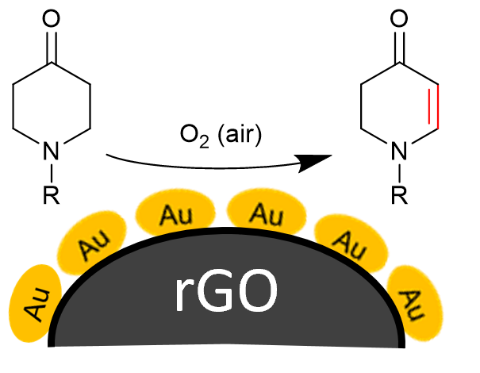
- development of highly efficient catalysts is of constant interest for advancements in organic chemistry, particularly in oxidation, hydrogenation, and coupling reactions. Gold nanoparticles (AuNPs) have emerged as exceptionally effective catalysts for facilitating these types of reactions [3][4]. The unique
- environments, their tunable surface area and surface chemistry, and electrical conductivity [18][19]. To deposit metal NPs onto a carbon support, procedures such as adsorption or reduction–deposition (RD), co-precipitation, impregnation, and deposition precipitation (DP) are commonly employed [6][19]. Carbon
- of the oxidative dehydrogenation of N-alkyl-4-piperidones to N-alkyl-2,3-dihydropyridin-4(1H)-ones. The relevance of this reaction lies in the fact that the product N-methyl-2,3-dihydropyridin-4(1H)-one is a valuable intermediate in medicinal chemistry. Its derivatives have demonstrated significant


Time of flight secondary ion mass spectrometry imaging of contaminant species in chemical vapour deposited graphene on copper
Beilstein J. Nanotechnol. 2026, 17, 200–213, doi:10.3762/bjnano.17.13
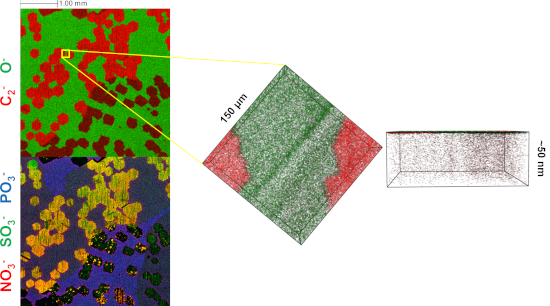
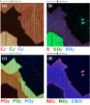
- Cambridge, Cambridge CB3 0FA, United Kingdom 10.3762/bjnano.17.13 Abstract Time of flight secondary ion mass spectrometry (ToF-SIMS) was used to probe the chemistry of graphene grown on copper foil substrates by chemical vapour deposition (CVD) under various growth conditions. The surface sensitivity, mass
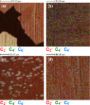
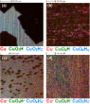
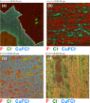
- significantly present, a white signal is observed. Images from various locations on the samples were acquired to confirm the nature of the graphene coverage and variations in surface chemistry observed, with representative images shown in the figures. Measurements were acquired from samples that had been
- − signal (red) in certain regions have a variation in the surface chemistry not necessarily related to graphene. Interestingly, there is a C2− signal observed relatively uniformly across the surface of the EP sample in Figure 1c, despite the low nucleation density of graphene on this surface. This is





Structure-dependent thermochromism of PAZO thin films: theory and experiment
Beilstein J. Nanotechnol. 2026, 17, 186–199, doi:10.3762/bjnano.17.12
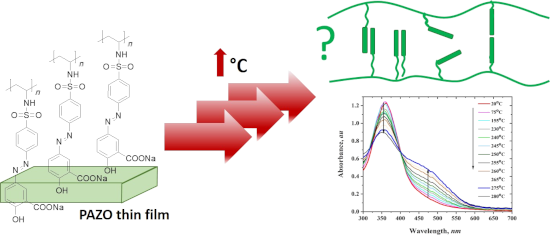
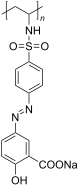
- Faculty of Chemistry and Pharmacy, Sofia University “St. Kliment Ohridski”, 1164 Sofia, Bulgaria Electronics and Telecommunications Research Institute, 218 Gajeong-ro, Yuseong-gu, Daejeon 34129, Republic of Korea 10.3762/bjnano.17.12 Abstract Poly[1-[4-(3-carboxy-4-hydroxyphenylazo)benzenesulfonamido


Safe and sustainable by design with ML/AI: A transformative approach to advancing nanotechnology
Beilstein J. Nanotechnol. 2026, 17, 176–185, doi:10.3762/bjnano.17.11
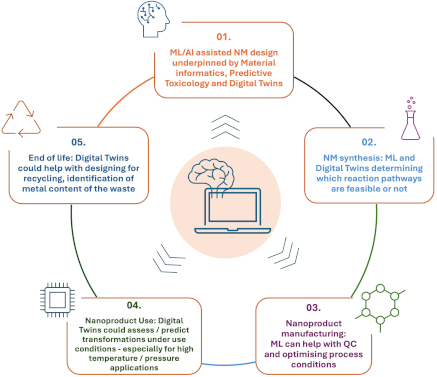
- and sustainability considerations into nanomaterial development. Need for harmonized testing protocols Establishing standardized and reproducible methodologies for characterizing nanomaterial properties – such as size distribution, surface chemistry, and toxicity profiles – is essential. A unified
- information. QSAR models, for instance, rely on known correlations between specific nanomaterial properties – such as size, shape, and surface chemistry – and various toxicity endpoints. By identifying hazardous materials well before synthesis, QSAR-based screening saves resources, decreases late-stage


Functional surface engineering for cultural heritage protection: the role of superhydrophobic and superoleophobic coatings – a comprehensive review
Beilstein J. Nanotechnol. 2026, 17, 63–96, doi:10.3762/bjnano.17.6
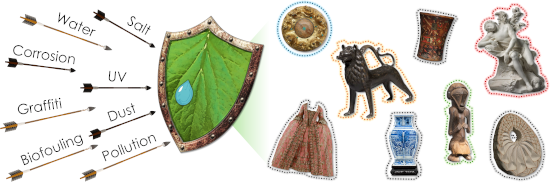
- organogel, composed of poly-3-hydroxybutyrate (PHB), ethyl lactate (EL), and deferoxamine B (DFO), for the simultaneous removal of iron corrosion and aged acrylic coatings from historical metal artefacts. This gel is made of bio-based, biodegradable, and low-toxicity materials, aligned with Green Chemistry
- , by using lime-based mortars due to their compatibility with historical materials [26]. In those years, reference books were published for conservators, offering detailed descriptions of materials and methods used in the protection and preservation of paintings [27], and, in general, of the chemistry
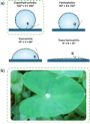
- and buildings, as well as marble statues both in outdoor and indoor environments). Many approaches are used to solve several issues arising from their intrinsic properties such as porosity, which may cause fungal or bacterial fouling [58], and surface chemistry and the affinity to water and humidity




Reduced graphene oxide paper electrode for lithium-ion cells – towards optimized thermal reduction
Beilstein J. Nanotechnol. 2026, 17, 24–37, doi:10.3762/bjnano.17.3
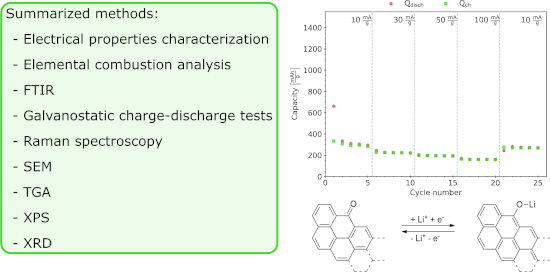
- , Poland AGH University of Krakow, al. Adama Mickiewicza 30, 30-059, Krakow, Poland Warsaw University of Technology, Faculty of Chemical and Process Engineering, ul. Waryńskiego 1, 00-645, Warsaw, Poland Warsaw University of Technology, Faculty of Chemistry, ul. Noakowskiego 3, 00-664, Warsaw, Poland SiC



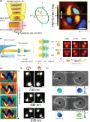
Internal 3D temperature mapping in biological systems using ratiometric light-sheet imaging and lipid-coated upconversion nanothermometers
Beilstein J. Nanotechnol. 2025, 16, 2306–2316, doi:10.3762/bjnano.16.159
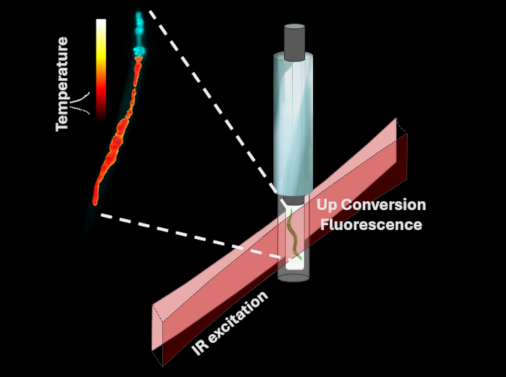
- and particle retention [57]. Figure 5b–d shows the fluorescence emission throughout the intestinal structure post-ingestion, indicating UCNP accumulation within the lumen. This localization is strongly influenced by surface chemistry. The anionic character of our DOPS-rich lipid coating likely leads
- to the luminal environment rather than intracellular regions, indicating that surface chemistry governs not only nanoparticle uptake but also the spatial interpretation of the thermal maps. This distinction is crucial, as it means our thermal maps report on the temperature within the digestive tract


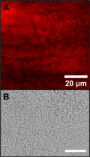
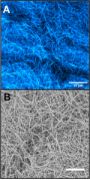
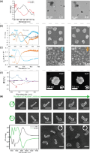
Visualizing nanostructures in supramolecular hydrogels: a correlative study using confocal and cryogenic scanning electron microscopy
Beilstein J. Nanotechnol. 2025, 16, 2274–2284, doi:10.3762/bjnano.16.156
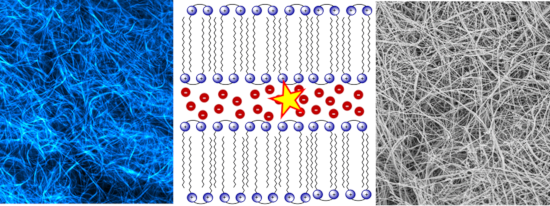
- Shaun M. Smith Ferdinando Malagreca Jacqueline Hicks Giuseppe Mantovani David B. Amabilino Christopher Parmenter Lluisa Perez-Garcia School of Chemistry, GSK Carbon Neutral Laboratories for Sustainable Chemistry, University of Nottingham, Triumph Road, NG7 2TU, United Kingdom Nanoscale and




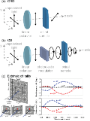
Chiral plasmonic nanostructures fabricated with circularly polarized light
Beilstein J. Nanotechnol. 2025, 16, 2245–2264, doi:10.3762/bjnano.16.154
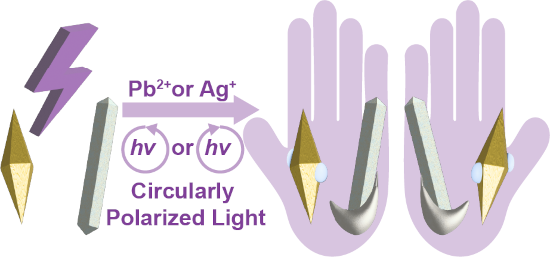
- Tian Qiao Ming Lee Tang Department of Chemistry, University of Utah, Salt Lake City, UT 84112, United States current address: Department of Chemistry and Biochemistry, University of Nevada, Las Vegas, 4505 S. Maryland Parkway, Las Vegas, NV 89154-4003, United States 10.3762/bjnano.16.154 Abstract
- to use pure metallic cPNSs to enhance the interaction between cPNSs and CPL. 2.3 Metallic chiral nanostructures created with CPL The light-mediated synthesis of Ag and Au NCs highlights the complexity in harnessing photoexcited hot carriers for photoredox chemistry [93][94][95][96][97][98][99][100
- precision chemistry. Plasmonic catalysis harnesses energetic charge carriers, photons, and phonons generated by light excitation, potentially allowing for a level of control greater





Optical bio/chemical sensors for vitamin B12 analysis in food and pharmaceuticals: state of the art, challenges, and future outlooks
Beilstein J. Nanotechnol. 2025, 16, 2207–2244, doi:10.3762/bjnano.16.153
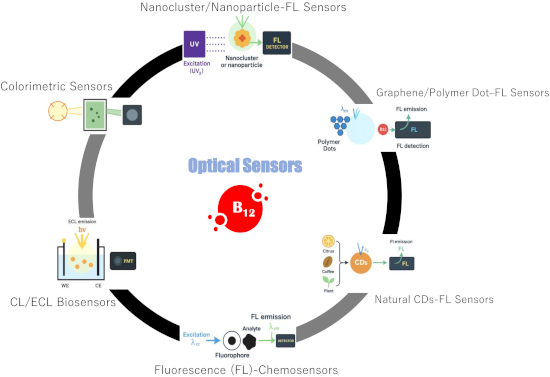
- , electrochemical and optical biosensing platforms are one of the best approaches to detect VB12. Various electrochemical methods have been employed for the effective detection of VB12, focusing on its electroactive nature and the redox chemistry of the cobalt atom, primarily utilizing the Co3+/Co2+ and Co2+/Co


Ultrathin water layers on mannosylated gold nanoparticles
Beilstein J. Nanotechnol. 2025, 16, 2183–2198, doi:10.3762/bjnano.16.151
- nanoparticle systems, one functionalized with an oligo(ethylene glycol) ligand, and one functionalized with a mixture of the same with a dimannoside ligand. The dimannoside ligand was chosen to mimic the surface chemistry of viral spike proteins. We characterized the particles by electron microscopy, dynamic



Missing links in nanomaterials research impacting productivity and perceptions
Beilstein J. Nanotechnol. 2025, 16, 2168–2176, doi:10.3762/bjnano.16.149
- Santosh K. Tiwari Nannan Wang Centre for New Materials and Surface Engineering, Department of Chemistry, NMAM Institute of Technology (NMAMIT), Nitte (Deemed to be University), Nitte 574110, Karnataka, India State Key Laboratory of Featured Metal Materials and Life-cycle Safety for Composite
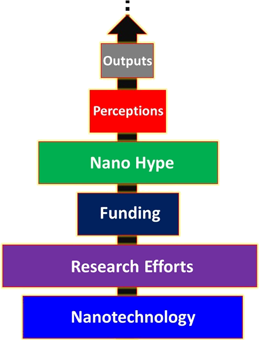
- working extensively in various aspects of nanotechnology, we find that the majority come from chemistry, physics, materials science, and metallurgy. Very few come from other fields such as mechanical, energy, electronics, biomedical engineering, and mathematics. The experts belonging to chemistry, physics
- notably less than the often-cited (and inflated) $1 trillion figure [13][14][15]. This funding has primarily supported fundamental research across materials science, chemistry, physics, and bioengineering. These efforts have led to major scientific advances, mainly in nanoelectronics, nanomedicine
Microplastic pollution in Himalayan lakes: assessment, risks, and sustainable remediation strategies
Beilstein J. Nanotechnol. 2025, 16, 2144–2167, doi:10.3762/bjnano.16.148
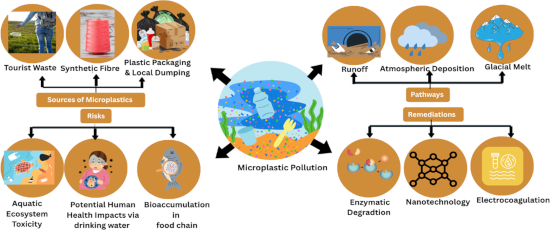
- development of scalable technologies for producing nanomaterials is essential for their practical application. Green chemistry methods, such as plant-based precursors or bioinspired templates, have been successfully used to synthesize nanomaterials with high photocatalytic efficiency and minimal environmental


Quality by design optimization of microemulsions for topical delivery of Passiflora setacea seed oil
Beilstein J. Nanotechnol. 2025, 16, 2116–2131, doi:10.3762/bjnano.16.146
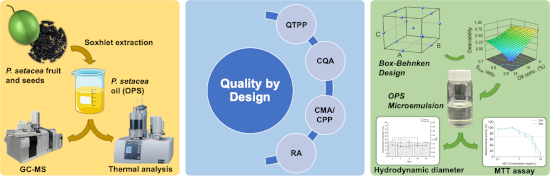
- (polyethoxylated castor oil 30 mol, “PEG 30”, Oxiteno – São Paulo, SP) and sodium carboxymethyl cellulose (NaCMC – All chemistry, São Paulo, Brazil). Span® 80 was obtained from Sigma-Aldrich Inc. (St. Louis, MO – USA). Extraction of Passiflora setacea oil Oil extraction was performed using a Soxhlet apparatus with


Rapid synthesis of highly monodisperse AgSbS2 nanocrystals: unveiling multifaceted activities in cancer therapy, antibacterial strategies, and antioxidant defense
Beilstein J. Nanotechnol. 2025, 16, 2105–2115, doi:10.3762/bjnano.16.145
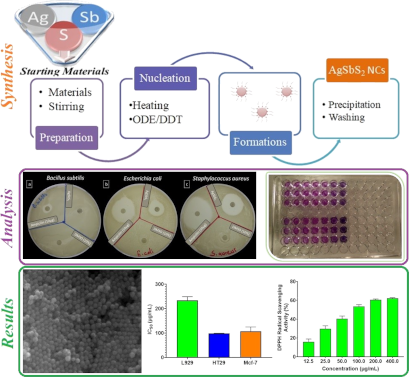
- ; antibacterial activity; antioxidant activity; cytotoxic activity; Introduction Nanoscience serves as a unique platform to reveal new properties of substances through collaborative efforts with other fields (e.g., molecular chemistry, pharmaceutical science, applied health sciences, and engineering). In recent
- ratio and enhanced surface reactivity [30]. These features, combined with the tunable surface chemistry of nanoparticles, allow for efficient interactions with free radicals and facilitate electron transfer reactions, resulting in robust antioxidant activity [49]. This activity involves scavenging free
- scavenging data, the FRAP outcome supports a dual-mechanism antioxidant model (both radical quenching and electron transfer). This suggests that the surface chemistry of AgSbS2 NCs effectively mediates both redox and radical-based pathways, making them promising candidates for applications requiring moderate


Toward clinical translation of carbon nanomaterials in anticancer drug delivery: the need for standardisation
Beilstein J. Nanotechnol. 2025, 16, 2092–2104, doi:10.3762/bjnano.16.144
- nanotubes, and carbon dots, have attracted considerable interest as nanocarriers for drug delivery due to their unique physicochemical properties. Their high surface area, biocompatibility, and modifiable surface chemistry make them highly attractive for a range of biomedical applications. However, concerns
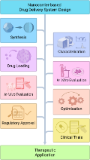
- treated. Perspective The development of a novel CNM-based drug delivery system for targeted anticancer therapeutic delivery is a complex and multistep process that involves several key milestones (Figure 3), each of which requires distinct expertise in materials science, chemistry, biology, and regulatory
- affairs. Achieving these key milestones is critical to developing a safe and effective drug delivery system that can improve the treatment of cancer. The process begins with the synthesis of CNMs tailored to specific size and surface chemistry requirements, using methods such as chemical vapour deposition



Molecular and mechanical insights into gecko seta adhesion: multiscale simulations combining molecular dynamics and the finite element method
Beilstein J. Nanotechnol. 2025, 16, 2055–2076, doi:10.3762/bjnano.16.141
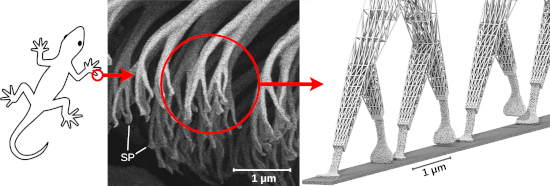
- microscopy (AFM) experiments. Our investigation into how gecko keratin interacts with hydrophilic and hydrophobic substrates [12] supported the importance of the water-mediating effect [10] and elucidated mechanistic differences depending on surface chemistry. A particle-based mesoscale model of a single
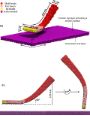
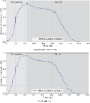
- , differences in adhesion originate from structure and geometry rather than interface chemistry. We analyzed the 16 spatulae individually. Figure 10, Figure 11, and Figure 12 report, respectively, their force, contact, and displacement profiles in a representative run. Across runs, orientation (pad- vs tip







Stereodiscrimination of guests in chiral organosilica aerogels studied by ESR spectroscopy
Beilstein J. Nanotechnol. 2025, 16, 2034–2054, doi:10.3762/bjnano.16.140
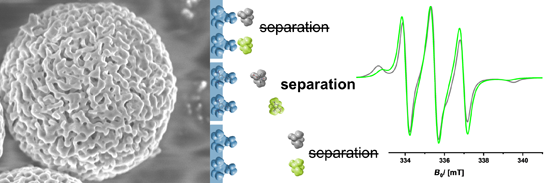
- Sebastian Polarz Yasar Krysiak Martin Wessig Florian Kuhlmann Institute of Inorganic Chemistry, Leibniz-University Hannover, Callinstrasse 9, 30167 Hannover, Germany 10.3762/bjnano.16.140 Abstract Macroporous materials containing surfaces with chiral groups are highly relevant for applications in
- chemistry; ESR spectroscopy; organic inorganic hybrids; porous materials; Introduction Chiral materials represent an evolving research field that focuses on materials whose structures lack mirror symmetry [1][2][3]. The materials exhibit chirality, and a good overview of important developments was given by
- Information File 1, Figure S3. Chiral materials A selection of different materials containing amino acids as chiral selectors was prepared (Figure 1). The advantages of using amino acids as the chiral constituent are that they are highly available from the natural pool and their coupling chemistry is highly




The cement of the tube-dwelling polychaete Sabellaria alveolata: a complex composite adhesive material
Beilstein J. Nanotechnol. 2025, 16, 1998–2014, doi:10.3762/bjnano.16.138
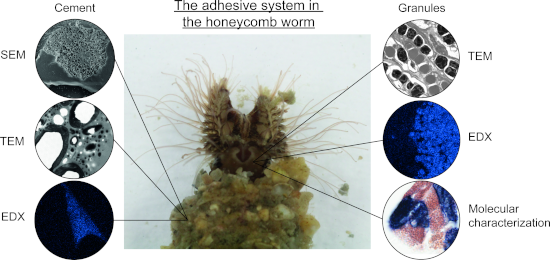
- Geology, Faculty of Engineering, University of Mons, 7000 Mons, Belgium Department of Chemistry, McGill University, 801 Sherbrooke Street West, Montreal, Quebec H3A 0B8, Canada 10.3762/bjnano.16.138 Abstract Adhesives produced by marine organisms offer remarkable performance and serve as a major source



Laser ablation in liquids for shape-tailored synthesis of nanomaterials: status and challenges
Beilstein J. Nanotechnol. 2025, 16, 1963–1997, doi:10.3762/bjnano.16.137