Search results
Search for "diffusion" in Full Text gives 769 result(s) in Beilstein Journal of Nanotechnology. Showing first 200.
Ultrathin water layers on mannosylated gold nanoparticles
Beilstein J. Nanotechnol. 2025, 16, 2183–2198, doi:10.3762/bjnano.16.151
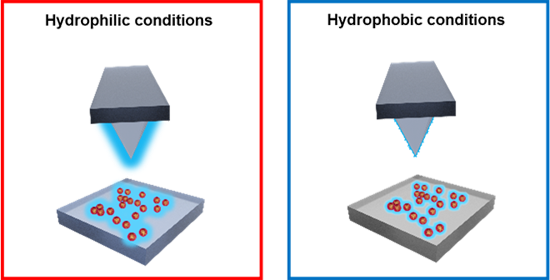
- here limit to the case of complete dehydration) (Table 1). DLS usually gives higher particle sizes due to the hydration layer [39][40], which slows the diffusion of NPs in aqueous solutions, especially our hydrophilic NPs. We suggest two possible explanations. First, the dimannose residues could be



Rapid synthesis of highly monodisperse AgSbS2 nanocrystals: unveiling multifaceted activities in cancer therapy, antibacterial strategies, and antioxidant defense
Beilstein J. Nanotechnol. 2025, 16, 2105–2115, doi:10.3762/bjnano.16.145
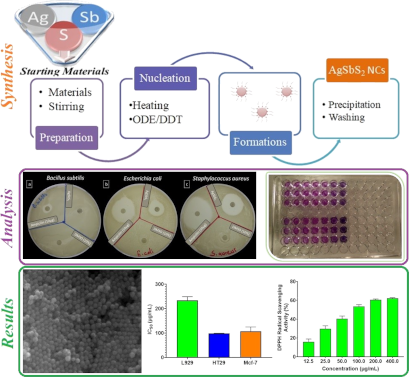
- NCs Disc diffusion assay Escherichia coli ATCC® 25922™ (gram-negative bacteria), Staphylococcus aureus ATCC® 29213™, and Bacillus subtilis ATCC 6633 (gram-positive bacteria) were used for antibacterial assays. The antibacterial effectiveness of the synthesized NCs with different average sizes (15–20
- nm) was evaluated by a disc diffusion assay [23]. In this study, overnight cultures of S. aureus, B. subtilis, and E. coli clinical pathogens were inoculated separately on Mueller–Hinton agar (MHA) plates. NCs were dissolved in 10% DMSO. Following, sterile discs (6 mm diameter) loaded with 10 µL (20
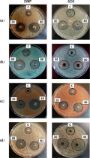
- inset in Figure 2c. The particle size distribution graphs in this image unequivocally affirmed the successful attainment of the desired homogeneity. Biological applications Antibacterial activity of AgSbS2 NCs Disc diffusion. The antimicrobial activity of AgSbS2 NCs at a concentration of 10 mg/mL


Stereodiscrimination of guests in chiral organosilica aerogels studied by ESR spectroscopy
Beilstein J. Nanotechnol. 2025, 16, 2034–2054, doi:10.3762/bjnano.16.140
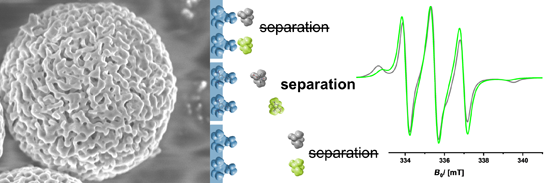
- , environmental remediation, and construction. The key transport processes in porous materials include diffusion, advection, capillary action, and sometimes reactions that might occur within the pores, highly complex phenomena one tries to understand as detailed as possible [15][16][17]. Laemmerhofer gave an
- diffusion coefficients [44]. In the mentioned studies, we have always used racemic 3CP containing both enantiomers. Because of our previous work on mesoporous organosilica materials containing chiral groups [47][48], particularly amino acid derivatives [49], we became interested in observing the two
- enantiomers (+)-3CP and (−)-3CP separately [45]. Because of the small pores (<10 nm), the confinement situation was very strong and diffusion was limited. The first indications reported were that materials with larger pores have promising properties, too. The paper here focuses exclusively on aerogel




Beyond the shell: exploring polymer–lipid interfaces in core–shell nanofibers to carry hyaluronic acid and β-caryophyllene
Beilstein J. Nanotechnol. 2025, 16, 2015–2033, doi:10.3762/bjnano.16.139
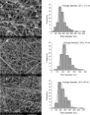
- potential suitability for subsequent applications. The observed discontinuities could act as preferential sites for accelerated diffusion and burst release of encapsulated compounds, potentially compromising a sustained release profile while being advantageous for applications requiring an initial burst. To
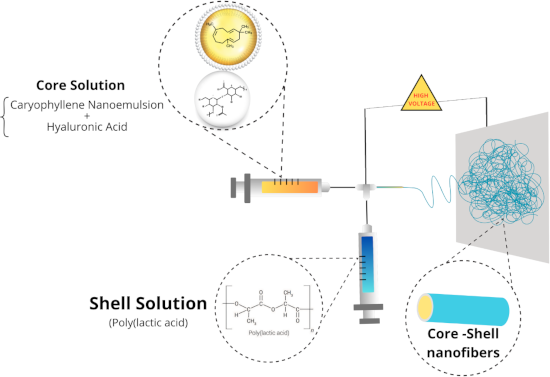
- successful formation of a core–shell structure via coaxial electrospinning, using the optimized parameters from the morphology study. Additionally, Figure 6B highlights the presence of pores on the PLA shell surface after washing, suggesting that core removal occurred through diffusion facilitated by these
- more prone to defects due to crystallization within a confined space [75]. As a result, water diffusion in these amorphous regions increases, and the catalytic effect of the carboxyl groups may accelerate the hydrolytic degradation of semicrystalline samples [20][65][73]. Furthermore, the crystallinity




Quantum circuits with SINIS structures
Beilstein J. Nanotechnol. 2025, 16, 1931–1941, doi:10.3762/bjnano.16.134
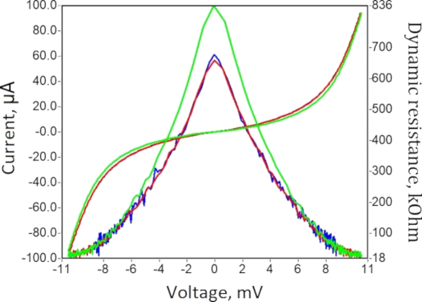
- created. The process of electron energy relaxation continues until their characteristic times reach the tunneling time determined by the parameters of the SIN transition, that is, the transparency of the barrier, the thickness of the normal metal film, and the diffusion rate of electrons in it. For


PEGylated lipids in lipid nanoparticle delivery dynamics and therapeutic innovation
Beilstein J. Nanotechnol. 2025, 16, 1914–1930, doi:10.3762/bjnano.16.133
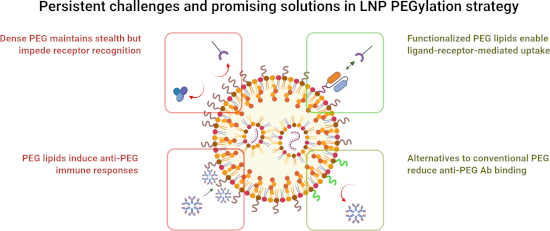
- analyzed by high-field 1H NMR spectroscopy and diffusion-filter techniques. The ALC-0159 PEG lipid consists of a PEG2k chain conjugated to a C14–C14 dialkyl glycerol anchor. The surface PEG chain density was estimated at 27.3 PEG chains per 100 nm2 according to the average LNP diameter of 77 nm; this


Targeting the vector of arboviruses Aedes aegypti with nanoemulsions based on essential oils: a review with focus on larvicidal and repellent properties
Beilstein J. Nanotechnol. 2025, 16, 1894–1913, doi:10.3762/bjnano.16.132


Phytol-loaded soybean oil nanoemulsion as a promising alternative against Leishmania amazonensis
Beilstein J. Nanotechnol. 2025, 16, 1826–1836, doi:10.3762/bjnano.16.126
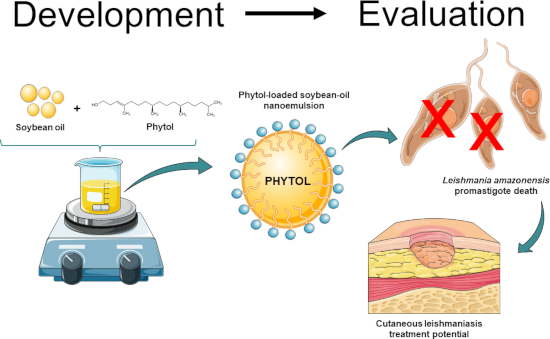
- permeation studies using porcine ear skin or synthetic membranes in Franz diffusion cells could be employed to further evaluate the cutaneous permeation profile of the phytol-loaded nanoemulsion. In addition to forming nanodroplets, nanoemulsions must maintain their structural and physicochemical integrity


Electrical, photocatalytic, and sensory properties of graphene oxide and polyimide implanted with low- and medium-energy silver ions
Beilstein J. Nanotechnol. 2025, 16, 1794–1811, doi:10.3762/bjnano.16.123
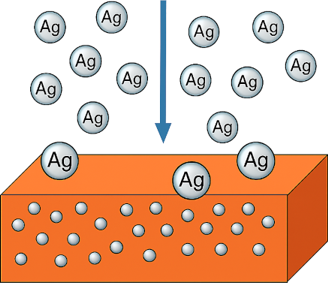
- chemical changes occurring during ion implantation. In reality, Ag+ implantation into GO and PI induces carbonization, changes in local density, and possible diffusion or agglomeration of Ag atoms, which can lead to a redistribution of silver compared to the initial ballistic projection. Moreover, surface


Exploring the potential of polymers: advancements in oral nanocarrier technology
Beilstein J. Nanotechnol. 2025, 16, 1751–1793, doi:10.3762/bjnano.16.122
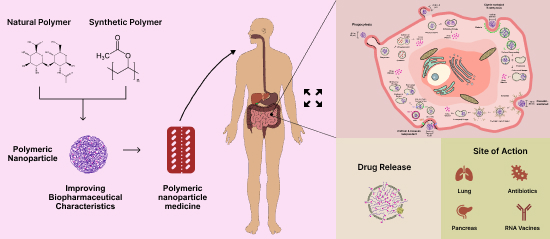
- , nanocapsules are particularly effective in encapsulating hydrophobic and lipophilic drugs due to the affinity of these compounds for the oily core. Drug release occurs through controlled diffusion across the polymeric layer and interaction with the core material. Conversely, nanospheres are capable of
- . Release from nanospheres is generally governed by a combination of polymer degradation and drug diffusion through the matrix. Additionally, when hydrophilic polymers are employed, swelling-induced release becomes relevant, wherein polymer chain relaxation significantly influences the diffusion rate and
- ][42]. These strategies involve dissolving or dispersing pre-existing polymers in appropriate solvents, followed by NP formation through approaches such as nanoprecipitation, solvent diffusion-emulsification, solvent evaporation, ionic gelation, and dialysis. Each technique is intrinsically linked to


Multifunctional anionic nanoemulsion with linseed oil and lecithin: a preliminary approach for dry eye disease
Beilstein J. Nanotechnol. 2025, 16, 1711–1733, doi:10.3762/bjnano.16.120



Beyond the bilayer: multilayered hygroscopic actuation in pine cone scales
Beilstein J. Nanotechnol. 2025, 16, 1695–1710, doi:10.3762/bjnano.16.119
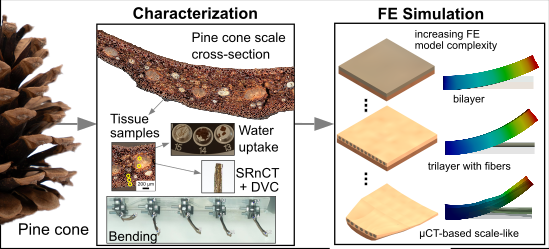
- reliability of upcoming simulations. For the analysis of the motion mechanism of the scale, for example, to show the multiphase nature of the motion [12], future simulation approaches could use transient heat transfer simulations incorporating diffusion models. The comparative simulations in this work


Venom-loaded cationic-functionalized poly(lactic acid) nanoparticles for serum production against Tityus serrulatus scorpion
Beilstein J. Nanotechnol. 2025, 16, 1633–1643, doi:10.3762/bjnano.16.115
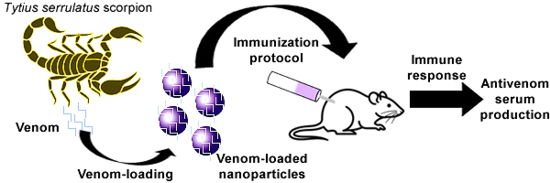
- controlled by diffusion mechanism was also measured. Finally, in vivo immunization in BALB/c mice showed superior efficacy of the T. serrulatus venom protein-loaded nanoparticles compared to the traditional aluminum hydroxide immunoadjuvant. Thus, the formulations shown are promising nanocarriers to be used
- the samples containing 0.5% and 1.0% of T. serrulatus venom, respectively. The mechanism of release of venom protein-loaded PLA nanoparticles profile was studied by applying different mathematical models to the experimental data. The data were subject to four different diffusion kinetic linear models
- : zero order, first order, Korsmeyer–Peppas, and parabolic diffusion (Table 2). The zero order, first order, and Korsmeyer–Peppas models exhibiting determination coefficient (r2) values demonstrate that the release mechanism cannot be explained by these models. The parabolic diffusion model better fitted



Bioinspired polypropylene-based functionally graded materials and metamaterials modeling the mistletoe–host interface
Beilstein J. Nanotechnol. 2025, 16, 1592–1606, doi:10.3762/bjnano.16.113
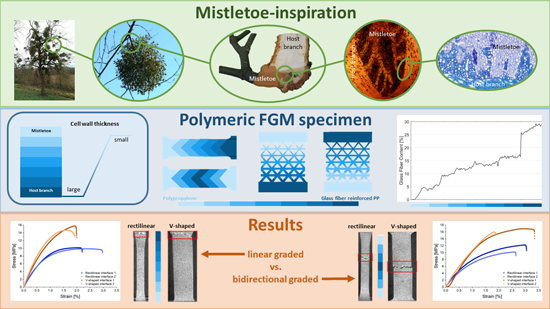
- using prefabricated molds for the hot compression technique. The diffusion differences at the interfaces impose a spatial limitation on the structural complexity, but it is conceivable to go beyond the possibilities presented here in terms of gradient direction (i.e., linear and bidirectional) and


Transient electronics for sustainability: Emerging technologies and future directions
Beilstein J. Nanotechnol. 2025, 16, 1545–1556, doi:10.3762/bjnano.16.109
- diffusion effectively and degrade at a predetermined time, posing significant technological challenges. Given the inherently flexible nature of thin-film bioresorbable electronics, it is critical that encapsulation layers also exhibit mechanical flexibility. As such, polymer-based solutions have been
- the water diffusion pathway [92][93]. For instance, blending high-aspect-ratio inorganic flakes (e.g., SiO2) with a biodegradable poly(caprolactone) matrix has been shown to create tortuous diffusion paths that hinder direct water penetration, thereby improving moisture resistance and achieving a


Influence of laser beam profile on morphology and optical properties of silicon nanoparticles formed by laser ablation in liquid
Beilstein J. Nanotechnol. 2025, 16, 1533–1544, doi:10.3762/bjnano.16.108
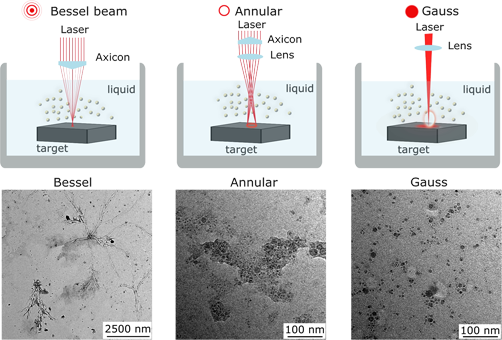
- nanowires facilitates the electronic transport along the wire axis, while the transport of the ions occurs in the transverse direction, providing shorter diffusion distances. All these aspects underline the benefits of Si nanowires and the need to develop novel approaches for their formation. Despite


Laser processing in liquids: insights into nanocolloid generation and thin film integration for energy, photonic, and sensing applications
Beilstein J. Nanotechnol. 2025, 16, 1428–1498, doi:10.3762/bjnano.16.104
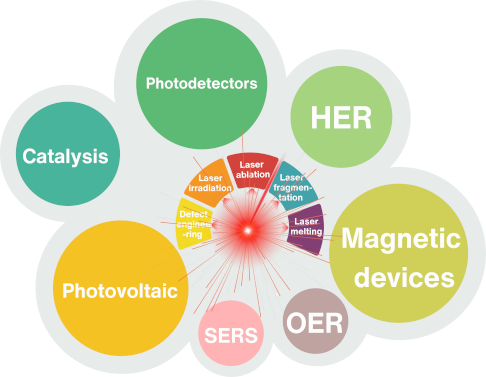
- proportional to the total energy input by the laser [54]. Using picosecond laser irradiation at a low fluence is an energy-efficient method for synthesizing SMSPs by PLML compared to nanosecond laser irradiation [55]. If the thermal diffusion length in particles during ultrafast laser heating is smaller than
- ], through melting, diffusion, and rapid cooling, resulting in SMSPs. It also enables the creation of metastable compositions and defect-rich particles. Recent advancements in focused and collimated irradiation techniques have improved alloying efficiency and particle size control, further enhancing the






The role of biochar in combating microplastic pollution: a bibliometric analysis in environmental contexts
Beilstein J. Nanotechnol. 2025, 16, 1401–1416, doi:10.3762/bjnano.16.102
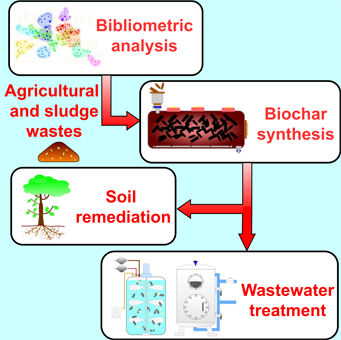
- , enhanced diffusion, surface adsorption, and cation–π electron interactions were observed at 550 °C in Polygonum amphibium L. biochar. However, pyrolysis temperatures above 550 °C led to reduced stability [42]. Similarly, pyrolysis at 700 °C can increase SSA but may degrade oxygen-containing functional



Synthesis and antibacterial properties of nanosilver-modified cellulose triacetate membranes for seawater desalination
Beilstein J. Nanotechnol. 2025, 16, 1380–1391, doi:10.3762/bjnano.16.100
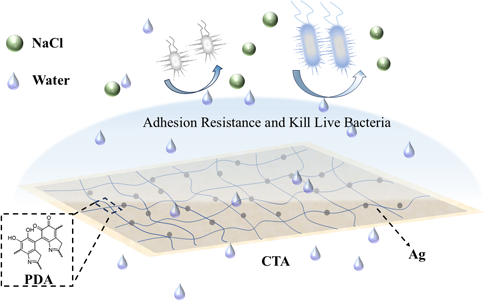
- the formation of the Ag@PCTA membrane. Finally, the membrane was cleaned three times with ultrapure water and then placed in a vacuum drying oven for further use. Characterization of antibacterial performance by disk diffusion method The modified CTA membrane and unmodified membrane were each cut into


Enhancing the therapeutical potential of metalloantibiotics using nano-based delivery systems
Beilstein J. Nanotechnol. 2025, 16, 1350–1366, doi:10.3762/bjnano.16.98
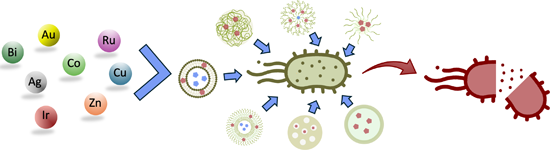
- and bioavailability [71]. They are formulated from lipids that are generally recognized as safe, making them highly biocompatible and low in toxicity [72]. Moreover, the solid lipid matrix slows down drug diffusion and lipid degradation, enabling a controlled, long-lasting release of the encapsulated
- providing controlled release, reducing toxicity to non-target cells, and protecting the active compound from degradation in physiological environments. For example, emulsions incorporating lipophilic Zn(II) complexes have demonstrated sustained release over 24 h in diffusion assays, paving the way for


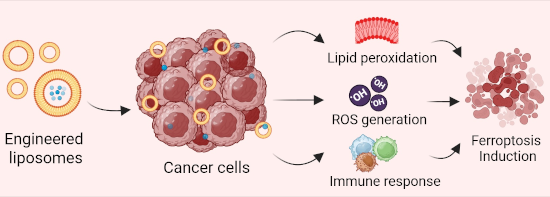
Ferroptosis induction by engineered liposomes for enhanced tumor therapy
Beilstein J. Nanotechnol. 2025, 16, 1325–1349, doi:10.3762/bjnano.16.97


Enhancing the photoelectrochemical performance of BiOI-derived BiVO4 films by controlled-intensity current electrodeposition
Beilstein J. Nanotechnol. 2025, 16, 1289–1301, doi:10.3762/bjnano.16.94
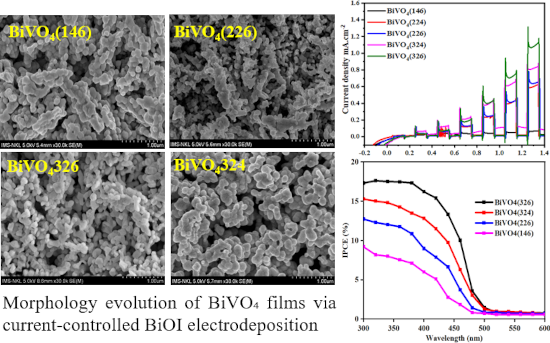
- )2 volumes, suggested improved charge separation and transport pathways. These voids facilitate the diffusion of the reactants and products, reducing the recombination rates and enhancing the water-splitting efficiency. The finer particle sizes and increased porosity, as observed for BiVO4(326



Hydrogels and nanogels: effectiveness in dermal applications
Beilstein J. Nanotechnol. 2025, 16, 1216–1233, doi:10.3762/bjnano.16.90
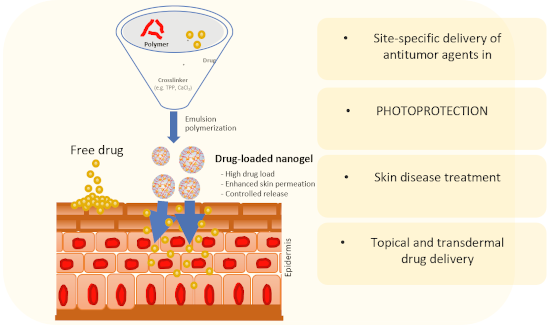
- partition coefficient, the diffusion coefficient, and the path to be taken by the molecule, mainly through SC [174][175][176]. Overall, it is possible to improve drug penetration through the skin by using three different approaches: (i) increasing the drug saturation in the vehicle [177], (ii) elevating the
- drug solubility in the SC [170], and/or (iii) enhancing the drug diffusion through the SC [169][178]. The first approach can be carried out by simply increasing the drug concentration in the vehicle or by changing the formulation to eventually decrease the drug solubility (i.e., by changing the
- thermodynamic activity of the system). Thus, the physicochemical properties related to the first approach involve only the interactions between drugs and vehicles. On the other hand, changing the drug solubility and/or its diffusion through SC is much more complex and comprises multiple interactions among drug


Investigation of the solubility of protoporphyrin IX in aqueous and hydroalcoholic solvent systems
Beilstein J. Nanotechnol. 2025, 16, 1209–1215, doi:10.3762/bjnano.16.89
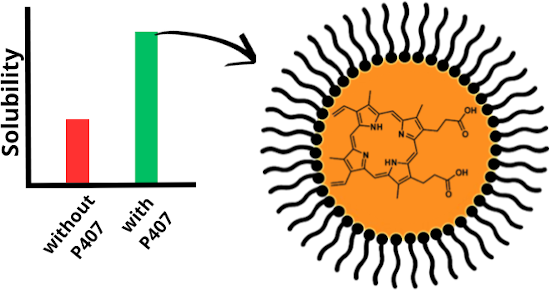
- min. The dissolution profiles of the micellar systems were also evaluated using the Korsmeyer–Peppas model with lag time (tlag), which indicated a Fickian diffusion mechanism, preceded by a thermodynamically driven accommodation stage of PpIX into the micelles. The solubility of PpIX ranged from 0.138
- lag time parameter in the model reflects the initial phase of micelle formation and the subsequent accommodation of PpIX into the micellar core, which precedes the diffusion-driven dissolution process [23]. Among the systems evaluated, water + P407 and EtOH77 + P407 exhibited the highest correlation
- coefficients (R = 0.9007 and 0.8935, respectively), indicating a strong fit and supporting the hypothesis of micelle-mediated stabilization of PpIX in these environments. The release exponent (n) values obtained were all smaller than 0.45, which is characteristic of Fickian diffusion. This suggests that the


Crystalline and amorphous structure selectivity of ignoble high-entropy alloy nanoparticles during laser ablation in organic liquids is set by pulse duration
Beilstein J. Nanotechnol. 2025, 16, 1141–1159, doi:10.3762/bjnano.16.84
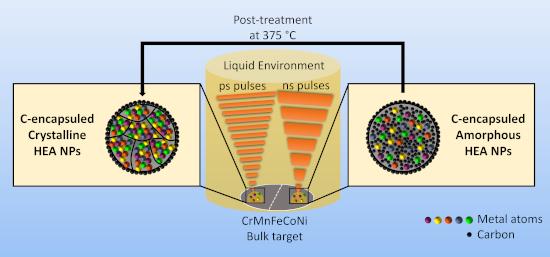
- amorphous structure of the HEA NP (Figure 5 (8)). Looking at the diffusing carbon atoms during the period of TL, we additionally calculated the mean square displacements (MSD) of diffusing carbon atoms by using diffusion coefficients of carbon in FeNi at high temperatures and high pressures as reported by
- Lin et al. [99]. Using the estimated durations of 15 ns for ns-LAL and 2 ns for ps-LAL, the MSD falls within the one-digit nanometer range for both cases, though the value for ns-LAL is three times higher than that for ps-LAL. Notably, the diffusion coefficients reported by Lin et al. were studied
- under conditions that come closer to ns-LAL than to ps-LAL (regarding temperature and pressure). Since diffusion coefficients are inversely proportional to pressure and directly proportional to temperature, it is important to note that the pressure in ps-LAL can be ten times higher than that in ns-LAL