
Search results
Search for "electrical properties" in Full Text gives 223 result(s) in Beilstein Journal of Nanotechnology. Showing first 200.
New design of operational MEMS bridges for measurements of properties of FEBID-based nanostructures
Beilstein J. Nanotechnol. 2024, 15, 1273–1282, doi:10.3762/bjnano.15.103
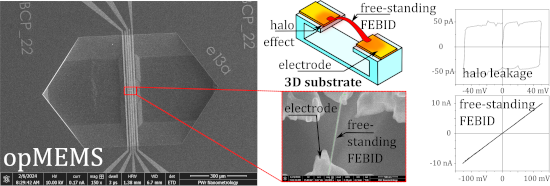
- actuation mechanism. This opens the possibility to perform both electrical and mechanical measurements of nanostructures, in particular, free-standing nanostructures, which are the most interesting for their mechanical and electrical properties combined in nanoscale phenomena [28][29][30]. The requirements


Photocatalytic methane oxidation over a TiO2/SiNWs p–n junction catalyst at room temperature
Beilstein J. Nanotechnol. 2024, 15, 1132–1141, doi:10.3762/bjnano.15.92
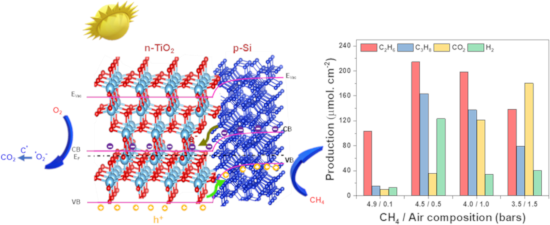
- the photocatalyst under dark and light conditions. The current of the sample under light conditions is higher than that under dark conditions. The slope of the I–V characteristic starts to increase, showing that generated electrons strongly influence the electrical properties of the samples. The


Unveiling the potential of alginate-based nanomaterials in sensing technology and smart delivery applications
Beilstein J. Nanotechnol. 2024, 15, 1077–1104, doi:10.3762/bjnano.15.88
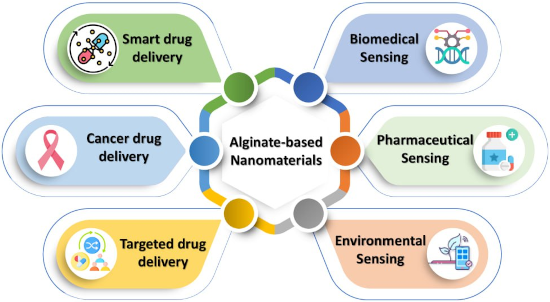
- . Also, alginate-based nanoparticles possess excellent mechanical and electrical properties, overcoming the limitations typically associated with biomaterials in sensing applications [73]. Drug delivery applications Alginate-based nanoparticles for smart DDSs Drug delivery systems are one of the areas in


Interface properties of nanostructured carbon-coated biological implants: an overview
Beilstein J. Nanotechnol. 2024, 15, 1041–1053, doi:10.3762/bjnano.15.85
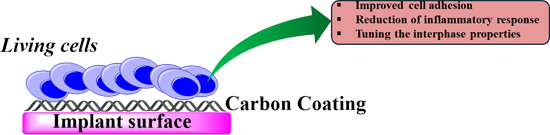
- rings, which prevents planar deformations [33]. The same phenomenon explains the high thermal conductivity of up to 3000 W·m−1·K−1 [34][35] and the outstanding electrical properties [36][37][38]. Compared to conventional 3D materials, the understanding of electronic transport and carrier dynamics in
- graphene. rGO is produced through direct reduction of GO using physical or chemical routes [49]. Thus, the carbon-to-oxygen ratio can be increased to values of around 8:1 to 246:1, significantly higher than those of GO [50]. The electrical properties show a remarkable improvement compared with GO, even if
- substances secreted and the effectiveness of CNT action. Carbon material coatings for improved mechanical, tribological, and electrical properties Performance and longevity of implants are closely related to their mechanical properties. A mismatch with tissues can potentially lead to stress shielding



Recent progress on field-effect transistor-based biosensors: device perspective
Beilstein J. Nanotechnol. 2024, 15, 977–994, doi:10.3762/bjnano.15.80
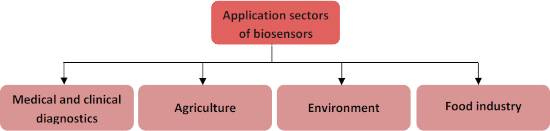
- 10.3762/bjnano.15.80 Abstract Over the last few decades, field-effect transistor (FET)-based biosensors have demonstrated great potential across various industries, including medical, food, agriculture, environmental, and military sectors. These biosensors leverage the electrical properties of transistors




Effect of repeating hydrothermal growth processes and rapid thermal annealing on CuO thin film properties
Beilstein J. Nanotechnol. 2024, 15, 743–754, doi:10.3762/bjnano.15.62
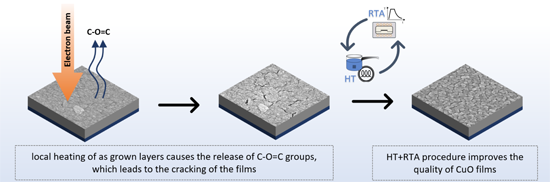
- , which allowed for the investigation of both topography and electrical properties of the films. Surface topography analysis was performed by utilizing an atomic force microscopy (AFM) operating in Peak Force Tapping mode. The surface was scanned at a resolution of 1024 × 1024 measurement points using a
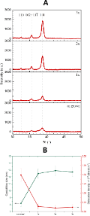
- , cupric CuO, cuprous Cu2O and the intermediate phase paramelaconite Cu4O3. The aforementioned phases of copper oxide have different physical and electrical properties, different colors, and crystal structures [55]. By examining the Raman spectra of copper oxide compounds, phase as well as chemical
- a lower signal, which means that the electrical properties of some grains had changed. These inhomogeneities may be caused by various factors. One is the effects occurring at grain boundaries or structural defects in the boundaries. The defects disrupt the crystalline order and affect the electronic




Modulated critical currents of spin-transfer torque-induced resistance changes in NiCu/Cu multilayered nanowires
Beilstein J. Nanotechnol. 2024, 15, 360–366, doi:10.3762/bjnano.15.32
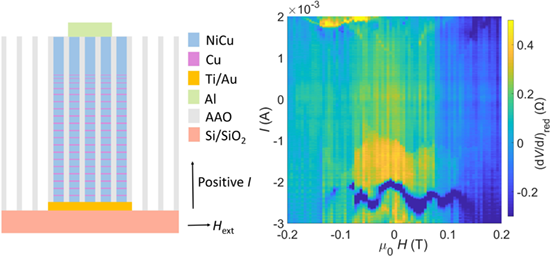
- with evenly spaced magnetic layers. The magnetic and magneto-electrical properties of the multilayered nanowire array were characterized in a conventional bath cryostat at a temperature of 4.2 K. The differential resistance (dV/dI) was measured using the lock-in technique with a modulation voltage (5


Controllable physicochemical properties of WOx thin films grown under glancing angle
Beilstein J. Nanotechnol. 2024, 15, 350–359, doi:10.3762/bjnano.15.31
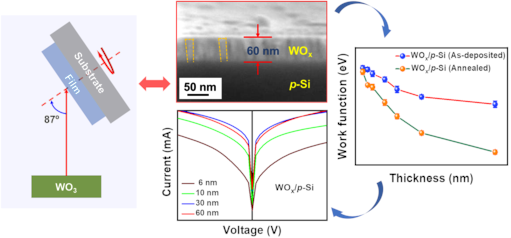
- fascinating optical and electrical properties [1]. WOx is a wide-bandgap oxide semiconductor with a large excitonic binding energy of 0.15 eV and a high optical absorption coefficient (≥104 cm−1 in the UV region) [2]. These, in conjunction with decent carrier mobility (12 cm2·V−1·s−1), make this material an
- structural, optical, and electrical properties of glancing angle-deposited NS-WOx thin films, where NS-WOx films of different thicknesses (6–60 nm) are prepared by rf sputtering and exposed to post-growth annealing at 673 K in vacuum (2 × 10⁻⁷ mbar). The role of increased oxygen vacancy concentration (OV) on
- contacts for solar cells. Conclusion A series of glancing angle-deposited NS-WOx thin films (6–60 nm) on p-Si substrates are investigated to achieve insights into their tuneable structural, optical, and electrical properties, such as crystallinity, bandgap, work function, and diode characteristics. As




Influence of conductive carbon and MnCo2O4 on morphological and electrical properties of hydrogels for electrochemical energy conversion
Beilstein J. Nanotechnol. 2024, 15, 57–70, doi:10.3762/bjnano.15.6
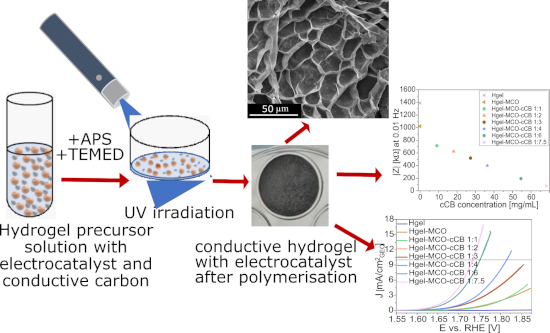
- were tested in terms of their electrical properties, showing that an increase in the concentration of conductive particles in the hydrogel structure translates into a lowering of the impedance modulus and an increase in the double-layer capacitance of the electrode. This, in turn, resulted in a higher
- catalytic activity of the electrode in the oxygen evolution reaction. The use of a hydrogel as a matrix to suspend the catalyst particles, and thus increase their availability through the electrolyte, seems to be an interesting and promising application approach. Keywords: electrical properties; energy
- structures were examined in terms of their morphology, electrical properties, and catalytic layers in the OER process. Results and Discussion Characterisation of hydrogel-based polymer composites with dispersed catalytic and conductive particles Scanning electron microscopy (SEM) analysis of hydrogel samples


A combined gas-phase dissociative ionization, dissociative electron attachment and deposition study on the potential FEBID precursor [Au(CH3)2Cl]2
Beilstein J. Nanotechnol. 2023, 14, 1178–1199, doi:10.3762/bjnano.14.98
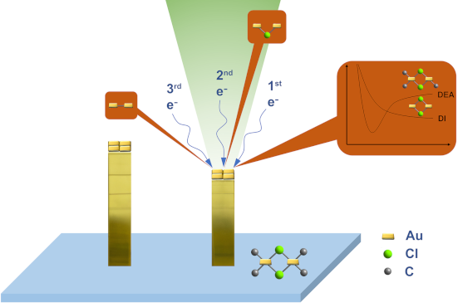
- ; quantum chemical calculation; ultrahigh vacuum; Introduction In recent years, gold nanostructures have received much attention owing to their dielectric properties [1], their biocompatibility [2], and their electrical properties [3][4], which enable a multitude of exciting applications in the field of



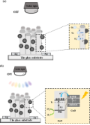
A visible-light photodetector based on heterojunctions between CuO nanoparticles and ZnO nanorods
Beilstein J. Nanotechnol. 2023, 14, 1018–1027, doi:10.3762/bjnano.14.84
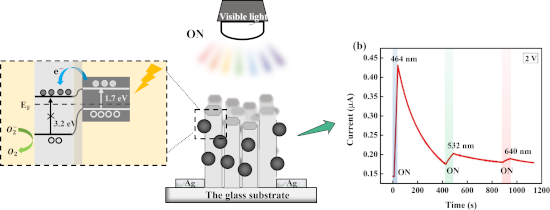
- the visible range is still a challenge regarding the widespread use of this nanomaterial. Traditional methods to modify ZnO, such as doping with transition metals [24] and decorating with noble metals [25], offer additional flexibility. Doping can significantly influence the optical and electrical
- properties of ZnO nanostructures, such as bandgap or conductivity [26]. Decorating ZnO with metals such as Ag, Au, Pd, Pt, and Al [27][28] can provide surface plasmonic effects that assist the electron transfer process in materials and extend the light absorption range of a photodetector [29][30]. However


Cross-sectional Kelvin probe force microscopy on III–V epitaxial multilayer stacks: challenges and perspectives
Beilstein J. Nanotechnol. 2023, 14, 725–737, doi:10.3762/bjnano.14.59
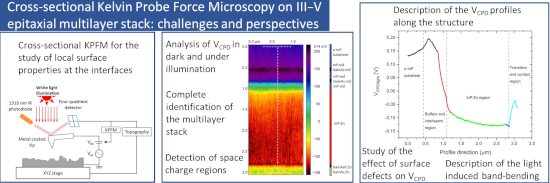
- containing numerous layers and interfaces [1]. The capability to conduct local investigations at the nanoscale level that provide information on the electrical properties of materials and along physical interfaces is becoming crucial for solar photovoltaic device efficiency improvement [2]. Electrical


Humidity-dependent electrical performance of CuO nanowire networks studied by electrochemical impedance spectroscopy
Beilstein J. Nanotechnol. 2023, 14, 683–691, doi:10.3762/bjnano.14.54
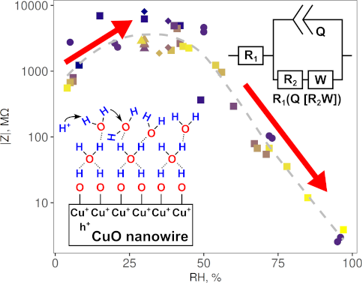
- nanowires are synthesized by thermal oxidation [9] and aligned between metallic microelectrodes by DEP [26]. Electrical properties of the nanowire-based system at various RH values are assessed by EIS [27][28]. To attempt a systematic study on the suitability of the CuO nanowire networks for different


Metal-organic framework-based nanomaterials as opto-electrochemical sensors for the detection of antibiotics and hormones: A review
Beilstein J. Nanotechnol. 2023, 14, 631–673, doi:10.3762/bjnano.14.52
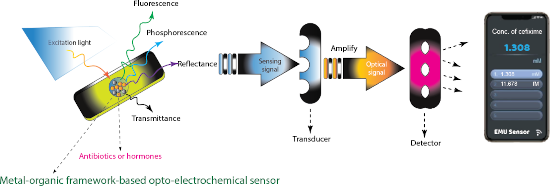
- electrical properties. Because of the typically insulating properties of the organic linkers and low levels of π–π-orbital conjugation, significant electrical conductivity is uncommon in MOFs. Even though MOFs’ electronic characteristics have not received much attention, their potential as electrically
- conductive porous materials has only recently come to light. Recent research has demonstrated that the nature of metal clusters, their size, and the kind of organic linkers all affect the MOFs’ electronic properties [80][81]. To clarify the electrical properties of MOFs, Kuc et al. [80] used tight-binding


Carbon nanotube-cellulose ink for rapid solvent identification
Beilstein J. Nanotechnol. 2023, 14, 535–543, doi:10.3762/bjnano.14.44
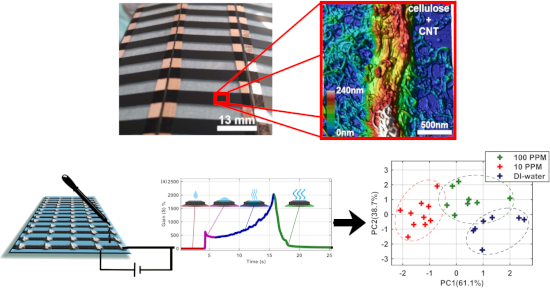
- of lightweight materials comprising a conductive ingredient (e.g., carbon nanotubes (CNTs), graphene, graphene oxide, and metal particles) embedded in a polymer matrix, have been extensively studied as liquid sensors [14][15][16][17][21][22]. The main idea is to combine the responsive electrical
- properties of carbon nanostructured materials with the polymer’s distinguished mechanical properties. These composites are usually non-selective and can react to various ambient stimuli [20][22][23][24][25][26][27][28][29]. Among polymers, cellulose is the most abundant natural organic polymer on earth. It


Bismuth-based nanostructured photocatalysts for the remediation of antibiotics and organic dyes
Beilstein J. Nanotechnol. 2023, 14, 291–321, doi:10.3762/bjnano.14.26
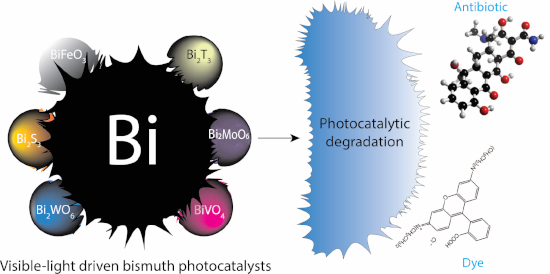
- susceptibility, ferroelectricity, photostability and useful electrical properties [102][103][104][105]. The highest visible-light photocatalytic activity among bismuth-based oxides with a similar structure has been observed for Bi2WO6, which can be attributed to its distinctive structure [103][104]. It is


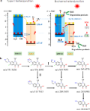
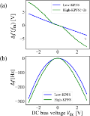
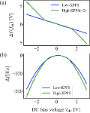
High–low Kelvin probe force spectroscopy for measuring the interface state density
Beilstein J. Nanotechnol. 2023, 14, 175–189, doi:10.3762/bjnano.14.18

- force spectroscopy; Introduction With the recent miniaturization of semiconductor devices, understanding the physical and electrical properties of semiconductor devices, such as the dopant concentration, dopant distribution, and defect level distribution, at the nanoscale has become important. Among



Electrical and optical enhancement of ITO/Mo bilayer thin films via laser annealing
Beilstein J. Nanotechnol. 2022, 13, 1589–1595, doi:10.3762/bjnano.13.133
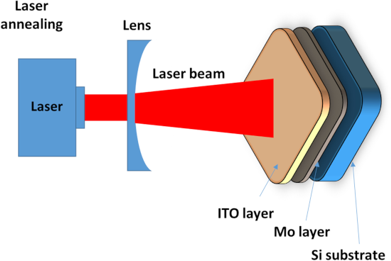
- significantly improve the electrical properties without affecting the optical transmission [9]. Several metals have been used for such thin layers, including silver [10], aluminium [11], copper [12], and gold [13]. Molybdenum thin films are another choice for the application in solar cells because of good
- roughness. In this work, we investigate the effect of laser annealing treatment on ITO/Mo (IM) bilayer thin films as transparent conducting material for solar cell applications. The structural, optical, and electrical properties of the IM structure were examined as functions of the laser energy
- roughness of the bilayer structure were studied utilizing an atomic force microscope (AFM, Bruker Dimension Edge) and the Gwyddion software. The optical transmission was measured using an UV–vis spectrophotometer (UV-3600i Plus, SHIMADZU) in the range of λ = 300–800 nm. Finally, the electrical properties


From a free electron gas to confined states: A mixed island of PTCDA and copper phthalocyanine on Ag(111)
Beilstein J. Nanotechnol. 2022, 13, 1572–1577, doi:10.3762/bjnano.13.131
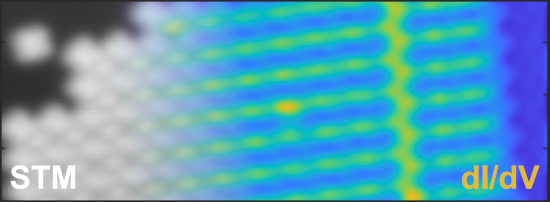
- mixed phase with a phthalocyanine molecule that exhibits different electrical properties, such as has been reported for a mixed phase of tin phthalocyanine (SnPc) with PTCDA [28]. SnPc acts very similarly to CuPc, except the aforementioned F-LUMO is not completely depleted but remains partially filled


Structural studies and selected physical investigations of LiCoO2 obtained by combustion synthesis
Beilstein J. Nanotechnol. 2022, 13, 1473–1482, doi:10.3762/bjnano.13.121

- decreases, and, hence, the size of the crystallites increases. XRD analysis showed that phase-pure LiCoO2 material was maintained without additional phases. EPR studies revealed the presence of two Ni3+ complexes resulting from Ni impurities. The electrical properties of the studied LiCoO2 samples were
- conductivity and comparison of electrical properties of LCO powders) by using impedance spectroscopy (IS). Our studies provide important information on the mechanism of formation, particle growth, size, shape, and the control of these parameters during synthesis. Materials and Methods Synthesis of LiCoO2
- (Oxford Instruments, England). The concentration of paramagnetic ions was obtained using the procedure described elsewhere [61]. Spectral simulations were performed by applying the EasySpin software (version 5.2.27) [62]. Electrical properties The electrical properties of the investigated LiCoO2 doped




Recent trends in Bi-based nanomaterials: challenges, fabrication, enhancement techniques, and environmental applications
Beilstein J. Nanotechnol. 2022, 13, 1316–1336, doi:10.3762/bjnano.13.109
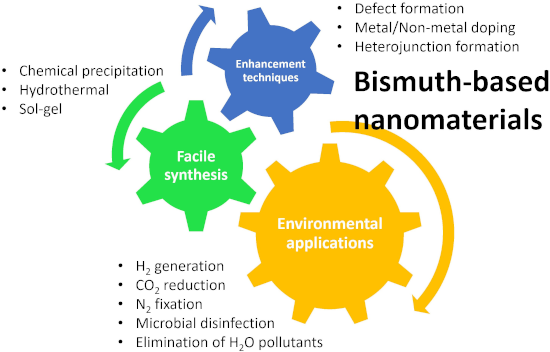
- , heterostructure formation, interface modification, and Bi-content enhancement, have been employed. Defect formation Vacancies and defects affect the electrical properties of Bi-based semiconductor photocatalysts and, hence, govern the photocatalytic efficacy. Rao et al. reported an N2-assisted heat treatment




Enhanced electronic transport properties of Te roll-like nanostructures
Beilstein J. Nanotechnol. 2022, 13, 1284–1291, doi:10.3762/bjnano.13.106
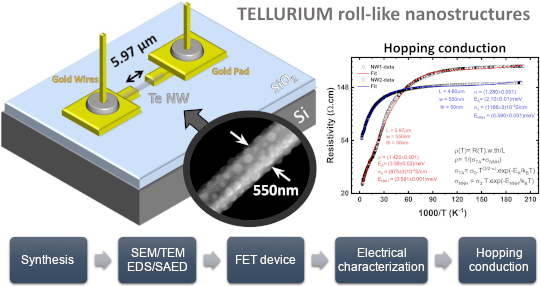
- electrical properties of these nanostructures, with a small disorder, and superior quality for nanodevice applications. Keywords: electrical characterization; field-effect transistors; hopping conduction; nanobelts; tellurium; Introduction The chalcogen tellurium (Te) is a rare element (0.002 ppm) in the
- these electrical properties with the facile synthesis of one-dimensional nanostructures may bring potential applications of this material in nanoscale optoelectronic integrated devices. However, only a few works have been dedicated to studying the electrical transport in Te-based one-dimensional
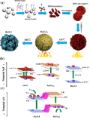
- ionization energy of the defects found on these nanostructures also favors the control of doping and, consequently, the electrical properties of the nanowires. These superior quality transport properties demonstrate the potential use of t-Te roll-like nanostructures for electronic device applications. (a–c




Studies of probe tip materials by atomic force microscopy: a review
Beilstein J. Nanotechnol. 2022, 13, 1256–1267, doi:10.3762/bjnano.13.104
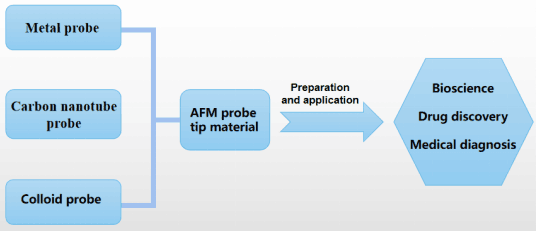
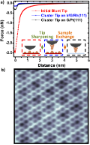
- future, such probes will enable previously unexplored conductivity measurements, such as measurements of semiconductor nanostructures or electrical conductivity on insulating substrates. Conductive atomic force microscopy (C-AFM) can be used to characterize the electrical properties of semi-conductive
Comparing the performance of single and multifrequency Kelvin probe force microscopy techniques in air and water
Beilstein J. Nanotechnol. 2022, 13, 922–943, doi:10.3762/bjnano.13.82
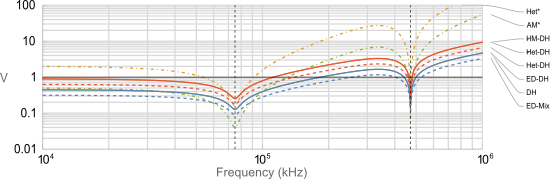
- of topography and surface properties of interfaces in a wide range of environments [1]. Kelvin probe force microscopy (KPFM) utilizes the application of a bias and a conductive probe to map the local electrical properties of an interface at the nanoscale [2], allowing for the determination of the
- local contact potential difference (CPD) between the probe and the sample. This, in turn, allows the work function of the sample to be measured if the work function of the probe is known and vice versa. The mapping of local electrical properties of the interface is essential to further our understanding
Optimizing PMMA solutions to suppress contamination in the transfer of CVD graphene for batch production
Beilstein J. Nanotechnol. 2022, 13, 796–806, doi:10.3762/bjnano.13.70
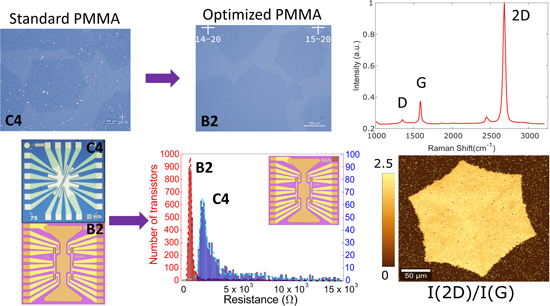
- be considered: (i) metallic particles from the Cu or Ni etching process and (ii) PMMA residues after the removal and rinsing processes. Both contaminations are leading causes of undesired p-type doping in CVD graphene, accompanied by a deterioration of its electrical properties [19][20][21][22]. The