

Search results
Search for "spectroscopy" in Full Text gives 1440 result(s) in Beilstein Journal of Nanotechnology. Showing first 200.
Durable antimicrobial activity of fabrics functionalized with zeolite ion-exchanged nanomaterials against Staphylococcus aureus and Escherichia coli
Beilstein J. Nanotechnol. 2026, 17, 262–274, doi:10.3762/bjnano.17.18
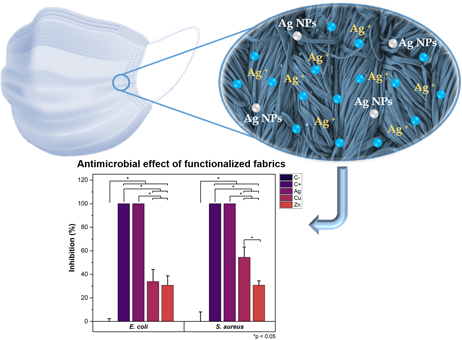
- plasma optical emission spectroscopy (ICP-OES). The results confirmed silver, copper, and zinc contents of around 1.0–1.5 atom % [4]. Energy-dispersive X-ray spectroscopy (EDS) analysis performed on the functionalized fabrics in the present work confirmed the presence of silver (1.3 wt %), as well as




Multilayered hyperbolic Au/TiO2 nanostructures for enhancing the nonlinear response around the epsilon-near-zero point
Beilstein J. Nanotechnol. 2026, 17, 251–261, doi:10.3762/bjnano.17.17
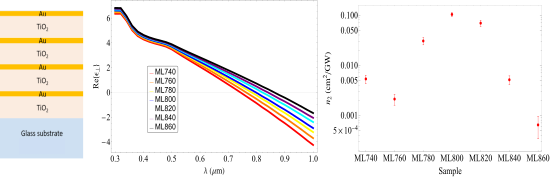
- layered Ag/TiO2 and determined via spectroscopy that its ENZ point laid within the visible spectrum [7]. Since then, a wide array of layered metal–dielectric configurations have been demonstrated, including silver-based combinations such as Ag/SiO2 [1], Ag/Al2O3 [6], Ag/LiF [8], Ag/TiO2 [9], Ag/Ge [10
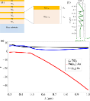


Gold nanoparticle-decorated reduced graphene oxide as a highly effective catalyst for the selective α,β-dehydrogenation of N-alkyl-4-piperidones
Beilstein J. Nanotechnol. 2026, 17, 218–238, doi:10.3762/bjnano.17.15
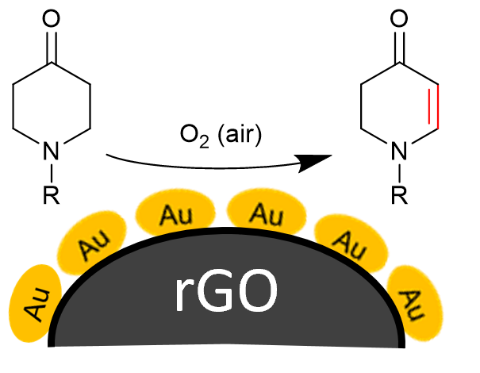
- diffraction (PXRD) (see Supporting Information File 1). An ice-cold solution of sodium borohydride (NaBH4) was added dropwise to an aqueous solution containing KAuCl4 and the sodium salt of SiW9, resulting in the formation of an orange-brown dispersion (Figure 1b). UV–vis spectroscopy revealed the
- the average size of nanoparticles based on X-ray diffraction data. To verify the gold loading in the Au-SiW9/rGO composite, a carefully weighed aliquot was dissolved in a microwave digestion system using conc. HNO3 (70%) and diluted HCl (5%) for atomic absorption spectroscopy (AAS). The measured gold
- functionalities of rGO were investigated by X-ray photoelectron spectroscopy (XPS) in the composite Au-SiW9/rGO. The Au 4f region (Figure 11a) shows two dominant peaks at 84.1 eV (Au 4f7/2) and 87.8 eV (Au 4f5/2), which correspond to metallic Au0, which is the initial catalytically active form in oxidative


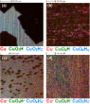
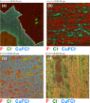
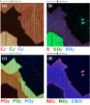
Time of flight secondary ion mass spectrometry imaging of contaminant species in chemical vapour deposited graphene on copper
Beilstein J. Nanotechnol. 2026, 17, 200–213, doi:10.3762/bjnano.17.13
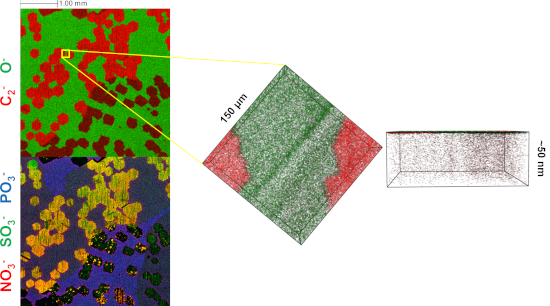
- single crystals [3][20][21][22][23], utilising Raman spectroscopy to confirm the physical structure of the graphene [24][25][26] and X-ray photoelectron spectroscopy (XPS) to confirm the sp2 bonding configuration [27][28]. However, there is typically little consideration given to possible chemical
- of 30 nA were used for sputtering cycles. The interleaved image spectra were acquired using 25 keV Bi3+ ions from a liquid metal ion gun, orientated at 45° to the sample surface. This was operated at an ion current of 0.1 pA, in an interlaced mode with a cycle time of 100 µs, in spectroscopy mode to
- of copper or copper oxide. However, as recent studies have shown through energy-dispersive X-ray spectroscopy mapping [30], there are significant other contaminants detectable on high-purity Cu foils that can influence graphene nucleation and can remain after growth [31]. A more detailed examination





Structure-dependent thermochromism of PAZO thin films: theory and experiment
Beilstein J. Nanotechnol. 2026, 17, 186–199, doi:10.3762/bjnano.17.12
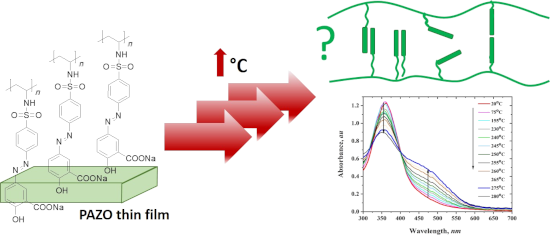
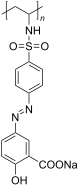
- other molecules (the interactions between polymer chains can be considered as major factors in the case of a polymer thin film). Infrared (IR) spectroscopy is a powerful tool for understanding the effects of thermal treatment on polymers that can cause significant changes in their IR spectra, revealing


Development and in vitro evaluation of liposomes and immunoliposomes containing 5-fluorouracil and R-phycoerythrin as a potential phototheranostic system for colorectal cancer
Beilstein J. Nanotechnol. 2026, 17, 97–121, doi:10.3762/bjnano.17.7
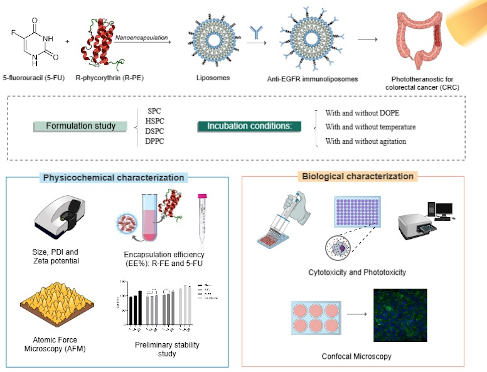
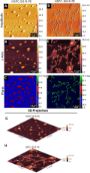
- from [e.g., n = 507] HSPC-50-R-PE control liposomes and [e.g., n = 788] HSPC-IM-R-PE immunoliposomes, which were obtained from six and eight independent AFM images, respectively. 2.4 Fourier transform infrared spectroscopy Drug–nanoparticle interactions were studied by subjecting the previously
- lyophilized samples to Fourier-transform infrared (FTIR) spectroscopy in an FTIR spectrophotometer (IRTracer-100, Shimazdzu, Japan), with a horizontal attenuated total reflectance accessory. The scan was performed in the range of 500 to 4000 cm−1 [27]. 2.5 Stability study After physicochemical
- protein corona formation under physiological conditions [63]. These findings highlight the importance of surface characterization by AFM in the development and optimization of nanoparticles. 3.4 Fourier-transform infrared spectroscopy assays The FTIR spectra obtained for the formulations showed the



Functional surface engineering for cultural heritage protection: the role of superhydrophobic and superoleophobic coatings – a comprehensive review
Beilstein J. Nanotechnol. 2026, 17, 63–96, doi:10.3762/bjnano.17.6
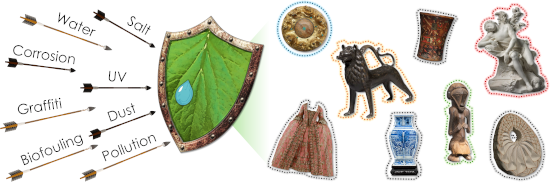
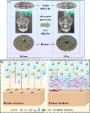
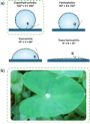
- formulation allows for the creation of thick, durable coatings (up to 80 µm) without sacrificing polymerization efficiency, as confirmed by Raman spectroscopy. Because of its UV-curing capability, the coating forms a hardened, protective layer within just 1–2 min. By incorporating vinylated alkyd oligomers




Reduced graphene oxide paper electrode for lithium-ion cells – towards optimized thermal reduction
Beilstein J. Nanotechnol. 2026, 17, 24–37, doi:10.3762/bjnano.17.3
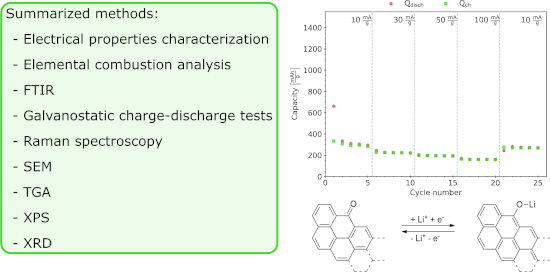
- samples per material, that is, M300, T400, T600, and T800. Raman spectroscopy The structural properties of the rGO paper sheets were studied with Raman spectroscopy (InVia Renishaw spectrometer). The spectra were collected with three accumulations, a 10 s exposure time, and 1% laser power (laser
- functionalities within the rGO paper, Fourier-transform infrared (FTIR) spectroscopy was applied in attenuated total reflectance mode. The equipment involved a Perkin Elmer Frontier FTIR spectrometer. The spectra were obtained in the 520–4000 cm−1 wavenumber range with baseline calibration and normalized (0 to
- 100). XPS X-ray photoelectron spectroscopy was applied to determine the surface concentrations of chemical bonds. The equipment applied was a PHI VersaProbeII Scanning XPS system with monochromatic Al Kα (1486.6 eV) X-rays (100 μm spot focused). High-energy-resolution spectra were obtained with 46.95



Terahertz-range on-chip local oscillator based on Josephson junction arrays for superconducting quantum-limited receivers
Beilstein J. Nanotechnol. 2025, 16, 2296–2305, doi:10.3762/bjnano.16.158
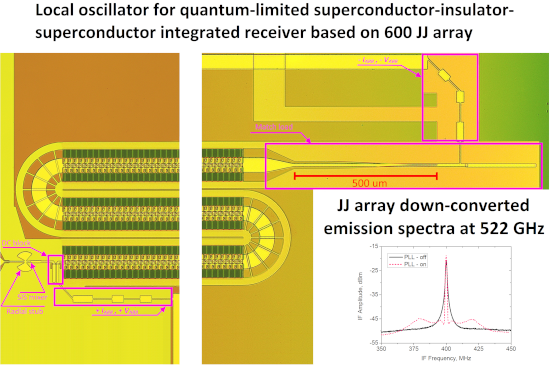
- proven itself for many times both in laboratory and in real-life conditions. The terahertz SIS-mixer integrated on the same chip with the LO based on a flux-flow oscillator (FFO) and a receiving antenna [13] was used to study the irradiation of the human body [15], gas spectroscopy [16], and the
- ]. The measurements from the previous section show that this requirement is confidently met. Second, the LO radiation must be sufficiently monochromatic (spectral ratio ≥90%) in order to prevent signal spectra change while down-conversion to IF. Furthermore, for applications in spectroscopy, phase


Improving magnetic properties of Mn- and Zn-doped core–shell iron oxide nanoparticles by tuning their size
Beilstein J. Nanotechnol. 2025, 16, 2285–2295, doi:10.3762/bjnano.16.157
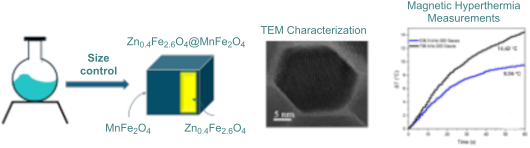
- least tenfold). The designed core NPs are composed of a Zn0.4Fe2.6O4 core and a MnFe2O4 shell. Their size and morphology were determined by transmission electron microscopy, Fourier-transform infrared spectroscopy was used to investigate their chemical composition. The iron oxide phase was confirmed by
- while expecting good biocompatibility. The use of size-controlled synthesis enables the exploration of size-dependent magnetic properties, while the direct characterization of the core–shell structure using Fourier-transform infrared spectroscopy (FTIR) and high-resolution transmission electron
- on a JEOL JEM-ARM 200F cold-FEG microscope operating at 200 kV and equipped with a spherical aberration probe corrector (Cs). The chemical compositions were determined by energy-dispersive X-ray spectroscopy The elemental maps were recorded on a SDD, Jeol DRY SD 30 GV X-ray spectrometer. NP shapes



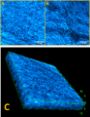
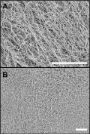
Visualizing nanostructures in supramolecular hydrogels: a correlative study using confocal and cryogenic scanning electron microscopy
Beilstein J. Nanotechnol. 2025, 16, 2274–2284, doi:10.3762/bjnano.16.156
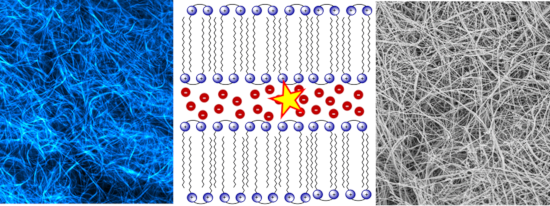
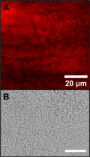
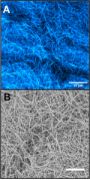
- observed upon mixing aqueous and ethanolic solutions, and gelation generally occurred in less than one minute (as judged by vial inversion) to yield the gel materials containing the chosen fluorophore. Photophysical characterization of fluorophore@Gels UV–visible absorption spectroscopy was performed using
- a Cary 5000 UV–visible spectrophotometer (Agilent). Fluorescence spectroscopy and absolute fluorescence quantum yield measurements (given in Supporting Information File 1) were carried out on a FLS 980 spectrometer (Edinburgh Instruments) equipped with a front face sample holder or integrating




Geometry-controlled engineering of the low-temperature proximity effect in normal metal–superconductor junctions
Beilstein J. Nanotechnol. 2025, 16, 2265–2273, doi:10.3762/bjnano.16.155
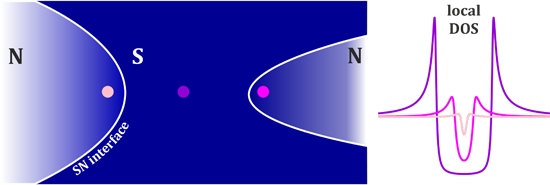
- experiments, where the DOS remains nonzero at low energies. This broadening arises from inelastic scattering, interface imperfections, and finite quasiparticle lifetimes [46][53][57]. Experimentally, the proximity gap can be probed by tunneling spectroscopy by measuring the differential conductance dI/dV on


Chiral plasmonic nanostructures fabricated with circularly polarized light
Beilstein J. Nanotechnol. 2025, 16, 2245–2264, doi:10.3762/bjnano.16.154
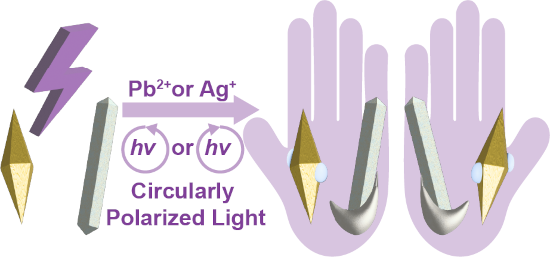
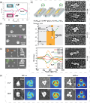
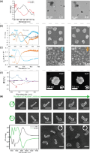
- reported. The authors of [59] conducted single-particle circular differential scattering spectroscopy (CDS) on their Au nanocubes. In a recent study, enhanced structural chirality of all-metal PNSs was achieved through galvanic replacement reactions (GRRs) modulated by CPL when achiral seeds were
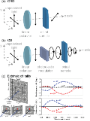
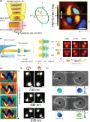
- field. This section will cover the experimental methods for observing the near fields of cPNSs. Advanced techniques, such as near-field scanning optical microscopy (NSOM), cathodoluminescence (CL), electron energy loss spectroscopy (EELS), and photoemission electron microscopy (PEEM), offer spatial
- optical spectroscopy, such as CD. However, characterizing local chiral domains can be more challenging. References [21][22] have offered valuable insights through simulations, crystallographic analysis, and high-resolution TEM. A more general model would be desirable through further in-depth studies. 4.2





Optical bio/chemical sensors for vitamin B12 analysis in food and pharmaceuticals: state of the art, challenges, and future outlooks
Beilstein J. Nanotechnol. 2025, 16, 2207–2244, doi:10.3762/bjnano.16.153
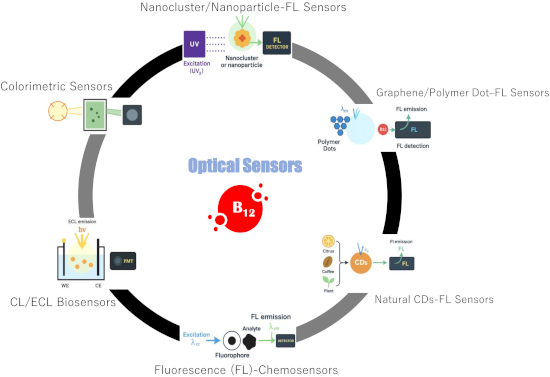
- different food and pharma formulations include high-performance liquid chromatography (HPLC) [14], HPLC coupled with inductively coupled plasma-mass spectrometry (ICP-MS) [15], and a diode array detector [16], atomic absorption spectroscopy [17], surface-enhanced Raman spectroscopy [18][19], capillary


Electromagnetic study of a split-ring resonator metamaterial with cold-electron bolometers
Beilstein J. Nanotechnol. 2025, 16, 2199–2206, doi:10.3762/bjnano.16.152
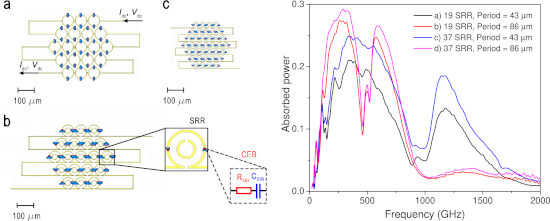
- achieve an optimal balance between power load, responsivity, and total noise [17][22]. This capability is particularly critical for applications like cosmic microwave background polarimetry or high-resolution spectroscopy, where the detector must operate photon-noise-limited under a specific background


Ultrathin water layers on mannosylated gold nanoparticles
Beilstein J. Nanotechnol. 2025, 16, 2183–2198, doi:10.3762/bjnano.16.151
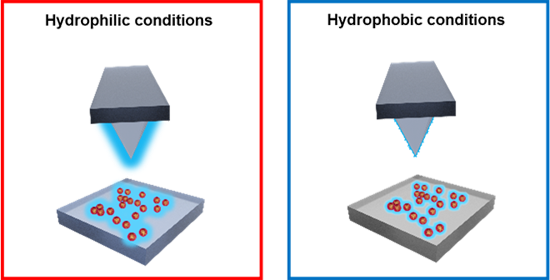
- light scattering, and infrared spectroscopy. We probed particles adsorbed on hydrophilic and hydrophobic surfaces with atomic force microscopy (AFM) and vibrational sum frequency generation (VSFG) spectroscopy, both operated under variable air humidity. For AFM, we additionally tested hydrophilic and
- transmission of airborne viruses, such as influenza. Keywords: AFM; humidity; hydrophilicity; hydrophobicity; nanoparticles; sum frequency generation spectroscopy; viruses; water; wetting; Introduction Gold nanoparticles (AuNPs) have been a staple in biomedical and biophysical research [1][2] for almost a
- inorganic surfaces, usually modified with organic layers, and probed by Fourier-transform infrared spectroscopy (FTIR), vibrational sum frequency generation (VSFG), and atomic force microscopy (AFM). For VSFG and AFM, we systematically varied the relative air humidity (RH). DLS and ZP yield particle size



Microplastic pollution in Himalayan lakes: assessment, risks, and sustainable remediation strategies
Beilstein J. Nanotechnol. 2025, 16, 2144–2167, doi:10.3762/bjnano.16.148

- isolated locations is, however, limited by factors such as harsh climatic conditions, logistical challenges, and the need for expert analytical techniques like microscopy and spectroscopy. The present review considers sources, pathways, and ecological impacts of microplastics in Himalayan lakes compared to
- understanding the full contamination profile in remote ecosystems [33]. An overview of MP sampling and analysis methods is given in Figure 3. 4.2 Analytical techniques for microplastic characterization 4.2.1 Spectroscopy. One of the key methods of analyzing MPs is spectroscopy. Fourier-transform infrared (FTIR
- ) spectroscopy is used regularly to identify the chemical structure of MPs [34]. One of the most important developments for nanoplastic detection in complex environmental matrices is micro-FTIR to analyze particles smaller than 10 µm [35]. Raman spectroscopy improves on FTIR by using higher resolution and the


Quality by design optimization of microemulsions for topical delivery of Passiflora setacea seed oil
Beilstein J. Nanotechnol. 2025, 16, 2116–2131, doi:10.3762/bjnano.16.146
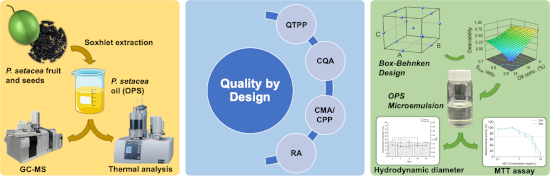
- ), followed by gas chromatography coupled with mass spectroscopy (GC–MS) analysis. The relative composition of fatty acids is presented in Table 1, and the corresponding chromatogram is provided in Figure S1 (Supporting Information File 1). The major constituents identified in OPS were linoleic acid (64.69


Stereodiscrimination of guests in chiral organosilica aerogels studied by ESR spectroscopy
Beilstein J. Nanotechnol. 2025, 16, 2034–2054, doi:10.3762/bjnano.16.140
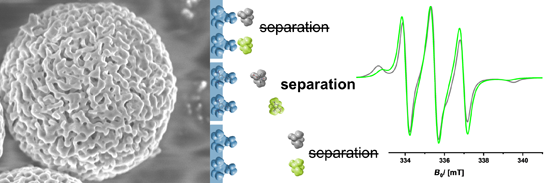
- necessary to reach separation is an important point. We have employed the two enantiomers of a chiral, nitroxide-based spin probe as guests in organo-modified macroporous host materials and applied ESR spectroscopy as a tool to investigate their rotational mobility. Using a well-established and commercially
- chemistry; ESR spectroscopy; organic inorganic hybrids; porous materials; Introduction Chiral materials represent an evolving research field that focuses on materials whose structures lack mirror symmetry [1][2][3]. The materials exhibit chirality, and a good overview of important developments was given by
- measurements more difficult. There are other valuable methods for investigating transport in porous media such as gas-adsorption methods, X-ray tomography [24][25], neutron imaging techniques [26][27], optical imaging techniques [27][28], or impedance spectroscopy [29][30]. For all of them, it is difficult to




Beyond the shell: exploring polymer–lipid interfaces in core–shell nanofibers to carry hyaluronic acid and β-caryophyllene
Beilstein J. Nanotechnol. 2025, 16, 2015–2033, doi:10.3762/bjnano.16.139
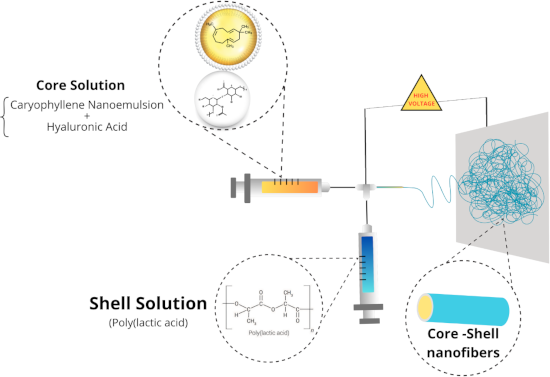
- -sectional imaging, and attenuated total reflectance with Fourier transform infrared (ATR-FTIR) spectroscopy provided compelling evidence for the successful formation of the intended core–shell structure. The resulting nanofibers exhibited surface hydrophobicity, suggesting potential for anti-adhesive
- to increased water ingress through the pores, facilitating access to the core [58]. This possibility is also described by Wang and Xu (2018), who successfully prepared tea polyphenol-loaded porous core–shell fibers by controlling coaxial electrospinning parameters [56]. ATR-FTIR spectroscopy has been
- acid and β-caryophyllene. The application of coaxial electrospinning allowed the formation of well-defined core–shell structures, as confirmed by morphological, spectroscopic, and thermal analyses. Efficient core encapsulation was evidenced by confocal microscopy, FTIR spectroscopy, and selective core




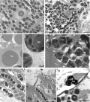
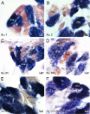
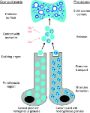
The cement of the tube-dwelling polychaete Sabellaria alveolata: a complex composite adhesive material
Beilstein J. Nanotechnol. 2025, 16, 1998–2014, doi:10.3762/bjnano.16.138
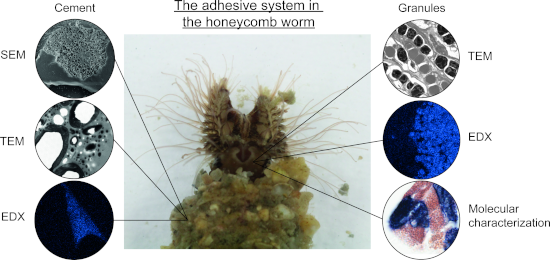
- composition of cement cell granules, we used energy-dispersive X-ray spectroscopy (EDS) coupled with scanning electron microscopy (SEM). Elemental composition was measured on four secretory granules of both types of cement cells in the parathoracic part of worms embedded in Spurr resin (TEM blocks). Using the



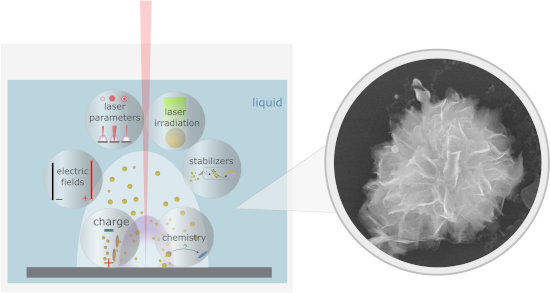
Laser ablation in liquids for shape-tailored synthesis of nanomaterials: status and challenges
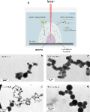
Beilstein J. Nanotechnol. 2025, 16, 1963–1997, doi:10.3762/bjnano.16.137





Evaluating metal-organic precursors for focused ion beam-induced deposition through solid-layer decomposition analysis
Beilstein J. Nanotechnol. 2025, 16, 1942–1951, doi:10.3762/bjnano.16.135
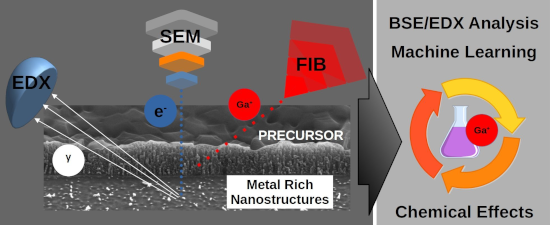
- new metal-organic precursors, in the form of supported thick layers, to the ion beam irradiation is studied through analysis of the chemical composition and morphology of the resulting structures. This is done using SEM backscattered electron/energy-dispersive X-ray spectroscopy along with machine
- -dispersive X-ray spectroscopy (EDX); focused ion beam (FIB); focused ion beam-induced deposition (FIBID); machine learning; scanning electron microscopy (SEM); Introduction A variety of nanomanufacturing techniques, such as optical and electron-beam lithography, nanoimprint lithography, atomic layer
- adsorbed on the surface, such as electron-stimulated desorption, high-resolution electron energy loss spectroscopy, and focused electron beam secondary ion mass spectrometry [5]. To characterize compounds in terms of their applicability in the FIBID process, comparisons are made with the FEBID process, and


PEGylated lipids in lipid nanoparticle delivery dynamics and therapeutic innovation
Beilstein J. Nanotechnol. 2025, 16, 1914–1930, doi:10.3762/bjnano.16.133
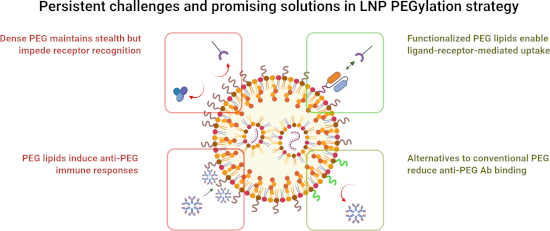
- analyzed by high-field 1H NMR spectroscopy and diffusion-filter techniques. The ALC-0159 PEG lipid consists of a PEG2k chain conjugated to a C14–C14 dialkyl glycerol anchor. The surface PEG chain density was estimated at 27.3 PEG chains per 100 nm2 according to the average LNP diameter of 77 nm; this



Low-temperature AFM with a microwave cavity optomechanical transducer
Beilstein J. Nanotechnol. 2025, 16, 1873–1882, doi:10.3762/bjnano.16.130
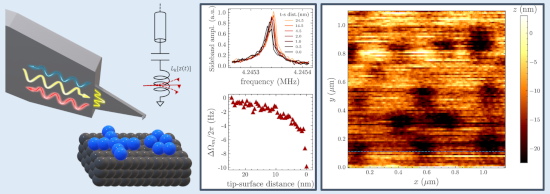
- experiment, components after the cavity in the measurement chain introduce additional imprecision noise, expressed as an added number of noise photons nadd: The added noise in our setup (Figure 1d) is determined by the cryogenic low-noise amplifier (LNA) mounted at the 4 K stage. We use Planck spectroscopy