Search results
Search for "strain" in Full Text gives 403 result(s) in Beilstein Journal of Nanotechnology. Showing first 200.
Cross-reactivities in conjugation reactions involving iron oxide nanoparticles
Beilstein J. Nanotechnol. 2025, 16, 1504–1521, doi:10.3762/bjnano.16.106
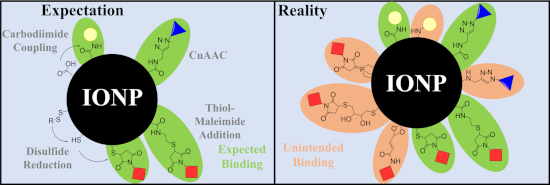
- thiol- and maleimide-functionalized components, with no other additions required. The thiol addition to the maleimide double bond is highly favorable due to the electron withdrawing properties of its carbonyls, as well as the release of ring strain accompanying the formation of the thioether linkage [29







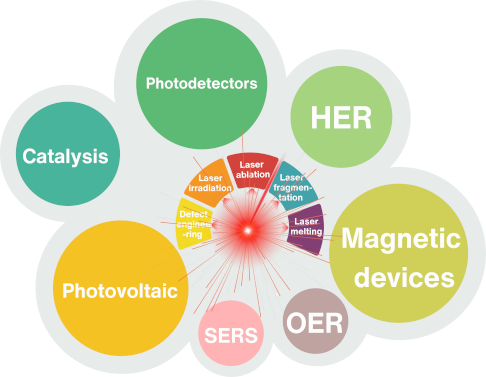
Laser processing in liquids: insights into nanocolloid generation and thin film integration for energy, photonic, and sensing applications
Beilstein J. Nanotechnol. 2025, 16, 1428–1498, doi:10.3762/bjnano.16.104
- . This method is widely utilized for forming thin films primarily for characterization purposes such as XRD, AFM, and photoluminescence (PL). However, apart from factors like strain of the substrate or temperature, if any applied to the substrate, no significant control over the film formation is






Synthesis and antibacterial properties of nanosilver-modified cellulose triacetate membranes for seawater desalination
Beilstein J. Nanotechnol. 2025, 16, 1380–1391, doi:10.3762/bjnano.16.100
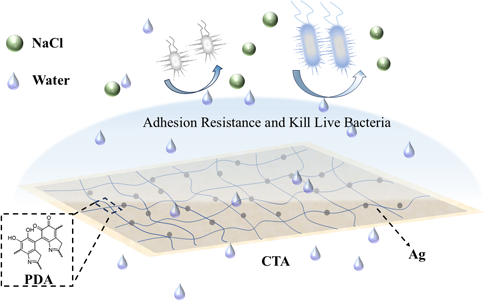
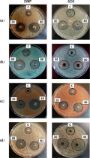
- approximately 78.5 mm2 pieces, which were disinfected with ultraviolet light for 30 min. A lawn of the experimental strain was prepared on NB medium (0.3 wt % beef extract, 0.1 wt % yeast extract, 0.5 wt % peptone, 1% sucrose, and 0.5 wt % NaCl), with an original concentration of 1 × 10⁶ CFU·mL−1 through
- spreading 25 µL bacterial liquid on each plate. The sterilized membranes were then placed on the top of the plate containing the attached bacterial strain and then incubated at 28 °C for 24 h. The antibacterial efficacy of each membrane was assessed by measuring the size of the inhibition zone against


Enhancing the therapeutical potential of metalloantibiotics using nano-based delivery systems
Beilstein J. Nanotechnol. 2025, 16, 1350–1366, doi:10.3762/bjnano.16.98
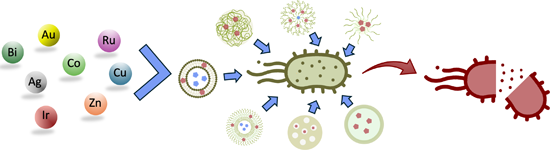
- antimicrobial testing of the liposomal formulation against clinical isolates revealed a remarkable reduction in MIC and MBC when compared to free tobramycin. Notably, the formulation eradicated a highly resistant P. aeruginosa strain at concentrations 1000-fold lower than the free antibiotic. The enhanced


Enhancing the photoelectrochemical performance of BiOI-derived BiVO4 films by controlled-intensity current electrodeposition
Beilstein J. Nanotechnol. 2025, 16, 1289–1301, doi:10.3762/bjnano.16.94
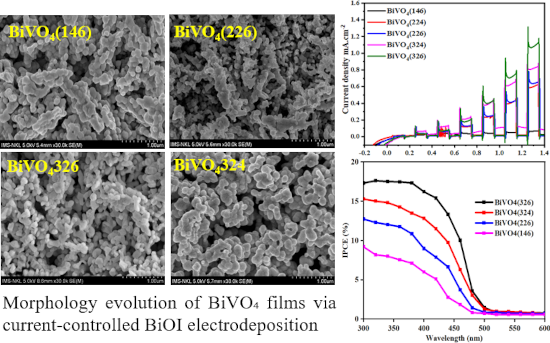
- sizes, indicating an improved crystalline quality. BiVO4(326) exhibited the largest average crystallite size (≈40 nm), consistent with the enhanced PEC performance and reduced lattice strain observed in the Raman analysis. Morphological characterization (FESEM) Field-emission scanning electron
- ), align with the optical and Raman results, highlighting the impact of the optimized deposition parameters on PEC performance. The FESEM images also revealed that the films prepared at higher current densities exhibited well-defined grain boundaries, which correlated with the reduced lattice strain
- deposition parameters indicates a reduction in the structural defects and lattice strain. The vibrational modes at 329 cm−1 and 370 cm−1, corresponding to the asymmetric and symmetric deformations of the V–O bond [30][31], respectively, showed a strong correlation with XRD-derived grain size variations



Acrocomia aculeata oil-loaded nanoemulsion: development, anti-inflammatory properties, and cytotoxicity evaluation
Beilstein J. Nanotechnol. 2025, 16, 1277–1288, doi:10.3762/bjnano.16.93
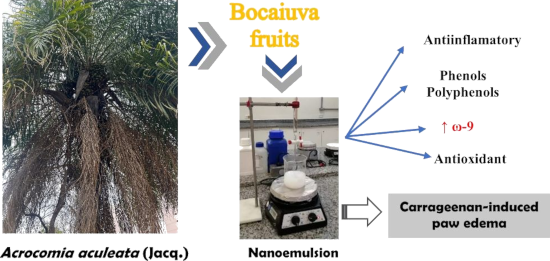
- the absorbance of the solvent, and AC is the absorbance of the positive control [61][62]. Cytotoxic activity The cytotoxic activity of AANE was evaluated in murine macrophages of the J774 strain (ATCC USA) according to the technique described by Nakayama and colleagues [64]. Staurosporine (5 μg/mL


Chitosan nanocomposite containing rotenoids: an alternative bioinsecticidal approach for the management of Aedes aegypti
Beilstein J. Nanotechnol. 2025, 16, 1197–1208, doi:10.3762/bjnano.16.88
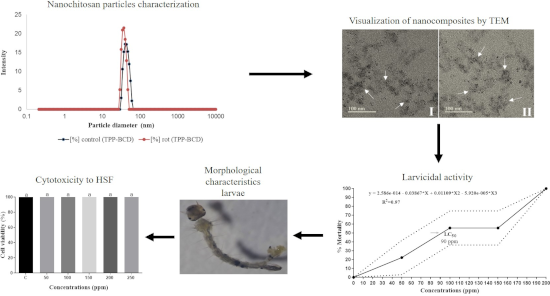
- disease vectors and the prevention of urban arboviral diseases. Materials and Methods Biological material Aedes aegypti The larvae of Ae. aegypti from the Rockefeller strain were obtained from the insectary maintained at the Biotechnology Laboratory (LBT), at the Center for Biosciences and Biotechnology



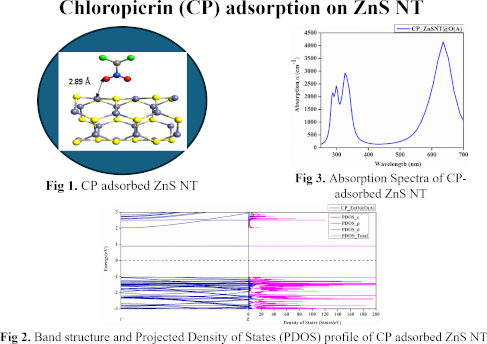
Electronic and optical properties of chloropicrin adsorbed ZnS nanotubes: first principle analysis
Beilstein J. Nanotechnol. 2025, 16, 1184–1196, doi:10.3762/bjnano.16.87
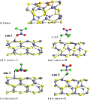
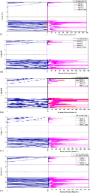
- slight strain in the lattice. A vacuum slab of 20 Å thickness was introduced along the radial direction to minimize spurious interactions between adjacent NT images in the simulation. This ensures that the periodic boundary conditions do not artificially influence the electronic and structural properties



Mechanical stability of individual bacterial cells under different osmotic pressure conditions: a nanoindentation study of Pseudomonas aeruginosa
Beilstein J. Nanotechnol. 2025, 16, 1171–1183, doi:10.3762/bjnano.16.86
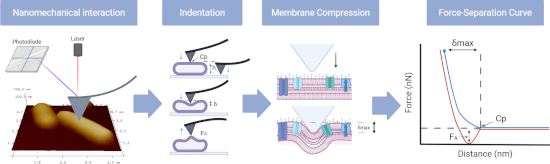
- buffered solution), and hypertonic (0.5 M NaCl) solutions. Materials and Methods Bacterial culture The strain of Pseudomonas aeruginosa (ATCC® 27853™) was reactivated by transferring it to Mueller–Hinton broth and incubating it for 24 h at a temperature of 37 °C. Subsequently, it was cultured on Mueller


Crystalline and amorphous structure selectivity of ignoble high-entropy alloy nanoparticles during laser ablation in organic liquids is set by pulse duration
Beilstein J. Nanotechnol. 2025, 16, 1141–1159, doi:10.3762/bjnano.16.84
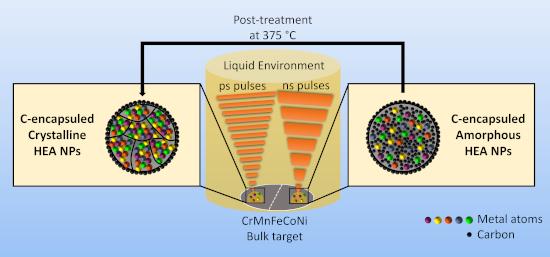
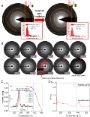
- well with the lattice parameters of the bulk target (3.601 Å) (Supporting Information File 1, Figure S2) and those from previous studies [35]. Note that the small difference in the lattice constants between NPs and the bulk could be attributed to lattice strain in the particles resulting from rapid




Soft materials nanoarchitectonics: liquid crystals, polymers, gels, biomaterials, and others
Beilstein J. Nanotechnol. 2025, 16, 1025–1067, doi:10.3762/bjnano.16.77







Multifunctional properties of bio-poly(butylene succinate) reinforced with multiwalled carbon nanotubes
Beilstein J. Nanotechnol. 2025, 16, 1014–1024, doi:10.3762/bjnano.16.76
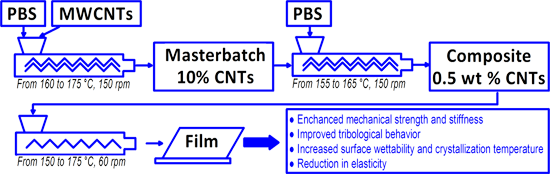
- precise positioning of the hardness tester at a right angle to the specimen surface. Mechanical properties tests under static tension were conducted using a TIRAtest 27025 testing machine (TIRA Maschinenbau GmbH, Schalkau, Germany). Maximum stress (Rm), stress at break (Rb), tensile modulus (Et), strain
- at maximum stress (δm), and strain at break (δb) were determined according to PN-EN ISO 527-3:2019-01 “Plastics – Determination of Tensile Properties – Part 3: Test Conditions for Films and Plates”. The tests were conducted at an extension rate of 1 mm·min−1 for tensile modulus measurements and 100



Time-resolved probing of laser-induced nanostructuring processes in liquids
Beilstein J. Nanotechnol. 2025, 16, 968–1002, doi:10.3762/bjnano.16.74
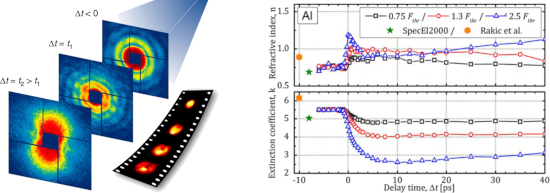
- Bragg peaks (in wide-angle X-ray scattering (WAXS) geometry) to specifically reconstruct the distribution of crystallinity and lattice strain [74]. In pump–probe configuration, photoinduced strain field oscillations in single Au nanocrystals [75] have been resolved. These studies revealed large-scale NP
- -retrieved to image the specimen, revealing strained lattice deformations along the direction parallel to the Bragg reflection. Whilst this Bragg CDI offers exceptional sensitivity to lattice strain fields formed over the whole specimen, its imaging capability relies on successfully collecting a complete 3D
- ], including internal strain distribution or polar vortices [103]. In addition to focusing on single, selected particles it is also possible to perform such experiments as massively repeated single-shot imaging to cover heterogeneous ensembles [104]. Still, most of the laser processing in application-relevant


Ar+ implantation-induced tailoring of RF-sputtered ZnO films: structural, morphological, and optical properties
Beilstein J. Nanotechnol. 2025, 16, 872–886, doi:10.3762/bjnano.16.66
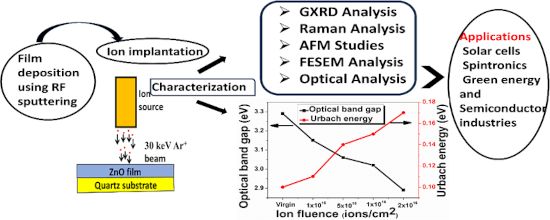
- strain in the implanted layers; thus, the microstrain values increase with fluence [24]. Strain in implanted ZnO films arises primarily from lattice mismatch, which is due to the difference in thermal expansion coefficients between film and substrate. Also, when argon ions are implanted into the ZnO
- lattice, they create defects and dislocations. This creates lattice strain, which increases with ion fluence. The size and type of the implanted ions, as well as the dose, can affect the amount of strain introduced [24]. It is observed that dislocation density values increase with the rise in implantation
- observed that for all the samples, the A1 (LO) phonon mode exhibits softening and broadening with the rise in argon ion fluence from 1 × 10¹⁵ to 2 × 10¹⁶ ions·cm−2. It is well known that a shift of the peak position of phonon modes occurs because of strain present in the film. The broadening of peaks






Insights into the electronic and atomic structures of cerium oxide-based ultrathin films and nanostructures using high-brilliance light sources
Beilstein J. Nanotechnol. 2025, 16, 860–871, doi:10.3762/bjnano.16.65
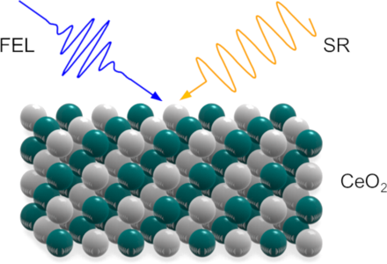
- -edge EXAFS data demonstrated a progressive contraction of the Ce–O distance with respect to the bulk value with decreasing diameter (Figure 4b). The contraction showed a linear dependence on the surface-to-volume ratio (Figure 4b), and it was ascribed to a compressive strain arising from reduced


Synthesis and magnetic transitions of rare-earth-free Fe–Mn–Ni–Si-based compositionally complex alloys at bulk and nanoscale
Beilstein J. Nanotechnol. 2025, 16, 823–836, doi:10.3762/bjnano.16.62
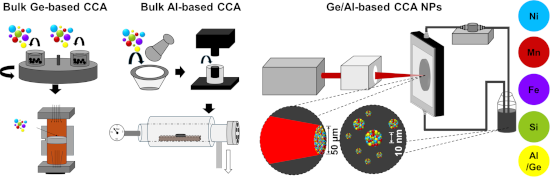
- by XRD peaks. The microsegregation of Mn can be due to a phenomenon consistent with observations in other CCAs, often attributed to the elastic strain energy [58] or due to the presence of oxygen on the surface forming MnO [59]. As expected, the SEM images and EDX elemental mapping of the polished Al


Supramolecular hydration structure of graphene-based hydrogels: density functional theory, green chemistry and interface application
Beilstein J. Nanotechnol. 2025, 16, 806–822, doi:10.3762/bjnano.16.61
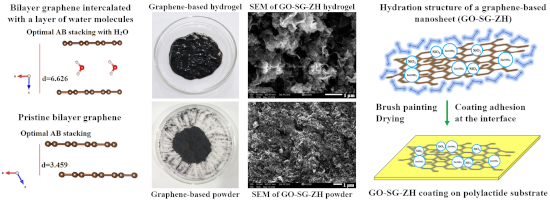
- GO-SG-ZH/PLA films are described in Figure 12 and summarized in Table 4. Additional data of measurement values and stress–strain curves are given in Supporting Information File 1, Table S1, Figure S4, Table S2, and Figure S5. Our previous paper presented that GO-ZnO coating on PLA film led to an
- days in aqueous solutions. (c, d) Initial SG/PLA film (c) and GO-SG-ZH/PLA film (d). (e, f) Pictures of SG/PLA films after 10 days (e) and GO-SG-ZH/PLA films after 30 days (f) in aqueous environments. (a) Graph of tensile strength, elastic modulus, and tensile elongation. (b) Typical stress–strain


Thickness dependent oxidation in CrCl3: a scanning X-ray photoemission and Kelvin probe microscopies study
Beilstein J. Nanotechnol. 2025, 16, 749–761, doi:10.3762/bjnano.16.58
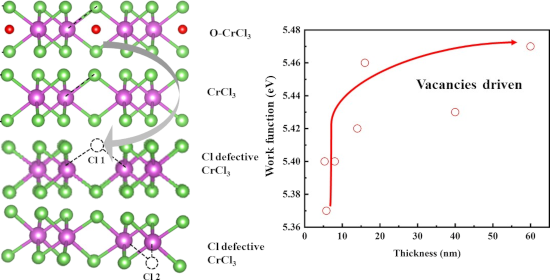
- properties for 2D magnets by manipulating factors such as layer thickness, applied strain, and induced defect sites. Numerous theoretical studies predict that magnetic order in monolayers occurs at temperatures significantly higher than the bulk Curie temperature (i.e., 17 K). In their work, Liu et al
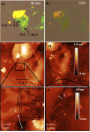
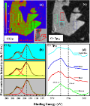
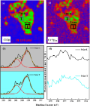
- temperature could be further increased by applying uniaxial strain [17][27]. In the present study, we examined the surface modifications that occur in thin layers of exfoliated CrCl3 (approximately 1 to 20 ML) by using scanning photoelectron microscopy (SPEM). We collected the chemical maps and spectra of the





Nanostructured materials characterized by scanning photoelectron spectromicroscopy
Beilstein J. Nanotechnol. 2025, 16, 700–710, doi:10.3762/bjnano.16.54
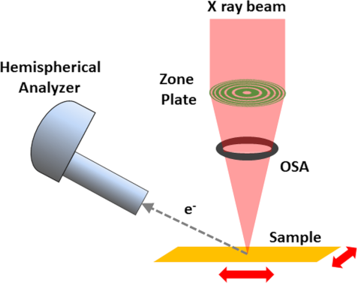
- -ordered cavities were formed at temperatures between 1000–1200 °C. The lateral surfaces of those small cavities or pinholes correspond to the {111} family of planes, which tend to be more reactive owing to the higher concentration of Ni3+. Diverse phenomena, including Ni diffusion and inhomogeneous strain


High-temperature epitaxial growth of tantalum nitride thin films on MgO: structural evolution and potential for SQUID applications
Beilstein J. Nanotechnol. 2025, 16, 690–699, doi:10.3762/bjnano.16.53
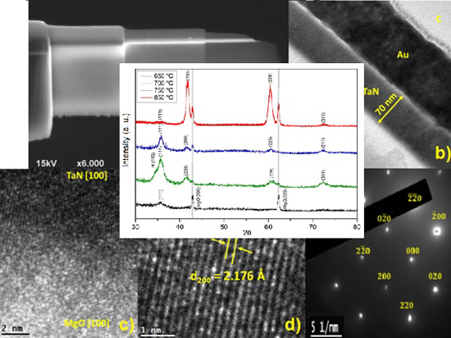
- relatively small lattice mismatch. The lattice parameter of TaN is approximately 4.33 Å, while that of MgO is 4.21 Å, resulting in a lattice mismatch of 2.85%. This small mismatch suggests that epitaxial growth is possible, with a moderate level of strain expected within the TaN film. The (200) and (220


A formulation containing Cymbopogon flexuosus essential oil: improvement of biochemical parameters and oxidative stress in diabetic rats
Beilstein J. Nanotechnol. 2025, 16, 617–636, doi:10.3762/bjnano.16.48
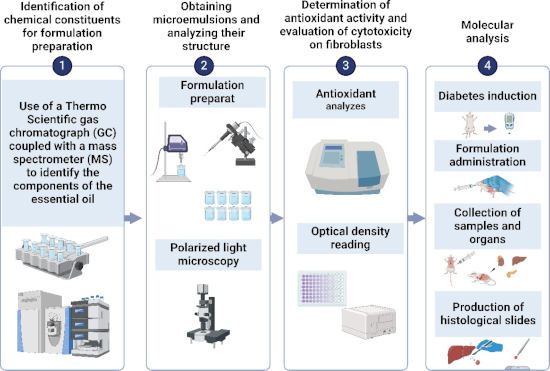
- spectrophotometer at 595 nm. The results were expressed in absorbance. Evaluation of cytotoxicity on L929 fibroblasts Cells of the L929 strain of mouse fibroblasts were inserted into 96-well plates (EasyPath®, EP-51-25244) with a final volume of 200 µL. The fibroblasts (1 × 10⁵ cells/mL cultured in Dulbecco MEM




Water in nanoporous hexagonal boron nitride nanosheets: a first-principles study
Beilstein J. Nanotechnol. 2025, 16, 510–519, doi:10.3762/bjnano.16.39
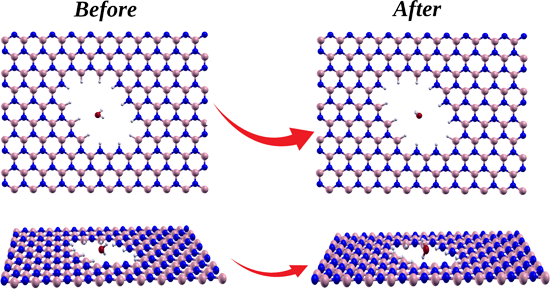
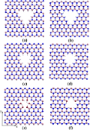
- ]. These deformations arise from the repulsion between the hydrogen orbitals of atoms at the 60° vertices, as depicted in the top panels of Figure 2. The hydrogen atoms repel each other towards different sides of the h-BN sheet, inducing strain that propagates through the sheet, resulting in out-of-plane
- by using N2 or NH3 reservoirs). As previously discussed, the presence of additional B–H or B–OH moieties at the vertices alleviates the strain induced by repulsion between hydrogen orbitals at these locations, thereby reducing the elastic energy. However, the reduction in formation energy cannot be
- even negligible. For the rhombic pores, the one with B–OH-terminated vertices has the lowest formation energy. It is noteworthy that the introduction of N–H pairs or N–OH moieties at the vertices of triangular pores significantly increases the formation energy, despite also relieving strain. This




N2+-implantation-induced tailoring of structural, morphological, optical, and electrical characteristics of sputtered molybdenum thin films
Beilstein J. Nanotechnol. 2025, 16, 495–509, doi:10.3762/bjnano.16.38
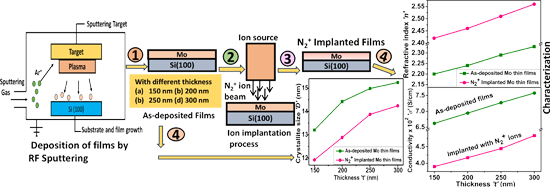
- . The simultaneous impact of strain and defects leads to peak broadening and increase of the FWHM. The disruption of the crystal lattice and an increasing number of defects substantially influenced the grain boundaries, resulting in a notable alteration of the structural parameters of Mo thin films
- shifts slightly to smaller Bragg angles after N2+ implantation. This shift becomes less pronounced as the thickness increases, indicating an increase in the average interplanar spacing according to Bragg’s law [29][35]. The change in interplanar spacing is attributed to the strain associated with
- defects and strain [13][29]. The compressive stress increases from −0.69 to −0.11 GPa as the thickness of nitrogen-implanted Mo thin films increases from 150 to 300 nm. Nitrogen ion implantation plays an important role in altering the stress state from tensile to compressive. This process can be explained


Synthetic-polymer-assisted antisense oligonucleotide delivery: targeted approaches for precision disease treatment
Beilstein J. Nanotechnol. 2025, 16, 435–463, doi:10.3762/bjnano.16.34
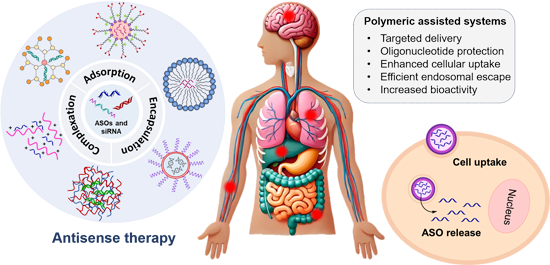
- conjugates through strain-promoted azide–alkyne cycloaddition of dibenzocyclooctyne-modified PMOs and azide-containing artificial peptides, previously conjugated to small cationic oligo(ethylenamino) blocks containing fatty acid units as hydrophobic moiety for polyplex stabilisation [127]. In this study, the


Quantification of lead through rod-shaped silver-doped zinc oxide nanoparticles using an electrochemical approach
Beilstein J. Nanotechnol. 2025, 16, 422–434, doi:10.3762/bjnano.16.33
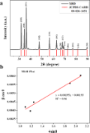
- expressed as is 0.001275. The total broadening of the peak (βT) caused by the crystalline size and strain in the lattice is given by: where βD is broadening of the peak due to crystal size and βε is broadening due to lattice strain. For analyzing stress and strain resulting from X-ray diffraction
- , Williamson and Hall's approach is the simplest method. The peak broadening resulting from the lattice strain can be obtained by the Stokes–Wilson relation: By plotting βTcosθ as a function of 4sinθ as shown in Figure 1b, we get the value of ε = 0.00195, and the intercept = kλ/D = 0.00193. This plotted
- Scherrer method. This difference is proportional to the strain value [17]. Field-emission scanning electron microscopy of Ag@ZnO nanorods The general morphological characteristics of the as-obtained nanorods were analyzed by electron microscopy. Figure 2a depicts the typical field-emission scanning