
Search results
Search for "laser" in Full Text gives 904 result(s) in Beilstein Journal of Nanotechnology. Showing first 200.
Heat-induced transformation of nickel-coated polycrystalline diamond film studied in situ by XPS and NEXAFS
Beilstein J. Nanotechnol. 2025, 16, 887–898, doi:10.3762/bjnano.16.67
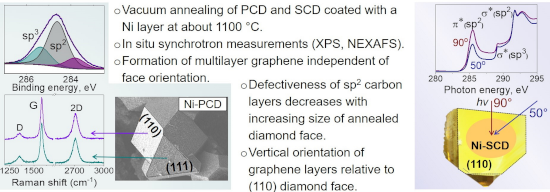
- software. Raman analysis was conducted using a LabRAM HR Evolution spectrometer (Horiba Ltd., Kyoto, Japan). The spectra were excited with a 514 nm laser at a power of 1.9 mW. The laser beam was focused to a diameter of about 1 μm using an LMPlan FL 50×/0.50 Olympus objective. All measurements were carried


Ar+ implantation-induced tailoring of RF-sputtered ZnO films: structural, morphological, and optical properties
Beilstein J. Nanotechnol. 2025, 16, 872–886, doi:10.3762/bjnano.16.66
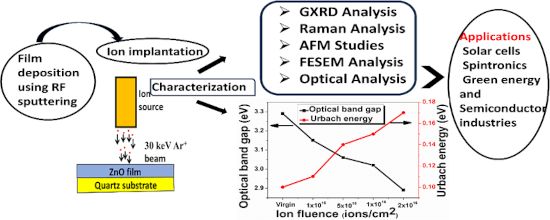
- displays [5], solar cells [6], and light-emitting diodes [7]. There are numerous methods for synthesizing ZnO films, including pulsed laser deposition, spray pyrolysis, radio frequency (RF) sputtering, and sol–gel techniques. Here RF sputtering is preferred over other methods because it provides high
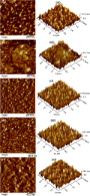
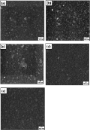
- using a WITec alpha300 RA Raman spectrometer under excitation with a 532 nm solid-state diode laser operated at 10 mW. The topography of the films is examined using atomic force microscopy (AFM) with a Bruker Multimode 8 instrument. The surface morphology of pristine and implanted films is further






Insights into the electronic and atomic structures of cerium oxide-based ultrathin films and nanostructures using high-brilliance light sources
Beilstein J. Nanotechnol. 2025, 16, 860–871, doi:10.3762/bjnano.16.65
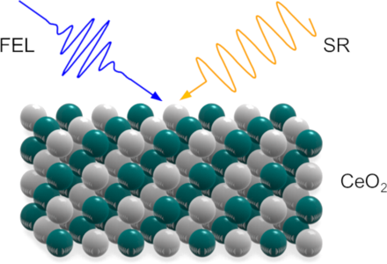
- perspectives offered by the ultrahigh brilliance and ultrashort free-electron laser pulses for dynamic studies of the processes that take place upon photoexcitation are discussed. Keywords: cerium oxide; free-electron lasers; thin films; X-ray absorption spectroscopy; X-ray photoelectron spectroscopy
- desorbed from the surface with the uptake of oxygen from cerium oxide [58]. The same method was used to investigate the same system also during exposure to water and to laser light at different temperatures [59]. Also in this case the Cu dopant ions were found to be active in modifying the electronic
- laser pulses at an energy lower than the cerium oxide bandgap. The four panels on the right of Figure 7 show the variation of the transient absorption as a function of the pump–probe delay time at selected FEL photon energies across the Ce N4,5 edge. The left panel of Figure 7 shows the steady-state Ce


Synchrotron X-ray photoelectron spectroscopy study of sodium adsorption on vertically arranged MoS2 layers coated with pyrolytic carbon
Beilstein J. Nanotechnol. 2025, 16, 847–859, doi:10.3762/bjnano.16.64
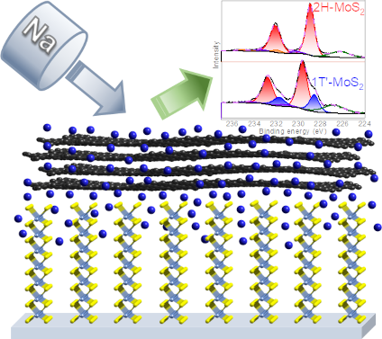
- realized only when they are oriented vertically to the substrate surface. The weak peak at about 280 cm−1 observed in the Raman spectrum corresponds to the E1g mode, which is forbidden when the laser beam is incident perpendicularly on the c axis of MoS2 [36]. The activation of this mode in our case
- ) using an Ar+ laser at a wavelength of 514 nm. XPS and NEXAFS experiments and sodium deposition were carried out at the RGL-PES end-station of the Russian–German dipole beamline (RGBL dipole) of the Berliner Elektronenspeicherring für Synchrotronstrahlung (BESSY II) operated by Helmholtz-Zentrum Berlin


Facile one-step radio frequency magnetron sputtering of Ni/NiO on stainless steel for an efficient electrode for hydrogen evolution reaction
Beilstein J. Nanotechnol. 2025, 16, 837–846, doi:10.3762/bjnano.16.63
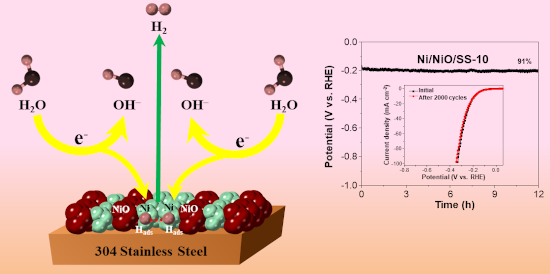
- distribution in materials were studied using EDX. The Raman spectra were studied using a LabRAM-HR Evolution Raman microscope with a laser wavelength of 532 nm. The composition of the thin films was investigated using XPS on a Thermo Scientific K-Alpha XPS system. Electrochemical measurements The HER catalytic


Synthesis and magnetic transitions of rare-earth-free Fe–Mn–Ni–Si-based compositionally complex alloys at bulk and nanoscale
Beilstein J. Nanotechnol. 2025, 16, 823–836, doi:10.3762/bjnano.16.62
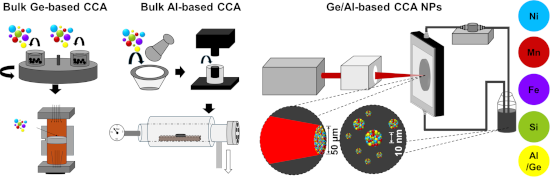
- are prepared by ball milling and spark plasma sintering or powder pressing and sintering. Nanoparticles (NPs) from the bulk materials are synthesized by pulsed laser ablation in liquid. Magnetization measurements confirm a ferromagnetic-to-paramagnetic phase transition in bulk alloys, with Tc = 179 K
- indicate that the Al-based CCA is a promising, cost-effective alternative to Ge-based CCA at nanoscale, providing an economically viable and cost-effective alternative for nanoscale-based applications. Keywords: compositionally complex alloys; magnetic phase transition; nanoparticles; pulsed laser
- segregation due to differences in precursor reduction temperatures [38]. Other techniques such as laser scanning ablation [39] and Joule heating [40] have also been employed to generate CCAs, but they often involve costly precursors and lengthy solvent screening processes. Among the various techniques


Morphology and properties of pyrite nanoparticles obtained by pulsed laser ablation in liquid and thin films for photodetection
Beilstein J. Nanotechnol. 2025, 16, 785–805, doi:10.3762/bjnano.16.60
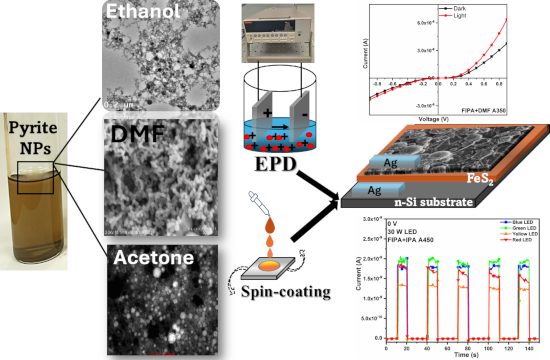
- disulfide (FeS2)) nanoparticles (NPs) of different morphologies using pulsed laser ablation in liquid (PLAL) in different organic solvents. The impact of the solvent on the morphological, compositional, and optical properties of the synthesized NPs is investigated by techniques such as transmission electron
- prepared by PLAL. Keywords: electrophoretic deposition; pulsed laser ablation in liquid; pyrite nanoparticles; self-powered photodetector; spin coating; Introduction Pyrite (FeS2) is one of the earth-abundant and nontoxic semiconductors possessing a promising role in optoelectronic applications. FeS2 has
- Earth, including toxic heavy metals and metalloids, radionuclides, and organic pollutants [5]. In addition to the aforementioned advantages as a semiconductor, it has the potential to be used in various applications through its nanostructures created via pulsed laser ablation in liquid (PLAL) and thin






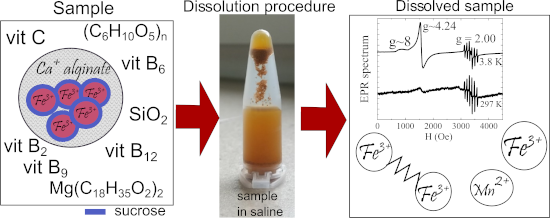
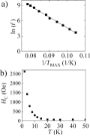
Changes of structural, magnetic and spectroscopic properties of microencapsulated iron sucrose nanoparticles in saline
Beilstein J. Nanotechnol. 2025, 16, 762–784, doi:10.3762/bjnano.16.59





Efficiency of single-pulse laser fragmentation of organic nutraceutical dispersions in a circular jet flow-through reactor
Beilstein J. Nanotechnol. 2025, 16, 711–727, doi:10.3762/bjnano.16.55
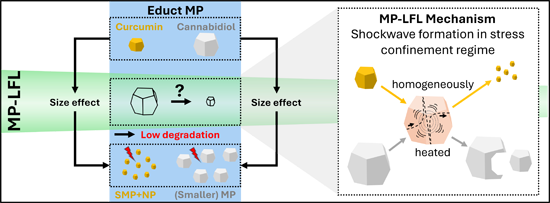
- 30, Hannover 30167, Germany 10.3762/bjnano.16.55 Abstract Nutraceuticals provide health benefits and particularly profit from a sensitive, high-purity production process. Microparticle laser fragmentation in liquids is an emerging technique for the contamination-free comminution of organic drugs and
- nutraceuticals aiming at solubility enhancements. However, current discontinuously operated fragmentation setups suffer from chemical degradation by multipulse laser excitation at high fluence and do not allow for systematic studies of the fragmentation mechanisms. In this work, continuous-flow microparticle
- laser fragmentation in liquids with ultrashort-pulsed lasers was studied in a circular jet reactor using curcumin and cannabidiol as model substances and single-pulse-per-volume element conditions to compare the fragmentation efficiency for these two nutraceuticals. Fragmentation efficiency based on the


High-temperature epitaxial growth of tantalum nitride thin films on MgO: structural evolution and potential for SQUID applications
Beilstein J. Nanotechnol. 2025, 16, 690–699, doi:10.3762/bjnano.16.53
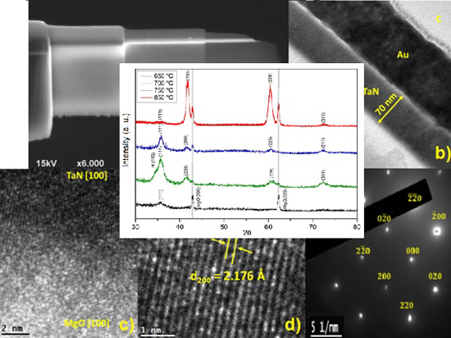
- using pulsed laser deposition (PLD). This research investigates the influence of varying deposition parameters, including substrate temperature and ambient gas composition, on the structural, morphological, and superconducting properties of the films. X-ray photoelectron spectroscopy, X-ray diffraction
- could be pushed up to 10.8 K [13]. The Tc of TaN depends strongly on the crystallinity and stoichiometry of the thin films. Reports mentioned that pulsed laser deposition (PLD) in the reactive pulsed laser deposition (RPLD) mode is an efficient method for the growth of high-quality thin films [14]. In
- nitrogen pressure between 10 and 90 mTorr. The experiment was performed in a laser ablation system “RIBER LDM 32”. It consists of three stainless steel ultrahigh-vacuum (UHV) chambers for sample introduction, PLD deposition, and X-ray photoelectron spectroscopy (XPS) analysis, isolated by UHV gate valves


Colloidal few layered graphene–tannic acid preserves the biocompatibility of periodontal ligament cells
Beilstein J. Nanotechnol. 2025, 16, 664–677, doi:10.3762/bjnano.16.51
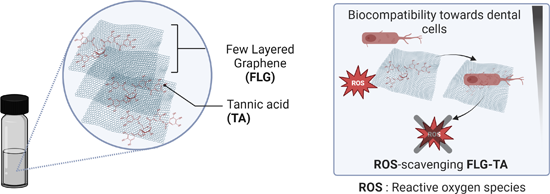
- suspension could not be determined owing to uncontrolled heating of the cell during illumination of the black suspension with laser light. FLG–TA preserves the metabolic activity of PDL cells Previous findings demonstrated that TA adheres to the surface of graphene layers, with a portion of it retaining its
- mW emission from a YAG laser source with an MPC600 PSU quantum laser to excite the samples. The XPS measurements were conducted in an ultrahigh vacuum setup (base pressure 5 × 10⁻⁹ mbar) comprising several interconnected chambers. The analysis chamber features a RESOLVE 120 MCD5 hemispherical
- h at 37 °C. After treatment, cells were stained with 5 µM CellROXgreen probe and Hoechst 33258 for 30 min at 37 °C, then washed with PBS [47]. The cells were subsequently fixed and mounted using the VectaShield medium. Confocal laser scanning microscopy (LSM 710, Zeiss, Germany) with a 40× objective





Aprepitant-loaded solid lipid nanoparticles: a novel approach to enhance oral bioavailability
Beilstein J. Nanotechnol. 2025, 16, 652–663, doi:10.3762/bjnano.16.50
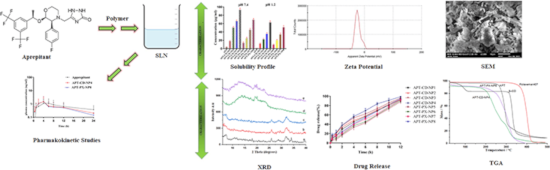
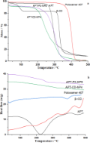
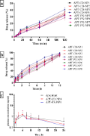
- characterization Particle size, zeta potential, and polydispersity index (PDI) of APT-NPs was analyzed through laser diffractometry (Malvern Instruments, Germany) with a measuring angle of 13° at 25 °C in triplicate [27]. Before particle size determination, APT-NPs samples were diluted with double distilled water



Feasibility analysis of carbon nanofiber synthesis and morphology control using a LPG premixed flame
Beilstein J. Nanotechnol. 2025, 16, 581–590, doi:10.3762/bjnano.16.45
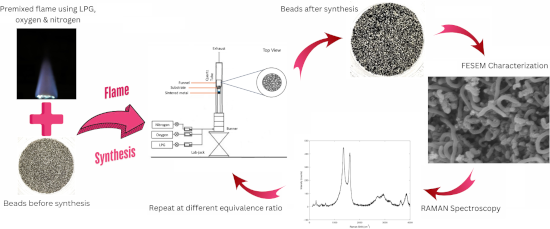
- delivery, tissue engineering, and implants [7]. Methods of CNT/CNF synthesis include (a) chemical vapor deposition, (b) arc discharge, (c) flame synthesis, and (d) laser ablation [1]. Flame-assisted synthesis is a promising method for efficient and continuous one-step production. Various flame



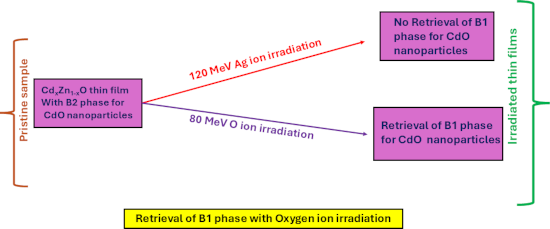
Retrieval of B1 phase from high-pressure B2 phase for CdO nanoparticles by electronic excitations in CdxZn1−xO composite thin films
Beilstein J. Nanotechnol. 2025, 16, 551–560, doi:10.3762/bjnano.16.43
- spectrometer (Bruker), equipped with an Ar ion laser (532 nm) with 0.2 mW laser operating power. Scanning electron microscopy (SEM) analysis was carried out with a HITACHI SU8020 model, using an electron beam energy of 3.0 keV. X-ray photoelectron spectroscopy (XPS) was performed using an ESCA-5000 Versa Probe
- any polarization effects of the incident laser light. The optically active phonon modes at the center of the Brillouin zone have the following point symmetries: In this equation, the A1 and E1 modes correspond to Raman and infrared (IR) active branches, characterized by polar symmetries that further


Performance optimization of a microwave-coupled plasma-based ultralow-energy ECR ion source for silicon nanostructuring
Beilstein J. Nanotechnol. 2025, 16, 484–494, doi:10.3762/bjnano.16.37
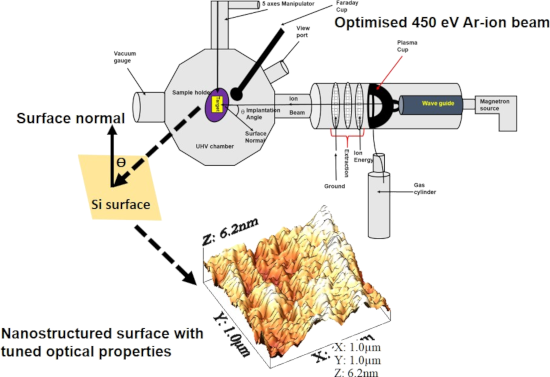
- various ions using gaseous plasma, the ion sources can be classified in direct current (DC)-operated ion sources, radio frequency discharge ion sources, and microwave-based electron cyclotron resonance (ECR) ion sources, as well as electron bombardment, charge exchange, and laser-driven ion sources [17


Effect of additives on the synthesis efficiency of nanoparticles by laser-induced reduction
Beilstein J. Nanotechnol. 2025, 16, 464–472, doi:10.3762/bjnano.16.35
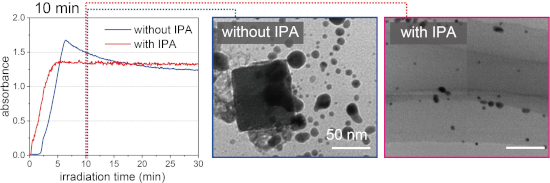
- Rikuto Kuroda Takahiro Nakamura Hideki Ina Shuhei Shibata illuminus Inc., 307 Wako Riken Incubation Plaza, 2–3–13, Minami, Wako, Saitama, 351–0104, Japan 10.3762/bjnano.16.35 Abstract Laser-induced reduction in liquid (LRL) is a physicochemical technique for synthesizing nanoparticles by
- irradiating a solution containing metal ions with a high-intensity laser. It is simple and environmentally friendly, as it does not require reducing agents or high-temperature, high-pressure environments. In this method, nanoparticles are synthesized by reducing metal ions with short-lived radical species
- produced by the breakdown of solvent molecules in a high-intensity reaction field near the focus of the laser. This unique reaction has the characteristic of being able to synthesize non-equilibrium solid–solution alloy nanoparticles. On the other hand, it is necessary to improve the synthesis efficiency


Synthetic-polymer-assisted antisense oligonucleotide delivery: targeted approaches for precision disease treatment
Beilstein J. Nanotechnol. 2025, 16, 435–463, doi:10.3762/bjnano.16.34
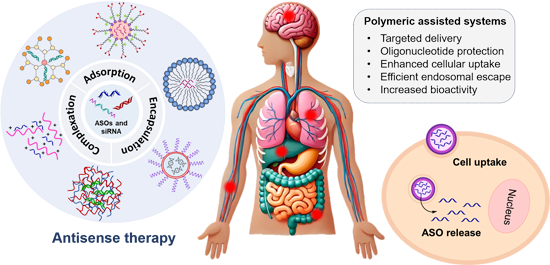
- model of laser-induced choroidal neovascularization (CNV) showed that specific dendrimer/ODN-1 complexes, particularly those formed with dendrimers 4 and 7, significantly inhibited CNV development, reducing the severity of vascular leakage for up to two months. Similarly, Eom et al. presented an


Quantification of lead through rod-shaped silver-doped zinc oxide nanoparticles using an electrochemical approach
Beilstein J. Nanotechnol. 2025, 16, 422–434, doi:10.3762/bjnano.16.33
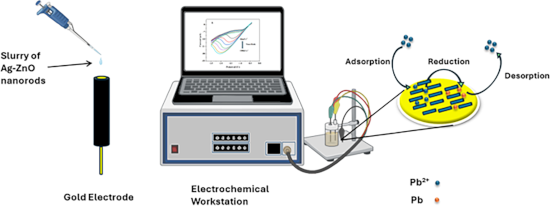
- . Raman spectroscopy of Ag@ZnO nanorods The influence of Ag doping in ZnO nanorods were investigated by Raman scattering. Raman scattering of Ag@ZnO NRs were recorded using a 532 nm laser at room temperature in the spectra range varying from 0 to 2000 cm−1. ZnO has four atoms in each primitive cell, which




Size control of nanoparticles synthesized by pulsed laser ablation in liquids using donut-shaped beams
Beilstein J. Nanotechnol. 2025, 16, 407–417, doi:10.3762/bjnano.16.31
- GROC·UJI, Institute of New Imaging Technologies, Universitat Jaume I, Av. de Vicent Sos Baynat, s/n, 12071 Castellón, Spain 10.3762/bjnano.16.31 Abstract The potential to modify the size distribution of nanoparticles synthesized by pulsed laser ablation in liquids is demonstrated using a donut-shaped
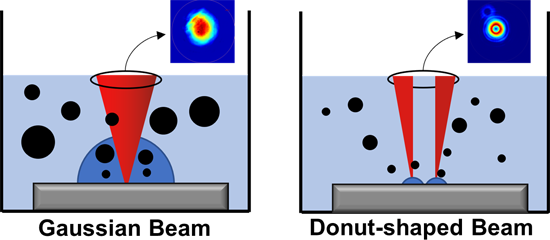
- laser beam. In experiments on pulsed laser ablation in water of gold, yttrium oxide, and high-entropy alloy targets with both Gaussian and donut-shaped beams, we observed a significant reduction in particle size, narrowing of the size distribution width, and an improvement in sphericity when utilizing
- the donut-shaped laser beam. We performed time-resolved shadowgraph imaging of the laser-induced cavitation bubble, revealing a toroidal structure that overruns the ring-shaped ablation site, compared to the quasi-hemispherical bubble covering the ablation spot produced by the Gaussian beam. Based on


ReactorAFM/STM – dynamic reactions on surfaces at elevated temperature and atmospheric pressure
Beilstein J. Nanotechnol. 2025, 16, 397–406, doi:10.3762/bjnano.16.30
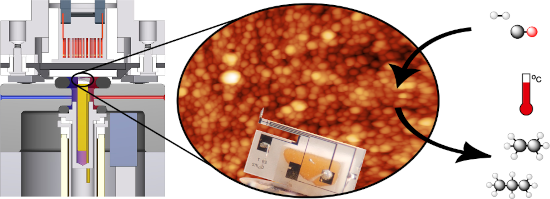
- detection method with a laser diode, which is not compatible with the design limitations of a reactor volume of 95 μL. Figure 3a shows a zoomed-in image of a third-generation M5B qPlus sensor (purchased from Nanosurf). The sensor has four gold electrodes of which three are used for AFM drive and readout


Pulsed laser in liquid grafting of gold nanoparticle–carbon support composites
Beilstein J. Nanotechnol. 2025, 16, 349–361, doi:10.3762/bjnano.16.26
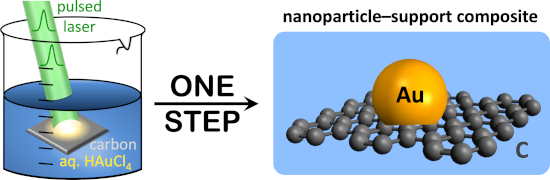
- , University of Rochester, Rochester, New York 14627, United States 10.3762/bjnano.16.26 Abstract We developed a novel pulsed laser-assisted process for the fabrication of advanced composites of nonequilibrium gold nanoparticles on carbon fiber paper supports. Our one-step process integrates the generation of
- nanoparticles with their surface attachment and solves longstanding nanoparticle adhesion and electrical contact issues. Irradiation of hydrophilic carbon fiber paper submerged in aqueous HAuCl4 solution by nanosecond laser pulses produced composites with uniform distribution of gold nanoparticles on carbon
- fibers, taking advantage of the high internal surface area of carbon fiber paper. The pulsed laser-grafted composites exhibited zero measurable charge transfer resistance between gold nanoparticles and the carbon support, leading to superior cathode performance over conventionally prepared electrodes for


Tailoring of physical properties of RF-sputtered ZnTe films: role of substrate temperature
Beilstein J. Nanotechnol. 2025, 16, 333–348, doi:10.3762/bjnano.16.25
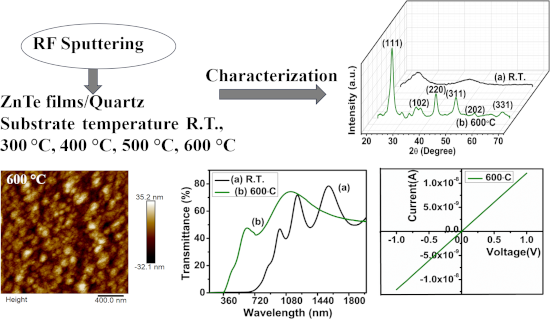
- physical and chemical methods such as molecular beam epitaxy [8], electron-beam evaporation [9], thermal evaporation [10], pulsed laser deposition (PLD) [11], and RF sputtering [12]. RF sputtering is a versatile technique because various process parameters such as RF power, deposition time, substrate

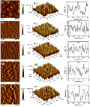

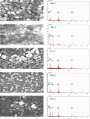


Graphene oxide–chloroquine conjugate induces DNA damage in A549 lung cancer cells through autophagy modulation
Beilstein J. Nanotechnol. 2025, 16, 316–332, doi:10.3762/bjnano.16.24
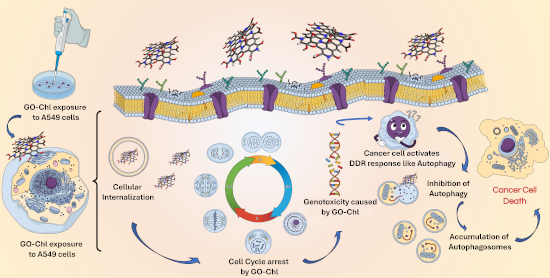
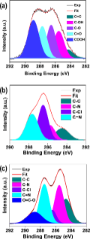
- -via reflex spectrometer, Tokyo, Japan) with a 514 nm Nd:Yag laser as the excitation source. The optical properties were measured employing a UV–vis spectrophotometer (Cary 5000 UV-VIS-NIR, Agilent, CA, USA) in the 200–800 nm range. The morphology of GO nanosheets was analyzed employing a high



Preferential enrichment and extraction of laser-synthesized nanoparticles in organic phases
Beilstein J. Nanotechnol. 2025, 16, 254–263, doi:10.3762/bjnano.16.20
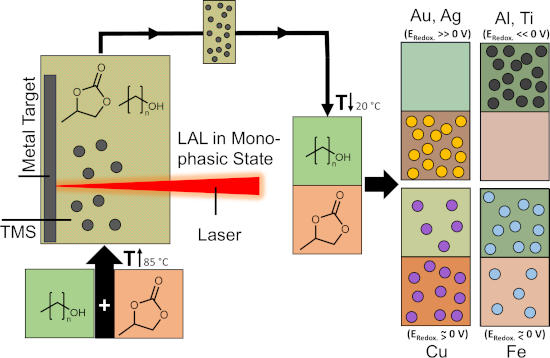
- Chemical Engineering, Laboratory for Industrial Chemistry, TU Dortmund University, Emil-Figge-Str. 66, 44227 Dortmund, Germany 10.3762/bjnano.16.20 Abstract Pulsed laser ablation in liquids (LAL) is an established preparation method of nanoparticles and catalysts, which additionally allows to chemically
- unaddressed in literature. To tackle this knowledge gap, the present study investigates the phase preference of laser-generated noble metal (Au and Ag) and base metal (Cu, Fe, Al and Ti) nanoparticles within propylene carbonate/alcohol (PC/A) systems. Alcohols of increasing chain length (C6–C11) and hence
- ) was found to direct both the nanoparticles’ phase selectivity and recovery after cycling. The observed correlations provide potential guidelines for nanoparticle extraction and size separation, relevant for phase transfer and cycling during homogeneous catalysis. Keywords: catalysis; laser ablation




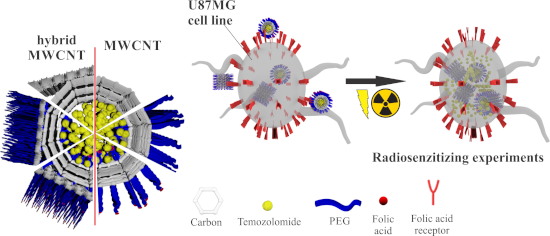
Radiosensitizing properties of dual-functionalized carbon nanostructures loaded with temozolomide
Beilstein J. Nanotechnol. 2025, 16, 229–251, doi:10.3762/bjnano.16.18