Search results
Search for "surfactants" in Full Text gives 190 result(s) in Beilstein Journal of Nanotechnology.
Design of a biomimetic, small-scale artificial leaf surface for the study of environmental interactions
Beilstein J. Nanotechnol. 2022, 13, 944–957, doi:10.3762/bjnano.13.83

- (e.g., applied surfactants) interactions on natural leaf surfaces, the chemical composition and the wetting behavior should be the same in both. Therefore, the morphology, chemistry, and wetting properties of natural and artificial surfaces with recrystallized wax structures were analyzed by scanning
- wetting properties of native and artificial surfaces were analyzed. Such artificial surfaces allow for the study of biotic interactions, for example, pathogen interactions, but also non-biotic interactions such as the behavior of liquids and surfactants used in agricultural spraying applications. An
Comparative molecular dynamics simulations of thermal conductivities of aqueous and hydrocarbon nanofluids
Beilstein J. Nanotechnol. 2022, 13, 620–628, doi:10.3762/bjnano.13.54
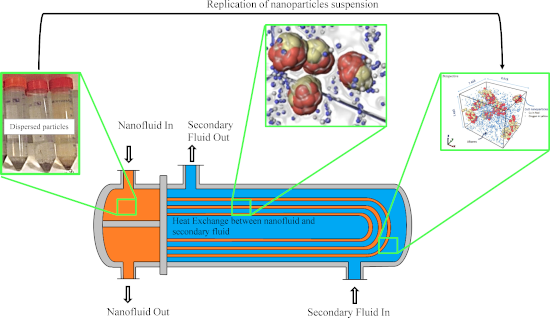
- future considerations, the system under observation should be modified with surfactants to increase stability for longer time periods, as systems without surfactant show agglomeration after a short time. Hence, this causes system destabilisation and creates sedimentation. Finally, surface modification of


Stimuli-responsive polypeptide nanogels for trypsin inhibition
Beilstein J. Nanotechnol. 2022, 13, 538–548, doi:10.3762/bjnano.13.45
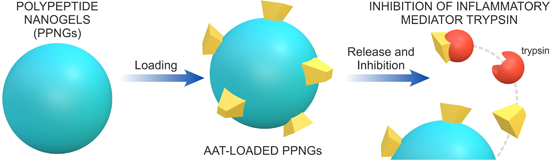
- prepared and characterized according to earlier published procedures [23][24][25], were nanogelated in inverse miniemulsion via HRP/H2O2 crosslinking to obtain chemically dityramine-crosslinked nanogels [23]. Our previous studies examined the effect of different surfactants on the final properties of PHEG
- solution. The surfactants SPAN 80 (0.855 g) and TWEEN 85 (0.045 g) were dissolved in CHX (20.4 g) and mixed with the aqueous solution of PHEG-Tyr with HRP. This two-phase system was cooled to 0 °C and dispersed using a UP200Ht ultrasonic processor equipped with a sonotrode S26d7 (Hielscher Ultrasonics GmbH


A non-enzymatic electrochemical hydrogen peroxide sensor based on copper oxide nanostructures
Beilstein J. Nanotechnol. 2022, 13, 424–436, doi:10.3762/bjnano.13.35

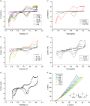
- mechanical stability, and can, thus, be easily damaged during production, storage, and measurement. These disadvantages can be avoided by using an in situ growth process of CuO nanostructures directly on a copper substrate, in the presence of certain surfactants or additives. This method makes it possible to




Surfactant-free syntheses and pair distribution function analysis of osmium nanoparticles
Beilstein J. Nanotechnol. 2022, 13, 230–235, doi:10.3762/bjnano.13.17

- medical properties [10][11][12][13][14][15][16][17] in experimental and theoretical work [18]. Common wet chemical syntheses require surfactants, viscous solvents, or shape-directing agents [5][17][19][20][21] that act as ligands to stabilize colloidal nanoparticles (NPs). These additives can bring
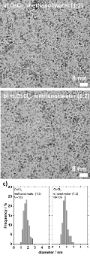
- surfactants. Despite the absence of surfactants, the small-sized NPs are stable, in agreement with previous surfactant-free Os NP syntheses [37]. This can be attributed to chloride stabilization and/or stabilization by oxidation products of the monoalcohols [25]. Here, as opposed to the synthesis of Pt, Ir


Engineered titania nanomaterials in advanced clinical applications
Beilstein J. Nanotechnol. 2022, 13, 201–218, doi:10.3762/bjnano.13.15
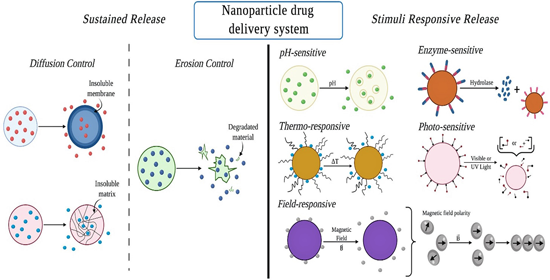
- -functionalized, or post-synthetically modified by adding various surfactants or dopants or organic molecules. The size of the nanomaterial also determines the type of immune response elicited by the body (endocytosis/cellular uptake) [21]. Xu et al. reported that the size of the pores is an essential parameter


A photonic crystal material for the online detection of nonpolar hydrocarbon vapors
Beilstein J. Nanotechnol. 2022, 13, 127–136, doi:10.3762/bjnano.13.9

- particles are consistent with the SEM results, and the effective refractive indices are slightly overestimated in comparison with the theoretically calculated values (without PDMS: 1.477, with PDMS: 1.568) [39][40]. This may be due to the presence of surfactants in the interparticle space, defects of the


Tin dioxide nanomaterial-based photocatalysts for nitrogen oxide oxidation: a review
Beilstein J. Nanotechnol. 2022, 13, 96–113, doi:10.3762/bjnano.13.7

- , nanobelts, and nanotubes. These morphologies can be controllably obtained by using polyvinylpyrrolidone (PVP), sodium dodecyl sulfonate (SDS), cetyl trimethyl ammonium bromide (CTAB), or tetrapropyl ammonium bromide (TPAB) as surfactants in a hydrothermal method [56][57][58][59]. The difference of


Sputtering onto liquids: a critical review
Beilstein J. Nanotechnol. 2022, 13, 10–53, doi:10.3762/bjnano.13.2
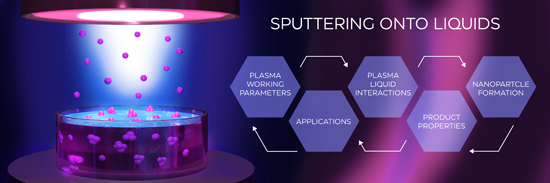
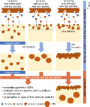
- metal precursor, usually a salt such as HAuCl4, is chemically reduced by a (ii) reagent (e.g., sodium citrate, sodium borohydrate, ascorbic acid, glucose, hydrazine, or various amines) in the presence of a (iii) stabilizing agent (e.g., organic thiols, amines, acids, or various surfactants, i.e






Use of nanosystems to improve the anticancer effects of curcumin
Beilstein J. Nanotechnol. 2021, 12, 1047–1062, doi:10.3762/bjnano.12.78

- of a drug which is stabilized by the use of surfactants [48]. Therefore, a nanosuspension can be prepared by dispersing a nanocrystal or any other powdered material in an outer liquid medium using a stabilizing agent [45]. Furthermore, these nanosystems have shown increased adhesion to surfaces. The
- of surfactants and biocompatible lipids that are solid at ambient temperature, which allows them to immobilize drugs and prevent the polymerization of particles within their matrix. Nanostructured lipid carriers have increased drug-loading capacity, as compared to the first generation of lipid-based


The role of deep eutectic solvents and carrageenan in synthesizing biocompatible anisotropic metal nanoparticles
Beilstein J. Nanotechnol. 2021, 12, 924–938, doi:10.3762/bjnano.12.69
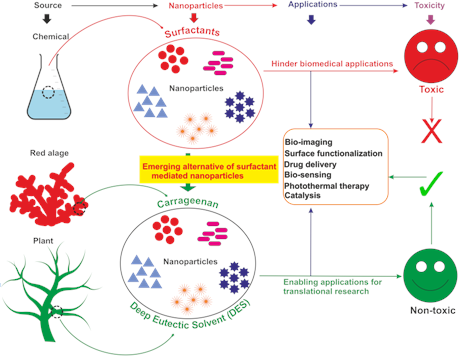
- made owing to their cytotoxicity. The toxicity concern is primarily due to the conventional synthesis route that involves surfactants as a structure-directing agent and as a capping agent for nanoparticles. Wet chemical methods employ toxic auxiliary chemicals. However, the approach yields
- utilizing safe nanomaterials for advanced biomedical and clinical applications. Keywords: anisotropic nanoparticles; carrageenan; cytotoxicity; eutectic solvents; surfactants; Review Introduction Plasmonic metals such as gold and silver, upon achieving nanoscale dimensions, exhibit unusual physicochemical
- ]. Traditionally used stabilizing agents, such as surfactants and citrate, enable the synthesis of nanoparticles with high yield and monodispersity but also cause cytotoxicity and genotoxicity even at low concentrations [9][10]. Surfactants are known to act as a template for anisotropy in plasmonic metal


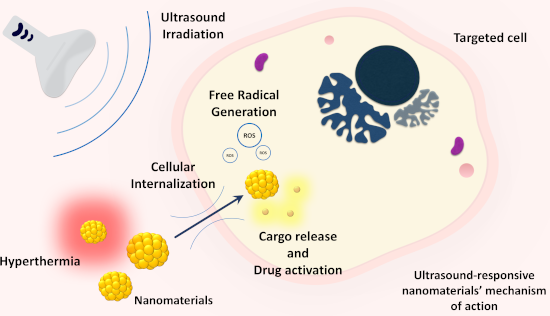
Comprehensive review on ultrasound-responsive theranostic nanomaterials: mechanisms, structures and medical applications
Beilstein J. Nanotechnol. 2021, 12, 808–862, doi:10.3762/bjnano.12.64


Silver nanoparticles induce the cardiomyogenic differentiation of bone marrow derived mesenchymal stem cells via telomere length extension
Beilstein J. Nanotechnol. 2021, 12, 786–797, doi:10.3762/bjnano.12.62

- Nanomaterials) and purchased from Iranian Nanomaterial Pioneers Company. Ag-NPs structure The Ag-NP powder was dispersed in distilled water without adding surfactants. Ag-NPs with a size of 50–80 nm and 99% purity were used (Table 1). The vendor carried out scanning electron microscopy analysis in the Nano


Recent progress in magnetic applications for micro- and nanorobots
Beilstein J. Nanotechnol. 2021, 12, 744–755, doi:10.3762/bjnano.12.58
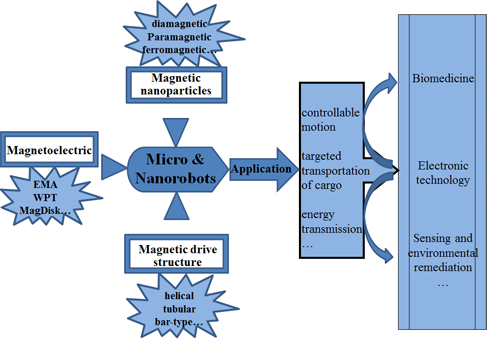
- enabled actuation, control, and observation of the FMSM. In most mobile sensing applications, microrobots are driven by chemical fuels such as hydrogen peroxide (H2O2) and surfactants. In contrast, magnetic drives have good biocompatibility and external power supply. For example, a porous microelectrode


On the stability of microwave-fabricated SERS substrates – chemical and morphological considerations
Beilstein J. Nanotechnol. 2021, 12, 541–551, doi:10.3762/bjnano.12.44

- analytes, as demonstrated by the detection of tetrahydrocannabinol (THC) down to a concentration of 0.25 nM by utilizing microwave-coated glass capillaries [25]. While this approach relies on ethanol as reducing agent and applies no protecting agents, other protocols employ suitable surfactants and


A review on nanostructured silver as a basic ingredient in medicine: physicochemical parameters and characterization
Beilstein J. Nanotechnol. 2021, 12, 440–461, doi:10.3762/bjnano.12.36

- ]. Separation of AgNPs from Ag+: The cloud point extraction (CPE) technique was initiated by Goto et al. and it is based on the solubilization capacity and on the cloud point of nonionic surfactants [148]. At the cloud point, the instability observed in the micelles is promoted by the dehydration of the


A review on the green and sustainable synthesis of silver nanoparticles and one-dimensional silver nanostructures
Beilstein J. Nanotechnol. 2021, 12, 102–136, doi:10.3762/bjnano.12.9
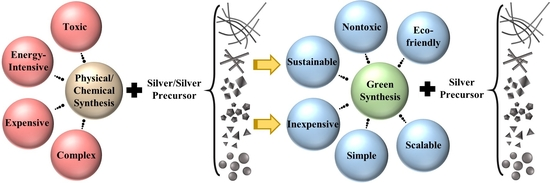
- humidity [233]. The sol–gel process is associated with costly precursors, process longevity, and difficulties regarding reproducibility [234]. 2.2.2 Reverse-micelle process. The reverse micelle is another approach for the synthesis of AgNPs. Reverse micelles are produced from surfactants such as sucrose


Effect of different silica coatings on the toxicity of upconversion nanoparticles on RAW 264.7 macrophage cells
Beilstein J. Nanotechnol. 2021, 12, 35–48, doi:10.3762/bjnano.12.3

- use of different surfactants during the shell growth process might allow for a slightly further reduction of the pore size. Silica coating of UCNPs is a simple and well-established process. The thickness of the silica shell on UCNPs can easily be adjusted over a wide range up to 200 nm depending on


One-step synthesis of carbon-supported electrocatalysts
Beilstein J. Nanotechnol. 2020, 11, 1419–1431, doi:10.3762/bjnano.11.126
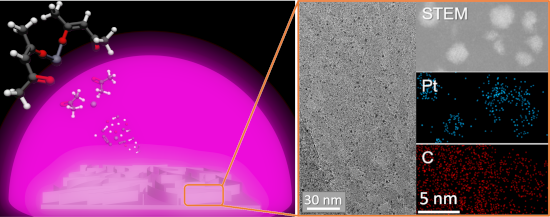
- group metals) required for electrode materials produced by conventional synthesis approaches is still cost-inefficient for broader commercial application [4][5]. Furthermore, since surfactants (capping agents) are typically applied in the traditional wet chemical synthesis of metal nanoparticles in


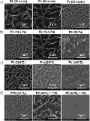


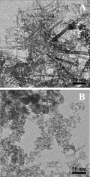
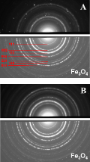
Magnetic-field-assisted synthesis of anisotropic iron oxide particles: Effect of pH
Beilstein J. Nanotechnol. 2020, 11, 1230–1241, doi:10.3762/bjnano.11.107
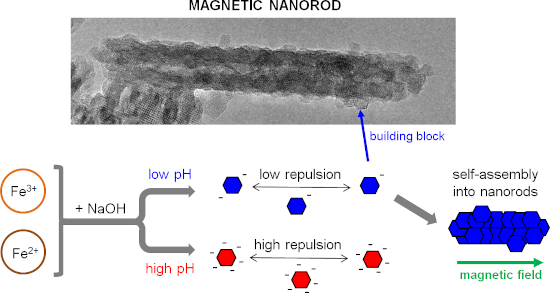
- ] in the presence of shear [40], etc. Almost all of these methods involve either the use of a template or a stabilizing agent to induce a directional one-dimensional growth of rod-like nanoparticles. The most common agents used are surfactants [11][21][23][26][37], polymers [27][36] and other additives





Influence of the magnetic nanoparticle coating on the magnetic relaxation time
Beilstein J. Nanotechnol. 2020, 11, 1207–1216, doi:10.3762/bjnano.11.105
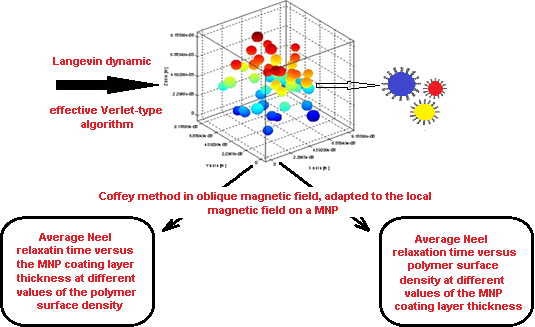
- surface potential of the i-th nanoparticle at infinite separation, z is the ion valence, e = 1.6 × 10⁻¹⁹ C and k is the thickness of the screening ionic layer “κ”, estimated by the inverse of Debye constant. Polymers and surfactants are usually used for steric stabilization. The model uses the following


Applications of superparamagnetic iron oxide nanoparticles in drug and therapeutic delivery, and biotechnological advancements
Beilstein J. Nanotechnol. 2020, 11, 1092–1109, doi:10.3762/bjnano.11.94
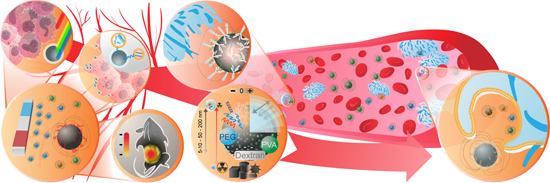
- of iron oxides in the form of magnetite (Fe3O4) or maghemite (Fe2O3) and are easy to produce through a few well-documented synthesis methods yielding different forms and structures (e.g., round, cubic, hexagonal, clusters, core–shell with gold, silica, polymers, or surfactants). A lot of research is
- vitro and in vivo [24]. Also, the synthesis of nanoparticles larger than 20 nm requires a certain surface coverage of the nanoparticles to obtain a monodisperse colloidal solution and to prevent the aggregation of nanoparticles. The substances used for the synthesis are either lipids or surfactants. In
- contact with a living cell, the lipids will be stripped from the particle, leaving the bare nanoparticle in direct contact with the biological material, thus, inducing cytotoxicity. Some surfactants may not be biocompatible because they can disturb the lipid and protein metabolism [78]. In order to use


Microwave-induced electric discharges on metal particles for the synthesis of inorganic nanomaterials under solvent-free conditions
Beilstein J. Nanotechnol. 2020, 11, 1019–1025, doi:10.3762/bjnano.11.86
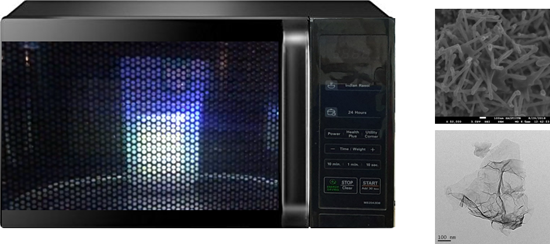
- graphene oxide and graphene without using any solvents or additional surfactants. Results and Discussion Smooth surfaces on commercially available metal particles do not create arcs under microwave irradiation. Instead, they heat up or reflects the microwaves. Thus, activating metal surfaces by acid
- without the need for surfactants and solvents. Experimental Roughening the surface metal powders Commercially purchased micrometer-sized metal powders (Ni, Cu and Zn) are treated with nitric acid to create rough surfaces. In a typical reaction, 100 mg of metal powder is transferred to a beaker containing


Key for crossing the BBB with nanoparticles: the rational design
Beilstein J. Nanotechnol. 2020, 11, 866–883, doi:10.3762/bjnano.11.72
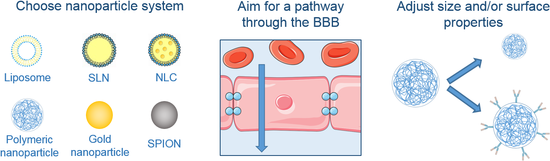
- to cross the BBB through transcytosis. To reach this goal, their surfaces have to be modified, either non-covalently with a coating or covalently by functionalization. Coating with surfactants Coating nanoparticles with a surfactant was the first method used to enhance their BBB permeation ability
- significant increase of analgesia was measured, showing that PS80-coated PBCA nanoparticles were able to deliver dalargin through the BBB to the brain. Following this discovery, different surfactants were tested to coat PBCA nanoparticles [49]. Dalargin-loaded PBCA nanoparticles were coated with polysorbate
- nature of the nanoparticle core composition, not only of the polymer, but also of the API [54]. The ability of surfactants to interact with apolipoproteins was confirmed in another study by Petri et al., where the efficacy of PBCA nanoparticles loaded with doxorubicin and coated with either PS80 or P188


Exfoliation in a low boiling point solvent and electrochemical applications of MoO3
Beilstein J. Nanotechnol. 2020, 11, 662–670, doi:10.3762/bjnano.11.52
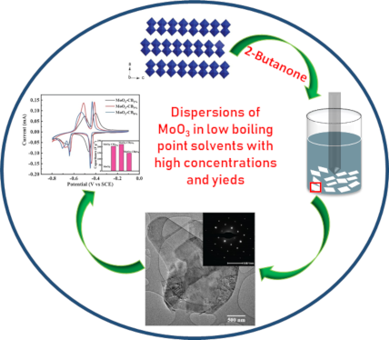
- either by ultrasonic vibrations or shearing in a liquid medium that facilitates the exfoliation. To influence the energies relevant for the exfoliation in aqueous media, additives such as surfactants and polymers are used [8]. However, their removal is quite tedious and the remnants are detrimental for