


Search results
Search for "biomedical" in Full Text gives 395 result(s) in Beilstein Journal of Nanotechnology. Showing first 200.
Interface properties of nanostructured carbon-coated biological implants: an overview
Beilstein J. Nanotechnol. 2024, 15, 1041–1053, doi:10.3762/bjnano.15.85
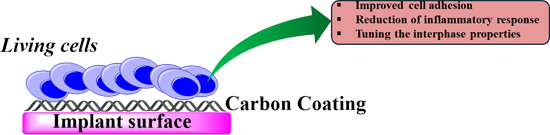
- thickness and some morphological properties of the deposited nanostructured film can be controlled by adjusting deposition time, substrate temperature, and deposition rate. The response of biological surfaces to non-biological materials The first challenge in developing biomedical implants is related to



Recent progress on field-effect transistor-based biosensors: device perspective
Beilstein J. Nanotechnol. 2024, 15, 977–994, doi:10.3762/bjnano.15.80
- currents, making this biosensor structure promising and an excellent candidate for various highly sensitive biomedical applications. 2.2.15 Negative-capacitance TFET-based biosensors. A Ge/GaAs negative-capacitance double-gate tunnel FET (NC DG) FET-based biosensor has been proposed by Paul et al. [119




Electrospun nanofibers: building blocks for the repair of bone tissue
Beilstein J. Nanotechnol. 2024, 15, 941–953, doi:10.3762/bjnano.15.77
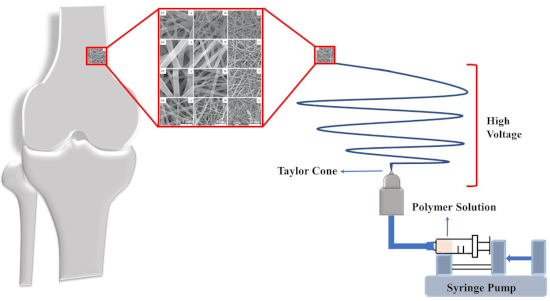
- Co. Ltd.)) [101]. The main polymeric nanofiber products on the market for bone regeneration are ReBOSSIS (Ortho Rebirth, Japan), a PLGA-based biomedical product for filling a synthetic bone cavity, poly-ʟ-lactic acid (PLLA) and collagen scaffolds (The Electrospinning Company, United Kingdom), and PCL
- ’ recovery, ReBOSSIS is gradually replaced with bone. ReBOSSIS was approved by the US Food and Drug Administration in April 2015, and it us available in the USA [102]. PLLA and collagen-containing scaffolds developed by The Electrospinning Company are used for biomedical applications in various bone defects


Identification of structural features of surface modifiers in engineered nanostructured metal oxides regarding cell uptake through ML-based classification
Beilstein J. Nanotechnol. 2024, 15, 909–924, doi:10.3762/bjnano.15.75
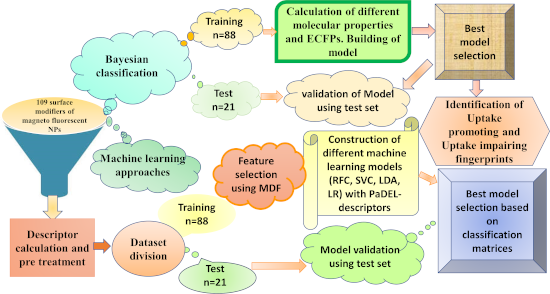
- advancement of nanotechnology has led to the widespread utilization of engineered nanostructured metal oxides (ENMOs) in various industrial and biomedical applications [1]. Nanoparticles (NPs) are described by the International Organization for Standardization as structures characterized by one, two, or three
- implications for the rational design of ENMOs with tailored properties for biomedical applications, ensuring their higher efficiency. Materials and Methods Preparation of datasets The current study was performed employing the experimental cellular uptake data of 109 chemically attached surface modifiers of


When nanomedicines meet tropical diseases
Beilstein J. Nanotechnol. 2024, 15, 830–832, doi:10.3762/bjnano.15.69
- , York Biomedical Research Institute, University of York, York YO10 5DD, UK Aggeu Magalhães Institute, Oswaldo Cruz Foundation (FIOCRUZ), 50670-420, Recife, PE, Brazil Faculty of Medical Sciences, University of Pernambuco (UPE), 52171-011, Recife, PE, Brazil 10.3762/bjnano.15.69 Keywords: Aedes aegypti
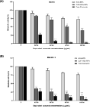
Electrospun polysuccinimide scaffolds containing different salts as potential wound dressing material
Beilstein J. Nanotechnol. 2024, 15, 781–796, doi:10.3762/bjnano.15.65
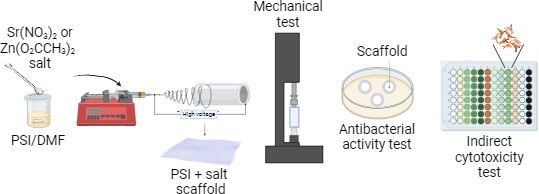
- containing antibacterial and tissue-regenerating salts of zinc acetate or strontium nitrate in different concentrations, whose structures may be suitable for developing biomedical wound dressing systems in the future. Several experiments have been conducted to optimize the physicochemical, mechanical, and
- )/hydroxyapatite in orthopedics [1][2]. Biocompatible polymers are widely used in biomedical fields, such as stents, drug delivery systems in cancer therapy, bone repair, dentistry, joint prostheses, and tissue engineering [2][3][4][5][6]. Polymers have several advantageous properties for these applications as
- created and used in numerous biomedical applications, such as tissue engineering, wound dressing, and drug delivery [11][12]. Electrospinning has many advantages: it is a simple technique, cost-effective, reproducible, scalable, and reliable. In addition, various polymers can be used as starting material



Exploring surface charge dynamics: implications for AFM height measurements in 2D materials
Beilstein J. Nanotechnol. 2024, 15, 767–780, doi:10.3762/bjnano.15.64
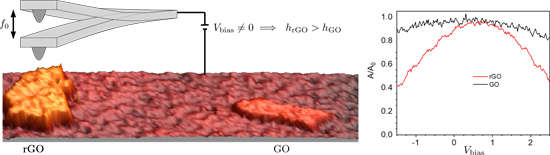
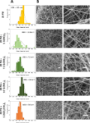
- ], sensors [2], and biomedical applications [3][4], among other areas [5][6][7][8]. Graphene-related materials [8], transition metal dichalcogenides [9], boron nitride [10], and MXenes [11], among many others, exhibit novel and exotic properties, which markedly differ from their bulk counterparts [12]. This


Green synthesis of biomass-derived carbon quantum dots for photocatalytic degradation of methylene blue
Beilstein J. Nanotechnol. 2024, 15, 755–766, doi:10.3762/bjnano.15.63
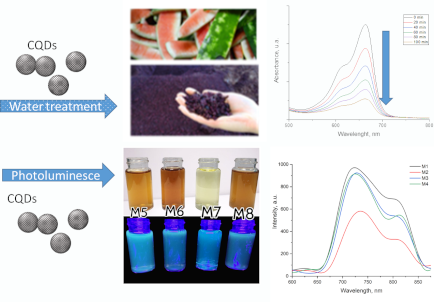
- properties for advanced photocatalytic applications. Furthermore, the assessment of luminescence activity unveiled the potential of CQDs for biomedical imaging, particularly with upconversion luminescence. This presents opportunities for targeted cell identification and drug delivery. This study underscores


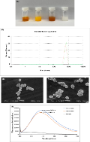
Gold nanomakura: nanoarchitectonics and their photothermal response in association with carrageenan hydrogels
Beilstein J. Nanotechnol. 2024, 15, 678–693, doi:10.3762/bjnano.15.56
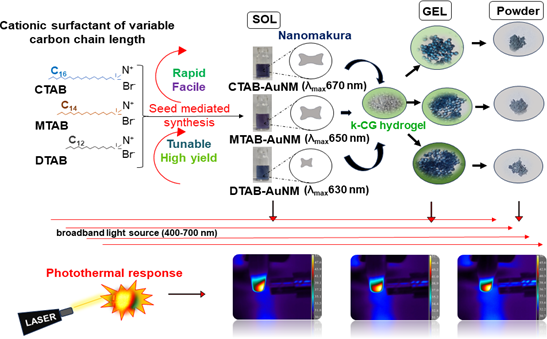
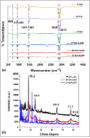
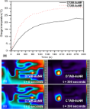
- Mahatma Gandhi Marg, Lucknow 226001, India Academy of Scientific and Innovative Research (AcSIR), Ghaziabad 201002, India Biomedical Applications Group, CSIR-Central Scientific Instruments Organisation, Sector 30C, Chandigarh 160030, India 10.3762/bjnano.15.56 Abstract Photothermal conversion of light
- absorb NIR/IR wavelengths show efficient heat-generating capability. It is due to the strong absorption and scattering of light from visible to NIR/IR region that has brought radical advancement in the field of biomedical sciences. The manifestation of longitudinal surface plasmon resonance (LSPR) at the
- biomedical soft materials [21]. Similarly, a very recent introduction of kappa-carrageenan (k-CG) into the field of nanotechnology has shown immense potential in the synthesis of plasmonic metal nanoparticles [22]. K-carrageenan is well known and is being used in several biomedical applications due to its






On the additive artificial intelligence-based discovery of nanoparticle neurodegenerative disease drug delivery systems
Beilstein J. Nanotechnol. 2024, 15, 535–555, doi:10.3762/bjnano.15.47
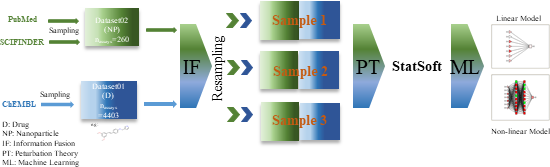
- size on the probability to cross the BBB by using the endothelial brain cell method. The results indicated that the intracellular uptake of NPs strongly depends on the NP size. This characteristic has a direct impact on biomedical applications. When NPs serve as carriers for drug delivery through



Aero-ZnS prepared by physical vapor transport on three-dimensional networks of sacrificial ZnO microtetrapods
Beilstein J. Nanotechnol. 2024, 15, 490–499, doi:10.3762/bjnano.15.44
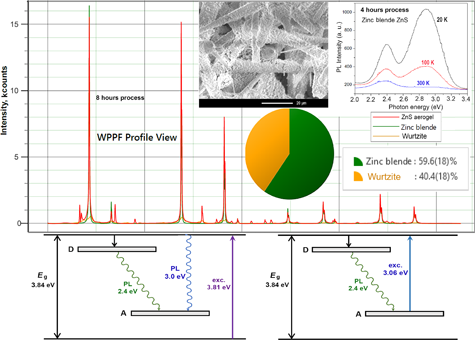
- pollutants from the atmosphere and from water, in other catalytic processes, including photocatalytic water splitting, in energy production and storage, in microfluidic systems, in drug delivery and other biomedical applications, in sensing, in electronic, photoelectronic, optoelectronic and nanophotonic



Potential of a deep eutectic solvent in silver nanoparticle fabrication for antibiotic residue detection
Beilstein J. Nanotechnol. 2024, 15, 426–434, doi:10.3762/bjnano.15.38
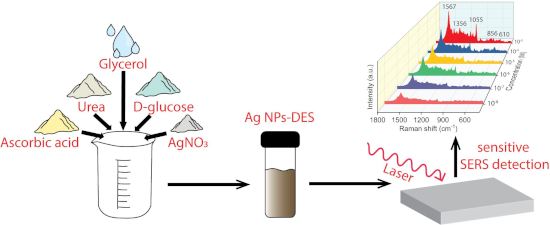
- co-workers [23]. This restricts the applicability of Ag NPs in the biomedical field and leads to the requirement for more eco-friendly products. Recently, deep eutectic solvents (DESs) have been introduced to the chemical synthesis of nanomaterials. DESs show superior properties including high
- regarding the detection of NFT and SDZ, we demonstrate application aspects of our product, showing the great potential of DESs in sensing and biomedical applications. Results and Discussion Formation of Ag NPs-DES We have developed new and simple strategy to fabricate Ag NPs-DES in which ascorbic acid was


Classification and application of metal-based nanoantioxidants in medicine and healthcare
Beilstein J. Nanotechnol. 2024, 15, 396–415, doi:10.3762/bjnano.15.36
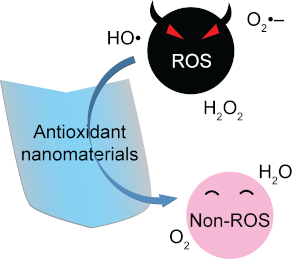
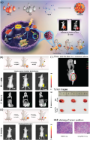
- collaboration between chemistry, biomedical fields, nanomaterials science, and physics is needed to accurately control the shape, size, and morphology of metal-based nanoantioxidants for more specific accumulation. Classification of antioxidant nanomaterials. Multi-antioxidant activities of ceria nanoplates. (a


Vinorelbine-loaded multifunctional magnetic nanoparticles as anticancer drug delivery systems: synthesis, characterization, and in vitro release study
Beilstein J. Nanotechnol. 2024, 15, 256–269, doi:10.3762/bjnano.15.24
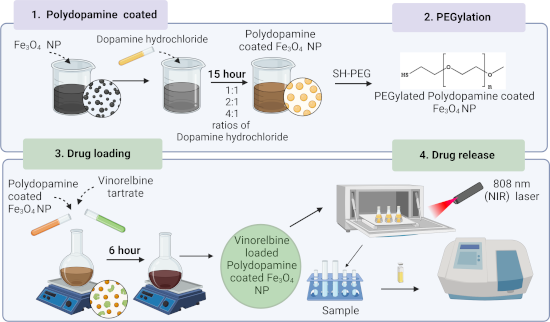
- ’ magnetization cycle, as Bloch and Neel theorized [11][13]. Superparamagnetic iron oxide nanoparticles for drug delivery, diagnosis, and cancer therapy have gained wider acceptance in biomedical applications [14]. They have received notable attention in clinical applications such as early disease diagnosis (e.g


Development and characterization of potential larvicidal nanoemulsions against Aedes aegypti
Beilstein J. Nanotechnol. 2024, 15, 104–114, doi:10.3762/bjnano.15.10
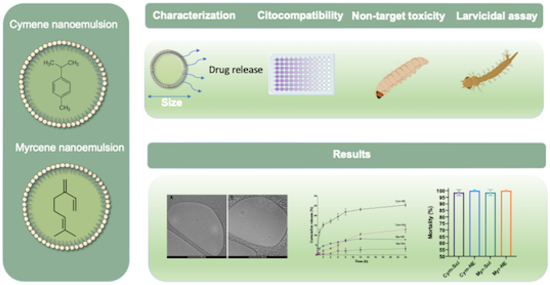
- ]. Biocompatibility assessment is an essential aspect of the development of NEs, particularly for biomedical and cosmetic applications, as it determines the safety and efficacy of the formulations. The assessment involves evaluating the potential cytotoxicity and genotoxicity of the NEs on different cell types and


Berberine-loaded polylactic acid nanofiber scaffold as a drug delivery system: The relationship between chemical characteristics, drug-release behavior, and antibacterial efficiency
Beilstein J. Nanotechnol. 2024, 15, 71–82, doi:10.3762/bjnano.15.7

- Le Thi Le Hue Thi Nguyen Liem Thanh Nguyen Huy Quang Tran Thuy Thi Thu Nguyen Phenikaa University Nano Institute (PHENA), Phenikaa University, Hanoi 12116, Vietnam School of Material Science and Technology, Hanoi University of Science and Technology, Hanoi 11600, Vietnam Faculty of Biomedical
- cytotoxicity test revealed that the BBR NPs/PLA nanofiber scaffold did not induce any changes in morphology and proliferation of MA-104 cell monolayers. It suggests that the BBR/PLA and BBR NPs/PLA nanofiber scaffolds can be used in different biomedical applications, such as wound dressing, drug delivery
- strongly affect the release behavior of the drug from nanofiber scaffolds [14][17][18][19]. Polylactic acid (PLA), a synthetic polymer that has been approved by the FDA for biomedical usage, is commonly used for drug delivery systems due to its biocompatibility and biodegradability [20]. Yuan et al. [17


Influence of conductive carbon and MnCo2O4 on morphological and electrical properties of hydrogels for electrochemical energy conversion
Beilstein J. Nanotechnol. 2024, 15, 57–70, doi:10.3762/bjnano.15.6
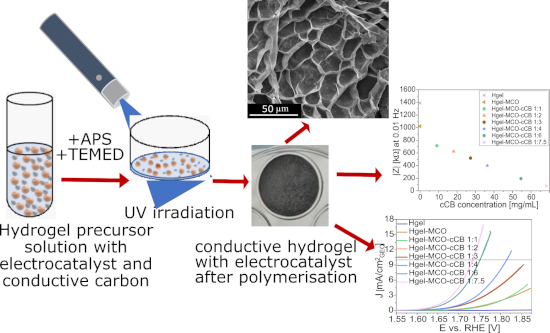
- , drugs, metal nanoparticles, metal oxide nanoparticles, carbon nanotubes, or biomolecules. This is a very important advantage that opens ways of designing composite hydrogels with various properties and applications such as biomedical [8][9][10], biosensors [11][12][13], wearable electronics [14][15][16
- were tested for biomedical applications. Nevertheless, they show that the impedance trend that we obtained is similar to that of other hydrogel materials presented in the literature. Additionally, experimental EIS data was modelled with simple electrical equivalent circuit (insert in Figure 4a), where


Nanotechnological approaches in the treatment of schistosomiasis: an overview
Beilstein J. Nanotechnol. 2024, 15, 13–25, doi:10.3762/bjnano.15.2

- Technological Innovation Laboratory - Department of Physiological Sciences, Biomedical Institute, R. Frei Caneca, 94, Rio de Janeiro, Brazil 10.3762/bjnano.15.2 Abstract Schistosomiasis causes over 200,000 deaths annually. The current treatment option, praziquantel, presents limitations, including low


Fluorescent bioinspired albumin/polydopamine nanoparticles and their interactions with Escherichia coli cells
Beilstein J. Nanotechnol. 2023, 14, 1208–1224, doi:10.3762/bjnano.14.100

- , France UMR 7199, CNRS/University of Strasbourg, 74 route du Rhin, 67401 Illkirch, France CNRS, 23 rue du Loess, 67200 Strasbourg, France 10.3762/bjnano.14.100 Abstract Inspired by the eumelanin aggregates in human skin, polydopamine nanoparticles (PDA NPs) are promising nanovectors for biomedical
- bacteria. Inspired by the eumelanin aggregates in human skin, polydopamine nanoaggregates (here referred to as nanoparticles, i.e., PDA NPs) have emerged as promising nanovectors for biomedical applications [11][12], especially because of their biocompatibility [13][14] and photothermic properties [15][16



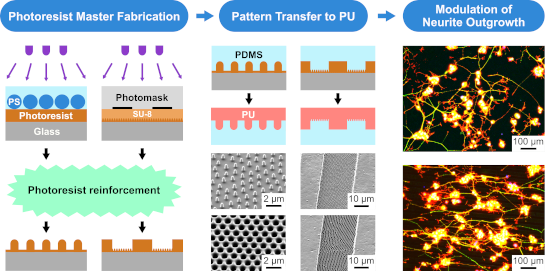
Hierarchically patterned polyurethane microgrooves featuring nanopillars or nanoholes for neurite elongation and alignment
Beilstein J. Nanotechnol. 2023, 14, 1157–1168, doi:10.3762/bjnano.14.96
- Lester Uy Vinzons Guo-Chung Dong Shu-Ping Lin Doctoral Program in Tissue Engineering and Regenerative Medicine, National Chung Hsing University, Taichung City 40227, Taiwan (R.O.C.) Institute of Biomedical Engineering and Nanomedicine, National Health Research Institutes, Miaoli County 35053
- , Taiwan (R.O.C.) Graduate Institute of Biomedical Engineering, National Chung Hsing University, Taichung City 40227, Taiwan (R.O.C.) 10.3762/bjnano.14.96 Abstract Surface micro- and nanostructures profoundly affect the functional performance of nerve regeneration implants by modulating neurite responses


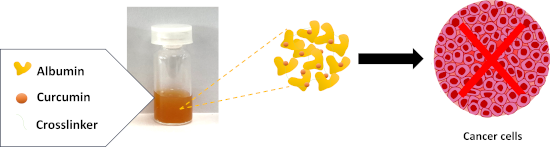
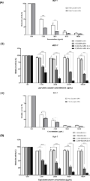
Curcumin-loaded albumin submicron particles with potential as a cancer therapy: an in vitro study
Beilstein J. Nanotechnol. 2023, 14, 1127–1140, doi:10.3762/bjnano.14.93
- addition, the removal of sericin, which requires a degumming process, is a prerequisite for using silk cocoons in biomedical applications to reduce the risk of an inflammatory response [18]. However, this degumming process can lead to damage to the silk structure, increase the polydispersity of the silk




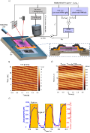
Spatial mapping of photovoltage and light-induced displacement of on-chip coupled piezo/photodiodes by Kelvin probe force microscopy under modulated illumination
Beilstein J. Nanotechnol. 2023, 14, 1059–1067, doi:10.3762/bjnano.14.87

- precise motion with high resolution. This offers promising possibilities for biomedical, environmental, and micro/nanoengineering applications [5][6]. Various types of design and actuation mechanisms have been developed in recent years [7][8]. A primary requirement to unlock the better performance of


A visible-light photodetector based on heterojunctions between CuO nanoparticles and ZnO nanorods
Beilstein J. Nanotechnol. 2023, 14, 1018–1027, doi:10.3762/bjnano.14.84
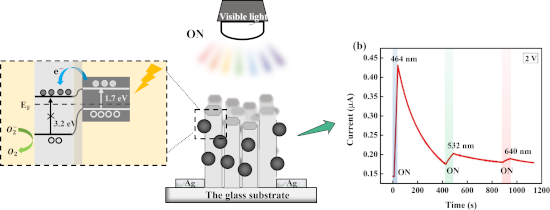
- photodetectors (PDs) to “Industry 4.0”, which may include image sensors, biomedical imaging, manufacturing process control, environmental sensing, and optical sensors [8]. Various materials for photodetectors have been developed. Photodetectors can be classified into two main categories, namely PDs that work at


Nanoarchitectonics of photothermal materials to enhance the sensitivity of lateral flow assays
Beilstein J. Nanotechnol. 2023, 14, 988–1003, doi:10.3762/bjnano.14.82
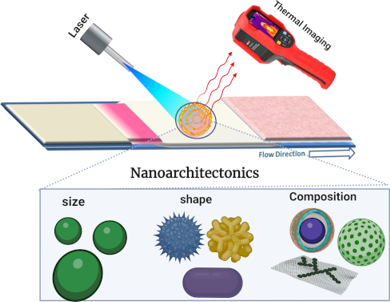
- Elangovan Sarathkumar Rajasekharan S. Anjana Ramapurath S. Jayasree Division of Biophotonics and Imaging, Biomedical Technology Wing, Sree Chitra Tirunal Institute for Medical Sciences and Technology, Poojappura, Thiruvananthapuram-695012, Kerala, India 10.3762/bjnano.14.82 Abstract Lateral flow
- to control the nanoscale architecture makes them a great choice for biomedical applications [49][50]. Gold nanostructures such as spheres, rods, stars, shells, and cages are often used as photothermal agents [51][52]. The surface plasmon resonance frequency of gold nanomaterials can be easily


Ni, Co, Zn, and Cu metal-organic framework-based nanomaterials for electrochemical reduction of CO2: A review
Beilstein J. Nanotechnol. 2023, 14, 904–911, doi:10.3762/bjnano.14.74
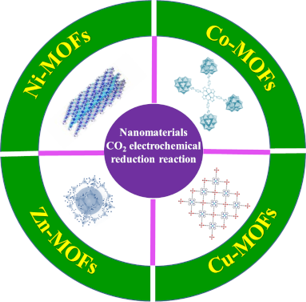
- [28][29][30], and biomedical [31] applications. These materials are distinguished by their exceptional attributes, including a substantial specific surface area, pronounced porosity, and modifiable chemical structures [32]. Within the catalytic domain, MOFs demonstrate catalytic activity stemming from





