Search results
Search for "composites" in Full Text gives 355 result(s) in Beilstein Journal of Nanotechnology. Showing first 200.
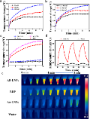
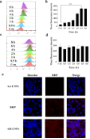
Facile preparation of Au- and BODIPY-grafted lipid nanoparticles for synergized photothermal therapy
Beilstein J. Nanotechnol. 2022, 13, 1432–1444, doi:10.3762/bjnano.13.118

- ]. BODIPY-AuNP conjugates and BODIPY-AuNP composites were also reported for diagnosis and photodynamic therapy (PDT) [15][16][17]. Hence, we aimed to synthesize a common halogenated BODIPY compound (BDP) and further modified Au-LNPs with BDP for synergized PTT (Scheme 1). According to [8], we prepared Au




Recent trends in Bi-based nanomaterials: challenges, fabrication, enhancement techniques, and environmental applications
Beilstein J. Nanotechnol. 2022, 13, 1316–1336, doi:10.3762/bjnano.13.109
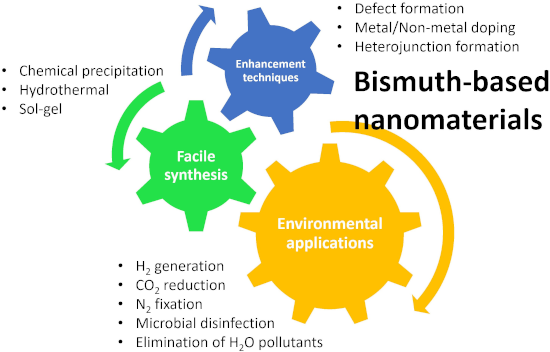
- energies. Many persistent organic contaminants can be degraded at room temperature through the oxidizing power of VB holes in bismuth oxyhalides [26]. BiOCl, BOI, BiOBr, and composites made from them have been widely reported due to their excellent photocatalytic properties [27][28][29]. However, the
- also reported. The Fenelon group successfully fabricated SnO2 and Bi2S3–Bi25 composites via a facile hydrothermal technique followed by thermal breakdown [27]. The photocatalytic performance of the fabricated ternary composite photocatalyst was 2.75 times higher than that of pristine Bi2S3 for the
- simple hydrothermal technique was applied by Liu et al. to modify BiVO4 heterojunctions with carbon quantum dots [106]. Exceptional photocatalytic performance for the degradation of RhB dye under visible light was exhibited by CNQDs-ms/tz-BiVO4 and NCQDs-ms/tz-BiVO4 composites. The reason for their




Studies of probe tip materials by atomic force microscopy: a review
Beilstein J. Nanotechnol. 2022, 13, 1256–1267, doi:10.3762/bjnano.13.104
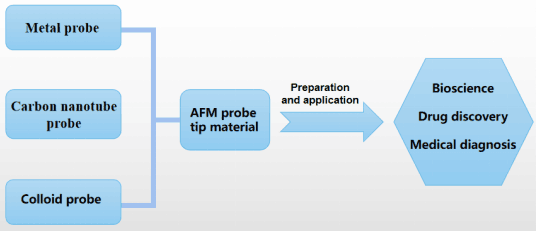
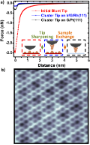
- . AFM probes based on these C–C composites' high aspect ratio tips produced highly high image resolution and good wear resistance, with no degradation of tip or image quality observed after 400 images had been acquired. Compared with the above composite probes, the combination with metal nanowires also
Application of nanoarchitectonics in moist-electric generation
Beilstein J. Nanotechnol. 2022, 13, 1185–1200, doi:10.3762/bjnano.13.99
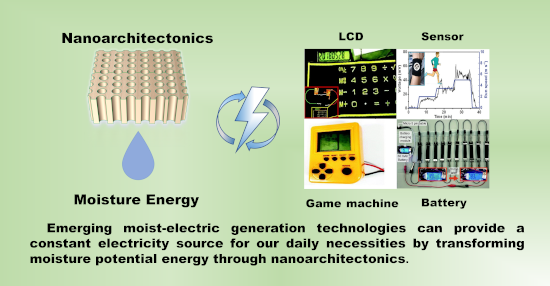
- can be easily grown on substrates to form nanoscale networks and perform well in MEGs due to their unique electron transport properties [2][47][48]. This includes Al2O3 [49], MoS2 [50][51], Ni–Al layered double hydroxide (LDH) [52], MoS2/SiO2 composites [53], TiO2 [54], and Ti3C2Tx MXene nanosheets
- multiple device connections in parallel and series, and polyethylene derivative composites can be fabricated as large-area textiles [77]. Therefore, it is expected that there will be more studies on the application of polyethylene derivative MEGs. 3.2 Nanocellulose Among organic materials, nanocellulose is
- ). There are also PVA@DA/PVDF NF composites that can efficiently generate instantaneous voltages up to 0.5 V from ambient moisture (Figure 10j). However, because of different issues regarding daily practical applications, such as sweat corrosion, biological toxicity on human skin, and the need for suitable


Recent advances in green carbon dots (2015–2022): synthesis, metal ion sensing, and biological applications
Beilstein J. Nanotechnol. 2022, 13, 1068–1107, doi:10.3762/bjnano.13.93




Biomimetic chitosan with biocomposite nanomaterials for bone tissue repair and regeneration
Beilstein J. Nanotechnol. 2022, 13, 1051–1067, doi:10.3762/bjnano.13.92
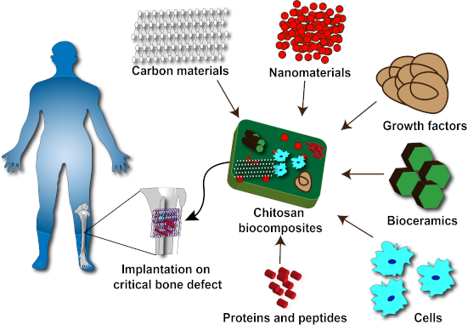
- materials should be in the form of inorganic and organic composites. To mimic the inorganic portion, researchers have tried to utilize calcium phosphate materials due to their similarity to the native tissue. To mimic the organic portion of the bone, several materials including polymers, proteins, and
- carbon-based materials have been tested. Biomaterials for bone graft substitutes Hydroxyapatite and its composites have been widely utilized/studied biomaterials for bone tissue engineering [35][36]. Hydroxyapatite with several polymeric materials has been used to mimic the natural function of the bone
- . However, the drawbacks of using growth factors and enzymes are stability, high cost, and low availability. To overcome these issues, bioactive materials are often studied to mimic the natural function of growth factors. Several researchers are studying nanomaterial-based chitosan composites regarding
Spindle-like MIL101(Fe) decorated with Bi2O3 nanoparticles for enhanced degradation of chlortetracycline under visible-light irradiation
Beilstein J. Nanotechnol. 2022, 13, 1038–1050, doi:10.3762/bjnano.13.91
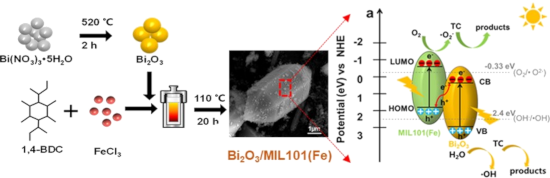
- -lined steel autoclave and heated at 110 °C for 24 h. The orange solid product collected by centrifugation was rinsed by deionized water and ethanol for several times to remove unreacted substances, dried at 60 °C for 10 h in a vacuum oven, and ground to obtain Bi2O3/MIL101(Fe) composites. The as
- ). Figure 3d shows an HRTEM image of BOM-20 composites. The lattice fringes of 0.37 nm correspond to the (120) facet of α-Bi2O3 [55]. Meanwhile, the tight contact interface between Bi2O3 and MIL101(Fe) can be clearly observed. Furthermore, the elemental mapping images of BOM-20 (Figure 3e–h) reveal the
- BOM-20 composites. In the high-resolution spectrum of Fe 2p (Figure 4b), peaks at 725.2 and 711.4 eV are ascribed to Fe 2p1/2 and 2p3/2, respectively, implying the existence of Fe–O bonds [37]. The difference of binding energy between these two peaks is 13.9 eV, suggesting the presence of Fe3+ in BOM


Recent advances in nanoarchitectures of monocrystalline coordination polymers through confined assembly
Beilstein J. Nanotechnol. 2022, 13, 763–777, doi:10.3762/bjnano.13.67

- connected branches suggests that the channel walls can be encapsulated by single crystals. This is a basis for the formation of composites with a single crystal matrix. When solid networks are immersed into a solution of coordination polymers, the connected space among the networks can be seen as connected
- ]. There are several parameters of the single crystals, such as defects, hydrophilicity, and dispersity in water, that determine the performance of the composites in biomedicine [106][107]. To introduce more controllable and repeatable synthetic methods to tailor the parameters of monocrystalline
- challenges to be tackled in the future. First, the detailed structures of the networks@crystal are difficult to investigate. The atomic structures of the composites are easily lost during observation because the coordination polymers are not stable under electron irradiation. Moreover, when the composites





Hierarchical Bi2WO6/TiO2-nanotube composites derived from natural cellulose for visible-light photocatalytic treatment of pollutants
Beilstein J. Nanotechnol. 2022, 13, 745–762, doi:10.3762/bjnano.13.66
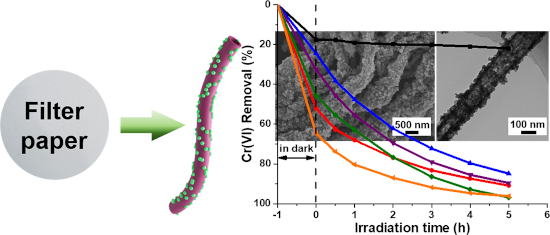
- Zehao Lin Zhan Yang Jianguo Huang Department of Chemistry, Zhejiang University, Hangzhou, Zhejiang 310027, P. R. China Shenzhen Middle School, Shenzhen, Guangdong 518001, P. R. China 10.3762/bjnano.13.66 Abstract A series of Bi2WO6/TiO2-nanotube (Bi2WO6/TiO2-NT) heterostructured composites were
- nanotubes were formed by TiO2 nanotubes that uniformly anchored with Bi2WO6 nanoparticles of various densities on the surface. The composites exhibited improved photocatalytic activities toward the reduction of Cr(VI) and degradation of rhodamine B under visible light (λ > 420 nm), which were attributed to
- ][8]. However, the wide bandgap of TiO2 inhibits the absorption of light in the visible region and the rapid recombination of photogenerated electron−hole pairs restrains its photocatalytic activity. It has been verified that constructing TiO2-based heterostructured composites by using visible-light


Nanoarchitectonics of the cathode to improve the reversibility of Li–O2 batteries
Beilstein J. Nanotechnol. 2022, 13, 689–698, doi:10.3762/bjnano.13.61
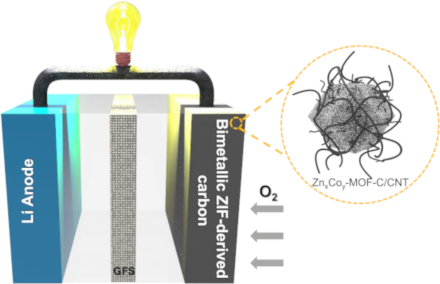
- sufficient diffusion pathways for oxygen and electrolyte in the cathode. The ratio of Zn/Co in the starting materials greatly affects the microstructure and porosity of the resulting bimetallic ZIF–carbon/CNT composites. The correlation between the microstructure and the electrochemical performance of the
- bimetallic ZIF–carbon/CNT composites has been thoroughly investigated for their practical use as potential cathode materials for high-performance LOBs. Results and Discussion In pursuit of improving the reversibility of LOBs, a bimetallic ZIF (ZnxCoy) was designed and grown on CNTs via hydrothermal synthesis
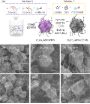
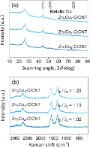
- ratio of Zn/Co (x/y = 1/4, 1/1, and 4/1) in the starting materials. After carbonization at 900 °C and chemical etching with 1 M H2SO4, bimetallic ZnxCoy–C/CNT composites were successfully obtained to be used as cathode materials for LOBs. Figure 1b–d shows the morphologies of bimetallic Zn4Co1, Zn1Co1


Reliable fabrication of transparent conducting films by cascade centrifugation and Langmuir–Blodgett deposition of electrochemically exfoliated graphene
Beilstein J. Nanotechnol. 2022, 13, 666–674, doi:10.3762/bjnano.13.58
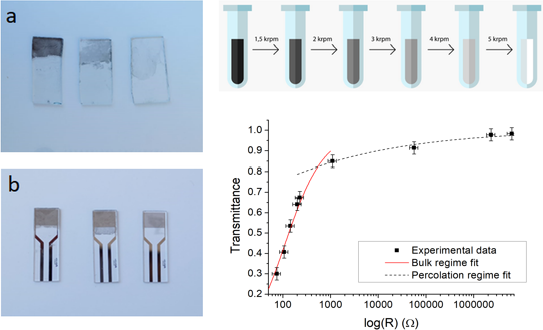
- exfoliation result in solutions that contain flakes of different sizes, that is, the solutions are polydisperse. Polydispersity is a significant problem regarding the use of solution-processed graphene, because many applications are size-dependent. On the one hand, for example, for use in composites, flakes


Effect of sample treatment on the elastic modulus of locust cuticle obtained by nanoindentation
Beilstein J. Nanotechnol. 2022, 13, 404–410, doi:10.3762/bjnano.13.33
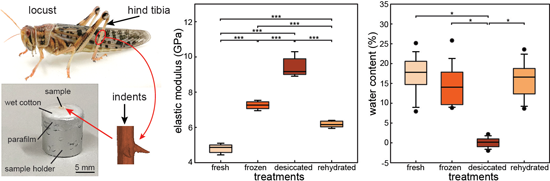
- most abundant, but least studied, biological composites. As a result, it has contributed very little to the field of biomimetics. An important step to overcome this problem is to study cuticle biomechanics by means of accurate mechanical measurements. However, due to many reasons, mechanical testing on
- composites with enhanced properties. Specifically, cuticle can help us to develop ceramics with improved fracture toughness or overcome limitations of existing engineering materials by combining conflicting properties. A first step towards these aims is to develop guidelines for measuring cuticle properties


Micro- and nanotechnology in biomedical engineering for cartilage tissue regeneration in osteoarthritis
Beilstein J. Nanotechnol. 2022, 13, 363–389, doi:10.3762/bjnano.13.31
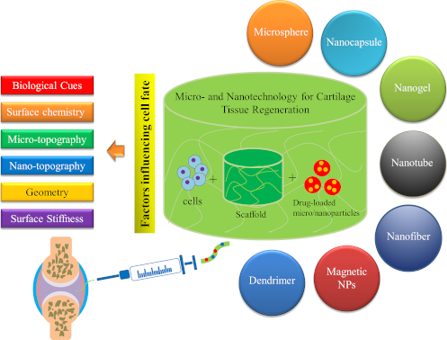
- films (nanofiber composites) coated with PLDLA nanofibers on the behavior of bovine chondrocytes [109]. The researchers observed that electrospun nanofibers supported the adhesion of cells and maintained the chondrocyte phenotype. Besides, the adhesivity and mechanics of the nanofiber-based scaffolds
- encapsulated chondrocytes and improved the production of cartilage-specific markers [111]. Furthermore, two or more nanofiber-based components can be blended and used for electrospinning to obtain composite mats or fabricate nanofiber-incorporated composites. In this regard, a poly(ʟ-lactic acid) (PLLA)/silk
- innovative properties, a small fraction of CNTs can be dispersed as fillers in composites. However, application and integration of CNTs with polymers have encountered technical limitations because of the low dispersity of CNTs within a wide range of solvents. CNTs are chemically highly inert molecules and


Selected properties of AlxZnyO thin films prepared by reactive pulsed magnetron sputtering using a two-element Zn/Al target
Beilstein J. Nanotechnol. 2022, 13, 344–354, doi:10.3762/bjnano.13.29
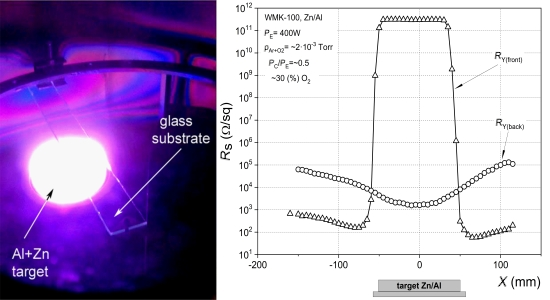
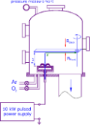
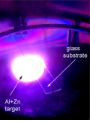
- the front surface of the substrates, outside the zone directly above the target (off-axis geometry). Analysis of structural properties showed that all thin films were nanocrystalline composites of ZnO and Al2ZnO4. Increasing X caused an increase of the crystallite size from ca. 4 to 16 nm, a decrease


Engineered titania nanomaterials in advanced clinical applications
Beilstein J. Nanotechnol. 2022, 13, 201–218, doi:10.3762/bjnano.13.15
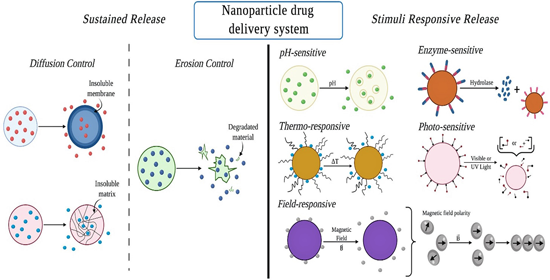
- contributes to hydroxyapatite (HA) formation and bone matrix mineralization [71]. Likewise, nanophase titania/poly(lactic-co-glycolic acid) (PLGA) composites have been designed that showed greater osteoblast adhesion compared to plain PLGA [72]. In vivo tissue engineering (TE) holds tremendous potential in


Piezoelectric nanogenerator for bio-mechanical strain measurement
Beilstein J. Nanotechnol. 2022, 13, 192–200, doi:10.3762/bjnano.13.14

- fluoride (PVDF) and other piezoelectric polymers are used in the form of fibers, filaments, and composites. In this research, PVDF nanofibers were developed and integrated onto a knitted fabric to fabricate a piezoelectric device for human body angle monitoring. Scanning electron microscopy and X-ray


A comprehensive review on electrospun nanohybrid membranes for wastewater treatment
Beilstein J. Nanotechnol. 2022, 13, 137–159, doi:10.3762/bjnano.13.10


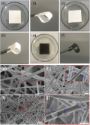


Tin dioxide nanomaterial-based photocatalysts for nitrogen oxide oxidation: a review
Beilstein J. Nanotechnol. 2022, 13, 96–113, doi:10.3762/bjnano.13.7

- introducing defects in metal oxide semiconductors opens up the possibility of their use in the visible spectrum [77]. Recently, Xie et al. reported using SnO2/graphene quantum dot (GQD) composites. They showed that the absorption edge of as-prepared SnO2 (Figure 13a black line) is around 340 nm, equaling to a
- –210, Copyright (2017), with permission from Elsevier. This content is not subject to CC BY 4.0. (a) Diffuse reflectance spectra of SnO2 and SnO2/GQDs composites. Inset is the absorption spectrum of GQDs dispersed in water. (b) PL spectra of SnO2 and SnO2/GQDs composites. Excitation wavelength: 260 nm


Sputtering onto liquids: a critical review
Beilstein J. Nanotechnol. 2022, 13, 10–53, doi:10.3762/bjnano.13.2
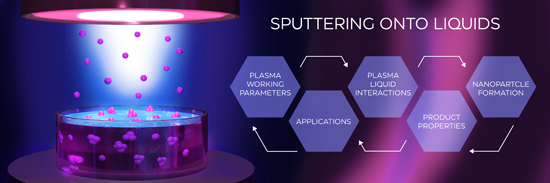


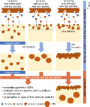


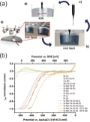


Measurement of polarization effects in dual-phase ceria-based oxygen permeation membranes using Kelvin probe force microscopy
Beilstein J. Nanotechnol. 2021, 12, 1380–1391, doi:10.3762/bjnano.12.102
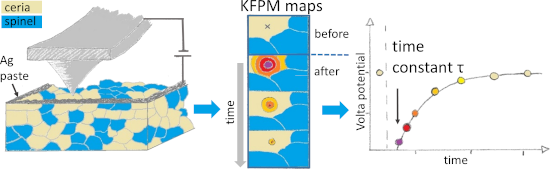
- mainly of Ce0.8Sm0.2O1.9 and FeCo2O4 with only minor amounts of the perovskite phase (Sm,Ce)(Fe,Co)O3. SFO is thought to be a mainly electron-conductive material, as the related phase (Gd,Ce)(Fe,Co)O3, which develops in composites of Ce0.8Gd0.2O1.9 and FeCo2O4 is an electron conductor as well [16]. The


Biocompatibility and cytotoxicity in vitro of surface-functionalized drug-loaded spinel ferrite nanoparticles
Beilstein J. Nanotechnol. 2021, 12, 1339–1364, doi:10.3762/bjnano.12.99
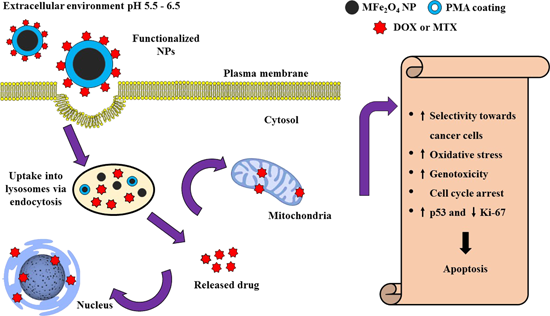
- cobalt ferrite (CFO), nickel ferrite (NFO), and zinc ferrite (ZFO) as compared to FeO due to the ionic radii difference of divalent M+2 cations. The peak shift also indicates the incorporation of M+2 cations into the lattice. Further confirmation of the crystalline nature of the composites was obtained




Enhancement of the piezoelectric coefficient in PVDF-TrFe/CoFe2O4 nanocomposites through DC magnetic poling
Beilstein J. Nanotechnol. 2021, 12, 1262–1270, doi:10.3762/bjnano.12.93

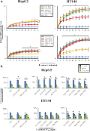
- characteristics of PVDF, PVDF-TrFe, and its composites.


Morphology-driven gas sensing by fabricated fractals: A review
Beilstein J. Nanotechnol. 2021, 12, 1187–1208, doi:10.3762/bjnano.12.88
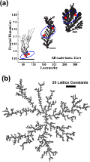
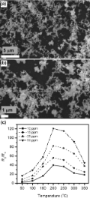
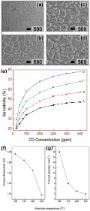
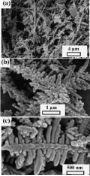
- -assisted chemical etching was used by Qin et al. [79] to prepare a dendritic array of Si/WO3 NW composites, which was tested for the detection of NO2 gas at room temperature. Figure 17a–e SEM and high-resolution transmission electron microscopy (HR-TEM) images of Si/WO3 NWs. Figure 17f shows the XRD










Self-assembly of amino acids toward functional biomaterials
Beilstein J. Nanotechnol. 2021, 12, 1140–1150, doi:10.3762/bjnano.12.85
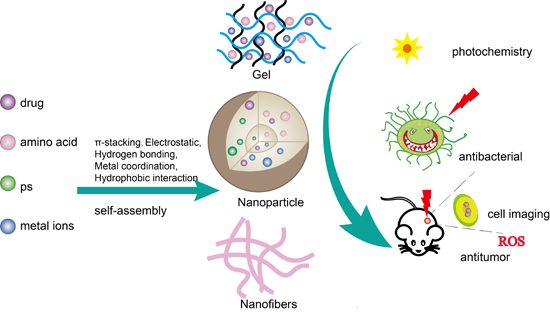
- Fmoc groups, Fmoc-lysine and Fmoc-aspartic acid, by two-step self-assembly, which had an ultra-low critical gelling concentration and good mechanical properties and can be used for 2D/3D cell scaffolds and the production of conductive soft composites. In addition, Fmoc-amino acids can be co-assembled

Progress and innovation of nanostructured sulfur cathodes and metal-free anodes for room-temperature Na–S batteries
Beilstein J. Nanotechnol. 2021, 12, 995–1020, doi:10.3762/bjnano.12.75
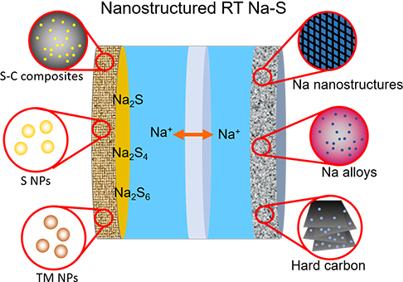
- investigation and innovation is needed until RT Na–S batteries can be commercialized. Keywords: composites; metal-free anode; Na–S; sodium nanostructures; sodium–sulfur batteries; sulfur nanostructures; Introduction The progress and innovation of cheaper, cleaner, safer, and more efficient electrical energy
- this technology has currently developed and where future research could be directed at. Review Conventional sulfur–carbon cathode materials Sulfur–carbon composites are the most widely studied cathode materials because carbon increases the cathode conductivity and also improves the reactivity of sulfur
- [4]. Since carbon structures are highly diverse, a huge variety of cathode materials have been designed and tested in RT Na–S batteries. Here, the sulfur–carbon composites are classified in two main categories: (1) sulfur–porous carbon composites and (2) covalently bound sulfur–carbon composites