


Search results
Search for "ion" in Full Text gives 954 result(s) in Beilstein Journal of Nanotechnology. Showing first 200.
Water in nanoporous hexagonal boron nitride nanosheets: a first-principles study
Beilstein J. Nanotechnol. 2025, 16, 510–519, doi:10.3762/bjnano.16.39
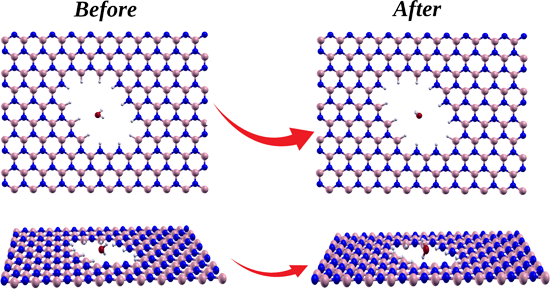
- as a molecular sieve [22][23][24][25]. Theoretical studies using molecular dynamics simulations analyzed the impact of the partial charge on the h-BN membrane surface on water molecules and salt ion transport [26]. They noted that the Coulomb interaction between water molecules/ions and the channels
- in both water and ion flow [27]. h-BN membranes can feature pores of various types and sizes, which play a crucial role in the flow of water. The difference in the electroaffinity of B and N atoms gives these pores edges with asymmetric charge distributions, resulting in fields that affect the




N2+-implantation-induced tailoring of structural, morphological, optical, and electrical characteristics of sputtered molybdenum thin films
Beilstein J. Nanotechnol. 2025, 16, 495–509, doi:10.3762/bjnano.16.38
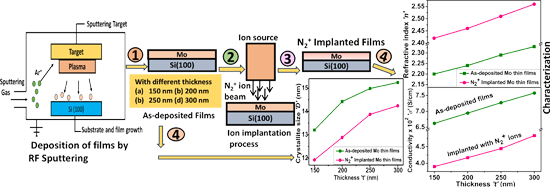
- Usha Rani Kafi Devi Divya Gupta Sanjeev Aggarwal Ion Beam Centre, Department of Physics, Kurukshetra University, Kurukshetra-136119, India 10.3762/bjnano.16.38 Abstract Molybdenum (Mo) thin films have extensive applications in energy storage devices and photovoltaic solar cells because of their
- sputtering allows for precise control of film thickness, shape, and stoichiometry, making it a key method for preparing films with specific characteristics [12]. Numerous approaches exist to improve the performance of thin films, including ion implantation techniques that enable precise alteration of
- material characteristics. Ion implantation is one of the most attractive techniques because it introduces considerable changes in the surface morphology and composition of the films [13][14]. The uses of implanted Mo thin films cover a broad range of applications including microelectronics and


Performance optimization of a microwave-coupled plasma-based ultralow-energy ECR ion source for silicon nanostructuring
Beilstein J. Nanotechnol. 2025, 16, 484–494, doi:10.3762/bjnano.16.37
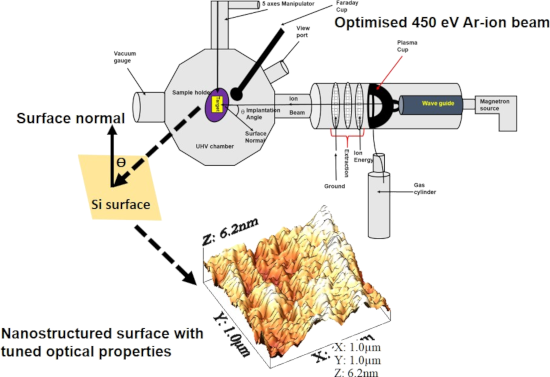
- generating ion beams in a microwave-coupled plasma-based ultralow-energy electron cyclotron resonance ion source, generally used for nanostructuring solid surfaces. The investigation focuses on developing, accelerating, and extracting Ar ions from a magnetron-coupled plasma cup utilizing a three-grid ion
- extraction composed of molybdenum. The study systematically examines the dependence of ion beam current on critical parameters, such as gas pressure, magnetron power, extraction voltage, and ion energies. The Gaussian nature of the beam profile is scrutinized and elucidated within the context of grid
- extraction-based ion sources. Plasma physics principles are employed to interpret the observed variations in the beam current with various parameters. The optimized beam current is used to investigate the inert ion-induced nanopatterning of silicon surfaces, at various ion fluences and incidence angles. The


Effect of additives on the synthesis efficiency of nanoparticles by laser-induced reduction
Beilstein J. Nanotechnol. 2025, 16, 464–472, doi:10.3762/bjnano.16.35
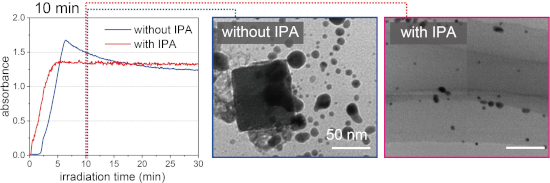
- target source material is a ‘solid’ or a ‘metal ion’. Methods for synthesizing particles using solid materials include laser ablation in liquid (LAL) [13][14][15], laser fragmentation in liquid (LFL) [16], and laser melting in liquid (LML) [17], and many excellent reports have been published on the
- 2 min after laser irradiation, reaches a maximum after 6 min, and then decreases to a constant value at 26 min. This is assumed to be based on the following mechanism. 1) From the start of laser irradiation to 2 min: equilibrium between nucleation due to ion reduction and atom re-dissolution due to
- compatibility. We will conduct additional experiments to clarify the specific mechanism of reaction and attempt to select the optimal radical scavenger. Increasing the efficiency of nanoparticle synthesis by changing solution concentration with radical scavengers When the precursor ion concentration is


Quantification of lead through rod-shaped silver-doped zinc oxide nanoparticles using an electrochemical approach
Beilstein J. Nanotechnol. 2025, 16, 422–434, doi:10.3762/bjnano.16.33
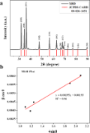
- the ZnO crystal lattice results in a decrement in the peak position values because Ag+ ion (12.2 nm) has a larger ionic size compared to that of the Zn2+ ion (7.4 nm). Consequently, the given data aligns with the decrease in the highest location of the point, indicating a reduction in the c-axis
- lattice. This implies that the Ag ion has filled the spaces between the atoms in the ZnO structure. Also, Ag functions as an amphiprotic dopant, meaning it can both donate and accept protons. It tends to occupy interstitial sites and also substitute for Zn [15][16]. Debye–Scherrer’s relation is used to




ReactorAFM/STM – dynamic reactions on surfaces at elevated temperature and atmospheric pressure
Beilstein J. Nanotechnol. 2025, 16, 397–406, doi:10.3762/bjnano.16.30
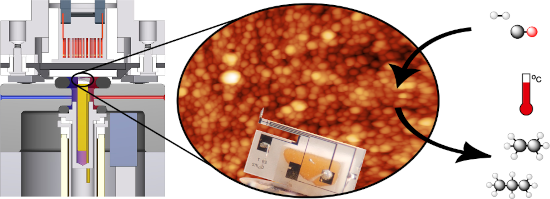
- setup by means of a load lock and transferred throughout the chambers with a transfer stick. The preparation chamber accommodates standard surface preparation techniques including an ion sputter gun, an e-beam evaporator, a quadrupole mass spectrometer, as well as a combined low-energy electron
- contact with the sample surface, the seal’s maximum temperature poses a reaction temperature limitation of 600 K [11]. The vacuum is maintained by a corrosion-resistant turbo pump as well as an ion pump. A gas cabinet for gas mixing, consisting of several rotating valves, mass flow controllers, and back
- tunneling current simultaneously (Figure 5c,d). Consequently, the tip–sample distance will be maintained throughout the image while the current signal will be a direct indication of the conductivity of the surface. The Pd(100) surface has been prepared using the standard recipe of repeated cycles of Ar-ion


Engineered PEG–PCL nanoparticles enable sensitive and selective detection of sodium dodecyl sulfate: a qualitative and quantitative analysis
Beilstein J. Nanotechnol. 2025, 16, 385–396, doi:10.3762/bjnano.16.29
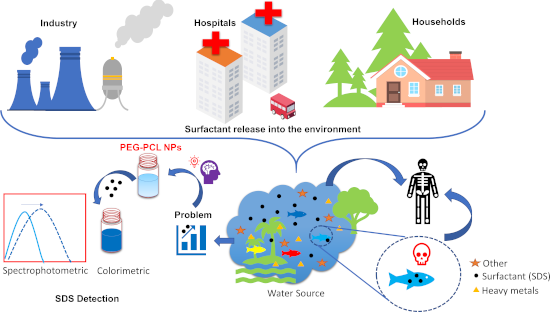
- sulfate group, with sodium as the counter-ion. The amphiphilic structure of SDS, integrating a hydrophobic alkyl chain and a hydrophilic headgroup, confers unique physicochemical properties that are leveraged in various applications. However, the widespread use of SDS in different applications led to the
- –PCL) nanoparticles (10 mg/mL), 500 μL of Bradford reagent, and 100 μL of the respective metal ion solution or surfactant, with a total reaction volume of 1 mL. Visual color changes were observed, and absorbance was measured in the 300–900 nm range using a spectrophotometer (Multiskan G0, Thermo


Pulsed laser in liquid grafting of gold nanoparticle–carbon support composites
Beilstein J. Nanotechnol. 2025, 16, 349–361, doi:10.3762/bjnano.16.26
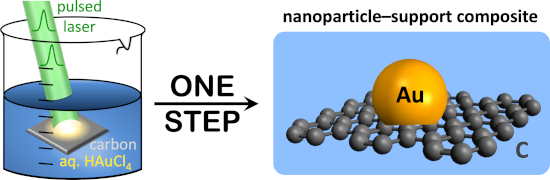
- electrochemical conditions [2]. On the laboratory scale, attachment is achieved electrostatically or by adding ion-conducting polymer (i.e., ionomer) binders to the nanoparticles, either as mixtures (inks) or overlayers [3][4][5][6][7][8][9][10]. Electrostatic attachment of nanoparticles to supports lacks long
- ]. Alkaline electrolytes can decrease acid-based side reactions but alter Nafion [11][14], impeding ion conductivity and overall performance [5]. Adding binders additionally complicates reaction mechanisms and introduces competing pathways or by-products [5]. Further challenges in traditional nanoparticle


Tailoring of physical properties of RF-sputtered ZnTe films: role of substrate temperature
Beilstein J. Nanotechnol. 2025, 16, 333–348, doi:10.3762/bjnano.16.25
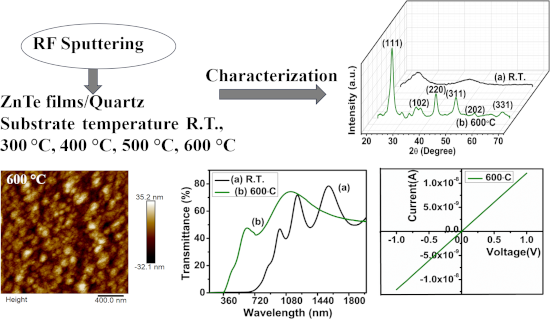
- Kafi Devi Usha Rani Arun Kumar Divya Gupta Sanjeev Aggarwal Ion Beam Centre, Department of Physics, Kurukshetra University, Kurukshetra-136119, India 10.3762/bjnano.16.25 Abstract In this study, zinc telluride (ZnTe) films were grown on quartz substrates at room temperature, 300 °C, 400 °C, 500
- ± 0.30 nm for the films deposited at room temperature, 300 °C, 400 °C, 500 °C, and 600 °C, respectively. The structural aspects of the ZnTe/Qz films were analysed using grazing incidence X-ray diffraction (GXRD) on a Bruker AXS D8 Advance with Cu Kα radiation (λ = 1.5406 Å) available at Ion Beam Centre
- -3600 Plus) equipped with Integrating Sphere Assembly (Model-ISR-603) in the wavelength range of 200–2000 nm (accuracy 1 Å) available at Ion Beam Centre, Kurukshetra University. The photoluminescence (PL) emission spectra of ZnTe/Qz films were recorded using a HORIBA Scientific (Fluorescence 3.5




Fabrication and evaluation of BerNPs regarding the growth and development of Streptococcus mutans
Beilstein J. Nanotechnol. 2025, 16, 308–315, doi:10.3762/bjnano.16.23
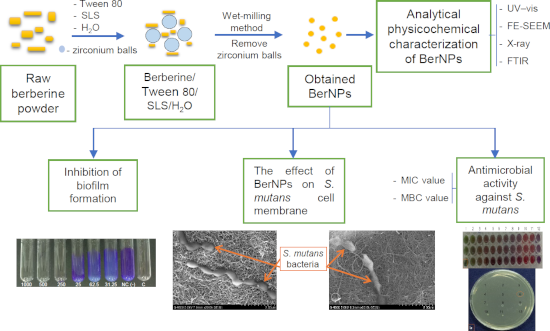
- of nanoparticles, and preserves the sterility of the material [19][20]. In this study, sodium dodecyl sulfate, a negative ion surfactant, was adsorbed in the production process onto the surface of nanoparticles, resulting in negatively charged particles. Particles with the same surface charge repel




Radiosensitizing properties of dual-functionalized carbon nanostructures loaded with temozolomide
Beilstein J. Nanotechnol. 2025, 16, 229–251, doi:10.3762/bjnano.16.18
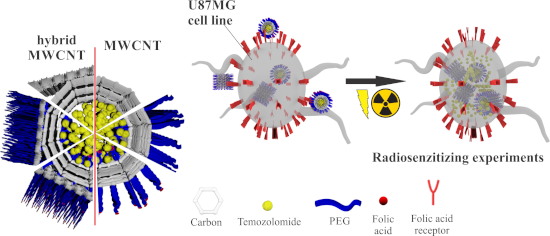
- apoptosis via activation of reactive oxygen species (ROS)-, caspase-, and mitochondrion-dependent pathways, such as p53-mPTP [13][17][18], and reduce the expression of voltage-dependent ion channel genes and extracellular receptors in glioma cells, damaging the cell membrane and changing its potential [19





Synthesis and the impact of hydroxyapatite nanoparticles on the viability and activity of rhizobacteria
Beilstein J. Nanotechnol. 2025, 16, 216–228, doi:10.3762/bjnano.16.17
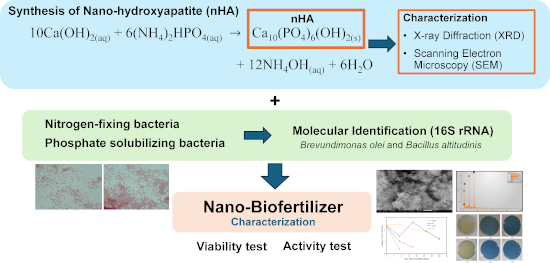
- can affect the stability of a substance, ion interactions, and molecular ionization in a solution. However, the effect of pH and EC values on the psychochemical properties highly depends on the material’s application [28][29]. Pd rhizobacterium typically thrives optimally at pH 7.5 and exhibits


Recent advances in photothermal nanomaterials for ophthalmic applications
Beilstein J. Nanotechnol. 2025, 16, 195–215, doi:10.3762/bjnano.16.16
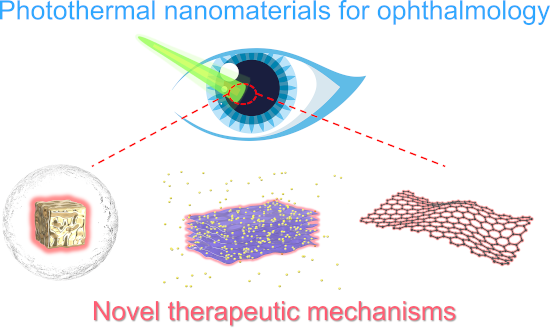
- -sensitive ion channel antibodies. This combination successfully targeted the optic cone photoreceptors, inducing NIR photosensitivity in the residual photoreceptor cells of blind mice and human retinas tested in vitro (Figure 6a). By employing Au nanorods of varying lengths, the retina’s response to


A review of metal-organic frameworks and polymers in mixed matrix membranes for CO2 capture
Beilstein J. Nanotechnol. 2025, 16, 155–186, doi:10.3762/bjnano.16.14
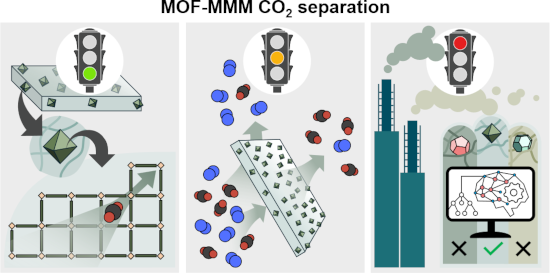
- reported in the literature. 2 MOF-based CO2 capture strategies MOFs are a highly porous subset of crystalline solids [30], first reported by Kinoshita et al. in 1959 [31]. The structural architecture of MOFs consists of inorganic ion nodes coordinated by organic linkers, illustrated in Figure 1. The
- framework and the CO2 adsorbate. A third strategy for obtaining high CO2 adsorption selectivity is to prepare MOFs from metal ion nodes that are uncoordinated, thus having accessible coordination vacancies known as open metal sites (OMSs). This strategy, illustrated in Figure 2c, is a prominent method for
- -labile linkers that can be labilized and cleaved provides a way to expand or contract MOF pores post-synthetically in a controlled manner [107][108]. In addition, the choice of metal ion comprising the MOF nodes may also be altered to change the MOF pore size, though this may lead to changes in the




Clays enhanced with niobium: potential in wastewater treatment and reuse as pigment with antibacterial activity
Beilstein J. Nanotechnol. 2025, 16, 141–154, doi:10.3762/bjnano.16.13
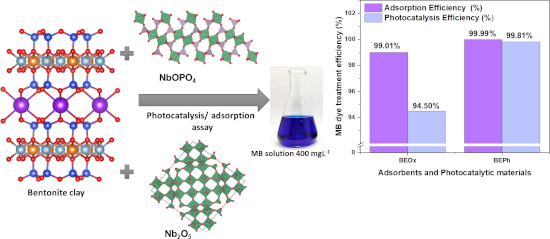
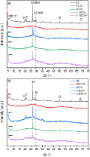
- intensity of the diffraction peak at 29.6° (2θ) decreased with the addition of the niobium compounds. This decrease can be attributed to the intercalation of the niobium in the interlayer of the clay, which increases the layer distance and the ion coordination of the interlayer to produce the
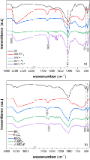
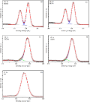
- the vibrational mode (ν) of asymmetric stretching of the phosphate ion. The broad band in the region of 3385 cm−1 and the narrow band in the region of 1600 or 1637 cm−1 present in the spectrum for BE and the clay samples modified with NbOPO4 and Nb2O5 are attributed to the stretching of hydroxyl and



Advanced atomic force microscopy techniques V
Beilstein J. Nanotechnol. 2025, 16, 54–56, doi:10.3762/bjnano.16.6
- characterization of defects in a single layer of graphene on iridium that were induced by rare-gas ion bombardment by using combined scanning tunnelling microscopy (STM) measurements and NC-AFM [12]. The authors reveal that presumed monoatomic vacancies, as deduced from STM measurements alone, have rather
Theoretical study of the electronic and optical properties of a composite formed by the zeolite NaA and a magnetite cluster
Beilstein J. Nanotechnol. 2025, 16, 44–53, doi:10.3762/bjnano.16.5
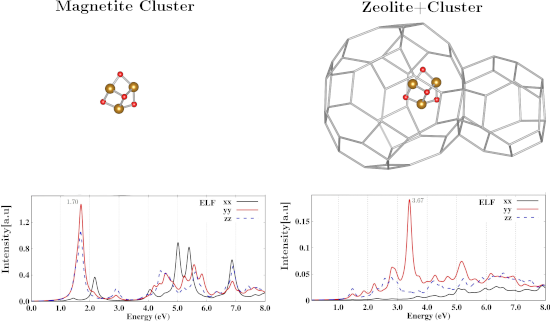
- characteristics of zeolites depend largely on the chemical composition of the framework, specifically the Si/Al ratio [1][2]. These characteristics make zeolites highly appealing for a wide range of applications, including the production of fine chemicals [3][4], gas separation [5][6][7], ion exchange [8][9][10
- ]. Because of the remarkable ion-exchange capacity of zeolites, their large surface area, and the well-organized porous systems with molecular sieve functionality, zeolites have long been fruitfully used in important industrial applications, mainly related to catalysis and wastewater treatment. The rapid




Precursor sticking coefficient determination from indented deposits fabricated by electron beam induced deposition
Beilstein J. Nanotechnol. 2025, 16, 35–43, doi:10.3762/bjnano.16.4
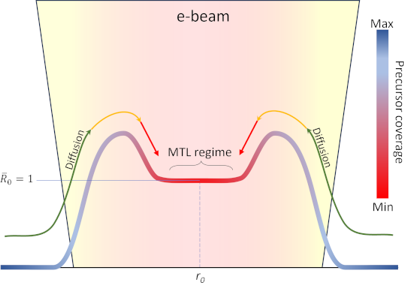
- ; Introduction Nanoscale fabrication of free-form structures via methods like focused electron or ion beam induced deposition (FEBID/FIBID) requires precise beam control and sufficient knowledge of key properties of the precursor material used [1]. In addition, a reliable prediction of the expected deposit shape


Orientation-dependent photonic bandgaps in gold-dust weevil scales and their titania bioreplicates
Beilstein J. Nanotechnol. 2025, 16, 1–10, doi:10.3762/bjnano.16.1
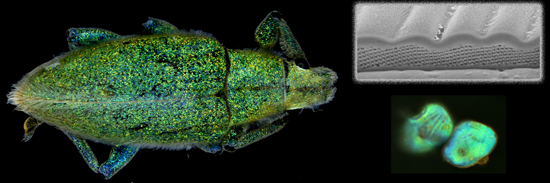
- . The domains in lattice orientation {100} exhibited polarization conversion. The structure inferred from optical measurements was confirmed using conventional and focused ion beam scanning electron microscopy (FIB-SEM). By averaging the reciprocal space images obtained from different lattice
- focused ion beam electron microscope, we exposed the diamond lattice chitinous network underneath the cortex of intact scales (Figure 2b,c). The upper cortex is ≈1 μm thick and has undulations spaced about 5 μm apart (Figure 2b), which were visible in the light microscopy images ( Figure 1b). The lower
- , Watford, UK). The settings were: sputter time 120 s, current 40 mA, and background pressure 0.08 mbar. Cross-sectional images of single scales were recorded using a focused ion beam scanning electron microscope (Scios2, Thermo Fisher Scientific, Waltham, MA, USA) using an Everhart–Thornley detector and an


Heterogeneous reactions in a HFCVD reactor: simulation using a 2D model
Beilstein J. Nanotechnol. 2024, 15, 1627–1638, doi:10.3762/bjnano.15.128
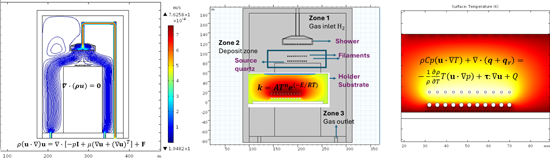
- by different CVD techniques, but also by sputtering and ion implantation, among others [4][5]. The key parameters are particular for each of these techniques. Hot filament chemical vapor deposition (HFCVD) is an excellent alternative for obtaining SRO films. It is also very versatile and economical


Facile synthesis of size-tunable L-carnosine-capped silver nanoparticles and their role in metal ion sensing and catalytic degradation of p-nitrophenol
Beilstein J. Nanotechnol. 2024, 15, 1576–1592, doi:10.3762/bjnano.15.124
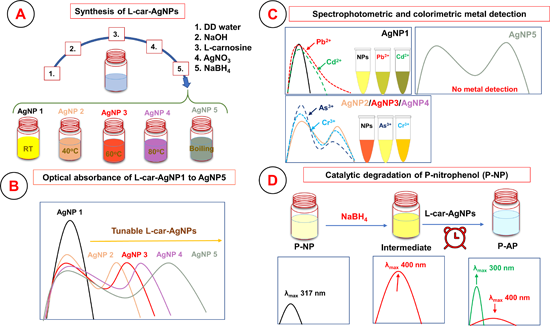
- -car-AgNPs for both heavy metal ion detection and catalytic degradation of P-NP, indicating their suitability for environmental monitoring and remediation applications. Further optimization and research are needed to expand their environmental applications and to understand their interaction mechanisms
- structure and imparts functional attributes such as metal ion chelation and catalytic enhancement. These features make ʟ-carnosine-capped AgNPs an ideal candidate for environmental applications. It was also reported that pristine AgNPs significantly interact with ʟ-carnosine [7]. Traditional methods for
- heavy metal ion monitoring in environmental samples involve complex analytical instrumental techniques such as atomic absorption spectroscopy, inductively coupled plasma mass spectrometry, and high-performance liquid chromatography [8][9]. Environmental remediation of P-NP requires processes such as




Effect of radiation-induced vacancy saturation on the first-order phase transformation in nanoparticles: insights from a model
Beilstein J. Nanotechnol. 2024, 15, 1453–1472, doi:10.3762/bjnano.15.117
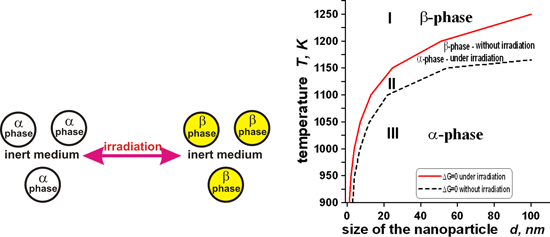
- , and other emerging nanotechnologies. When HDCMs are exposed to radiation, such as ion bombardment or exposure to high-energy radiation sources, defects (vacancies, interstitials, point defect clusters, voids, and interstitial loops) are created in the crystal lattice because of the displacement of
- moving ion knocks an atom from its initial lattice position. The appearance of point defects increases the energy of the crystal, as energy is required to create each defect. For example, the energy of vacancy formation in the face-centered cubic (fcc) Cu lattice is about 1 eV, and in the body-centered
- , changes in the structural properties of Ni nanostructures due to ion bombardment have been reported in [15]. Interestingly, certain types of radiation ions have shown a positive effect on the crystal structure, leading to an increase in the degree of crystallinity after the austenitic annealing of defects


Strain-induced bandgap engineering in 2D ψ-graphene materials: a first-principles study
Beilstein J. Nanotechnol. 2024, 15, 1440–1452, doi:10.3762/bjnano.15.116
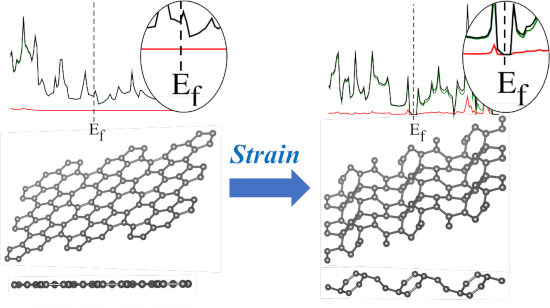
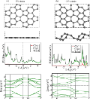
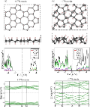
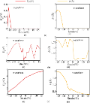
- ]. Although a successful experimental synthesis of ψ-graphene has not yet been realized, many theoretical investigations have been carried out by different research teams to study its various potential applications in sensors, lithium-ion batteries, and hydrogen storage [16][39][42]. We have recently employed
- an anode material in Li-ion batteries [16]. Theoretical investigations also suggest that when ψ-graphene is decorated with transition metals like zirconium, yttrium, and titanium, it can serve as an excellent adsorbent for hydrogen storage [42][44][45]. DFT calculations have shown that the adsorption


Ion-induced surface reactions and deposition from Pt(CO)2Cl2 and Pt(CO)2Br2
Beilstein J. Nanotechnol. 2024, 15, 1427–1439, doi:10.3762/bjnano.15.115
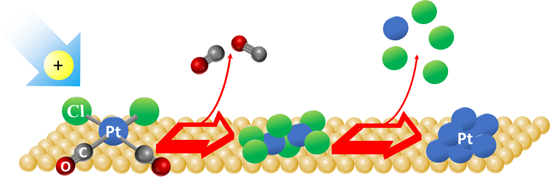
- 10.3762/bjnano.15.115 Abstract Ion beam-induced deposition (IBID) using Pt(CO)2Cl2 and Pt(CO)2Br2 as precursors has been studied with ultrahigh-vacuum (UHV) surface science techniques to provide insights into the elementary reaction steps involved in deposition, complemented by analysis of deposits formed
- transfer from the incident ion to adsorbed precursor molecules. This precursor decomposition step is accompanied by a decrease in the oxidation state of the Pt(II) atoms and, in IBID, represents the elementary reaction step that converts the molecular precursor into an involatile PtX2 species. Upon further
- ion irradiation these PtCl2 or PtBr2 species experience ion-induced sputtering. The difference between halogen and Pt sputter rates leads to a critical ion dose at which only Pt remains in the film. A comparison of the different ion/precursor combinations studied revealed that this sequence of



Lithium niobate on insulator: an emerging nanophotonic crystal for optimized light control
Beilstein J. Nanotechnol. 2024, 15, 1415–1426, doi:10.3762/bjnano.15.114
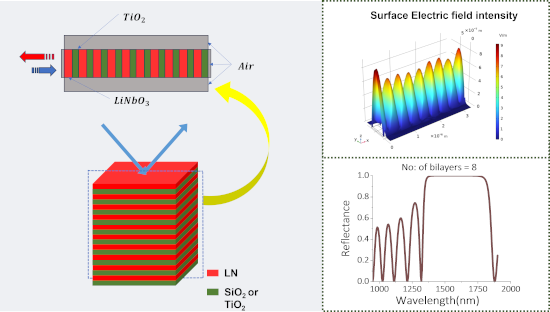
- with SiO2. The ion-slicing method has enabled the production of large-scale, high-quality, and submicron-thick crystalline LN films. First, a lithium niobate wafer undergoes ion implantation, typically using hydrogen or helium ions, to create a weakened layer at a controlled depth [30]. After the





