

Search results
Search for "mechanical" in Full Text gives 1127 result(s) in Beilstein Journal of Nanotechnology. Showing first 200.
Structural and magnetic properties of microwave-synthesized reduced graphene oxide/VO2/Fe2O3 nanocomposite
Beilstein J. Nanotechnol. 2025, 16, 921–932, doi:10.3762/bjnano.16.70
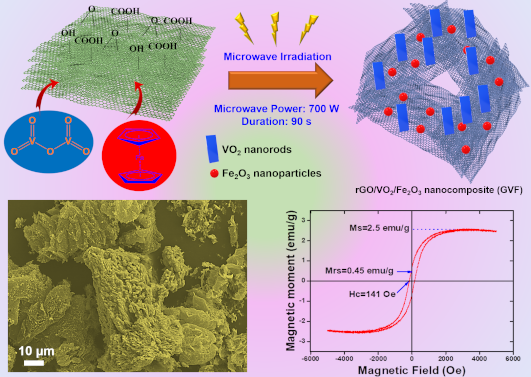
- in a honeycomb fashion enabled this special class of materials to exhibit desirable characteristics, such as enhanced electrical conductivity, higher mechanical strength, elevated surface area, and high thermal and chemical stability. Owing to such improved characteristics, graphene materials



Focused ion beam-induced platinum deposition with a low-temperature cesium ion source
Beilstein J. Nanotechnol. 2025, 16, 910–920, doi:10.3762/bjnano.16.69
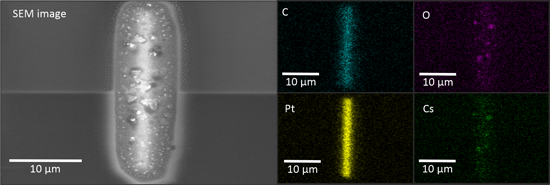
- magnetic or superconductive structures can be created [1][2][3][4]. Also, specific mechanical structures on atomic force microscopy (AFM) cantilevers can be made [5][6]. In the literature, four mechanisms are used to explain the complex process of focused ion beam-induced deposition (FIBID) [5][7]; the


Facile one-step radio frequency magnetron sputtering of Ni/NiO on stainless steel for an efficient electrode for hydrogen evolution reaction
Beilstein J. Nanotechnol. 2025, 16, 837–846, doi:10.3762/bjnano.16.63
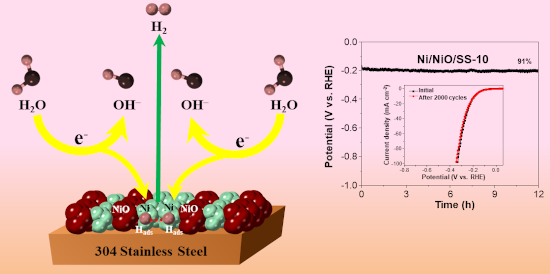
- substrates such as nickel foam (NF), carbon cloth, and fluorine-doped tin oxide [27][28][29]. Also, SS displays high electrical conductivity, outstanding chemical stability, and good mechanical properties. Therefore, numerous researchers have used SS as a template to deposit nanomaterials using various
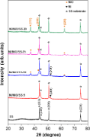


Synthesis and magnetic transitions of rare-earth-free Fe–Mn–Ni–Si-based compositionally complex alloys at bulk and nanoscale
Beilstein J. Nanotechnol. 2025, 16, 823–836, doi:10.3762/bjnano.16.62
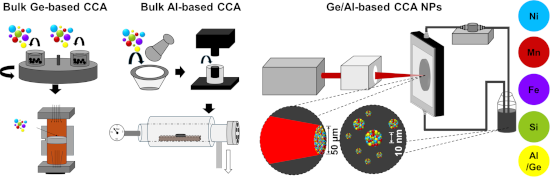
- fluctuations or trigger mechanical responses, making them essential in automation, industrial processes, and healthcare monitoring technologies. Considerable research has been dedicated to tailoring the Curie temperature and associated magnetic properties through material design. Advances in composition


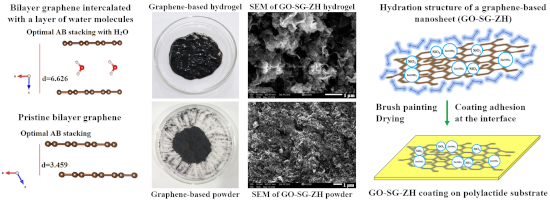
Supramolecular hydration structure of graphene-based hydrogels: density functional theory, green chemistry and interface application
Beilstein J. Nanotechnol. 2025, 16, 806–822, doi:10.3762/bjnano.16.61
- Laboratory for Computational Physics, Institute for Computational Science and Artificial Intelligence, Van Lang University, Ho Chi Minh City, 700000, Vietnam Faculty of Mechanical – Electrical and Computer Engineering, School of Technology, Van Lang University, Ho Chi Minh City, 700000, Vietnam School of
- theory modeling (DFT) and dispersion energy correction functional (DFT-D3). The theoretical work aimed to elucidate the relationship between water intercalation and intersheet binding energy in quantum mechanical level. The computational calculations quantified intersheet distance, van der Waals force
- , leading to facile brush coating on plastic films of polylactide (PLA). Dehydrated GO-SG-ZH coating is adhered to the PLA substrate through interfacial interactions. Furthermore, antibacterial activities, coating stability, and mechanical properties of the nanocomposite materials were investigated and


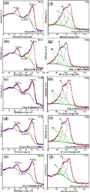
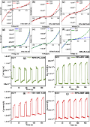
Morphology and properties of pyrite nanoparticles obtained by pulsed laser ablation in liquid and thin films for photodetection
Beilstein J. Nanotechnol. 2025, 16, 785–805, doi:10.3762/bjnano.16.60
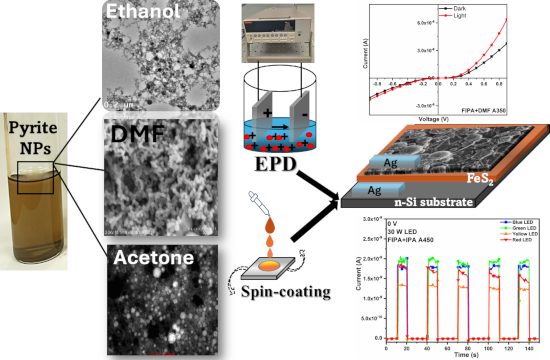
- films. The conventional methods reported for the synthesis of pyrite NPs include chemical methods using stabilizing agents [4], high-energy mechanical ball milling [6][7], colloidal pyrite by wet solution/phased chemical approaches [8][9], and hot injection [10][11]. In this study, PLAL was employed to






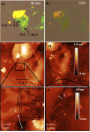
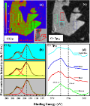
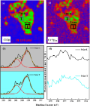
Thickness dependent oxidation in CrCl3: a scanning X-ray photoemission and Kelvin probe microscopies study
Beilstein J. Nanotechnol. 2025, 16, 749–761, doi:10.3762/bjnano.16.58
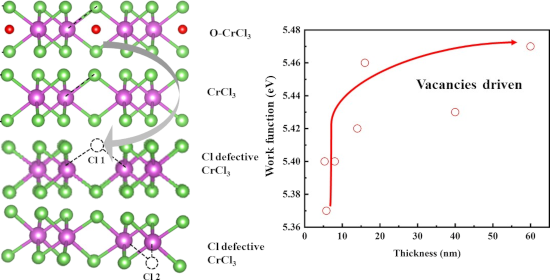
- oxidation or the introduction of surface vacancies, a novel and versatile approach is unveiled for the development of low-dimensional multifunctional nanodevices. Keywords: chemical mapping; CrX3; Kelvin probe force microscopy; mechanical exfoliation; scanning photoelectron microscopy (SPEM); two





Synthesis of a multicomponent cellulose-based adsorbent for tetracycline removal from aquaculture water
Beilstein J. Nanotechnol. 2025, 16, 728–739, doi:10.3762/bjnano.16.56
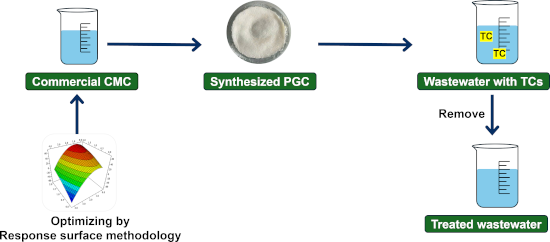
- (–CH2COOH) groups. The introduction of carboxymethyl groups greatly enhances the water solubility of CMC relative to that of cellulose. CMC, recognized as one of the most promising cellulose derivatives, was first synthesized in 1918 [18]. Owing to its unique surface properties, high mechanical strength
- monoaldehydes (e.g., formaldehyde) and other dialdehydes (C2 to C6) [37]. GA and PVA have been used as cross-linking agents in CMC-based materials to enhance selectivity, stability, and mechanical properties [38]. This method is both cost-effective and highly efficient in strengthening materials while improving
- their mechanical strength and hydrophobicity. Recent studies have revealed that inorganic salt mixtures, such as zinc chloride and calcium chloride, effectively dissolve cellulose, facilitating the fabrication of cellulose membranes for gas separation and organic pollutant removal [38][39]. Specifically


Efficiency of single-pulse laser fragmentation of organic nutraceutical dispersions in a circular jet flow-through reactor
Beilstein J. Nanotechnol. 2025, 16, 711–727, doi:10.3762/bjnano.16.55
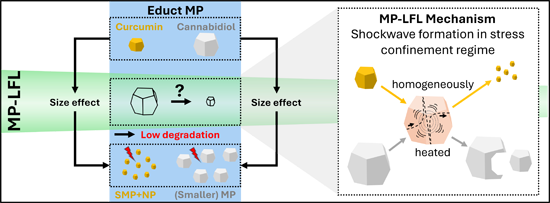
- formation of thermoelastic stress and finally to the formation of shock waves, promoting mechanical fragmentation. For curcumin, the mean optical penetration depth is 32 µm (dopt, 1 µm = 39 µm, dopt, 10 µm = 27 µm), and for CBD, the mean optical penetration depth is 170 µm. The mean absorption coefficients


High-temperature epitaxial growth of tantalum nitride thin films on MgO: structural evolution and potential for SQUID applications
Beilstein J. Nanotechnol. 2025, 16, 690–699, doi:10.3762/bjnano.16.53
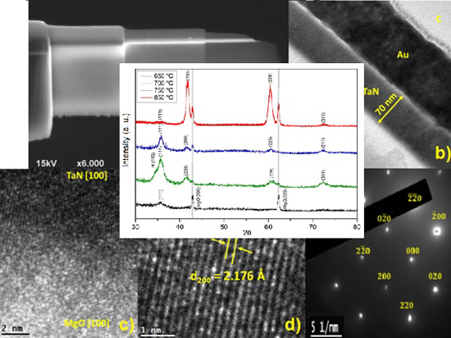
- superconducting films. Keywords: epitaxial growth; SQUID; structural evolution; superconductivity; TaN thin films; Introduction Superconductivity is a quantum mechanical phenomenon characterized by the complete absence of electrical resistance in certain materials when cooled below a critical superconducting


The impact of tris(pentafluorophenyl)borane hole transport layer doping on interfacial charge extraction and recombination
Beilstein J. Nanotechnol. 2025, 16, 678–689, doi:10.3762/bjnano.16.52
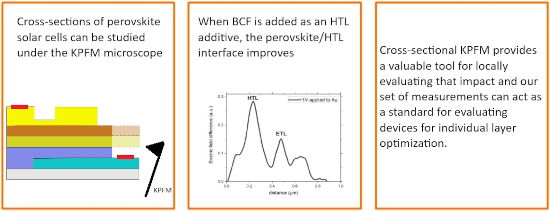
- )amine] (PTAA) [24]. These compounds exhibit favorable solubility, reasonable energetic alignment with most perovskites, and an amorphous nature. The main issues that arise from their usage involve poor conductivity and mechanical stability [25], the existence of pinholes, and a poor adhesion with the
- , we employed heterodyne-KPFM [55], whereby we mechanically excited the cantilever at its first resonant frequency, f1, and electrically excited at a frequency of (f2–f1), where f2 is the second resonant frequency [56]. Frequency mixing between the mechanical vibration at f1 and the electrostatic force


Colloidal few layered graphene–tannic acid preserves the biocompatibility of periodontal ligament cells
Beilstein J. Nanotechnol. 2025, 16, 664–677, doi:10.3762/bjnano.16.51
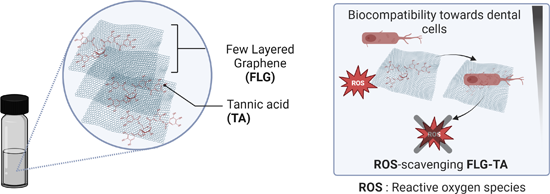
- . In this context, the incorporation of graphene-based materials into dental biomaterials could offer advantages such as increased mechanical strength. Nevertheless, biocompatibility issues still hinder their adoption. In this study, a biocomposite of few-layered graphene and tannic acid (FLG–TA) was
- transformative approach to enhance their efficacy [2]. Actually, incorporating nanomaterials into dental biomaterials has already offered advantages like enhanced tissue regeneration, increased mechanical strength of composites, and improved sealing of filler materials [3]. Graphene-based materials (GBMs) stand
- out for their potential in dentistry due to their high specific surface area, mechanical strength and adaptability for biological and chemical modifications [4][5]. For instance, a previous study demonstrated that incorporating 2% (w/w) graphene oxide into a resin-modified glass ionomer cement




Nanoscale capacitance spectroscopy based on multifrequency electrostatic force microscopy
Beilstein J. Nanotechnol. 2025, 16, 637–651, doi:10.3762/bjnano.16.49
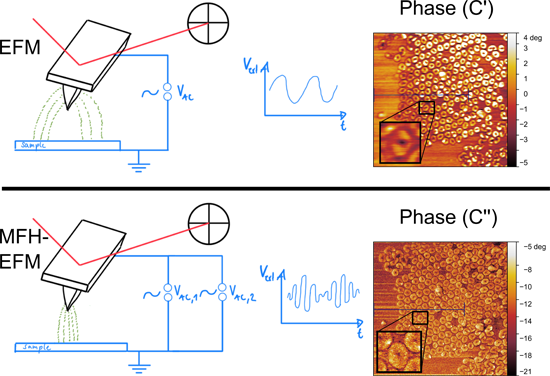
- frequency mixing between C′(t) and the electrostatic excitation leads to sidebands at frequencies ωSB,1 = (ωm ± ωAC) and ωSB,2 = (ωm ± 2ωAC) besides the mechanical oscillation at ωm[18]. The amplitude of the first harmonic frequency components is used in conventional amplitude modulation (AM) and sideband
- identical to Equation 3, Equation 10 contains a term proportional to C′ at frequency 2ωmod = Δωe. This force has been used for AM-based dielectric spectroscopy [63][69][74][84][85][86][87][88]. The second term, Equation 11, contains a force component at the mechanical drive frequency ωm and at a sideband
- in the case of conventional EFM, signal-to-noise is greatly improved by choosing Δωe such that one of the induced sidebands falls on one of the cantilever’s mechanical resonances. We call this method multifrequency heterodyne electrostatic force microscopy (MFH-EFM). To calculate the second




Focused ion and electron beams for synthesis and characterization of nanomaterials
Beilstein J. Nanotechnol. 2025, 16, 613–616, doi:10.3762/bjnano.16.47
- tailored 3D architectures [4]. Focused beams not only allow the characterization of atomic structures but also enable precise local modification of material properties through ion milling and the creation of novel structures with tunable mechanical, electrical, and magnetic properties using gas-assisted

Polyurethane/silk fibroin-based electrospun membranes for wound healing and skin substitute applications
Beilstein J. Nanotechnol. 2025, 16, 591–612, doi:10.3762/bjnano.16.46
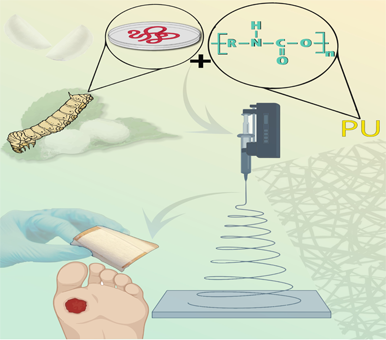
- , produced by silkworms, beetles, mites, and spiders [14]. Silk is an FDA-approved biomaterial for medical applications [15]. SF has distinctive physical, chemical, and mechanical properties [16]. Its characteristics, including biocompatibility, biodegradability, elasticity, solubility in water, and ease of
- transport and gas exchange, which supports tissue regeneration and cell proliferation [22]. Furthermore, they have mechanical qualities that are similar to those of natural tissues, promoting and protecting the healing process [23]. Review Wound healing and skin regeneration The skin is a vital, protective
- electrospun silk/PU composites, which hold remarkable potential due to the biocompatibility of silk and the mechanical characteristics of PU. Silk The silk from the silkworm Bombyx mori (also known as mulberry silk) is the most widely characterized and has been used in biomedical applications for centuries



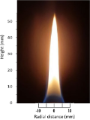
Feasibility analysis of carbon nanofiber synthesis and morphology control using a LPG premixed flame
Beilstein J. Nanotechnol. 2025, 16, 581–590, doi:10.3762/bjnano.16.45
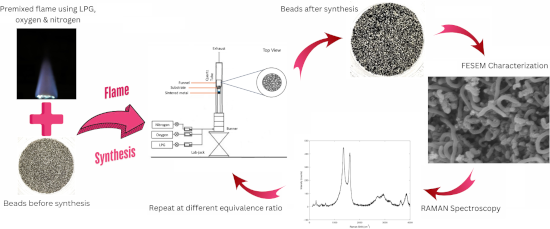
- Iftikhar Rahman Bishal Muhammad Hilmi Ibrahim Norikhwan Hamzah Mohd Zamri Mohd Yusop Faizuan Bin Abdullah I Putu Tedy Indrayana Mohd Fairus Mohd Yasin Department of Thermo-Fluids, Faculty of Mechanical Engineering, Universiti Teknologi Malaysia, 81310 Johor Bahru, Malaysia High Speed Reacting Flow



Functionalized gold nanoflowers on carbon screen-printed electrodes: an electrochemical platform for biosensing hemagglutinin protein of influenza A H1N1 virus
Beilstein J. Nanotechnol. 2025, 16, 540–550, doi:10.3762/bjnano.16.42
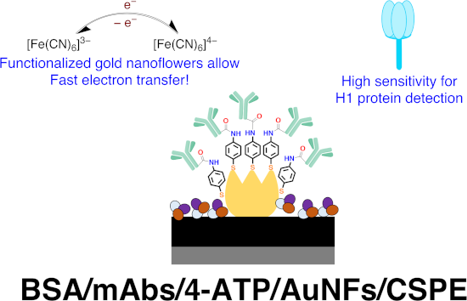
- process, forming stable AuNFs that remain at the surface of the electrode upon contact with water and ethanol as no change in the CV was observed after contact with these solvents (Supporting Information File 1, Figure S1). This suggests strong mechanical adhesion of the AuNFs to the CSPE surface. The


Electron beam-based direct writing of nanostructures using a palladium β-ketoesterate complex
Beilstein J. Nanotechnol. 2025, 16, 530–539, doi:10.3762/bjnano.16.41
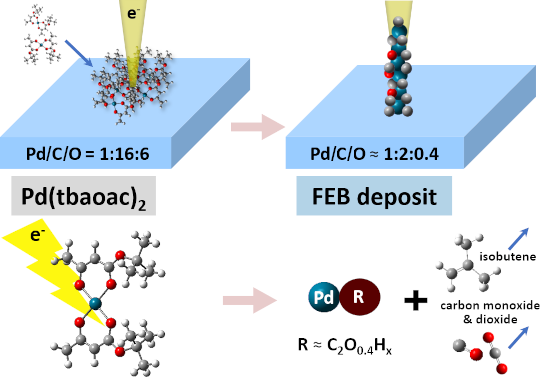
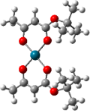
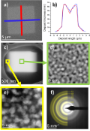
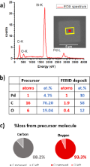
- use of masks, achieving scales down to a few nanometers with various patterns and shapes, offers significant advantages for a wide range of technological applications. These include areas that require plasmonic [1][2][3], phononic [3][4], magnetic [5][6], optoelectronic [7][8][9], and mechanical [10


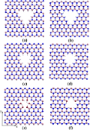
Water in nanoporous hexagonal boron nitride nanosheets: a first-principles study
Beilstein J. Nanotechnol. 2025, 16, 510–519, doi:10.3762/bjnano.16.39
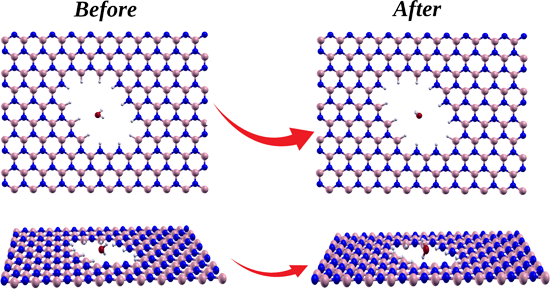
- , and high mechanical strength [20][21]. Additionally, it possesses unique properties compared to graphene, such as a wide bandgap, electrical insulation, and chemical inertness. Because of its remarkable mechanical properties and resistance to oxidation during the desalination process, h-BN can be used
- graphene membranes interacting with water, where wrinkles significantly impact the mechanical response of the membranes when filled with water on a platform. Conclusion Our investigation of pores in a free-standing hexagonal boron nitride monolayer sheds light on the intricate interactions between 2D




Performance optimization of a microwave-coupled plasma-based ultralow-energy ECR ion source for silicon nanostructuring
Beilstein J. Nanotechnol. 2025, 16, 484–494, doi:10.3762/bjnano.16.37
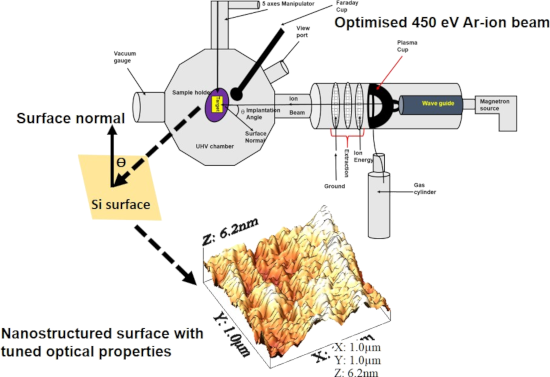
- . However, careful attention is required for the microwave coupling to the plasma cup to minimize the reflections of microwave power. Mechanical adjustments to the resonator length and waveguide are made to ensure minimal reflection. Additionally, maintaining the necessary magnetic field strength is crucial


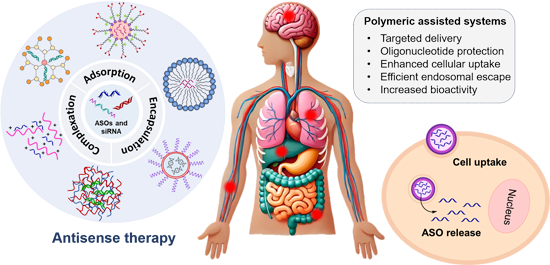
Synthetic-polymer-assisted antisense oligonucleotide delivery: targeted approaches for precision disease treatment
Beilstein J. Nanotechnol. 2025, 16, 435–463, doi:10.3762/bjnano.16.34


Biomimetics and bioinspired surfaces: from nature to theory and applications
Beilstein J. Nanotechnol. 2025, 16, 418–421, doi:10.3762/bjnano.16.32
- Mechanics and Control for Aerospace Structures, College of Mechanical and Electrical Engineering, Nanjing University of Aeronautics and Astronautics, Nanjing, China 10.3762/bjnano.16.32 Keywords: adhesives; bioengineering; biomimetics; drag reduction; functional morphology; insects; medical coatings

Size control of nanoparticles synthesized by pulsed laser ablation in liquids using donut-shaped beams
Beilstein J. Nanotechnol. 2025, 16, 407–417, doi:10.3762/bjnano.16.31
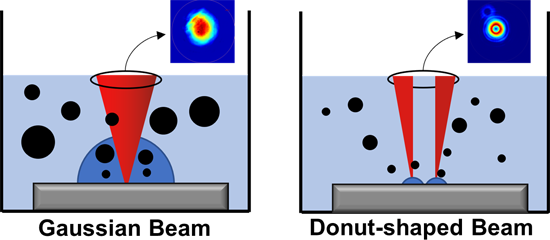
- Abdel Rahman Altakroury Oleksandr Gatsa Farbod Riahi Zongwen Fu Miroslava Flimelova Andrei Samokhvalov Stephan Barcikowski Carlos Donate-Buendia Alexander V. Bulgakov Bilal Gokce Chair of Materials Science and Additive Manufacturing, School of Mechanical Engineering and Safety Engineering


Engineered PEG–PCL nanoparticles enable sensitive and selective detection of sodium dodecyl sulfate: a qualitative and quantitative analysis
Beilstein J. Nanotechnol. 2025, 16, 385–396, doi:10.3762/bjnano.16.29
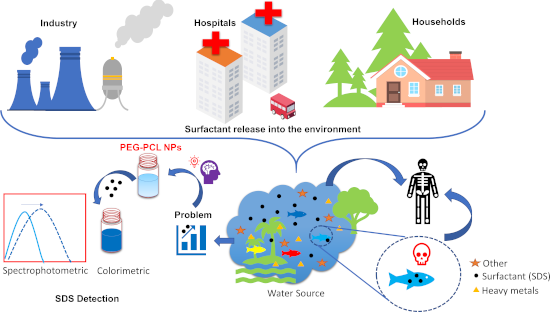
- interactions. Previous studies confirmed that PEG contains hydroxyl groups (–OH) that can form hydrogen bonds with the PCL carbonyl groups (C=O). These hydrogen bonds help stabilize the nanocomposite structure and improve its mechanical properties [33]. Optimization of PEG–PCL nanoparticle concentration The


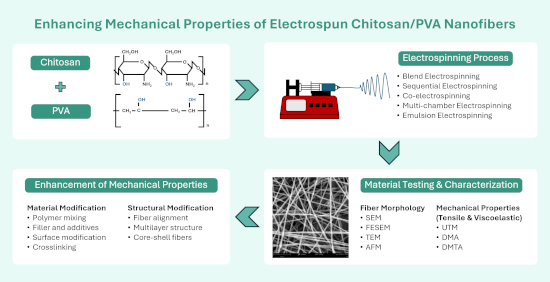
Enhancing mechanical properties of chitosan/PVA electrospun nanofibers: a comprehensive review
Beilstein J. Nanotechnol. 2025, 16, 286–307, doi:10.3762/bjnano.16.22
- Nur Areisman Mohd Salleh Amalina Muhammad Afifi Fathiah Mohamed Zuki Hanna Sofia SalehHudin Forest Products Department, Forest Research Institute Malaysia, 52109, Kepong, Malaysia Department of Mechanical Engineering, Faculty of Engineering, University of Malaya, 50603 Kuala Lumpur, Malaysia
- Department of Chemical Engineering, Faculty of Engineering, University of Malaya, 50603 Kuala Lumpur, Malaysia 10.3762/bjnano.16.22 Abstract This review examines strategies to enhance the mechanical properties of chitosan/polyvinyl alcohol (PVA) electrospun nanofibers, recognized for their biomedical and
- industrial applications. It begins by outlining the fundamental properties of chitosan and PVA, highlighting their compatibility and mechanical characteristics. The electrospinning process is discussed, focusing on how various parameters and post-treatment methods influence fiber formation and performance