Search results
Search for "performance" in Full Text gives 1183 result(s) in Beilstein Journal of Nanotechnology. Showing first 200.
Prospects of nanotechnology and natural products for cancer and immunotherapy
Beilstein J. Nanotechnol. 2025, 16, 1644–1667, doi:10.3762/bjnano.16.116




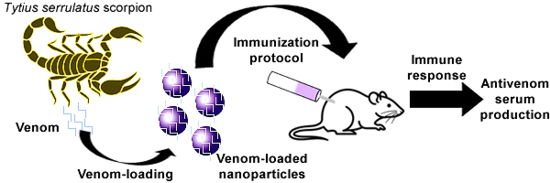
Venom-loaded cationic-functionalized poly(lactic acid) nanoparticles for serum production against Tityus serrulatus scorpion
Beilstein J. Nanotechnol. 2025, 16, 1633–1643, doi:10.3762/bjnano.16.115
- hydroxide. Thus, all data demonstrate a good performance of the nanoprecipitation method to generate small-sized protein-loaded polymeric nanoparticles which can be used as a novel immunoadjuvant. Experimental Material Poly(D,L-lactic acid) (D,L-PLA) 50:50 (inherent viscosity 0.63 dL·g−1 at 30 °C) was



Nanotechnology-based approaches for the removal of microplastics from wastewater: a comprehensive review
Beilstein J. Nanotechnol. 2025, 16, 1607–1632, doi:10.3762/bjnano.16.114
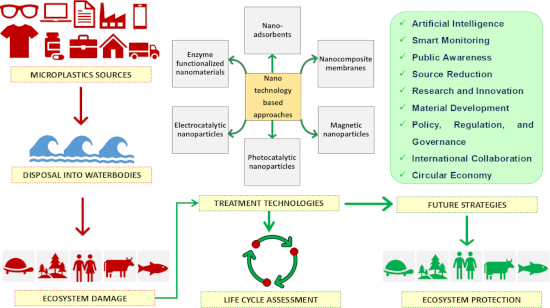
- , and advanced membrane materials, exhibit unique properties such as high surface area, enhanced reactivity, and tunable surface chemistry, which offer promising avenues for the selective and efficient removal of MPs from water. This paper also explores the mechanism, performance and limitations of
- . Nanoparticles, owing to their high surface-to-volume ratio, demonstrate superior catalytic performance compared to bulk materials. Furthermore, the particle size of semiconductors influences their bandgap energy and crystalline structure, which in turn affects their redox potential and the spatial distribution
- contact angle decreasing from 84.6° ± 1° to 64.2° ± 1.2°), work of adhesion, wetting energy, porosity, and pore dimensions. Among various loadings, the membrane with 0.5 wt % MIL-100 (Fe) (M0.5) showed the best overall performance. It delivered a pure water flux over ten times higher than M0 and achieved


Bioinspired polypropylene-based functionally graded materials and metamaterials modeling the mistletoe–host interface
Beilstein J. Nanotechnol. 2025, 16, 1592–1606, doi:10.3762/bjnano.16.113
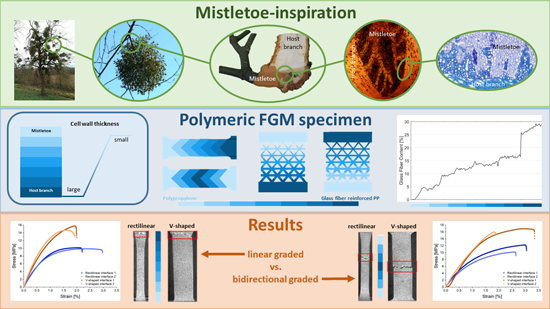
- toughness along a specific direction or within a defined volume [7]. By strategically varying the composition or morphology of the material, FGMs can be designed with enhanced performance characteristics tailored to specific application requirements. The gradient can be continuous or discontinuous, or step
- metamaterials, even more complex and tailored mechanical properties can be achieved at multiple length scales [15]. This integration enables the creation of materials with unprecedented combinations of stiffness, strength, damping, and other mechanical characteristics, offering enhanced performance and
- scales [17]. This approach allows for precise control over stiffness distributions, enabling the creation of materials with tailored mechanical responses that vary spatially or directionally to meet specific performance requirements. Recent advancements in additive manufacturing techniques have


Photocatalytic degradation of ofloxacin in water assisted by TiO2 nanowires on carbon cloth: contributions of H2O2 addition and substrate absorbability
Beilstein J. Nanotechnol. 2025, 16, 1567–1579, doi:10.3762/bjnano.16.111
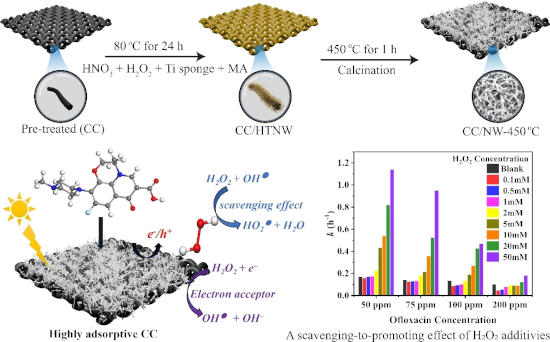
- –vis diffuse reflectance spectroscopy (UV-3150, Shimadzu, Japan). The concentration of OFL was determined using a Nexera LC-40D XR ultrahigh-performance liquid chromatography (HPLC) system (SHIMADZU, Japan). A Pyris 1 TGA instrument (USA) was used to carry out the thermogravimetric (TG) investigations
- -first-order kinetic model, as determined by Equation 3: The concentration of OFL was assessed using high-performance liquid chromatography with a C18 column maintained at 30 °C. The UV–vis detector was calibrated to a wavelength of 292 nm. The mobile phase consisted of a 15:85 ratio of methanol to 0.8
- reaction rate constants are shown in Figure 5b. Not surprisingly, the photocatalytic activity decreases with increasing OFL initial concentration (50, 75, 100, and 200 ppm), with the reaction rate constant declining (0.169, 0.142, 0.135, and 0.103 h−1, respectively). The high photocatalytic performance at


Modeling magnetic properties of cobalt nanofilms used as a component of spin hybrid superconductor–ferromagnetic structures
Beilstein J. Nanotechnol. 2025, 16, 1557–1566, doi:10.3762/bjnano.16.110
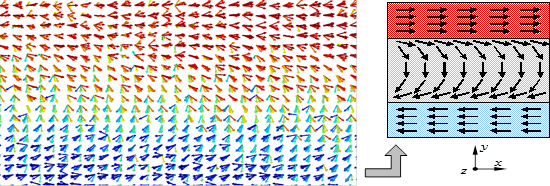
- are currently used, as well as fundamental features of the thin film formation processes with new composition and coatings of various types. These types of nanomaterials are very promising (in terms of computational performance and energy dissipation efficiency) for use in superconducting digital


Transient electronics for sustainability: Emerging technologies and future directions
Beilstein J. Nanotechnol. 2025, 16, 1545–1556, doi:10.3762/bjnano.16.109
- transient systems must be optimized to balance electrical performance, biodegradation kinetics, and mechanical integrity. Moreover, to transcend basic sensing and stimulation functions, and to enable capabilities such as computation, memory, and autonomous decision-making, the development of high
- -performance, biodegradable integrated circuits is imperative [37][38][39]. Ultimately, controlling the operational lifespan of such devices demands a multifaceted approach, that is, one that couples material science innovation with engineering strategies capable of responding adaptively to complex
- , offering the potential to replace conventional high-performance silicon-based devices with transient alternatives. In aqueous environments, silicon undergoes degradation via well-defined mechanisms with the rate of dissolution being highly sensitive to external conditions [42][44]. Elevated temperatures


Influence of laser beam profile on morphology and optical properties of silicon nanoparticles formed by laser ablation in liquid
Beilstein J. Nanotechnol. 2025, 16, 1533–1544, doi:10.3762/bjnano.16.108
- the nanometer range and different morphologies is continuously growing. One aspect of current studies is further improvement of the properties and performance of the developed silicon-based devices. As a result, crystalline films based on silicon [1][2] as well as nano-sized silicon materials have
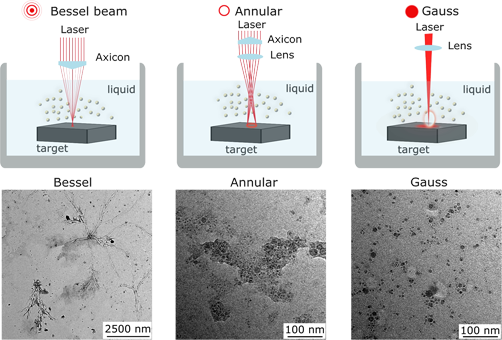
- that the obtained results are important for the preparation of silicon-based nanocomposites as electrode materials with enhanced performance. Materials and Methods The laser ablation experiments were performed using a nanosecond Nd:YAG laser (LS2131D, LOTIS TII, Belarus) as an excitation source
- of Si NPs. The presence of defects in the Si structure confirmed by Raman and PL studies is a prerequisite for enhanced performance of the developed nanostructures in electrochemical processes occurring in supercapacitors or batteries [14]. The intrinsic defects act as intercalation sites during


Dendrimer-modified carbon nanotubes for the removal and recovery of heavy metal ions from water
Beilstein J. Nanotechnol. 2025, 16, 1522–1532, doi:10.3762/bjnano.16.107
- materials have shown improved performance, the modification processes are generally energy-intensive and require harmful chemicals. Moreover, the optimum incorporation of chemical functionality, responsible for binding the trace metal ions, still needs to be achieved. Therefore, it is always a race to
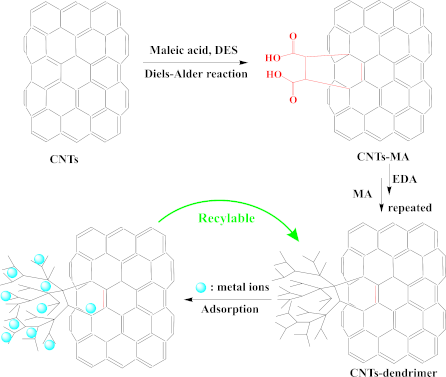
- suitability for the long-term application to reduce the cost of the adsorption process. The recycling performance of CNTs-G5 has been presented in the form of removal efficiency in five consecutive cycles (Supporting Information File 1, Figure S3). It is evident from the results that CNTs-G5 performed well as


Nanomaterials for biomedical applications
Beilstein J. Nanotechnol. 2025, 16, 1499–1503, doi:10.3762/bjnano.16.105
- used in the future for tissue recovery, which was previously thought to be beyond repair [31]. In addition to diagnosis and tissue regeneration, nanomaterials can create new treatment methods and enhance the design and performance of medical implants. An area that is getting a lot of attention is
Laser processing in liquids: insights into nanocolloid generation and thin film integration for energy, photonic, and sensing applications
Beilstein J. Nanotechnol. 2025, 16, 1428–1498, doi:10.3762/bjnano.16.104
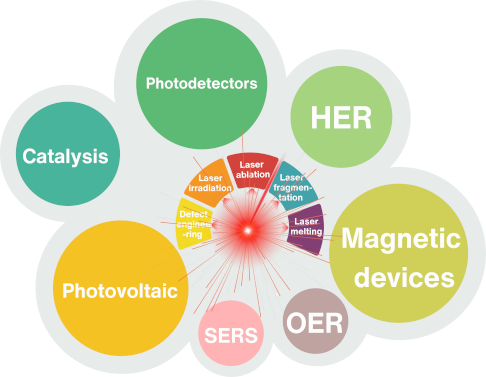
- medium characteristics (e.g., chemical composition and viscosity) influence the size, morphology, and surface properties of the Au NPs, which, in turn, determine their performance. The effect of solvents on morphology of generated NPs in laser ablation is shown in Figure 2. While PLAL offers a rich
- , suggesting that careful control of size reduction and surface properties is critical for optimizing photocatalyst performance, especially in water splitting applications. Further investigation is necessary to refine the process and mitigate the negative effects of fragmentation. LFL is a highly versatile
- has emerged as a powerful approach to fabricate advanced heterostructures and integrated electrode architectures, which are challenging to achieve through conventional synthesis methods in the development of high-performance energy storage and conversion devices [85][88][92][93][94][95][96]. The






Photochemical synthesis of silver nanoprisms via green LED irradiation and evaluation of SERS activity
Beilstein J. Nanotechnol. 2025, 16, 1417–1427, doi:10.3762/bjnano.16.103
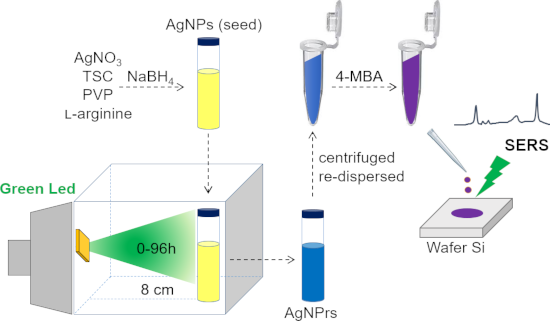
- ] SERS substrates by impregnating them with silver nanostructures. While many efforts have been devoted to the synthesis of AgNPrs and evaluation of their SERS activity, limited studies have focused on the SERS performance of photochemically synthesized AgNPrs, particularly in 4-mercaptobenzoic acid (4
- yield. The SERS performance of the synthesized AgNPrs, evaluated using 4-MBA as a probe molecule, demonstrated significantly enhanced Raman signals compared to the initial AgNPs seeds, highlighting their potential applicability in SERS-based sensors. Results and Discussion Synthesis of seeds The UV–vis
- confirm that AgNPrs exhibited superior SERS performance, consistent with prior studies investigating the direct SERS detection of 4-MBA [18][19]. Due to their anisotropic structure, AgNPrs concentrate surface electrons and form electromagnetic “hot spots” at the edges and tip of the nanoprisms [22][24][25


The role of biochar in combating microplastic pollution: a bibliometric analysis in environmental contexts
Beilstein J. Nanotechnol. 2025, 16, 1401–1416, doi:10.3762/bjnano.16.102
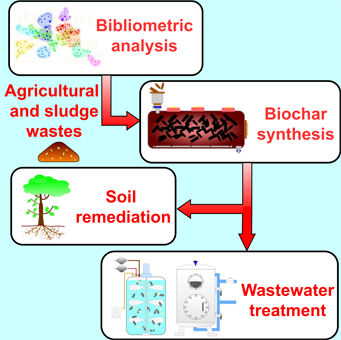
- removal in water and its ability to restore functionality in microplastic-contaminated soils. Biochar applications in restoring MP-contaminated soil Improving plant growth under MP stress MPs negatively impact crop performance by reducing biomass production, inhibiting stem and root development and
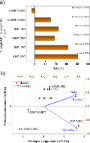
- example, 1% corn stalk biochar-based microbial consortia (e.g., Bacillus B28) applied to soil containing 10% rubber crumb significantly increased peanut production by 58.86% and yield by 81.41% [52]. Principal component analysis (PCA) in Figure 5b reveals a strong correlation between biomass performance
- and biochar concentration, underscoring biochar’s pivotal role in soil remediation and plant performance enhancement in MP-contaminated soils. Enhancement of soil physicochemical properties MPs exert significant impacts on soil physicochemical properties, altering its physical structure, chemical



Parylene-coated platinum nanowire electrodes for biomolecular sensing applications
Beilstein J. Nanotechnol. 2025, 16, 1392–1400, doi:10.3762/bjnano.16.101
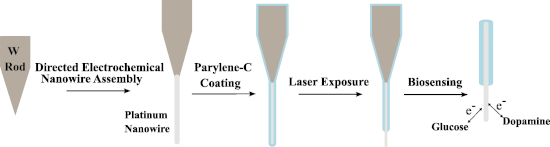
- portable and reliable devices [6]. Contemporary nanoscale biosensors are engineered for diverse applications, employing a variety of materials and design architectures to optimize performance and functionality. For example, carbon nanotubes (CNTs) are categorized as either single-walled or multiwalled
- stability of metal nanoparticles limits their application in biological systems and decreases their performance [12]. Other materials like silicon quantum dots, ion-imprinted polymer, and hydrogels have unique biocompatibility and specificity advantages, but long-term stability and cost make them
- 0.3–10 mM (Figure 4c), and the LoD is 0.01 mM glucose (Figure 4d). With limited surface area, LoD and detection range of our nanowire electrodes are inherently constrained. However, surface modification has been shown to enhance electrode performance, as described in the Introduction section


Synthesis and antibacterial properties of nanosilver-modified cellulose triacetate membranes for seawater desalination
Beilstein J. Nanotechnol. 2025, 16, 1380–1391, doi:10.3762/bjnano.16.100
- , indicating the potential for repeated use and long-term application [21]. Zhao and Park’s group incorporated in situ synthesized silver-loaded graphene oxide (GO-Ag) nanoparticles into polyvinyl alcohol/chitosan (PVA/CS) electrospun nanofiber membranes to boost desalination performance. The PVA/CS/GO-Ag
- membranes exhibited outstanding antibacterial performance against Escherichia coli and Staphylococcus aureus [22]. Mayyahi introduced TiO2 nanoparticles into the polyamide layer of traditional TFC membranes by interfacial polymerization with m-phenylenediamine to create a thin film nanocomposite (TFN
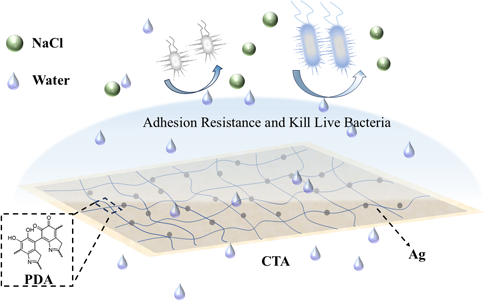
- for antibacterial purposes are diverse and include metallic silver, silver salts, and composites of Ag with other materials. The integration of nanotechnology with Ag, particularly when incorporated into polymer membranes, has demonstrated significant potential for enhancing membrane performance. CTA


Enhancing the therapeutical potential of metalloantibiotics using nano-based delivery systems
Beilstein J. Nanotechnol. 2025, 16, 1350–1366, doi:10.3762/bjnano.16.98
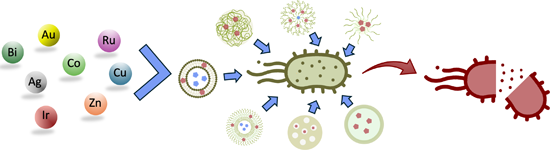
- colleagues. Thus, the complex formed upon treatment of the flavonoid catechin (CAT, 17) (Figure 4) and a Zn(II) salt was encapsulated in β-CS-NPs, and the antibacterial performance against E. coli and L. innocua was subsequently investigated [123]. Nano-encapsulated systems exhibited low polydispersity and
- phospholipid conjugate 21 (Figure 5) in liposomes have been explored as an strategy to enhance antimicrobial performance while preserving host cell compatibility [141]. Liposomal formulations incorporating the Ir complex displayed superior photophysical properties compared to the free metallodrug, notably


Ferroptosis induction by engineered liposomes for enhanced tumor therapy
Beilstein J. Nanotechnol. 2025, 16, 1325–1349, doi:10.3762/bjnano.16.97
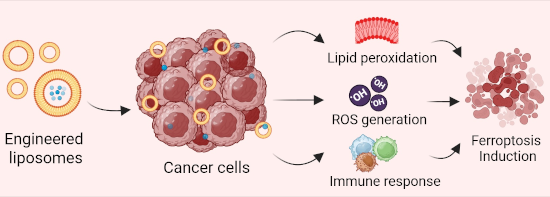
- ][120]. 3.2 Characterization of liposomes Characterization of liposomes is important to ensure their quality and performance as drug delivery systems. Several techniques are commonly used to analyze the properties of liposomes, including size, lamellarity, surface charge, and EE [110][121]. Dynamic
- systems. The EE of liposomes, which determines the amount of drug loaded into the vesicles, can be evaluated by various analytical methods. High-performance liquid chromatography (HPLC) and capillary electrophoresis (CE) are widely used methods to quantify the encapsulated drug [110][125]. HPLC separates



Deep-learning recognition and tracking of individual nanotubes in low-contrast microscopy videos
Beilstein J. Nanotechnol. 2025, 16, 1316–1324, doi:10.3762/bjnano.16.96
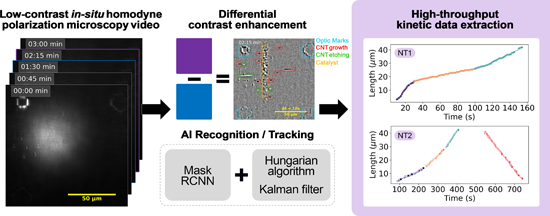
- the number of data points shown in Figure 4 arises from the exclusion of videos manually analyzed during model training from the AI-based analysis, in order to avoid bias and ensure an independent performance assessment. The AI-extracted data in Figure 4 represents a small fraction of all data
- the performance comparable to the current state-of-the-art models [28]. Expanding the dataset to include more diverse video quality and nanotube localization can lead to more stable models [29]. Moreover, replacing computationally demanding models like Mask-RCNN with smaller models could enhance
- overall performance, although potentially reducing recognition accuracy. Automating recognition and tracking is essential for high-throughput video analysis, which is critical for understanding and modeling complex nanoscale phenomena. The differential video treatment approach, combined with the deep


Enhancing the photoelectrochemical performance of BiOI-derived BiVO4 films by controlled-intensity current electrodeposition
Beilstein J. Nanotechnol. 2025, 16, 1289–1301, doi:10.3762/bjnano.16.94
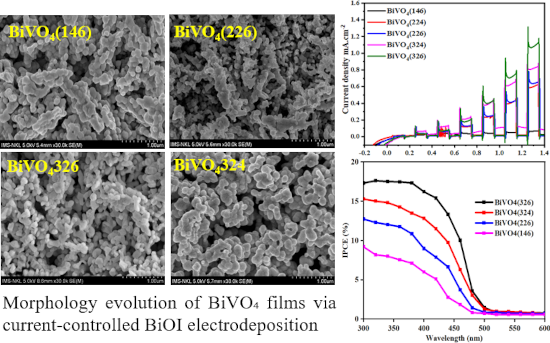
- Abstract This study investigates the fabrication of BiVO4 photoanodes using a controlled-intensity current electrodeposition method to improve their photoelectrochemical (PEC) performance. The impact of varying the deposition current density and VO(acac)2 concentration was systematically analyzed to
- charge carriers, which severely restrict its PEC performance [10][11][12]. Various strategies have been explored to overcome these challenges and optimize the structural, electronic, and surface properties of BiVO4 [13][14]. Hydrothermal synthesis has been used to produce highly crystalline BiVO4 films
- produce BiVO4 thin films at high deposition rates; however, this method resulted in irregular grain structures and significant material defects, limiting the PEC performance improvements. Electrodeposition has emerged as a promising low-cost and scalable technique for BiVO4 film fabrication, offering



Better together: biomimetic nanomedicines for high performance tumor therapy
Beilstein J. Nanotechnol. 2025, 16, 1246–1276, doi:10.3762/bjnano.16.92
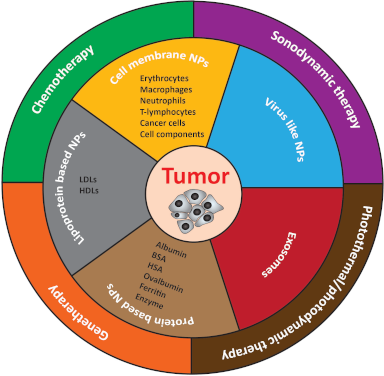
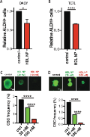
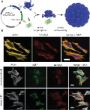
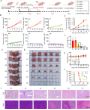
- and MHT performance in vitro. Furthermore, RAW267.4-loaded with Fe@Fe3O4-DHCA demonstrated efficiency in vivo. Thus, Fe@Fe3O4-DHCA nanoparticles showed great application potential for tumor diagnosis and therapy [34]. 1.1.3 Neutrophils. Neutrophils are among the most abundant and frontline phagocytes









Functional bio-packaging enhanced with nanocellulose from rice straw and cinnamon essential oil Pickering emulsion for fruit preservation
Beilstein J. Nanotechnol. 2025, 16, 1234–1245, doi:10.3762/bjnano.16.91
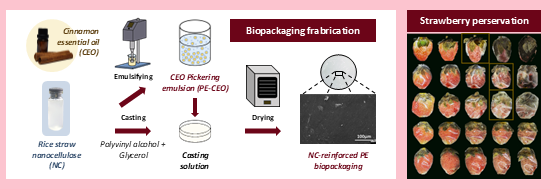
- dispersibility of essential oils in biopolymer matrices but also enhances the overall compatibility and performance of the biopackaging material [22]. Our previous research has demonstrated that nanocellulose can effectively encapsulate CEO into a PE with small particle sizes (<700 nm), high stability, and
- radicals [47]. The antioxidative performance of the films aligns with previous studies on essential oil-infused biopolymer matrices, confirming their potential to enhance food packaging stability by preventing oxidative degradation [48]. With increasing CEO concentration, transmittance decreased




Hydrogels and nanogels: effectiveness in dermal applications
Beilstein J. Nanotechnol. 2025, 16, 1216–1233, doi:10.3762/bjnano.16.90
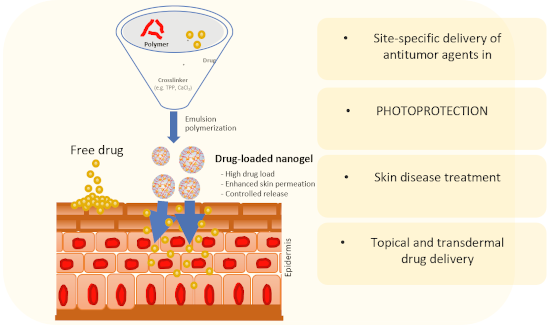
- of methodologies designed to obtain them. In addition to optimizing the physicochemical methods used to prepare nanogels and hydrogels, the application of precision engineering principles has proven essential to enhance the therapeutic performance of these formulations [63][64]. In developing


Investigation of the solubility of protoporphyrin IX in aqueous and hydroalcoholic solvent systems
Beilstein J. Nanotechnol. 2025, 16, 1209–1215, doi:10.3762/bjnano.16.89
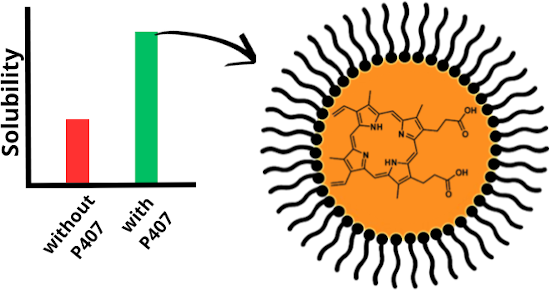
- observed in these samples, whereas samples shown in Figure 1C and Figure 1D appear clear. The sample displayed in Figure 1D was the most soluble and transparent, demonstrating the improved system performance in the presence of P407. Although Franco [5] reported high solubility of PpIX in aqueous systems


Chitosan nanocomposite containing rotenoids: an alternative bioinsecticidal approach for the management of Aedes aegypti
Beilstein J. Nanotechnol. 2025, 16, 1197–1208, doi:10.3762/bjnano.16.88
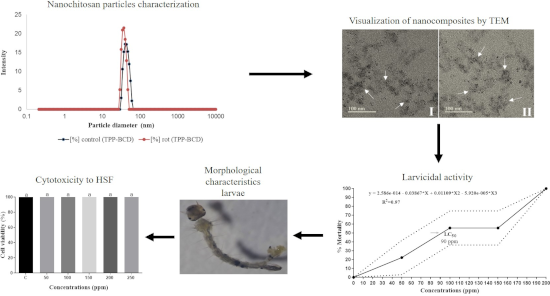
- encapsulation efficiency is estimated to be ≥99% within the detection limits of high-performance liquid chromatography (HPLC) and thin-layer chromatography (TLC) methods applied, indicating a highly effective incorporation of the rotenoids into the nanochitosan matrix. In addition to the high encapsulation
- of 1 cm−1 and an accumulation of 35 scans per spectrum. A compressive force of 15 N was applied to the samples during measurement to ensure proper contact with the ATR crystal surface. Quantification of rotenoids by high-performance liquid chromatography The quantification of rotenoids was performed



Electronic and optical properties of chloropicrin adsorbed ZnS nanotubes: first principle analysis
Beilstein J. Nanotechnol. 2025, 16, 1184–1196, doi:10.3762/bjnano.16.87
- composites with other materials, such as carbon nanotubes, to optimize performance [26]. Furthermore, the flexible synthesis of ZnS NTs with controlled morphology and size allows for tailoring their sensing capabilities. External stimuli combined with machine learning can further enhance their sensitivity
- humidity sensing performance compared to that of ZnO/ZnS nanorod arrays and ZnO nanorod arrays, with enhanced response, faster recovery, good linearity, and reliable reproducibility across a wide range of relative humidity conditions at room temperature. Giri et al. [48] demonstrated that phase-selective
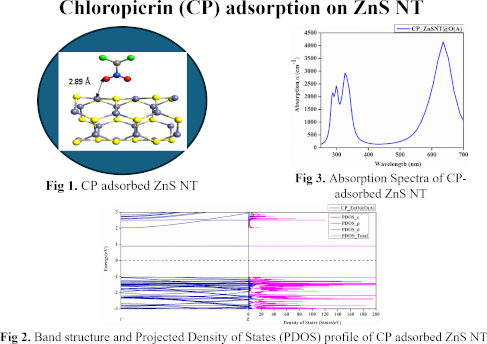
- ZnO@ZnS heterostructures and ZnS NTs exhibited superior amperometric cholesterol sensing performance, with ZnS NTs achieving the highest sensitivity (598 mA/m2) and low detection limits among the configurations studied. Despite these advances, the use of ZnS NT for detecting chloropicrin (CP), a