


Search results
Search for "coatings" in Full Text gives 329 result(s) in Beilstein Journal of Nanotechnology. Showing first 200.
Determination of elastic moduli of elastic–plastic microspherical materials using nanoindentation simulation without mechanical polishing
Beilstein J. Nanotechnol. 2021, 12, 213–221, doi:10.3762/bjnano.12.17

- characterization of the mechanical behavior of filaments [1], thin films [2], microplastics, coatings, powders, small crystals, and other materials at small scales. One of the great advantages of the technique is that many mechanical properties of materials can be determined from the analysis of indentation load


Toward graphene textiles in wearable eye tracking systems for human–machine interaction
Beilstein J. Nanotechnol. 2021, 12, 180–189, doi:10.3762/bjnano.12.14

- tailored explicitly to EOG-based human–computer/robot interaction (HCI/HRI). (a) Schematic of the three-step process to obtain conformal graphene coatings on a variety of textiles including nylon, cotton, and polyester; (b) image of the graphene textile “active” electrode with integrated buffer circuitry



Imaging of SARS-CoV-2 infected Vero E6 cells by helium ion microscopy
Beilstein J. Nanotechnol. 2021, 12, 172–179, doi:10.3762/bjnano.12.13

- compensation capability, the HIM can image insulating biological samples without additional conductive coatings. Here, we present an exploratory HIM study of SARS-CoV-2 infected Vero E6 cells, in which several areas of interaction between cells and virus particles, as well as among virus particles, were imaged
- coatings, albeit only a few nanometers thick, can significantly alter and conceal fine details of biological nanostructures [2], which is noticeable in SEM images of virus particles [19][24]. Since in the HIM positive charge accumulates on insulating samples, a low-energy electron flood gun can be used for
- topography or material contrast. The deposited carbon film is presumably thinner than typical conductive metal or carbon coatings for SEM imaging, and it does not show any surface masking and clustering as seen on the gold substrate in the upper left of Figure 2b2. The energy of the incident hydrocarbons is


Fusion of purple membranes triggered by immobilization on carbon nanomembranes
Beilstein J. Nanotechnol. 2021, 12, 93–101, doi:10.3762/bjnano.12.8

- reflection absorption spectroscopy (IRRAS). Experimental Preparation of SAMs and CNMs NBPT was purchased from Taros Chemicals (Dortmund, Germany). Thermally evaporated Au films (300 nm) on mica supports (Georg Albert physical vapor deposition coatings) were used as substrates for the SAM preparation


Effect of different silica coatings on the toxicity of upconversion nanoparticles on RAW 264.7 macrophage cells
Beilstein J. Nanotechnol. 2021, 12, 35–48, doi:10.3762/bjnano.12.3

- lipid peroxidation [29]. When UCNPs are applied in life sciences, it is usually necessary to modify their surfaces with hydrophilic ligands or layers [21][30][31]. These coatings can also prevent, to some extent, the interaction between UCNPs and the aqueous environment and, consequently, reduce their
- disintegration processes. Several authors have reported the use of protective coatings, such as poly(acrylic acid) and poly(allylamine hydrochloride) [18], multichelating phosphonate [30][32][33], block copolymers [34], amphiphilic polymers [8][21], or polysulfonates [22]. Silica shells can also be used to
- effect of silica particles of various sizes and surface coatings on RAW.246.7 cells. Their results are in agreement with our findings, which demonstrate that amino-functionalized silica particles have only a negligible impact on the cell cycle given that they are in the same size and concentration range


Atomic layer deposited films of Al2O3 on fluorine-doped tin oxide electrodes: stability and barrier properties
Beilstein J. Nanotechnol. 2021, 12, 24–34, doi:10.3762/bjnano.12.2
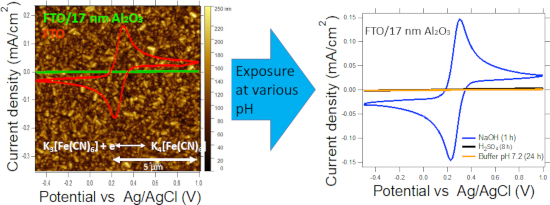
- semiconducting electrodes, such as ZnO. Aluminium oxide is another promising candidate for this task. It is amphoteric but insoluble in aqueous media at a neutral pH value [8][9]. ALD oxide layers, including Al2O3, were used as barrier coatings on copper to protect against corrosion in 0.1 M NaCl [10]. As
- alumina coatings was ascribed to its capability of passivating semiconductor/electrolyte interfaces, thus reducing photogenerated charge-carrier recombination (e.g., on BiVO4 [16]). In this work, Al2O3 films were deposited via ALD on thermally grown SiO2 on silicon or on fluorine-doped tin oxide (FTO


Bio-imaging with the helium-ion microscope: A review
Beilstein J. Nanotechnol. 2021, 12, 1–23, doi:10.3762/bjnano.12.1

- fabrication (lamellae preparation and conductive coatings) have hindered the studies of phage–bacterium interactions in their natural microbial environments. HIM imaging of phages and phage–bacterium interactions were performed for the first time in 2017 in [17] for bacterial colonies of E. coli on an agar
- increased. This is due to several factors such as the ability to image without first coating a sample with conductive materials (e.g., Pt, Au, or C). Such coatings have been shown to cause artefacts which can be misinterpreted as being from the material under investigation [6]. Furthermore, helium ions have


Transient coating of γ-Fe2O3 nanoparticles with glutamate for its delivery to and removal from brain nerve terminals
Beilstein J. Nanotechnol. 2020, 11, 1381–1393, doi:10.3762/bjnano.11.122

- -[14C]glutamate absorption at the surface of the nanoparticles. This is because no glutamate/ʟ-[14C]glutamate coatings were registered in the synaptosomal incubation medium. There was also a limit to the nanoparticle concentration in the fluorescence experiments because of poor probe transparency


Structural and electronic properties of SnO2 doped with non-metal elements
Beilstein J. Nanotechnol. 2020, 11, 1321–1328, doi:10.3762/bjnano.11.116
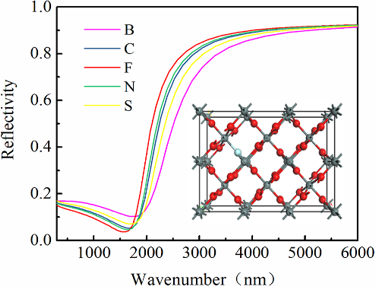
- reflectivity in the infrared region, and the reflectance of the crystals doped with N, C, S, and B decreased sequentially. Based on this theoretical calculations, F-doped SnO2 is found to be the best photoelectric material for preparing low-emissivity coatings. Keywords: density functional theory (DFT); doped
- research works has been done examining different doping elements. Doped tin oxide thin film have been widely used in the fields of thin film solar cell electrodes, electronic display devices, and gas sensors. Also doped SnO2 been used for energy-saving low-emissivity glass coatings due to low resistivity
- electrons as free carriers, making the system appear metallic. The analysis result is consistent with the analysis result of the energy band structure. Optical properties SnO2 is widely used as a transparent conductive film material, especially in doors and windows, it is also preferred for coatings of low




Influence of the magnetic nanoparticle coating on the magnetic relaxation time
Beilstein J. Nanotechnol. 2020, 11, 1207–1216, doi:10.3762/bjnano.11.105
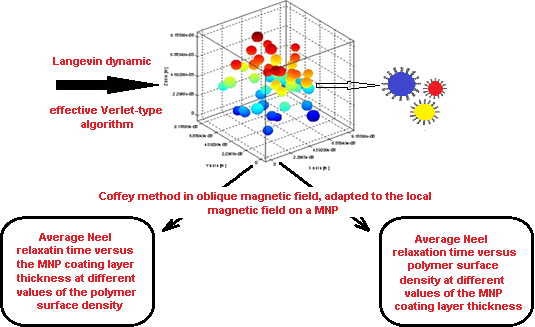
- biocompatibility or to enable specific hydrophilic properties, nanoparticles were coated with poly(ethylene glycol) (PEG) [16]. Experimental data concerning how different coatings influence nanoparticle magnetic properties are quite controversial. A few studies indicate that a thin polymer coating layer enhances


Applications of superparamagnetic iron oxide nanoparticles in drug and therapeutic delivery, and biotechnological advancements
Beilstein J. Nanotechnol. 2020, 11, 1092–1109, doi:10.3762/bjnano.11.94
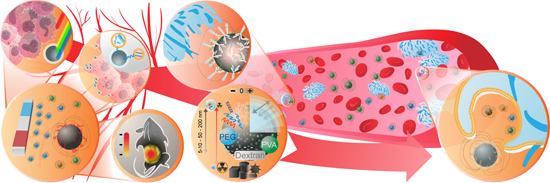
- invested nowadays in developing coatings with certain characteristics, depending on the final application (e.g., biocompatibility/low toxicity, targeting a certain cell/compartment/molecule, or stability in biological fluids) [16]. SPIONs are superparamagnetic, which means that they are small enough to
- biological applications are synthesized with biocompatible coatings. This coating is very important as its chemical composition determines the way a cell responds to the nanoparticle contact. The coating may or may not have a surface charge that faces the surrounding media, and molecular components from the
- release at the targeted site. A functionalization that permits only adsorption can lead to premature drug release [33][46][80]. Mojica Pisciotti and co-workers [39] studied the effects of dextran and PEG coatings on two animal kidney cell lines and showed that dextran-coated SPIONs are not cytotoxic even


A few-layer graphene/chlorin e6 hybrid nanomaterial and its application in photodynamic therapy against Candida albicans
Beilstein J. Nanotechnol. 2020, 11, 1054–1061, doi:10.3762/bjnano.11.90

- nanomaterial can be activated by a synergistic mechanism of energy transfer of the absorbed light from Ce6 to FLG. The novel FLG-Ce6 hybrid nanomaterial in combination with the red LED light irradiation can be used in the development of a wide range of antinosocomial devices and coatings. Keywords: chlorin e6
- biological applications, such as biosensors, protein detection, bioimaging and drug delivery [17][18]. In recent years, graphene nanoparticles have been used in many different applications ranging from enhanced spectroscopy techniques, coatings, polymeric composites, sensors, drug delivery systems and others


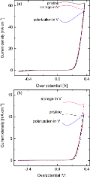
Atomic layer deposition for efficient oxygen evolution reaction at Pt/Ir catalyst layers
Beilstein J. Nanotechnol. 2020, 11, 952–959, doi:10.3762/bjnano.11.79
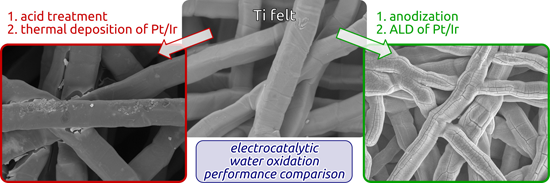
- . Experimental Titanium felt A (ST/Ti/20/1200/70, Bekaert, Belgium) and titanium felt B (ST/Ti/20/350/50, Bekaert, Belgium) of 30 mm × 10 mm were used as support materials for the catalyst coatings. Catalyst coating by the thermal decomposition method The support materials were pretreated in a 12 M HCl (Alfa


Key for crossing the BBB with nanoparticles: the rational design
Beilstein J. Nanotechnol. 2020, 11, 866–883, doi:10.3762/bjnano.11.72
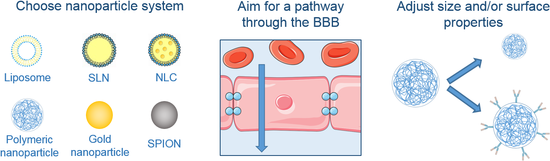
- longer blood circulation time [158]. These experiments showed that no specific targeting molecules or coatings are necessary for SLNs to cross the BBB. These nanoparticles are inherently able to cross the BBB through a pathway that has not been well investigated. However, it is also possible to increase
- ) are based on magnetite (Fe3O4) or maghemite (γ-Fe2O3) molecules encapsulated in polysaccharides, synthetic polymers or monomer coatings and have a size range from 1 to 100 nm [21][182]. SPIONs possess interesting magnetic properties and some formulations have already been approved as MRI contrast


Quantitative determination of the interaction potential between two surfaces using frequency-modulated atomic force microscopy
Beilstein J. Nanotechnol. 2020, 11, 729–739, doi:10.3762/bjnano.11.60
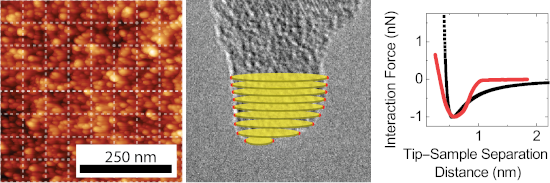
- , require coatings to prevent sticking of the mirrors due to relatively high adhesive forces [3]. Therefore, there has been considerable research into surface modification (e.g., lubricants [7][8][9], surface functionalization [10][11], and surface texturing [12][13][14]) in order to mitigate the impact of
- high mechanical stiffness, chemical inertness and stability, and interest for tribological applications [38]. It also is a good representation for other hard engineering materials and coatings, including having a low but finite surface roughness, as specified below. Spectroscopy measurements were


Nanoparticles based on the zwitterionic pillar[5]arene and Ag+: synthesis, self-assembly and cytotoxicity in the human lung cancer cell line A549
Beilstein J. Nanotechnol. 2020, 11, 421–431, doi:10.3762/bjnano.11.33

- and 2D biomedical coatings. Keywords: cytotoxicity; macrocyclic receptors; nanoparticles; pillar[5]arene; self-assembly; silver; Introduction The first use of silver (Ag) as a medicine dates back to Hippocrates, who used it as an antibacterial agent for the treatment of ulcers [1]. Over the past
- concentration of silver ions of 30 μM and 55% for a concentration of silver ions of 40 μM. The results can be used to create new antibacterial materials and 2D biomedical coatings. Experimental 1H NMR, 13C and 2D NOESY NMR spectra were obtained on a Bruker Avance-400 spectrometer (13С{1H} – 100 MHz and 1H and





Size effects of graphene nanoplatelets on the properties of high-density polyethylene nanocomposites: morphological, thermal, electrical, and mechanical characterization
Beilstein J. Nanotechnol. 2020, 11, 167–179, doi:10.3762/bjnano.11.14

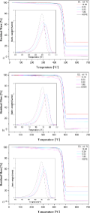
- , anti-statics, light-emitting devices, and corrosion-resistant coatings [1][2]. The addition of a conductive filler to the polymeric matrix is one of the easiest methods to produce these nanocomposites. Among conductive filler materials, carbon-based materials are attractive since they show significant



Fully amino acid-based hydrogel as potential scaffold for cell culturing and drug delivery
Beilstein J. Nanotechnol. 2019, 10, 2579–2593, doi:10.3762/bjnano.10.249
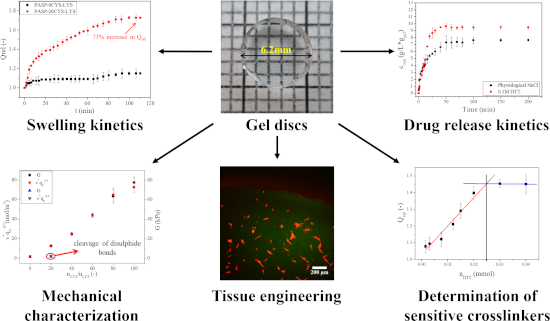
- the changing environmental conditions. Therefore, hydrogels can be used as drug delivery systems [4], implants [5][6], coatings [7][8] or scaffolds for tissue engineering [2][3][9][10]. Besides these stimuli-responsive properties, the chemical and physical structure, the mechanical properties [10] as



Advanced hybrid nanomaterials
Beilstein J. Nanotechnol. 2019, 10, 2563–2567, doi:10.3762/bjnano.10.247
- devices, catalysis and environment, smart coatings, energy, and electronics [10][11][12][13][14][15][16][17]. By essence, the hybrid approach consists of building new materials and devices by assembling elementary functional organic/inorganic, molecular or extended bricks to obtain materials with greatly
- , polyaniline and hexaniobate: hierarchical architecture and high polaron formation” were explored for the promotion of synergistic effects expected at the nanoscale [23]. The resulting mixture between polyaniline chains with reduced graphene flakes and hexaniobate nanoscrolls may find application as coatings
- and then embedded into a silicone polymer. These coatings deliver white-light emission when placed above a blue LED. Health Functionalized nanoparticles are highly investigated as possible platforms for disease diagnosis and therapy, leading to potential applications in nanomedicine. The state-of-the
pH-Controlled fluorescence switching in water-dispersed polymer brushes grafted to modified boron nitride nanotubes for cellular imaging
Beilstein J. Nanotechnol. 2019, 10, 2428–2439, doi:10.3762/bjnano.10.233
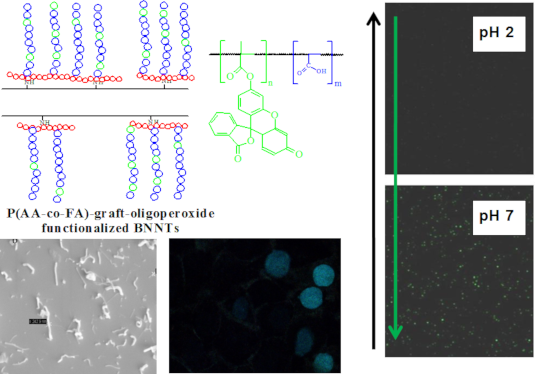
- used in cellular uptake studies. The cells were imaged with a Zeiss Axio Imager.M2 instrument at an excitation wavelength of 490 nm and emission of 520 nm. Results and Discussion Fabrication and properties of fluorescent boron nitride nanotubes The pH-responsive fluorescent coatings were formed on the


Nanostructured and oriented metal–organic framework films enabling extreme surface wetting properties
Beilstein J. Nanotechnol. 2019, 10, 1994–2003, doi:10.3762/bjnano.10.196

- . Keywords: antifog; antifouling; biomimetic coatings; metal–organic frameworks (MOFs); superhydrophilic; superoleophobic; thin films; vapor-assisted conversion; Introduction Over millions of years, plants and animals have evolved a spectrum of surface designs enabling specific wetting properties tailored
- surface technologies such as antifog or antifouling, oil-repellant coatings, self-cleaning surfaces and water-harvesting systems are inspired by nature’s designs [17][18][19][20][21][22][23][24][25][26]. The synthesis of artificial superhydrophilic surfaces can be achieved by a variety of routes, for
- properties and functions, MOFs are intriguing candidates for the design and synthesis of coatings combining a superhydrophilic, superhydrophobic, superoleophilic or superoleophobic character with desired features such as light filtering, hosting cavities, electrical conductivity, etc. In the literature, the


Magnetic properties of biofunctionalized iron oxide nanoparticles as magnetic resonance imaging contrast agents
Beilstein J. Nanotechnol. 2019, 10, 1964–1972, doi:10.3762/bjnano.10.193
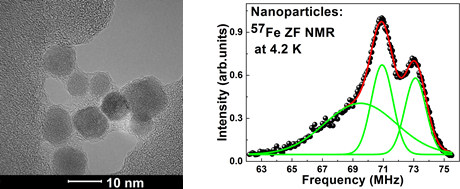
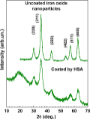
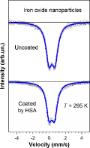
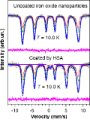
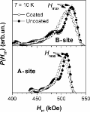
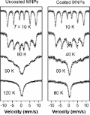
- of coating on the particle size and their magnetic properties is also raised. It has been shown that different types of coatings shift the magnetic blocking temperature [10][13][14]. In our present study, we observe a superparamagnetic transition of coated and uncoated samples in the temperature



Oblique angle deposition of nickel thin films by high-power impulse magnetron sputtering
Beilstein J. Nanotechnol. 2019, 10, 1914–1921, doi:10.3762/bjnano.10.186

- crystallizes in the fcc structure. Because of the negative magnetostriction property of pure nickel, it is used as a magnetic material for certain applications, including ones that utilize magnetostriction. Thin nickel films have also found a wide range of other applications such as decorative coatings [2][3
- ], corrosion-resistant coatings [3][4], optically transparent conductive electrodes [5], contact devices [6], Li-storage materials [7], and as selective absorbers in solar thermal energy conversion [8]. Moreover, a number of nickel-containing alloys exploit the ferromagnetic properties of nickel such as NiTi



Toxicity and safety study of silver and gold nanoparticles functionalized with cysteine and glutathione
Beilstein J. Nanotechnol. 2019, 10, 1802–1817, doi:10.3762/bjnano.10.175
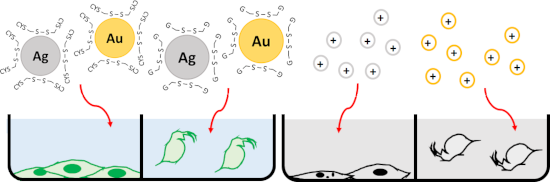
- -chemical properties. Silver nanoparticles (AgNPs) are extensively used in antimicrobial coatings for medical devices, wound dressing, cosmetic products and food packaging due to their antimicrobial, antiangiogenic and anti-inflammatory properties [1][2][3][4][5]. Biomedical applications of gold


Growth dynamics and light scattering of gold nanoparticles in situ synthesized at high concentration in thin polymer films
Beilstein J. Nanotechnol. 2019, 10, 1768–1777, doi:10.3762/bjnano.10.172

- properties of plasmonic nanocomposite materials from experimental, theoretical as well as numerical points of view [1][2]. Metal nanoparticles (NPs) play a central role in the development of nanotechnology-based optical devices. Gold nanoparticles (AuNPs) are used in spectrally selective coatings to block





