


Search results
Search for "efficiency" in Full Text gives 1031 result(s) in Beilstein Journal of Nanotechnology. Showing first 200.
Ar+ implantation-induced tailoring of RF-sputtered ZnO films: structural, morphological, and optical properties
Beilstein J. Nanotechnol. 2025, 16, 872–886, doi:10.3762/bjnano.16.66
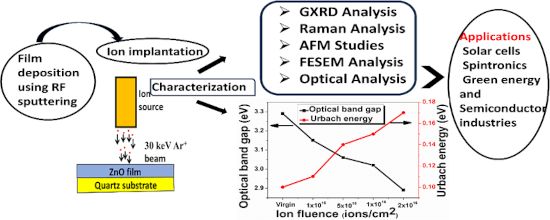
- absorption in the UV region. This amplifies the data storage capacity and energy efficiency of ZnO films [13]. The implantation-induced structural disorder is reflected in terms of Urbach energy, which is defined as the band tail energy and can be calculated using the Urbach edge rule. Near the band edges






Insights into the electronic and atomic structures of cerium oxide-based ultrathin films and nanostructures using high-brilliance light sources
Beilstein J. Nanotechnol. 2025, 16, 860–871, doi:10.3762/bjnano.16.65
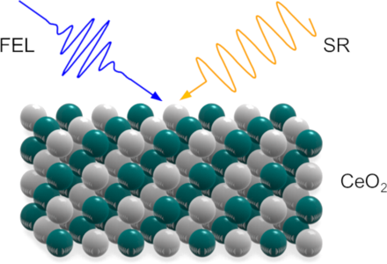
- ]. Additionally, because of their often high efficiency at harnessing solar energy, they find application in photocatalysis and photovoltaics [5][6]. Optimizing these applications requires unravelling the often complex processes that influence functionality through an atomic-level description. To this end
- active sites in catalysts is a crucial problem in view of the optimization of catalyst efficiency and selectivity. The possibility of carrying out spectroscopic studies under conditions as close as possible to ambient pressure has largely contributed to this goal. The application of these methods to
- can be exploited to obtain insight into the processes following photoexcitation in photocatalysts, important for the rational optimization of these materials’ efficiency. In ceria, as well as in other semiconducting oxides, the formation of photoinduced small polarons after bandgap photoexcitation


Facile one-step radio frequency magnetron sputtering of Ni/NiO on stainless steel for an efficient electrode for hydrogen evolution reaction
Beilstein J. Nanotechnol. 2025, 16, 837–846, doi:10.3762/bjnano.16.63
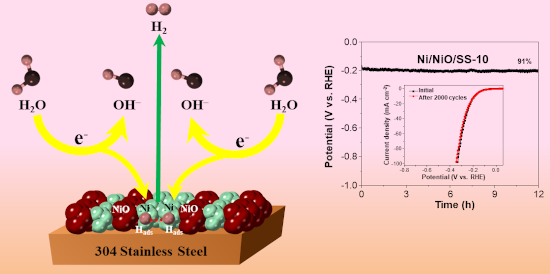
- efficiency. The evaluation of catalytic activities revealed that the optimal sample of Ni/NiO/SS-10 displayed a higher HER performance than bare SS. To produce H2 at a current density of 10 mA·cm−2, this electrode required a low overpotential of 184 mV and demonstrated remarkable durability over 12 h of
- operation. The high efficiency is attributed to the collaborative work of the NiO and Ni metal components and the good electrical conductivity of SS, which is advantageous for dissociative adsorption of water molecules, recombination of hydrogen atoms, and improvement of electronic/ionic motion. This work
- efficiency compared to gasoline, coal, and natural gas. Currently, hydrogen produced by water electrolysis is well accepted as an ecologically clean, sustainable method compared to other techniques, such as coal gasification and steam methane reforming [5][6][7][8][9][10]. According to reported works, Pt


Supramolecular hydration structure of graphene-based hydrogels: density functional theory, green chemistry and interface application
Beilstein J. Nanotechnol. 2025, 16, 806–822, doi:10.3762/bjnano.16.61
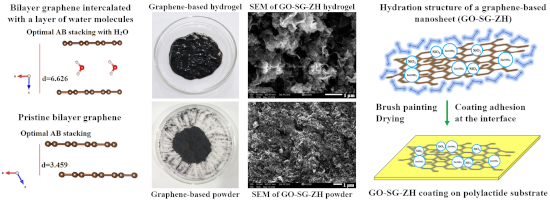
- graphene oxide–nanosilica–zinc hydroxide nanocomposites (GO-SG-ZH). Graphite oxidation reaction in a cascade design gives good efficiency values of energy, chemical reaction, and reaction time [14][15]. The recycling of rice husk ash waste into nanosilica products is eco-friendly and sustainable for


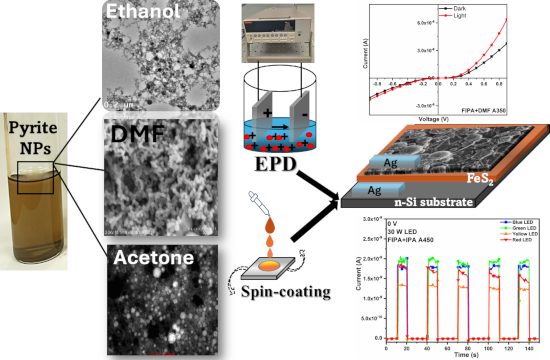
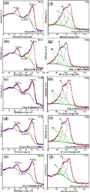
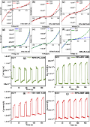
Morphology and properties of pyrite nanoparticles obtained by pulsed laser ablation in liquid and thin films for photodetection
Beilstein J. Nanotechnol. 2025, 16, 785–805, doi:10.3762/bjnano.16.60






Serum heat inactivation diminishes ApoE-mediated uptake of D-Lin-MC3-DMA lipid nanoparticles
Beilstein J. Nanotechnol. 2025, 16, 740–748, doi:10.3762/bjnano.16.57
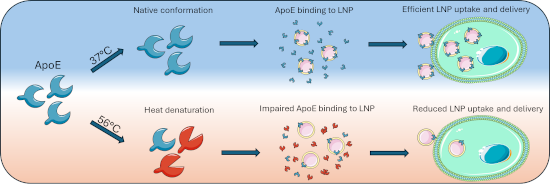
- vitro cellular models aiming to eventually understand biodistribution and cargo delivery efficiency of the LNPs in vivo. For in vitro cell culture, fetal calf serum (FCS) is supplemented to culture media to provide nutrients and promote cell viability and growth. Heat inactivation of FCS is often
- ) ionizable lipids. Cellular uptake and siRNA delivery efficiency of the LNPs were determined in media containing untreated or heat-inactivated serum. Mechanistically, we found that apolipoprotein E, a protein corona component that is crucial for MC3 LNP tropism, displayed reduced stability and functionality
- delivery efficiency, it is becoming increasingly clear that the in vivo environment to which the nanoparticles will be exposed should be considered during LNP development. Nevertheless, the initial screening of nanoparticles in vitro is often restricted to experiments using tissue culture media


Synthesis of a multicomponent cellulose-based adsorbent for tetracycline removal from aquaculture water
Beilstein J. Nanotechnol. 2025, 16, 728–739, doi:10.3762/bjnano.16.56
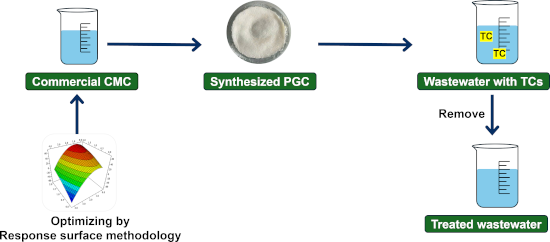
- were characterized, and the TC adsorption efficiency of PGC was assessed using high-performance liquid chromatography–mass spectroscopy (HPLC-MS). Elemental analysis of PGC identified four key mechanisms governing its endothermic TC adsorption mechanism: surface complexation, electrostatic interactions
- , hydrogen bonding, and CH–π interactions, with surface complexation between Ca2+ and TCs being dominant. Batch adsorption experiments conducted to examine the factors influencing adsorption capacity revealed that PGC achieved up to 70% TC removal efficiency at an adsorbent dosage of 40 mg and an initial TC
- effective adsorbent for the removal of average 70% TC antibiotic residues, particularly oxytetracycline, chlortetracycline, TC, and doxycycline. Keywords: adsorption; aquaculture water; removal efficiency; response surface methodology; tetracycline antibiotic; Introduction The aquaculture industry plays a


Efficiency of single-pulse laser fragmentation of organic nutraceutical dispersions in a circular jet flow-through reactor
Beilstein J. Nanotechnol. 2025, 16, 711–727, doi:10.3762/bjnano.16.55
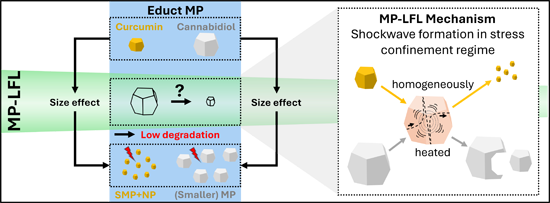
- laser fragmentation in liquids with ultrashort-pulsed lasers was studied in a circular jet reactor using curcumin and cannabidiol as model substances and single-pulse-per-volume element conditions to compare the fragmentation efficiency for these two nutraceuticals. Fragmentation efficiency based on the
- yield of submicrometer particles and nanoparticles was quantified using UV–vis extinction spectroscopy, scanning electron microscopy, and analytical centrifugation, while high-performance liquid chromatography determined degradation. We found improved fragmentation efficiency at lower mass
- parameters such as wavelength and pulse duration, fragmentation setups can also affect the fragmentation efficiency. A homogeneous fluence distribution is particularly relevant for sensitive organic materials, as the amount of degradation products scales with the laser intensity used [42], which is why


Nanostructured materials characterized by scanning photoelectron spectromicroscopy
Beilstein J. Nanotechnol. 2025, 16, 700–710, doi:10.3762/bjnano.16.54
- one-transistor-one-resistor cells with minimal footprint [25] can be realized. Optimizing nanowire diameter and distance further enhances the strong light adsorption of III–V materials, resulting in nanowire-based solar cells of high efficiency [26]. While such nanowire-based devices are highly
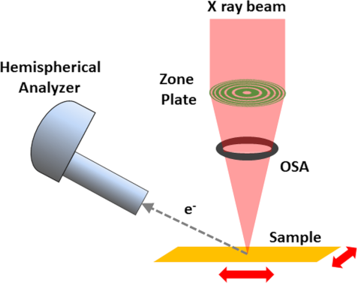
- high spatial resolution. We correlate that to the chemical surface composition, distinguishing between surface and bulk effects on the path towards improved surface properties of nanowire solar cells with further enhanced efficiency. Furthermore, they demonstrate the large suitability of SPEM for


The impact of tris(pentafluorophenyl)borane hole transport layer doping on interfacial charge extraction and recombination
Beilstein J. Nanotechnol. 2025, 16, 678–689, doi:10.3762/bjnano.16.52
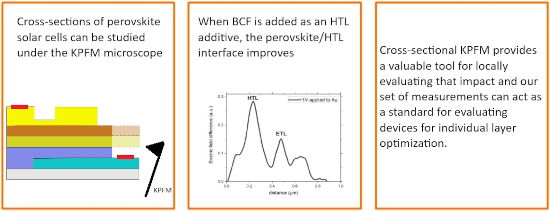
- strong influence on the overall efficiency and stability in perovskite solar cell devices. Specifically, the charge extraction and recombination occurring at the interfaces between the perovskite and these materials can be a limiting factor for performance. A lot of effort has been put into improving the
- parameters, and KPFM procedure are reported in the Experimental Section. Results and Discussion Efficiency characterization Whilst BCF (Figure 1) has an advantageous impact on the conductivities of both spiro-OMeTAD and PTAA, when similar dopant concentrations are used, the effect on PTAA is more pronounced
- positive effect on short-circuit current (Jsc) and open-circuit voltage (Voc) is marginal, the increase on the fill factor (FF) is more substantial, and is reflected on the elevated average power conversion efficiencies (PCE) of the batches. The average increased efficiency observed in the cells of batches


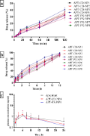
Aprepitant-loaded solid lipid nanoparticles: a novel approach to enhance oral bioavailability
Beilstein J. Nanotechnol. 2025, 16, 652–663, doi:10.3762/bjnano.16.50
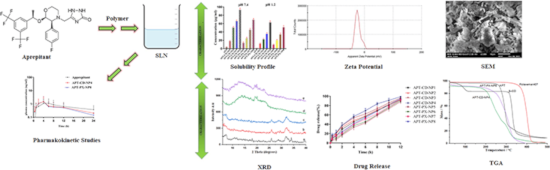
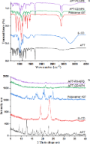
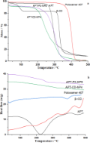
- analysis. APT-loaded SLNs were prepared by the precipitation method and characterized by physicochemical studies including particle size and zeta potential measurements, drug content, encapsulation efficiency and solubility studies, Fourier-transform infrared spectroscopy (FTIR), scanning electron
- encapsulation efficiency The drug content of SLNs formulations ranged from 16.95% ± 0.76% to 96.75% ± 0.24%; the highest APT content was obtained in APT-CD-NP4. The loss of the drug can be attributed to the lyophilization. However, there was no change in color or aggregation observed. Dispersions of lyophilized
- facilitates strong interaction with APT, resulting the enhanced encapsulation efficiency. Nazli Erdogar et al. achieved a higher encapsulation efficiency for aprepitant with PEG–chitosan-coated cyclodextrin nanocapsules [16]. Zeta potential, particle size analysis and polydispersity index Zeta potential is a



Nanoscale capacitance spectroscopy based on multifrequency electrostatic force microscopy
Beilstein J. Nanotechnol. 2025, 16, 637–651, doi:10.3762/bjnano.16.49
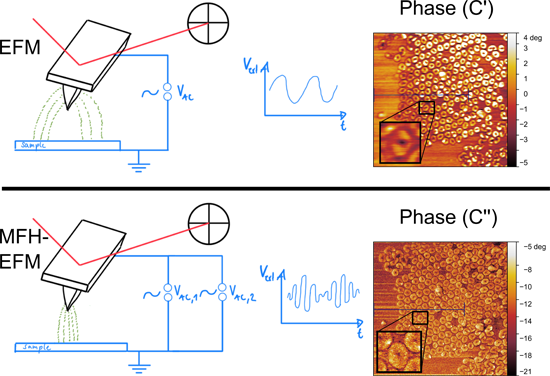
- , in microelectronic devices, high-κ dielectric materials such as HfO2 and ZrO2 are critical for minimizing leakage currents and enhancing gate capacitance in transistors [7][8][9]. In energy storage systems, the dielectric constants of polymer–ceramic composites determine the efficiency and
- reliability of capacitors [10]. Similarly, in next-generation photovoltaic devices, the dielectric properties of absorber layers, such as lead-halide perovskites, affect carrier recombination and electric field distribution, thereby influencing power conversion efficiency [11]. At the nanoscale, the




Polyurethane/silk fibroin-based electrospun membranes for wound healing and skin substitute applications
Beilstein J. Nanotechnol. 2025, 16, 591–612, doi:10.3762/bjnano.16.46
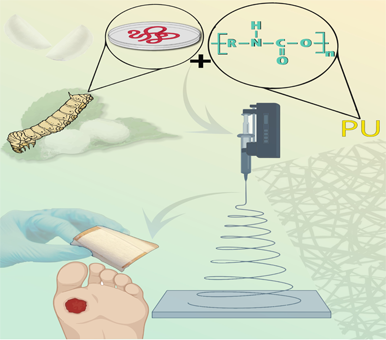
- efficiency. In imaging and histological tests, the SF/CS/nHA-BMSC scaffold combined with CGF significantly improved bone repair compared to the control groups [89]. Safdari et al. incorporated ceftazimide (STZ) to develop antibiotic-loaded SF/gelatin nanofibers through electrospinning for wound dressing
- to create and analyze SF films with various nanostructures that exhibit tunable optical properties depending on the structure. When combined with silicon photodiodes, the power conversion efficiency increased by 6.96% with flat SF films and 14.9% with nanopatterned SF films. This demonstrates the
- surrounding tissues [172]. In addition, they are also vital in advanced drug delivery systems where highly specific and localized release of drugs can be achieved through light, thus increasing the efficiency of various therapies [173]. Rybak et al. formulated a new 3D-printed hydrogel wound dressing for



Feasibility analysis of carbon nanofiber synthesis and morphology control using a LPG premixed flame
Beilstein J. Nanotechnol. 2025, 16, 581–590, doi:10.3762/bjnano.16.45
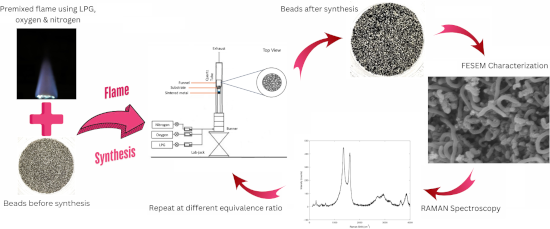
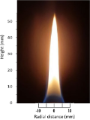
- . The temperature was kept below 700 °C, and the efficiency of conversion of carbon precursors into fibers found was 70%. The diameter found was approximately 100 nm, and the TEM and SEM characterization revealed the morphology and the internal structures of the fibers [19]. Ruiz-Cornejo et al



Nanomaterials in targeting amyloid-β oligomers: current advances and future directions for Alzheimer's disease diagnosis and therapy
Beilstein J. Nanotechnol. 2025, 16, 561–580, doi:10.3762/bjnano.16.44
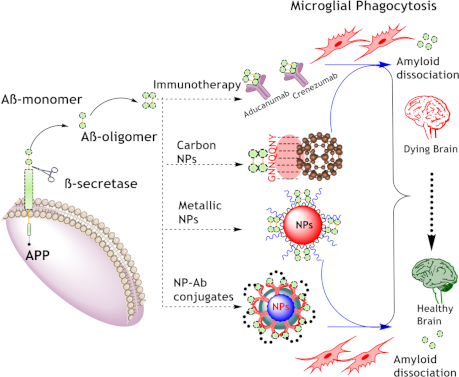
- size, shape, and surface properties, as these factors collectively influence how they interact with amyloidogenic proteins. Smaller NPs can infiltrate and break early-stage oligomers, whereas differences in shape influence binding efficiency and selectivity. Surface functionalization, such as
- governing nanoparticle interactions with amyloidogenic proteins, influencing aggregation pathways and inhibition efficiency. Moore and colleagues investigated how 18 nm AuNPs with different surface coatings, viz., citrate, polyallylamine (PAH), and polyacrylic acid (PAA), affected the aggregation of Aβ1–40


Retrieval of B1 phase from high-pressure B2 phase for CdO nanoparticles by electronic excitations in CdxZn1−xO composite thin films
Beilstein J. Nanotechnol. 2025, 16, 551–560, doi:10.3762/bjnano.16.43
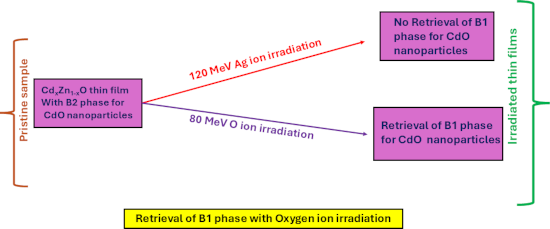
- and gamma radiation can induce lattice defects and lower the device efficiency [7]. Swift heavy ion (SHI) irradiation experiments provide valuable insights into the radiation stability of the transformed B2 phase, which is essential for the future utilization of these composite materials in space


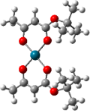
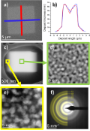
Electron beam-based direct writing of nanostructures using a palladium β-ketoesterate complex
Beilstein J. Nanotechnol. 2025, 16, 530–539, doi:10.3762/bjnano.16.41
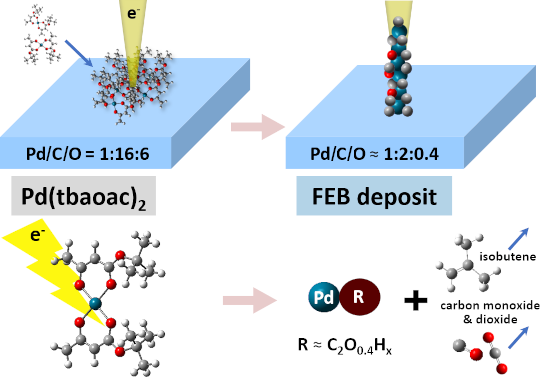
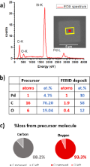
- ligands and only about 5 atom % palladium in the pristine molecule, yet the obtained palladium content in the deposits amounts to around 30 atom %. This translates to an exceptional removal efficiency of about 90% for the ligand-constituting elements carbon and oxygen through electron-induced dissociation
- substrates were held at room temperature for [Pd(η5-Cp)(η3-allyl)] and [Pd(hfac)2], which may explain the lower carbon removal efficiency due to residual gas contamination or less effective thermal desorption processes. Comparison with [Cu(tbaoac)2] When comparing [Cu(tbaoac)2] and [Pd(tbaoac)2], the highest
- precursors. The substrate and GIS temperatures (T) are indicated. Note the highest ligand removal efficiency for the β-ketoesterate complex [Pd(tbaoac)2]. The arrows represent the reduction of atoms in the pristine molecule with respect to the number of atoms in the FEBID deposit composition. RT stands for


Water in nanoporous hexagonal boron nitride nanosheets: a first-principles study
Beilstein J. Nanotechnol. 2025, 16, 510–519, doi:10.3762/bjnano.16.39
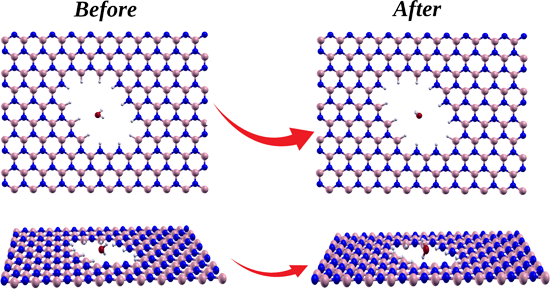
- improve the desalination process. In pursuit of greater efficiency in the desalination process, the scientific community has proposed membranes composed of various materials, including graphene [7][8][9][10], carbon nanotubes [11][12][13][14], molybdenum disulfide (MoS2) [15][16][17][18], and hexagonal




Performance optimization of a microwave-coupled plasma-based ultralow-energy ECR ion source for silicon nanostructuring
Beilstein J. Nanotechnol. 2025, 16, 484–494, doi:10.3762/bjnano.16.37
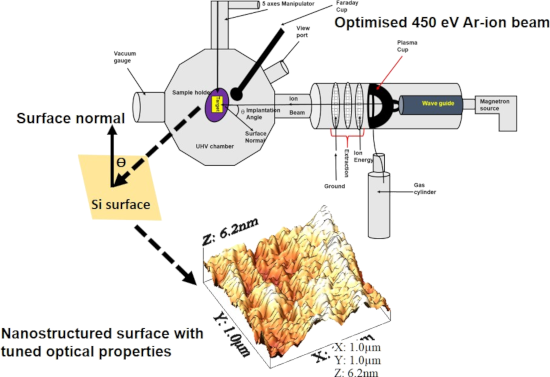
- . Additionally, a small negative field can extend from the extractor grid into the positively charged plasma region. This increases the ion extraction efficiency by enhancing the electric field gradient and enlarging the effective extraction volume. Grid 3 (grounded grid) The third grid is maintained at ground
- , which allows the produced ions to traverse a longer distance without collision. This increases the ionization efficiency, and hence, with fewer collisions, the probability for recombination of the ions is very low. Consequently, a large number of ions are extracted, intensifying the beam current. The


Effect of additives on the synthesis efficiency of nanoparticles by laser-induced reduction
Beilstein J. Nanotechnol. 2025, 16, 464–472, doi:10.3762/bjnano.16.35
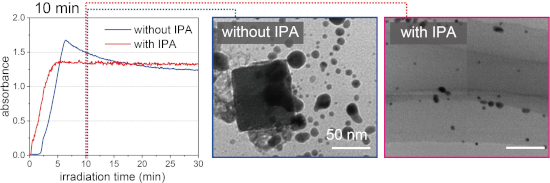
- produced by the breakdown of solvent molecules in a high-intensity reaction field near the focus of the laser. This unique reaction has the characteristic of being able to synthesize non-equilibrium solid–solution alloy nanoparticles. On the other hand, it is necessary to improve the synthesis efficiency
- of nanoparticles in large quantities for practical use. In this study, we investigated improvements of the synthesis efficiency of nanoparticles in LRL by adding scavengers, such as isopropyl alcohol (IPA) and glycerin, for oxidative radicals formed by laser irradiation to the solution and converting
- the oxidative radicals into reducing species. Based on the evaluation of the synthesis efficiency of Au nanoparticles, it was confirmed that the addition of IPA increased the synthesis efficiency of nanoparticles by about five times, and the addition of glycerin increased it by about nine times


Synthetic-polymer-assisted antisense oligonucleotide delivery: targeted approaches for precision disease treatment
Beilstein J. Nanotechnol. 2025, 16, 435–463, doi:10.3762/bjnano.16.34
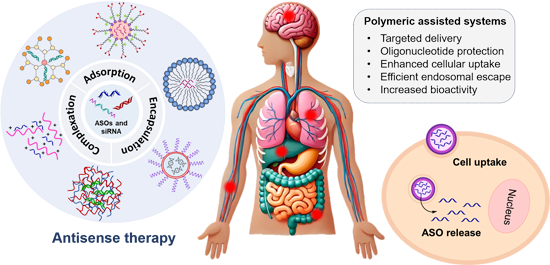
- patient-personalised therapies [41][42]. In 2019, Kim et al. pioneered the development of milasen, a ssASO drug tailored to a single patient affected by a rare form of Batten’s disease, and its clinical efficiency was successfully proven [43]. Despite significant progress in the discovery of novel
- significantly improved gene silencing efficiency in prostate cancer cells, compared to a control diblock copolymer micelle. While cellular internalisation of ASO complexes can take place through several pathways, it has been previously reported that non-specific adsorptive endocytosis is the predominant
- significantly suppressed c-myc mRNA expression, reduced cell proliferation, and inhibited tumour growth both in vitro and in vivo, compared to other groups without Gal–PLL or SonoVue. This demonstrated the essential role of Gal–PLL in enhancing the specificity and efficiency of antisense delivery. In a separate


Biomimetics and bioinspired surfaces: from nature to theory and applications
Beilstein J. Nanotechnol. 2025, 16, 418–421, doi:10.3762/bjnano.16.32
- microstructures that reduce drag; for instance, bees and wasps have structures on the wings that facilitate flying [5]. Zhu et al. [9] applied this concept in using microtextures to rotating blades of aircraft engines. Their results show that the microtextures may improve energy efficiency by 3.7% of a single

Size control of nanoparticles synthesized by pulsed laser ablation in liquids using donut-shaped beams
Beilstein J. Nanotechnol. 2025, 16, 407–417, doi:10.3762/bjnano.16.31
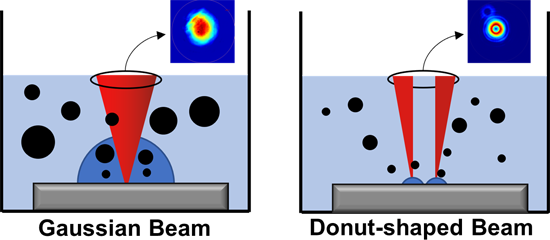
- increase in the radiation absorption efficiency inside transparent materials because of the implosion of the absorbed energy during propagation [39]. It is crucial to understand the early-stage mechanisms of PLAL to correlate them to NP size control. Plasma plume formation and expansion is a critical step


Engineered PEG–PCL nanoparticles enable sensitive and selective detection of sodium dodecyl sulfate: a qualitative and quantitative analysis
Beilstein J. Nanotechnol. 2025, 16, 385–396, doi:10.3762/bjnano.16.29
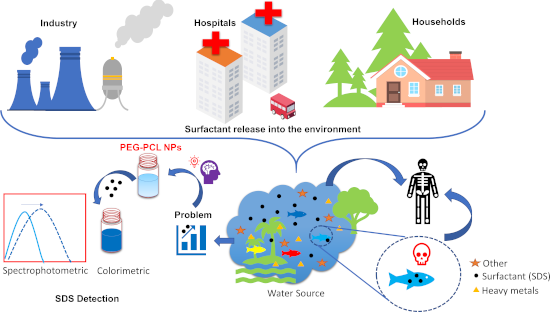
- ensures sufficient time for the formation of well-defined, monodisperse nanoparticles with consistent size and shape. The monodispersity of the nanoparticles is critical for their uniform behavior in biological and industrial applications, as it influences factors such as drug loading efficiency and


Development of a mucoadhesive drug delivery system and its interaction with gastric cells
Beilstein J. Nanotechnol. 2025, 16, 371–384, doi:10.3762/bjnano.16.28
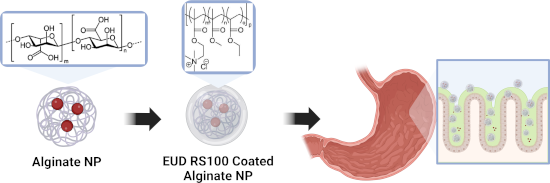
- positive charge. A peptide, as a model drug, was loaded onto the nanoparticles with an encapsulation efficiency of 58%. The release of the model drug from the delivery system was pH-independent and lasted for 7 days. The periodic acid–Schiff stain assay indicated 69% mucin interaction for the nanoparticles
- adhere to the mucosa. The size of the microspheres, from which the drug was released over a period of 24 h, was in the range of 800–900 µm [26]. Although particulate systems with larger sizes could be advantageous in terms of higher encapsulation efficiency and slower release, they would have a reduced
- surface area for adhesion. Also, mucus penetration would be hindered because of the mesh-like structure of mucin. For therapeutics that have gastric mucosa as target, this might limit the efficiency and decrease the drug absorption at the site. A smaller particle size, however, is advantageous because of





