


Search results
Search for "encapsulation" in Full Text gives 184 result(s) in Beilstein Journal of Nanotechnology.
Temperature-tunable lasing from dye-doped chiral microdroplets encapsulated in a thin polymeric film
Beilstein J. Nanotechnol. 2018, 9, 379–383, doi:10.3762/bjnano.9.37

- observed [11][12]. In recent years, several studies have been published on the CLCs encapsulation in micrometer-sized spherical objects [13]. Inside the microdroplets the CLCs helical structure is preserved and, for boundary planar conditions, the helices axes are radially oriented. When CLCs are doped


Nanoparticle delivery to metastatic breast cancer cells by nanoengineered mesenchymal stem cells
Beilstein J. Nanotechnol. 2018, 9, 321–332, doi:10.3762/bjnano.9.32
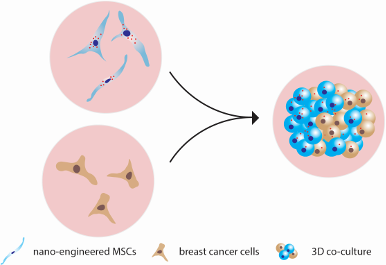
- , which could be sufficient time to release drugs into the tumour. The encapsulation of NP-linked anticancer drugs could ensure metered drug release in tumours [2]. QD linkage to photosensitisers, such as chlorin e6, causes damage to MiaPaCa2 cancer cells via light-induced cytotoxicity, demonstrating a



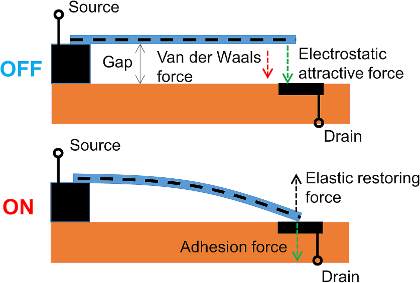
Review: Electrostatically actuated nanobeam-based nanoelectromechanical switches – materials solutions and operational conditions
Beilstein J. Nanotechnol. 2018, 9, 271–300, doi:10.3762/bjnano.9.29


Liquid-crystalline nanoarchitectures for tissue engineering
Beilstein J. Nanotechnol. 2018, 9, 205–215, doi:10.3762/bjnano.9.22

- electrostatically induced phase transitions from isotropic sol to nematic gel of synthetic nanofibers or filamentous bacteriophages can be adopted as a mild and efficient process for cell encapsulation in a highly anisotropic hydrogel scaffold [91][103]. These in situ cell inclusion techniques allow for the
- applications, the self-assembly of biopolymers in biocompatible ranges of physicochemical factors can be an ideal property, especially for developing scaffolds for cell encapsulation. The local anisotropy of the 3D architecture in the LC scaffolds provides a versatile strategy to dictate guided cell growth and


Group-13 and group-15 doping of germanane
Beilstein J. Nanotechnol. 2017, 8, 1642–1648, doi:10.3762/bjnano.8.164

- Ga:GeH is stable under vacuum, enabling robust electronic properties through encapsulation. Overall, this work provides a pathway to dope germanane and enable future explorations of electronic devices. Experimental Single crystalline platelets of doped and undoped GeH were synthesized using methods



Development of an advanced diagnostic concept for intestinal inflammation: molecular visualisation of nitric oxide in macrophages by functional poly(lactic-co-glycolic acid) microspheres
Beilstein J. Nanotechnol. 2017, 8, 1637–1641, doi:10.3762/bjnano.8.163

- investigation of untreated macrophages confirmed this by a low fluorescence signal of NO550-loaded microspheres (Figure 3). In contrast, NO550-loaded microspheres revealed in LPS-stimulated macrophages a strong fluorescence signal at 550 nm. Due to the polymeric encapsulation of NO550, no fluorescent background


Parylene C as a versatile dielectric material for organic field-effect transistors
Beilstein J. Nanotechnol. 2017, 8, 1532–1545, doi:10.3762/bjnano.8.155
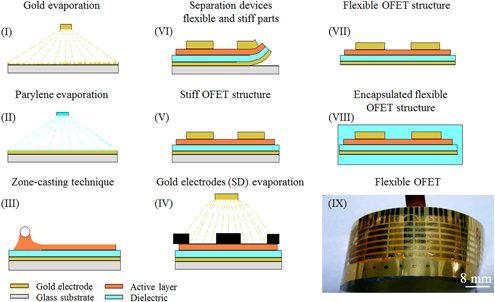
- . Keywords: dielectric; encapsulation layer; flexible substrate; organic field effect transistor; Parylene C; Review Introduction An improvement of the performance of organic transistors by means of boosting charge-carrier mobility is one of the main quests in organic electronics, calling for novel design
- flexibility is a substrate that is not only flexible (relatively low Young's modulus) but also offers a smooth and pinhole-free structure. An equally important role is played by the encapsulation layer. Firstly, it protects the semiconductor thin film against the negative influence of water and oxygen
- transistors as both substrate and encapsulation layer. The present work is focused on the unique performance of one polymer material used in OFETs. This material is poly(chloro-p-xylylene) (Parylene C) the applicability of which in the field of OFET manufacturing appears to be continuously growing. Three




Development of polycationic amphiphilic cyclodextrin nanoparticles for anticancer drug delivery
Beilstein J. Nanotechnol. 2017, 8, 1457–1468, doi:10.3762/bjnano.8.145

- their drug encapsulation, release profile and anticancer activity on MCF-7 human breast cancer cell line in particular. Safety and apoptotic efficacy of blank and PCX-loaded cationic or anionic amphiphilic CD nanoparticles were evaluated with cell culture studies against a series of healthy and cancer
- prepared with ethanol and without any surfactant (PF68). Delivering the therapeutic load to the target site and maintaining therapeutic blood levels for the drug in an effective dose is the most important objective for targeted nanomedicines. Drug encapsulation efficiency is highly affected by the nature
- of the polymer/polysaccharide used to prepare the nanoparticles. Therefore, in order to determine the effect of surface charge on drug loading capacity of nanoparticles, PCX was chosen as a model anticancer drug frequently used in chemotherapy for patients with breast cancer. The encapsulation


Cationic PEGylated polycaprolactone nanoparticles carrying post-operation docetaxel for glioma treatment
Beilstein J. Nanotechnol. 2017, 8, 1446–1456, doi:10.3762/bjnano.8.144

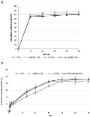
- mePEG-PCL nanoparticles increased by 13–23 nm during this period. However, this increase is not statistically significant. Consequently, it can be said that aqueous dispersions of drug-loaded nanoparticles are physically stable for a period of 1 month. Encapsulation efficacy of drug-loaded nanoparticles
- The docetaxel concentration in nanoparticle formulations was directly quantified with a validated HPLC method and expressed in terms of associated drug (%). In the literature, the encapsulation efficacy for PCL nanoparticles was found to be between 65−71% [60][70] and for mePEG-PCL nanoparticles to be
- 80−90% [56][58]. According to our results, the encapsulation efficacy of mePEG-PCL nanoparticles was not found to be as high as reported in the literature. This may be caused by the differences in the molecular weight of the PCL used in mePEG-PCL. The zeta potential of DOC solutions was measured as




The integration of graphene into microelectronic devices
Beilstein J. Nanotechnol. 2017, 8, 1056–1064, doi:10.3762/bjnano.8.107
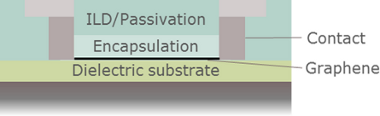
- dielectric substrates. Besides, the encapsulation of graphene for further processing while maintaining its properties poses a challenge. Regarding the graphene/metal contact intensive research was done and recently substantial advancements were made towards contact resistances applicable for electronic
- devices. Generally speaking the crucial issues for graphene integration are identified today and the corresponding research tasks can be clearly defined. Keywords: contacts; deposition; encapsulation; graphene; process integration; Introduction Since the discovery of the electronic properties of
- compressive strain of approximately −0.1% [49]. On epitaxial germanium(001) with a higher surface roughness there is a higher compressive strain in the range between −0.37% and −0.25% [33]. Thus, it is crucial to provide substrates as smooth as possible for graphene integration. 4 Encapsulation In order to


Analysis and modification of defective surface aggregates on PCDTBT:PCBM solar cell blends using combined Kelvin probe, conductive and bimodal atomic force microscopy
Beilstein J. Nanotechnol. 2017, 8, 579–589, doi:10.3762/bjnano.8.62
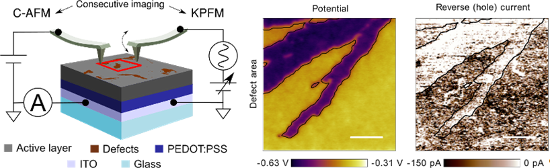
- samples buried under a top electrode and an encapsulation layer, we mostly used fresh samples to evaluate the properties of the features in order to avoid additional uncertainty (any deviations from this approach are noted in the text). In order to further characterize the features, we analyze the


Copper atomic-scale transistors
Beilstein J. Nanotechnol. 2017, 8, 530–538, doi:10.3762/bjnano.8.57

- . Keywords: electrochemistry; encapsulation; metallic atomic-scale transistor; nanotechnology; photolithography; Introduction Enormous research efforts worldwide are aimed at finding new solutions and technologies to manufacturing electronic components "beyond the silicon age". Resistive switching is one of
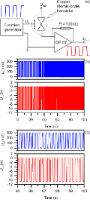
- (0.1 M), and a glass slide was placed on the top of the chip to encapsulate the electrolyte in the circular window. A higher concentration of CuSO4 was used for fabricating the point contact in the encapsulation. The insulating SU-8 layer is stable in the strong acidic electrolyte in which the devices




Association of aescin with β- and γ-cyclodextrins studied by DFT calculations and spectroscopic methods
Beilstein J. Nanotechnol. 2017, 8, 348–357, doi:10.3762/bjnano.8.37
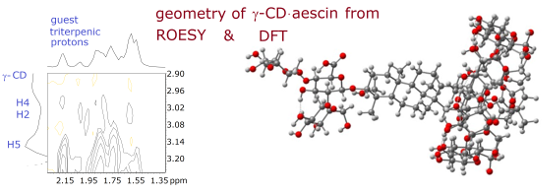
- in the Figure 6 and will be hereafter named complex β1 and complex β2. The first observation that strikes to the sight is that the cavity of β-CD is not large enough to allow a deep encapsulation of the guest molecule. This was reflected by the calculated NMR chemical shifts, which yielded negligible
- observing that the main interactions in the γ-CD·aescin complexes γ1 and γ2 occur for an almost complete encapsulation while for complex γ3 the interaction occurs at the upper rim of γ-CD. The formation energies of the structures represented in the Figure 7 follow the order complex γ1 ≤ complex γ2
- influence of encapsulation on the foam-forming properties of aescin. Acknowledgements The authors acknowledge the University of Aveiro and FCT/MEC (Fundação para a Ciência e a Tecnologia, Ministério da Educação e da Ciência), through national funds and, where applicable, co-financed by the FEDER (European


Nanoscale isoindigo-carriers: self-assembly and tunable properties
Beilstein J. Nanotechnol. 2017, 8, 313–324, doi:10.3762/bjnano.8.34

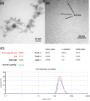
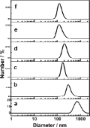
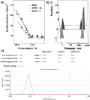
- nanoparticles For the preparation of solid isoindigo nanoparticles (SIPs), the method of nanoprecipitation was used. Precipitation is a commonly used technique in pharmaceutical technology [42][55][56]. This method is documented for protein encapsulation [57], hydrophobic drugs [58], and also for targeting




Impact of contact resistance on the electrical properties of MoS2 transistors at practical operating temperatures
Beilstein J. Nanotechnol. 2017, 8, 254–263, doi:10.3762/bjnano.8.28
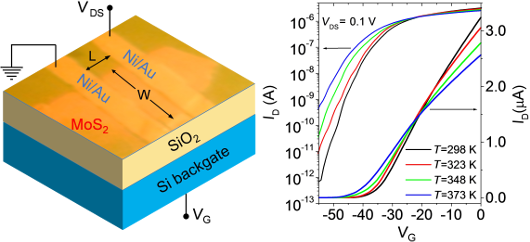
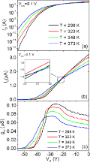
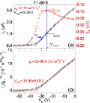
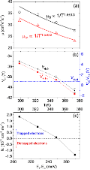
- (water/oxygen) [9] with respect to single or few layer devices [11], for which encapsulation is instead required to achieve good electrical performance [3]. Furthermore, as reported in the literature, carrier mobility is only slightly dependent on MoS2 thickness for transistors fabricated on ≈20 to ≈70




Nitrogen-doped twisted graphene grown on copper by atmospheric pressure CVD from a decane precursor
Beilstein J. Nanotechnol. 2017, 8, 145–158, doi:10.3762/bjnano.8.15

- ]), deteriorates the graphene crystallinity. Additionally, these processes are operated at high temperatures, which restricts the application of graphene, including its use in flexible electronics and biomolecule encapsulation [21]. In this work, we employed a wet-chemical room temperature transfer process onto


A dioxaborine cyanine dye as a photoluminescence probe for sensing carbon nanotubes
Beilstein J. Nanotechnol. 2016, 7, 1991–1999, doi:10.3762/bjnano.7.190
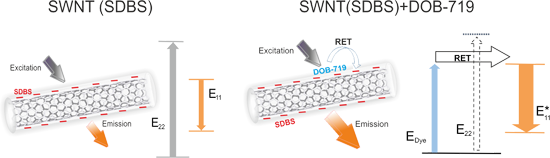
- target molecules, i.e., carbon nanotubes. The amplification of the PL signal from single-walled carbon nanotubes (SWNTs) can be obtained via covalent formation of sp3-defects on the tube surface [7], encapsulation of small organic molecules inside the SWNTs [8] and non-covalent interaction of the tube


Chitosan-based nanoparticles for improved anticancer efficacy and bioavailability of mifepristone
Beilstein J. Nanotechnol. 2016, 7, 1861–1870, doi:10.3762/bjnano.7.178

- ) were prepared by convenient ionic gelation techniques between chitosan (Cs) and tripolyphosphate (TPP). The preparation conditions, including Cs concentration, TPP concentration, Cs/MIF mass ratio, and pH value of the TPP solution, were optimized to gain better encapsulation efficiency (EE) and drug
- preparation, has been extensively studied for obtaining nanocarrier systems with a good capacity of drug encapsulation and an adjustable drug release rate [22][23]. The aim of this work was to prepare MIF-encapsulated CNs (MCNs) to regulate the drug release rate of MIF for bioavailability improvement, and
- concentration, TPP concentration, Cs/TPP mass ratio could have an influence on particle size, encapsulation efficiency (EE), and drug loading capacity (DL) of the nanoparticles [23][26]. In order to select optimum conditions for preparation of MCNs, the effects of Cs concentration, TPP concentration, and Cs/MIF


Polystyrene-block-poly(ethylene oxide) copolymers as templates for stacked, spherical large-mesopore silica coatings: dependence of silica pore size on the PS/PEO ratio
Beilstein J. Nanotechnol. 2016, 7, 1454–1460, doi:10.3762/bjnano.7.137
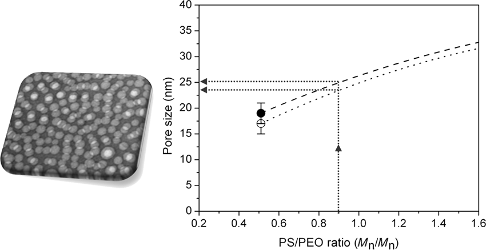
- ; mesoporous silica; soft templating; sol–gel; Introduction Mesoporous materials with large, tunable porosity are currently being investigated as selective molecular sieves, finding potential applications in many fields such as catalysis, encapsulation of proteins, filtration and separation of large molecules


Novel roles for well-known players: from tobacco mosaic virus pests to enzymatically active assemblies
Beilstein J. Nanotechnol. 2016, 7, 613–629, doi:10.3762/bjnano.7.54
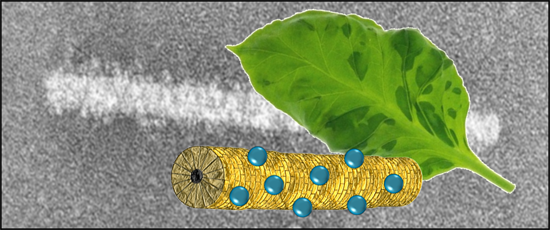
- towards a better handling of fully active enzyme preparations. A broad range of different immobilization methods is applied, ranging from protein adsorption, covalent coupling, entrapment and encapsulation to intermolecular cross-linking with filler components, specific high-affinity docking and
- investigated, though with promising prospects in most of the few cases published [88][132][152][153][154][155]. By contrast, enzyme encapsulation inside viral cavities is a matter of much broader research [72][156][157], in analogy to synthetic polymersomes that are tested extensively for uses as nanoreactors


Synthesis and applications of carbon nanomaterials for energy generation and storage
Beilstein J. Nanotechnol. 2016, 7, 149–196, doi:10.3762/bjnano.7.17















Green and energy-efficient methods for the production of metallic nanoparticles
Beilstein J. Nanotechnol. 2015, 6, 2354–2376, doi:10.3762/bjnano.6.243
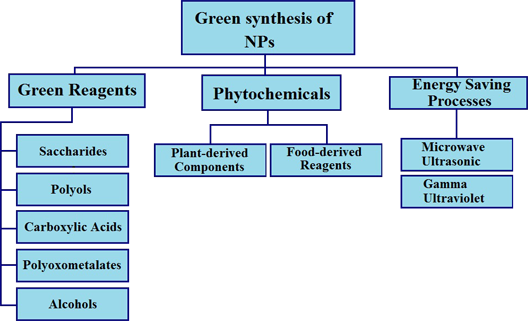
- process (at 160–180 °C for 4–20 h) and used this functionalized carbon for in situ encapsulation of Ag and Au NPs. The size of the produced NPs with this method could be controlled in the range of 8–50 nm [144]. In a similar work, Yu and Yam used D-glucose in a hydrothermal process for synthesis of Ag NPs


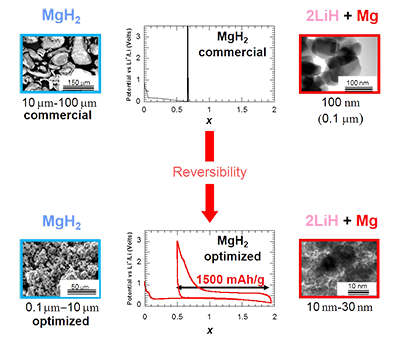
Metal hydrides: an innovative and challenging conversion reaction anode for lithium-ion batteries
Beilstein J. Nanotechnol. 2015, 6, 1821–1839, doi:10.3762/bjnano.6.186
- this will require significant technological improvements to become economically viable for large scale material production. Chemical methods, such as encapsulation or confinement strategies used in the design of energy storage and conversion materials, also constitute new synthetic routes that have










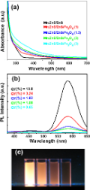
A facile method for the preparation of bifunctional Mn:ZnS/ZnS/Fe3O4 magnetic and fluorescent nanocrystals
Beilstein J. Nanotechnol. 2015, 6, 1743–1751, doi:10.3762/bjnano.6.178

- the last decades, different strategies have been developed toward this goal such as epitaxial heterocrystalline growth, co-encapsulation of preformed QDs and magnetic particles in silica beads, doping of QDs with transition metal ions, conjugation between magnetic chelates or magnetic nanocrystals




Using natural language processing techniques to inform research on nanotechnology
Beilstein J. Nanotechnol. 2015, 6, 1439–1449, doi:10.3762/bjnano.6.149
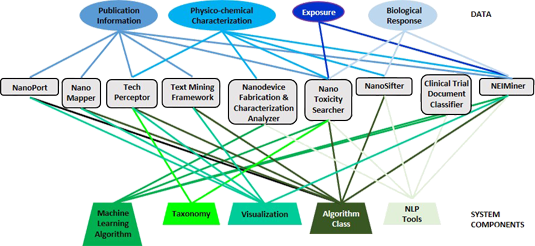
- the numeric values and dendrimer property terms. The entities associated with PAMAM were based on the NanoParticle Ontology and included: (1) hydrodynamic diameter, (2) particle diameter, (3) molecular weight, (4) zeta potential, (5) cytotoxicity, (6) IC50, (7) cell viability, (8) encapsulation



