
Search results
Search for "gel" in Full Text gives 404 result(s) in Beilstein Journal of Nanotechnology. Showing first 200.
Microwave-induced electric discharges on metal particles for the synthesis of inorganic nanomaterials under solvent-free conditions
Beilstein J. Nanotechnol. 2020, 11, 1019–1025, doi:10.3762/bjnano.11.86
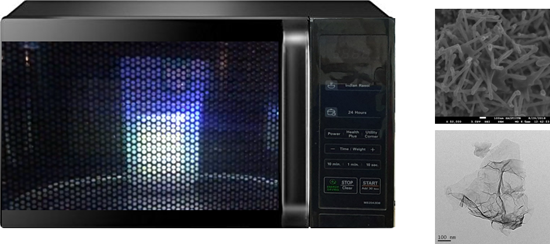
- microscopy; Introduction The synthesis of nanomaterials in short time intervals with fewer chemicals has become increasingly important in materials science. Traditional routes of synthesizing nanomaterials, including sol–gel synthesis, solvothermal synthesis, arc-discharge synthesis, or laser ablation


Wet-spinning of magneto-responsive helical chitosan microfibers
Beilstein J. Nanotechnol. 2020, 11, 991–999, doi:10.3762/bjnano.11.83

- 4 to 12 MPa were previously obtained for wet-spinning of bare chitosan solutions into ammonia [35]. These results were in good agreement with the Young’s modulus values obtained for our helical chitosan fibers. On the other hand, gel-spinning in combination with a post-drying step led to much higher


A 3D-polyphenylalanine network inside porous alumina: Synthesis and characterization of an inorganic–organic composite membrane
Beilstein J. Nanotechnol. 2020, 11, 938–951, doi:10.3762/bjnano.11.78
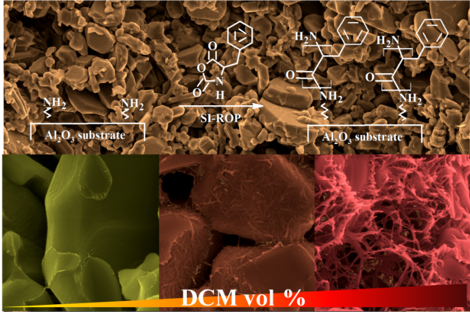
- well as the mechanisms of gel formation have been studied in detail. Hydrophilic gels with functional side groups enable stimuli-responsive hydrogels with interesting properties with regards to drug release systems. A drawback of these gels is their low mechanical stability, which can however be
- improved by chemical crosslinking of the gel structures [26][27]. A three-dimensional fibrillar network due photo-crosslinking gelation of poly(γ-benzyl-ʟ-glutamate-co-allylglycine) was achieved by Vacogne et al. These authors have demonstrated that the network-like structure remains intact after
- -grafted gel might be interesting in membrane separation technology or supported drug release/adsorption systems. We investigate the ability of polyphenylalanine to form organo-gels in situ within a porous inorganic environment with respect to different volume fractions of DCM in the solvent mixture. We




Band tail state related photoluminescence and photoresponse of ZnMgO solid solution nanostructured films
Beilstein J. Nanotechnol. 2020, 11, 899–910, doi:10.3762/bjnano.11.75
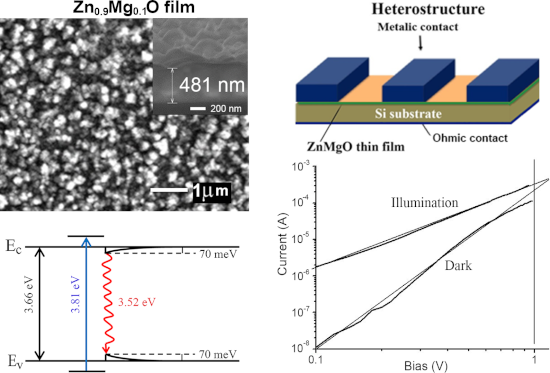
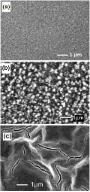
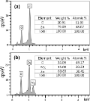
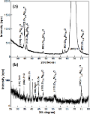
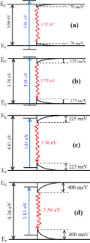
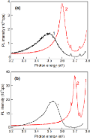
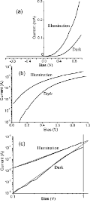
- the composition range x = 0.00–0.40 has been prepared by sol–gel spin coating on Si substrates with a post-deposition thermal treatment in the temperature range of 400–650 °C. The morphology of the films was investigated by scanning electron microscopy and atomic force microscopy while their light
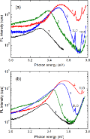
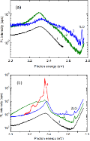
- of the alloy composition. Thin films were also prepared by aerosol spray pyrolysis deposition using the same sol–gel precursors for the purpose of comparison. The prepared films were tested for photodetector applications. Keywords: aerosol spray pyrolysis deposition; energy band tails; photodetector
- (MOCVD) [18][19], hydrothermal [4], chemical bath deposition (CBD) [20], sol–gel spin coating [21][22][23][24][25][26][27][28][29], and spray pyrolysis [28][29][30][31][32][33][34]. Among these techniques, the sol–gel spin coating method has the advantage of ensuring easy control and handling of

A novel dry-blending method to reduce the coefficient of thermal expansion of polymer templates for OTFT electrodes
Beilstein J. Nanotechnol. 2020, 11, 671–677, doi:10.3762/bjnano.11.53

- a sol–gel precursor by adding tetraethyl orthosilicate (TEOS) to polyvinyl pyrrolidone (PVP), and then synthesized a silica/PVP nanofiber composite by electrospinning. The content of silica nanofibers in the composite is 9.1 wt %, and the CTE was decreased by ca. 40%. Jeyranpour et al. [13] studied
- reduce the CTE of the composite. More recently, Wang et al. [16] hydrolyzed various organic compounds to synthesize a solution of APrTEOS-capped poly(amic acid) (EPI) using the sol–gel method, and then added a maximum content of 32.16 wt % tetramethyl orthosilicate (TMOS) and water (as a diluent) into


Silver-decorated gel-shell nanobeads: physicochemical characterization and evaluation of antibacterial properties
Beilstein J. Nanotechnol. 2020, 11, 620–630, doi:10.3762/bjnano.11.49

- of composite nanobeads with antibacterial properties. The particles consist of polystyrene cores that are surrounded by sulfonic gel shells with embedded silver nanoparticles. The nanocomposite beads are prepared by sulfonation of polystyrene particles followed by accumulation of silver ions in the
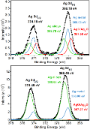
- shell layer and subsequent reduction with sodium borohydride. The resulting material has been characterized by electron microscopy, vibrational and X-ray photoelectron spectroscopy and several other experimental techniques. It was shown that sodium borohydride reduces silver ions embedded in the gel
- layer producing silver nanoparticles but also transforms a fraction of sulfonic groups in the polymer to moieties with sulfur in a lower oxidation state, likely thiols. It is hypothesized that the generated thiol groups are anchoring the nanoparticles in the gel shell of the nanobeads stabilizing the


Identification of physicochemical properties that modulate nanoparticle aggregation in blood
Beilstein J. Nanotechnol. 2020, 11, 550–567, doi:10.3762/bjnano.11.44
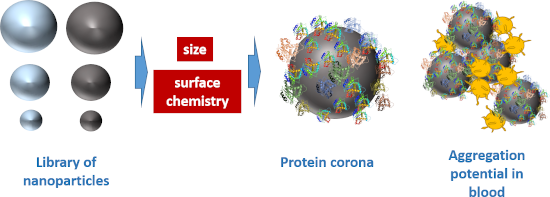
- in an ultrasonic bath and then heated for 5 min at 95 °C to complete the protein denaturation. The protein corona was resolved in a 4% stacking gel / 12% acrylamide and the electrophoretic analysis was conducted at 130 V as previously described [26]. After the electrophoretic separation, the gels
- were stained in Imperial Protein stain (Thermo Scientific) for 1 h and distained overnight (in ultrapure water). The densitometry analysis was performed using the software ImageJ (NIH). Mass spectrometry analysis The samples were run on a sodium dodecyl sulfate–polyacrylamide gel electrophoresis (SDS
- -PAGE) instrument for 10 min before the protein bands were excised from the gel in order to allow the whole corona proteins to migrate into a single gel band. The proteins in the gel pieces were reduced with dithiothreitol, alkylated with iodoacetamide and digested with trypsin (Promega Corporation




Correction: Photocatalytic antibacterial performance of TiO2 and Ag-doped TiO2 against S. aureus. P. aeruginosa and E. coli
Beilstein J. Nanotechnol. 2020, 11, 547–549, doi:10.3762/bjnano.11.43
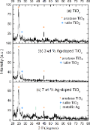
- ., India Department of Biotechnology, Motilal Nehru National Institute of Technology, Allahabad, Prayagraj, 211004, U.P., India 10.3762/bjnano.11.43 Keywords: Ag-doped TiO2; antimicrobial activity; sol–gel; The following is a correction to the section “XRD of TiO2 and Ag-doped TiO2”, which contains a new
Multilayer capsules made of weak polyelectrolytes: a review on the preparation, functionalization and applications in drug delivery
Beilstein J. Nanotechnol. 2020, 11, 508–532, doi:10.3762/bjnano.11.41
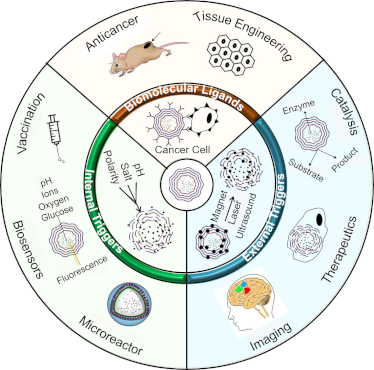
- ]. It was reported that when an 8- or 16-layer capsule core was dissolved at pH 5 and 4.5, respectively, the structure showed high mean heights suggesting trapped silica gel inside the capsules which may be due to an unsuitable pH or thick shells. However, the dissolution of the core containing 8 layers
- were successfully employed for hollow capsule fabrication [31]. Another important feature was that they can be porous or nonporous. During LbL assembly on porous cores, PE complexes were also formed in the interior and its core dissolution gave rise to a gel matrix, which helped in both protecting the
- have been demonstrated with silica or carbonate cores. The crystallization of CaCO3 from supersaturated solutions results in porous gel-like cores which also play an important role for applications in industry and medicine [32]. Such formation depends on the experimental conditions such as pH, salt



Interfacial charge transfer processes in 2D and 3D semiconducting hybrid perovskites: azobenzene as photoswitchable ligand
Beilstein J. Nanotechnol. 2020, 11, 466–479, doi:10.3762/bjnano.11.38

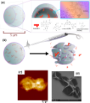
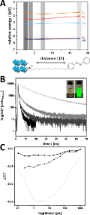
- temperature. The solvent was removed, and the residue was dissolved in ethyl acetate (EA) and methanol (MeOH) (5:1) and filtered over silica gel. The solvent was removed and a yellowish powder was obtained [61]. The product was characterized by using 1H NMR spectroscopy. 1H NMR (400 MHz, DMSO-d6) n = 1: δ




Correction: Biocatalytic oligomerization-induced self-assembly of crystalline cellulose oligomers into nanoribbon networks assisted by organic solvents
Beilstein J. Nanotechnol. 2020, 11, 370–371, doi:10.3762/bjnano.11.27
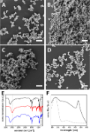
- Technology (PRESTO), Japan Science and Technology Agency (JST), 4-1-8 Honcho, Kawaguchi-shi, Saitama 332-0012, Japan DKS Co. Ltd., 5 Ogawaracho, Kisshoin, Minami-ku, Kyoto-shi, Kyoto 601-8391, Japan 10.3762/bjnano.11.27 Keywords: cellulose oligomer; gel; nanoarchitectonics; nanoribbon networks

Poly(1-vinylimidazole) polyplexes as novel therapeutic gene carriers for lung cancer therapy
Beilstein J. Nanotechnol. 2020, 11, 354–369, doi:10.3762/bjnano.11.26
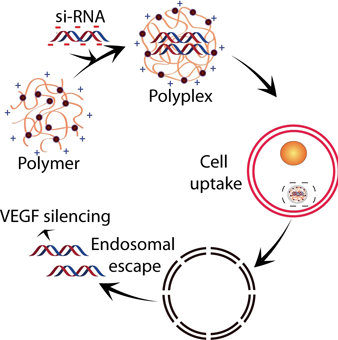
- efficiency of the formed complexes in A549 lung cancer cells. The polyplex formed was found to exhibit 66% complexation efficiency. The complexation was confirmed by gel retardation assays, FTIR and thermal analysis. The blank PVI polymer was not toxic to cells. The polyplex was found to exhibit excellent
- : The polyplexes with a tracking dye (bromophenol blue, 2 µL), were loaded on a 1% agarose gel. The electrophoresis was carried in Tris/boric acid buffer (TBE) buffer at 80 V for 45 min. The gel was imaged after staining with ethidium bromide in a UV transilluminator using a gel documentation system
- heparin/siRNA (v/v) ratio. The samples were electrophoresed on a 1% agarose gel containing 0.5 μg/mL ethidium bromide at 80 V for 20 min. The bands were imaged using the gel documentation system. In vitro studies Cell viability: The effect of blank polymer and polyplex was determined using MTS (3-(4,5


Interactions at the cell membrane and pathways of internalization of nano-sized materials for nanomedicine
Beilstein J. Nanotechnol. 2020, 11, 338–353, doi:10.3762/bjnano.11.25
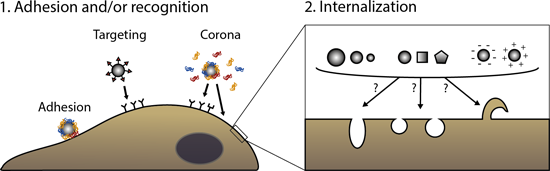
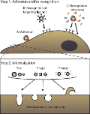
- Section 2.1. Recently, computer simulations and in vitro studies of nanoparticle–membrane interactions have shown that the surface of nanomaterials can in itself induce several changes at the plasma membrane, by determining sol–gel transitions in the lipid bilayer and impairing lipid lateral diffusion


Understanding nanoparticle flow with a new in vitro experimental and computational approach using hydrogel channels
Beilstein J. Nanotechnol. 2020, 11, 296–309, doi:10.3762/bjnano.11.22

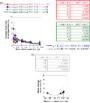
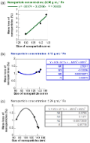
- ). The swelling behavior was highly influenced by the pH value of the solution. The selected gel formulation synthesized with 1.3 mL DI water showed an increased mass of 25% at pH 2, 30% at pH 13, and a maximum of 60% at pH 11. Figure 3 shows the scanning electron microscopy (SEM) images of the different
- showed the smoothest surface of all gel formulations. The gels prepared with 1.5 mL DI water showed a distinctly porous surface structure. Therefore, the 1.3 mL DI water hydrogels were most suitable for making flow channels of negligible friction to resemble the vascular microenvironment. The hollow 3D
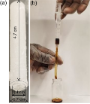
- hydrogel channels were formed via a facile experimental technique using a newly constructed syringe and plastic tube assembly (Figure 4). The liquid gel was allowed to solidify overnight within the syringe–tube assembly and slowly removed from the assembly after solidification. The resultant final product



Facile biogenic fabrication of hydroxyapatite nanorods using cuttlefish bone and their bactericidal and biocompatibility study
Beilstein J. Nanotechnol. 2020, 11, 285–295, doi:10.3762/bjnano.11.21
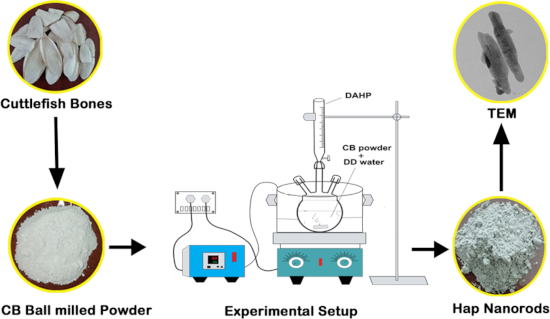
- literature that synthetic and conventional Hap has been prepared by various chemical procedures such as hydrothermal, sol–gel, mechanochemical, reverse microemulsion and precipitation methods, and the resulting material has been proposed to be highly beneficial in hard tissue treatments [3][4][5]. However
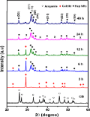
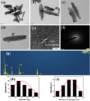
- ]. Similarly, Padmanabhan et al. (2009) prepared the Hap NRs using the sol–gel method that had 70–90 nm width and 400–500 nm length [39]. Likewise, Papageorgiou et al. (2014) fabricated Hap NRs with 20 nm width and 400 nm length by the hydrothermal method [40]. Thus, it is evident from the previous studies
- with tissue. Further, Jadalannagari et al. (2011) and Zanotto et al. (2012) synthesized Hap NRs with smaller width and length via sol–gel and precipitation approaches, respectively [43][44], as compared to the present study. However, it is noteworthy that the biogenic fabrication of nanometer-sized Hap




Fabrication of Ag-modified hollow titania spheres via controlled silver diffusion in Ag–TiO2 core–shell nanostructures
Beilstein J. Nanotechnol. 2020, 11, 141–146, doi:10.3762/bjnano.11.12

- metal nanoparticles. A simple method employing sol–gel coating of nanoparticles with titania followed by controlled silver diffusion was developed and applied for the synthesis of Ag-modified hollow TiO2 spheres. The morphology of the synthesized structures and their chemical composition was



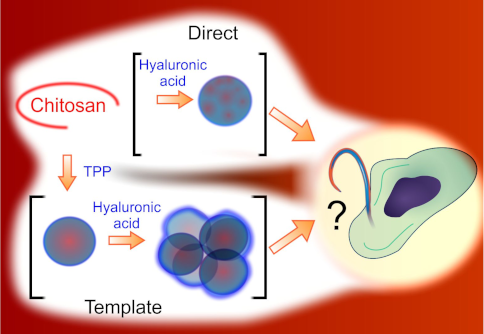
The different ways to chitosan/hyaluronic acid nanoparticles: templated vs direct complexation. Influence of particle preparation on morphology, cell uptake and silencing efficiency
Beilstein J. Nanotechnol. 2019, 10, 2594–2608, doi:10.3762/bjnano.10.250
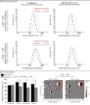
- degradation of low-MW and high-MW chitosan nanoparticles prepared by ionotropic gelation or direct polyelectrolyte complexation was assayed by gel electrophoresis after nuclease and chitosanase/heparin treatment, as already described in [9]. Briefly, 44 µL of siRNA either loaded in the nanoparticles (25 wt
- % loading with respect to chitosan, a high siRNA loading for precise gel analysis) or dissolved in water at the same concentration (40 µg/mL) were incubated with 22 µL of a solution of RNAse I (15 mM Tris buffer, 0.3 M NaCl, pH 7.0) at a concentration of 0, 0.33 and 3.33 U (corresponding to 0, 0.5, and 5 U
- acid released in solution was quantified using polyacrylamide gel electrophoresis (PAGE, 18-well/30 µL, 15% Criterion TM TBE-Urea Gel, Biorad; 70 min, 120 V). Gels were imaged with a UV trans-illuminator (ChemiDoc™ MP System #170-8280) adjusting the exposure time to avoid saturation, and the acquired



Fully amino acid-based hydrogel as potential scaffold for cell culturing and drug delivery
Beilstein J. Nanotechnol. 2019, 10, 2579–2593, doi:10.3762/bjnano.10.249
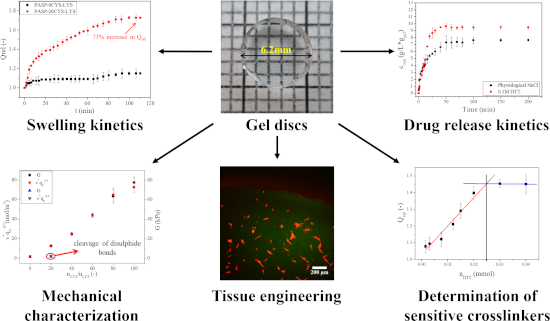
- adjust the pH value. The mixture was loaded into glass frames in order to prepare gel films. After 24 h, the gelation occurred and every sample had a PSI content of 15 wt % at a theoretical degree of 20 cross-links. The degree of cross-links is defined as the molar ratio of monomers and cross-linking
- agents. The reaction of the gel formation is shown in Figure 1, step 1. Six gel types were prepared with different ratio of the cross-linking agents (Table 1). The number in the name of the samples indicates the molar percentage of CYS of the total amount of cross-linking agents. For example, PSI-100CYS
- of both the PSI- and the PASP-based gels, gel disks of three different diameters (6, 10 and 14 mm) were prepared. The weight of the disks was measured after reaching the equilibrium swelling degree in DMSO (for the PSI-based gels) or in an imidazole buffer of pH 8 (for the PASP-based gels). After


Long-term stability and scale-up of noncovalently bound gold nanoparticle-siRNA suspensions
Beilstein J. Nanotechnol. 2019, 10, 2568–2578, doi:10.3762/bjnano.10.248
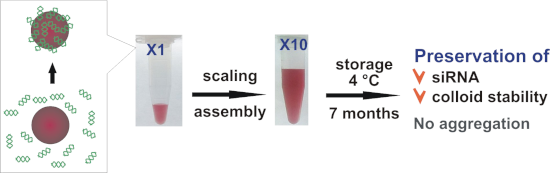
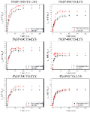
- stability of the AuNP-siRNA suspensions during storage by gel electrophoresis and dynamic light scattering, studied the samples by transmission electron microscopy (TEM), determined spectral characteristics of the AuNP-siRNA, and monitored the preservation of the siRNA on the AuNP surface by electrophoresis
- contains a share of AuNP-siRNA particles with a charge significantly below the average. The analysis of the same amount of AuNP-siRNA sample by gel electrophoresis confirmed the presence of particles with a charge significantly below the average in sample ×10 (blue color track in Figure 1E,F). For
- surface of gold nanoparticles. The integrity of siRNA in the AuNP-siRNA was examined after storage of the suspension for three weeks and seven months by the treatment with dithiothreitol (DTT) for the desorption of siRNA from the nanoparticle surface, followed by the analysis by gel electrophoresis


Advanced hybrid nanomaterials
Beilstein J. Nanotechnol. 2019, 10, 2563–2567, doi:10.3762/bjnano.10.247
- into a broad scientific and technological subject including important fields such as sol–gel chemistry [4][5], polymer nanocomposites [6][7], and hybrid nanomaterials [8][9]. Nowadays, hybrid materials are almost everywhere and provide a wide range of applications from biology and health, to photonic
- the polyol process” [19], the synthetic process was found to be of prime importance to shape the nanoparticles and to optimize their surface/volume ratio in relation to the magnetic behavior. A one-step non-hydrolytic sol–gel synthesis of mesoporous TiO2 phosphonate hybrid materials was applied to
Mobility of charge carriers in self-assembled monolayers
Beilstein J. Nanotechnol. 2019, 10, 2449–2458, doi:10.3762/bjnano.10.235
- remainder was taken up in a mixture of hexanes and dichloromethane (4:1), and separated by chromatography on silica gel using a solvent gradient starting with the same composition. The product was recrystallized from isopropanol (ca. 100 mL). Yield: 0.10 g of a yellowish solid (61%). 1H NMR (CDCl3, 250 MHz


Design of a nanostructured mucoadhesive system containing curcumin for buccal application: from physicochemical to biological aspects
Beilstein J. Nanotechnol. 2019, 10, 2304–2328, doi:10.3762/bjnano.10.222
- structuring can be explained by the transition from liquid to gel. However, the increase of CUR led to a significant decrease in the yield value, probably due to the higher exposure of the hydrophilic portion to water [62][63]. The hysteresis area of the formulations was investigated by RheoWin 4.10.0000
- G’ values exceeded G” and the loss tangent was smaller than 1 for the viscoelastic preparations. Thus, the viscoelasticity is favorable to oscillatory movements performed at 25 °C, occurring during transport and storage of formulations [9]. The gelation temperature, Tsol–gel, of the formulations
- containing CUR, the Tsol–gel is considered suitable (between 25 and 37 °C). Texture profile analysis The mechanical properties of the preparations with and without CUR were evaluated by texture profile analysis (TPA). The information about the physical structure of gels obtained by TPA are useful for the


A novel all-fiber-based LiFePO4/Li4Ti5O12 battery with self-standing nanofiber membrane electrodes
Beilstein J. Nanotechnol. 2019, 10, 2229–2237, doi:10.3762/bjnano.10.215

- performance. In particular, the all-fiber-based gel-state battery composed of LiFePO4 and Li4Ti5O12 fiber membrane electrodes can be charged/discharged for 800 cycles at 1C with a retention capacity of more than 100 mAh·g−1 and a coulombic efficiency close to 100%. The good electrochemical performance is
- method. We used the materials in all-fiber-based gel batteries (the battery fabrication process is schematically shown in Figure 1). The electrochemical properties of semi-batteries and full batteries were studied, and the mechanisms leading to the high performance of the batteries were subsequently
- a diameter of 18 mm (Figure S1b, Supporting Information File 1). Before the assembly of the battery, the cut membrane was first soaked in LiPF6 electrolyte for 2–3 h. A gel-state 2025 type coin-cell battery was then assembled in an Ar-filled glovebox using this membrane as the gel electrolyte, and


Targeted therapeutic effect against the breast cancer cell line MCF-7 with a CuFe2O4/silica/cisplatin nanocomposite formulation
Beilstein J. Nanotechnol. 2019, 10, 2217–2228, doi:10.3762/bjnano.10.214
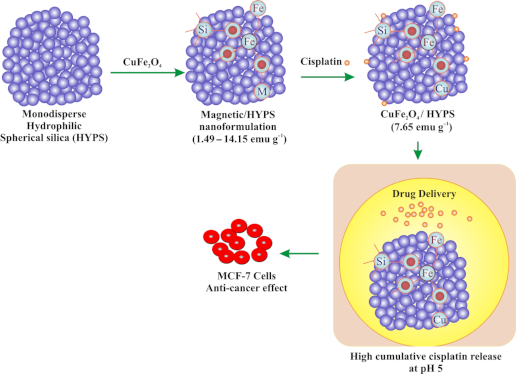
- preparation of a copper nanoferrite using a citrate sol–gel technique [6]. In addition, several metal-based ferrite systems have been recently reported for bioscience applications [7]. Although spinel ferrite nanoparticles are interesting, due to the strong magnetic dipole–dipole interactions, they tend to


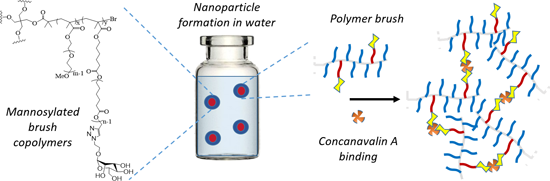
Mannosylated brush copolymers based on poly(ethylene glycol) and poly(ε-caprolactone) as multivalent lectin-binding nanomaterials
Beilstein J. Nanotechnol. 2019, 10, 2192–2206, doi:10.3762/bjnano.10.212
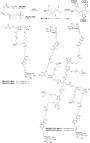
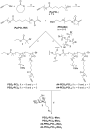
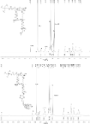
- use; THF used for click reaction was dried over Na/benzophenone and freshly distilled. Thin-layer chromatography (TLC) was performed on Silica Gel 60 F254 plates (Merck) with UV detection (254 and 365 nm) or using appropriate developing solutions. Flash column chromatography was performed on silica
- gel 230–400 mesh (Merck). Automated flash chromatography was performed on a Biotage® Isolera™ Prime system. NMR experiments were recorded on a Bruker AVANCE 400 MHz instrument at 298 K. Chemical shifts (δ) are reported in ppm downfield from the deuterated solvent as internal standard, coupling