


Search results
Search for "hybrid" in Full Text gives 570 result(s) in Beilstein Journal of Nanotechnology. Showing first 200.
DNA aptamer selection and construction of an aptasensor based on graphene FETs for Zika virus NS1 protein detection
Beilstein J. Nanotechnol. 2022, 13, 873–881, doi:10.3762/bjnano.13.78
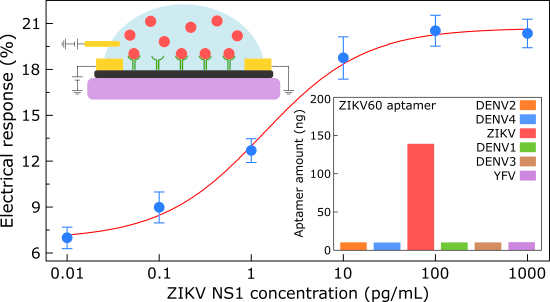
- [42]. Therefore, the potential of ZIKV60 aptamer in association with graphene to detect the NS1 protein of Zika virus on a clinical relevant scale offers the implementation of this hybrid system for early diagnosis of ZIKV infection in real samples in the future. Aptamers for ZIKV NS1 protein have



Self-assembly of C60 on a ZnTPP/Fe(001)–p(1 × 1)O substrate: observation of a quasi-freestanding C60 monolayer
Beilstein J. Nanotechnol. 2022, 13, 857–864, doi:10.3762/bjnano.13.76
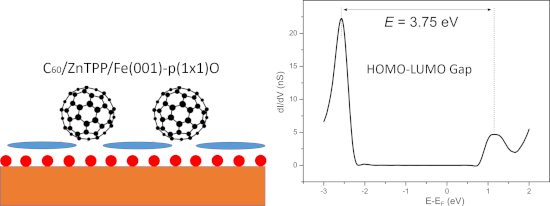
- spectroscopy; ZnTPP; Introduction Vertical heterostructures composed by organic molecules interfaced with metallic substrates have been the subject of intense experimental and theoretical investigation during the last two decades [1][2][3]. The interest in these hybrid systems has been boosted by their
- materials possessing antithetic electronic and structural properties. In this frame, the molecule–metal interaction arising at the interface plays a crucial role in determining the morphology and the electronic properties of the hybrid organic/inorganic system. With regard to the structural aspects, a




Recent advances in nanoarchitectures of monocrystalline coordination polymers through confined assembly
Beilstein J. Nanotechnol. 2022, 13, 763–777, doi:10.3762/bjnano.13.67

- discuss the properties of the coordination polymer single crystals as well as their performance in energy, environmental, and biomedical applications. Keywords: applications; assembly; coordination polymer; metal-organic frameworks; nanoarchitectonics; Introduction Coordination polymers are hybrid






A nonenzymatic reduced graphene oxide-based nanosensor for parathion
Beilstein J. Nanotechnol. 2022, 13, 730–744, doi:10.3762/bjnano.13.65
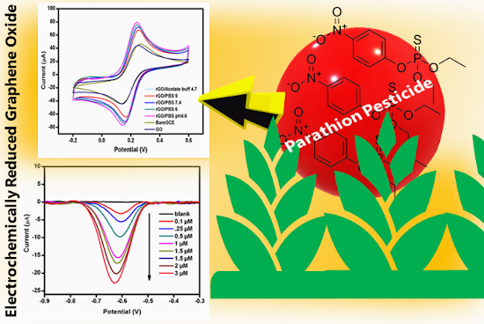
- , hybrid carbon nanomaterials such as ferrocene-thiophene modified by carbon nanotubes, zinc(II) phthalocyanine-boron dipyrromethene attached single-walled carbon nanotubes were used for the direct detection of pesticides [12][13][14][15]. So far, only limited electrochemical nanosensors modified by
- nanoribbons doped with silver nanoparticles, rGO doped with ZrO2, and CuO–TiO2 hybrid nanocomposites were proposed to detect methyl parathion [19][20][21][22]. Rajaji et al. (2019) modified glassy carbon electrodes with graphene oxide encapsulated 3D porous chalcopyrite (CuFeS2) nanocomposites to detect


A superconducting adiabatic neuron in a quantum regime
Beilstein J. Nanotechnol. 2022, 13, 653–665, doi:10.3762/bjnano.13.57

- is assumed for a hybrid system of a classical neural network whose configuration is dynamically adjusted by a quantum co-processor. Analytical and numerical studies take into account non-adiabatic processes as well as dissipation, which leads to smoothing of quantum coherent oscillations. The
- software-defined radio [14][15] implying the change of signal frequency and modulation. An efficient architecture of a flexible hybrid system requires a close spatial arrangement of the classical ANN with its control quantum co-processor, see Figure 1a. Superconductor technology is a promising platform for
- master equation. (a) Sketch of a flexible hybrid system consisting of a classical ANN having its configuration (synaptic weights) dynamically adjusted by a quantum co-processor. (b) Schematic representation of the SQ neuron providing nonlinear magnetic flux transformation. The energy spectrum and


Comparative molecular dynamics simulations of thermal conductivities of aqueous and hydrocarbon nanofluids
Beilstein J. Nanotechnol. 2022, 13, 620–628, doi:10.3762/bjnano.13.54
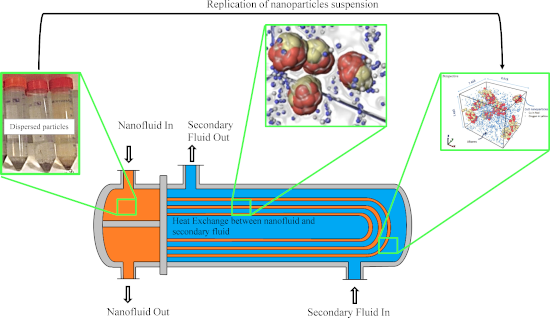
- study was carried out with different shapes (i.e., cylinder, platelet, and sphere) of nanoparticles (Cu/Al2O3 with ethylene glycol as the base fluid) using the finite element method (FEM) in MAPLE 18.0. For mathematical modelling and simulation of hybrid nanofluids, Shah et al. [33] considered a two
- -dimensional free convective hybrid nanofluid (Fe3O4 + MWCNT/H2O) stream over a resilient cylinder under the influence of a light magnetic field. The heat transportation problem was resolved by combining two methods (FEM and FVM) and an understanding that the temperature near the wall escalated due to an
- conductive properties of base fluids. Raja et al. [34] carried out an experiment in which a comparative study of the thermal behaviour of normal and hybrid nanofluids (Al2O3/H2O, CuO/H2O and Al2O3–CuO/H2O) was observed. Hybrid nanofluids (Al2O3–CuO/H2O) showed greater enhancement in thermal properties than


Stimuli-responsive polypeptide nanogels for trypsin inhibition
Beilstein J. Nanotechnol. 2022, 13, 538–548, doi:10.3762/bjnano.13.45
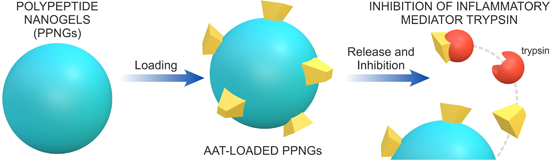
- increased with the decrease of initial concentration of the 125I-radiolabeled BSA. The inverse effect was found when loading BSA onto poly(acrylic acid) and hybrid hydroxyapatite nanoparticles with chitosan/polyacrylic acid nanogels, where the loading was predominantly influenced by electrostatic


Zinc oxide nanostructures for fluorescence and Raman signal enhancement: a review
Beilstein J. Nanotechnol. 2022, 13, 472–490, doi:10.3762/bjnano.13.40
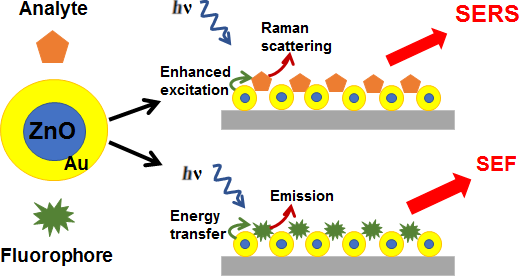
- their wide bandgap energy (3.3–3.7 eV), strong luminescence [4][5], antibacterial properties, and UV-protection properties. Additionally, ZnO nanomaterials can be designed into various morphologies, such as nanoparticles, nanoneedles, nanorods, nanocages, nanocombs, and nanoflowers [5][6][7][8]. Hybrid
- , enhanced Raman scattering for periodic ZnO-elevated Au dimer nanostructures [12] and enhanced fluorescence emission signals from Al-doped ZnO films [13] were obtained. The development of hybrid nanocomposites based on ZnO and noble metals for fluorescence and Raman signal enhancement has recently attracted
- ZnO–metal hybrid nanoparticles. Moreover, we consider the physical phenomena governing both the Raman and fluorescence enhancement using ZnO nanostructures. Review Fabrication of ZnO–noble metal nanocomposites Synthesis of ZnO nanostructures Among the exhaustive list of available physical and chemical





Tunable superconducting neurons for networks based on radial basis functions
Beilstein J. Nanotechnol. 2022, 13, 444–454, doi:10.3762/bjnano.13.37
- proximity effect. The typical spin valve [55][56][57] is a hybrid structure containing at least a pair of ferromagnetic (FM) layers with different coercive forces. Variations in the relative orientation of their magnetizations change the spatial distribution of the superconducting order parameter. In the
- valve), providing a propagation of Cooper pairs to the outlying layers of the hybrid structure. The switching between the open and closed states of the valve leads to a noticeable change in the spatial distribution of Cooper pairs. The implementation of a thin superconducting spacer (s) between the FM
- the multilayer hybrid structures in the frame of Usadel equations [59]: with Kupriyanov–Lukichev boundary conditions [60], at the S/FM interfaces. Here G and F are normal and anomalous Green's functions, Δ is a pair potential (superconducting order parameter), ω = πkBT (2n + 1), where n is a natural


A chemiresistive sensor array based on polyaniline nanocomposites and machine learning classification
Beilstein J. Nanotechnol. 2022, 13, 411–423, doi:10.3762/bjnano.13.34
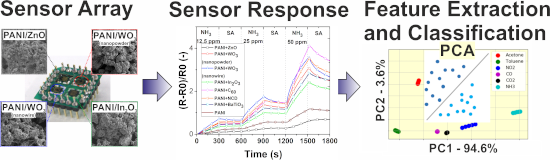
- resistance due to the decrease of hole density within the p-type film [18]. In the case of the hybrid structures, a p–n heterojunction is formed between polyaniline and n-type nanostructures such as ZnO, WO3, In2O3, or fullerene [19]. The protons from polyaniline are transferred to the NH3 molecules. This




Micro- and nanotechnology in biomedical engineering for cartilage tissue regeneration in osteoarthritis
Beilstein J. Nanotechnol. 2022, 13, 363–389, doi:10.3762/bjnano.13.31
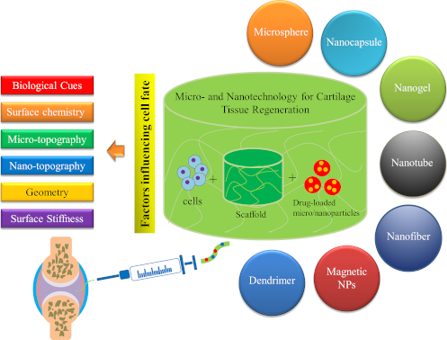
- generated hyaline-like cartilage tissue in comparison with the acellular construct and the no-implant group [100]. In another study, researchers fabricated a cartilage-derived ECM/PCL hybrid nanofibrous scaffold to improve the biological functionality of PCL nanofibers. The presence of cartilage-derived ECM
- nanofibers in the hybrid nanofibrous scaffold considerably promoted the proliferation of chondrocytes in vitro and facilitated the regeneration of cartilage in vivo [77]. Articular cartilage function greatly depends on the structural architecture and integrity of the essential components of the ECM, which
- scaffolds and developed scaffolds with enhanced mechanical and functional properties [130]. In line with this, CNTs coated with methacrylated gelatin (GelMA) reinforced the mechanical properties of hybrid microgels without inhibiting cell growth [131]. The researchers also engineered cardiac patches using a


Coordination-assembled myricetin nanoarchitectonics for sustainably scavenging free radicals
Beilstein J. Nanotechnol. 2022, 13, 284–291, doi:10.3762/bjnano.13.23

- , cysteine, and glutamic acid. The cysteine residue plays a pivotal role in protecting the body from oxidation damage; however, GSH is easily metabolized by enzymes [23]. In this work, we employed a facile co-assembly strategy to design hybrid nanoparticles as antioxidants [24][25][26][27][28][29][30][31


Impact of device design on the electronic and optoelectronic properties of integrated Ru-terpyridine complexes
Beilstein J. Nanotechnol. 2022, 13, 219–229, doi:10.3762/bjnano.13.16

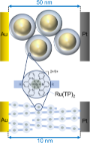
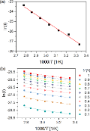
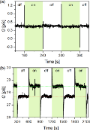
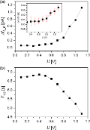
- [5][6][7]. TP complexes, themselves or as hybrid materials with (semi)conducting species, are redox-active and, thus, enable applications in nanoelectronics and catalysis [8][9][10]. Among the suitable transition metal centers, Ru is highly attractive since Ru(TP)2-complexes show intense metal-to
- possibilities to tune Ru(TP)2–AuNP devices are more versatile. Conclusion Overall, we demonstrated that hybrid materials from Ru(TP)2-complexes and AuNPs integrated in CMOS-compatible devices are useful switching elements that can be addressed by optical means. Furthermore, we could show that the device


Engineered titania nanomaterials in advanced clinical applications
Beilstein J. Nanotechnol. 2022, 13, 201–218, doi:10.3762/bjnano.13.15
- . However, it is hydrophobic and poor cell adhesion has been reported. In a study of Kiran et al., TiO2 nanoparticles (0, 2, 5, and 7 wt %) were suspended in polycaprolactone forming a polymer/ceramic hybrid composite (PCL/TiO2), which was then used as a coating over biomedical grade commercial pure


Low-energy electron interaction and focused electron beam-induced deposition of molybdenum hexacarbonyl (Mo(CO)6)
Beilstein J. Nanotechnol. 2022, 13, 182–191, doi:10.3762/bjnano.13.13
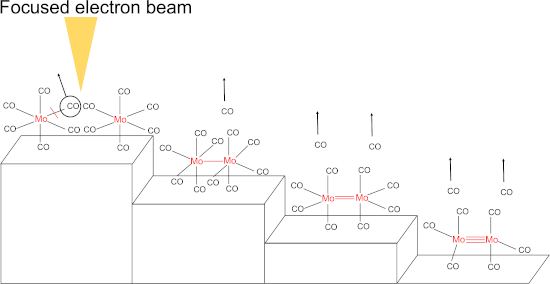
- [38], thermochemical thresholds for the formation of negative ions through DEA were calculated using ORCA [39]. Geometry optimizations and single-point energy calculations were performed at the PBE0 (hybrid GGA functional) [40][41] PBE0/ma-def2-TZV [42][43] level of theory. The Def2 effective core


A comprehensive review on electrospun nanohybrid membranes for wastewater treatment
Beilstein J. Nanotechnol. 2022, 13, 137–159, doi:10.3762/bjnano.13.10
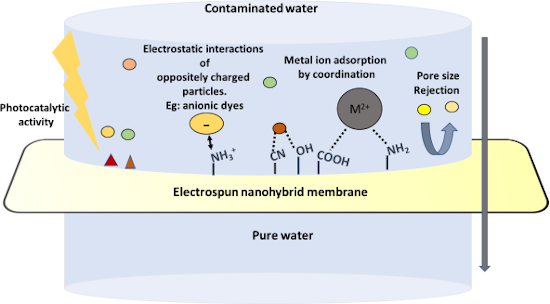
- functional specific nanosized additives to be used in various water remediation membrane techniques. The adsorption, filtration, photocatalytic, and bactericidal capabilities of the hybrid membranes in removing common major water pollutants such as metal ions, dyes, oils, and biological pollutants have been
- magnetic fibers by dispersing garnet nanoparticles for magnetically assisted bioseparation [10] and also they developed bandages of 165Ho iron garnet nanoparticles incorporated in electrospun PAN to be used against skin cancers [11]. Bugatti and co-workers developed an antimicrobial electrospun hybrid
- sunflower oil–water. The beeswax/PCL hybrid nanomembrane was then analyzed regarding sorption capacity and separation efficiency in gravity filtration. It showed higher sorption capacity for gingelly oil (25.17 g/g) and sunflower oil (31.05 g/g) than for petrol (19.38 g/g), kerosene (20.72 g/g) and diesel





Tin dioxide nanomaterial-based photocatalysts for nitrogen oxide oxidation: a review
Beilstein J. Nanotechnol. 2022, 13, 96–113, doi:10.3762/bjnano.13.7

- -doping [73] or elemental doping [39][74]. Hybrid or doped photocatalysts ideally exhibit an improved photocatalytic efficacy due to the reduced recombination rate of photogenerated charge carriers and the lower activation energy. However, additional factors considerably affect the overall photocatalytic


Nanoscale friction and wear of a polymer coated with graphene
Beilstein J. Nanotechnol. 2022, 13, 63–73, doi:10.3762/bjnano.13.4
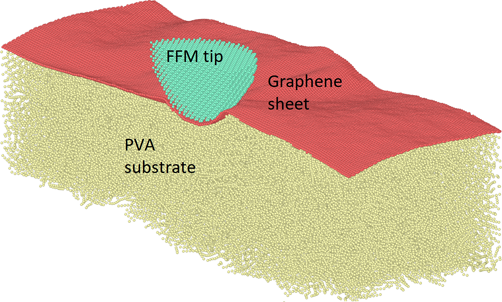
- 50. Because there are overlaps, we initially give them no interaction. To remove overlapping gently, we first applied a nonphysical soft hybrid interaction potential, for 0.25 ns to remove particle overlapping, and then slowly ramp up the potential over a period of 0.25 ns to the coarse-grained
- potential described in the previous section. The hybrid interaction potential consists of a 12-6 Lennard-Jones potential for the non-bonded interactions and a spring potential for the bonded interactions. Once we have reached a melt with the correct interaction, we equilibrate it for 0.25 ns in the NVE



Sputtering onto liquids: a critical review
Beilstein J. Nanotechnol. 2022, 13, 10–53, doi:10.3762/bjnano.13.2







Topographic signatures and manipulations of Fe atoms, CO molecules and NaCl islands on superconducting Pb(111)
Beilstein J. Nanotechnol. 2022, 13, 1–9, doi:10.3762/bjnano.13.1
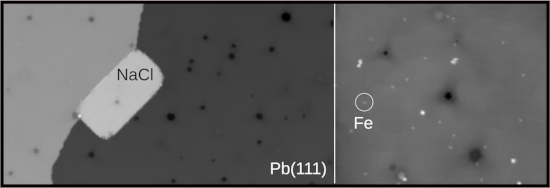
- Carl Drechsel Philipp D'Astolfo Jung-Ching Liu Thilo Glatzel Remy Pawlak Ernst Meyer Department of Physics, Universität Basel, Klingelbergstrasse 82, 4056 Basel, Switzerland 10.3762/bjnano.13.1 Abstract Topological superconductivity emerging in one- or two-dimensional hybrid materials is
- realization of MZMs in two dimensions has been also observed in vortex cores on a proximitized topological insulator surface [19][20], in iron-based superconductors [7][21][22] or hybrid van der Waals heterostructures [23]. The fingerprint for MZMs in conductance measurements through the nanowire or in


Plasmon-enhanced photoluminescence from TiO2 and TeO2 thin films doped by Eu3+ for optoelectronic applications
Beilstein J. Nanotechnol. 2021, 12, 1271–1278, doi:10.3762/bjnano.12.94
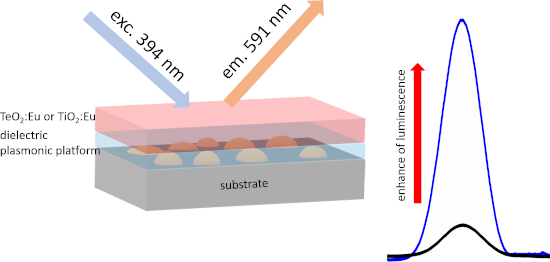
- . Potential new materials can be found through the computation of luminescent thin films and plasmonic platforms. Such a hybrid structure can be formed by thin oxide layers doped with rare-earth ions deposited on metal nanostructures [1][2][3]. Plasmonic resonance can be observed in metallic nanostructures


Two dynamic modes to streamline challenging atomic force microscopy measurements
Beilstein J. Nanotechnol. 2021, 12, 1226–1236, doi:10.3762/bjnano.12.90

- interaction of the probe with the sample is used in off-resonance dynamic modes [6]. Although they have various names, depending on the specific manufacturer (PeakForce Tapping, Hybrid Mode, Digital Pulsed Force Mode), a common feature of these methods is that the transition to the contact is carried out


Morphology-driven gas sensing by fabricated fractals: A review
Beilstein J. Nanotechnol. 2021, 12, 1187–1208, doi:10.3762/bjnano.12.88
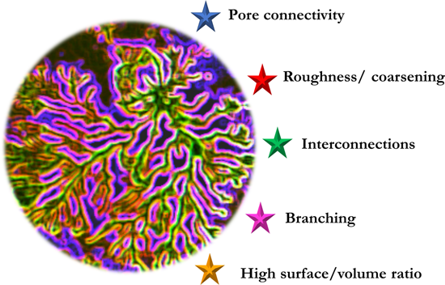
- connectors that structurally bridge the gap between the nano- and the macroscopic worlds and have a hybrid structure of pores and repeating units. This article presents a comprehensive review on inorganic fabricated fractals (fab-fracs) synthesized in labs and employed as gas sensors across materials
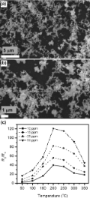
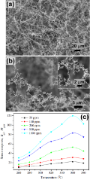
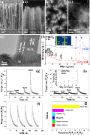
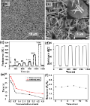
- . 3D porous nanoscale hybrid SnO2/CuO foam sensors were prepared by Jeun et al. via electrochemical deposition followed by thermal oxidation [72]. These foam sensors were studied for H2S gas sensing. Figure 10a and Figure 10b show SEM images of the porous and 3D network structure of as-prepared Sn/Cu
- at 250 °C. The study shows that the SnO2/CuO nanoscale hybrid foam sensor outperforms the porous 3D network structure, mainly due to larger surface area, the formation of p–n junctions, and the sulfurization of CuO on metallic conductors. The foam sensor also showed a response to 20 ppm of hydrogen











Self-assembly of amino acids toward functional biomaterials
Beilstein J. Nanotechnol. 2021, 12, 1140–1150, doi:10.3762/bjnano.12.85
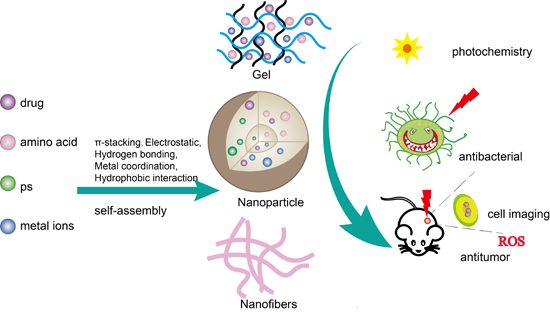
- phenylketonuria. Bera et al. [37] studied the effect of chiral on aromatic amino acid self-assembly. They found that the hybrid ᴅʟ system (racemate) alters the morphology and dynamics of the assemblies. For example, either ʟ-phenylalanine or ᴅ-phenylalanine can form amyloid fibers, but the ᴅʟ system shows a
- and pH values [49]. Rizzo et al. studied camptothecin loaded into Fmoc-F hydrogels in the presence of haloalkyl nanotubes. Importantly, this hybrid co-assembly method could not only control the release of camptothecin in the form of active lactone, but also showed significant inhibitory activity on
- alcohol dehydrogenase may be incorporated into Cys microspheres, resulting in hybrid microspheres with photocatalytic and biocatalytic activities. In addition, Cys/Zn microspheres were modified with CO32−-doped ZnS nanocrystals by a hydrothermal treatment, and then glutamic acid dehydrogenase was

Assessment of the optical and electrical properties of light-emitting diodes containing carbon-based nanostructures and plasmonic nanoparticles: a review
Beilstein J. Nanotechnol. 2021, 12, 1078–1092, doi:10.3762/bjnano.12.80
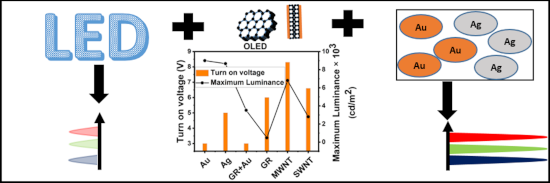
- cost, early degradation, and a low overall performance including poor external quantum efficiencies (EQE) as compared to inorganic LED. A combination of LED and OLED or hybrid LED (HyLED) overcame some of these drawbacks. Nevertheless, HyLED presently may not be the most popular LED for the display
- observed with super-aligned carbon nanotubes (SACNT) decorated with AuNP (2 nm) [46]. The hybrid material was employed as a current-spreading layer in AlGaInP LED. At a current injection of 2 mA, a decrease in the forward voltage from 2.18 (without SACNT) to 2.03 V (with Au-coated SACNT) was noted. A
- , the device with 2–3% Ag-doped ZnO EIL shows maximum luminance of 10982 cd/m2, maximum current efficiency of 41.0 cd/A, and EQE of 15.2%. The addition of AgNP to PBD-based ETL enhances the green emission [75]. Kandulna et al. have addressed the effect of plasmonic NP on hybrid metal oxide–polymer





