


Search results
Search for "field emission" in Full Text gives 303 result(s) in Beilstein Journal of Nanotechnology. Showing first 200.
The structural and chemical basis of temporary adhesion in the sea star Asterina gibbosa
Beilstein J. Nanotechnol. 2018, 9, 2071–2086, doi:10.3762/bjnano.9.196

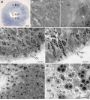
- dried by the critical-point method. They were mounted on aluminium stubs, coated with gold in a sputter-coater and observed with a JEOL JSM-7200F field emission scanning electron microscope. 3D confocal interference microscopy Footprints were collected on clean microscope glass slides, rinsed with




Electromigrated electrical optical antennas for transducing electrons and photons at the nanoscale
Beilstein J. Nanotechnol. 2018, 9, 1964–1976, doi:10.3762/bjnano.9.187

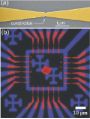
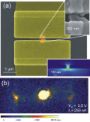
- work function of gold. The Fowler–Nordheim plot, as a function of 1/Vdc, is commonly used to distinguish the transition between direct tunneling at low Vdc and a high-bias regime where the energy barrier is drastically reduced and electrons are tunneling by field emission [44]. Thus, the


![[Graphic 32]](/bjnano/content/inline/2190-4286-9-187-i38.svg?max-width=637&scale=1.18182) and
and ![[Graphic 33]](/bjnano/content/inline/2190-4286-9-187-i39.svg?max-width=637&scale=1.18182) are...
are...


Synthesis of carbon nanowalls from a single-source metal-organic precursor
Beilstein J. Nanotechnol. 2018, 9, 1895–1905, doi:10.3762/bjnano.9.181
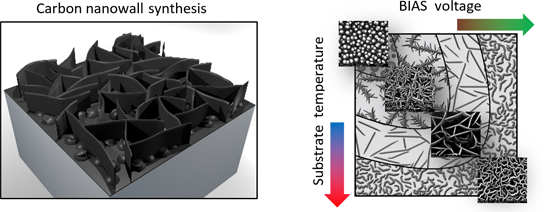
- catalytically active and characterize their properties for this application. Although the nanorods have the smallest surface area of the synthesized morphologies in this work, they might be promising for electron field-emitter applications since they feature nanosized tips. The field-emission properties of


Synthesis of hafnium nanoparticles and hafnium nanoparticle films by gas condensation and energetic deposition
Beilstein J. Nanotechnol. 2018, 9, 1868–1880, doi:10.3762/bjnano.9.179
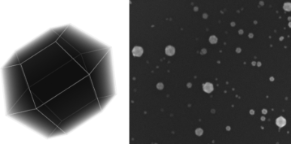
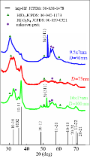
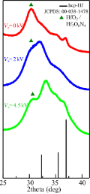
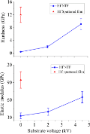
- of the NPs and NTFs were performed by field-emission scanning electron microscopy (FESEM FEI Nova Nano SEM 230) and atomic force microscopy (Veeco diInnova) in tapping mode. The nanomechanical properties of the NTFs were determined by nanoindentation. Nanoidentation testing was performed with a






Toward the use of CVD-grown MoS2 nanosheets as field-emission source
Beilstein J. Nanotechnol. 2018, 9, 1686–1694, doi:10.3762/bjnano.9.160
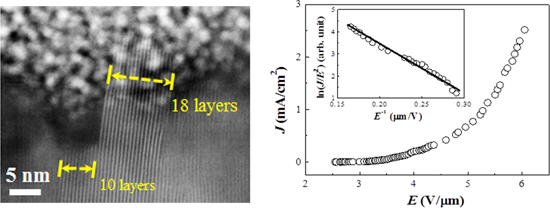
- transferred NSs sample showed excellent field-emission properties. A low turn-on field of 3.1 V/μm at a current density of 10 µA/cm2 was measured. The low turn-on field is attributed to the morphology of the NSs exhibiting vertically aligned sheets of MoS2 with sharp and exposed edges. Our findings show that
- the fabricated MoS2 NSs could have a great potential as robust high-performance electron-emitter material for various applications such as microelectronics and nanoelectronics, flat-panel displays and electron-microscopy emitter tips. Keywords: chemical vapor deposition (CVD); field emission
- ; molybdenum disulfide (MoS2); nanosheets; sulfurization; transmission electron microscopy (TEM); Introduction There is a great interest in the development of one- and two-dimensional (1D and 2D) materials for field-emission (FE) based cathodes using various nanostructured materials [1] for applications in



Sulfur-, nitrogen- and platinum-doped titania thin films with high catalytic efficiency under visible-light illumination
Beilstein J. Nanotechnol. 2018, 9, 1629–1640, doi:10.3762/bjnano.9.155
- ). The BE shifts were corrected by assigning a value of 284.8 eV to the C 1s line of adventitious carbon [51]. UV–vis absorption spectra were collected using an Agilent Cary 60 UV–vis spectrophotometer in the wavelength range λ = 400–800 nm. The morphology of thin films was examined using a field
- emission scanning electron microscope (FEI Inspect™ F50 and Ultra Plus Zeiss). The band gap measurements were performed by measuring the reflectance of the samples using a UV–vis spectrophotometer (Evolution 600, Thermo Scientific), using the diffuse reflectance accessory (DRA-EV-600) integrating sphere


Correlative electrochemical strain and scanning electron microscopy for local characterization of the solid state electrolyte Li1.3Al0.3Ti1.7(PO4)3
Beilstein J. Nanotechnol. 2018, 9, 1564–1572, doi:10.3762/bjnano.9.148
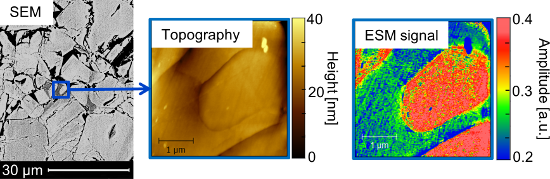
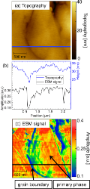
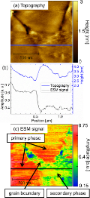
- , Hillsboro, Oregon, USA) equipped with a field emission gun (FEG) and EDX (Octane 60 mm2, EDAX Inc., Mahwah, NJ, USA) was employed to visualize the grain structure of LATP samples. Chemical information from the various regions of interest was obtained by means of EDX. Atomic force microscopy and


Sheet-on-belt branched TiO2(B)/rGO powders with enhanced photocatalytic activity
Beilstein J. Nanotechnol. 2018, 9, 1550–1557, doi:10.3762/bjnano.9.146

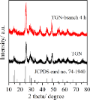
- corresponding to graphene can be detected, which can be ascribed to its small quantity in the composite powders. Figure 2 shows the field emission scanning electron microscopy (FESEM) images of the pristine TiO2 nanobelt structures, TGN and TGN-branch 4 h. Comparing Figure 2a and Figure 2b, no obvious
- TGN-branch x h, where x refers to the precipitation time in the precursor solution. Characterization The morphology was examined by field emission scanning electron microscopy (FESEM, Hitachi S-4800) and transmission electron microscopy (TEM, JEM-2100). The X-ray diffraction (XRD) patterns were


Ag2WO4 nanorods decorated with AgI nanoparticles: Novel and efficient visible-light-driven photocatalysts for the degradation of water pollutants
Beilstein J. Nanotechnol. 2018, 9, 1308–1316, doi:10.3762/bjnano.9.123
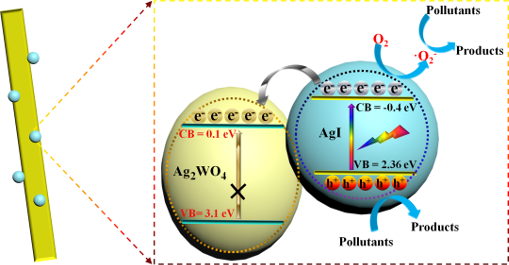
- ) were denoted as 0.1AgI/Ag2WO4, 0.2AgI/Ag2WO4, 0.3AgI/Ag2WO4, and 0.4AgI/Ag2WO4, respectively. Characterization The crystalline structure of the samples was studied by using a Bruker D8 Advance X-ray diffractometer (XRD). The images of the morphological structure were observed by a field emission





Surface characterization of nanoparticles using near-field light scattering
Beilstein J. Nanotechnol. 2018, 9, 1228–1238, doi:10.3762/bjnano.9.114
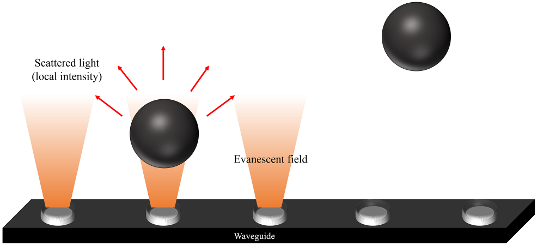
- analysis of uncoated SPIOs (Fe3O4). ImageJ software (NIH, Bethesda, MD) was used to measure the mean diameter of the particles from TEM images. Scanning electron microscopy Uncoated SPIOs, PEG-SPIOs, and IPC-SPIOs were characterized by field-emission scanning electron microscopy (FE-SEM, Supra 55 VP, Carl




Electrodeposition of reduced graphene oxide with chitosan based on the coordination deposition method
Beilstein J. Nanotechnol. 2018, 9, 1200–1210, doi:10.3762/bjnano.9.111
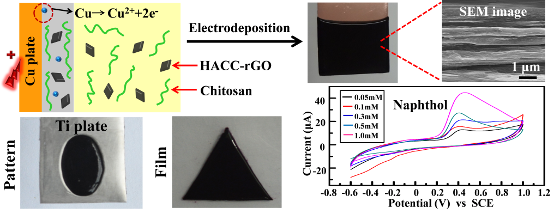
- -GO was reduced by hydrazine hydrate to obtain the HACC-rGO. In our previous work, the structure and morphology of the resulting HACC-rGO have been characterized by infrared spectroscopy, X-ray diffraction (XRD) and field emission scanning electron microscopy (FE-SEM) [29]. As shown in Figure 1b, the
- the HACC-rGO material was observed using a field emission scanning electron microscope (JSM-5610LV, JEOL Ltd., Japan). The Raman spectrum of the HACC-rGO sample was measured using a Raman spectrometer (INVIA, Renishaw, UK) with an excitation wavelength of 633 nm. The surface and the cross-section
- morphology of the deposited HACC-rGO/CS film were observed by a field emission scanning electron microscope (JSM-5610LV, JEOL Ltd., JP). The tensile strength and elongation at break of the deposited HACC-rGO/CS film were tested by a universal testing machine (CMT6503, Shenzhen SANS Test Machine Co., China


Enzymatically promoted release of organic molecules linked to magnetic nanoparticles
Beilstein J. Nanotechnol. 2018, 9, 986–999, doi:10.3762/bjnano.9.92

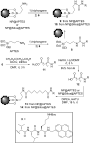
- . They are here identified as NP@silica@APTES. The morphology and chemical composition of these nanoparticles was studied using field emission scanning electron microscopy (FE-SEM) in combination with energy dispersive X-ray spectroscopy (EDXS) in addition to dynamic light scattering (DLS). In Figure 1A
- reflectance (ATR) sampling accessory. The morphology of the particles was analysed using a field emission scanning electron microscope (FE-SEM, ZEISS SUPRA 40VP), collecting the signal (secondary electrons) by means of an in-lens detector; the particle microanalyses were performed with an energy dispersive X



Valley-selective directional emission from a transition-metal dichalcogenide monolayer mediated by a plasmonic nanoantenna
Beilstein J. Nanotechnol. 2018, 9, 780–788, doi:10.3762/bjnano.9.71

- π/2 phase difference for the electric quadrupole. Thus, there is naturally a π/2 relative phase difference between the electric dipole and quadrupole contribution to the far-field emission, when their corresponding charges oscillate in phase. In this case, the parallel electric field components of


Perovskite-structured CaTiO3 coupled with g-C3N4 as a heterojunction photocatalyst for organic pollutant degradation
Beilstein J. Nanotechnol. 2018, 9, 671–685, doi:10.3762/bjnano.9.62
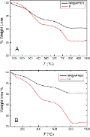
- ascertain the stability of the as-prepared samples under nitrogen atmosphere by using a Netzsch STA 449 F1 Zupiter instrument. The samples were heated from room temperature to 800 °C at a heating rate of 10 °C min−1 with a flow rate of 40 mL min−1 in all experiments. Field-emission scanning electron


Optimisation of purification techniques for the preparation of large-volume aqueous solar nanoparticle inks for organic photovoltaics
Beilstein J. Nanotechnol. 2018, 9, 649–659, doi:10.3762/bjnano.9.60
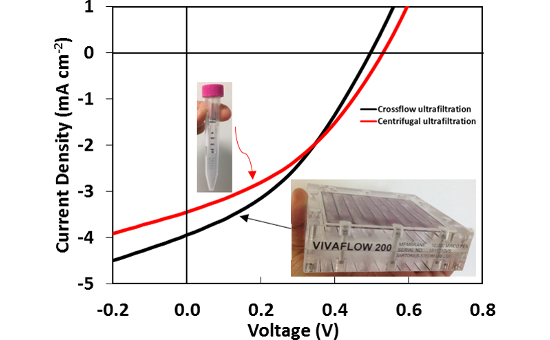
- force microscope (AFM) operated in AC mode was used to probe the nanoparticle films. Film samples for AFM were spin-coated on quartz glass substrates at 2000 rpm for 1 min. A Zeiss Sigma ZP field-emission scanning electron microscope (FESEM) was used to image the nanoparticle films (operating at


Sensing behavior of flower-shaped MoS2 nanoflakes: case study with methanol and xylene
Beilstein J. Nanotechnol. 2018, 9, 608–615, doi:10.3762/bjnano.9.57

- using X-ray diffraction, Brunauer–Emmett–Teller surface area measurements, elemental analysis using energy dispersive X-ray spectroscopy, and field-emission scanning electron microscopy. The gas sensing characteristics were evaluated under exposure to various concentrations of xylene and methanol vapors
- for several times and then dried under vacuum at 45 °C overnight. Characterization X-ray diffraction (XRD) patterns were obtained with an X-ray diffractometer (Shimadzu XRD-6000, Cu Kα radiation) and energy dispersive X-ray (EDX) spectra and sample morphology were characterized by field-emission


Single-step process to improve the mechanical properties of carbon nanotube yarn
Beilstein J. Nanotechnol. 2018, 9, 545–554, doi:10.3762/bjnano.9.52

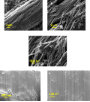
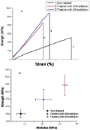
- which electron and ion beam can be used simultaneously. The FIB is generated from a gallium liquid metal ion source with resolution of 7 nm at 30 keV acceleration voltages. The e-beam is generated from field emission gun electron source with high resolution SEM 1 nm at 15 keV and 1.9 nm at 1 keV




Facile synthesis of ZnFe2O4 photocatalysts for decolourization of organic dyes under solar irradiation
Beilstein J. Nanotechnol. 2018, 9, 436–446, doi:10.3762/bjnano.9.42
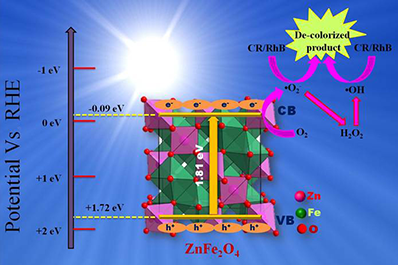
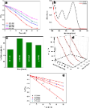
- -maximum of the diffraction peak) [27]. The XRD pattern of the ZFO mixed oxide shows peaks at 2θ values of 29.7, 35.1, 42.7, 53.7, 56.4, 62.0, and 73.4ο which correspond to (220), (311), (400), (422), (333), (440) and (533) crystal planes of ZFO crystal structure. FESEM Field-emission scanning electron




Engineering of oriented carbon nanotubes in composite materials
Beilstein J. Nanotechnol. 2018, 9, 415–435, doi:10.3762/bjnano.9.41
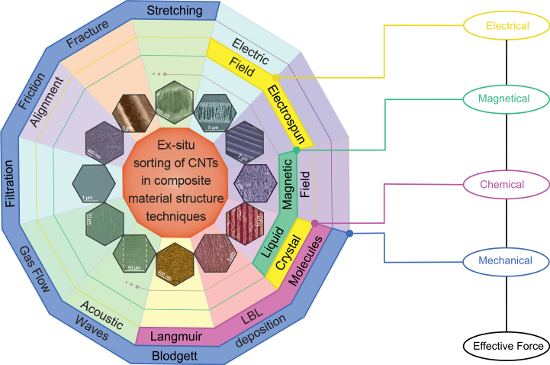
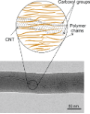
- materials should be higher than that of less-aligned CNTs. Figure 22 shows field emission (FE)-SEM micrographs of two CNT samples with random and aligned orientation and their polarized Raman spectra at 0° and 90° (0° related to the polarization direction of the laser light where it is parallel to the CNT








Electron interaction with copper(II) carboxylate compounds
Beilstein J. Nanotechnol. 2018, 9, 384–398, doi:10.3762/bjnano.9.38
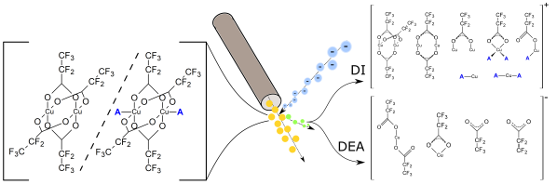
- -induced deformation, and electromigration resistance which is higher than for aluminum [24][25][26][27]. Copper nanostructures, especially nanowires, are applied in opto-electronic devices, solar cells, field-emission displays, catalysis, electronic skins, and sensor devices. Moreover, they can find


Sugarcane juice derived carbon dot–graphitic carbon nitride composites for bisphenol A degradation under sunlight irradiation
Beilstein J. Nanotechnol. 2018, 9, 353–363, doi:10.3762/bjnano.9.35

- the removal of BPA, mainly because the CDs act as a photosensitizer to extend the light harvesting region. Results and Discussion Field emission scanning electron microscopy (FESEM) and transmission electron microscopy (TEM) Figure 1a shows a field emission scanning electron microscopy (FESEM) image
- composites [77]. The scavenging test was carried out for 2 h under the solar radiation and the sample was collected for HPLC analysis. Field emission scanning electron microscopy (FESEM) images of (a) g-C3N4, (b) CD/g-C3N4(0.1), (c) CD/g-C3N4(0.2), and (d) CD/g-C3N4(0.5) composites. (e) TEM image and (f


Review: Electrostatically actuated nanobeam-based nanoelectromechanical switches – materials solutions and operational conditions
Beilstein J. Nanotechnol. 2018, 9, 271–300, doi:10.3762/bjnano.9.29
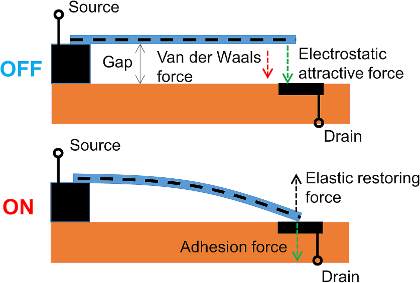
- used to anneal nanowires for enhancing electrical and field emission properties [100]. Current densities higher than 10 nA/nm2 were reported to be applicable for Joule heating induced local welding of Ag (12 nA/nm2) [101] and Pt (up to 14.5 nA/nm2) [102][103] nanowires, as well as for welding of


Bombyx mori silk/titania/gold hybrid materials for photocatalytic water splitting: combining renewable raw materials with clean fuels
Beilstein J. Nanotechnol. 2018, 9, 187–204, doi:10.3762/bjnano.9.21
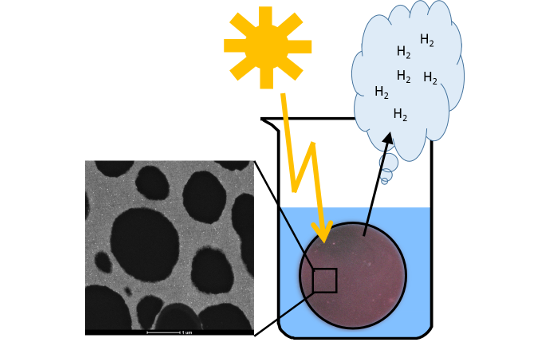
- TEM with a LaB6 cathode operated at 120 kV. High resolution transmission electron microscopy (HRTEM) was done using an aberration corrected Titan 80-300 (FEI, Eindhoven, The Netherlands) with field emission gun, operated at 300 kV. Scanning transmission electron microscopy (STEM) and chemical analysis
- were done on a Tecnai F20 ST (FEI, Eindhoven, The Netherlands) field emission TEM equipped with an Orius SC600 CCD-camera and a S-UTW EDX detector (EDAX, Mahwah, NJ, USA) operated at 200 kV. For EDXS the instrument was in scanning transmission mode and the α-tilt of the samples was set to 20°. Scanning




Gas-sensing behaviour of ZnO/diamond nanostructures
Beilstein J. Nanotechnol. 2018, 9, 22–29, doi:10.3762/bjnano.9.4

- [30]. The resulting morphologies of structured NCD films and ZnO NRs were characterized by field-emission scanning electron microscopy (FE-SEM, Merlin, ZEISS). Raman spectroscopy measurements were carried out at room temperature using a Renishaw InVia Raman Microscope with the following conditions


Facile synthesis of silver/silver thiocyanate (Ag@AgSCN) plasmonic nanostructures with enhanced photocatalytic performance
Beilstein J. Nanotechnol. 2017, 8, 2781–2789, doi:10.3762/bjnano.8.277
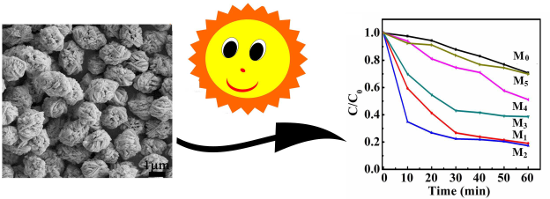
- comparison, the pure AgSCN nanomaterial (labeled as M0) was also prepared using the same procedure as preparing AgSCN with a small amount of Ag except the addition of N2H4·H2O. Characterization The morphology and microstructure of the samples were characterized using a field-emission scanning electron





