

Search results
Search for "nanoparticle" in Full Text gives 747 result(s) in Beilstein Journal of Nanotechnology. Showing first 200.
In search of cytotoxic selectivity on cancer cells with biogenically synthesized Ag/AgCl nanoparticles
Beilstein J. Nanotechnol. 2022, 13, 1505–1519, doi:10.3762/bjnano.13.124

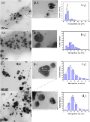
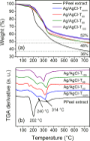
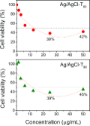
- -dispersive X-ray spectroscopy (EDX), and transmission electron microscopy (TEM) techniques were used to characterize nanoparticle development. The breast cancer cell line MCF-7 was used as a test model to study the cytotoxic behavior of Ag/AgCl nanoparticles and, as a counterpart, the nanoparticles were also
- comparison to monocytes. Keywords: cancer cells; cytotoxic behavior; green synthesis; pineapple extract; silver chloride nanoparticles; silver nanoparticles; structural characterization; Introduction The study of metallic nanoparticle synthesis by green methods is gaining importance, especially in cases
- . Therefore, as mentioned before, the temperature affects the generation of AgNPs. However, for this particular case, the temperature also contributes to the formation of AgCl nanoparticles. Spectroscopic characterization It is known that the interaction of light with free electrons in an Ag nanoparticle can





Facile preparation of Au- and BODIPY-grafted lipid nanoparticles for synergized photothermal therapy
Beilstein J. Nanotechnol. 2022, 13, 1432–1444, doi:10.3762/bjnano.13.118

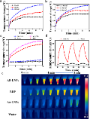
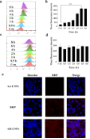
- interaction between Au-LNPs and BDP. No obvious change of the zeta potentials of AB-LNPs was found in two different media after 7 days (Figure 3b), suggesting that AB-LNPs maintained the nanoparticle structure in PBS and RPMI-1640 + 10% FBS for 7 days. Drug release properties of AB-LNPs To investigate whether
- laser-responsive release properties. In 4T1 cancer cells, AB-LNPs showed enhanced cellular uptake efficiency in comparison to BDP and synergistic photothermal effects. The simple and adaptive nanoparticle design may have great potential for the treatment of cancer and other diseases. The




Orally administered docetaxel-loaded chitosan-decorated cationic PLGA nanoparticles for intestinal tumors: formulation, comprehensive in vitro characterization, and release kinetics
Beilstein J. Nanotechnol. 2022, 13, 1393–1407, doi:10.3762/bjnano.13.115
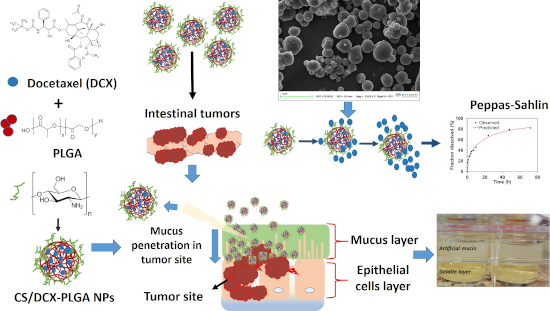
- orally applicable nanodrug formulations that can act against diseases seen in the distant region of the gastrointestinal tract (GIT), such as intestinal tumor, brings with it a series of difficulties depending on the drug and/or GIT physiology. The aim of this study is to develop an oral nanoparticle
- drug delivery system loaded with docetaxel (DCX) as an anticancer drug, using poly(lactic-co-glycolic acid) (PLGA) as nanoparticle material, and modified with chitosan (CS) to gain mucoadhesive properties. In this context, an innovative nanoparticle formulation that can protect orally administered DCX
- nanoparticles for experimental studies and dose calculations [45]. EE and DL of DCX-loaded nanoparticle formulations are documented in Table 2. The EE values of DCX-PLGA and CS/DCX-PLGA were 46.18% and 69.04%, respectively (p < 0.05). CS as a coating material led to an increase in encapsulation efficiency of


Recent trends in Bi-based nanomaterials: challenges, fabrication, enhancement techniques, and environmental applications
Beilstein J. Nanotechnol. 2022, 13, 1316–1336, doi:10.3762/bjnano.13.109
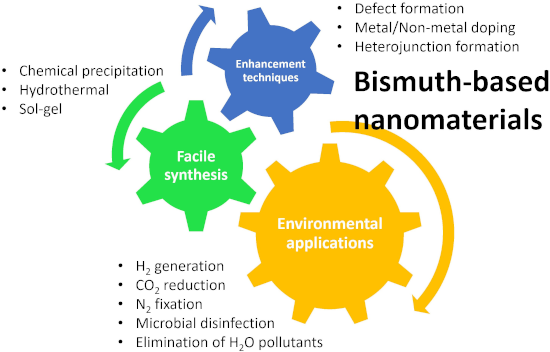
- manufacturing time and the batch nature of production. For the hydrothermal technique, there is a danger of nanoparticle leakage, primarily in water, and the risk of toxic solvent emissions. Su et al. [54] reported the first hydrothermal fabrication of Bi5O7Br. Bi5O7Br rods of 50 μm length and 2 μm width were




Design of surface nanostructures for chirality sensing based on quartz crystal microbalance
Beilstein J. Nanotechnol. 2022, 13, 1201–1219, doi:10.3762/bjnano.13.100
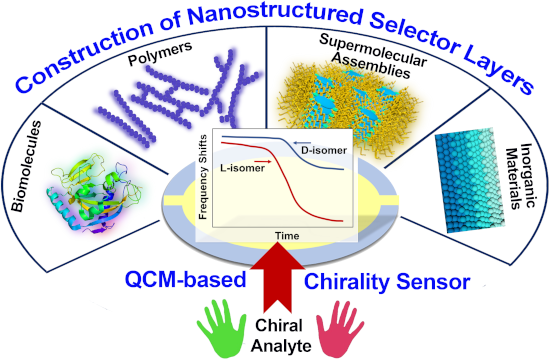
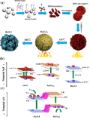
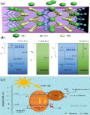
- were almost forming a monolayer on the surface of the QCM electrode. Compared with the nonimprinted polymer nanoparticle (NIP) film, MIP nanoparticle films displayed higher adsorption ability for ʟ-histidine, which was approx. 5.8 times higher than that for ᴅ-histidine and 2.2 times higher than that


Microneedle-based ocular drug delivery systems – recent advances and challenges
Beilstein J. Nanotechnol. 2022, 13, 1167–1184, doi:10.3762/bjnano.13.98

- suspension used for 5 min was almost five times less effective than the MNs [158]. Nanoparticle-loaded bilayer dissolving microneedle arrays for the sustained delivery of proteins to the posterior region of the eye were developed by Wu and co-workers (Figure 8). Ovalbumin, a model protein, was encapsulated
- . S. Thakur, “Long-acting nanoparticle-loaded bilayer microneedles for protein delivery to the posterior segment of the eye“, pages 306-318, Copyright (2021), with permission from Elsevier. This content is not subject to CC BY 4.0. The hybrid detachable microneedle developed by Lee et al. Figure 9 was


Green synthesis of zinc oxide nanoparticles toward highly efficient photocatalysis and antibacterial application
Beilstein J. Nanotechnol. 2022, 13, 1108–1119, doi:10.3762/bjnano.13.94

- resinate. The suspension containing zinc resinate was then filtered and washed with hot distilled water to remove impurities. The zinc resinate was then calcined in a furnace with an increasing temperature rate of 5 °C/min to 600 °C and held for 30 min to obtain pure ZnO nanoparticle powder. The relevant




Gelatin nanoparticles with tunable mechanical properties: effect of crosslinking time and loading
Beilstein J. Nanotechnol. 2022, 13, 778–787, doi:10.3762/bjnano.13.68
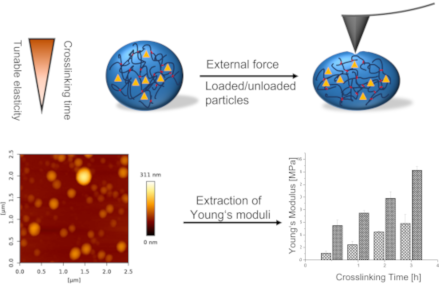
- tumor [8]. This behavior might be exploited for targeting or evading specific cell types. In this context, the cell type also plays a crucial role [7]. Overall, looking at the differences exhibited by the use of different materials for nanoparticle preparation, the favorable Young’s modulus should be
- were kept in deionized water and used on the same day. GNPs were incubated for 1 min to allow for a sufficient nanoparticle deposition without overloading the substrate surface. The supernatant was washed away with deionized water, and the samples were subsequently kept in liquid and measured on the
- determined. The curve obtained during the AFM experiment is based on the piezo movement. The piezo movement is larger than the indentation into the nanoparticle as the cantilever bends to the opposite direction. This effect is corrected by the so-called tip–sample separation, leading to the actual


Hierarchical Bi2WO6/TiO2-nanotube composites derived from natural cellulose for visible-light photocatalytic treatment of pollutants
Beilstein J. Nanotechnol. 2022, 13, 745–762, doi:10.3762/bjnano.13.66
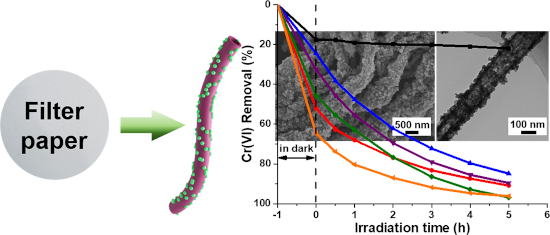
- the Bi2WO6/TiO2-NT nanocomposites. The detailed mechanism was revealed in the hierarchical Ag2O-nanoparticle/TiO2-nanotube composite reported by our group [31]. As shown in Figure 4a, the HR-TEM image of the 70%−Bi2WO6/TiO2-NT nanocomposite shows two kinds of lattice fringes with interplanar spacings
- shown in Supporting Information File 1, Table S3, in comparison with cellulose-derived Ag2O-nanoparticle/TiO2-nanotube (Ag2O-NP/TiO2-NT) composites [31], g-C3N4/TiO2- nanotube (g-C3N4/TiO2-NT) composites [32], and H3PW12O40/TiO2 nanocomposites [33] reported by our group, the hierarchical Bi2WO6/TiO2-NT


Comparative molecular dynamics simulations of thermal conductivities of aqueous and hydrocarbon nanofluids
Beilstein J. Nanotechnol. 2022, 13, 620–628, doi:10.3762/bjnano.13.54
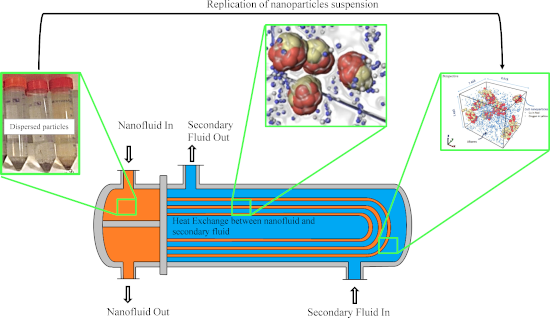
- increasing number of nanoparticle collisions was obtained. It is known from the aforementioned literature that the properties of nanoparticles assist in enhancing the thermal conductive properties of base fluids. In a similar aspect, it was also found that hybridized nanoparticles considerably improve the
- ., eicosane C20H42) media. Before conducting simulations, the nanoparticle was created using the Material Studio software (Accryles Inc., USA is the sole proprietor of the Material Studio software produced for performing material/chemical design and analysis). This particle was then dispersed in water and
- constructed with 36 CuO molecules bonded by the COMPASS force field. This constructed nanoparticle size was 0.4 nm, as shown in Figure 1b. A molecular dynamics simulation of paraffin (i.e., eicosane C20H42) was also conducted for comparison with the aqueous solution. In the alkane/CuO nanofluid simulation


A new method for obtaining the magnetic shape anisotropy directly from electron tomography images
Beilstein J. Nanotechnol. 2022, 13, 590–598, doi:10.3762/bjnano.13.51
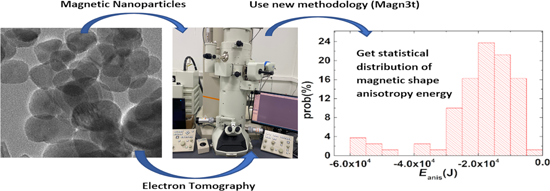
- Cristian Radu Ioana D. Vlaicu Andrei C. Kuncser National Institute of Materials Physics, Magurele, Romania Faculty of Physics, University of Bucharest, Bucharest, Romania 10.3762/bjnano.13.51 Abstract A new methodology to obtain magnetic information on magnetic nanoparticle (MNP) systems via
- : electron tomography; magnetite; Python; shape anisotropy; Introduction For any nanoparticle (NP) system, among the most important pieces of physical information for scientists is information related to the morphology (size, shape, and organization) of its constituents. In nanoscale systems, this
- , the size is reported under the assumption of a quasi-spherical shape of the constituent particles. There is a multitude of techniques dedicated to nanoparticle analysis, which are able to provide information regarding the mean size and/or size distribution within a limited domain of sizes, for example


Detection and imaging of Hg(II) in vivo using glutathione-functionalized gold nanoparticles
Beilstein J. Nanotechnol. 2022, 13, 549–559, doi:10.3762/bjnano.13.46
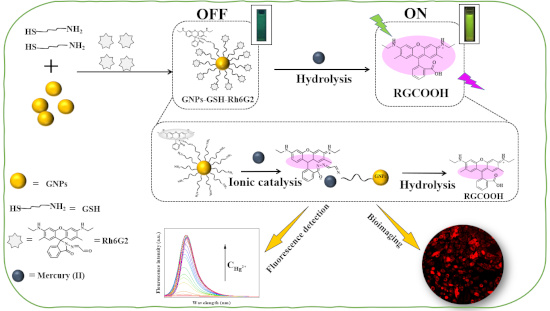
- molecular release system. After adding Cu(II), we observed a switching of the GNP–ʟ-Cys–Rh6G2 fluorescence from “OFF” to “ON” with high stability. Furthermore, it is worth noting that glutathione (GSH) contains a thiol and an amino group. It can not only conjugate to the nanoparticle surfaces through the
- . Protons induce a weak fluorescence of the spirolactam framework at acidic pH through ring opening. Therefore, we suggest that in the presence of Hg2+ the formation of a Rh6G2–Hg2+ complex leads to ring opening, followed by the release of RGCOOH from the nanoparticle surface via hydrolysis, strongly


Zinc oxide nanostructures for fluorescence and Raman signal enhancement: a review
Beilstein J. Nanotechnol. 2022, 13, 472–490, doi:10.3762/bjnano.13.40
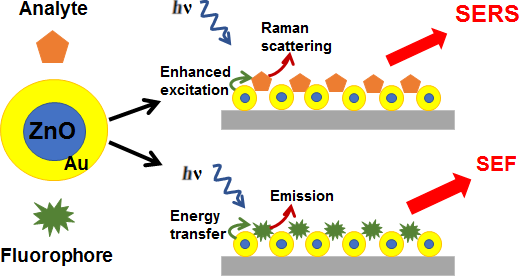
- transfer contribution to SERS signal enhancement, the electromagnetic contribution also has an impact on the SERS signal [81]. Xue et al. [82] and Libin Yang et al. [83] argued that ZnO lattice defects created by doping the nanoparticle lattice with other cations increases the SERS enhancement by promoting




The effect of metal surface nanomorphology on the output performance of a TENG
Beilstein J. Nanotechnol. 2022, 13, 298–312, doi:10.3762/bjnano.13.25
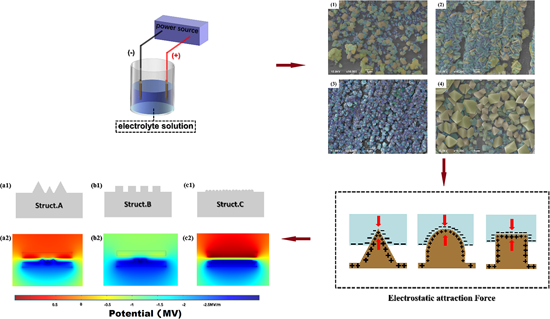
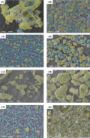
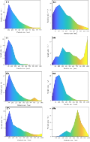
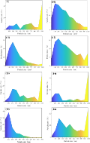
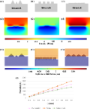
- obvious in experiment 15. The particle size distribution of experiment 15 is relatively concentrated, and its improvement on the output performance reaches 34%, almost twice that of experiments 4 and 5 (Figure 9). We measured the nanoparticle size and its variance and studied the relationship between the




Coordination-assembled myricetin nanoarchitectonics for sustainably scavenging free radicals
Beilstein J. Nanotechnol. 2022, 13, 284–291, doi:10.3762/bjnano.13.23

- sustainability of radical scavenging activity due to the co-assembly that might have enhanced the stability of Myr and GSH. As shown in Figure 3d, ABTS+ solution was persistently added to 1 mL of MZG nanoparticle suspension or water for 5 days. The result revealed that MZG nanoparticles exhibited prolonged


Systematic studies into uniform synthetic protein nanoparticles
Beilstein J. Nanotechnol. 2022, 13, 274–283, doi:10.3762/bjnano.13.22
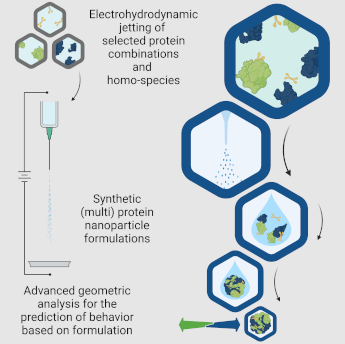
- , 48109, USA 10.3762/bjnano.13.22 Abstract Nanoparticles are frequently pursued as drug delivery carriers due to their potential to alter the pharmacological profiles of drugs, but their broader utility in nanomedicine hinges upon exquisite control of critical nanoparticle properties, such as shape, size
- , or monodispersity. Electrohydrodynamic (EHD) jetting is a probate method to formulate synthetic protein nanoparticles (SPNPs), but a systematic understanding of the influence of crucial processing parameters, such as protein composition, on nanoparticle morphologies is still missing. Here, we address
- nanoparticle platforms for drug delivery transition from novelties to foundational biomedical technologies [1][2][3], it is critical to augment the existing strategies with precisely engineered nanocarriers that are better equipped to maneuver the host of barriers that exist in clinical translation [4][5


Photothermal ablation of murine melanomas by Fe3O4 nanoparticle clusters
Beilstein J. Nanotechnol. 2022, 13, 255–264, doi:10.3762/bjnano.13.20
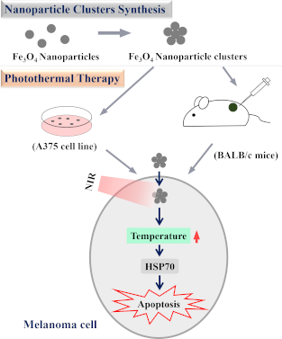
- development of resistance. Here, we fabricated Fe3O4 nanoparticle clusters (NPCs), which have drawn widespread attention, and investigated their role in the treatment of melanoma by photothermal therapy (PTT). Scanning electron microscopy imaging shows that our synthesized NPCs are spherical with an average
- the promise of Fe3O4 NPCs as a new PTT option to treat melanoma. Keywords: Fe3O4 nanoparticle clusters; heat shock protein 70; melanoma; near infrared; photothermal therapy; Introduction The global incidence of melanoma, one of the deadliest forms of cancer, has kept increasing annually over the
- needed to elicit sufficient hyperthermia by NIR irradiation, lingering magnetite may impose potential systemic toxicity. Thus, Fe3O4 single nanoparticles must be modified to reduce the dosage while keeping their therapeutic efficacy. In our earlier report, we synthesized Fe3O4 nanoparticle-containing


Impact of device design on the electronic and optoelectronic properties of integrated Ru-terpyridine complexes
Beilstein J. Nanotechnol. 2022, 13, 219–229, doi:10.3762/bjnano.13.16

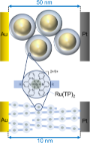
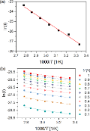
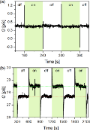
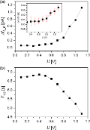
- mechanism, that is, thermally activated hopping conduction in the case of Ru-terpyridine wire devices or sequential tunneling in nanoparticle-based devices. Furthermore, the conductance switching of nanoparticle-based devices upon 530 nm irradiation was attributed to plasmon-induced metal-to-ligand charge
- transfer in the Ru-terpyridine complexes used as switching ligands. Finally, our results reveal a superior device performance of nanoparticle-based devices compared to molecular wire devices based on Ru-terpyridine complexes as functional units. Keywords: conductance switching; gold nanoparticles
- structure such that an almost complete nanoparticle layer was formed. In a next step, the acetyl-protected thiol groups of MPTP-SAc were hydrolyzed with concentrated ammonium solution yielding mainly Ru(MPTP)2–AuNP devices, followed by a washing procedure [15]. As usual, all nanoelectrode samples have been


Engineered titania nanomaterials in advanced clinical applications
Beilstein J. Nanotechnol. 2022, 13, 201–218, doi:10.3762/bjnano.13.15
- affinities for the nanoparticle surface or the corona. Recently, Zhongru Gou et al. investigated the amount and type of cell adhesion-related proteins (such as fibronectin, vitronectin, and laminin) from serum adsorbed on titanium nanotube arrays. Their findings suggest that all the abovementioned proteins
- potential. Thus, the optimized TiO2 nanoparticle concentration of the PCL/5TiO2 sample exhibited improved biological and antibacterial properties for bone tissue engineering, thereby improving the properties of orthopedic devices [60]. Ko et al. found that titanium covered with a double layer of gold nps


A comprehensive review on electrospun nanohybrid membranes for wastewater treatment
Beilstein J. Nanotechnol. 2022, 13, 137–159, doi:10.3762/bjnano.13.10




Theranostic potential of self-luminescent branched polyethyleneimine-coated superparamagnetic iron oxide nanoparticles
Beilstein J. Nanotechnol. 2022, 13, 82–95, doi:10.3762/bjnano.13.6

- factor receptor (EGFR). Pro-apoptotic polyinosinic–polycytidylic acid sodium (PIC) was delivered to HeLa cells with SPION@bPEI and caused a dramatic reduction in the cell viability at otherwise non-toxic nanoparticle concentrations, proving that bPEI coating is still an effective component for the
- over vacuum should be generated to obtain the spatial frequency distribution in the image. Then, a noise-filtering mask from the reduced FFT preserving only the crystalline contributions from the original image should be generated to produce the filtered nanoparticle image [35]. An AFM analysis
- and 15 μg/mL of bPEI (corresponding to nanoparticle concentration values of 10 and 20 μg/mL, respectively). A significant toxicity was observed at a dose of 22 μg/mL of free bPEI, which is equivalent to a 30 μg/mL SPION@bPEI dose. This is a significant enhancement in cytocompatibility of SPION@bPEI




Sputtering onto liquids: a critical review
Beilstein J. Nanotechnol. 2022, 13, 10–53, doi:10.3762/bjnano.13.2
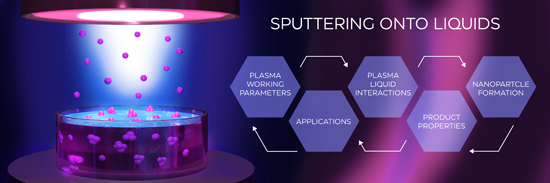
- overview of the properties and applications of the produced NPs. Keywords: low-pressure plasmas; magnetron; nanoparticles; nanoparticle formation; sputtering; sputtering onto liquids; Introduction According to the general terminology, nanoparticles (NPs) are objects that have a size of less than 100 nm






Heating ability of elongated magnetic nanoparticles
Beilstein J. Nanotechnol. 2021, 12, 1404–1412, doi:10.3762/bjnano.12.104

- of magnitude with an increase in the volume fraction of nanoparticles in a cluster in the range of 0.04–0.2. Keywords: elongated magnetic nanoparticles; magnetic hyperthermia; numerical simulation; specific absorption rate; Introduction Magnetic nanoparticle assemblies have great potential for the
- particle, is the unit magnetization vector and (, , ) is the set of orthogonal unit vectors that determine the spatial orientations of the cubic easy anisotropy axes of the i-th nanoparticle of the assembly, Np being the number of nanoparticles. It is also assumed that the axes of symmetry of spheroidal
- direction of elongation of the i-th nanoparticle. The shape anisotropy constant is given by [48]: Here Ms = 450 emu/cm3 is the saturation magnetization of a magnetite nanoparticle [47] and Na is the demagnetizing factor along the long nanoparticle axis. In this work, we also consider the effect of MD


Enhancement of the piezoelectric coefficient in PVDF-TrFe/CoFe2O4 nanocomposites through DC magnetic poling
Beilstein J. Nanotechnol. 2021, 12, 1262–1270, doi:10.3762/bjnano.12.93

- influenced by magnetic poling, we performed FTIR analyses of six different samples. Figure 1 shows the FTIR spectra of the nanocomposite specimen produced with a CoFe2O4 nanoparticle content of 5 wt %, poled for increasing time (from 60 to 120 min) at increasing strengths of the DC magnetic field (50 and 110
- polymeric chains of PVDF-TrFe to align in the same direction. At relatively high magnetic field strengths (B > 50 mT) we found that the d33 increase is lower, in agreement with what has been observed in [25]. This behaviour has been attributed to the formation of CoFe2O4 nanoparticle aggregates [25]. The


Self-assembly of amino acids toward functional biomaterials
Beilstein J. Nanotechnol. 2021, 12, 1140–1150, doi:10.3762/bjnano.12.85
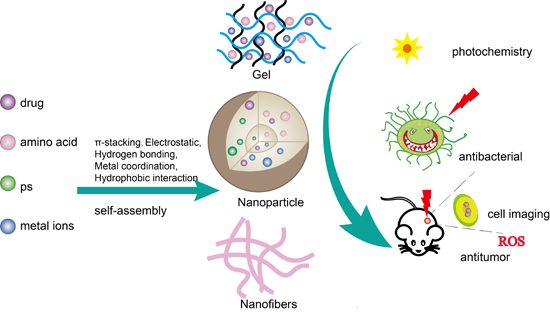
- been shown that a novel protein-based nanoparticle with enhanced photothermal effect has been obtained for antitumor therapy using metal ions, proteins, and photosensitizers as building blocks [69]. The integration of metal ions significantly improved the structural stability and photothermal
- properties of the nanoparticles [69]. The use of amino acids coordinated with metal ions and the encapsulation of guest molecule photosensitizers have also achieved encouraging results. Zhang et al. [70] developed an antitumor photodynamic therapy (PDT) nanoparticle based on the coordination of modified
- +/Ce6 was greater than 50.0% in both cases, and the encapsulation efficiency was greater than 99.0%. The Fmoc-H/Zn2+/Ce6 and Z-HF/Zn2+/Ce6 nanoparticle assembly were based on coordination and other noncovalent interactions which are sensitive to environmental changes. They demonstrated the robustness of