Search results
Search for "biomedical" in Full Text gives 395 result(s) in Beilstein Journal of Nanotechnology. Showing first 200.
Frontiers in pharmaceutical nanotechnology
Beilstein J. Nanotechnol. 2019, 10, 2538–2540, doi:10.3762/bjnano.10.244
- is a very dynamic and evolving research area that integrates a wide variety of disciplines such as chemical, biological and biomedical science. At the frontier of knowledge, nanoparticles, exosomes and even more advanced drug delivery systems [1] blur the line between drug discovery and formulation
Small protein sequences can induce cellular uptake of complex nanohybrids
Beilstein J. Nanotechnol. 2019, 10, 2477–2482, doi:10.3762/bjnano.10.238

- nanostructures made of more than one component nanomaterial, combined with biomolecules is a highly sought goal in biomedical science, and can find applications in multimodal imaging and therapeutics [1][2]. Although interest in developing such hybrid nanostructures by, for example, combining plasmonic and

pH-Controlled fluorescence switching in water-dispersed polymer brushes grafted to modified boron nitride nanotubes for cellular imaging
Beilstein J. Nanotechnol. 2019, 10, 2428–2439, doi:10.3762/bjnano.10.233
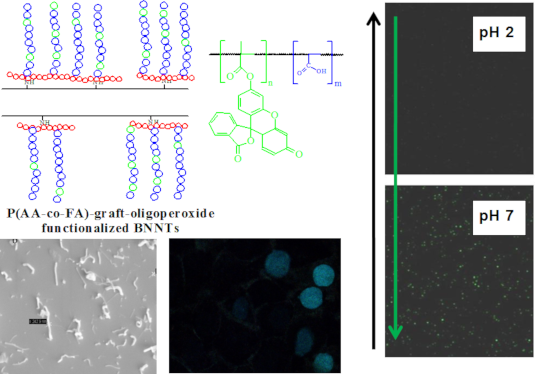
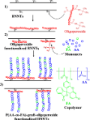
- commonly used labels is fluorescein [37][38][39][40][41][42]. In biomedical applications, fluorescein has several advantages over other dyes such as nontoxicity, high water solubility, and pH responsivity. Fluorescein demonstrates a high fluorescence efficiency at basic pH values but becomes nonfluorescent
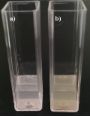
- good dispersibility in water and their fluorescent properties make them excellent candidates for biomedical applications. pH-Responsive fluorescent properties of P(AA-co-FA)-functionalized BNNTs Depending on pH, fluorescein can exist as a cation, monoanion, dianion, amphoion, neutral quinoid structure
- )-functionalized BNNTs is excellent and they can potentially be used in biomedical applications. We plan to continue to explore this new hybrid in our future studies not only as a pH-switchable label but also as “smart” surfaces and nanocarriers. Conclusion pH-Switchable, fluorescent, hybrid, water-dispersed


Deterministic placement of ultra-bright near-infrared color centers in arrays of silicon carbide micropillars
Beilstein J. Nanotechnol. 2019, 10, 2383–2395, doi:10.3762/bjnano.10.229
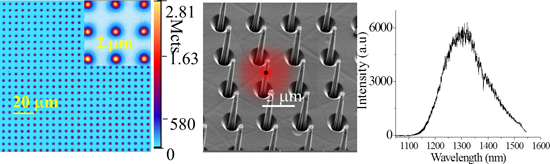
- ) [53]. Here, we focus on the enhancement of the emission of the VSi, VSiVC and NCVSi/4H-SiC platforms aiming at increasing the photon collection efficiency of many emitters to improve the resolution of quantum sensing in biomedical imaging applications due to the favorable emission in the near-infrared


Atomic force acoustic microscopy reveals the influence of substrate stiffness and topography on cell behavior
Beilstein J. Nanotechnol. 2019, 10, 2329–2337, doi:10.3762/bjnano.10.223

- an effective tool to measure soft materials such as biomedical tissues and polymers [18]. A number of research groups have reported that the AFAM method can characterize mechanical properties of buried structures. For example, the influence of the thickness on the elastic properties of porous


Design of a nanostructured mucoadhesive system containing curcumin for buccal application: from physicochemical to biological aspects
Beilstein J. Nanotechnol. 2019, 10, 2304–2328, doi:10.3762/bjnano.10.222
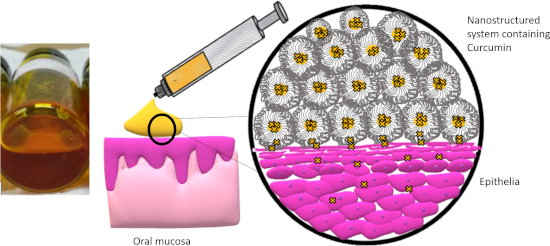
- characteristics beneficial for pharmaceutical and biomedical use [1]. P407 is a non-ionic block copolymer with polypropylene oxide (PPO) and polyethylene oxide (PEO) segments, which can display thermoresponsive properties forming nanometer-sized micelles, hydrogels and lyotropic liquid crystals [2][3]. The


Microfluidics as tool to prepare size-tunable PLGA nanoparticles with high curcumin encapsulation for efficient mucus penetration
Beilstein J. Nanotechnol. 2019, 10, 2280–2293, doi:10.3762/bjnano.10.220

- applications. Keywords: curcumin; human pulmonary mucus; microfluidics; muco-penetrating nanoparticles; nanomedicine; permeability; PLGA nanoparticles; Introduction In the last decades, the application of nanotechnology in medicine has gained significant attention, especially in the biomedical field for


Targeted therapeutic effect against the breast cancer cell line MCF-7 with a CuFe2O4/silica/cisplatin nanocomposite formulation
Beilstein J. Nanotechnol. 2019, 10, 2217–2228, doi:10.3762/bjnano.10.214
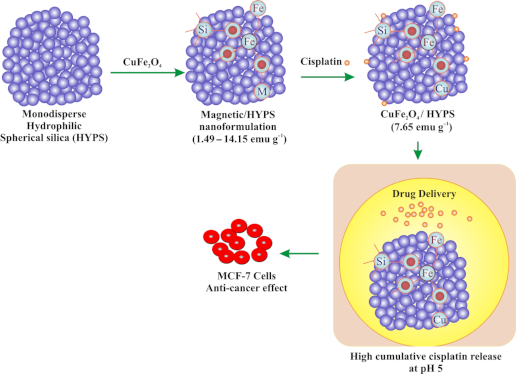
- multifunctional biomedical applications. The crystalline phase, morphology, magnetization, and coordination environment of various spinel species were characterized using X-ray diffraction (XRD), BET surface area measurements, vibrating sample magnetometry (VSM), diffuse reflectance UV–vis spectroscopy (DR UV–vis


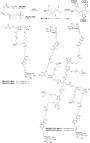
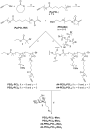
Mannosylated brush copolymers based on poly(ethylene glycol) and poly(ε-caprolactone) as multivalent lectin-binding nanomaterials
Beilstein J. Nanotechnol. 2019, 10, 2192–2206, doi:10.3762/bjnano.10.212
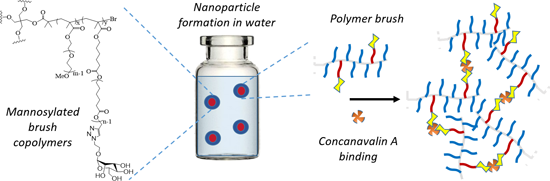
- ]. In addition, the high surface area of spherical self-assembled structures can confer glycopolymers a high affinity towards lectins [18]. Among different synthetic macromolecules used in biomedical applications, copolymers based on poly(ethylene glycol) (PEG) and poly(ε-caprolactone) (PCL) are found



Nitrogen-vacancy centers in diamond for nanoscale magnetic resonance imaging applications
Beilstein J. Nanotechnol. 2019, 10, 2128–2151, doi:10.3762/bjnano.10.207
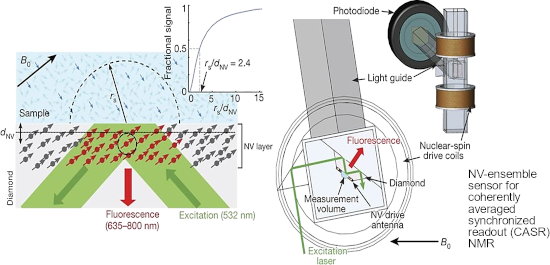
- -suited for medical applications and must undergo the hyperpolarization process. Some methods are proposed in [18], albeit not yet applied in biomedical samples, using nanodiamonds (NDs) as a contrast agent to improve the SNR in conventional MRI. While NDs have been recently applied as theranostic
- preparation. Specifically, NV forms in both bulk and ND – this option introduces more opportunity in terms of applications, even if the ND NV magnetic sensing technology is less developed. A review of the superior properties of diamond nanomaterials and the NV centers, as well as their uses in biomedical
- modulated with a magnetic field giving increased sensitivity. As bioimaging probes, they are versatile, cost-effective and easily functionalized, in addition to being easy to coat with silica for biomedical applications. Background-free imaging, both in vivo and in vitro, is achieved by applying an


Microbubbles decorated with dendronized magnetic nanoparticles for biomedical imaging: effective stabilization via fluorous interactions
Beilstein J. Nanotechnol. 2019, 10, 2103–2115, doi:10.3762/bjnano.10.205


Review of advanced sensor devices employing nanoarchitectonics concepts
Beilstein J. Nanotechnol. 2019, 10, 2014–2030, doi:10.3762/bjnano.10.198
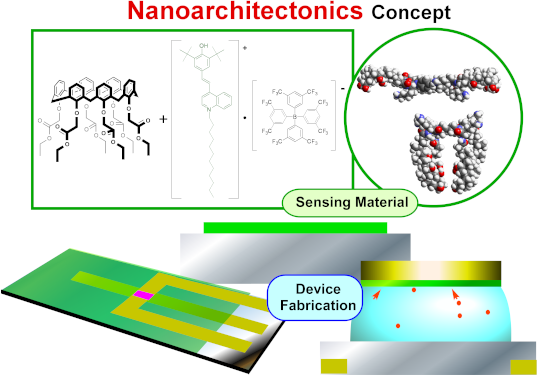
- detection of various risks [9][10][11], environmental remediation including pollution problems [12][13][14], energy production [15][16][17], energy and electricity storage [18][19][20], device technologies [21][22][23], and biomedical treatment [24][25][26][27], and the targets must be detected with high
- ][71], biological investigation [72][73][74][75], and biomedical applications [76][77][78]. As compared with simple self-assembly processes, nanoarchitectonics is advantageous for architecting hierarchical structures and interfacing between materials and devices. In addition, the fabrication of sensor
- could be applicable for demands requiring the evaluation of small normal pressures even on dynamic surfaces such as natural tissues and is expected to be useful for in situ biomedical digital monitoring, such as palpation for breast cancer. Triboelectric nanogenerators to convert mechanical energy to





Gold-coated plant virus as computed tomography imaging contrast agent
Beilstein J. Nanotechnol. 2019, 10, 1983–1993, doi:10.3762/bjnano.10.195
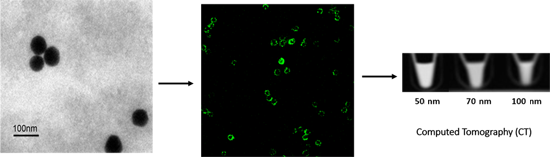
- agent offer a fast scan time (less than 2 min), low cost, and biocompatibility and allow for high-resolution imaging with ca. 150 Hounsfield units (HU). The Au-CPMV surface was further modified allowing for the incorporation of targeting molecules of specific cell types. Keywords: biomedical imaging
- the surface functionalities allows for the use of such particles in biomedical applications. The Au-CPMV particles reported here exhibit excellent stability over at least almost a year. No visible aggregation nor changes in particles size was observed in samples stored at 4 °C. Their surface can be




Magnetic properties of biofunctionalized iron oxide nanoparticles as magnetic resonance imaging contrast agents
Beilstein J. Nanotechnol. 2019, 10, 1964–1972, doi:10.3762/bjnano.10.193
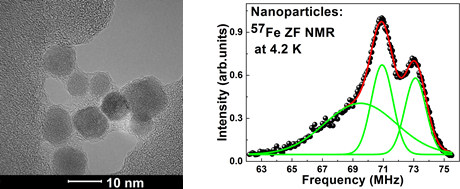
- ), MIPT, 141701 Moscow Region, Russia Department of Medical Nanobiotechnology, Pirogov Russian National Research Medical University, Moscow, Russia Laboratory of Biomedical Nanomaterials, NUST MISiS, Moscow Russia Mendeleev Chemical Technological University, Moscow, Russia 10.3762/bjnano.10.193 Abstract



High-tolerance crystalline hydrogels formed from self-assembling cyclic dipeptide
Beilstein J. Nanotechnol. 2019, 10, 1894–1901, doi:10.3762/bjnano.10.184

- for a wide range of biomedical and nanotechnological applications, such as tissue engineering, drug delivery, and electronic and photonic energy storage. In this work, a cyclic dipeptide (CDP) cyclo-(Trp-Tyr) (C-WY), which has exceptional structural rigidity and high stability, is selected as a
- cross-linked networks are also the foundation for a range of biomedical and nanotechnological applications. Interior structure and crystal pattern The fibrillar structure and three-dimensional fibrous network of the C-WY hydrogel were further investigated by confocal laser scanning microscopy (CLSM


Charge-transfer interactions between fullerenes and a mesoporous tetrathiafulvalene-based metal–organic framework
Beilstein J. Nanotechnol. 2019, 10, 1883–1893, doi:10.3762/bjnano.10.183
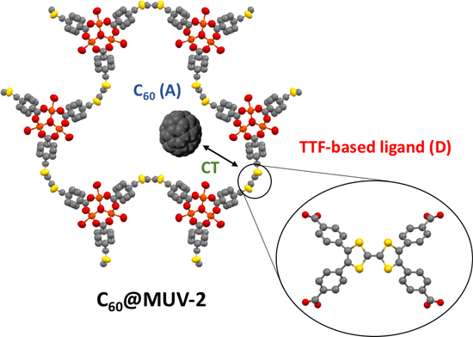
- electrical conductivity and porosity at the same time. Fullerenes (C60) [25] have found numerous applications in different fields, ranging from molecular electronics and nanotechnology to biomedical applications, due to their exceptional electrochemical and photophysical properties [26][27]. In particular




Engineered superparamagnetic iron oxide nanoparticles (SPIONs) for dual-modality imaging of intracranial glioblastoma via EGFRvIII targeting
Beilstein J. Nanotechnol. 2019, 10, 1860–1872, doi:10.3762/bjnano.10.181
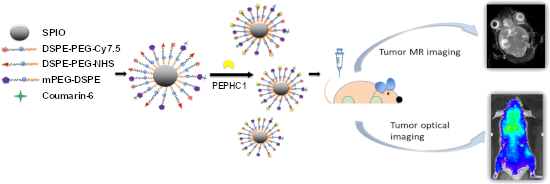
- nanoprobe which could be specifically accumulated in EGFRvIII-positive glioblastoma. The DSPE-PEG-Cy7.5 system was chosen as Cy7.5 is a widespread near-infrared dye with a long emission wavelength and has been applied extensively as a live imaging agent in the biomedical field. The as-synthesized DSPE-PEG
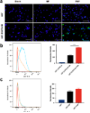
- multifunctional vehicles for biomedical applications. EGFRvIII expression in U87MG-EGFRvIII cells Before assessing the uptake of the nanoprobes by different cells, EGFRvIII expression in U87MG-EGFRvIII cells was initially validated. As shown in Figure 3a, an obviously higher fluorescence intensity was observed in




Microfluidic manufacturing of different niosomes nanoparticles for curcumin encapsulation: Physical characteristics, encapsulation efficacy, and drug release
Beilstein J. Nanotechnol. 2019, 10, 1826–1832, doi:10.3762/bjnano.10.177

- Mohammad A. Obeid Ibrahim Khadra Abdullah Albaloushi Margaret Mullin Hanin Alyamani Valerie A. Ferro Department of pharmaceutical sciences, Faculty of Pharmacy, Yarmouk University, Irbid, Jordan Strathclyde Institute of Pharmacy and Biomedical Sciences, University of Strathclyde, 161 Cathedral


Nanoarchitectonics meets cell surface engineering: shape recognition of human cells by halloysite-doped silica cell imprints
Beilstein J. Nanotechnol. 2019, 10, 1818–1825, doi:10.3762/bjnano.10.176
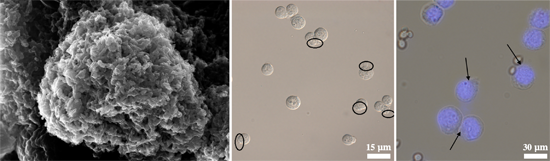
- that methodology reported here will find applications in biomedical and clinical research. Keywords: cell surface engineering; cell-recognising imprints; halloysite nanotubes; nanoarchtectonics; Introduction Nanoarchitectonics has recently emerged as a “post-nanotechnology era” paradigm in the
- such as boron nitride or imogolite nanotubes, which are also considered as safe materials for living organisms [33]. Recently, water-dispersed thermo-responsive boron nitride nanotubes were obtained by their functionalisation with poly(N-isopropylacrylamide), which can widen their biomedical


Toxicity and safety study of silver and gold nanoparticles functionalized with cysteine and glutathione
Beilstein J. Nanotechnol. 2019, 10, 1802–1817, doi:10.3762/bjnano.10.175
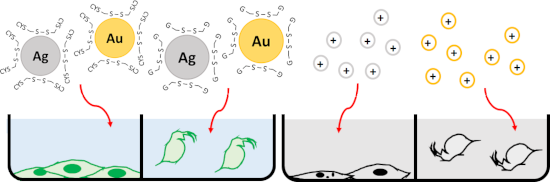
- . Keywords: biocompatibility; cysteine; ecotoxicity; glutathione; nano–bio interactions; nanosafety; nanotoxicity; Introduction Metallic nanoparticles (NPs) such as silver and gold have been employed in a wide range of products and applications in the biomedical field owing to their remarkable physico
- -chemical properties. Silver nanoparticles (AgNPs) are extensively used in antimicrobial coatings for medical devices, wound dressing, cosmetic products and food packaging due to their antimicrobial, antiangiogenic and anti-inflammatory properties [1][2][3][4][5]. Biomedical applications of gold
- biomedical aspects of NPs (Figure S1 in Supporting Information File 1). In addition to the increase of papers reporting on the development of NPs for biomedical uses, the WoS search showed that there are ample in vitro and in vivo studies on the toxicity effects of AgNPs and AuNPs. There are a number of


Lipid nanostructures for antioxidant delivery: a comparative preformulation study
Beilstein J. Nanotechnol. 2019, 10, 1789–1801, doi:10.3762/bjnano.10.174

- " University of Bayreuth, Germany Dipartmento di Scienze della Vita e dell'Ambiente, Università Politecnica delle Marche, I-60131 Ancona, Italy NC State University, Plants for Human Health Institute, Animal Science Dept. NC Research Campus, Kannapolis, NC 28081, USA Department of Biomedical and Specialist

Novel hollow titanium dioxide nanospheres with antimicrobial activity against resistant bacteria
Beilstein J. Nanotechnol. 2019, 10, 1716–1725, doi:10.3762/bjnano.10.167
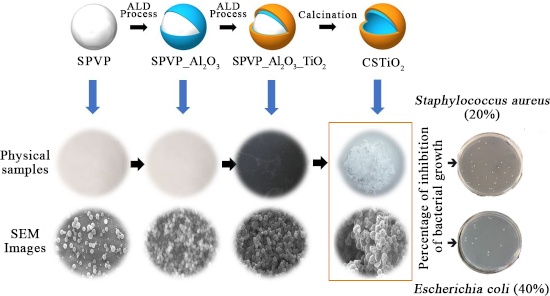
- (USACH), Obispo Umaña 050, 9170201 Santiago, Chile Center for the Development of Nanoscience and Nanotechnology (CEDENNA), 9170124 Santiago, Chile Program Center for Applied Biomedical Research, School of Medicine, Faculty of Medical Sciences, University of Santiago de Chile, 9170022 Santiago, Chile


Materials nanoarchitectonics at two-dimensional liquid interfaces
Beilstein J. Nanotechnol. 2019, 10, 1559–1587, doi:10.3762/bjnano.10.153
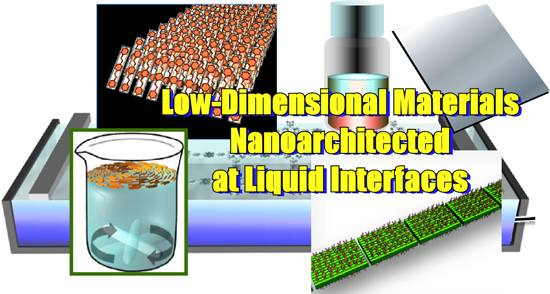
- ][28][29][30][31], and biotechnological and biomedical developments [32][33][34][35][36][37] have been explored to achieve these objectives. One of the common key concepts for all these developments is regulating functional molecular systems with high spatial precision, which can often induce the
- ], environmental protection [118][119], catalysts [120][121], biology [122][123][124], and biomedical applications [125][126]. For example, the following recent research works on low-dimensional materials have been carried out using the nanoarchitectonics concept: Hasegawa and co-workers used atom-manipulation
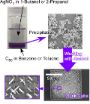
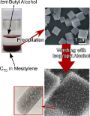
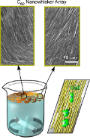
- , C60) molecules as assembling components are both technically and scientifically attractive [235]. In addition to the technical importance of fullerene in many applications including physical devices and biomedical usages, assembly processes from completely symmetrical zero-dimensional objects with













Highly ordered mesoporous silica film nanocomposites containing gold nanoparticles for the catalytic reduction of 4-nitrophenol
Beilstein J. Nanotechnol. 2019, 10, 1368–1379, doi:10.3762/bjnano.10.135
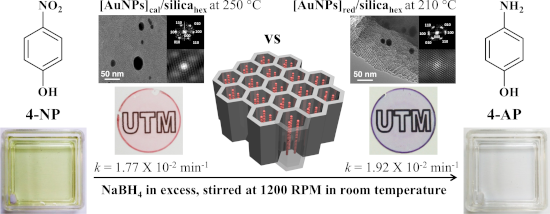
- ; Introduction Mesoporous silica nanomaterials with pore size between 2 to 50 nm [1] have been recently applied to the development of biomedical adsorbents [2][3][4], drug delivery systems [5][6][7], catalysts [8][9][10], as well as supports for metal nanoparticles [11][12][13] due to their large surface area


The effect of magneto-crystalline anisotropy on the properties of hard and soft magnetic ferrite nanoparticles
Beilstein J. Nanotechnol. 2019, 10, 1348–1359, doi:10.3762/bjnano.10.133
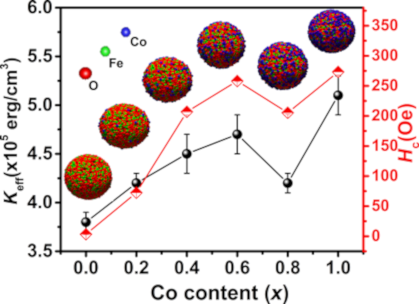
- demagnetized) [5][6]. Magnetic interactions (e.g., exchange and dipolar interactions) have a strong effect on the magnetic behavior of a NP system (e.g., coercivity and blocking temperature) [7][8] and its potential for different applications. For example, there may be unfavorable effects in biomedical