


Search results
Search for "morphology" in Full Text gives 1288 result(s) in Beilstein Journal of Nanotechnology. Showing first 200.
Cholesterol nanoarchaeosomes for alendronate targeted delivery as an anti-endothelial dysfunction agent
Beilstein J. Nanotechnol. 2024, 15, 517–534, doi:10.3762/bjnano.15.46
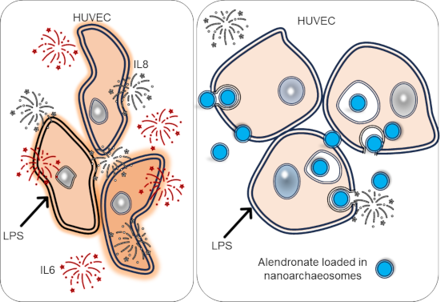
- -inflammatory effects in any of the inflammation models (data not shown). A massive portion of endothelial cells is resistant to LPS challenge, entering a fibrotic program and exhibiting a fibroblast-like morphology through a process known as endothelial-to-mesenchymal transition (EndMT) typical from
- EndMT, that is, a predominance of tapered cells with little internal staining. These changes were not prevented by almost any treatment, except dexamethasone and nanoARC-Chol (ALN), which maintained the endothelial morphology and the intensity of actin filament staining to a higher extent and cell/field
- 30 min at 37 °C. Then, cells were washed with PBS, and the fluorescence intensity of whole cells was measured using a Cytation™ 5 instrument at λex = 490 nm and λem = 520 nm. Confocal microscopy was performed to study the morphology of HUVECs. Briefly, after incubation, cell monolayers were washed





Aero-ZnS prepared by physical vapor transport on three-dimensional networks of sacrificial ZnO microtetrapods
Beilstein J. Nanotechnol. 2024, 15, 490–499, doi:10.3762/bjnano.15.44
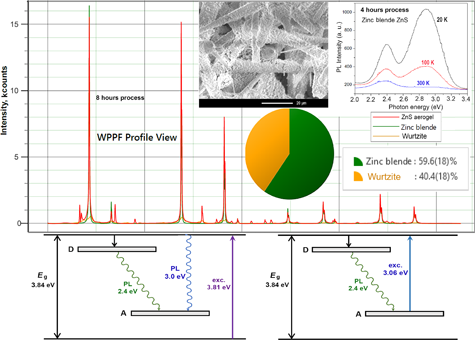
- networks of microtetrapods and has been proposed for microfluidic applications. In this paper, a cost-effective technological approach is proposed for the fabrication of aero-ZnS by using physical vapor transport with Sn2S3 crystals and networks of ZnO microtetrapods as precursors. The morphology of the
- nanomaterials [45]. Because of similarities in the morphology of aero-ZnS materials obtained by physical vapor transport to those produced by HVPE, one can expect that the materials prepared by physical vapor transport will also exhibit hydrophobic/hydrophilic properties suitable for microfluidic applications
- 10 × 10 mm2 to prepare 2 mm thick sample tablets. In order to increase the mechanical stability, the tablets with a density of 0.5 g/cm3 were annealed at 1000 °C for 1 h in air. Morphology analysis was carried out with a VEGA TESCAN 5130 SEM instrument equipped with an EDX detector from Oxford



Photocatalytic degradation of methylene blue under visible light by cobalt ferrite nanoparticles/graphene quantum dots
Beilstein J. Nanotechnol. 2024, 15, 475–489, doi:10.3762/bjnano.15.43
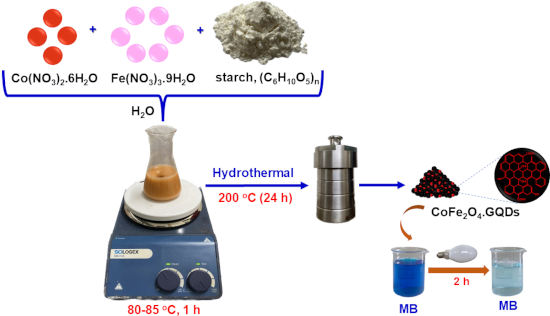
- /GQDs nanoparticles. Magnetic properties, morphology, structure, and fluorescence of the nanocomposites were studied, and the photocatalytic degradation of methylene blue as a dye model and the mechanism of methylene degradation were also addressed. Experimental Materials Cobalt(II) nitrate hexahydrate
- CF/GQDs synthesized at hydrothermal temperatures of 140, 180 and 200 °C are shown in Figure 4a–c. The morphology reveals that CF/GQDs consist of heavily agglomerated particles, several hundreds of nanometers in diameter, because of their magnetic nature. Figure 4d and Figure 4e present the TEM images




Fabrication of nanocrystal forms of ᴅ-cycloserine and their application for transdermal and enteric drug delivery systems
Beilstein J. Nanotechnol. 2024, 15, 465–474, doi:10.3762/bjnano.15.42
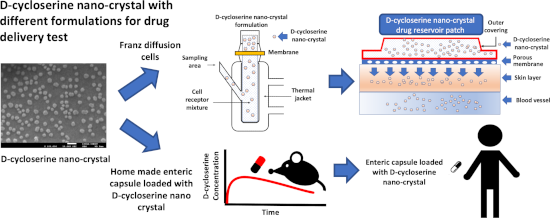
- antisolvent, and the mixing conditions. During precipitation, different solvents can affect the size, the structure, and the stability of polymorphous particles. To confirm the morphology of DCS nanocrystals, SEM and XRPD analyses were applied for the examination of particle size and structure, respectively
- distinct morphology of DCS nanocrystals when compared to that of commercial DCS. In order to confirm whether the crystalline DCS was a new crystal form, the XRPD patterns of the DCS nanocrystals were compared with those of the commercial DCS powder. As shown in Figure 2, the prominent peaks of the DCS
- nanocrystals were at 17.0°, 24.3°, 28.5°, and 34.3° (2θ), distinct from those of commercial DCS. These results indicated that the new crystalline DCS was a novel nanocrystal. The spectra demonstrate that the nanocrystal form of DCS was successfully generated. To exclude crystal polymorphism, the morphology and


Superconducting spin valve effect in Co/Pb/Co heterostructures with insulating interlayers
Beilstein J. Nanotechnol. 2024, 15, 457–464, doi:10.3762/bjnano.15.41
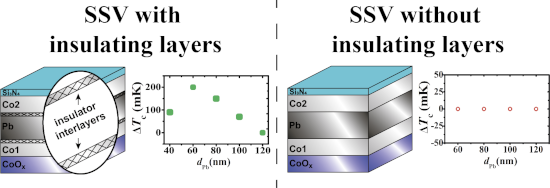
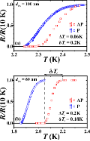
- to the quality of this interface in terms of its morphology, smoothness, and absence of intergrowth, which defines the mainstream approach in this field. At odds with this approach, a significant SSV effect of ΔTc ≈ 0.3 K in an FeNi/In/Ni heterostructure with intentionally oxidized F/S interfaces was



![[Graphic 6]](/bjnano/content/inline/2190-4286-15-41-i6.svg?max-width=637&scale=1.18182)
Heat-induced morphological changes in silver nanowires deposited on a patterned silicon substrate
Beilstein J. Nanotechnol. 2024, 15, 435–446, doi:10.3762/bjnano.15.39
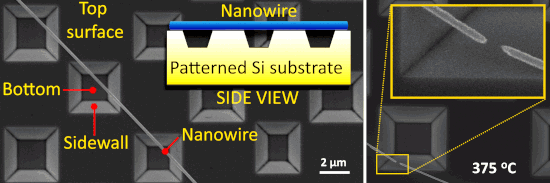
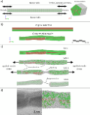
- Tool (OVITO) [42]. The system time step was 10 fs. More technical details can be found in Supporting Information File 1. Results and Discussion Heat treatment First heating scheme No significant changes in the morphology of Ag NWs were detected for heat-treatment temperatures up to 275 °C. Starting
- affect the outcome of the experiment since in any case defects caused by heating/cooling (hence, tensile compression) cycles will result in reduced thermal stability of the suspended part compared to the adhered part. Note that, as mentioned earlier, the morphology evolution in the adhered parts is


Potential of a deep eutectic solvent in silver nanoparticle fabrication for antibiotic residue detection
Beilstein J. Nanotechnol. 2024, 15, 426–434, doi:10.3762/bjnano.15.38
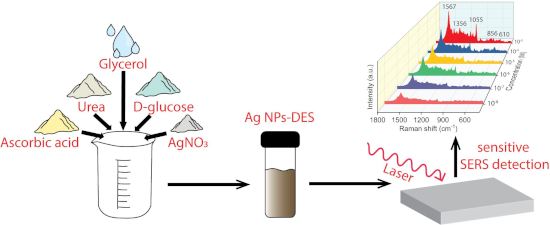
- scholars, the rod-like morphology is better than a spherical one at increasing the extinction coefficient, about 109 to 1011 M−1·cm−1 higher [43][44], which proves the applicability of Ag NPs-DES in SERS biosensors. Furthermore, X-ray fluorescence mapping was used to evaluate the presence of silver in the
- the nanostructure and surface morphology of the nanoparticles, as well as the elemental distribution of silver on the substrate, a S4800 field-emission scanning electron microscope purchased from Hitachi, Japan, and an M4 TORNADOPlus Micro X-ray fluorescence spectrometer with a Rh tube at 30 W micro


Classification and application of metal-based nanoantioxidants in medicine and healthcare
Beilstein J. Nanotechnol. 2024, 15, 396–415, doi:10.3762/bjnano.15.36
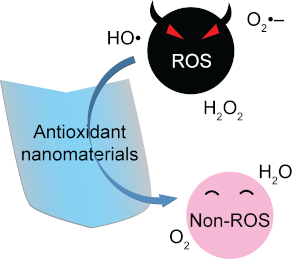
- natural antioxidants because of their high stability, easy storage, time effectiveness, and low cost. Also, progress in nanotechnology enables us to easily control size, morphology, surface coating, and chemical configuration, which are highly related to the antioxidant activities. The integration of
- natural and synthetic nanocarriers. Because of the advantages of synthetic nanocarriers regarding easier customization of size, surface properties, charge, and morphology, we will focus on synthetic nanocarriers. Various types of synthetic nanocarriers have been developed to deliver natural antioxidants
- collaboration between chemistry, biomedical fields, nanomaterials science, and physics is needed to accurately control the shape, size, and morphology of metal-based nanoantioxidants for more specific accumulation. Classification of antioxidant nanomaterials. Multi-antioxidant activities of ceria nanoplates. (a


Insect attachment on waxy plant surfaces: the effect of pad contamination by different waxes
Beilstein J. Nanotechnol. 2024, 15, 385–395, doi:10.3762/bjnano.15.35
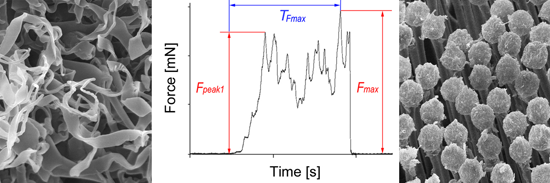
- Elena V. Gorb Stanislav N. Gorb Department of Functional Morphology and Biomechanics, Zoological Institute, Kiel University, Am Botanischen Garten 9, 24118 Kiel, Germany 10.3762/bjnano.15.35 Abstract This study focuses on experimental testing of the contamination hypothesis and examines how the
- projections in other plant species are dispersed rather uniformly and almost completely cover the surfaces. Data on the wax morphology are in line with our previous studies [7][34] for all plant species except B. oleracea, whose projections have been classified as terete rodlets. In later publications [19][36
- branches. Data on the dimension and aspect ratio given here for this plant species are related only to the branches, which are usually exposed to the environment, but not to the whole tubules. Attachment organs of the Chrysolina fastuosa male beetle General morphology The tarsus of C. fastuosa possesses




Investigating ripple pattern formation and damage profiles in Si and Ge induced by 100 keV Ar+ ion beam: a comparative study
Beilstein J. Nanotechnol. 2024, 15, 367–375, doi:10.3762/bjnano.15.33
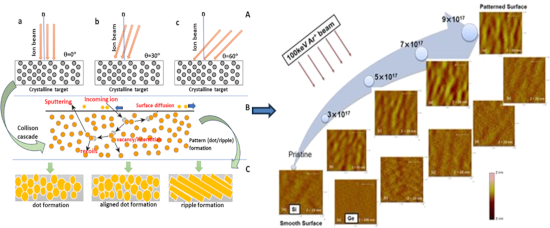
- performed on Si and Ge substrates. A correlation between ripple morphology and ion beam parameters was derived to understand the damage incurred by Ar+ ions inside both materials using RBS-c measurements. Experimental Details Commercially available Si and Ge wafers, procured from Semiconductor wafers Inc


Controllable physicochemical properties of WOx thin films grown under glancing angle
Beilstein J. Nanotechnol. 2024, 15, 350–359, doi:10.3762/bjnano.15.31
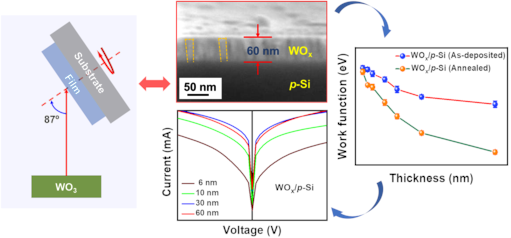
- sputtering for optoelectronic applications. A glancing angle of 87° is employed to grow films of different thicknesses, which are then exposed to post-growth annealing. Detailed local probe analyses in terms of morphology and work function of WOx films are carried out to investigate thickness-dependent
- −7 mbar). The thickness of the films was measured using a surface profilometer (Ambios, XP 200). The surface morphology of the as-deposited and the annealed films was acquired using tapping mode AFM (Asylum Research). AFM images were recorded at different places on each sample to confirm the film




Exploring the relationships between physiochemical properties of nanoparticles and cell damage to combat cancer growth using simple periodic table-based descriptors
Beilstein J. Nanotechnol. 2024, 15, 297–309, doi:10.3762/bjnano.15.27
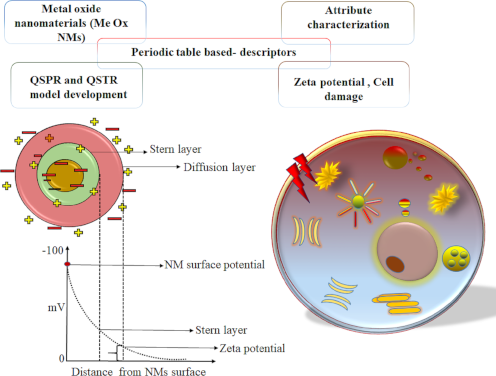
- solution. It is closely related to suspension stability and morphology. In metals, the zeta potential can be altered by altering pH, concentration, and conductivity of the components of NPs [10]. Zeta potential can provide information regarding the fate, behavior, and toxicity of NPs in the environment as


Ultrasensitive and ultrastretchable metal crack strain sensor based on helical polydimethylsiloxane
Beilstein J. Nanotechnol. 2024, 15, 270–278, doi:10.3762/bjnano.15.25
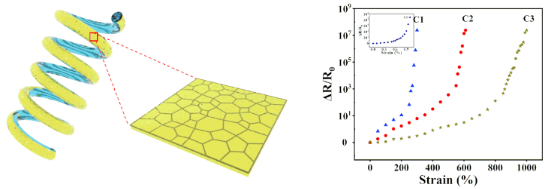
- cracks applied onto a helical elastomer substrate, with a specific focus on evaluating its electromechanical capabilities. Results and Discussion Morphology and structure Initially, the microcracks in the metal film overlap after straightening the helix and pre-stretching at a strain of 10%. Subsequently
- with PDMS. Parts of the experimental procedure are shown in Figure S6 (Supporting Information File 1). Characterization The surface morphology of the samples prepared in this study was examined through the utilization of scanning electron microscopy (SEM) (TESCAN MIRA3, Czech Republic) and an optical


Vinorelbine-loaded multifunctional magnetic nanoparticles as anticancer drug delivery systems: synthesis, characterization, and in vitro release study
Beilstein J. Nanotechnol. 2024, 15, 256–269, doi:10.3762/bjnano.15.24
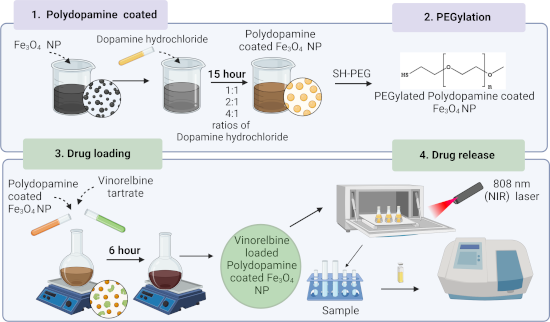
- customizable morphology [23][24]. Additionally, the photothermal conversion efficiency of PDA, PDA concentration, reaction time, and PDA thickness can be adjusted. Importantly, PDA exhibits a 40% photothermal conversion rate with excellent photothermal stability, indicating its significant potential as a NIR
- morphology and a size of 18 nm. After coating with PDA at different ratios, the size reaches up to 28, 61, and 225 nm. Another point is that PEGylation has been applied using SH-PEG polymer to enhance biocompatibility. Notably, our study demonstrates a significantly higher drug loading efficiency of 98
- , 2:1, and 4:1) and the cumulative drug release were determined by calculating according to Equations 2–4 utilizing the absorbance values obtained from UV–vis spectrophotometer and calibration curves. Characterization The morphology of the synthesized nanoparticles was determined with a high


Quantitative wear evaluation of tips based on sharp structures
Beilstein J. Nanotechnol. 2024, 15, 230–241, doi:10.3762/bjnano.15.22
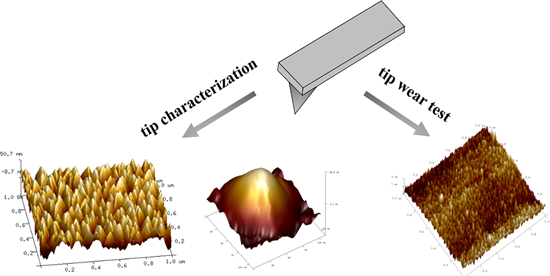
- structures is proposed. This research explored the wear of AFM tips during tapping mode and examined the effects of scanning parameters on estimated tip diameter and surface roughness. The experiment results show that the non-destructive method for measuring tip morphology is highly repeatable. Additionally
- , a set of principles for optimizing scanning parameters has been proposed. These principles consider both scanning precision and tip wear. To achieve these results, an AFM probe was used to scan sharp structures, precisely acquiring the tip morphology. Tip wear was minimized by employing lower
- data generation [10][11]. Although tip wear is inevitable, optimizing scanning parameters and understanding the wear process can effectively reduce the wear rate [12]. It is essential to accurately determine the tip morphology and analyze the impact of the scanning parameters on tip wear [13]. There




Graphene removal by water-assisted focused electron-beam-induced etching – unveiling the dose and dwell time impact on the etch profile and topographical changes in SiO2 substrates
Beilstein J. Nanotechnol. 2024, 15, 190–198, doi:10.3762/bjnano.15.18
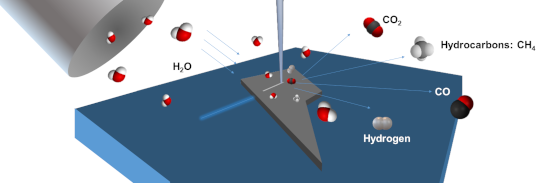
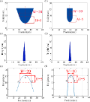
- exposed lines for all used dose values and dwell times (Figure 1C.i–iii), whose origin we discuss further in the subsequent section of the manuscript. The SEM and in situ AFM signals (Figure 1B, Figure 1C) are integrated into CPEM data, which yields additional insight into the substrate morphology. Apart


Nanocarrier systems loaded with IR780, iron oxide nanoparticles and chlorambucil for cancer theragnostics
Beilstein J. Nanotechnol. 2024, 15, 180–189, doi:10.3762/bjnano.15.17
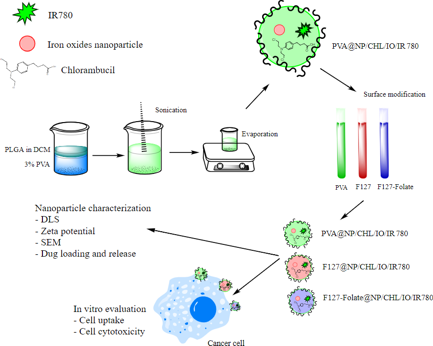
- assay, and the absorbance was read at 562 nm (Biotek ELX800, Agilent, USA). Results The morphology, size, and zeta potential of the particles The hydrodynamic size of the three types of NPs (Figure 1A) ranged from 245 ± 11 nm to 246 ± 2 nm with the polydispersity index (PDI) smaller than 0.12, which


Modification of graphene oxide and its effect on properties of natural rubber/graphene oxide nanocomposites
Beilstein J. Nanotechnol. 2024, 15, 168–179, doi:10.3762/bjnano.15.16
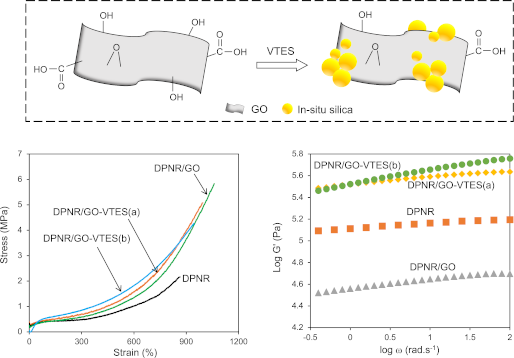
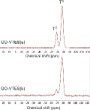
- investigated by 29Si NMR, and it was found that the hydrolysis and condensation of VTES proceed more completely in basic conditions than in acidic conditions. The silica content of GO-VTES(b) was 43%, which is higher than that of GO-VTES(a) (8%). Morphology of silica was observed by SEM. The DPNR/GO-VTES
- conditions to determine the ideal condition to modify GO for grafting onto NR. The GO-VTES products were characterized using X-ray diffraction (XRD), contact angle, 29Si NMR, Fourier-transform infrared spectroscopy (FTIR), and morphology analysis. The GO-VTES was expected to improve the mechanical properties
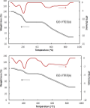
- gravimetric analysis (TGA) of the samples was performed on a TA Q500 instrument. The temperature was increased at a heating rate of 10 °C /min from room temperature to 900 °C in air atmosphere. The morphology of the DPNR/GO-VTES was observed with field-emission scanning electron microscopy (FE-SEM) performed






CdSe/ZnS quantum dots as a booster in the active layer of distributed ternary organic photovoltaics
Beilstein J. Nanotechnol. 2024, 15, 144–156, doi:10.3762/bjnano.15.14
- observed in our study. Atomic force microscopy Surface examinations of the sample mixtures were performed. Figure 7 illustrates the surface morphology in a two-dimensional format. Three-dimensional images of the surface are in Supporting Information File 1, Figure S1. The roughness profile parameters for
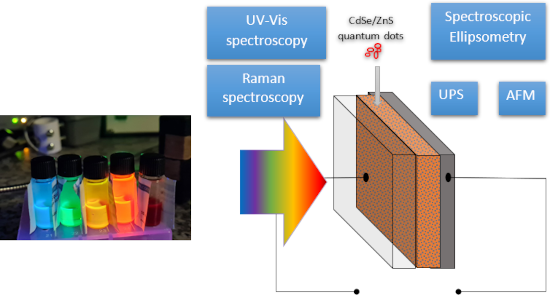
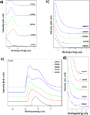
- wavelengths. The maximum refractive indices values for layers with QDs were lower than those for pure P3HT:PC71BM. An increase in the roughness of the active layers with additives used in ternary solar cells was determined using surface morphology studies. The HOMO and LUMO levels of the studied nanodots were




Assessing phytotoxicity and tolerance levels of ZnO nanoparticles on Raphanus sativus: implications for widespread adoptions
Beilstein J. Nanotechnol. 2024, 15, 115–125, doi:10.3762/bjnano.15.11

- (Figure 1c) shows significant absorption peaks at 545, 718, 902, 2028, and 2159 cm−1. The UV–vis spectrum of synthesized ZnO-NPs displays a broad band at 362 nm (Figure 1d). The SEM images (Figure 1e) confirmed that ZnO NPs have spherical morphology with an average diameter of 70 nm. Phytotoxicity of ZnO
- < 0.05). Even though the Zn internalization was increased by 27.4% (0.46 mg Zn g−1 DW) in the R. sativus seedlings treated with 1000 mg/L of ZnO NPs, without showing any adverse effects on morphology (Figure 5b) compared to that of the control, this increment was not significant (p > 0.05). Discussion


Development and characterization of potential larvicidal nanoemulsions against Aedes aegypti
Beilstein J. Nanotechnol. 2024, 15, 104–114, doi:10.3762/bjnano.15.10
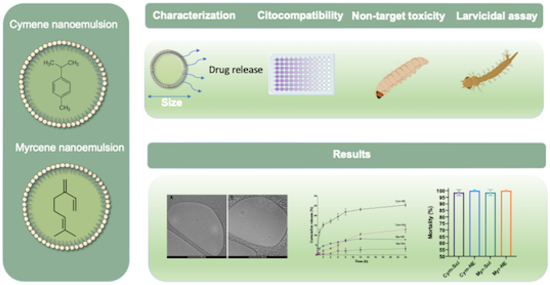
- were observed with cryo-TEM [39]. This technique is widely used to characterize the morphology of nanoemulsions and faithfully confirms the results obtained with other techniques [40]. In vitro drug release One potential advantage of using NEs is their ability to enhance drug solubility and


New application of bimetallic Ag/Pt nanoplates in a colorimetric biosensor for specific detection of E. coli in water
Beilstein J. Nanotechnol. 2024, 15, 95–103, doi:10.3762/bjnano.15.9

- lambda 25 UV–vis spectrometer was employed for UV–vis absorption measurement in the range of 200–800 nm. The morphology and shape of NPLs were studied using a field-emission scanning electron microscope (Supra 400VP, Zeiss, Oberkochen, Germany). Dynamic light scattering experiments were carried out at


Berberine-loaded polylactic acid nanofiber scaffold as a drug delivery system: The relationship between chemical characteristics, drug-release behavior, and antibacterial efficiency
Beilstein J. Nanotechnol. 2024, 15, 71–82, doi:10.3762/bjnano.15.7

- cytotoxicity test revealed that the BBR NPs/PLA nanofiber scaffold did not induce any changes in morphology and proliferation of MA-104 cell monolayers. It suggests that the BBR/PLA and BBR NPs/PLA nanofiber scaffolds can be used in different biomedical applications, such as wound dressing, drug delivery
- this scaffold could prolong the release of BBR up to 27 days (81.4 wt %). The difference in BBR release profiles of these nanofiber scaffolds can be attributed to the difference in chemical characteristics of the polymer matrix, the content of BBR in the nanofibers, and the morphology of the nanofibers
- -based drug delivery systems for specific applications. Result and Discussion Morphology of PLA and BBR-loaded PLA nanofiber scaffolds In order to evaluate the distribution of BBR compositions in the electrospun PLA nanofibers, the morphology of BBR powder, BBR NPs, and electrospun nanofibers was


Influence of conductive carbon and MnCo2O4 on morphological and electrical properties of hydrogels for electrochemical energy conversion
Beilstein J. Nanotechnol. 2024, 15, 57–70, doi:10.3762/bjnano.15.6
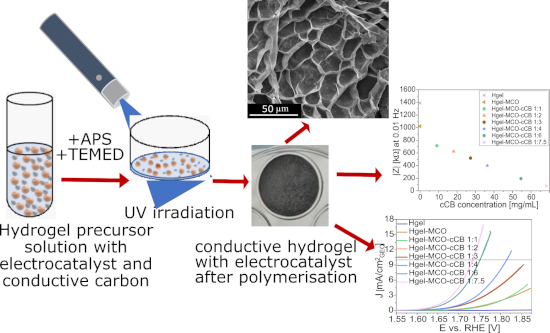
- the morphology also facilitates the penetration by the electrolyte, the diffusion of ions to electroactive sites, and the rapid release of the reaction, thus promoting the kinetics of the reaction and achieving higher efficiency of the catalyst built into the 3D structure [19]. The hydrogel matrix
- structures were examined in terms of their morphology, electrical properties, and catalytic layers in the OER process. Results and Discussion Characterisation of hydrogel-based polymer composites with dispersed catalytic and conductive particles Scanning electron microscopy (SEM) analysis of hydrogel samples


Curcumin-loaded nanostructured systems for treatment of leishmaniasis: a review
Beilstein J. Nanotechnol. 2024, 15, 37–50, doi:10.3762/bjnano.15.4

- mannose-conjugated curcumin–chitosan nanoparticles (curc-MCNPs) intended for visceral leishmaniasis [50]. The selected nanoparticles (curc-MCNPs) presented spherical morphology, hydrodynamic mean particle size of 215 nm, PdI of 0.381, zeta potential of +24.37 mV, and entrapment efficiency of 82.12%. Curc
- combination therapy. The authors functionalized the surface of PLGA-NPs with Eudragit L30D, a polymer that provides pH-dependent drug release and significantly improved targeted action, thus increasing the efficacy of the drug [45]. Curc-E-PLGA-NPs showed spherical morphology, with a hydrodynamic mean
- curc-coated gold nanoparticles (curc-AuNPs) against L. major [125]. The NPs showed spherical morphology, particle size of 22 nm, and adequate polydispersity. Curc-AuNPs revealed IC50 values against L. major promastigotes of 64.79 μg/mL and 29.89 μg/mL in 24 h and 48 h, respectively. Additionally, they





