Search results
Search for "toxicity" in Full Text gives 421 result(s) in Beilstein Journal of Nanotechnology. Showing first 200.
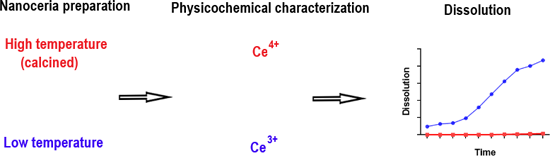
The preparation temperature influences the physicochemical nature and activity of nanoceria
Beilstein J. Nanotechnol. 2021, 12, 525–540, doi:10.3762/bjnano.12.43
- -body combined chronic toxicity/carcinogenicity inhalation study in female rats exposed to 0, 0.1, 0.3, 1, or 3 mg/m3 NM-212, six hours daily on five consecutive working days per week (EU FP7 project ‘NANoREG’, Grant Agreement number 310584). Lung cerium burden after three, twelve, and 24 months of




A review on nanostructured silver as a basic ingredient in medicine: physicochemical parameters and characterization
Beilstein J. Nanotechnol. 2021, 12, 440–461, doi:10.3762/bjnano.12.36

- various bacteria and viruses including the SARS-CoV-2 was analyzed in order to understand its effectiveness as an antimicrobial agent with therapeutic efficacy and low toxicity. Further, there is the need to characterize AgNPs and quantify the content of free Ag+ for the implementation of new systematic
- agents responsible for the toxicity of silver and argyria in our body. When Ag+ enters the bloodstream, it is transported bound to albumin and thiol groups. When it reaches a region close to the skin, in areas affected by light, it can easily be photoreduced to AgNPs, which are then immobilized in the
- toxicity and improved efficacy [86]. In vivo and in vitro studies have demonstrated the efficacy of AgNPs in treating neglected diseases, such as dengue [87][88], leishmaniasis [89][90][91][92], malaria [93][94][95], schistosomiasis [96][97], and trypanosomiasis (Chagas disease) [98][99]. Mechanism of


The impact of molecular tumor profiling on the design strategies for targeting myeloid leukemia and EGFR/CD44-positive solid tumors
Beilstein J. Nanotechnol. 2021, 12, 375–401, doi:10.3762/bjnano.12.31

- toxicity and lack of efficacy (resistance). Nevertheless, the application of cytotoxic chemotherapeutics (e.g., daunorubicin and cytarabine), with or without HSCT, still remains the backbone of treatment for AML [6][7]. All chemotherapy agents interfere somehow with the DNA replication process or with cell
- can lead to side effects, mainly diarrhea and skin toxicity [15]. Also, all TKIs have short half-lives (in the case of imatinib and its main metabolite 18 and 40 h, respectively) and require daily dosing. More importantly, similar to the traditional cytotoxic agents, resistance to TKIs and early
- localization of the functionalized nanoparticles relative to the non-functionalized nanoparticles. Additionally, the loaded PLGA–PEG–alendronate nanoparticles demonstrated satisfactory results in myeloma growth inhibition and overall survival of the murine models. Considering the toxicity of bortezomib


Doxorubicin-loaded gold nanorods: a multifunctional chemo-photothermal nanoplatform for cancer management
Beilstein J. Nanotechnol. 2021, 12, 295–303, doi:10.3762/bjnano.12.24
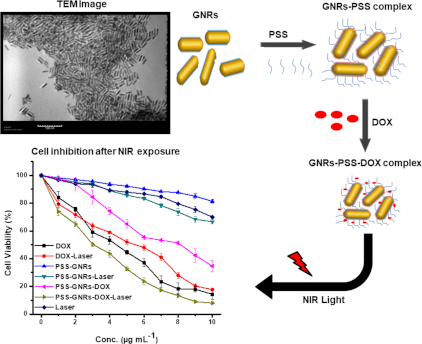
- control is triggered under local hyperthermic conditions induced by NIR laser irradiation. Heat from the GNR surface not only promotes drug delivery into the tumor, but also increases the drug toxicity to tumor cells by the hyperthermic effect. A significantly higher cell death rate was achieved in the
- DOX [35]. Similarly, a study showed an improved toxicity of DOX-loaded DNA-wrapped gold nanoparticles in drug-resistant cancer cells [36]. Our results are opposite to this study, it might be due to the higher sensitivity of HepG2 cells to DOX, which could induce more toxicity of free drug compared to


Characterization, bio-uptake and toxicity of polymer-coated silver nanoparticles and their interaction with human peripheral blood mononuclear cells
Beilstein J. Nanotechnol. 2021, 12, 282–294, doi:10.3762/bjnano.12.23

- , Columbia, SC, 29208, United States 10.3762/bjnano.12.23 Abstract Silver nanoparticles (AgNPs) are widely used in medical applications due to their antibacterial and antiviral properties. Despite the extensive study of AgNPs, their toxicity and their effect on human health is poorly understood, as a result
- of issues such as poor control of NP properties and lack of proper characterization. The aim of this study was to investigate the combined characterization, bio-uptake, and toxicity of well-characterized polyvinylpyrrolidone (PVP)-coated AgNPs in exposure media during exposure time using primary
- . Cytotoxicity, using LDH and MTS assays and based on exposure concentrations was not significantly different when comparing NPs and Ag ions. Based on differential uptake, AgNPs were more toxic after normalizing toxicity to the amount of cellular Ag uptake. Our data highlights the importance of correct synthesis



Differences in surface chemistry of iron oxide nanoparticles result in different routes of internalization
Beilstein J. Nanotechnol. 2021, 12, 270–281, doi:10.3762/bjnano.12.22

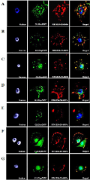
- , determines the toxicity of NPs, and affects geometry and size of NPs, which play a crucial role in cellular uptake [38][39]. Despite nearly identical magnetite core size, hydrodynamic size, and zeta potential of the MNPs in the stock solution, the hydrodynamic size of PEG-SO-MNPs in culture medium was almost



A review on the biological effects of nanomaterials on silkworm (Bombyx mori)
Beilstein J. Nanotechnol. 2021, 12, 190–202, doi:10.3762/bjnano.12.15

- , there are a few concerns regarding the safety of their application to the environment, in humans, and in experimental models. Some studies have shown that some nanomaterials exhibit toxicity to tissues and organs of the silkworm, while other nanomaterials exhibit therapeutic properties. This review
- zebrafish hatching enzyme 1 (ZHE1), which caused a delay in the hatching of zebrafish embryos by 50% following its exposure to copper oxide (CuO). The group of d’Amora [51] compared the toxicity of oxidized carbon nano-onions, oxidized carbon nano-horns, and graphene oxide on the development of zebrafish
- studying cellular toxicity, response to new drugs [78] and environmental pollution. Silkworm (Bombyx mori) is an invertebrate insect widely used as a model organism in life sciences [79] since it has diverse mutant strains, a complete genome sequenced, and a protein database available [80][81]. There are


A review on the green and sustainable synthesis of silver nanoparticles and one-dimensional silver nanostructures
Beilstein J. Nanotechnol. 2021, 12, 102–136, doi:10.3762/bjnano.12.9
- physicochemical characteristics of AgNPs can be tuned in a way to avoid cellular toxicity [71][74][75], which facilitates their biomedical applications. The small size of AgNPs (<100 nm) allows them to accumulate on the extracellular membrane of the bacteria and penetrate inside, which alters the membrane
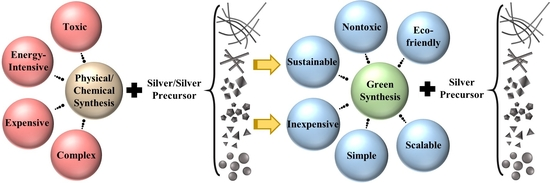
- distribution and can synthesize particles with small size, there are some major disadvantages regarding these methods. Additionally, toxicity and hazards can result from using these chemical substances. For instance, hydrazine and its derivative compounds (e.g. hydrazine hydrate) serve as a strong reductant in
- nanoparticles. The main purpose of such methodologies is to minimize environmental toxicity and health-related hazards [104][214][251][252][253]. In most green silver nanostructure synthesis processes, the reduction of Ag+ to Ag0 is performed either by biological species or by bio-based compounds derived from a


Effect of different silica coatings on the toxicity of upconversion nanoparticles on RAW 264.7 macrophage cells
Beilstein J. Nanotechnol. 2021, 12, 35–48, doi:10.3762/bjnano.12.3

- chemical inertness and relatively low toxicity are also claimed advantages [7][10][11]. Due to these unique features, UCNPs have already been used in medical and biological applications, such as multimodal bioimaging, drug delivery, photodynamic therapy, and biosensing [9][12][13][14][15][16][17]. However
- that even a thin silica coating shell of <2 nm or of 5 nm can already reduce the luminescence quenching of UCNPs in an aqueous dispersion [19]. Besides, several studies revealed that silica-coated UCNPs have a low toxicity in vitro and in vivo compared with other nanoparticles [7][11][39]. Amorphous
- nanoparticles in polymer shells decreases with incubation time due to the occurrence of proliferation and exocytosis [65]. Such effects can be related to the functionalization and size of the nanoparticles as well as to ion release, and modulate the toxicity of lanthanide-containing particles as a function of


Unravelling the interfacial interaction in mesoporous SiO2@nickel phyllosilicate/TiO2 core–shell nanostructures for photocatalytic activity
Beilstein J. Nanotechnol. 2020, 11, 1834–1846, doi:10.3762/bjnano.11.165
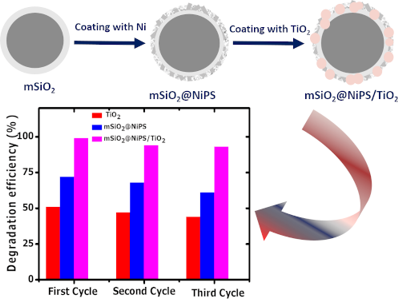
- inertness, low cost, and non-toxicity, titanium dioxide (TiO2) has been widely used as a photocatalyst in the degradation of dyes in textile industries as well as in water-treatment systems [5][6]. There are three different phases of TiO2, namely anatase, rutile, and brookite. Compared to the rutile and


PEG/PEI-functionalized single-walled carbon nanotubes as delivery carriers for doxorubicin: synthesis, characterization, and in vitro evaluation
Beilstein J. Nanotechnol. 2020, 11, 1728–1741, doi:10.3762/bjnano.11.155
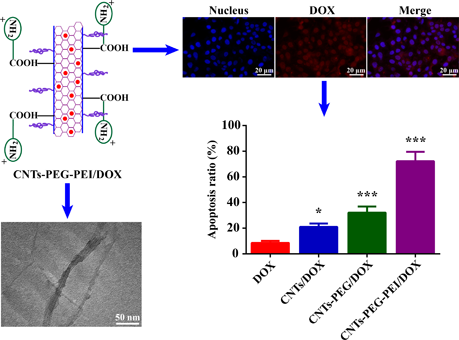
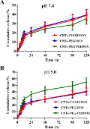
- groups on their surface, which leads to higher toxicity [6]. The IC50 values of the different carriers also suggest that the carboxylated and functionalized CNTs are more biocompatible. This result indicates that acidification treatment and the resulting enhancement of water dispersion yields more




High-responsivity hybrid α-Ag2S/Si photodetector prepared by pulsed laser ablation in liquid
Beilstein J. Nanotechnol. 2020, 11, 1596–1607, doi:10.3762/bjnano.11.142

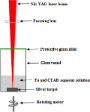
- narrow direct optical energy gap, which ranges from 0.96 to 1.1 eV at room temperature. Ag2S has good chemical stability, low toxicity, and high optical absorption [4]. According to the growth temperature, Ag2S has three phases: monoclinic α-Ag2S (acanthite), β-Ag2S (argentite), and the stable γ-Ag2S [5




Magnetic-field-assisted synthesis of anisotropic iron oxide particles: Effect of pH
Beilstein J. Nanotechnol. 2020, 11, 1230–1241, doi:10.3762/bjnano.11.107
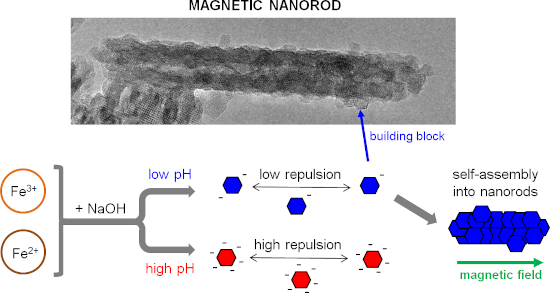
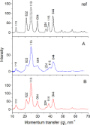
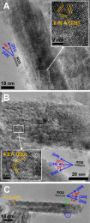
- synthesis and investigation of anisotropic magnetic nanomaterials has received much attention in the last years [1][2][3]. Among different magnetic nanomaterials, iron oxides and hydroxides are of particular interest because of their high magnetization capability, availability, low toxicity and





Influence of the magnetic nanoparticle coating on the magnetic relaxation time
Beilstein J. Nanotechnol. 2020, 11, 1207–1216, doi:10.3762/bjnano.11.105
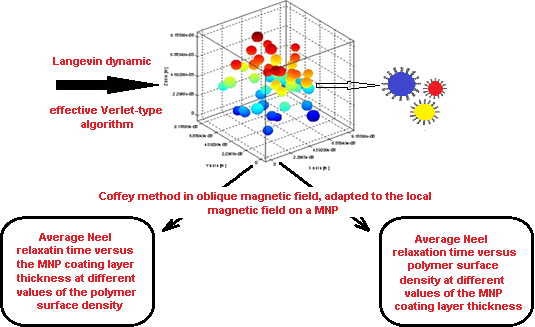
- synthesized in small dimensions, which ensures low toxicity and the possibility for easy surface functionalization. A common method for synthesising iron-oxide nanoparticles includes chemical co-precipitation, which involves the simultaneous precipitation of magnetic nanoparticles and a solid matrix through a
- other hand, organic coating (particularly polymers) has a number of advantages over inorganic coating, such as better particle dispersion, good colloidal stability, biocompatibility, good nanoparticle circulation in the blood, reduced toxicity and low risk of blood capillary obstruction. In the last


Photothermally active nanoparticles as a promising tool for eliminating bacteria and biofilms
Beilstein J. Nanotechnol. 2020, 11, 1134–1146, doi:10.3762/bjnano.11.98

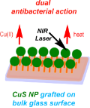
- intensively studied within the broad spectrum of existing nanomaterials [10][11][12][13][14][15]. However, the low stability (even at physiological pH levels) and the potential toxicity of Ag NPs limit their application [7][16]. Moreover, the results regarding the efficiency of Ag NPs in preventing biofilm
- demonstrated that the photothermally induced local heat, triggered by the irradiation at 808 nm and 1.2 W/cm2, accelerates the release and penetration of ions into bacteria, resulting in an alteration of the intracellular metabolic pathways and causing bacterial death without a systemic toxicity. In the latest
- the published studies are devoted to the use of expensive plasmonic gold nanoparticles, whose accumulation in the body is still controversial and may lead to several adverse effects. In this direction, nanoparticle toxicity must also be studied carefully. For example, a few studies demonstrated the


Gram-scale synthesis of splat-shaped Ag–TiO2 nanocomposites for enhanced antimicrobial properties
Beilstein J. Nanotechnol. 2020, 11, 1119–1125, doi:10.3762/bjnano.11.96
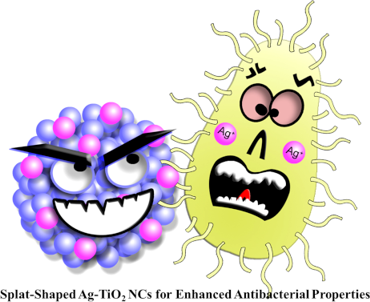
- antibiotics, leading to environmental toxicity and damage of target organs in the human body [1]. Also, these materials rapidly dissolve in the human body creating numerous clinical risks [2][3]. In spite of the desirable antibacterial properties, the traditional quaternary ammonium salts (QASs) and the
- . Particularly, metal and metal-oxide-based disinfectants containing inorganic nanoparticles (NPs) have been broadly used since they simultaneously reduce the toxicity risk related to the organic materials and control the bacterial resistance against antibiotics [8]. Among the various types of nanomaterials
- specifically, Ag NPs have been widely used in many fields, such as dental filling, wound dressing, water treatment and textile fabrics [12][13]. However, issues have been raised concerning Ag-associated genotoxicity and cytotoxicity in human cells [14]. To solve these toxicity problems, nanocomposite materials


Applications of superparamagnetic iron oxide nanoparticles in drug and therapeutic delivery, and biotechnological advancements
Beilstein J. Nanotechnol. 2020, 11, 1092–1109, doi:10.3762/bjnano.11.94
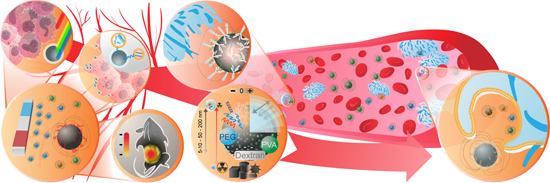
- therapeutic efficacy, and safety studies. Keywords: drug delivery; drug targeting; endocytosis; medical; nanoparticles; superparamagnetic iron oxide nanoparticles (SPIONs); toxicity; Introduction Nanoencapsulation technologies have been researched over the past several decades and have been widely
- invested nowadays in developing coatings with certain characteristics, depending on the final application (e.g., biocompatibility/low toxicity, targeting a certain cell/compartment/molecule, or stability in biological fluids) [16]. SPIONs are superparamagnetic, which means that they are small enough to
- spherical ones for MRI, having increased contrast and no toxicity in vitro and in vivo [61]. Iron oxide nanoworms were found to be a better solution for targeting tumors (in vitro) and for accumulation in tumors (in vivo) than simple spherical SPIONs [62]. Dimensions: synthesis dimension and hydrodynamic


A few-layer graphene/chlorin e6 hybrid nanomaterial and its application in photodynamic therapy against Candida albicans
Beilstein J. Nanotechnol. 2020, 11, 1054–1061, doi:10.3762/bjnano.11.90

- of new ways of applying PDT. More studies must be done in order to determine the toxicity of this new generation of nanostructured photosensitizers, such as the hybrid nanomaterial presented in this work. However, immediate applications of the hybrid nanomaterial, for example, the coating of medical


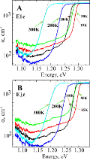
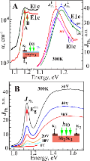
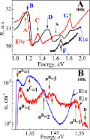
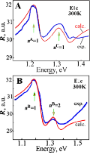
Excitonic and electronic transitions in Me–Sb2Se3 structures
Beilstein J. Nanotechnol. 2020, 11, 1045–1053, doi:10.3762/bjnano.11.89

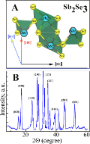
- to 2–3 eV. The crystalline structure of Sb2Se3 is quite uniform and stable which minimizes the energy loss due to radiation [3][7][8]. In combination, the binary arrangement (Sb, Se), high crystalline stability, low toxicity and low deposition temperature (melting point ≈611 °С) reduce the production

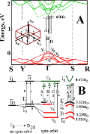

Uniform Fe3O4/Gd2O3-DHCA nanocubes for dual-mode magnetic resonance imaging
Beilstein J. Nanotechnol. 2020, 11, 1000–1009, doi:10.3762/bjnano.11.84

- Gd-DTPA (gadolinium diethylenetriaminepentacetate), are highly advantageous for diagnostic imaging, since they generate bright images, the renal toxicity of Gd-based contrast agents should not be ignored [18][19]. On the other hand, T2 contrast agents, such as Fe3O4 nanoparticles, have a lower
- toxicity in comparison to T1 contrast agents but might cause artifacts that can disturb anatomical imaging and affect diagnostic accuracy. Since T1 and T2 contrast agents pose challenges when used alone in MRI, researchers are starting to focus their efforts on developing strategies to combine T1 and T2
- MR imaging [24][25][26]. In the present study, the fabrication of novel nanocubes with uniformly distributed Fe3O4/Gd2O3 and better MRI contrast was reported. These novel nanocubes were coated with 3,4-dihydroxyhydrocinnamic acid (DHCA), which has a higher exchange efficiency and a lower toxicity in

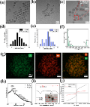

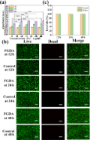

Wet-spinning of magneto-responsive helical chitosan microfibers
Beilstein J. Nanotechnol. 2020, 11, 991–999, doi:10.3762/bjnano.11.83

- polysaccharides such as alginate, hyaluronic acid or chitosan, are widely used as biocompatible materials since they are biochemically similar to the native extracellular matrix (ECM) [16]. Chitosan is a biopolymer that combines excellent biocompatibility, low toxicity and antibacterial properties with a low


Key for crossing the BBB with nanoparticles: the rational design
Beilstein J. Nanotechnol. 2020, 11, 866–883, doi:10.3762/bjnano.11.72
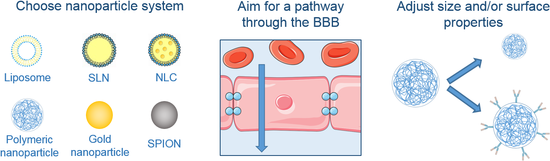
- particles as it was shown to be able to increase the apolipoprotein–nanoparticle interaction for a wide range of polymers without any toxicity to the BBB. However, alternatives, such as P188, exist. Furthermore, the efficacy of the coating is also influenced by the composition of the nanoparticle core, i.e
- therefore their brain delivery is reduced [133]. Furthermore, attention should be given to the toxicity of cationic nanoparticles, as they may alter cell membranes during adsorption. For instance, cationic gold nanoparticles have been shown to be 27 times more cytotoxic than their negative counterparts, due
- interesting properties. They can be easily synthetized and coated or conjugated to carry various cargos, from small molecules to proteins and nucleic acids [174]. Furthermore, AuNPs show low immunogenicity and toxicity due to their inert core [78]. Finally, AuNPs could be used as X-ray contrast agent if their


Luminescent gold nanoclusters for bioimaging applications
Beilstein J. Nanotechnol. 2020, 11, 533–546, doi:10.3762/bjnano.11.42
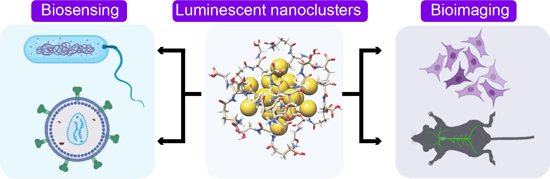
- , semiconductor quantum dots suffer from toxicity and are susceptible to oxidation. In this context, atomically precise gold nanoclusters protected by thiol monolayers have emerged as a new class of luminescent nanomaterials. Low toxicity, bioavailability, photostability as well as tunable size, composition, and
- therapy [93]. The toxicity studies using human oesophageal squamous cancer cells (EC1) showed that when [Au8(C21H27O2)8] was used at a concentration near its IC10 value, the luminescence of the incubated samples increased from 0 to 8 h. The luminescence, however, disappeared after 24 h indicating
- internalization of NCs in Kupffer cells. Histological studies of the organs revealed that there are no necrotic cells or atrophic tubes or specific immunogenic infiltration between 5 and 24 h post-injection. This indicates that there is no acute toxicity. X-ray tomography confirmed the uniform distribution of Au


Multilayer capsules made of weak polyelectrolytes: a review on the preparation, functionalization and applications in drug delivery
Beilstein J. Nanotechnol. 2020, 11, 508–532, doi:10.3762/bjnano.11.41
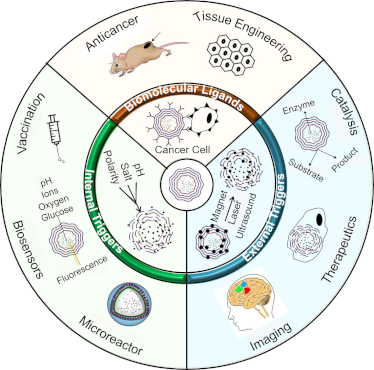
- to be low-fouling to various proteins and negligibly cytotoxic. In a related work, the PEG-based films and capsules fabricated with redox responsive moieties via disulfide linkage showed high stability in biological buffers, low toxicity to human cells and low fouling characteristics [96]. Similar
- components have been utilized to functionalize capsules in many ways. Hollow capsules of approximately 400 nm in size with negligible toxicity to cells were reported by the oxidative self-polymerization of dopamine solution onto silica particles [114]. The thickness of multilayer films is comparable to the



Nanoparticles based on the zwitterionic pillar[5]arene and Ag+: synthesis, self-assembly and cytotoxicity in the human lung cancer cell line A549
Beilstein J. Nanotechnol. 2020, 11, 421–431, doi:10.3762/bjnano.11.33

- toxicity of Ag+ ions, multicore complexes prepared on the basis of macrocyclic ligands [9][10][11][12][13] and silver ions are of greatest interest. The ability of macrocyclic systems to form supramolecular associates, due to noncovalent interactions with Ag+, can reduce toxicity and preserve the
- derivatives of decasubstituted pillar[5]arenes containing sulfobetaine fragments in their structure as target structures. It was shown that the introduction of such zwitterionic fragments into the structure leads to toxicity reduction [21], an increase in the solubility of substances in water [22] and ensures
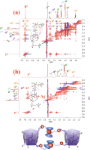
- macrocycle 3, in the presence of an excess of AgNO3, stable nanoparticles are formed, we further studied the ability of the 3/Ag+ associates to reduce the toxicity of Ag+ for eukaryotic cells. We first carried out the calculation of the minimum inhibitory concentration for silver ions. The minimum inhibitory