
Search results
Search for "aluminium" in Full Text gives 156 result(s) in Beilstein Journal of Nanotechnology.
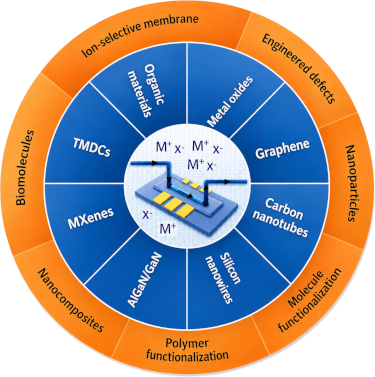
Materials challenges in solid-state sensors for continuous monitoring of ions in water
Beilstein J. Nanotechnol. 2026, 17, 935–973, doi:10.3762/bjnano.17.66


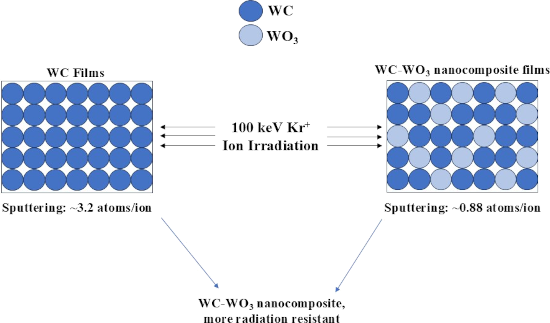
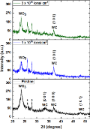
Enhanced erosion resistance and radiation stability of WC–WO3 nanocomposite films under 100 keV Kr+ ion irradiation
Beilstein J. Nanotechnol. 2026, 17, 922–934, doi:10.3762/bjnano.17.65
- (IUAC), New Delhi. In case of S1, the irradiations were performed at three fluences viz. 1 × 10¹⁶, 3 × 10¹⁶, and 1 × 10¹⁷ ions/cm2, while for S2, the irradiation was performed at the highest fluence of 1 × 10¹⁷ ions/cm2. During the irradiation one half of the films was covered with aluminium foil, such



Decontamination from water pollutants and pathogens by electrospun nanofibers doped with heavy-atom-free borafluorene-BODIPY photosensitizers
Beilstein J. Nanotechnol. 2026, 17, 668–682, doi:10.3762/bjnano.17.46
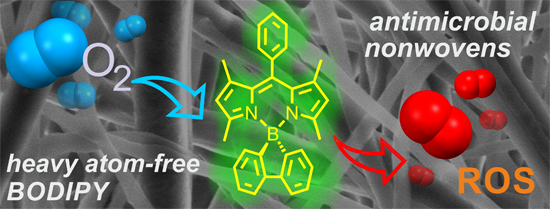
- shielded from light. Irradiation was performed with 26 W white-light LEDs glued to an aluminium plate (20 × 23 cm) mounted on threaded legs (Figure S6, Supporting Information File 1). In all experiments, the distance between the light source and the plate was fixed at 10 cm, ensuring homogeneous light

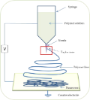
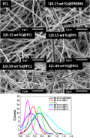


Nanocarrier-integrated multilayer films produced by 3D printing for improved skin adhesion and curcumin photostability
Beilstein J. Nanotechnol. 2026, 17, 440–453, doi:10.3762/bjnano.17.30
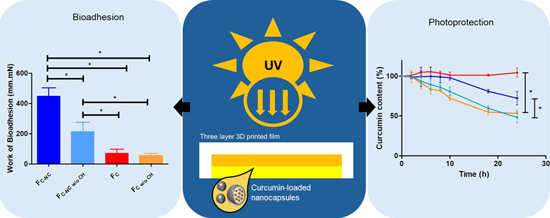
- CH and FC w/o CH, n = 3) was also evaluated using porcine ear skin as model. The ears were donated by Ouro do Sul Cooperative, Harmonia, Rio Grande do Sul, Brazil. The ear skins were cut, removing the hair and adipose tissue. The skins were stored in aluminium foil at −20 °C until the day of the


Nanoinformatics: spanning scales, systems and solutions
Beilstein J. Nanotechnol. 2026, 17, 423–427, doi:10.3762/bjnano.17.28
- reactivity [3]. Amini et al. combined atomistic molecular dynamics, a coarse-grained model of protein adsorption, and kinetic Monte Carlo simulations to predict the protein corona composition formed on aluminium surfaces with different crystal faces, (i.e., (100), (110), and (111)) from a simplified model of

Eco-efficient materials for agricultural crops based on a mineral rich in MOR- and HEU-type zeolites
Beilstein J. Nanotechnol. 2026, 17, 381–395, doi:10.3762/bjnano.17.26
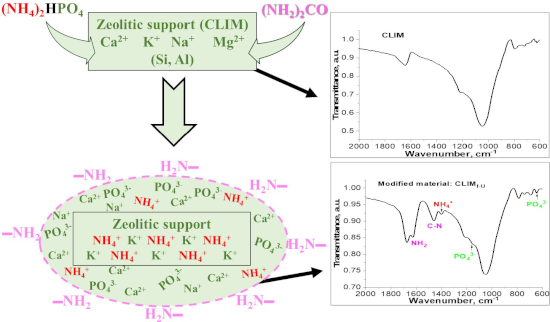
- formed by silicon and aluminium tetrahedra connected through their vertices by bridging oxygen atoms. This arrangement forms a network of interconnected channels and cavities with a large surface area, where water molecules and mobile cations (Na+, K+, Ca2+, Mg2+) are located to neutralize the excess
- modified with DAP) samples show characteristic zeolite bands in the 620–1214 cm−1 region, which are associated with the silicon and aluminium tetrahedral groups (SiO4 and AlO4) of the crystal lattice of MOR and HEU. The bands in the 3400–3600 cm−1 region are attributed to water molecules coordinated with




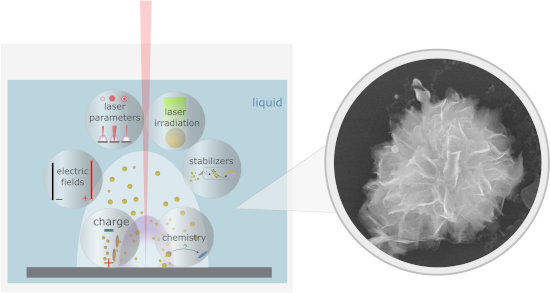
Beam shaping techniques for pulsed laser ablation in liquids: Unlocking tunable control of nanoparticle synthesis in liquids
Beilstein J. Nanotechnol. 2026, 17, 309–342, doi:10.3762/bjnano.17.22







Visualizing nanostructures in supramolecular hydrogels: a correlative study using confocal and cryogenic scanning electron microscopy
Beilstein J. Nanotechnol. 2025, 16, 2274–2284, doi:10.3762/bjnano.16.156
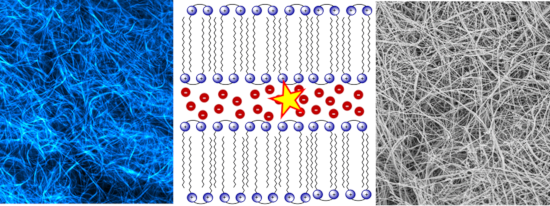
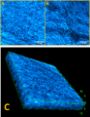
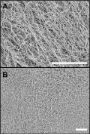
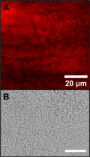
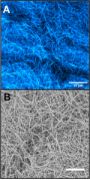
- was not compressed with another glass plate. Cryo-SEM imaging Cryo-SEM was carried out using a Zeiss Crossbeam 550 fitted with a Quorum 3010T cryo-stage and preparation chamber. Samples were prepared for analysis by freezing in liquid nitrogen slush on grooved cylindrical aluminium stubs, using rivets




The cement of the tube-dwelling polychaete Sabellaria alveolata: a complex composite adhesive material
Beilstein J. Nanotechnol. 2025, 16, 1998–2014, doi:10.3762/bjnano.16.138
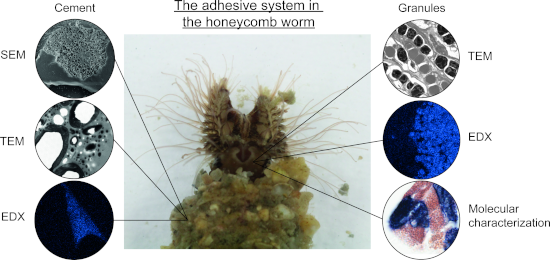
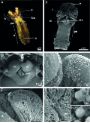
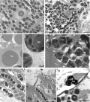
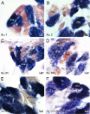
- electron imaging, the anterior parts of a few worms as well as some reconstructed tube fragments were fixed in Bouin’s fluid for 24 h, dehydrated in graded ethanol, dried by the critical-point method, and mounted on aluminium stubs using carbon adhesive tabs. The samples were then coated with gold



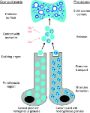
Laser ablation in liquids for shape-tailored synthesis of nanomaterials: status and challenges
Beilstein J. Nanotechnol. 2025, 16, 1963–1997, doi:10.3762/bjnano.16.137





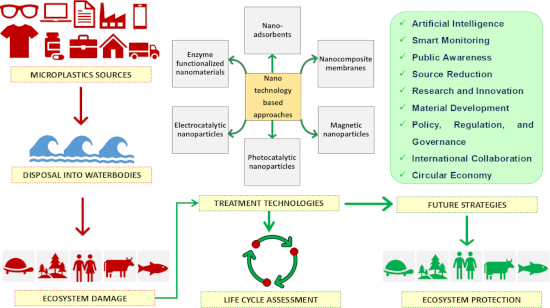
Nanotechnology-based approaches for the removal of microplastics from wastewater: a comprehensive review
Beilstein J. Nanotechnol. 2025, 16, 1607–1632, doi:10.3762/bjnano.16.114
- , and Tx represents surface functional groups like oxygen, fluorine, hydroxy, or hydrogen. MXenes are synthesized by selective removal of A-layers with elements from group IIIA or IVA, such as aluminium or silicon, from a parent material. This process results in a nanomaterial with an expansive surface


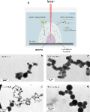
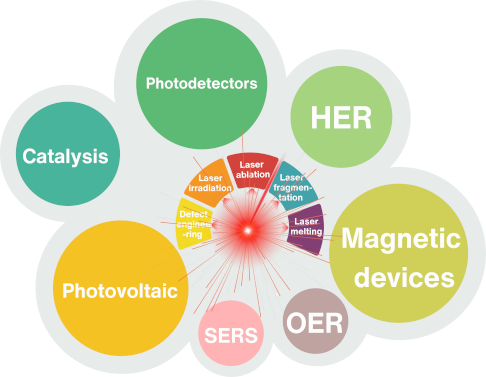
Laser processing in liquids: insights into nanocolloid generation and thin film integration for energy, photonic, and sensing applications
Beilstein J. Nanotechnol. 2025, 16, 1428–1498, doi:10.3762/bjnano.16.104






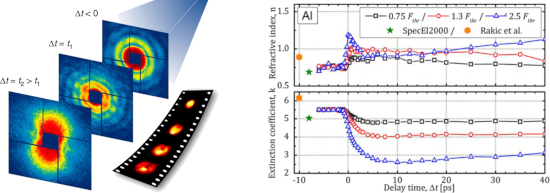
Time-resolved probing of laser-induced nanostructuring processes in liquids
Beilstein J. Nanotechnol. 2025, 16, 968–1002, doi:10.3762/bjnano.16.74


Engineered PEG–PCL nanoparticles enable sensitive and selective detection of sodium dodecyl sulfate: a qualitative and quantitative analysis
Beilstein J. Nanotechnol. 2025, 16, 385–396, doi:10.3762/bjnano.16.29
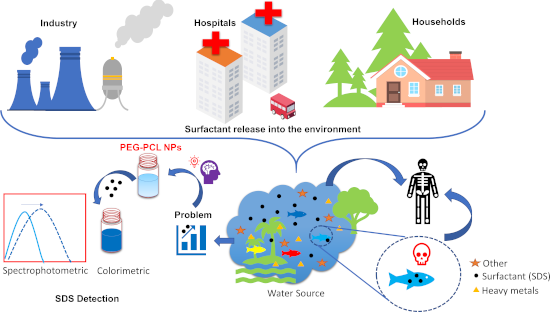
- ) and Bradford reagent (Cat. No. 19219) were purchased from SRL Chemicals (India). NIST-grade standards of arsenic (As3+), aluminium (Al3+), cadmium (Cd2+), zinc (Zn2+), mercury (Hg2+), nickel (Ni2+), copper (Cu2+), chromium (Cr3+), lead (Pb2+), iron (Fe3+), and cobalt (Co2+) (Cat. No. 041865), as well


Bioinspired nanofilament coatings for scale reduction on steel
Beilstein J. Nanotechnol. 2025, 16, 25–34, doi:10.3762/bjnano.16.3
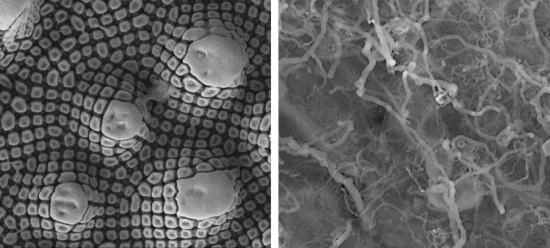
- SNFs. These filaments have been developed for coatings on polymers [10][11][12], textiles [12][13][14][15][16][17], aluminium and titanium [11][12], and glass [11][12][13][18][19], to replicate the water-repelling effects observed in nature [13][18][20][21]. Coatings with nano- or micrometer-sized


Nanoarchitectonics with cetrimonium bromide on metal nanoparticles for linker-free detection of toxic metal ions and catalytic degradation of 4-nitrophenol
Beilstein J. Nanotechnol. 2024, 15, 1312–1332, doi:10.3762/bjnano.15.106
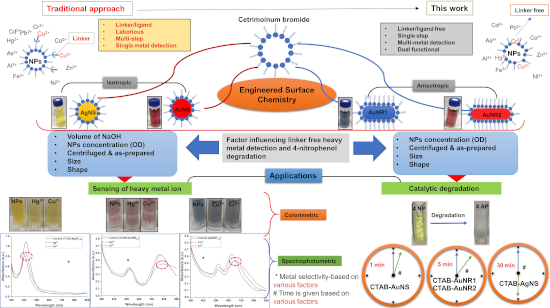
- -nitrophenol are both dangerous to humans [10][11]. Contamination with toxic heavy metal ions, including zinc, arsenic, aluminium, chromium, iron, cobalt, copper, nickel, mercury, cadmium, and lead, causes significant chronic damage to organ systems, beginning at the cellular level [12]. Toxic heavy metal ions




Interface properties of nanostructured carbon-coated biological implants: an overview
Beilstein J. Nanotechnol. 2024, 15, 1041–1053, doi:10.3762/bjnano.15.85
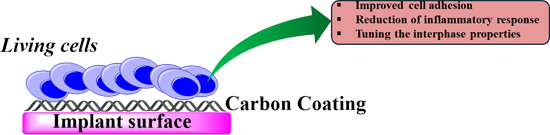
- –aluminium alloy [161]. ND coatings can exhibit the same behavior as graphene-related materials because of their low chemical reactivity. Nezamdoust et al. [162] coated a magnesium alloy with a 20 nm layer of NDs and measured the corrosion rate in Harrison solution by means of electrochemical impedance



Comparative analysis of the ultrastructure and adhesive secretion pathways of different smooth attachment pads of the stick insect Medauroidea extradentata (Phasmatodea)
Beilstein J. Nanotechnol. 2024, 15, 612–630, doi:10.3762/bjnano.15.52
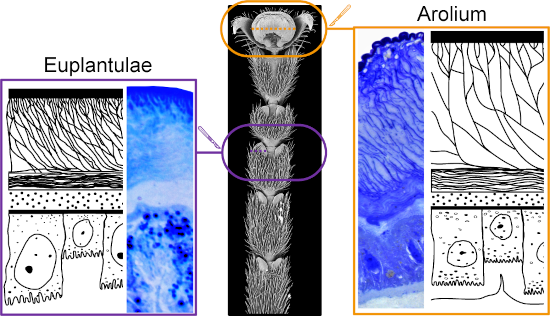
- , the dry pretarsal arolium and tarsal euplantulae were dissected at the centre using two fine tweezers to achieve a clean breaking edge. The samples were mounted on aluminium stubs and sputter-coated with a 10 nm layer of gold–palladium (Leica BalTec SCD 500, Leica, Wetzlar, Germany). The images were






Photocatalytic degradation of methylene blue under visible light by cobalt ferrite nanoparticles/graphene quantum dots
Beilstein J. Nanotechnol. 2024, 15, 475–489, doi:10.3762/bjnano.15.43
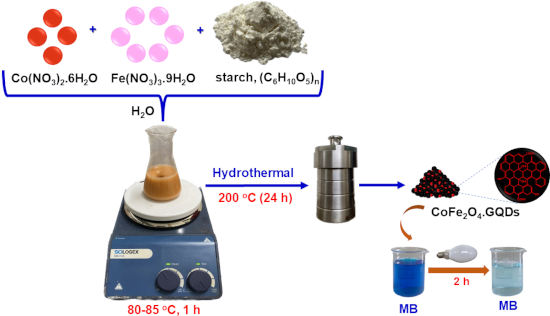
- CoFe2O4/GQDs composite material was placed in flasks sealed with aluminium foil and containing 20 mL of 10 ppm MB solution at pH 3–11, adjusted with 0.01 M HCl or 0.01 M NaOH. After 60 min of adsorption and photodegradation, the tubes were placed in a photocatalytic cabinet for illumination for 120 min




CdSe/ZnS quantum dots as a booster in the active layer of distributed ternary organic photovoltaics
Beilstein J. Nanotechnol. 2024, 15, 144–156, doi:10.3762/bjnano.15.14
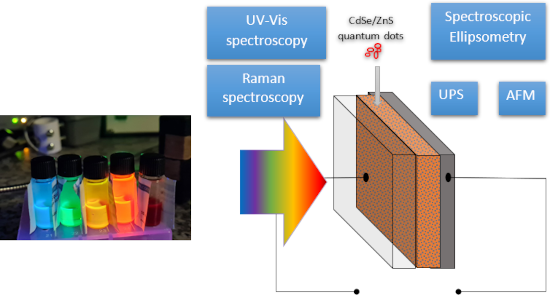
- of QD-doped devices was compared to the reference system (ITO/PEDOT:PSS/P3HT:PCBM/aluminium). PEDOT:PSS ([poly(3.4-ethylene dioxythiophene] polystyrene sulfonate) is an intrinsically conductive polymer, a mixture of two ionomers, with a HOMO level equal to 5.17 eV [61]. It is widely used as a charge
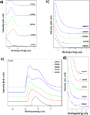
- solar cells. Current–voltage characteristics for (a) ITO/active layer/Al and (b) ITO/PEDOT:PSS/P3HT:PCBM:QD/aluminium bulk heterojunctions cells. Designations of the nanodots used in the system. Refractive indices and extinction coefficient parameters for investigated quantum dots thin films. Roughness




TEM sample preparation of lithographically patterned permalloy nanostructures on silicon nitride membranes
Beilstein J. Nanotechnol. 2024, 15, 1–12, doi:10.3762/bjnano.15.1

- sticks to the side of the resist after lift-off. A larger undercut was achieved on multilayer resist with the help of multiple exposures [27]. The idea is to expose the resist layer by layer: The bottom resist was deposited and exposed. Then, aluminium was deposited as a spacer between the bottom and top
- membrane that can be used as a hard mask. The mask fabrication process (Figure 9a) is the following: A 200 nm thick sacrificial layer of aluminium was deposited by means of evaporation on a conventional TEM grid with a free-standing SiN membrane. The aluminium layer serves as a support for the free
- -standing membrane and as a conductive layer for better imaging during FIB milling. Then FIB milling was performed to create apertures in the SiN membrane representing the patterns to be transferred to the sample. Last, the aluminium layer was removed by submerging the mask in TMAH 3% solution. In this


Experimental investigation of usage of POE lubricants with Al2O3, graphene or CNT nanoparticles in a refrigeration compressor
Beilstein J. Nanotechnol. 2023, 14, 1041–1058, doi:10.3762/bjnano.14.86
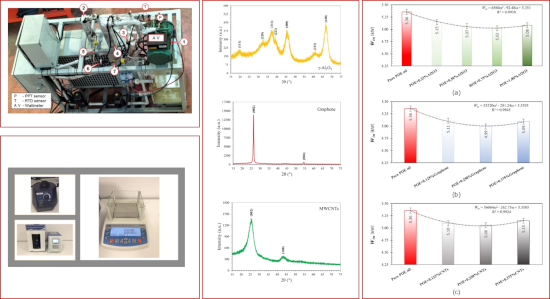
- reveals the presence of aluminium (Al) and oxygen (O) elements with weight percentages of 51.7 and 48.3, respectively. Using these weight percentages, the atomic percentages of Al and O are calculated to be 38.8 and 62.2, respectively. This indicates the presence of Al and O elements in the sample free





Upscaling the urea method synthesis of CoAl layered double hydroxides
Beilstein J. Nanotechnol. 2023, 14, 927–938, doi:10.3762/bjnano.14.76

- applications of great interest. Experimental Chemicals Cobalt chloride hexahydrate (CoCl2·6H2O), aluminium chloride hexahydrate (AlCl3·6H2O), urea, and ethanol (EtOH) were purchased from Honeywell. All chemicals were used as received. Milli‐Q water was obtained from a Millipore Milli‐Q equipment. Synthesis


Mixed oxides with corundum-type structure obtained from recycling can seals as paint pigments: color stability
Beilstein J. Nanotechnol. 2023, 14, 467–477, doi:10.3762/bjnano.14.37
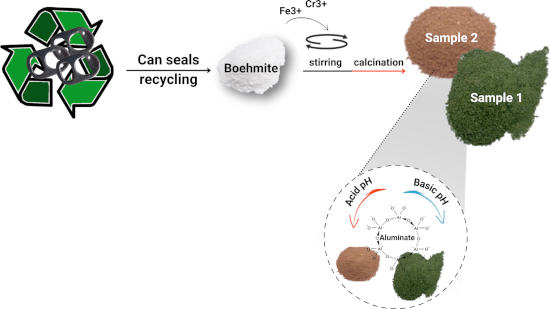
- structure. The pigments are obtained via the addition of coloring ions to boehmite from recycled metallic aluminium. X-ray diffractometry (XRD) and Raman spectroscopy confirmed the crystallographic phase. Additionally, the oxidation state 3+ responsible for the greenish (chromium) and reddish (iron
- interests to produce synthetic inorganic pigments [1] using metallic aluminium scrap as precursor to obtain a white matrix that can then be colored by chromophore ions as an approach within the circular economy of aluminium [1]. Aluminium production has one of the most significant energy consumption
- differences between the primary (bauxite extraction) and secondary (recycling) synthesis routes. The energy consumption for obtaining secondary aluminium is reduced by 95%, as its raw source is aluminium scrap and used metallic aluminium (i.e., sheets, extrusion, turning, can seals) [2]. In addition, there is




Plasmonic nanotechnology for photothermal applications – an evaluation
Beilstein J. Nanotechnol. 2023, 14, 380–419, doi:10.3762/bjnano.14.33
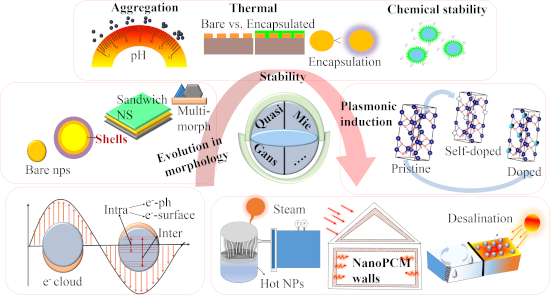
- of electrons and holes for Al, Ag, Au, and Cu. This distribution takes the characteristic of a symmetric/continuous distribution of electrons and holes in aluminium, a bimodal distribution in silver, and an antisymmetric hole-dominant distribution in copper and gold. Also, decreasing the thickness of
- elements, nanospheres of gold, silver, platinum, cobalt, zinc, nickel, titanium, copper, aluminium, molybdenum, vanadium, and palladium have been analysed [98]. Although there were assumptions of homogeneity, sphericity, and no interaction between particles, the Mie theory-based scattering cross sections