
Search results
Search for "laser irradiation" in Full Text gives 94 result(s) in Beilstein Journal of Nanotechnology.
Two-step laser synthesis of Ag@TiO2 nanomaterials for the photocatalytic degradation of rhodamine B
Beilstein J. Nanotechnol. 2026, 17, 622–634, doi:10.3762/bjnano.17.43
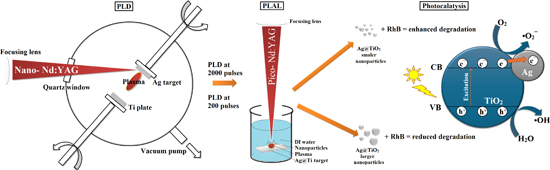
- distribution of Ag on both samples with 0.161 and 0.413 wt % of Ag. Additionally, the surface morphology after laser irradiation during the production of nanomaterials is significantly different for these two samples. Even though silver is not detected on the sample’s surface because it is fully ablated, the


Laser–material interactions in liquids for the synthesis of nanomaterials: current status and perspectives
Beilstein J. Nanotechnol. 2026, 17, 571–575, doi:10.3762/bjnano.17.38
- . The field of LSPC encompasses several techniques with distinct target configurations and laser irradiation regimes. Irradiation of a solid target submerged in a liquid with intense laser pulses is referred to as laser ablation in liquids (LAL) [16], an established technique for the efficient
- melting to explosive fragmentation of Au nanoparticles under picosecond laser irradiation in water [42]. Further advances in LSPC can be facilitated by data-driven machine learning approaches, which provide new pathways for optimizing synthesis parameters toward targeted size, composition, phase, and
Biomimetic nanoparticles in cancer photodynamic therapy: a review of targeted delivery systems and therapeutic outcomes
Beilstein J. Nanotechnol. 2026, 17, 396–422, doi:10.3762/bjnano.17.27
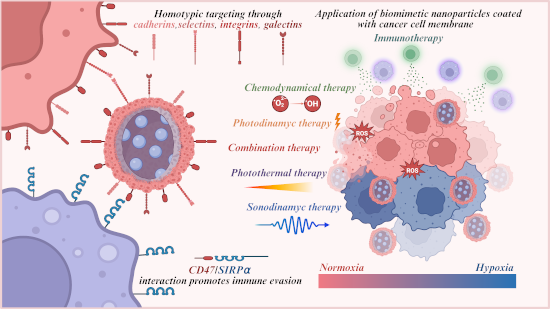
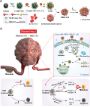
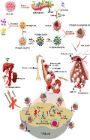
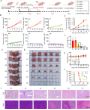
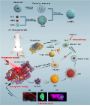
- regions within the tumors. In 4T1 cells exposed to NIR laser irradiation, membrane-coated nanoparticles generated singlet oxygen with threefold greater efficiency compared to non-coated nanoparticles. In BALB/c mouse models bearing 4T1 tumors, the membrane-coated nanoparticles preferentially accumulated


Beam shaping techniques for pulsed laser ablation in liquids: Unlocking tunable control of nanoparticle synthesis in liquids
Beilstein J. Nanotechnol. 2026, 17, 309–342, doi:10.3762/bjnano.17.22
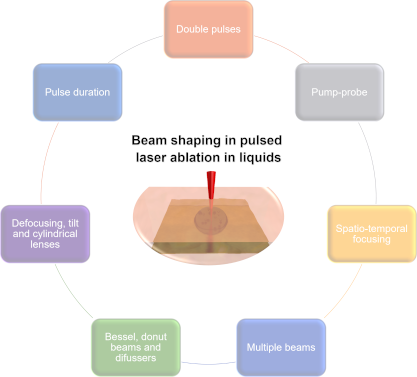
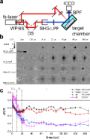
- , laser filamentation can occur. This is a complex process that results from the dynamic balance between self-focusing and plasma-defocusing. An example of filamentation produced in a PLAL setup can be observed in Figure 4 [110]. Initially, high-intensity laser irradiation inside the liquid medium
- strategies used to control fluence during the process. Another way to modify the beam shape without changing the PLAL system is by tilting either the sample or the incident beam. The effect of target tilt along the laser irradiation direction has been investigated by Al-Mamun et al. while producing spherical
- ultrashort pulses offers a broad range of parameters. CW laser irradiation generally decreases NPs production yield compared to pulsed sources for continuous large-scale production. When a CW laser is employed, the technique is known as continuous-wave laser ablation in liquid (CLAL). Since CLAL deposits







Laser ablation in liquids for shape-tailored synthesis of nanomaterials: status and challenges
Beilstein J. Nanotechnol. 2025, 16, 1963–1997, doi:10.3762/bjnano.16.137
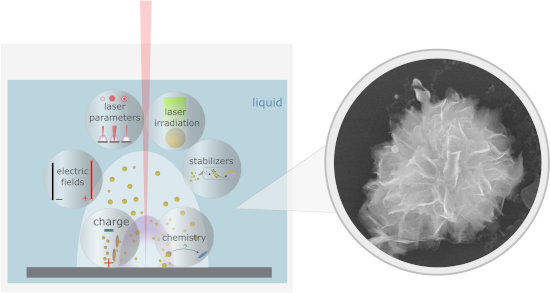
- liquids; laser irradiation; nanofabrication; nanoparticles; shape control; Perspective 1 Introduction: Mechanisms and key parameters influencing the morphology of laser-produced NPs The precise control and tailoring of NP parameters has long been an aim of the laser ablation synthesis in liquids
- . However, the additional 248 nm laser irradiation of the spherical NPs in methanol could transform NPs into nanowires. This underlines the importance of controlling chemical reactions during all stages of laser ablation and laser modification processes. Chemical interactions can become key parameters if
- by unfocused laser irradiation as a second step. This strategy has developed into several methods usually categorized as laser-induced fragmentation, laser-induced melting, or laser-induced modification. Such multistep processes open up ways for precise manipulation and fine tuning of NP parameters




Laser processing in liquids: insights into nanocolloid generation and thin film integration for energy, photonic, and sensing applications
Beilstein J. Nanotechnol. 2025, 16, 1428–1498, doi:10.3762/bjnano.16.104
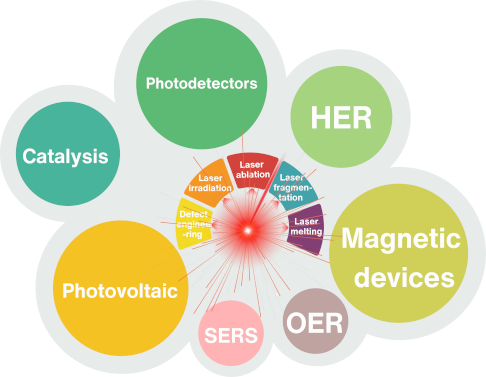
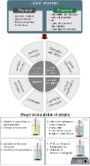
- laser irradiation to fragment larger NPs suspended in a colloidal solution, resulting in smaller NPs with a narrow size distribution. LFL is particularly beneficial as a post-processing tool for NPs produced by PLAL, a technique which often results in broader or bimodal size distributions as discussed
- exposing colloidal NPs dispersed in a liquid medium to pulsed laser irradiation. This technique is known as pulsed laser melting in liquids (PLML) [6][41][42]. PLML involves heating and melting of raw NPs with unfocused laser pulses, leading to their aggregation and the formation of submicrometer spherical
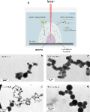
- ) synthesized by LAL were subjected to picosecond laser irradiation in the laser melting in liquids (LML) setup, the particles grew into significantly larger SMSPs (≈230 nm) after multiple laser passages [53]. Figure 5 presents SEM images and corresponding size distributions of Ge-based nanostructures. This






Wavelength-dependent correlation of LIPSS periodicity and laser penetration depth in stainless steel
Beilstein J. Nanotechnol. 2025, 16, 1302–1315, doi:10.3762/bjnano.16.95
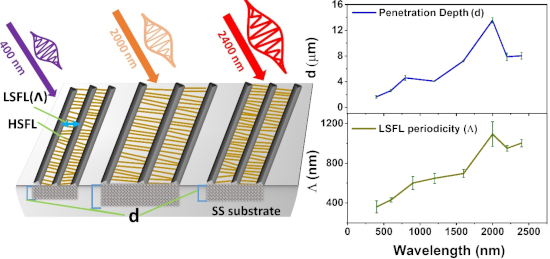
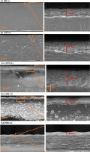
- This research paper delves into the exploration of laser-induced periodic surface structures (LIPSS) on a 100 µm thin stainless steel (SS) sheet. Through the application of laser irradiation with wavelengths spanning from 400 to 2400 nm, we systematically generate ladder-like LIPSS across a substantial
- structure with laser irradiation wavelengths ranging from 400 to 2200 nm. From this, a linear trend in LIPSS characteristics was observed up to 2000 nm, and the threshold of the LIPSS formation was determined [52]. In the present work, we extend the LIPSS over a large area, instead of a single line, using
- 400 to 2400 nm laser irradiation. This enabled the examination of the cross-sectional zone where the cumulative effect of the laser irradiation occurs. We analyzed how these effects correlate with the incident laser wavelength. The manuscript delves into the critical parameter of penetration depth, or




Better together: biomimetic nanomedicines for high performance tumor therapy
Beilstein J. Nanotechnol. 2025, 16, 1246–1276, doi:10.3762/bjnano.16.92







Fabrication of metal complex phthalocyanine and porphyrin nanoparticle aqueous colloids by pulsed laser fragmentation in liquid and their potential application to a photosensitizer for photodynamic therapy
Beilstein J. Nanotechnol. 2025, 16, 1088–1096, doi:10.3762/bjnano.16.80
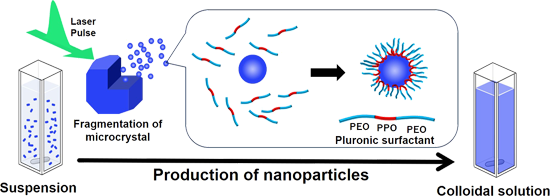
- suspended in a poor solvent is fragmented into nanoparticles by intense pulsed laser irradiation, and the sample suspension is directly converted in to a colloidal dispersion without any chemical additives in one step. It has been demonstrated that several hydrophobic dyes such as metal complex Pcs (MPcs
- spectrometer, and the sample was irradiated with laser pulses until the absorption spectrum stopped changing. The sample was muddy blue, and most of the AlClPc precipitated to the bottom of the cuvette before laser irradiation. After irradiation with nanosecond laser pulses for 40 min (Figure 2a), the sample
- turned to deep clear blue. A broad absorption with peaks at 620 and 800 nm appeared and increased with laser irradiation time; the absorbance stopped changing after around 30 min irradiation as shown in Figure 2b. The two peaks that appeared at short and long wavelengths relative to the isolated


Time-resolved probing of laser-induced nanostructuring processes in liquids
Beilstein J. Nanotechnol. 2025, 16, 968–1002, doi:10.3762/bjnano.16.74
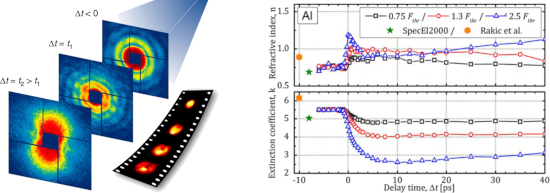
- reactions that span from atomic to macroscopic length scales. Consequently, it is paramount to understand the complex cascades that follow laser irradiation of condensed matter. Of particular importance here is the processing in the presence of liquids surrounding the irradiated material, but also
- , it is important to understand and quantify such processes that may occur concomitantly and will affect each other. First, we develop a basic hypothesis of how laser irradiation with significant energy deposition into the system of interest (for example an aqueous colloid or solid surface in contact


Synthesis and magnetic transitions of rare-earth-free Fe–Mn–Ni–Si-based compositionally complex alloys at bulk and nanoscale
Beilstein J. Nanotechnol. 2025, 16, 823–836, doi:10.3762/bjnano.16.62
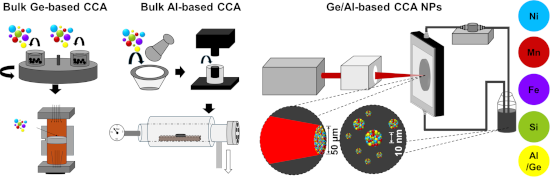
- available for producing CCA NPs, pulsed laser ablation in liquids (PLAL) stands out as a particularly promising method [41][42][43]. PLAL is a straightforward and versatile method that does not require expensive precursors, reducing agents, or surfactants [44][45]. The process is based on the laser
- irradiation of the target material submerged in a liquid environment. This makes PLAL a safe, scalable and environmentally friendly approach [46][47][48]. Research on the synthesis of CoCrFeMnNi Cantor alloy NPs by PLAL demonstrated that this method consistently produces NPs with near-equiatomic compositions


Effect of additives on the synthesis efficiency of nanoparticles by laser-induced reduction
Beilstein J. Nanotechnol. 2025, 16, 464–472, doi:10.3762/bjnano.16.35
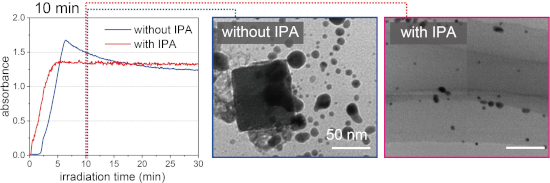
- of nanoparticles in large quantities for practical use. In this study, we investigated improvements of the synthesis efficiency of nanoparticles in LRL by adding scavengers, such as isopropyl alcohol (IPA) and glycerin, for oxidative radicals formed by laser irradiation to the solution and converting
- practical use. In this study, we attempted to improve the synthesis efficiency of nanoparticles using LRL by controlling the reaction environment of the solution during laser irradiation. Results and Discussion Increasing the synthesis efficiency of nanoparticles via laser-induced reduction by adding
- radical scavengers In laser-induced reduction, laser irradiation breaks down water molecules to produce various radical species. The standard electrode potentials of solvated electrons (e−aq) and hydrogen radicals (H•) are E0 = −2.77 V and E0 = −2.1 V, respectively [33]. It has been reported that solvated


Size control of nanoparticles synthesized by pulsed laser ablation in liquids using donut-shaped beams
Beilstein J. Nanotechnol. 2025, 16, 407–417, doi:10.3762/bjnano.16.31
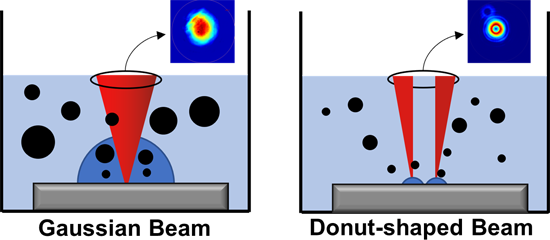
- materials is intended to clarify the effect of the donut-shaped beam on NP size and to approve whether factors such as phase and composition can be disregarded. For example, the inertness of gold minimizes its oxidation by laser irradiation, whereas the HEA is composed of elements prone to oxidation
- crystallographic plane (111) is very small but visible, whereas the other (200) and (220) peaks are not visible for the NPs. Laser irradiation plays a major role in the formation of HEA with strong (111) peak while minimizing (200) and (220) peaks [54]. The observed NP size-reduction trend for the donut-shaped


Pulsed laser in liquid grafting of gold nanoparticle–carbon support composites
Beilstein J. Nanotechnol. 2025, 16, 349–361, doi:10.3762/bjnano.16.26
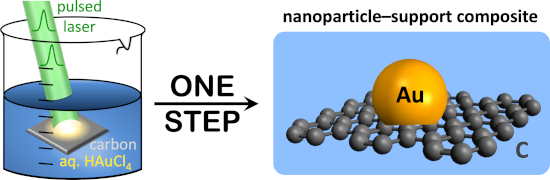
- the reported specific surface area of the carbon fiber paper used here [24]. Pulsed laser grafting produced integrated gold nanoparticle–carbon fiber paper composites (Figure 2B), using aqueous 1.0 M HAuCl4 solution, hydrophilic carbon fiber paper, and unfocused Nd:YAG laser irradiation with 10 Hz, 8
- that our laser fluence did not enable carbon sublimation. Stable gold colloids have been produced by reactive nanosecond laser irradiation of aqueous [AuCl4]– solutions [29][30]. Colloidal gold nanoparticle formation occurred by nucleation of reduced (metallic) gold atoms [25][31][32]. As in pulsed


Recent advances in photothermal nanomaterials for ophthalmic applications
Beilstein J. Nanotechnol. 2025, 16, 195–215, doi:10.3762/bjnano.16.16
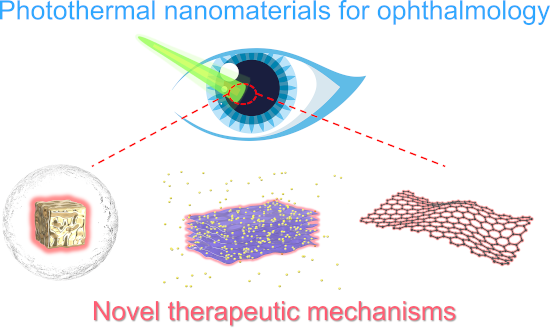
- to generate VNB ablation of the ILM covering the retina can help deliver drugs to the retina [167]. The common material used to generate VNBs, AuNPs, has disadvantages including long-term accumulated toxicity and fragmentation under laser irradiation [168]. ICG, which has been used in ophthalmology
- for clinical ILM staining, is better suited for generating VNBs on the ILM, and the high NIR absorbance of ICG is beneficial in the in vivo environment. Karen Peynshaert’s team [169] demonstrated that ICG can bind to the ILM and generate VNBs upon pulsed laser irradiation, thereby disrupting the
- through safe laser irradiation. Delivering stem cells to the trabecular meshwork to regenerate tissue and restore its function can treat glaucoma [207]. Labeling stem cells with the PAI contrast agent AuNSs allows for real-time monitoring of stem cell delivery and circulation in the anterior chamber


Nanotechnological approaches for efficient N2B delivery: from small-molecule drugs to biopharmaceuticals
Beilstein J. Nanotechnol. 2024, 15, 1400–1414, doi:10.3762/bjnano.15.113
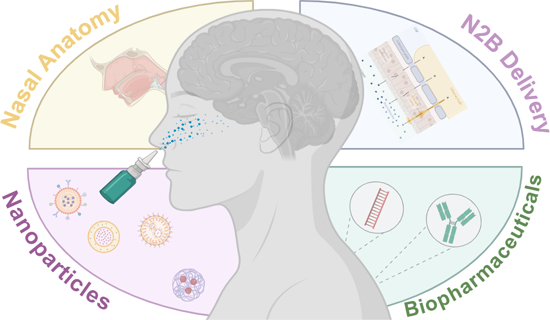
- another widely used complex vector, polyplexes. They took the approach one step further and combined these polyplexes formed by a cationic polymer and anionic mRNA with a photosensitizer for photochemical internalization and subsequent enhancement in delivery to the cytoplasm. They showed that laser
- irradiation increased the mRNA expression in the cytoplasm [160]. In addition to polyplexes, lipoplexes, another widely used vector, have also been studied for siRNA delivery. For instance, Hu et al. described the encapsulation of siRNA (specifically of c-Myc-targeting siRNA) in a core–shell lipoplex for


Effect of wavelength and liquid on formation of Ag, Au, Ag/Au nanoparticles via picosecond laser ablation and SERS-based detection of DMMP
Beilstein J. Nanotechnol. 2024, 15, 1054–1069, doi:10.3762/bjnano.15.86
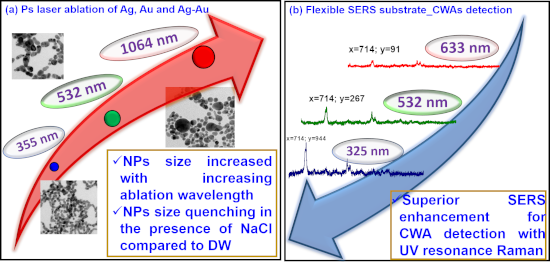
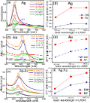
- parameter on NP productivity, shape, and size distribution remains an area of ongoing research [11][12][13][14][15]. Pulsed laser irradiation of liquids (PLIL) can affect the size and shape of NPs. Various approaches are described in the literature, such as (i) laser fragmentation in liquid (LFL), (ii
- ) laser melting in liquid (LML), and (iii) laser defect engineering in liquid (LDL) [16]. In our previous work, we fabricated Ag–Cu alloy NPs using the femtosecond (fs) laser irradiation approach [17]. Similarly, Ag/Au alloy NPs were fabricated by laser ablation of single metal targets in water followed
- by re-irradiation of mixed colloidal suspensions, as demonstrated by Compagnini et al. [18]. Additionally, Zhang et al. [19] reported the LML approach to synthesize germanium submicron spheres from picosecond (ps) laser irradiation of Ge powders containing nanoscale and microscale particles. Maximova


Gold nanomakura: nanoarchitectonics and their photothermal response in association with carrageenan hydrogels
Beilstein J. Nanotechnol. 2024, 15, 678–693, doi:10.3762/bjnano.15.56
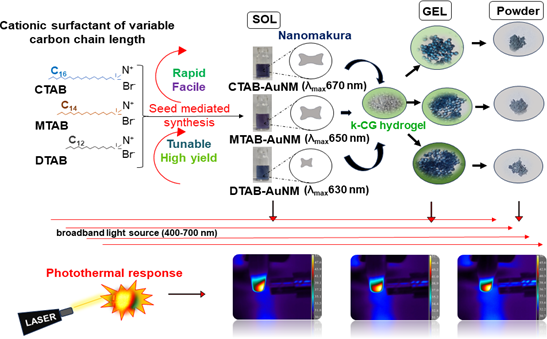
- nanoparticles before and after their incorporation into k-CG were checked for photothermal response. On the contrary, AuNRs after incorporation into k-CG hydrogels showed a small increase in temperature as compared to that of AuNMs upon laser irradiation. Therefore, the intactness and ability of AuNMs as






Laser synthesis of nanoparticles in organic solvents – products, reactions, and perspectives
Beilstein J. Nanotechnol. 2024, 15, 638–663, doi:10.3762/bjnano.15.54
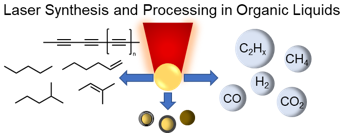
- , and LRL yield nanoparticles as products, whereas LML creates submicrometer spheres. LAL, LFL, and LML process solids, whereas LRL employs solvates as precursors (Figure 1). In detail, LAL describes the laser irradiation of a macroscopic target and the subsequent removal of surface matter, which leads
- utilizes commercial-grade powders or nanoparticles to downsize the particles by laser irradiation with high fluences [7][25]; LML, in contrast, is used to isochorically alter the shape or increase the size of nanoparticles by low-fluence irradiation of nanoparticles [26][27]. A variant of LSPC is reactive
- radical cations can participate in various reactions such as dehydration, dimerization, and hydrogen transfer before recombination [112][113][114]. This was recently shown for fs-laser irradiation of C5 to C11 alkanes by Ishikawa et al., who reported C–C bond formation. They analyzed the formed products




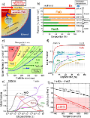

Classification and application of metal-based nanoantioxidants in medicine and healthcare
Beilstein J. Nanotechnol. 2024, 15, 396–415, doi:10.3762/bjnano.15.36
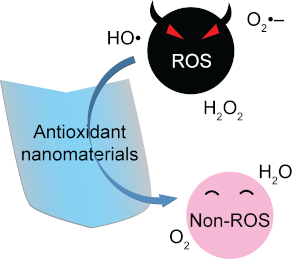
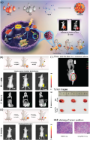
- ]. PDA-Ru nanoparticles could degrade Aβ fibrils under low-power laser irradiation because of their great photothermal effect. Moreover, PDA-Ru nanoparticles could decompose H2O2 owing to their strong CAT activity. PDA-Ru nanoparticles effectively improved memory capacity and decreased neuroinflammation


Determining by Raman spectroscopy the average thickness and N-layer-specific surface coverages of MoS2 thin films with domains much smaller than the laser spot size
Beilstein J. Nanotechnol. 2024, 15, 279–296, doi:10.3762/bjnano.15.26
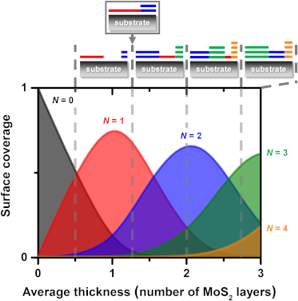
- layers [32][33] and the presence of twist between adjacent layers from the vanishing of the S modes in twisted MoS2 flakes [20][38][39][40][41]. Then, it is essential to determine the limit value of the laser power so that the above measurements are not affected by laser irradiation. Figure 1 shows the


Vinorelbine-loaded multifunctional magnetic nanoparticles as anticancer drug delivery systems: synthesis, characterization, and in vitro release study
Beilstein J. Nanotechnol. 2024, 15, 256–269, doi:10.3762/bjnano.15.24
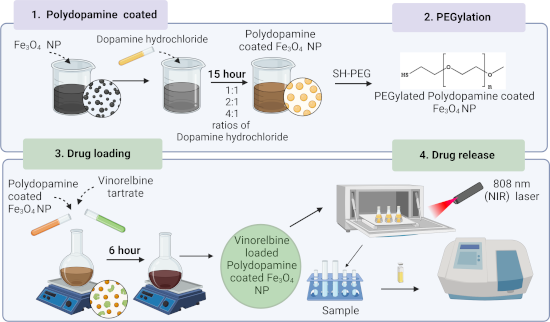
- cancer therapy agent, is included in the nanocomposite structure, and in vitro drug release studies under different pH conditions (pH 5.5 and 7.4) and photothermal activity at 808 nm NIR laser irradiation are investigated. The comprehensive integration of precise multifunctional nanoparticles design
- the heat produced by nanostructures under NIR laser irradiation [17][18]. Compared to traditional treatments, photothermal therapy allows for increased drug release and is less cytotoxic to healthy tissues [19]. It is a minimally invasive technique that offers the advantage of rapid recovery [20
- stability and efficiency Fe3O4 NPs, PDA/Fe3O4 NPs, and VNB/PDA/Fe3O4 NPs (at a concentration of 0.1 mg/mL and in a total volume of 1 mL) were exposed to 808 nm (1 W/cm2) NIR laser irradiation for a duration of 5 min. PBS was used as a control. The temperature changes of the NP solutions were recorded using


Nanoarchitectonics of photothermal materials to enhance the sensitivity of lateral flow assays
Beilstein J. Nanotechnol. 2023, 14, 988–1003, doi:10.3762/bjnano.14.82
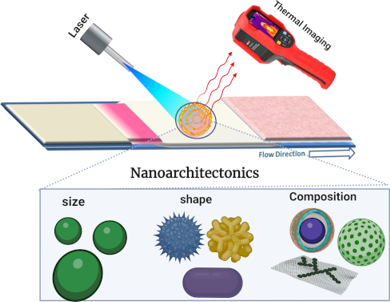
- technique to enhance the sensitivity of LFAs. In LFAs, the nanomaterials are deposited in the test zone along with the analyte to be determined. Upon laser irradiation, thermal energy is generated. The thermal output can be quantified using infrared thermal cameras or thermometers [25]. The quantity of heat
- (PCE). However, studies report that gold nanorods suffer from poor photostability, and loss of shape and NIR LSPR upon laser irradiation [39]. By using palladium nanostructures, photothermal stability could be achieved to some extent as they did not change their shape upon laser irradiation. Palladium
- cancer cells under 650 and 808 nm laser irradiation [54] (Figure 5B). The nanoparticles with a size of 2 nm showed a 5–6% higher photothermal conversion efficiency than the 80 nm particles. The higher photothermal effect of smaller nanoparticles can be explained by the Mie theory, which states that as


Silver-based SERS substrates fabricated using a 3D printed microfluidic device
Beilstein J. Nanotechnol. 2023, 14, 793–803, doi:10.3762/bjnano.14.65
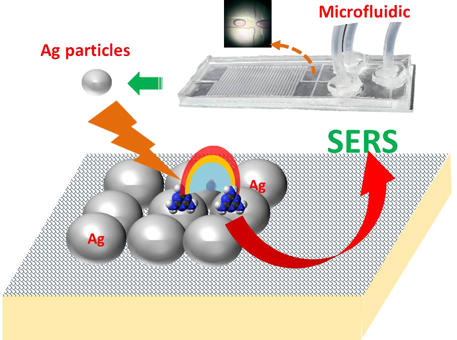
- NPs. The SEM image of PS@Ag reveals the presence of nanoscale gaps between the Ag NPs, which act as hot spots with a high electric field intensity when exposed to laser irradiation (Figure S10c). To confirm the distribution of chemical elements on the SERS substrate, energy-dispersive X-ray



Plasmonic nanotechnology for photothermal applications – an evaluation
Beilstein J. Nanotechnol. 2023, 14, 380–419, doi:10.3762/bjnano.14.33