Search results
Search for "NMR spectroscopy" in Full Text gives 907 result(s) in Beilstein Journal of Organic Chemistry. Showing first 200.
A cascade synthesis of 2-aminothiochromones from 2-fluorophenyl ketone and thiocarbonyldiimidazole
Beilstein J. Org. Chem. 2026, 22, 1151–1159, doi:10.3762/bjoc.22.92
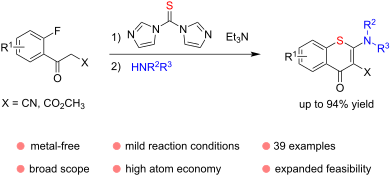
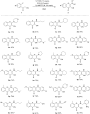
- characterizations of the prepared compounds were performed by 1H NMR and 13C NMR spectroscopy and high-resolution mass spectrometry (HRMS). 1H NMR spectra were obtained on an ECZ-400 spectrometer (JEOL, Tokyo, Japan) at 400 MHz and a Bruker AVANCE 500 (Bruker, Rheinstetten, Germany) at 500 MHz. 13C NMR spectra were

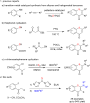


Controlled supramolecular assemblies of luminescent tridentate cyclometalated alkynylgold(III) amphiphiles in aqueous media
Beilstein J. Org. Chem. 2026, 22, 1097–1106, doi:10.3762/bjoc.22.88
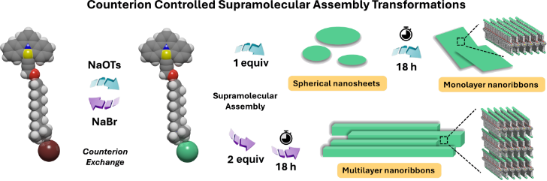
- all newly synthesized compounds and GA were unambiguously characterized by 1H , 13C NMR spectroscopy and high-resolution mass spectrometry (HRMS) (Supporting Information File 1, Figures S8–S13). Photophysical properties and assembly of GA A freshly prepared aqueous solution of GA (13.4 mM, 1.0 wt


Synthesis of functionalized, 13-alkyl-substituted coralyne derivatives and investigation of their interactions with duplex and abasic site-containing DNA
Beilstein J. Org. Chem. 2026, 22, 1057–1066, doi:10.3762/bjoc.22.84
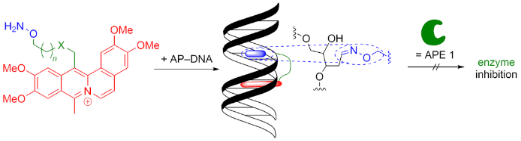
- the hydroxyalkyl-substituted product 3f in 45% yield (over the two reaction steps). All novel compounds were identified and characterized by 1H and 13C NMR spectroscopy (2D, COSY, HSQC, HMBC), mass spectrometry, and elemental analysis (if necessary as hydrochloride salts). Additionally, IR
- ). Under these conditions, the azide 3e decomposed, as indicated by 1H NMR-spectroscopic analysis of the reaction mixture, whereas the bromoalkyl-substituted papaverine 3b gave the coralyne derivative 2b, albeit in a very low yield of 1%. The product 2b was identified by NMR spectroscopy, mass spectrometry
- hydrolysis to give the coralyne carboxylic acid derivative 2d in 93% yield (Scheme 3). The novel compounds 2c and 2d were identified and characterized by NMR spectroscopy (1H, 13C, COSY, HSQC, HMBC), mass spectrometry, and elemental analysis. For the synthesis of a reference compound without alkoxyamine unit


Semisynthesis, characterisation, and antibacterial evaluation of a novel lecanoric acid-derived amide library
Beilstein J. Org. Chem. 2026, 22, 1023–1032, doi:10.3762/bjoc.22.81
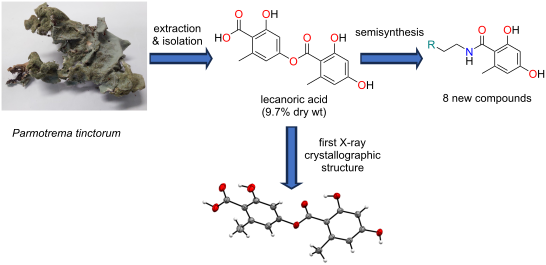
- investigations. Initial assessment (1H NMR spectroscopy and UHPLC–MS) of the crude CH2Cl2/MeOH extracts of P. tinctorum revealed the presence of a highly abundant natural product previously described as the depside, lecanoric acid (1, Figure 1). Several publications have outlined the antibiotic [3], anticancer


The role of spacer length and flexibility in peptide self-assembly
Beilstein J. Org. Chem. 2026, 22, 986–996, doi:10.3762/bjoc.22.77
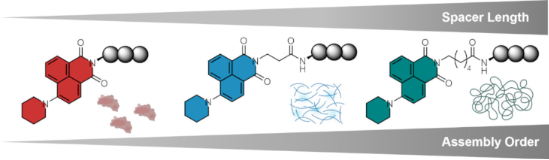
- spectrometry (LC–MS) and NMR spectroscopy (Supporting Information File 1, Figures S7–S24). The target tripeptide (ICA) was synthesized in a microwave-assisted peptide synthesizer using the fluorenylmethyloxycarbonyl (Fmoc) solid-phase peptide synthesis strategy [37], synthesizing the peptide from the C- to N
- using PyBOP® and N,N’-DIPEA. All peptides were purified via high performance liquid chromatography (HPLC) and subsequently characterized using LC–MS and NMR spectroscopy revealing high purities (>95%) with overall yields between 25–37% (Supporting Information File 1, Figures S25–S33). Supramolecular
- ®, and ThT aggregation assay results, which demonstrate more pronounced and ordered nanostructure formation for C6-Nap-ICA 6 and C3-Nap-ICA 7. The obtained results from all aforementioned analysis tools are summarized in Table 1. 1H NMR spectroscopy provides valuable insight into the self-assembly


Electrochemical reduction of unsaturated carbon–carbon bonds via 3d transition-metal catalysis
Beilstein J. Org. Chem. 2026, 22, 955–981, doi:10.3762/bjoc.22.75
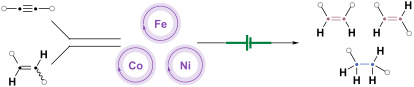
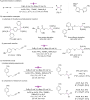
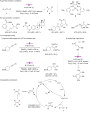
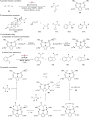
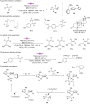
- substrates were subjected to the electroreductive conditions in the absence of the nickel complex. Under these conditions, both a ring-opening product and a hydrogenation product were detected by NMR spectroscopy. These observations provide compelling experimental evidence that Fe–H species, formed in situ








Synthesis of sterically shielded piperidine nitroxides via acid-catalyzed heterocyclization of β-aminoketone derivatives with ketones
Beilstein J. Org. Chem. 2026, 22, 948–954, doi:10.3762/bjoc.22.74
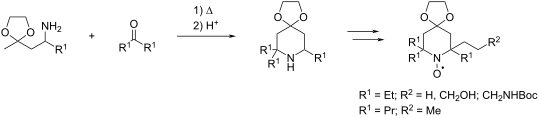
- nitroxides 7a–d in 50–80% overall yield from piperidines 5a,b (Scheme 3). The structures of nitroxides 7a–d were confirmed by 1H NMR spectroscopy of their amine derivatives, obtained via Zn/CF3COOH reduction in CD3OD, following a reported procedure [37]. The full line-shape analysis of the 1H NMR spectra for


The trans-influence in gold chemistry from a catalytic perspective
Beilstein J. Org. Chem. 2026, 22, 838–856, doi:10.3762/bjoc.22.66
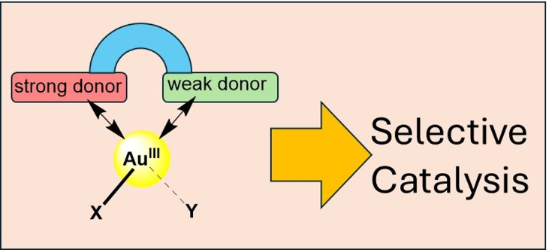
- ligands is to consider the structure of the recently described π-allyl complexes 26–28 (Scheme 14) [80][81][82][83]. Compounds 26 and 27 were characterised by X-ray diffraction and NMR spectroscopy, which showed that 26 is fluxional. The dication 28 was spectroscopically identified and the structure


Unsymmetrical sulfoxides with sterically hindered catechol fragment: synthesis, structure, electrochemical properties, and antiradical activity
Beilstein J. Org. Chem. 2026, 22, 828–837, doi:10.3762/bjoc.22.65
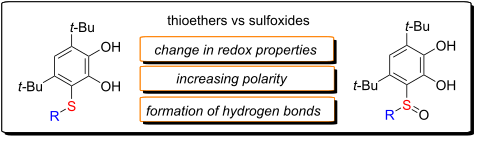
- {1H} NMR spectroscopy (Figures S1–S20), HRMS (Figures S21–S26) in Supporting Information File 1, and elemental analysis. X-ray data The X-ray suitable crystals of 1a, 4a–7a were grown by slow recrystallization of the compounds from acetonitrile or chloroform (for 7a) solutions at room temperature. The


Halogenated azobenzene acrylates: from efficient solution photoswitching to stable solid-state photochromic materials
Beilstein J. Org. Chem. 2026, 22, 782–794, doi:10.3762/bjoc.22.60
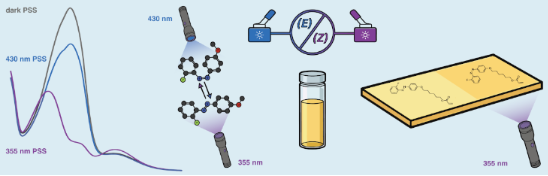
- analogous comparison using UV–vis absorption spectra along with a fatigue resistance verification. Representative thermal kinetic curves obtained by both UV–vis absorption and 1H NMR spectroscopy are shown in Figure 9. Thermal kinetics were optimized using the OPstat 6.10 software [33]. See Supporting
- 1.23 to 3.74 hours at 60 °C with the largest values recorded for the difluoro/chloro derivatives 1b and 1d. Monitoring of the photoswitching was further carried out using 1H NMR spectroscopy in CDCl3 and c = 1 × 10⁻² M (slightly different conditions than those used for UV–vis spectroscopy (DCE and c


Anti-invasive and cytotoxic evaluation of a (+)-pinoresinol-based semisynthetic library against glioblastoma
Beilstein J. Org. Chem. 2026, 22, 691–704, doi:10.3762/bjoc.22.54
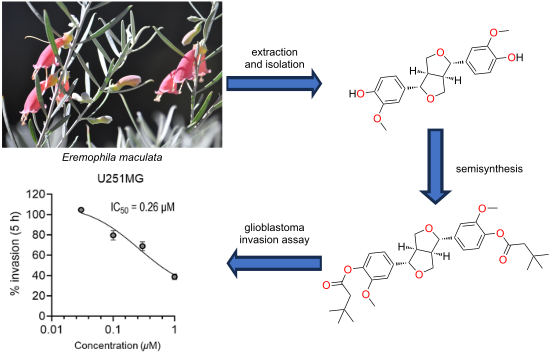
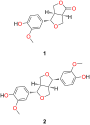
- and MeOH. Subsequent purifications of these two extracts afforded the two known natural products (+)-salicifoliol (1) [15][16] and (+)-pinoresinol (2, Figure 1) [17]. Their structures were determined by 1D (1H and 13C) and 2D (COSY, HMBC, HSQC, and ROESY) NMR spectroscopy together with MS data
- , which resulted in 12 final fractions (FA−FL). All 12 samples were analyzed by UHPLC–MS and 1H NMR spectroscopy. Fraction H (22.2 mg) was preadsorbed to C18-bonded silica (≈1 g), packed into a guard cartridge, and attached to a semipreparative Luna C18 HPLC column. A linear gradient from 40% MeOH (0.1



Harnessing light energy with molecules
Beilstein J. Org. Chem. 2026, 22, 680–682, doi:10.3762/bjoc.22.52

- -workers [4], the π-system of monoaryl-substituted NBDs was synthetically extended by acetylenic bridges. In addition, Hebborn, Ihmels, and co-workers [5] show that 19F NMR spectroscopy enables unambiguous identification of mono- and bisQC intermediates in the sequential photoreactions of a fluorinated
Photoorganocatalytic trifluoromethylation of (het)arenes in green conditions
Beilstein J. Org. Chem. 2026, 22, 662–671, doi:10.3762/bjoc.22.50
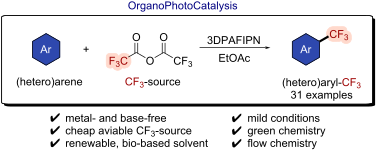
- analyzed by q19F NMR spectroscopy. Only trace amounts of the trifluoromethylated product were detected, whereas the TEMPO adducts of the trifluoromethyl and trifluoroacetyl radicals were observed in 16% and 22% yield, respectively (Scheme 3). Stern–Volmer studies of the quenching of the photocatalyst




Hydrogen production from formic acid catalyzed by NHC–Cu complexes
Beilstein J. Org. Chem. 2026, 22, 620–627, doi:10.3762/bjoc.22.48
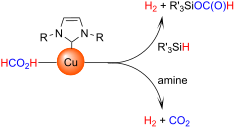
- (Scheme 1). To support these working hypotheses, the reaction of 1 equiv [Cu(OH)(IPr)] with 2 equiv of formic acid in a sealed tube was followed by 1H NMR spectroscopy in deuterated toluene (C7D8). After 16 h at 110 °C, the formation of 1b was observed while no excess of formic acid was detected
- . Interestingly, by adding to the reaction mixture a further equivalent of FA, evolution of gas was observed and H2 was detected by NMR spectroscopy (see Supporting Information File 1, Figure S1). This highlighted the formation in situ of the Cu–H species by decarboxylation of 1b. To quantify the amount of gas



Experimental and DFT studies on the regioselective methanolysis of 5-azido-9-oxabicyclo[6.1.0]nonan-4-yl 4-nitrobenzoate isomers
Beilstein J. Org. Chem. 2026, 22, 547–556, doi:10.3762/bjoc.22.40
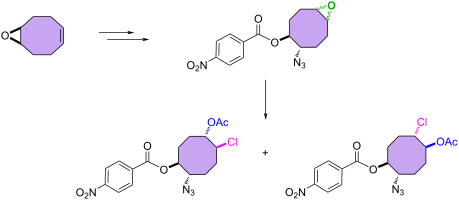
- epoxide ring and acetylation resulted in the formation of two corresponding chloro-acetate isomers. The structure of one of the chloro-acetate isomers was determined via crystallographic analysis and the other by 1D and 2D NMR spectroscopy. DFT computations confirm the regioselectivity of the methanolysis
- ) in pyridine and 4-(dimethylamino)pyridine (DMAP) in 95% yield. Treatment of azido nitrobenzoate 8 with m-CPBA gave a mixture of isomeric epoxides 9a and 9b with a combined yield of 97%. The formation and ratio of these isomers were determined by NMR spectroscopy, showing a 63:37 ratio (1H NMR) of 9a
- combined organic extracts were washed with saturated aqueous NaCl (20 mL) and then dried (Na2SO4). Evaporation of solvent gave the mixture of azidobenzoate epoxides 9a and 9b (1.02 g, 3.07 mmol, 97%), as light brown solid. The formation and ratio of these isomers was determined by NMR spectroscopy, in a 63


Get a better glimpse on sequential photoreactions of trisnorbornadienes with 19F NMR spectroscopy
Beilstein J. Org. Chem. 2026, 22, 527–534, doi:10.3762/bjoc.22.38
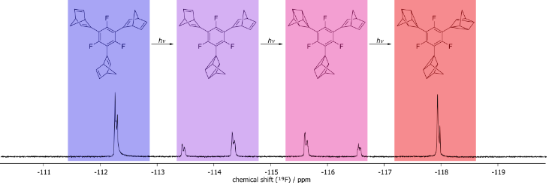
- exemplarily with a trifluorinated trisnorbornadienylbenzene that 19F NMR spectroscopy may be applied as a useful complementary method for the investigation of sequential photoreactions. The trisnorbornadiene core structure was used as it figures as promising scaffold for molecular solar thermal (MOST) energy
- trisquadricyclane. Even though the reaction can be monitored by photometry or by in situ 1H NMR spectroscopy, unambiguous assignment of the distinct intermediate mono- and bisquadricyclanes was not possible because of signal overlap. In contrast, this shortcoming is circumvented with in situ 19F NMR-spectroscopic
- lines, 1H NMR spectroscopy is a very useful method to follow the photoreaction, ideally upon direct irradiation in the NMR probehead (in situ NMR), because it potentially enables accurate structure elucidation. But even though this method may enable the accurate monitoring of a stepwise photochromic


Synthesis and uranyl(VI) extraction performance of a calix[4]pyrrole–tetrahydroxamic acid receptor
Beilstein J. Org. Chem. 2026, 22, 486–494, doi:10.3762/bjoc.22.36
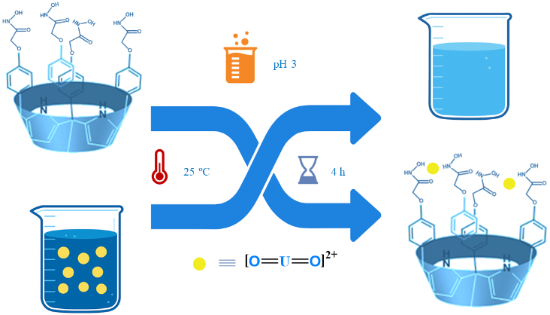
- using thin-layer chromatography, with the appearance of the characteristic red spot upon treatment with FeCl3 confirming the presence of the hydroxamic acid functionality. Moreover, the formation of the tetra-hydroxamic acid product was confirmed by 1H NMR spectroscopy in deuterated DMSO, as evidenced


Synthesis of a HDAC inhibitor–nanogold probe for cryo-EM visualization in class I HDAC co-repressor complexes
Beilstein J. Org. Chem. 2026, 22, 480–485, doi:10.3762/bjoc.22.35
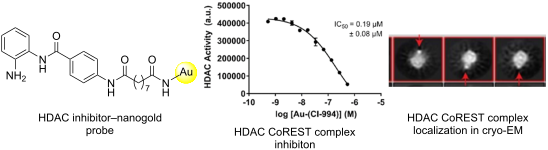
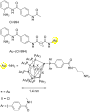
- to its corresponding NHS ester 8 and residual starting material was removed by column chromatography. The Boc-protecting group was removed under anhydrous conditions in good yield and the structure of 9 was confirmed by NMR spectroscopy. Compound 9 was maintained as the TFA salt for the final step



Structural reassignment of compound 968, an allosteric glutaminase inhibitor
Beilstein J. Org. Chem. 2026, 22, 455–460, doi:10.3762/bjoc.22.33
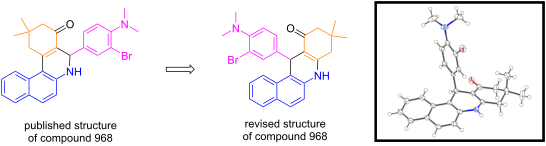
- anticancer drug target. Compound 968 is a glutaminase inhibitor that is widely used to probe cancer cells’ dependence on glutaminase activity. Here, we show by NMR spectroscopy and X-ray crystallography that the reported benzo[c]phenanthridine structure of compound 968 is incorrect; its true structure is the


Synthesis and anti-cancer activity of naphthalimide–organylselanyl conjugates
Beilstein J. Org. Chem. 2026, 22, 416–435, doi:10.3762/bjoc.22.29
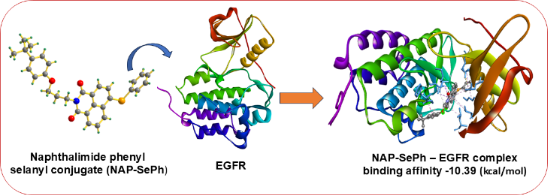
- compounds, making it a viable alternative for introducing long alkyl chains into selenium-containing systems towards lysosomal membrane permeability (vide supra) [42][43][44]. After synthesis, compounds 7 and 8 were thoroughly characterised using multinuclear NMR spectroscopy ¹H, ¹³C, and ⁷⁷Se NMR


Spirobarbiturates with a pyrrolizidine moiety: synthesis, structure and biological evaluation
Beilstein J. Org. Chem. 2026, 22, 274–288, doi:10.3762/bjoc.22.20
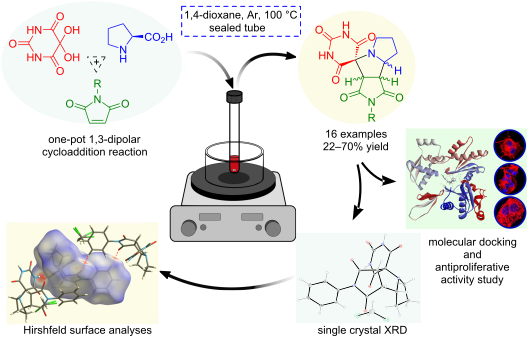
- configuration of their stereocenters, was determined using NMR spectroscopy and XRD analysis. endo-Isomers 4a–e exhibited the following characteristic signals in their 1H NMR spectra: multiplets in the range of δ 1.5–4.4 ppm were assigned to the protons of the pyrrolizidine ring system. The methyl singlets of
- were established using 1H,13C HSQC NMR spectroscopy. The chemical shift values, signal shapes, and spin–spin coupling constants are provided in Table S1 in Supporting Information File 1. The aromatic protons of compounds 4c–e appear in the downfield region of the spectrum. For product 4c, the aromatic
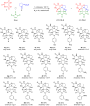
- endo, −61.3 ppm exo). The structures of all cycloadducts 4a–p were confirmed by 13C DEPT NMR and two-dimensional NMR spectroscopy (HSQC, COSY), supplemented by HRESIMS. Complete spectral data are provided in Supporting Information File 1. The molecular structures of 4b and 4c were also confirmed by XRD




Synthesis of diaryl phosphates using phytic acid as a phosphorus source
Beilstein J. Org. Chem. 2026, 22, 213–223, doi:10.3762/bjoc.22.15
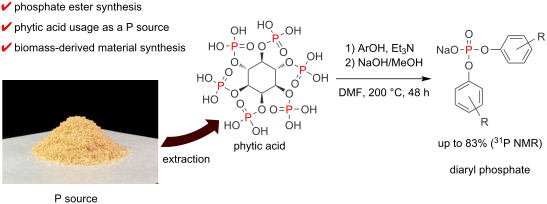
- Supporting Information File 24: Experimental section, characterization data and copies of spectra. Acknowledgements We acknowledge the Analytical Research Center for Experimental Science, Saga University, for the NMR spectroscopy and mass spectrometry measurements. We thank Editage (https://www.editage.com




Improved synthesis and physicochemical characterization of the selective serotonin 2A receptor agonist 25CN-NBOH
Beilstein J. Org. Chem. 2026, 22, 175–184, doi:10.3762/bjoc.22.11
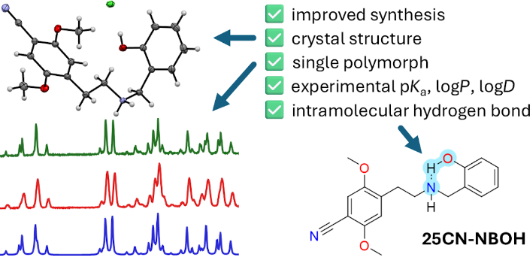
- be partially responsible for its high membrane permeability. To investigate if an IMHB is indeed present in 1, we combined DFT calculations with NMR spectroscopy titrations. For a system containing an IMHB, it would be expected that replacing the proton (O–H) with a deuteron (O–D) would lead to an
- approach [30]. To ensure gauge independence, nuclear shielding was calculated using the GIAO approach [31][32]. NMR spectroscopy NMR spectra were acquired on a 600 MHz Bruker Avance III HD spectrometer equipped with a 5 mm DCH cryoprobe at 300 K unless otherwise specified. Spectra were processed using


Design and synthesis of an axially chiral platinum(II) complex and its CPL properties in PMMA matrix
Beilstein J. Org. Chem. 2026, 22, 143–150, doi:10.3762/bjoc.22.7
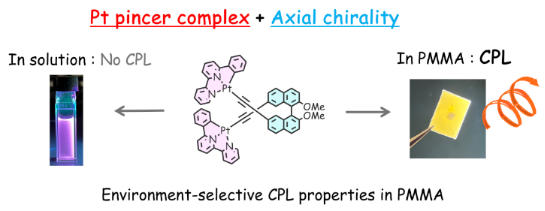
- platinum(II) complexes with pincer ligand moieties [12]. Thus, the reaction of S/R-3 with platinum(II) precursor 4 in the presence of CuI and diisopropylamine afforded the target platinum(II) complex S/R-Pt in moderate yield. The identification of the complex S/R-Pt were carried out with 1H and 13C NMR
- spectroscopy, as well as high-resolution mass spectrometry (HRMS). Due to its low solubility, single crystals suitable for X-ray crystallographic analysis could not be obtained. Spectroscopic analysis and DFT calculations To elucidate the electronic structure of the platinum(II) complex, UV–vis absorption


Sustainable electrochemical synthesis of aliphatic nitro-NNO-azoxy compounds employing ammonium dinitramide and their in vitro evaluation as potential nitric oxide donors and fungicides
Beilstein J. Org. Chem. 2025, 21, 2739–2754, doi:10.3762/bjoc.21.211
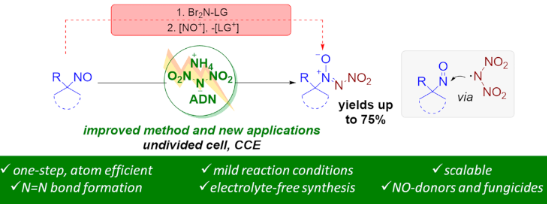
- washed with CH2Cl2 (3 × 20 mL). The combined organic phase was washed with H2O (20 mL) and brine (20 mL), dried over Na2SO4, and the solvent was removed in vacuo. The yields of 2a were determined with the use of 1H NMR spectroscopy using 1,1,2,2-tetrachloroethane as an internal standard. NMR and IR
- anodic and cathodic compartments were separately evaporated under water-jet vacuum. The yield of 2a was determined according to 1H NMR spectroscopy using 1,1,2,2-tetrachloroethane as an internal standard. Reaction under constant potential electrolysis (experimental details for Scheme 4, reaction 2): In a
- under magnetic stirring. After passing 2.0 F per mol 1a of electricity, electrodes were washed with CH2Cl2 (3 × 20 mL). The combined organic phase was washed with H2O (20 mL) and brine (20 mL), dried over Na2SO4, and solvent removed in vacuo. The yield of 2a was determined according to 1H NMR