


Search results
Search for "molecular switches" in Full Text gives 74 result(s) in Beilstein Journal of Organic Chemistry.
Pd-catalyzed dehydrogenative arylation of arylhydrazines to access non-symmetric azobenzenes, including tetra-ortho derivatives
Beilstein J. Org. Chem. 2025, 21, 2234–2242, doi:10.3762/bjoc.21.170
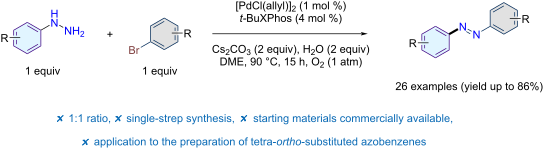
- Paris, France 10.3762/bjoc.21.170 Abstract Azobenzenes are photoresponsive compounds widely used in molecular switches, light-controlled materials, and sensors, but despite extensive studies on symmetric derivatives, efficient methods for synthesizing non-symmetric analogues remain scarce due to
- of applications, including molecular switches, sensors, and light-controlled materials [1][2][3][4][5][6][7][8]. The photoswitching behavior arises from the reversible photoisomerization between the E- and Z-forms of the azobenzene chromophore, driven by the isomerization of the N–N double bond. This


Research progress on calixarene/pillararene-based controlled drug release systems
Beilstein J. Org. Chem. 2025, 21, 1757–1785, doi:10.3762/bjoc.21.139
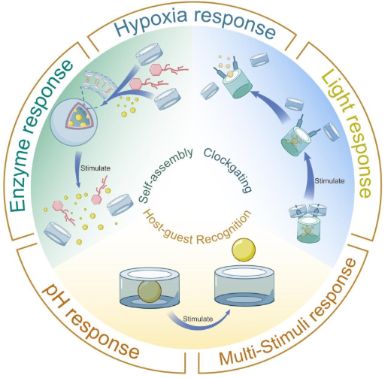
- hybridized with various inorganic materials, such as metal-organic frameworks (MOFs), mesoporous silica nanoparticles (MSNs), metal nanoparticles, and carbon materials [87]. By designing through electrostatic and non-covalent interactions, PAs can be used as "molecular switches" to construct mechanized MOFs






pH-Controlled isomerization kinetics of ortho-disubstituted benzamidines: E/Z isomerism and axial chirality
Beilstein J. Org. Chem. 2025, 21, 1568–1576, doi:10.3762/bjoc.21.120
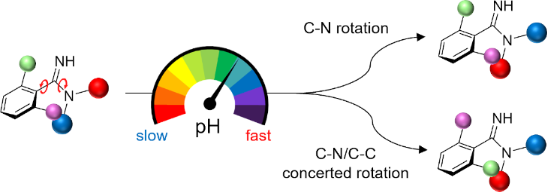
- 060-0812, Japan 10.3762/bjoc.21.120 Abstract pH-Responsive molecular switches and motors are a class of organic molecules whose three-dimensional structure can be changed by acid–base stimuli. To date, pH-responsive molecular switches have been developed using various functional groups, but further
- behavior, allowing for both tunability and predictability. Among the various types of pH-sensitive molecular switches, those that rely on isomerism caused by the rotation of molecular bonds are attracting attention because they can apply the most basic property of molecular conformation to molecular
- switches [19]. For example, hydrazone-based molecular switches undergo reversible E/Z isomerization around the C=N bond [1][2][3][4][5][6][7], with protonation significantly shifting the equilibrium. Beyond double-bond isomerization, pH stimuli have also been employed to modulate rotational barriers in

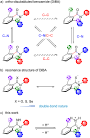
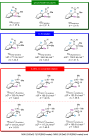


Azobenzene protonation as a tool for temperature sensing
Beilstein J. Org. Chem. 2025, 21, 1528–1534, doi:10.3762/bjoc.21.115
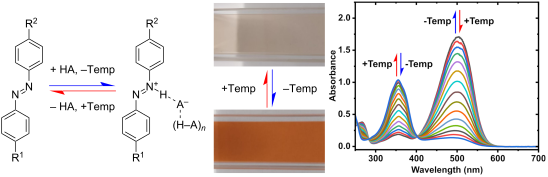
- . Keywords: azobenzene; protonation; sensing; spectral changes; temperature; Introduction Molecular switches are molecules that can reversibly shift between distinct (meta)stable states in response to external stimuli such as light, pH changes, or electric fields [1]. Over the past decades, they have
- emerged as staple building blocks in smart materials, from light-responsive norbornadienes in molecular solar thermal energy storage [2] to pH-sensitive spiropyrans in cell imaging [3], and redox-active viologens in memory junctions [4]. Among the different molecular switches azobenzenes stand out due to


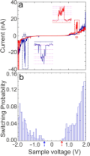
Highly distinguishable isomeric states of a tripodal arylazopyrazole derivative on graphite through electron/hole-induced switching at ambient conditions
Beilstein J. Org. Chem. 2025, 21, 1496–1507, doi:10.3762/bjoc.21.112
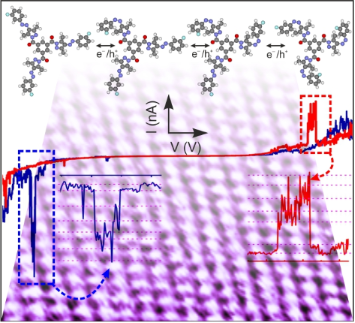
- isomer of azobenzene (AB) is a few days. Arylazopyrazole-based molecular switches are one of the profoundly explored systems in recent times due to their superior bidirectional photoswitching and long half-life (over a thousand days at room temperature) of Z isomers. Herein, we utilize an efficient solid
- atomically precise write and read tool like an STM tip. Keywords: azo compounds; electron/hole-induced isomerization; isomerization; molecular switches; switching; Introduction Molecular electronic devices have been predicted to outperform silicon-based devices [1][2]. Reprogrammable arrays of molecular
- switches with multiple states [3], logic-in-memory operations using single-metallofullerenes [4], multistate molecular switches [5], molecular memory and logic processing based on guest capture/release [6], etc., have demonstrated the possibility of using single molecules in logic operations. Manipulating



Tautomerism and switching in 7-hydroxy-8-(azophenyl)quinoline and similar compounds
Beilstein J. Org. Chem. 2025, 21, 1404–1421, doi:10.3762/bjoc.21.105
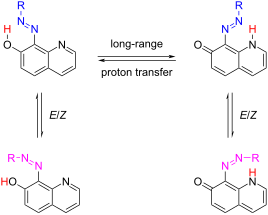
- molecules good candidates for molecular switches [50]. Recently, we have developed a series of 7-hydroxyquinoline Schiff bases, where the tautomeric proton transfer causes intramolecular twisting upon irradiation [51]. The process happens in the excited state and the competition between proton transfer and




Substituent effects in N-acetylated phenylazopyrazole photoswitches
Beilstein J. Org. Chem. 2025, 21, 830–838, doi:10.3762/bjoc.21.66
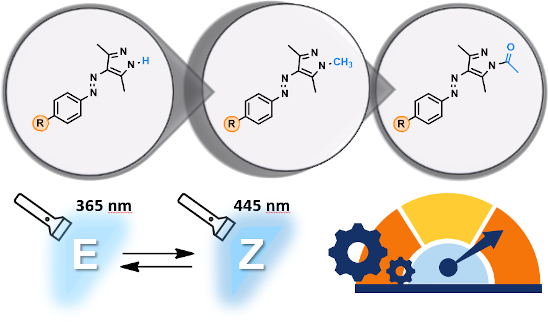
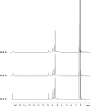
- properties, which may broaden their application in areas such as molecular switches, photodynamic materials, and optoelectronics. UV–vis absorption spectra of selected NAc-PAP derivatives in CH3CN. The strong π→π* can be observed in the region of 330–360 nm. A) Time-resolved UV–vis absorption spectra of NAc


Synthesis, structure, ionochromic and cytotoxic properties of new 2-(indolin-2-yl)-1,3-tropolones
Beilstein J. Org. Chem. 2025, 21, 358–368, doi:10.3762/bjoc.21.26
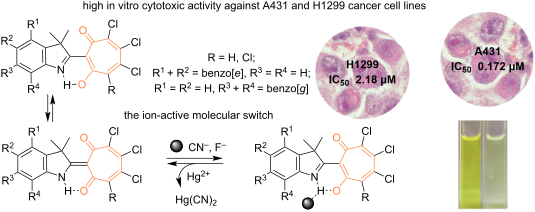
- represent molecular switches of optical and fluorescent properties under sequential addition of CN− and Hg2+ ions and the transformation cycle presented in Scheme 3 can be repeated at least 5–6 times. The resulting compounds 7b and 8a,b have extremely low water solubility, which makes it impossible to
- -ray diffraction analysis. Using two-dimensional correlation NMR spectroscopy methods, it was shown that the nature of the solvent significantly affects the equilibrium of the tautomeric forms of the 1,3-tropolones. The obtained compounds represent molecular switches of optical and fluorescent




A fiber-optic spectroscopic setup for isomerization quantum yield determination
Beilstein J. Org. Chem. 2024, 20, 1684–1692, doi:10.3762/bjoc.20.150
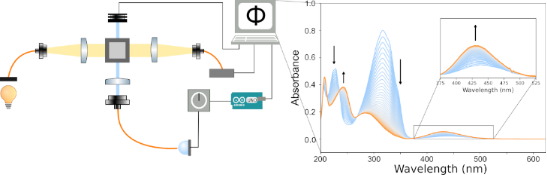
- the positive features of the aforementioned designs, which can be used to determine the forward and backward quantum yields of molecular switches without the need for actinometry, by combining fiber-coupled LEDs with a commercially calibrated thermopile detector and following the isomerization of a


Synthesis of photo- and ionochromic N-acylated 2-(aminomethylene)benzo[b]thiophene-3(2Н)-ones with a terminal phenanthroline group
Beilstein J. Org. Chem. 2024, 20, 552–560, doi:10.3762/bjoc.20.47
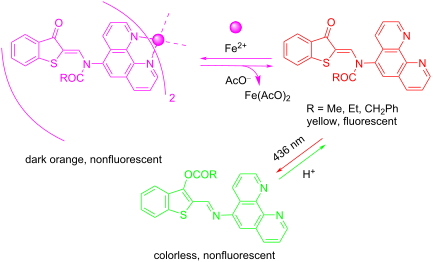
- light and H+ or sequential addition of Fe2+ and AcO− ions. Keywords: fluorescence; molecular switches; N→O acyl rearrangement; naked eye effect; photochromism; Introduction Photochromism is defined as the reversible transformation of a molecular entity between different forms, having different
- inverse photochromism), such as merocyanine forms of spiropyrans and spirooxazines, azomethine imines, thioindigoid dyes and N→O acylotropic systems [12][13][14][15]. Recently, they have been actively used to create next-generation molecular switches, materials with new properties (in particular, color
- change depending on the intensity of sunlight), photochromic tags for biological research and optical sensors [15][16][17][18][19][20][21]. To develop new dual-mode molecular switches capable of efficient modulation of optical and fluorescent properties, both upon irradiation with visible light and upon


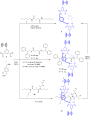
Switchable molecular tweezers: design and applications
Beilstein J. Org. Chem. 2024, 20, 504–539, doi:10.3762/bjoc.20.45
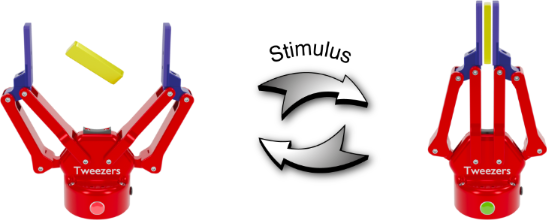
- Pablo Msellem Maksym Dekthiarenko Nihal Hadj Seyd Guillaume Vives Sorbonne Université, UMR CNRS 8232, Institut Parisien de Chimie Moléculaire, 4 place Jussieu, 75005, Paris, France 10.3762/bjoc.20.45 Abstract Switchable molecular tweezers are a unique class of molecular switches that, like their
- first part will be devoted to chemically responsive tweezers, including stimuli such as pH, metal coordination, and anion binding. Then, redox-active and photochemical tweezers will be presented. Keywords: coordination; molecular recognition; molecular switches; photoswitch; redox; supramolecular
- that binds to the OH groups instead of the pyrimidine nitrogen atoms. The group of Aprahamian has developed hydrazone-based molecular switches that can be controlled by photochemical or chemical stimuli such as pH [27]. They reported mesogenic tweezers-like compound 5 composed of a hydrazone switch




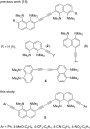
Synthesis, structure, and properties of switchable cross-conjugated 1,4-diaryl-1,3-butadiynes based on 1,8-bis(dimethylamino)naphthalene
Beilstein J. Org. Chem. 2023, 19, 674–686, doi:10.3762/bjoc.19.49
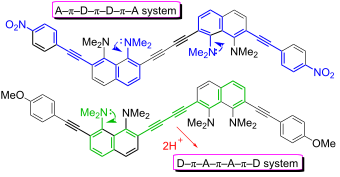
- , electron transfer, and quantum interference [17][18][19][20], but are also considered as promising molecular switches and transistors [21][22][23][24][25], NLO materials [26][27][28][29], and suitable starting compounds for syntheses involving multiple Diels–Alder additions [30]. All these facts motivated



Comparison of crystal structure and DFT calculations of triferrocenyl trithiophosphite’s conformance
Beilstein J. Org. Chem. 2022, 18, 1499–1504, doi:10.3762/bjoc.18.157
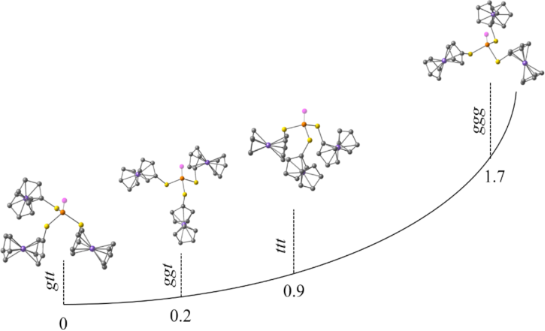
- properties. Such switchable systems with conjugated organic fragments containing an FeII/FeIII system were used in organic electronics as molecular switches, optoelectronic materials and in biochemistry as photonic or redox devices [6]. A promising approach is the coordination self-assembly of multiferrocene


Continuous flow synthesis of azobenzenes via Baeyer–Mills reaction
Beilstein J. Org. Chem. 2022, 18, 781–787, doi:10.3762/bjoc.18.78
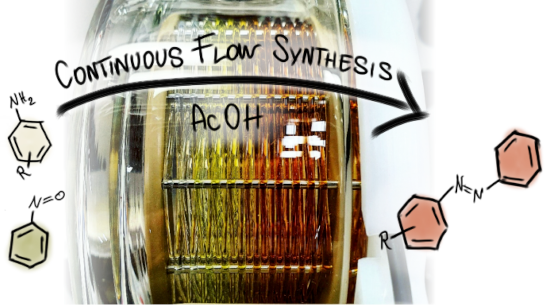
- Azobenzene, as one of the most prominent molecular switches, is featured in many applications ranging from photopharmacology to information or energy storage. In order to easily and reproducibly synthesize non-symmetric substituted azobenzenes in an efficient way, especially on a large scale, the commonly
- . Keywords: azobenzenes; Baeyer–Mills reaction; continuous flow; molecular switches; solar fuel; Introduction Although the red-colored azobenzenes (AB) have been known for years as dyes, their applications nowadays span from energy and information storage [1][2][3][4][5], organocatalysis [6], photobiology


BINOL as a chiral element in mechanically interlocked molecules
Beilstein J. Org. Chem. 2022, 18, 508–523, doi:10.3762/bjoc.18.53
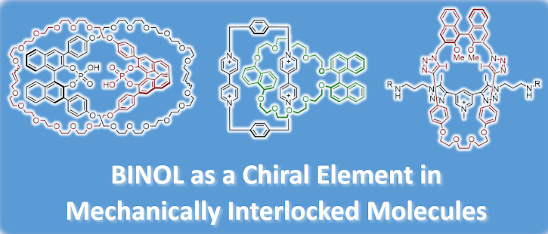
- applications as molecular switches, muscles, and motors [5][6][7][8][9][10][11], as novel materials [12], as medically active compounds [13][14], as catalysts [15][16][17][18][19], as chemosensors [20][21][22][23][24], and many more [25]. In view of their template-based synthesis and the importance of




Trichloroacetic acid fueled practical amine purifications
Beilstein J. Org. Chem. 2022, 18, 225–231, doi:10.3762/bjoc.18.26
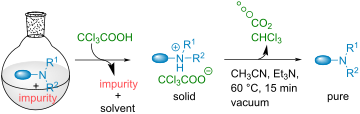
- operations and the associated generation of waste, discovery of alternative purification techniques is mandatory. Avoiding waste accumulation, dissipative acids have recently found interesting applications in the field of out of equilibrium molecular switches and motors [5]. They enable the temporary
- cheap and simple acid enables a temporary protonation while time-controlled decarboxylation liberates volatile CO2 and chloroform as single waste (Scheme 2a). This strategy has been applied with success by the groups of Takata, Leigh, Kim and ours to time control different molecular switches ranging
- generated can be separated from the impurities. Closely related to out of equilibrium systems applied in molecular switches and motors under temporal control, from the amine salt, isolation of the pure free amine occurs through a simple decarboxylation of TCA, releasing volatile CO2 and CHCl3. As a result


Recent advances in the asymmetric phosphoric acid-catalyzed synthesis of axially chiral compounds
Beilstein J. Org. Chem. 2021, 17, 2729–2764, doi:10.3762/bjoc.17.185
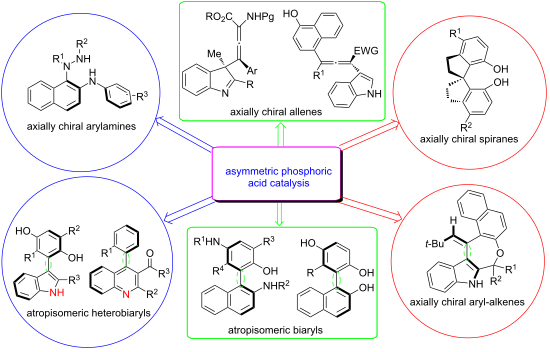
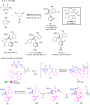
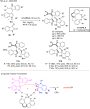
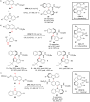
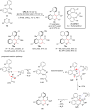
- -catalyzed enantioselective transformations [9][14][22][23]. Axial chirality is also found in chiral stationary phases for enantioselective separation, dopants in liquid-crystalline materials, chiroptical molecular switches, microporous soluble polymers, and interlocked nanotubes (Figure 3) [24]. In addition












Construction of pillar[4]arene[1]quinone–1,10-dibromodecane pseudorotaxanes in solution and in the solid state
Beilstein J. Org. Chem. 2020, 16, 2954–2959, doi:10.3762/bjoc.16.245
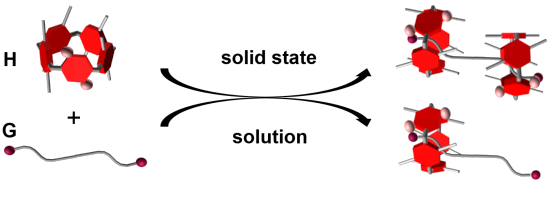
- , including molecular switches, molecular logic gates, molecular machines, supramolecular polymers, etc. [6][7][8][9][10][11]. Pseudorotaxanes not only are used as the supramolecular precursors for the synthesis of rotaxanes and catenanes but also play an important role in the construction of supramolecular


Thermodynamic and electrochemical study of tailor-made crown ethers for redox-switchable (pseudo)rotaxanes
Beilstein J. Org. Chem. 2020, 16, 2576–2588, doi:10.3762/bjoc.16.209
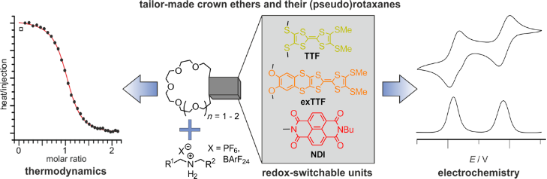
- construction of more complex molecular structures [24][26][27]. With the introduction of stimuli-responsive units, crown ether/ammonium-based MIMs have evolved into molecular switches and motors [24][28]. Intriguing examples among them are a light-powered molecular pump [29], a chemical-fuel-driven molecular
- potential of tailor-made redox-active crown ethers for the development of new molecular switches. Yet, a careful design of tailor-made redox-active crown ethers is of great importance for tuning the crown ether binding and redox properties to achieve the desired molecular structure and switching mode, which




Synthetic approaches to bowl-shaped π-conjugated sumanene and its congeners
Beilstein J. Org. Chem. 2020, 16, 2212–2259, doi:10.3762/bjoc.16.186
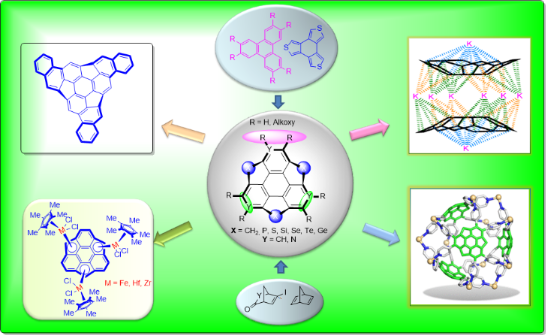
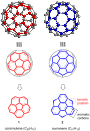
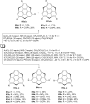
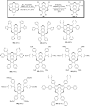
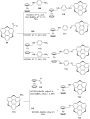
- can not only be useful for enantioselective synthesis of π-bowls but also to produce novel building blocks for molecular switches, chemical machines, molecular motor, ferroelectric memories, molecular devices, and sensory materials etc. Interestingly, electronic switching, thermal transport and











Synthesis and highly efficient light-induced rearrangements of diphenylmethylene(2-benzo[b]thienyl)fulgides and fulgimides
Beilstein J. Org. Chem. 2020, 16, 1820–1829, doi:10.3762/bjoc.16.149
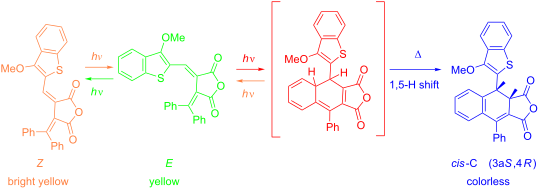
- ; X-ray diffraction; Introduction Photochromic compounds are of considerable interest as molecular switches, elements of optical memory and molecular logic devices [1][2][3][4]. Fulgides and fulgimides possessing excellent thermal and photochemical stability, structurally modulated fluorescent
- heteroaromatic fulgides revealed significant advantages of the latter for applications as molecular switches and optical information storage systems [5][10]. These include higher thermal stability, longer lifetimes of the photocolored forms and higher yields of the photocoloration reactions and better




Five-component, one-pot synthesis of an electroactive rotaxane comprising a bisferrocene macrocycle
Beilstein J. Org. Chem. 2020, 16, 1564–1571, doi:10.3762/bjoc.16.128
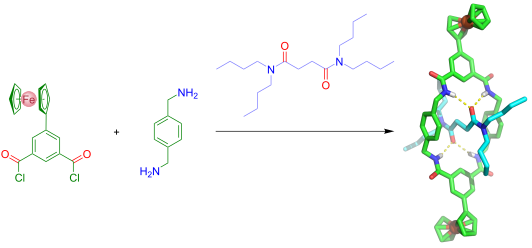
- to perform several functions as artificial molecular switches [1]. The template-directed synthesis of such sophisticated catenane and rotaxane molecular architectures allowed the expansion of chemical diversity and properties. Among these architectures, electroactive rotaxanes have been described to




Synthesis and characterization of bis(4-amino-2-bromo-6-methoxy)azobenzene derivatives
Beilstein J. Org. Chem. 2019, 15, 3000–3008, doi:10.3762/bjoc.15.296
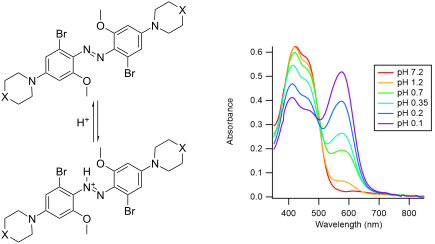
- ; azonium; molecular switches; ortho substitution; photoisomerization; photoswitch; visible light; Introduction The application of photoswitches to control biological targets has been a driving force for the development of photoswitches that operate at wavelengths that are compatible with cells and tissues


Design, synthesis and investigation of water-soluble hemi-indigo photoswitches for bioapplications
Beilstein J. Org. Chem. 2019, 15, 2822–2829, doi:10.3762/bjoc.15.275
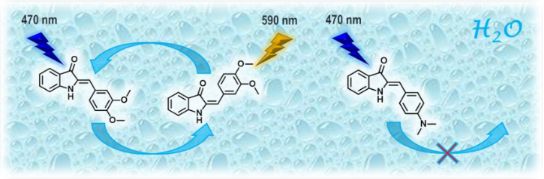
- that allowed to obtain an RNA-binding hemi-indigo derivative with photoswitchable fluorescent properties. Keywords: hemi-indigo; molecular switches; photochromism; photoswitching; visible light; water solubility; Introduction The application of organic photochromes in biological systems is fraught


A chiral self-sorting photoresponsive coordination cage based on overcrowded alkenes
Beilstein J. Org. Chem. 2019, 15, 2767–2773, doi:10.3762/bjoc.15.268
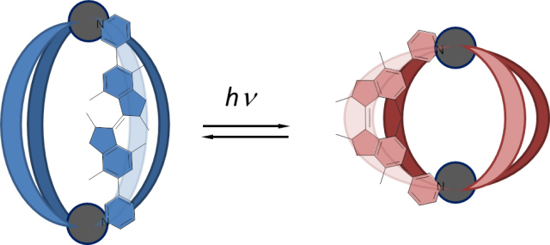
- between the three isomers. Two of the isomers were able to form host–guest complexes opening up new prospects toward stimuli-controlled substrate binding and release. Keywords: coordination cages; molecular motors; molecular switches; overcrowded alkene; palladium; Introduction Supramolecular





