


Search results
Search for "nitrone" in Full Text gives 36 result(s) in Beilstein Journal of Organic Chemistry.
Synthesis of sterically shielded piperidine nitroxides via acid-catalyzed heterocyclization of β-aminoketone derivatives with ketones
- Mark M. Gulman,
- Yurii I. Glazachev and
- Sergey A. Dobrynin
Beilstein J. Org. Chem. 2026, 22, 948–954, doi:10.3762/bjoc.22.74
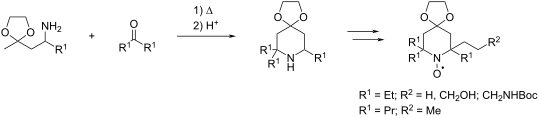
- , generated by deprotonation of acetylene, propargyl alcohol, or N-Boc-protected propargylamine with ethylmagnesium bromide, whereas nitrone 6b was treated with allylmagnesium bromide. Subsequent quenching of the reaction mixtures with water, followed by oxidation with MnO2, afforded the corresponding

Graphical Abstract

Scheme 1: Synthesis of aminodioxolanes 4a,b. TMG = 1,1,3,3-tetramethylguanidine.

Scheme 2: Acid-catalyzed heterocyclization of β-aminoketones 4a,b with diethyl and dipropyl ketones.

Scheme 3: Synthesis of piperidine nitroxides from piperidines 5a,b and organometallic reagents.

Scheme 4: Hydrogenation of carbon–carbon multiple bonds of nitroxides 7a–d.

Scheme 5: Sequential hydrogenation and dioxolane deprotection.
Synthesis of tricyclic fused pyrrolidine nitroxides from 2-alkynylpyrrolidine-1-oxyls
- Mark M. Gulman,
- Yuliya F. Polienko,
- Sofia Yu. Trakhininа,
- Yuri V. Gatilov,
- Tatyana V. Rybalova,
- Sergey A. Dobrynin and
- Igor A. Kirilyuk
Beilstein J. Org. Chem. 2026, 22, 344–351, doi:10.3762/bjoc.22.22

- corresponding alkynylmagnesium bromides to nitrone 1 [20]. Radicals 2d and 2e were prepared in analogy to the known procedure using trimethylsilylacetylene and benzyl propargyl ether as the terminal alkynes (Scheme 1). Nitrone 1 was treated with a 10-fold excess of alkynylmagnesium bromide prepared in situ via

Graphical Abstract

Scheme 1: Synthesis of nitroxides 2a–f.
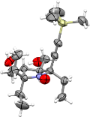
Figure 1: X-ray structure of nitroxide 2d.

Scheme 2: Synthesis of mesyl 3a–f and triazole 4a–f derivatives.

Figure 2: X-ray structures of nitroxides 4a–c.

Scheme 3: Synthesis of alkynones 6a,b.

Scheme 4: Synthesis of vinyl ether 8.

Figure 3: X-ray structures of nitroxides 8 and 9a.

Scheme 5: Synthesis of pyrazole derivatives 9a–c.

Figure 4: Spin–spin coupling constants for reduced nitroxides 9a–c.
A new synthesis of Tyrian purple (6,6’-dibromoindigo) and its corresponding sulfonate salts
- Holly Helmers,
- Mark Horton,
- Julie Concepcion,
- Jeffrey Bjorklund and
- Nicholas C. Boaz
Beilstein J. Org. Chem. 2026, 22, 167–174, doi:10.3762/bjoc.22.10
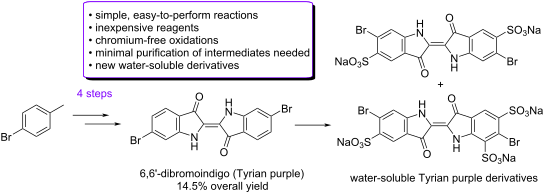
- -nitrobenzaldehyde, which is accomplished by benzylic bromination followed by a Kornblum oxidation. This gentle oxidation avoids the need for chromium trioxide-mediated or nitrone-based methods. While other published syntheses of 6,6’-dibromoindigo have resulted in higher overall yields, our approach offers the
- expense of waste treatment raise issues [8][9][11][12]. Others have produced the desired aldehyde by formation and subsequent hydrolysis of a nitrone, a route which requires four distinct steps, making it less desirable [13][14][15][16][17]. While there have been several syntheses of 1 using 3 as a key
- ]. Finally, Kröhnke et al. reported a 4-step conversion of 3 to 4 that involves formation and hydrolysis of a nitrone to yield the desired aldehyde in 55% yield, but multiple steps make this pathway cumbersome [13][14][15][16][17][20]. Therefore, the route of benzylic oxidation that we report provides a

Graphical Abstract

Scheme 1: A) Generalized synthetic scheme for several previous syntheses of 6,6’-dibromoindigo. B) The synthe...

Scheme 2: Synthetic scheme for the preparation of 6,6’-dibromoindigo from p-bromotoluene (5).

Scheme 3: Nitration of p-bromotoluene (5) yields a mixture of regioisomers 3 and 7.

Scheme 4: Benzylic bromination of 4-bromo-2-nitrotoluene (3).

Scheme 5: A) Treatment of 4-bromo-2-nitrobenzyl bromide (6) with DMSO did not yield the alkoxysulfonium ion i...

Scheme 6: Condensation of 4-bromo-2-nitrobenzaldehyde (4) to yield 6,6’-dibromoindigo (1).

Scheme 7: A) Disulfonation of 6,6’-dibromoindigo (1), to yield 6,6’-dibromo-5,5’-indigodisulfonic acid disodi...

Figure 1: A) UV–vis spectra of 6,6’-dibromo-5,5’,7-indigotrisulfonic acid trisodium salt (10) (10 μM) in aque...
Rapid access to the core of malayamycin A by intramolecular dipolar cycloaddition
- Yilin Liu,
- Yuchen Yang,
- Chen Yang,
- Sha-Hua Huang,
- Jian Jin and
- Ran Hong
Beilstein J. Org. Chem. 2025, 21, 2542–2547, doi:10.3762/bjoc.21.196
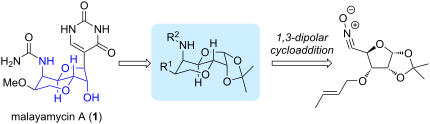
- intermediate 5 will be converted into the final target after installation of the urea and uracil motifs. Accordingly, a nitrone-based latent functionality approach [28] would be tunable from fully substituted tetrahydrofuran-derived nitrone 7. The cis-1,2-hydroxy amine could be derived from oxazoline 6 through
- cleavage of the N–O bond, oxidation and Baeyer–Villiger oxidation. The starting functional groups (including alkyne and nitrone) for the proposed oxazoline were established in literature precedents [29][30][31]. Moreover, the readily available intermediate 8 [32] bearing three defined stereogenic centers
- smoothly to deliver the aldehyde which was immediately subjected to the condensation reaction with benzylhydroxylamine. The corresponding nitrone 10 then underwent an intramolecular cycloaddition. Adduct 11 was isolated as the major product in 42% yield for 2 steps. Comprehensive NMR analysis revealed the

Graphical Abstract

Figure 1: Selected natural uracil-containing nucleosides (the key perhydrofuropyran core highlighted in blue)....

Scheme 1: Synthetic strategies toward malayamycin A. (A) Previous synthetic route. (B) Our strategy toward th...
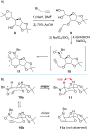
Scheme 2: Rational for intramolecular dipolar cycloaddition.

Scheme 3: Proposed pathway for the enone formation.

Scheme 4: Modified route to access the core of malayamycins.

Scheme 5: Attempting the Baeyer–Villiger reaction.
The high potential of methyl laurate as a recyclable competitor to conventional toxic solvents in [3 + 2] cycloaddition reactions
- Ayhan Yıldırım and
- Mustafa Göker
Beilstein J. Org. Chem. 2025, 21, 2389–2415, doi:10.3762/bjoc.21.184
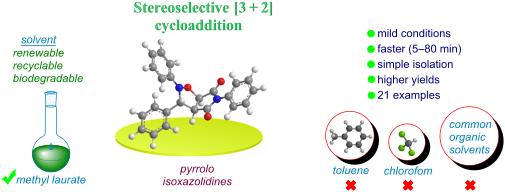
- -based nitrone with some maleimides via a mechanochemical route in a solvent-free medium [67][68]. The development of environmentally friendly green methodologies for the preparation of heterocyclic compounds via such cycloaddition reactions is a significant and ongoing research area that should not be
- potential hazard associated with their utilization as a solvent in the aforementioned reactions. For the solute component C,N-diphenylnitrone, the dispersion, polarity, and hydrogen bonding values for nitrone were determined as δD = 16.6, δP = 7.6 and δH = 8.7. Figure 8b clearly shows the position of the
- experiment was conducted in which a series of organic solvents and water were subjected to solubility tests. For the purposes of this experiment, approximately 15 mg of nitrone was mixed with 1 mL of solvent in a 10 mL test tube at room temperature (22 °C). As demonstrated in Figure 8c, the solvents under

Graphical Abstract

Figure 1: Versatile compounds via cycloaddition reactions.
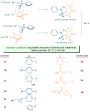
Scheme 1: Molecular structures of parent compounds 1a–f, 2a–d and cycloadducts 3a–u.

Figure 2: a) Radar view of the physical properties of methyl laurate. b) Oral toxicity values of methyl laura...

Figure 3: The oral toxicity values of all the solvents utilized in the present study obtained with ProTox 3.0....

Figure 4: Ecological, environmental risk assessments, pesticide similarity and biodegradability assessments o...

Figure 5: Ecological, environmental risk assessments, pesticide similarity and biodegradability assessments o...

Figure 6: Ecological, environmental risk assessments, pesticide similarity and biodegradability assessments o...

Figure 7: Various toxicity parameters of methyl laurate and a series of other solvents calculated by ADMETLab...

Figure 8: a) Visualization of the localization of conventional organic and bio-based solvents in the Hansen s...
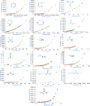
Figure 9: Vapour pressures of the solvents used (values retrieved from the Chemeo molecular database).

Scheme 2: Endo and exo stereoisomeric approaches of nitrone 1a and maleimide 2a in [3 + 2] cycloaddition reac...

Figure 10: Signals of protons used in the calculation of the diastereomeric ratios (cis/trans) of cycloadditio...

Figure 11: Results of studies on the recovery of solvents used in the reaction.

Figure 12: Simplified scheme describing the reaction monitoring and solvent recovery.
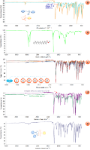
Figure 13: a) The superimposed spectra of C,N-diphenylnitrone and N-phenylmaleimide. b) The spectrum of methyl...
C2 to C6 biobased carbonyl platforms for fine chemistry
- Jingjing Jiang,
- Muhammad Noman Haider Tariq,
- Florence Popowycz,
- Yanlong Gu and
- Yves Queneau
Beilstein J. Org. Chem. 2025, 21, 2103–2172, doi:10.3762/bjoc.21.165

Graphical Abstract

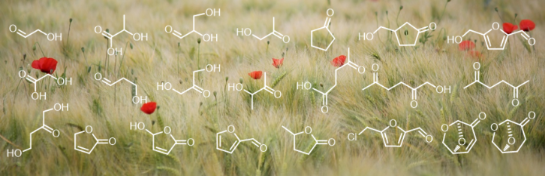
Figure 1: C2–C6 biobased carbonyl building blocks.

Scheme 1: Proposed (2 + 2) route to glycolaldehyde and glycolic acid from erythritol by Cu/AC catalyst (AC = ...

Scheme 2: Reductive amination of GCA.

Scheme 3: N-Formylation of secondary amines by reaction with GCA.

Scheme 4: Synthesis and conversion of hydroxy acetals to cyclic acetals.

Scheme 5: Synthesis of 3-(indol-3-yl)-2,3-dihydrofurans via three-component reaction of glycolaldehyde, indol...

Scheme 6: BiCl3-catalyzed synthesis of benzo[a]carbazoles from 2-arylindoles and α-bromoacetaldehyde ethylene...

Scheme 7: Cu/NCNSs-based conversion of glycerol to glycolic acid and other short biobased acids.

Scheme 8: E. coli-based biotransformation of C1 source molecules (CH4, CO2 and CO) towards C2 glycolic acid.

Scheme 9: N-Formylation of amines with C2 (a) or C3 (b) biomass-based feedstocks.

Scheme 10: Methods for the formation of propanoic acid (PA) from lactic acid (LA).

Scheme 11: Co-polymerization of biobased lactic acid and glycolic acid via a bicatalytic process.

Scheme 12: Oxidation of α-hydroxy acids by tetrachloroaurate(III) in acetic acid–sodium acetate buffer medium.

Figure 2: Selective catalytic pathways for the conversion of lactic acid (LA).

Scheme 13: Synthesis of 1,3-PDO via cross-aldol reaction between formaldehyde and acetaldehyde to 3-hydroxypro...

Scheme 14: Hydrothermal conversion of 1,3-dihydroxy-2-propane and 2,3-dihydroxypropanal to methylglyoxal.

Scheme 15: FLS-catalyzed formose reaction to synthesize GA and DHA.

Scheme 16: GCA and DHA oxidation products of glycerol and isomerization of GCA to DHA under flow conditions us...

Scheme 17: Acid-catalyzed reactions of DHA with alcohols.

Scheme 18: Synthesis of dihydroxyacetone phosphate from dihydroxyacetone.

Scheme 19: Bifunctional acid–base catalyst DHA conversion into lactic acid via pyruvaldehyde or fructose forma...

Scheme 20: Catalytic one-pot synthesis of GA and co-synthesis of formamides and formates from DHA.

Scheme 21: (a) Synthesis of furan derivatives and (b) synthesis of thiophene derivative by cascade [3 + 2] ann...

Scheme 22: Brønsted acidic ionic liquid catalyzed synthesis of benzo[a]carbazole from renewable acetol and 2-p...

Scheme 23: Asymmetric hydrogenation of α-hydroxy ketones to 1,2-diols.

Scheme 24: Synthesis of novel 6-(substituted benzylidene)-2-methylthiazolo [2,3-b]oxazol-5(6H)-one from 1-hydr...

Scheme 25: ʟ-Proline-catalyzed synthesis of anti-diols from hydroxyacetone and aldehydes.

Scheme 26: C–C-bond-formation reactions of a biomass-based feedstock aromatic aldehyde (C5) and hydroxyacetone...

Scheme 27: Ethanol upgrading to C4 bulk chemicals via the thiamine (VB1)-catalyzed acetoin condensation.

Scheme 28: One-pot sequential chemoenzymatic synthesis of 2-aminobutane-1,4-diol and 1,2,4-butanetriol via 1,4...

Scheme 29: Synthesis of 1,4-dihydroxybutan-2-one by microbial transformation.

Scheme 30: Conversion of polyols by [neocuproine)Pd(OAc)]2(OTf)2] to α-hydroxy ketones.

Scheme 31: Chemoselective oxidation of alcohols with chiral palladium-based catalyst 2.

Scheme 32: Electrochemical transformation of furfural to 5-hydroxy-2(5H)-furanone (HFO).

Scheme 33: Selective hydrodeoxygenation of HFO and oxidation to γ-butyrolactone (GBL).

Scheme 34: Photosensitized oxygenation of furan towards HFO via ozonide intermediates.

Scheme 35: Conversion of furfural to HFO and MAN by using mesoporous carbon nitride (SGCN) as photocatalyst.

Scheme 36: Synthesis of HFO from furan derivatives.

Scheme 37: Photooxidation of furfural to 5-hydroxy-2(5H)-furanone (HFO).

Scheme 38: Synthesis of Friedel–Crafts indole adduct from HFO.

Scheme 39: Conversion of HFO to α,γ-substituted chiral γ-lactones.

Scheme 40: Tautomeric transformation of HFO to formylacrylic acid.

Scheme 41: Hydrolysis of HFO to succinic acid in aqueous solution.

Scheme 42: Substitution and condensation reactions of 5-hydroxy-2(5H)-furanone (HFO).

Scheme 43: (a) Conversion of HFO towards valuable C4 chemicals and (b) anodic oxidation of 5-hydroxy-2(5H)-fur...

Figure 3: Conversion of HFO towards other natural and synthetic substances.

Scheme 44: Conversion of furfural to maleic anhydride (reaction a: VOx/Al2O3; reaction b: VPO).

Scheme 45: Conversion of furfural into succinic acid.

Scheme 46: Electro‑, photo‑, and biocatalysis for one-pot selective conversions of furfural into C4 chemicals.

Scheme 47: Production route of furfural from hemicellulose.

Scheme 48: Mechanism for xylose dehydration to furfural through a choline xyloside intermediate.

Scheme 49: Conversion of furfural to furfuryl alcohol and its derivatives.

Scheme 50: Conversion of furfural to furfuryl alcohol and 3-(2-furyl)acrolein.

Scheme 51: The aerobic oxidative condensation of biomass-derived furfural and linear alcohols.

Scheme 52: The single-step synthesis of 2-pentanone from furfural.

Scheme 53: Electrocatalytic coupling reaction of furfural and levulinic acid.

Scheme 54: Conversion of furfural to m-xylylenediamine.

Scheme 55: Conversion of furfural to tetrahydrofuran-derived amines.

Scheme 56: Formation of trans-4,5-diamino-cyclopent-2-enones from furfural.

Scheme 57: Production of pyrrole and proline from furfural.

Scheme 58: Synthesis of 1‑(trifluoromethyl)-8-oxabicyclo[3.2.1]oct-3-en-2-ones from furfural.

Scheme 59: Conversion of furfural to furfural-derived diacids.

Scheme 60: A telescope protocol derived from furfural and glycerol.

Scheme 61: A tandem cyclization of furfural and 5,5-dimethyl-1,3-cyclohexanedione.

Scheme 62: A Ugi four-component reaction to construct furfural-based polyamides.

Scheme 63: One-pot synthesis of γ-acyloxy-Cy7 from furfural.

Scheme 64: Dimerization–Piancatelli sequence toward humins precursors from furfural.

Scheme 65: Conversion of furfural to CPN.

Scheme 66: Synthesis of jet fuels range cycloalkanes from CPN and lignin-derived vanillin.

Scheme 67: Solar-energy-driven synthesis of high-density biofuels from CPN.

Scheme 68: Reductive amination of CPN to cyclopentylamine.

Scheme 69: Asymmetric hydrogenation of C=O bonds of exocyclic α,β-unsaturated cyclopentanones.

Scheme 70: Preparation of levulinic acid via the C5 route (route a) or C6 route (routes b1 and b2).

Scheme 71: Mechanism of the rehydration of HMF to levulinic acid and formic acid.

Scheme 72: Important levulinic acid-derived chemicals.

Scheme 73: Direct conversion of levulinic acid to pentanoic acid.

Scheme 74: Catalytic aerobic oxidation of levulinic acid to citramalic acid.

Scheme 75: Conversion of levulinic acid to 1,4-pentanediol (a) see ref. [236]; b) see ref. [237]; c) see ref. [238]; d) see r...

Scheme 76: Selective production of 2-butanol through hydrogenolysis of levulinic acid.

Scheme 77: General reaction pathways proposed for the formation of 5MPs from levulinic acid.

Scheme 78: Selective reductive amination of levulinic acid to N-substituted pyrroles.

Scheme 79: Reductive amination of levulinic acid to chiral pyrrolidinone.

Scheme 80: Reductive amination of levulinic acid to non-natural chiral γ-amino acid.

Scheme 81: Nitrogen-containing chemicals derived from levulinic acid.

Scheme 82: Preparation of GVL from levulinic acid by dehydration and hydrogenation.

Scheme 83: Ruthenium-catalyzed levulinic acid to chiral γ-valerolactone.

Scheme 84: Catalytic asymmetric hydrogenation of levulinic acid to chiral GVL.

Scheme 85: Three steps synthesis of ε-caprolactam from GVL.

Scheme 86: Multistep synthesis of nylon 6,6 from GVL.

Scheme 87: Preparation of MeGVL by α-alkylation of GVL.

Scheme 88: Ring-opening polymerization of five-membered lactones.

Scheme 89: Synthesis of GVL-based ionic liquids.

Scheme 90: Preparation of butene isomers from GVL under Lewis acid conditions.

Scheme 91: Construction of C5–C12 fuels from GVL over nano-HZSM-5 catalysts.

Scheme 92: Preparation of alkyl valerate from GVL via ring opening/reduction/esterification sequence.

Scheme 93: Construction of 4-acyloxypentanoic acids from GVL.

Scheme 94: Synthesis of 1,4-pentanediol (PDO) from GVL.

Scheme 95: Construction of novel cyclic hemiketal platforms via self-Claisen condensation of GVL.

Scheme 96: Copper-catalyzed lactamization of GVL.

Figure 4: Main scaffolds obtained from HMF.

Scheme 97: Biginelli reactions towards HMF-containing dihydropyrimidinones.

Scheme 98: Hantzsch dihydropyridine synthesis involving HMF.

Scheme 99: The Kabachnik–Fields reaction involving HMF.

Scheme 100: Construction of oxazolidinone from HMF.

Scheme 101: Construction of rhodamine-furan hybrids from HMF.

Scheme 102: A Groebke–Blackburn–Bienaymé reaction involving HMF.

Scheme 103: HMF-containing benzodiazepines by [4 + 2 + 1] cycloadditions.

Scheme 104: Synthesis of fluorinated analogues of α-aryl ketones.

Scheme 105: Synthesis of HMF derived disubstituted γ-butyrolactone.

Scheme 106: Functionalized aromatics from furfural and HMF.

Scheme 107: Diels–Alder adducts from HMF or furfural with N-methylmaleimide.

Scheme 108: Pathway of the one-pot conversion of HMF into phthalic anhydride.

Scheme 109: Photocatalyzed preparation of humins (L-H) from HMF mixed with spoiled HMF residues (LMW-H) and fur...

Scheme 110: Asymmetric dipolar cycloadditions on HMF.

Scheme 111: Dipolar cycloadditions of HMF based nitrones to 3,4- and 3,5-substituted isoxazolidines.

Scheme 112: Production of δ-lactone-fused cyclopenten-2-ones from HMF.

Scheme 113: Aza-Piancatelli access to aza-spirocycles from HMF-derived intermediates.

Scheme 114: Cross-condensation of furfural, acetone and HMF into C13, C14 and C15 products.

Scheme 115: Base-catalyzed aldol condensation/dehydration sequences from HMF.

Scheme 116: Condensation of HMF and active methylene nitrile.

Scheme 117: MBH reactions involving HMF.

Scheme 118: Synthesis of HMF-derived ionic liquids.

Scheme 119: Reductive amination/enzymatic acylation sequence towards HMF-based surfactants.

Scheme 120: The formation of 5-chloromethylfurfural (CMF).

Scheme 121: Conversion of CMF to HMF, levulinic acid, and alkyl levulinates.

Scheme 122: Conversion of CMF to CMFCC and FDCC.

Scheme 123: Conversion of CMF to BHMF.

Scheme 124: Conversion of CMF to DMF.

Scheme 125: CMF chlorine atom substitutions toward HMF ethers and esters.

Scheme 126: Introduction of carbon nucleophiles in CMF.

Scheme 127: NHC-catalyzed remote enantioselective Mannich-type reactions of CMF.

Scheme 128: Conversion of CMF to promising biomass-derived dyes.

Scheme 129: Radical transformation of CMF with styrenes.

Scheme 130: Synthesis of natural herbicide δ-aminolevulinic acid from CMF.

Scheme 131: Four step synthesis of the drug ranitidine from CMF.

Scheme 132: Pd/CO2 cooperative catalysis for the production of HHD and HXD.

Scheme 133: Different ruthenium (Ru) catalysts for the ring-opening of 5-HMF to HHD.

Scheme 134: Proposed pathways for preparing HXD from HMF.

Scheme 135: MCP formation and uses.

Scheme 136: Cu(I)-catalyzed highly selective oxidation of HHD to 2,5-dioxohexanal.

Scheme 137: Synthesis of N‑substituted 3‑hydroxypyridinium salts from 2,5-dioxohexanal.

Scheme 138: Ru catalyzed hydrogenations of HHD to 1,2,5-hexanetriol (a) see ref. [396]; b) see ref. [397]).

Scheme 139: Aviation fuel range quadricyclanes produced by HXD.

Scheme 140: Synthesis of HDGK from HXD and glycerol as a chain extender.

Scheme 141: Synthesis of serinol pyrrole from HXD and serinol.

Scheme 142: Synthesis of pyrroles from HXD and nitroarenes.

Scheme 143: Two-step production of PX from cellulose via HXD.

Scheme 144: Preparation of HCPN from HMF via hydrogenation and ring rearrangement.

Scheme 145: Suggested pathways from HMF to HCPN.

Scheme 146: α-Alkylation of HCPN with ethylene gas.

Scheme 147: Synthesis of 3-(hydroxymethyl)cyclopentylamine from HMF via reductive amination of HCPN.

Scheme 148: Production of LGO and Cyrene® from biomass.

Scheme 149: Synthesis of HBO from LGO and other applications.

Scheme 150: Construction of m-Cyrene® homopolymer.

Scheme 151: Conversion of Cyrene® to THFDM and 1,6-hexanediol.

Scheme 152: RAFT co-polymerization of LGO and butadienes.

Scheme 153: Polycondensation of HO-LGOL and diols with dimethyl adipate.

Scheme 154: Self-condensation of Cyrene® and Claisen–Schmidt reactions.

Scheme 155: Synthesis of 5-amino-2-(hydroxymethyl)tetrahydropyran from Cyrene®.
Preparation of spirocyclic oxindoles by cyclisation of an oxime to a nitrone and dipolar cycloaddition
- Beth L. Ritchie,
- Alexandra Longcake and
- Iain Coldham
Beilstein J. Org. Chem. 2025, 21, 1890–1896, doi:10.3762/bjoc.21.146
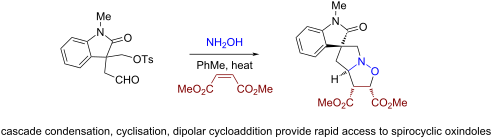
- an important class of compounds with significant biological activities. Spirocyclic derivatives are present in a variety of natural products. We describe here the formation of spirooxindoles using an intermolecular nitrone cycloaddition reaction. The nitrone dipole was prepared in situ by cyclisation
- -containing compounds makes use of intramolecular 1,3-dipolar cycloaddition reactions [15], including examples with nitrone ylides [16][17][18][19][20][21][22]. Our research group has exploited this approach for the synthesis of alkaloids such as myrioxazine A and aspidospermidine [23][24]. With a nitrone 1,3
- possibility to access the core of this ring system with the nitrone intermediate shown in Scheme 1A. As a model study, we describe here efforts towards an intermolecular variant with the oxindole shown in Scheme 1B; in this case a leaving group X will be displaced by the oxime to give an intermediate nitrone

Graphical Abstract

Figure 1: Representative oxindole alkaloids.

Scheme 1: Proposed synthetic approach.

Scheme 2: Preparation of the aldehyde 4.

Scheme 3: Cycloaddition with N-methylmaleimide.

Figure 2: Orientation for the cycloaddition (left) and the crystal structure of the major stereoisomer 5a (ri...

Scheme 4: Cycloaddition with N-phenylmaleimide.

Scheme 5: Cycloaddition with dimethyl fumarate and dimethyl maleate.
Exploring the role of halogen bonding in iodonium ylides: insights into unexpected reactivity and reaction control
- Carlee A. Montgomery and
- Graham K. Murphy
Beilstein J. Org. Chem. 2023, 19, 1171–1190, doi:10.3762/bjoc.19.86
- ]. The authors discounted a free carbene-based C–H insertion because conducting the reaction in the presence of the radical trap phenyl N-tert-butyl nitrone (PBN) and the radical scavenger TEMPO resulted in decreased yields and isolation of their iodonium ylide adducts. Additional kinetic isotope effect

Graphical Abstract

Figure 1: Generic representation of halogen bonding.

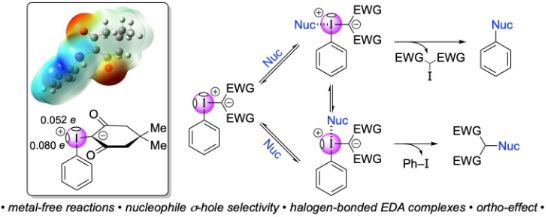
Figure 2: Quantitative evaluation of σ-holes in monovalent iodine-containing compounds; and, qualitative mole...
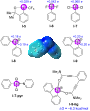
Figure 3: Quantitative evaluation of σ-holes in hypervalent iodine-containing molecules; and, qualitative MEP...

Figure 4: Quantitative evaluation of σ-holes in iodonium ylides; and, qualitative MEP map of I-12 from −0.083...

Scheme 1: Outline of possible reaction pathways between iodonium ylides and Lewis basic nucleophiles (top); a...

Scheme 2: Metal-free cyclopropanations of iodonium ylides, either as intermolecular (a) or intramolecular pro...

Figure 5: Zwitterionic mechanism for intramolecular cyclopropanation of iodonium ylides (left); and, stepwise...

Scheme 3: Metal-free intramolecular cyclopropanation of iodonium ylides.

Figure 6: Concerted cycloaddition pathway for the metal-free, intramolecular cyclopropanation of iodonium yli...

Scheme 4: Reaction of ylide 6 with diphenylketene to form lactone 24 and 25.

Figure 7: Nucleophilic (top) and electrophilic (bottom) addition pathways proposed by Koser and Hadjiarapoglo...

Scheme 5: Indoline synthesis from acyclic iodonium ylide 31 and tertiary amines.
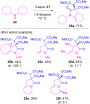
Scheme 6: N-Heterocycle synthesis from acyclic iodonium ylide 31 and secondary amines.

Figure 8: Proposed mechanism for the formation of 33a from iodonium ylides and amines, involving an initial h...

Scheme 7: Indoline synthesis from acyclic iodonium ylides 39 and tertiary amines under blue light photocataly...

Scheme 8: Metal-free cycloproponation of iodonium ylides under blue LED irradiation. aUsing trans-β-methylsty...

Figure 9: Proposed mechanism of the cyclopropanation between iodonium ylides and alkenes under blue LED irrad...

Scheme 9: Formal C–H alkylation of iodonium ylides by nucleophilic heterocycles under blue LED irradiation.

Figure 10: Proposed mechanism of the formal C–H insertion of pyrrole under blue LED irradiation.

Scheme 10: X–H insertions between iodonium ylides and carboxylic acids, phenols and thiophenols.

Figure 11: Mechanistic proposal for the X–H insertion reactions of iodonium ylides.

Scheme 11: Radiofluorination of biphenyl using iodonium ylides 54a–e derived from various β-dicarbonyl auxilia...

Scheme 12: Radiofluorination of arenes using spirocycle-derived iodonium ylides 56.

Scheme 13: Radiofluorination of arenes using SPIAd-derived iodonium ylides 58.

Figure 12: Calculated reaction coordinate for the radiofluorination of iodonium ylide 60.
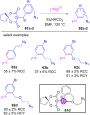
Scheme 14: Radiofluorination of iodonium ylides possessing various ortho- and para-substituents on the iodoare...

Figure 13: Difference in Gibbs activation energy for ortho- or para-anisyl derived iodonium ylides 63a and 63b....

Figure 14: Proposed equilibration of intermediates to transit between 64a (the initial adduct formed between 6...

Scheme 15: Comparison of 31 and ortho-methoxy iodonium ylide 39 in rhodium-catalyzed cyclopropanation and cycl...

Figure 15: X-ray crystal structure of dimeric 39 [6], (CCDC# 893474) [143,144].

Scheme 16: Enaminone synthesis using diazonium and iodonium ylides.
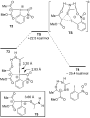
Figure 16: Transition state calculations for enaminone synthesis from iodonium ylides and thioamides.
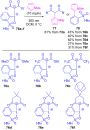
Scheme 17: The reaction between ylides 73a–f and N-methylpyrrole under 365 nm UV irradiation.
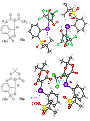
Figure 17: Crystal structures of 76c (top) and 76e (bottom) [101], (CCDC# 2104180 & 2104181) [143,144].
Highly stereocontrolled total synthesis of racemic codonopsinol B through isoxazolidine-4,5-diol vinylation
- Lukáš Ďurina,
- Anna Ďurinová,
- František Trejtnar,
- Ľuboš Janotka,
- Lucia Messingerová,
- Jana Doháňošová,
- Ján Moncol and
- Róbert Fischer
Beilstein J. Org. Chem. 2021, 17, 2781–2786, doi:10.3762/bjoc.17.188
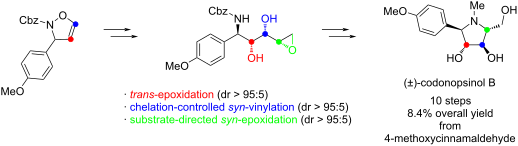
- first prepared synthetically before its isolation from natural crude material, employing a stereoselective addition of an aryl Grignard reagent to a five-membered chiral cyclic nitrone derived from ᴅ-arabinose [2]. Its analytical data were consistent with those for the later isolated natural product

Graphical Abstract

Figure 1: (−)-Codonopsinol B (1) and its N-nor-methyl analogue 2; known inhibition activities against α-gluco...

Scheme 1: Synthetic approach towards (±)-codonopsinol B (1) and its N-nor-methyl analogue 2.

Scheme 2: Synthesis of isoxazolidine-4,5-diol (±)-3. Reagents and conditions: (a) ᴅʟ-proline, CHCl3, rt, 48 h...

Scheme 3: Synthesis of final pyrrolidines (±)-1 and (±)-2. Reagents and conditions: (a) vinyl-MgBr, CeCl3, TH...

Figure 2: Molecular structure of N-Cbz-protected pyrrolidine 12 confirmed by single-crystal X-ray crystallogr...
Recent progress in the synthesis of homotropane alkaloids adaline, euphococcinine and N-methyleuphococcinine
- Dimas J. P. Lima,
- Antonio E. G. Santana,
- Michael A. Birkett and
- Ricardo S. Porto
Beilstein J. Org. Chem. 2021, 17, 28–41, doi:10.3762/bjoc.17.4
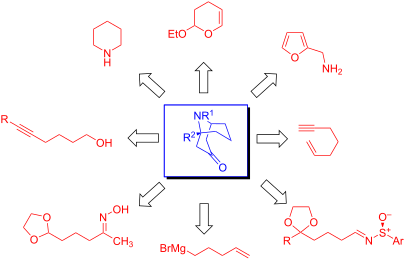
- % overall yields. A relevant consideration in Holmes’s synthesis is: the nitrone is the same common intermediate as Gössinger’s [25], which is cyclized to form the tricyclic adducts. While the Gössinger route started from the cyclic 1-hydroxypiperidine, Holmes performed in situ cyclization to prepare the
- nitrone. Murahashi synthesis – 2000 Starting from secondary amines, Murahashi et al. developed a method for preparing homochiral β-sulfinyl nitrones [41]. Accordingly, (+)-euphococcinine (2) was prepared through allylation followed by the 1,3-dipolar cycloaddition of β-sulfinyl nitrone 20 derived from
- provide β-sulfinyl hydroxylamine 19 in a diastereoisomeric ratio of 67:33 in 52% yield. Oxidation of 19 to nitrone 20 occurred chemoselectivelly through treatment with a solution of hydrogen peroxide in 3 mol % of 5-ethyluminiflavin perchlorate (FIEt+.ClO4) as a catalyst in 55% yield. The reaction of β

Graphical Abstract

Figure 1: Homotropane (azabicyclononane) systems.

Figure 2: Alkaloids (−)-adaline (1), (+)-euphococcinine (2) and (+)-N-methyleuphococcinine (3).

Scheme 1: Synthetic strategies before 1995.

Scheme 2: Synthesis (±)-adaline (1) and (±)-euphococcinine (2). Reagents and conditions: i) 1. dihydropyran, ...

Scheme 3: Synthesis (+)-euphococcinine (2). Reagents and conditions: i) H2O2, SeO2 (cat), acetone, rt, 88%; i...

Scheme 4: Synthesis (+)-euphococcinine (2). Reagents and conditions: i) 2,4-bis(4-phenoxyphenyl)-1,3-dithia-2...

Scheme 5: Synthesis of (±)-euphococcinine precursor (±)-42. Reagents and conditions: i) Bu3SnH, AIBN, toluene...

Scheme 6: Synthesis of (−)-adaline (1). Reagents and conditions: i) LiH2NBH3, THF, 40 °C, 88%; ii) TPAP, NMO,...

Scheme 7: Synthesis of (−)-adaline (1) and (−)-euphococcinine (2). Reagents and conditions: i) 1. BuLi, t-BuO...

Scheme 8: Synthesis of (−)-adaline (1). Reagents and conditions: i) Ref. [52]; ii) Et3N, TBDMSOTf, CH2Cl2, 0 °C t...

Scheme 9: Synthesis of (+)-euphococcinine (2). Reagents and conditions: i) 1. Cp2ZrCl2,AlMe3, CH2Cl2; 2. p-me...

Scheme 10: Synthesis of (−)-adaline 1. Reagents and conditions: i) 1. CuBr.DMS, Et2O/DMS, -42 ºC; 2. 1-heptyne...

Scheme 11: Synthesis of (−)-euphococcinine (2) and (−)-adaline (1). Reagents and conditions: i) 102, KHMDS, Et2...

Scheme 12: Synthesis of N-methyleuphococcinine 3. Reagents and conditions: i) 108 (1.5 equiv), 3,5-di-F-C6H3B(...
Synthesis of tetrafluorinated piperidines from nitrones via a visible-light-promoted annelation reaction
- Vyacheslav I. Supranovich,
- Igor A. Dmitriev and
- Alexander D. Dilman
Beilstein J. Org. Chem. 2020, 16, 3104–3108, doi:10.3762/bjoc.16.260
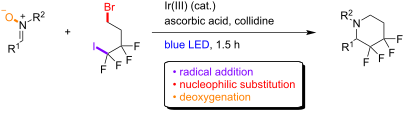
- photocatalyst activated by blue light. The annelation is a result of a radical addition at the nitrone, intramolecular nucleophilic substitution, and reduction of the N–O bond. Keywords: difluoroalkylation; nitrones; organofluorine compounds; photocatalysis; radical addition; Introduction Nitrogen-containing
- fluorinated piperidines based on an accidentally discovered annelation reaction proceeding under reductive conditions. Results and Discussion Nitrone 1a was selected as a model substrate and it was combined with commercially available dibromide 2a under blue light irradiation in the presence of an iridium
- iodine by treatment with zinc, followed by the reaction with iodine monochloride. The iodide 2b reacted quite rapidly with the nitrone but the expected fluoroalkylation product was not observed. Instead, the tetrafluorinated piperidine 3a was obtained in a moderate yield (Table 1, entry 2). Apparently

Graphical Abstract

Scheme 1: The construction of tetrafluorinated piperidines from nitrones.

Scheme 2: The scope of the annelation reaction for the synthesis of piperidines. Isolated yields are shown. a...

Scheme 3: The proposed mechanism of the photoredox annelation reaction (asc = ascorbic acid).
Recent developments in enantioselective photocatalysis
- Callum Prentice,
- James Morrisson,
- Andrew D. Smith and
- Eli Zysman-Colman
Beilstein J. Org. Chem. 2020, 16, 2363–2441, doi:10.3762/bjoc.16.197
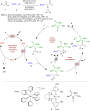
- •−, which adds to the nitrone via a proposed 6-membered transition state to afford radical cation 286•+. Subsequent hydrogen atom abstraction from TEEDA•+ generates complex 286−. Protonation and displacement by other substrate molecules releases the desired 1,2-amino alcohol products 287 in excellent yields

Graphical Abstract
Scheme 1: Amine/photoredox-catalysed α-alkylation of aldehydes with alkyl bromides bearing electron-withdrawi...

Scheme 2: Amine/HAT/photoredox-catalysed α-functionalisation of aldehydes using alkenes.

Scheme 3: Amine/cobalt/photoredox-catalysed α-functionalisation of ketones and THIQs.

Scheme 4: Amine/photoredox-catalysed α-functionalisation of aldehydes or ketones with imines. (a) Using keton...

Scheme 5: Bifunctional amine/photoredox-catalysed enantioselective α-functionalisation of aldehydes.
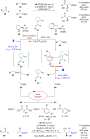
Scheme 6: Bifunctional amine/photoredox-catalysed α-functionalisation of aldehydes using amine catalysts via ...
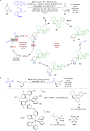
Scheme 7: Amine/photoredox-catalysed RCA of iminium ion intermediates. (a) Synthesis of quaternary stereocent...

Scheme 8: Bifunctional amine/photoredox-catalysed RCA of enones in a radical chain reaction initiated by an i...
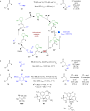
Scheme 9: Bifunctional amine/photoredox-catalysed RCA reactions of iminium ions with different radical precur...
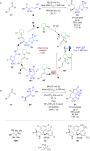
Scheme 10: Bifunctional amine/photoredox-catalysed radical cascade reactions between enones and alkenes with a...
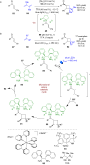
Scheme 11: Amine/photocatalysed photocycloadditions of iminium ion intermediates. (a) External photocatalyst u...
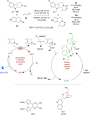
Scheme 12: Amine/photoredox-catalysed addition of acrolein (94) to iminium ions.
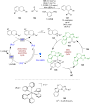
Scheme 13: Dual NHC/photoredox-catalysed acylation of THIQs.

Scheme 14: NHC/photocatalysed spirocyclisation via photoisomerisation of an extended Breslow intermediate.

Scheme 15: CPA/photoredox-catalysed aza-pinacol cyclisation.
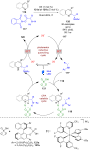
Scheme 16: CPA/photoredox-catalysed Minisci-type reaction between azaarenes and α-amino radicals.
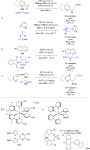
Scheme 17: CPA/photoredox-catalysed radical additions to azaarenes. (a) α-Amino radical or ketyl radical addit...
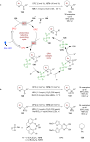
Scheme 18: CPA/photoredox-catalysed reduction of azaarene-derived substrates. (a) Reduction of ketones. (b) Ex...
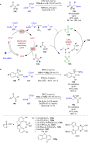
Scheme 19: CPA/photoredox-catalysed radical coupling reactions of α-amino radicals with α-carbonyl radicals. (...
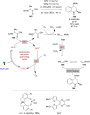
Scheme 20: CPA/photoredox-catalysed Povarov reaction.
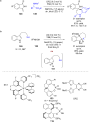
Scheme 21: CPA/photoredox-catalysed reactions with imines. (a) Decarboxylative imine generation followed by Po...
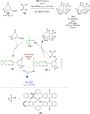
Scheme 22: Bifunctional CPA/photocatalysed [2 + 2] photocycloadditions.
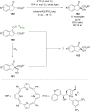
Scheme 23: PTC/photocatalysed oxygenation of 1-indanone-derived β-keto esters.
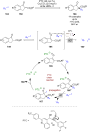
Scheme 24: PTC/photoredox-catalysed perfluoroalkylation of 1-indanone-derived β-keto esters via a radical chai...
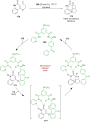
Scheme 25: Bifunctional hydrogen bonding/photocatalysed intramolecular [2 + 2] photocycloadditions of quinolon...
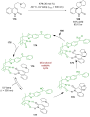
Scheme 26: Bifunctional hydrogen bonding/photocatalysed intramolecular RCA cyclisation of a quinolone.
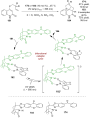
Scheme 27: Bifunctional hydrogen bonding/photocatalysed intramolecular [2 + 2] photocycloadditions of quinolon...
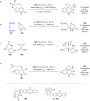
Scheme 28: Bifunctional hydrogen bonding/photocatalysed [2 + 2] photocycloaddition reactions. (a) First use of...

Scheme 29: Bifunctional hydrogen bonding/photocatalysed deracemisation of allenes.

Scheme 30: Bifunctional hydrogen bonding/photocatalysed deracemisation reactions. (a) Deracemisation of sulfox...

Scheme 31: Bifunctional hydrogen bonding/photocatalysed intramolecular [2 + 2] photocycloaddition of coumarins....
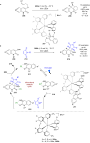
Scheme 32: Bifunctional hydrogen bonding/photocatalysed [2 + 2] photocycloadditions of quinolones. (a) Intramo...
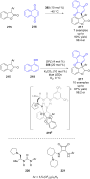
Scheme 33: Hydrogen bonding/photocatalysed formal arylation of benzofuranones.
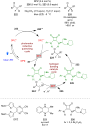
Scheme 34: Hydrogen bonding/photoredox-catalysed dehalogenative protonation of α,α-chlorofluoro ketones.
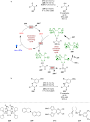
Scheme 35: Hydrogen bonding/photoredox-catalysed reductions. (a) Reduction of 1,2-diketones. (b) Reduction of ...

Scheme 36: Hydrogen bonding/HAT/photocatalysed deracemisation of cyclic ureas.

Scheme 37: Hydrogen bonding/HAT/photoredox-catalysed synthesis of cyclic sulfonamides.
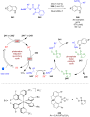
Scheme 38: Hydrogen bonding/photoredox-catalysed reaction between imines and indoles.
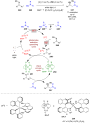
Scheme 39: Chiral cation/photoredox-catalysed radical coupling of two α-amino radicals.
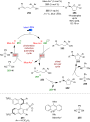
Scheme 40: Chiral phosphate/photoredox-catalysed hydroetherfication of alkenols.
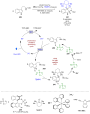
Scheme 41: Chiral phosphate/photoredox-catalysed synthesis of pyrroloindolines.
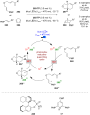
Scheme 42: Chiral anion/photoredox-catalysed radical cation Diels–Alder reaction.
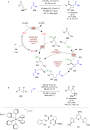
Scheme 43: Lewis acid/photoredox-catalysed cycloadditions of carbonyls. (a) Formal [2 + 2] cycloaddition of en...
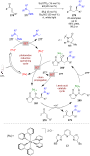
Scheme 44: Lewis acid/photoredox-catalysed RCA reaction using a scandium Lewis acid between α-amino radicals a...

Scheme 45: Lewis acid/photoredox-catalysed RCA reaction using a copper Lewis acid between α-amino radicals and...
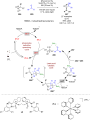
Scheme 46: Lewis acid/photoredox-catalysed synthesis of 1,2-amino alcohols from aldehydes and nitrones using a...
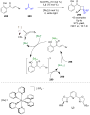
Scheme 47: Lewis acid/photocatalysed [2 + 2] photocycloadditions of enones and alkenes.

Scheme 48: Meggers’s chiral-at-metal catalysts.
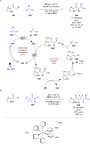
Scheme 49: Lewis acid/photoredox-catalysed α-functionalisation of ketones with alkyl bromides bearing electron...

Scheme 50: Bifunctional Lewis acid/photoredox-catalysed radical coupling reaction using α-chloroketones and α-...
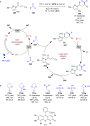
Scheme 51: Lewis acid/photocatalysed RCA of enones. (a) Using aldehydes as acyl radical precursors. (b) Other ...

Scheme 52: Bifunctional Lewis acid/photocatalysis for a photocycloaddition of enones.
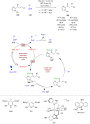
Scheme 53: Lewis acid/photoredox-catalysed RCA reactions of enones using DHPs as radical precursors.

Scheme 54: Lewis acid/photoredox-catalysed functionalisation of β-ketoesters. (a) Hydroxylation reaction catal...
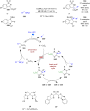
Scheme 55: Bifunctional copper-photocatalysed alkylation of imines.

Scheme 56: Copper/photocatalysed alkylation of imines. (a) Bifunctional copper catalysis using α-silyl amines....
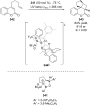
Scheme 57: Bifunctional Lewis acid/photocatalysed intramolecular [2 + 2] photocycloaddition.

Scheme 58: Bifunctional Lewis acid/photocatalysed [2 + 2] photocycloadditions (a) Intramolecular cycloaddition...
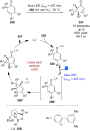
Scheme 59: Bifunctional Lewis acid/photocatalysed rearrangement of 2,4-dieneones.

Scheme 60: Lewis acid/photocatalysed [2 + 2] cycloadditions of cinnamate esters and styrenes.
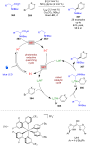
Scheme 61: Nickel/photoredox-catalysed arylation of α-amino acids using aryl bromides.

Scheme 62: Nickel/photoredox catalysis. (a) Desymmetrisation of cyclic meso-anhydrides using benzyl trifluorob...
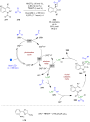
Scheme 63: Nickel/photoredox catalysis for the acyl-carbamoylation of alkenes with aldehydes using TBADT as a ...

Scheme 64: Bifunctional copper/photoredox-catalysed C–N coupling between α-chloro amides and carbazoles or ind...
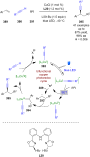
Scheme 65: Bifunctional copper/photoredox-catalysed difunctionalisation of alkenes with alkynes and alkyl or a...
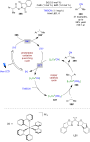
Scheme 66: Copper/photoredox-catalysed decarboxylative cyanation of benzyl phthalimide esters.

Scheme 67: Copper/photoredox-catalysed cyanation reactions using TMSCN. (a) Propargylic cyanation (b) Ring ope...
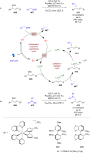
Scheme 68: Palladium/photoredox-catalysed allylic alkylation reactions. (a) Using alkyl DHPs as radical precur...
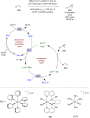
Scheme 69: Manganese/photoredox-catalysed epoxidation of terminal alkenes.
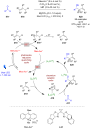
Scheme 70: Chromium/photoredox-catalysed allylation of aldehydes.
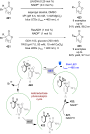
Scheme 71: Enzyme/photoredox-catalysed dehalogenation of halolactones.

Scheme 72: Enzyme/photoredox-catalysed dehalogenative cyclisation.
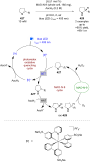
Scheme 73: Enzyme/photoredox-catalysed reduction of cyclic imines.

Scheme 74: Enzyme/photocatalysed enantioselective reduction of electron-deficient alkenes as mixtures of (E)/(Z...
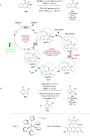
Scheme 75: Enzyme/photoredox catalysis. (a) Deacetoxylation of cyclic ketones. (b) Reduction of heteroaromatic...
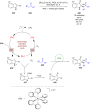
Scheme 76: Enzyme/photoredox-catalysed synthesis of indole-3-ones from 2-arylindoles.

Scheme 77: Enzyme/HAT/photoredox catalysis for the DKR of primary amines.

Scheme 78: Bifunctional enzyme/photoredox-catalysed benzylic C–H hydroxylation of trifluoromethylated arenes.
Oxime radicals: generation, properties and application in organic synthesis
- Igor B. Krylov,
- Stanislav A. Paveliev,
- Alexander S. Budnikov and
- Alexander O. Terent’ev
Beilstein J. Org. Chem. 2020, 16, 1234–1276, doi:10.3762/bjoc.16.107
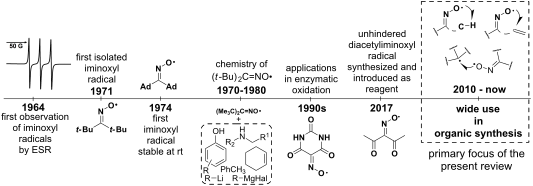
- rule, a C–O bond is formed in intermolecular reactions, intramolecular cyclization generally occurs with the formation of a five-membered cycle of isoxazoline (C–O bond formation) or nitrone (C–N bond formation). Application of the oxime radicals in organic synthesis: intermolecular reactions Selective
- with the formation of alkyl radical 94. The latter attacked the nitrone moiety to form the bicyclic nitroxyl radical 95. When oxime 96 was oxidized with lead(IV) acetate, products 98 and 99 were observed. This result can be explained by the intramolecular attack of iminoxyl radical 97 on the phenyl π
- -unsaturated aliphatic and aryl oximes with TEMPO yielded cyclic nitrones (products 145a–j). The majority of the synthesized cyclic nitrones were disubstituted in α-position to the C=NO group (145a–f,h–j), the unsubstituted nitrone 145g was synthesized in the lowest yield. In the case of 145j–145j’ the

Graphical Abstract

Figure 1: Imine-N-oxyl radicals (IV) discussed in the present review and other classes of N-oxyl radicals (I–...
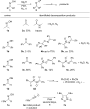
Figure 2: The products of decomposition of iminoxyl radicals generated from oximes by oxidation with Ag2O.

Scheme 1: Generation of oxime radicals and study of the kinetics of their decay by photolysis of the solution...

Scheme 2: Synthesis of di-tert-butyliminoxyl radical and its decomposition products.

Scheme 3: The proposed reaction pathway of the decomposition of di-tert-butyliminoxyl radical (experimentally...

Scheme 4: Monomolecular decomposition of the tert-butyl(triethylmethyl)oxime radical.

Scheme 5: The synthesis and stability of the most stable dialkyl oxime radicals – di-tert-butyliminoxyl and d...

Scheme 6: The formation of iminoxyl radicals from β-diketones under the action of NO2.

Scheme 7: Synthesis of the diacetyliminoxyl radical.

Scheme 8: Examples of long-living oxime radicals with electron-withdrawing groups and the conditions for thei...

Figure 3: The electronic structure iminoxyl radicals and their geometry compared to the corresponding oximes.

Figure 4: Bond dissociation enthalpies (kcal/mol) of oximes and N,N-disubstituted hydroxylamines calculated o...

Scheme 9: Examples demonstrating the low reactivity of the di-tert-butyliminoxyl radical towards the substrat...

Scheme 10: The reactions of di-tert-butyliminoxyl radical with unsaturated hydrocarbons involving hydrogen ato...

Scheme 11: Possible mechanisms of reaction of di-tert-butyliminoxyl radical with alkenes.

Scheme 12: Products of the reaction between di-tert-butyliminoxyl radical and phenol derivatives.

Scheme 13: The reaction of di-tert-butyliminoxyl radical with amines.

Scheme 14: Reaction of di-tert-butyliminoxyl radicals with organolithium reagents.

Scheme 15: Cross-dehydrogenative C–O coupling of 1,3-dicarbonyl compounds with oximes under the action of mang...

Scheme 16: Cross-dehydrogenative C–O coupling of 1,3-dicarbonyl compounds with oximes under the action of Cu(BF...

Scheme 17: Oxidative C–O coupling of benzylmalononitrile (47) with 3-(hydroxyimino)pentane-2,4-dione (19).

Scheme 18: The proposed mechanism of the oxidative coupling of benzylmalononitrile (47) with diacetyl oxime (19...

Scheme 19: Oxidative C–O coupling of pyrazolones with oximes under the action of Fe(ClO4)3.

Scheme 20: The reaction of diacetyliminoxyl radical with pyrazolones.

Scheme 21: Oxidative C–O coupling of oximes with acetonitrile, ketones, and esters.

Scheme 22: Intramolecular cyclizations of oxime radicals to form substituted isoxazolines or cyclic nitrones.

Scheme 23: TEMPO-mediated oxidative cyclization of oximes with C–H bond cleavage.

Scheme 24: Proposed reaction mechanism of oxidative cyclization of oximes with C–H bond cleavage.

Scheme 25: Selectfluor/Bu4NI-mediated C–H oxidative cyclization of oximes.

Scheme 26: Oxidative cyclization of N-benzyl amidoximes to 1,2,4-oxadiazoles.

Scheme 27: The formation of quinazolinone 73a from 5-phenyl-4,5-dihydro-1,2,4-oxadiazole 74 under air.

Scheme 28: DDQ-mediated oxidative cyclization of thiohydroximic acids.

Scheme 29: Plausible mechanism of the oxidative cyclization of thiohydroximic acids.

Scheme 30: Silver-mediated oxidative cyclization of α-halogenated ketoximes and 1,3-dicarbonyl compounds.

Scheme 31: Possible pathway of one-pot oxidative cyclization of α-halogenated ketoximes and 1,3-dicarbonyl com...

Scheme 32: T(p-F)PPT-catalyzed oxidative cyclization of oximes with the formation of 1,2,4-oxadiazolines.

Scheme 33: Intramolecular cyclization of iminoxyl radicals involving multiple C=C and N=N bonds.

Scheme 34: Oxidative cyclization of β,γ- and γ,δ-unsaturated oximes employing the DEAD or TEMPO/DEAD system wi...

Scheme 35: Cobalt-catalyzed aerobic oxidative cyclization of β,γ-unsaturated oximes.

Scheme 36: Manganese-catalyzed aerobic oxidative cyclization of β,γ-unsaturated oximes.

Scheme 37: Visible light photocatalytic oxidative cyclization of β,γ-unsaturated oximes.

Scheme 38: TBAI/TBHP-mediated radical cascade cyclization of the β,γ-unsaturated oximes.

Scheme 39: TBAI/TBHP-mediated radical cascade cyclization of vinyl isocyanides with β,γ-unsaturated oximes.

Scheme 40: tert-Butylnitrite-mediated oxidative cyclization of unsaturated oximes with the introduction of an ...

Scheme 41: Transformation of unsaturated oxime to oxyiminomethylisoxazoline via the confirmed dimeric nitroso ...

Scheme 42: tert-Butylnitrite-mediated oxidative cyclization of unsaturated oximes with the introduction of a n...

Scheme 43: Synthesis of cyano-substituted oxazolines from unsaturated oximes using the TBN/[RuCl2(p-cymene)]2 ...

Scheme 44: Synthesis of trifluoromethylthiolated isoxazolines from unsaturated oximes.

Scheme 45: Copper-сatalyzed oxidative cyclization of β,γ-unsaturated oximes with the introduction of an azido ...

Scheme 46: TBHP-mediated oxidative cascade cyclization of β,γ-unsaturated oximes and unsaturated N-arylamides.

Scheme 47: Copper-сatalyzed oxidative cyclization of unsaturated oximes with the introduction of an amino grou...

Scheme 48: TEMPO-mediated oxidative cyclization of unsaturated oximes followed by elimination.

Scheme 49: Oxidative cyclization of β,γ-unsaturated oximes with the introduction of a trifluoromethyl group.

Scheme 50: Oxidative cyclization of unsaturated oximes with the introduction of a nitrile group.

Scheme 51: Oxidative cyclization of β,γ-unsaturated oximes to isoxazolines with the introduction of a nitrile ...

Scheme 52: Oxidative cyclization of β,γ-unsaturated oximes to isoxazolines with the introduction of a sulfonyl...

Scheme 53: Oxidative cyclization of β,γ- and γ,δ-unsaturated oximes to isoxazolines with the introduction of a...

Scheme 54: Oxidative cyclization of β,γ-unsaturated oximes to isoxazolines with the introduction of a thiocyan...

Scheme 55: PhI(OAc)2-mediated oxidative cyclization of oximes with C–S and C–Se bond formation.

Scheme 56: PhI(OAc)2-mediated oxidative cyclization of unsaturated oximes accompanied by alkoxylation.

Scheme 57: PhI(OAc)2-mediated cyclization of unsaturated oximes to methylisoxazolines.

Scheme 58: Oxidative cyclization-alkynylation of unsaturated oximes.

Scheme 59: TEMPO-mediated oxidative cyclization of C-glycoside ketoximes to C-glycosylmethylisoxazoles.

Scheme 60: Silver-сatalyzed oxidative cyclization of β,γ-unsaturated oximes with formation of fluoroalkyl isox...

Scheme 61: Oxidative cyclization of β,γ-unsaturated oximes with the formation of haloalkyl isoxazolines.

Scheme 62: Cyclization of β,γ-unsaturated oximes into haloalkyl isoxazolines under the action of the halogenat...

Scheme 63: Synthesis of haloalkyl isoxazoles and cyclic nitrones via oxidative cyclization and 1,2-halogen shi...

Scheme 64: Electrochemical oxidative cyclization of diaryl oximes.

Scheme 65: Copper-сatalyzed cyclization and dioxygenation oximes containing a triple C≡C bond.

Scheme 66: Photoredox-catalyzed sulfonylation of β,γ-unsaturated oximes by sulfonyl hydrazides.

Scheme 67: Oxidative cyclization of β,γ-unsaturated oximes with introduction of sulfonate group.

Scheme 68: Ultrasound-promoted oxidative cyclization of β,γ-unsaturated oximes.
Synthesis of 1-azaspiro[4.4]nonan-1-oxyls via intramolecular 1,3-dipolar cycloaddition
- Yulia V. Khoroshunova,
- Denis A. Morozov,
- Andrey I. Taratayko,
- Polina D. Gladkikh,
- Yuri I. Glazachev and
- Igor A. Kirilyuk
Beilstein J. Org. Chem. 2019, 15, 2036–2042, doi:10.3762/bjoc.15.200
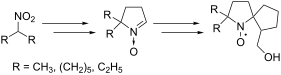
- synthesis of new pyrrolidine nitroxides from 5,5-dialkyl-1-pyrroline N-oxides via the introduction of a pent-4-enyl group to the nitrone carbon followed by an intramolecular 1,3-dipolar cycloaddition reaction and isoxazolidine ring opening. The kinetics of reduction of the new nitroxides with ascorbate were
- -enylmagnesium bromide to the corresponding nitrone, oxidation to alkenylnitrone, intramolecular 1,3-dipolar cycloaddition, and isoxazolidine ring opening. Nitroxide 1 showed both an unexpectedly low reduction rate [6] and long relaxation times t1 and tm at room temperature [4]. Unexpectedly high resistance of
- was carried out in the presence of 2,2,6,6-tetramethylpiperidine-1-oxyl. It should be noted that heating of alkenyl nitrones 7a and 7b gives the corresponding cycloadducts with yields close to quantitative, whereas for nitrone 7c, the complete conversion could not be achieved either at 145 °C or at a

Graphical Abstract
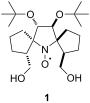
Figure 1: Structure of nitroxide 1.

Scheme 1: The synthesis of aldonitrones 5a–c.

Scheme 2: The principal synthetic scheme for nitroxides 12a–c.

Scheme 3: A possible pathway of ketonitrone 7c self-transformations.

Scheme 4: Oxidation of aminoalcohol 9a.

Scheme 5: The synthesis of alkoxyamines 16a–c.

Scheme 6: The alkoxyamine 18 synthesis.

Scheme 7: A possible mechanism of nitroxide 17 formation.

Scheme 8: Optimisation of the synthesis of nitroxide 1.

Figure 2: Kinetics of the reduction of nitroxides 1 and 12a–c (0.3 mM) with ascorbate (50 mM) in 50 mM phosph...
Synthesis and selected transformations of 2-unsubstituted 1-(adamantyloxy)imidazole 3-oxides: straightforward access to non-symmetric 1,3-dialkoxyimidazolium salts
- Grzegorz Mlostoń,
- Małgorzata Celeda,
- Katarzyna Urbaniak,
- Marcin Jasiński,
- Vladyslav Bakhonsky,
- Peter R. Schreiner and
- Heinz Heimgartner
Beilstein J. Org. Chem. 2019, 15, 497–505, doi:10.3762/bjoc.15.43
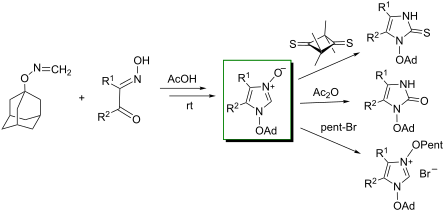
- interest as so-called ‘nitrone like’ reagents for the synthesis of more complex, imidazole containing systems (Scheme 1) [6]. These imidazole N-oxides are easily accessible via heterocyclization reactions comprising condensation of α-hydroxyiminoketones 2 with formaldimines 3. The latter are known to exist

Graphical Abstract

Scheme 1: Synthesis of 2-unsubstituted imidazole N-oxides 1 from α-hydroxyiminoketones 2 and formaldimines 3.

Scheme 2: Preparation of adamantyloxyamine (4) and its conversion into N-(adamantyloxy)formaldimine (6a); Ad ...

Scheme 3: Synthesis of 1-(adamantyloxy)imidazole 3-oxides 7a–e and 1-adamantylimidazole 3-oxides 7f,g in acet...

Scheme 4: Deoxygenation of 1-(adamantyloxy)imidazole 3-oxides 7a–d and isomerization of 7b into imidazole-2-o...

Scheme 5: Conversions of imidazole 3-oxides 7a–d into 1-(adamantyloxy)imidazole-2-thiones 10a–d via sulfur tr...

Scheme 6: Syntheses of the non-symmetric 1,3-dialkoxyimidazolium bromides 13a–c and 1-alkyl-3-alkoxyimidazoli...

Scheme 7: Attempted O-adamantylation of imidazole N-oxide 7a with adamantan-1-yl trifluoroacetate and subsequ...

Scheme 8: Synthesis of the symmetric 1,3-di(adamantyloxy)imidazolium bromide (15) and its transformation to 1...
Synthesis of nonracemic hydroxyglutamic acids
- Dorota G. Piotrowska,
- Iwona E. Głowacka,
- Andrzej E. Wróblewski and
- Liwia Lubowiecka
Beilstein J. Org. Chem. 2019, 15, 236–255, doi:10.3762/bjoc.15.22
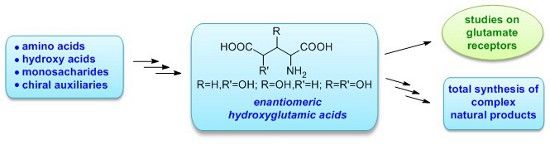
- with 69 and (2S,4S)-3 [78]. Two other stereoisomers were synthesized in a similar way from (R)-67. By a nitrone–acrylate cycloaddition The isoxazolidine ring can be considered as another cyclic precursor to 4-hydroxyglutamic acids due to the easy cleavage of the N–O bond and high trans
- diastereoselectivities of 1,3-dipolar cycloadditions which allow to control stereochemistries at C3 and C5 [79][80]. To illustrate this concept the E/Z mixture of nitrone 70 was reacted with acrylamide 71 prepared from (2S)-bornane-10,2-sultam to afford mainly (20:1) the isoxazolidine (3S,5S)-72 easily separable from

Graphical Abstract

Figure 1: Structure of L-glutamic acid.

Figure 2: 3-Hydroxy- (2), 4-hydroxy- (3) and 3,4-dihydroxyglutamic acids (4).

Figure 3: Enantiomers of 3-hydroxyglutamic acid (2).

Scheme 1: Synthesis of (2S,3R)-2 from (R)-Garner's aldehyde. Reagents and conditions: a) MeOCH=CH–CH(OTMS)=CH2...

Scheme 2: Synthesis of (2S,3R)-2 and (2S,3S)-2 from (R)-Garner’s aldehyde. Reagents and conditions: a) H2C=CH...

Scheme 3: Two-carbon homologation of the protected L-serine. Reagents and conditions: a) Fmoc-succinimide, Na2...

Scheme 4: Synthesis of di-tert-butyl ester of (2R,3S)-2 from L-serine. Reagents and conditions: a) PhSO2Cl, K2...

Scheme 5: Synthesis of (2R,3S)-2 from O-benzyl-L-serine. Reagents and conditions: a) (CF3CH2O)2P(O)CH2COOMe, ...

Scheme 6: Synthesis of (2S,3R)-2 employing a one-pot cis-olefination–conjugate addition sequence. Reagents an...

Scheme 7: Synthesis of the orthogonally protected (2S,3R)-2 from a chiral aziridine. Reagents and conditions:...

Scheme 8: Synthesis of N-Boc-protected (2S,3R)-2 from D-phenylglycine. Reagents and conditions: a) BnMgCl, et...

Scheme 9: Synthesis of (2S,3R)-2 employing ketopinic acid as chiral auxiliary. Reagents and conditions: a) Br2...

Scheme 10: Synthesis of dimethyl ester of (2S,3R)-2 employing (1S)-2-exo-methoxyethoxyapocamphane-1-carboxylic...

Scheme 11: Synthesis of N-Boc-protected dimethyl ester of (2S,3R)-2 from (S)-N-(1-phenylethyl)thioacetamide. R...

Scheme 12: Synthesis of N-Boc-protected dimethyl ester of (2S,3R)-2 via Sharpless epoxidation. Reagents and co...

Scheme 13: Synthesis of (2S,3S)-2 from the imide 51. Reagents and conditions: a) NaBH4, MeOH/CH2Cl2; b) Ac2O, ...

Scheme 14: Synthesis of (2R,3S)-2 and (2S,3S)-2 from the acetolactam 55 (PMB = p-methoxybenzyl). Reagents and ...

Scheme 15: Synthesis of (2S,3R)-2 from D-glucose. Reagents and conditions: a) NaClO2, 30% H2O2, NaH2PO4, MeCN;...

Figure 4: Enantiomers of 3-hydroxyglutamic acid (3).

Scheme 16: Synthesis of (4S)-4-hydroxy-L-glutamic acid [(2S,4S)-3] by electrophilic hydroxylation. Reagents an...

Scheme 17: Synthesis of all stereoisomers of 4-hydroxyglutamic acid (3). Reagents and conditions: a) Br2, PBr5...

Scheme 18: Synthesis of the orthogonally protected 4-hydroxyglutamic acid (2S,4S)-73. Reagents and conditions:...

Scheme 19: Synthesis of (2S,4R)-4-acetyloxyglutamic acid as a component of a dipeptide. Reagents and condition...

Scheme 20: Synthesis of N-Boc-protected dimethyl esters of (2S,4R)- and (2S,4S)-3 from (2S,4R)-4-hydroxyprolin...

Scheme 21: Synthesis of orthogonally protected (2S,4S)-3 from (2S,4R)-4-hydroxyproline. Reagents and condition...

Scheme 22: Synthesis of the protected (4R)-4-hydroxy-L-pyroglutamic acid (2S,4R)-87 by electrophilic hydroxyla...

Figure 5: Enantiomers of 3,4-dihydroxy-L-glutamic acid (4).

Scheme 23: Synthesis of (2S,3S,4R)-4 from the epoxypyrrolidinone 88. Reagents and conditions: a) MeOH, THF, KC...

Scheme 24: Synthesis of (2S,3R,4R)-4 from the orthoester 92. Reagents and conditions: a) OsO4, NMO, acetone/wa...

Scheme 25: Synthesis of (2S,3S,4S)-4 from the aziridinolactone 95. Reagents and conditions: a) BnOH, BF3·OEt2,...

Scheme 26: Synthesis of (2S,3S,4R)-4 and (2R,3S,4R)-4 from cyclic imides 106. Reagents and conditions: a) NaBH4...

Scheme 27: Synthesis of (2R,3R,4R)-4 and (2S,3R,4R)-4 from the cyclic meso-imide 110. Reagents and conditions:...

Scheme 28: Synthesis of (2S,3S,4S)-4 from the protected serinal (R)-23. Reagents and conditions: a) Ph3P=CHCOO...

Scheme 29: Synthesis of (2S,3S,4S)-4 from O-benzyl-N-Boc-D-serine. Reagents and conditions: a) ClCOOiBu, TEA, ...

Scheme 30: Synthesis of (2S,3S,4R)-127 by enantioselective conjugate addition and asymmetric dihydroxylation. ...

Figure 6: Structures of selected compounds containing hydroxyglutamic motives (in blue).
Oxidative cycloaddition of hydroxamic acids with dienes or guaiacols mediated by iodine(III) reagents
- Hisato Shimizu,
- Akira Yoshimura,
- Keiichi Noguchi,
- Victor N. Nemykin,
- Viktor V. Zhdankin and
- Akio Saito
Beilstein J. Org. Chem. 2018, 14, 531–536, doi:10.3762/bjoc.14.39
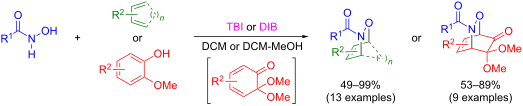
- adducts 3aa in 96 and 90% yields, respectively (Table 1, entries 10 and 11), BTI showed better results (Table 1, entries 8 and 9). On the other hand, the use of IBA-OTf, which was effective in the oxidative cycloaddition reaction of oximes [20][21], gave nitrone-trifluoromethanesulfonic acid (TfOH
- test this hypothesis, the oxazine 3aa was treated with TfOH in DCM at 40 °C for 18 h and afforded 4 quantitatively. Furthermore, the TfOH-mediated formation of nitrone from such HDA adducts has been reported [23]. It should be mentioned that the structures of 3aa and 4 were determined by single crystal

Graphical Abstract

Scheme 1: Hetero-Diels–Alder (HDA) reactions of N-acylnitroso species.

Scheme 2: DIB-mediated oxidative HDA reactions of 1a–c with various guaiacols.
Conjugated nitrosoalkenes as Michael acceptors in carbon–carbon bond forming reactions: a review and perspective
- Yaroslav D. Boyko,
- Valentin S. Dorokhov,
- Alexey Yu. Sukhorukov and
- Sema L. Ioffe
Beilstein J. Org. Chem. 2017, 13, 2214–2234, doi:10.3762/bjoc.13.220
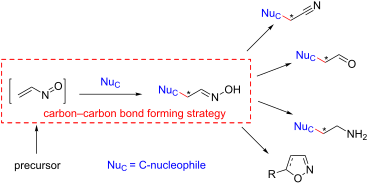
- afforded azafulvene derivatives 91 (Scheme 34) [82]. Remarkably, the formation of five-membered cyclic nitrone through N-attack of the oxime on the cyano group is more preferable over the six-membered N–O heterocycle. C-Nucleophiles possessing leaving groups have been also used in the construction of N–O

Graphical Abstract

Scheme 1: Precursors of nitrosoalkenes NSA.

Scheme 2: Reactions of cyclic α-chlorooximes 1 with 1,3-dicarbonyl compounds.

Scheme 3: C-C-coupling of N,N-bis(silyloxy)enamines 3 with 1,3-dicarbonyl compounds.

Scheme 4: Reaction of N,N-bis(silyloxy)enamines 3 with nitronate anions.

Scheme 5: Reaction of α-chlorooximes TBS ethers 2 with ester enolates.

Scheme 6: Assembly of bicyclooctanone 14 via an intramolecular cyclization of nitrosoalkene NSA2.

Scheme 7: A general strategy for the assembly of bicyclo[2.2.1]heptanes via an intramolecular cyclization of ...

Scheme 8: Stereochemistry of Michael addition to cyclic nitrosoalkene NSA3.

Scheme 9: Stereochemistry of Michael addition to acyclic nitrosoalkenes NSA4.

Scheme 10: Stereochemistry of Michael addition to γ-alkoxy nitrosoalkene NSA5.

Scheme 11: Oppolzer’s total synthesis of 3-methoxy-9β-estra(1,3,5(10))trien(11,17)dione (25).

Scheme 12: Oppolzer’s total synthesis of (+/−)-isocomene.

Figure 1: Alkaloids synthesized using stereoselective Michael addition to conjugated nitrosoalkenes.

Scheme 13: Weinreb’s total synthesis of alstilobanines A, E and angustilodine.

Scheme 14: Weinreb’s approach to the core structure of apparicine alkaloids.

Scheme 15: Weinreb’s synthesis of (+/−)-myrioneurinol via stereoselective conjugate addition of malonate to ni...

Scheme 16: Reactions of cyclic α-chloro oximes with Grignard reagents.

Scheme 17: Corey’s synthesis of (+/−)-perhydrohistrionicotoxin.

Scheme 18: Addition of Gilman’s reagents to α,β-epoxy oximes 53.

Scheme 19: Addition of Gilman’s reagents to α-chlorooximes.

Scheme 20: Reaction of silyl nitronate 58 with organolithium reagents via nitrosoalkene NSA12.

Scheme 21: Reaction of β-ketoxime sulfones 61 and 63 with lithium acetylides.

Scheme 22: Electrophilic addition of nitrosoalkenes NSA14 to electron-rich arenes.

Scheme 23: Addition of nitrosoalkenes NSA14 to pyrroles and indoles.

Scheme 24: Reaction of phosphinyl nitrosoalkenes NSA15 with indole.

Scheme 25: Reaction of pyrrole with α,α’-dihalooximes 70.

Scheme 26: Synthesis of indole-derived psammaplin A analogue 72.

Scheme 27: Synthesis of tryptophanes by reduction of oximinoalkylated indoles 68.

Scheme 28: Ottenheijm’s synthesis of neoechinulin B analogue 77.

Scheme 29: Synthesis of 1,2-dihydropyrrolizinones 82 via addition of pyrrole to ethyl bromopyruvate oxime.

Scheme 30: Kozikowski’s strategy to indolactam-based alkaloids via addition of indoles to ethyl bromopyruvate ...

Scheme 31: Addition of cyanide anion to nitrosoalkenes and subsequent cyclization to 5-aminoisoxazoles 86.

Scheme 32: Et3N-catalysed addition of trimethylsilyl cyanide to N,N-bis(silyloxy)enamines 3 leading to 5-amino...

Scheme 33: Addition of TMSCN to allenyl N-siloxysulfonamide 89.

Scheme 34: Reaction of nitrosoallenes NSA16 with malodinitrile and ethyl cyanoacetic ester.

Scheme 35: [4 + 1]-Annulation of nitrosoalkenes NSA with sulfonium ylides 92.

Scheme 36: Reaction of diazo compounds 96 with nitrosoalkenes NSA.

Scheme 37: Tandem Michael addition/oxidative cyclization strategy to isoxazolines 100.
Synthesis of spiro[isoindole-1,5’-isoxazolidin]-3(2H)-ones as potential inhibitors of the MDM2-p53 interaction
- Salvatore V. Giofrè,
- Santa Cirmi,
- Raffaella Mancuso,
- Francesco Nicolò,
- Giuseppe Lanza,
- Laura Legnani,
- Agata Campisi,
- Maria A. Chiacchio,
- Michele Navarra,
- Bartolo Gabriele and
- Roberto Romeo
Beilstein J. Org. Chem. 2016, 12, 2793–2807, doi:10.3762/bjoc.12.278
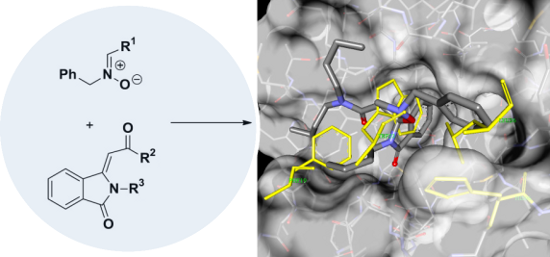
- -ethynylbenzamides 1. The latter are easily accessible through ethynylation of N-substituted 2-iodobenzamides, with secondary amines (Scheme 1). Compounds 2a–e, as E/Z mixtures, have been reacted with nitrone 4. Different experimental conditions have been exploited: by reacting the nitrone and dipolarophile in
- toluene solution under reflux, the formation of products was not observed, even after extension of the reaction time to 72 h. Under these conditions the process led only to decomposition of the nitrone with the recovery of unaltered isoindolinone. The best results have been obtained by performing the 1,3
- failed, leading to the degradation of the nitrone and the isolation of the unaltered dipolarophile, so clearly indicating that the steric factors play a crucial role in the cycloaddition process (see computational data). Theoretical calculations The obtained results and stereochemical outcome of the 1,3

Graphical Abstract

Figure 1: Some relevant MDM2-p53 interaction inhibitors.

Figure 2: Retrosynthetic route to spiro[isoindole-1,5-isoxazolidin]-3(2H)-ones 3.

Scheme 1: Synthesis of compounds 2.

Scheme 2: Synthesis of 6a–f by 1,3-dipolar cycloaddition.

Figure 3: Selected NOESY observed for compounds 6a and 7a.

Figure 4: ORTEP drawing of the X-ray crystal structure of 7a showing the model atomic numbering scheme (C10 a...

Scheme 3: Reaction pathway.

Figure 5: Three-dimensional plots of TSs of reaction of dipolarophiles (Z)-8 and (E)-8 with nitrone 4. The la...

Figure 6: Free energy profiles for the cycloaddition reaction of the two isomers Z (A) or E (B) of dipolaroph...

Figure 7: Compound 6e reduces cancer cell proliferation. Treatment of SH-SY5Y, HT-29 and HepG2 cells with 6e ...

Figure 8: Cytotoxic effect of 6e. The cytotoxic activity of 6e was assessed in terms of both LDH release (a) ...

Figure 9: 6e modulate the levels of p53 in SH-SY5Y cells. (a) The SH-SY5Y cells were treated for 24 h with th...

Figure 10: (A) Representative Western Blots and (B) semiquantitative analyses of p53, MDM2, p21 expression lev...

Figure 11: (A) Representative Western Blots and (B) densitometric analysis of caspase-3 and PARP cleavage in t...

Figure 12: Compounds 6a (green) and 6c (blue) docked into MDM2 structure (PDB-ID: 3LBL) superimposed on the ke...

Figure 13: A) Compounds 6e (green) docked into MDM2 structure (PDB-ID: 3LBL); His96 and p53 residue (yellow st...
Multicomponent reactions: A simple and efficient route to heterocyclic phosphonates
- Mohammad Haji
Beilstein J. Org. Chem. 2016, 12, 1269–1301, doi:10.3762/bjoc.12.121
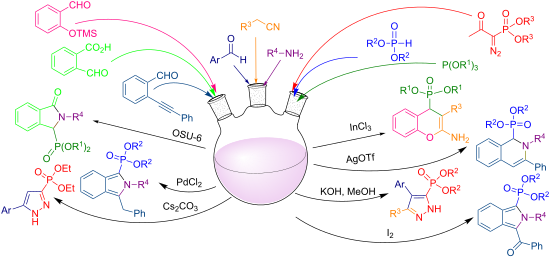
- process involves the 1,3-dipolar cycloaddition of alkynes 182 with in situ generated nitrone 185 to afford isoxazolines 186 which rapidly rearrange to aziridinylphosphonates 183. An efficient method for the synthesis of 1,2,3-triazoles is the copper(I)-catalyzed Husigen cycloaddition of azides with

Graphical Abstract

Scheme 1: The Biginelli condensation.

Scheme 2: The Biginelli reaction of β-ketophosphonates catalyzed by ytterbium triflate.

Scheme 3: Trimethylchlorosilane-mediated Biginelli reaction of diethyl (3,3,3-trifluoropropyl-2-oxo)phosphona...

Scheme 4: Biginelli reaction of dialkyl (3,3,3-trifluoropropyl-2-oxo)phosphonate with trialkyl orthoformates ...

Scheme 5: p-Toluenesulfonic acid-promoted Biginelli reaction of β-ketophosphonates, aryl aldehydes and urea.

Scheme 6: General Kabachnik–Fields reaction for the synthesis of α-aminophosphonates.

Scheme 7: Phthalocyanine–AlCl catalyzed Kabachnik–Fields reaction of N-Boc-piperidin-4-one with diethyl phosp...

Scheme 8: Kabachnik–Fields reaction of isatin with diethyl phosphite and benzylamine.

Scheme 9: Magnetic Fe3O4 nanoparticle-supported phosphotungstic acid-catalyzed Kabachnik–Fields reaction of i...

Scheme 10: The Mg(ClO4)2-catalyzed Kabachnik–Fields reaction of 1-tosylpiperidine-4-one.

Scheme 11: An asymmetric version of the Kabachnik–Fields reaction for the synthesis of α-amino-3-piperidinylph...

Scheme 12: A classical Kabachnik–Fields reaction followed by an intramolecular ring-closing reaction for the s...

Scheme 13: Synthesis of (S)-piperidin-2-phosphonic acid through an asymmetric Kabachnik–Fields reaction.

Scheme 14: A modified diastereoselective Kabachnik–Fields reaction for the synthesis of isoindolin-1-one-3-pho...

Scheme 15: A microwave-assisted Kabachnik–Fields reaction toward isoindolin-1-ones.

Scheme 16: The synthesis of 3-arylmethyleneisoindolin-1-ones through a Horner–Wadsworth–Emmons reaction of Kab...

Scheme 17: An efficient one-pot method for the synthesis of ethyl (2-alkyl- and 2-aryl-3-oxoisoindolin-1-yl)ph...

Scheme 18: FeCl3 and PdCl2 co-catalyzed three-component reaction of 2-alkynylbenzaldehydes, anilines, and diet...

Scheme 19: Three-component reaction of 6-methyl-3-formylchromone (75) with hydrazine derivatives or hydroxylam...

Scheme 20: Three-component reaction of 6-methyl-3-formylchromone (75) with thiourea, guanidinium carbonate or ...

Scheme 21: Three-component reaction of 6-methyl-3-formylchromone (75) with 1,4-bi-nucleophiles in the presence...

Scheme 22: One-pot three-component reaction of 2-alkynylbenzaldehydes, amines, and diethyl phosphonate.

Scheme 23: Lewis acid–surfactant combined catalysts for the one-pot three-component reaction of 2-alkynylbenza...

Scheme 24: Lewis acid catalyzed cyclization of different Kabachnik–Fields adducts.

Scheme 25: Three-component synthesis of N-arylisoquinolone-1-phosphonates 119.

Scheme 26: CuI-catalyzed three-component tandem reaction of 2-(2-formylphenyl)ethanones with aromatic amines a...

Scheme 27: Synthesis of 1,5-benzodiazepin-2-ylphosphonates via ytterbium chloride-catalyzed three-component re...

Scheme 28: FeCl3-catalyzed four-component reaction for the synthesis of 1,5-benzodiazepin-2-ylphosphonates.

Scheme 29: Synthesis of indole bisphosphonates through a modified Kabachnik–Fields reaction.

Scheme 30: Synthesis of heterocyclic bisphosphonates via Kabachnik–Fields reaction of triethyl orthoformate.

Scheme 31: A domino Knoevenagel/phospha-Michael process for the synthesis of 2-oxoindolin-3-ylphosphonates.

Scheme 32: Intramolecular cyclization of phospha-Michael adducts to give dihydropyridinylphosphonates.

Scheme 33: Synthesis of fused phosphonylpyrans via intramolecular cyclization of phospha-Michael adducts.

Scheme 34: InCl3-catalyzed three-component synthesis of (2-amino-3-cyano-4H-chromen-4-yl)phosphonates.

Scheme 35: Synthesis of phosphonodihydropyrans via a domino Knoevenagel/hetero-Diels–Alder process.

Scheme 36: Multicomponent synthesis of phosphonodihydrothiopyrans via a domino Knoevenagel/hetero-Diels–Alder ...

Scheme 37: One-pot four-component synthesis of 1,2-dihydroisoquinolin-1-ylphosphonates under multicatalytic co...

Scheme 38: CuI-catalyzed four-component reactions of methyleneaziridines towards alkylphosphonates.

Scheme 39: Ruthenium–porphyrin complex-catalyzed three-component synthesis of aziridinylphosphonates and its p...

Scheme 40: Copper(I)-catalyzed three-component reaction towards 1,2,3-triazolyl-5-phosphonates.

Scheme 41: Three-component reaction of acylphosphonates, isocyanides and dialkyl acetylenedicarboxylate to aff...

Scheme 42: Synthesis of (4-imino-3,4-dihydroquinazolin-2-yl)phosphonates via an isocyanide-based three-compone...

Scheme 43: Silver-catalyzed three-component synthesis of (2-imidazolin-4-yl)phosphonates.

Scheme 44: Three-component synthesis of phosphonylpyrazoles.

Scheme 45: One-pot three-component synthesis of 3-carbo-5-phosphonylpyrazoles.

Scheme 46: A one-pot two-step method for the synthesis of phosphonylpyrazoles.

Scheme 47: A one-pot method for the synthesis of (5-vinylpyrazolyl)phosphonates.

Scheme 48: Synthesis of 1H-pyrrol-2-ylphosphonates via the [3 + 2] cycloaddition of phosphonate azomethine yli...

Scheme 49: Three-component synthesis of 1H-pyrrol-2-ylphosphonates.

Scheme 50: The classical Reissert reaction.

Scheme 51: One-pot three-component synthesis of N-phosphorylated isoquinolines.

Scheme 52: One-pot three-component synthesis of 1-acyl-1,2-dihydroquinoline-2-phosphonates and 2-acyl-1,2-dihy...

Scheme 53: Three-component reaction of pyridine derivatives with ethyl propiolate and dialkyl phosphonates.

Scheme 54: Three-component reactions for the phosphorylation of benzothiazole and isoquinoline.

Scheme 55: Three-component synthesis of diphenyl [2-(aminocarbonyl)- or [2-(aminothioxomethyl)-1,2-dihydroisoq...

Scheme 56: Three-component stereoselective synthesis of 1,2-dihydroquinolin-2-ylphosphonates and 1,2-dihydrois...

Scheme 57: Diphosphorylation of diazaheterocyclic compounds via a tandem 1,4–1,2 addition of dimethyl trimethy...

Scheme 58: Multicomponent reaction of alkanedials, acetamide and acetyl chloride in the presence of PCl3 and a...

Scheme 59: An oxidative domino three-component synthesis of polyfunctionalized pyridines.

Scheme 60: A sequential one-pot three-component synthesis of polysubstituted pyrroles.

Scheme 61: Three-component decarboxylative coupling of proline with aldehydes and dialkyl phosphites for the s...

Scheme 62: Three-component domino aza-Wittig/phospha-Mannich sequence for the phosphorylation of isatin deriva...

Scheme 63: Stereoselective synthesis of phosphorylated trans-1,5-benzodiazepines via a one-pot three-component...

Scheme 64: One-pot three-component synthesis of phosphorylated 2,6-dioxohexahydropyrimidines.
Copper-mediated synthesis of N-alkenyl-α,β-unsaturated nitrones and their conversion to tri- and tetrasubstituted pyridines
- Dimitra Kontokosta,
- Daniel S. Mueller,
- Dong-Liang Mo,
- Wiktoria H. Pace,
- Rachel A. Simpson and
- Laura L. Anderson
Beilstein J. Org. Chem. 2015, 11, 2097–2104, doi:10.3762/bjoc.11.226

- . Keywords: Chan–Lam; copper; nitrone; oxygen transfer; pyridine; Introduction While most applications of the Chan–Lam reaction are focused on the synthesis of aryl ethers and aryl amines, our group has been interested in the use of the Chan–Lam reaction for the synthesis of O-alkenyl oximes and
- using reaction conditions that we had previously identified as optimal for analogous N-alkenylnitrone syntheses from fluorenone oxime [7]. Nitrone 8aa was successfully isolated in 40% yield using 2 equiv of Cu(OAc)2 and the reaction conditions indicated in Table 1, entry 1. Only the E-nitrone isomer was
- , the scope of the nitrone synthesis was explored by varying the oxime and alkenylboronic acid reagents. As shown in Table 2, chalcone oximes with both electron-rich and electron-poor aryl substituents, as well as heteroaryl substituents, were tolerated for the transformation with electron-donating

Graphical Abstract
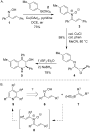
Scheme 1: Use of a Chan–Lam reaction for the synthesis of tetrahydroquinolines and potential extension to pyr...
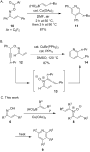
Scheme 2: Examples of pyridine synthesis from oxime precursors [51,52].

Scheme 3: Solvent effect on conversion of N-alkenylnitrones to pyridines.

Scheme 4: Mechanistic experiments.
Novel stereocontrolled syntheses of tashiromine and epitashiromine
- Loránd Kiss,
- Enikő Forró and
- Ferenc Fülöp
Beilstein J. Org. Chem. 2015, 11, 596–603, doi:10.3762/bjoc.11.66

- intramolecular cyclization of a chiral alkenylated pyrrolidinone, followed by hydroxylation [32], or by the intramolecular ring closure of chiral pyrrolidine diesters followed by ester and oxo group reduction [33], while the syntheses of (+)-epitashiromine starts from a chiral morpholine derivative, with nitrone

Graphical Abstract

Figure 1: Some indolizidine alkaloids.

Figure 2: Approaches to racemic tashiromine and epitashiromine.

Figure 3: Synthetic routes to (+)-tashiromine and (+)-epitashiromine.

Figure 4: Synthetic routes to (−)-tashiromine and (−)-epitashiromine.

Figure 5: Oxidative functionalizations of cyclic β-amino acids.

Scheme 1: Retrosynthesis of tashiromine and epitashiromine.

Scheme 2: Synthesis of (±)-tashiromine ((±)-6).

Scheme 3: Synthesis of (±)-epitashiromine ((±)-10).
Synthesis of rigid p-terphenyl-linked carbohydrate mimetics
- Maja Kandziora and
- Hans-Ulrich Reissig
Beilstein J. Org. Chem. 2014, 10, 1749–1758, doi:10.3762/bjoc.10.182
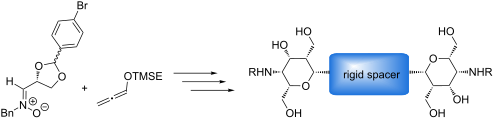
- . Unnatural divalent rigid p-terphenyl-linked C-aryl glycosides with 2.0 nm dimension are available using Suzuki cross-couplings. The key compound, a p-bromophenyl-substituted 1,2-oxazine, was prepared by a stereoselective [3 + 3]-cyclization of a D-isoascorbic acid-derived (Z)-nitrone and lithiated TMSE
- ]-cyclization of D-isoascorbic acid-derived (Z)-nitrone 6 and lithiated TMSE-allene 5. Results and Discussion For our synthesis of new divalent carbohydrate mimetics we required 1,2-oxazine derivatives derived from (Z)-nitrone 6 and lithiated alkoxyallenes. The 4-bromophenyl group should allow transition metal
- -promoted coupling reactions to a variety of new compounds. For this purpose the D-erythrose-configured ester 7, easily available from D-isoascorbic acid [28], was converted into nitrone 6 in a three step procedure (Scheme 2). Its reduction with lithium aluminum hydride was performed under standard

Graphical Abstract

Scheme 1: Approach to divalent carbohydrate mimetics 1 with rigid spacer and monovalent analogues 2.

Scheme 2: Synthesis of (Z)-nitrone 6. Conditions: a) LiAlH4, THF, 1 h, rt; b) 1. NaIO4, CH3CN/H2O, 1 h, rt; 2...

Scheme 3: [3 + 3]-Cyclization of (Z)-nitrone 6 with lithiated allene 9. Conditions: a) n-BuLi, THF, 15 min, −...

Scheme 4: Synthesis of 1,2-oxazine 4 by acetal formation from 10. Conditions: a) 1-bromo-4-(dimethoxymethyl)b...

Scheme 5: Synthesis of bicyclic ketone 11 by Lewis acid-induced rearrangement and reduction to alcohols 12a a...

Scheme 6: Synthesis of bicyclic diols 15 and of trityl-protected bicyclic 1,2-oxazine 16. Conditions: a) SnCl4...

Scheme 7: Hydrogenolyses of bicyclic 1,2-oxazine derivatives 15a and 15b. Conditions: a) H2, Pd/C, MeOH, EtOA...

Scheme 8: Suzuki cross-coupling of 15a leading to biphenyl derivative 18 and hydrogenolysis to 19. Conditions...

Scheme 9: Synthesis of N-benzylated p-terphenyl derivative 21 by Suzuki cross-coupling of 12a with 20 and sub...

Scheme 10: Attempted reductive cleavage of the N–O bond of compound 21 by samarium diiodide and reaction of 12a...

Scheme 11: Deprotection of compound 21 and samarium diiodide-mediated reaction of 26. Conditions: a) TBAF, THF...

Scheme 12: Suzuki cross-coupling of compound 16. Conditions: Pd(PPh3)2Cl2, 2 M Na2CO3, DMF, 80 °C, 3 d.

Scheme 13: Hydrogenolysis of compound 27 and samarium diiodide-mediated reaction leading to compounds 30 and 31...
N-Alkylated dinitrones from isosorbide as cross-linkers for unsaturated bio-based polyesters
- Oliver Goerz and
- Helmut Ritter
Beilstein J. Org. Chem. 2014, 10, 902–909, doi:10.3762/bjoc.10.88

- -configuration of 3a/b is evident from the signal at 7.90 ppm. With the formation of the nitrone with an E-configuration the proton of the nitron group is exposed to a strong deshielding effect of the N-oxide group, which causes a movement of the signal to higher ppm values [11]. The appearance of the Z-isomer

Graphical Abstract

Scheme 1: Synthesis of Z-configurated model compounds 3a/b from E-benzaldoxime and acrylates 2a/b.

Figure 1: 1H NMR spectra of 3a (300 MHz, DMSO-d6).

Scheme 2: Proposed molecular interactions of nitron 3a and dimethyl itaconate (4).

Scheme 3: 1,3-Dipolaric cycloaddition of nitrones 3a/b with dimethyl itaconate (4).

Scheme 4: Synthetic route to bio-based dinitrones derived from isosorbide.

Scheme 5: Synthesis of poly(isosorbide itaconate -co- succinate) 13 from isosorbide (6), itaconic acid (11) a...

Figure 2: Oscillation measurements during thermal cross-linking of unsaturated polyester 13 with dinitrones 1...
Synthesis of new enantiopure poly(hydroxy)aminooxepanes as building blocks for multivalent carbohydrate mimetics
- Léa Bouché,
- Maja Kandziora and
- Hans-Ulrich Reissig
Beilstein J. Org. Chem. 2014, 10, 213–223, doi:10.3762/bjoc.10.17
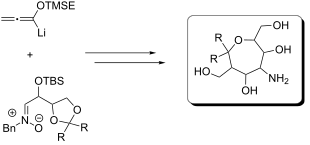
- )-nitrones 3, 6 and 8 were synthesized essentially following known pathways [35] (Scheme 2 and Scheme 3). The new D-erythrose-derived nitrone 3 containing a p-bromophenyl moiety in the dioxolane ring was obtained in a straightforward manner (Scheme 2). Commercially available D-isoascorbic acid (1) was
- ]. Protection with a TBS-group proceeded quantitatively to gain 2 in very good overall efficacy. Final transformation into the desired nitrone 3 was achieved in 83% yield (over two steps) by reduction of the ester using DIBAL-H at low temperature, followed by condensation with N-benzylhydroxylamine according to
- a Dondoni protocol [29]. This route allows the synthesis of enantiopure nitrone 3 in multi-gram scale. The enantiopure (Z)-configured nitrones 6, 8 and 3 were treated with in situ lithiated TMSE-allene at −78 °C furnishing the expected 1,2-oxazines syn-7 [37], syn-9 and syn-10 in high yields and

Graphical Abstract

Scheme 1: General approach to enantiopure the poly(hydroxy)aminopyrans D (n = 0) and the aminooxepanes D (n =...

Scheme 2: Synthesis of (Z)-nitrone 3. Conditions: a) 1. p-Bromobenzaldehyde dimethylacetal, TFA, DMF, rt, 5 d...

Scheme 3: Synthesis of 1,2-oxazines syn-7, syn-9 and syn-10. Conditions: a) n-BuLi, THF, −40 °C, 15 min; b) 1...

Figure 1: Proposed transition structure for the addition of lithiated TMSE-allene 5 to chiral nitrones 3, 6 a...

Scheme 4: Synthesis of ketones 11, 12 and 13 with a bicyclic 1,2-oxazine skeleton by Lewis acid-induced rearr...

Scheme 5: Proposed extended chair-like conformation with Zimmerman–Traxler-type transition state.

Figure 2: GOESY–NMR spectrum (CDCl3, 500 MHz) of bicyclic 1,2-oxazine 13: irradiation of the 2-H proton. [GOE...

Scheme 6: Synthesis of triols 14, 15 and 16 by reduction of the carbonyl group and deprotection. Conditions: ...

Scheme 7: Synthesis of propargylic ether 18. Conditions: a) propargyl bromide, NaOH, TBAI, H2O/CH2Cl2, −20 °C...

Scheme 8: Synthesis of tricyclic compound 20, bicyclic azide 24 and bicyclic amine 25. Conditions: a) MsCl, Et...

Scheme 9: Hydrogenolyses of bicyclic and tricyclic 1,2-oxazines 14, 15 and 20 to aminooxepanes 26, 27 and 28....

Figure 3: Proposed structures of the observed side products 29 and 30 during the hydrogenolyses of 14 and 15.
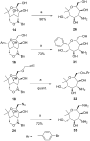
Scheme 10: Hydrogenolyses of bicyclic 1,2-oxazines to aminooxepanes 26, 31 and 32 and to diaminooxepane 33 und...



